What is the Kunstkamera and why should you visit in 2026?
The Kunstkamera stands as Russia's oldest museum, founded by Peter the Great in 1714 to house his personal collection of anatomical curiosities and ethnographic artifacts. Located on Universitetskaya Embankment across from the WinterPalace, this blue-and-white baroque building contains over 200,000 items spanning global cultures. In 2026, the museum continues its tradition of displaying both scientific specimens and ethnographic treasures under one roof.
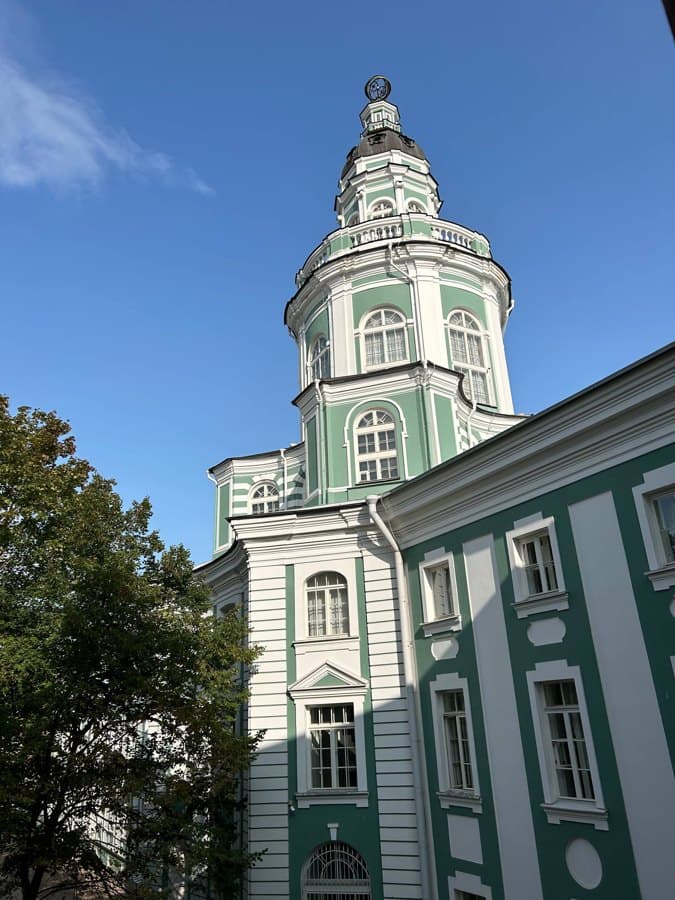
Walking along the embankment from Admiralteyskaya metro station, you see the Kunstkamera's distinctive tower stand out against the Neva River backdrop. The museum occupies a unique position in Saint Petersburg's cultural landscape because it combines Peter the Great's original anatomical collection with extensive displays of indigenous peoples from Siberia, the Americas, Africa, and Asia. The Peter the Great Museum of Anthropology and Ethnography (the institution's official name) maintains its founder's vision of enlightenment through scientific education.
The building itself represents early Russian museum architecture, designed by Georg Johann Mattarnovi and completed in 1734. Inside, you will find the famous anatomical collection that once shocked European visitors, alongside intricate Inuit carvings, Japanese samurai armor, and Siberian shamanic costumes. The museum remains one of Saint Petersburg's most unusual attractions, offering a window into both 18th-century scientific curiosity and global cultural diversity.
Standard adult admission to the Kunstkamera costs 500 rubles (approximately 5 euros) as of 2026, with a 300-rouble concession for students, schoolchildren and pensioners, making it one of Saint Petersburg's most affordable major museums. Concession tickets for students, schoolchildren and pensioners cost 100 rubles, while children under seven enter free. Tickets can be bought at the box office or online on the official website, and entry is by timed session. Prices can differ between sources, so confirm the current rate on the official site before your visit.
The ticket office opens at 10:00 and closes at 17:00, with the museum remaining open until 18:00 (last entry at 17:00). Tuesday through Sunday are regular opening days, while Mondays and the last Tuesday of each month (a sanitary day) are closure periods. The museum is also closed on 1 January, 9 May and 31 December. The official Kunstkamera website publishes the current 2026 schedule, which can change for facade repairs and national holidays, so check it before visiting.
Ticket Type
Price (Rubles)
Price (Euros)
Notes
Adult
400
~4
Ages 18+
Concession (student / schoolchild / pensioner)
100
~1
Valid ID required
Child (under 7)
0
0
Free admission
Audio guide
200
~2
Available in English
Photography inside may carry a small extra fee, though many visitors find the unique exhibits worth documenting. The museum occasionally offers free admission days announced on its official channels, typically coinciding with Museum Night in May or Russian cultural holidays.
Navigating the anatomical collection: Peter the Great's curiosities
The anatomical section occupies the museum's central galleries, displaying preserved specimens that Peter the Great personally acquired across Europe. Glass cabinets contain deformed fetuses, conjoined twins, and skeletal anomalies that 18th-century scientists studied to understand human development. While some visitors find these exhibits unsettling, they represent genuine historical scientific inquiry rather than sensationalism.
These galleries reward an unhurried visit, as the collection reflects early modern medical knowledge. The specimens include preparations by Dutch anatomist Frederik Ruysch, whose embalming techniques Peter admired so greatly he purchased the entire collection in 1717. The Russian Academy of Sciences maintains these historical items with careful preservation protocols that keep them accessible to contemporary researchers and curious tourists alike.
The display methods mirror 18th-century cabinet-of-curiosities aesthetics, with wooden cases and handwritten labels creating an atmospheric journey into Enlightenment-era science. Beyond the anatomical specimens, this section includes early surgical instruments, medical texts, and illustrations that contextualize how physicians understood the human body three centuries ago. The museum provides English explanations for major exhibits, though an audio guide adds valuable historical context.
Parents should consider whether younger children will find these exhibits appropriate, as the preserved specimens remain quite graphic despite their historical significance. The museum makes no attempt to sanitize Peter's original collection, maintaining its educational mission while acknowledging modern sensibilities through thoughtful presentation.
at the Bank of Russia rate on 23.10.2026 · powered by tutkakdoma
Where is the Kunstkamera located and how do you reach it?
The Kunstkamera stands at Universitetskaya Embankment 3, directly across the Neva River from the Hermitage's eastern facade. This Vasilyevsky Island location places it within Saint Petersburg's historic center, accessible via multiple metro stations and bus routes. The nearest metro stop is Admiralteyskaya (purple line), requiring a 15-minute walk across Palace Bridge.
Approaching from Nevsky Prospekt, take the metro to Admiralteyskaya and walk west along the embankment, crossing the Neva at Palace Bridge before turning right. The distinctive turquoise-and-white building becomes visible immediately after crossing, with its observation tower serving as a landmark. Alternatively, Vasileostrovskaya metro station (green line) sits on the same island as the museum, requiring a 20-minute walk eastward along the embankment or a short bus ride on routes 7 or 24.
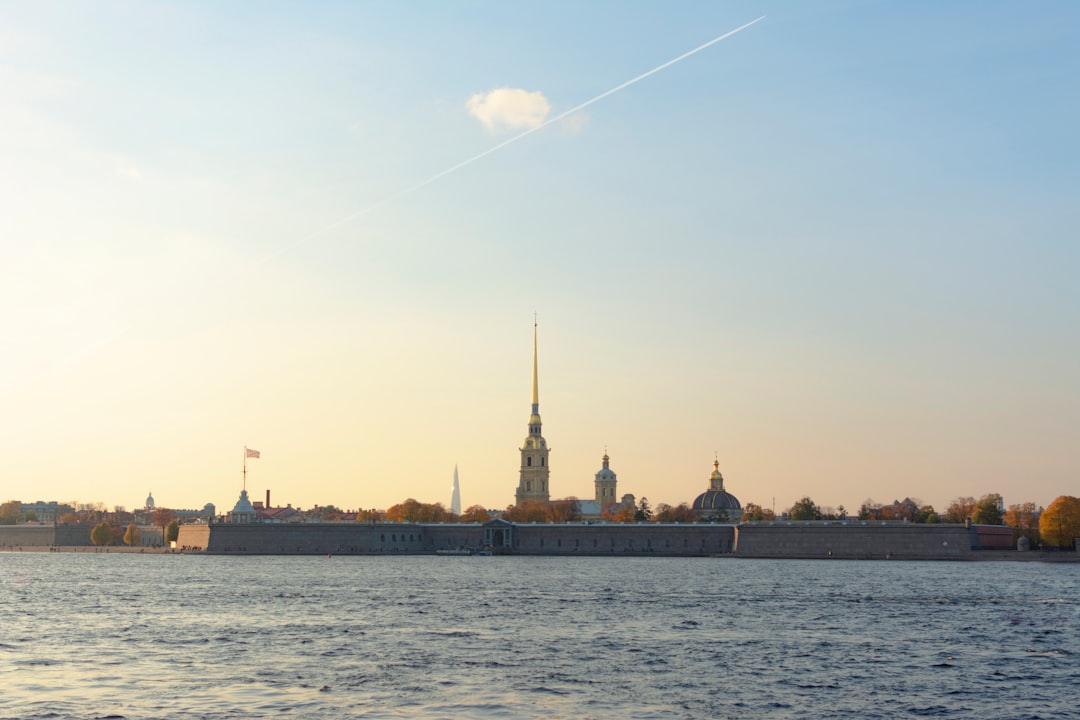
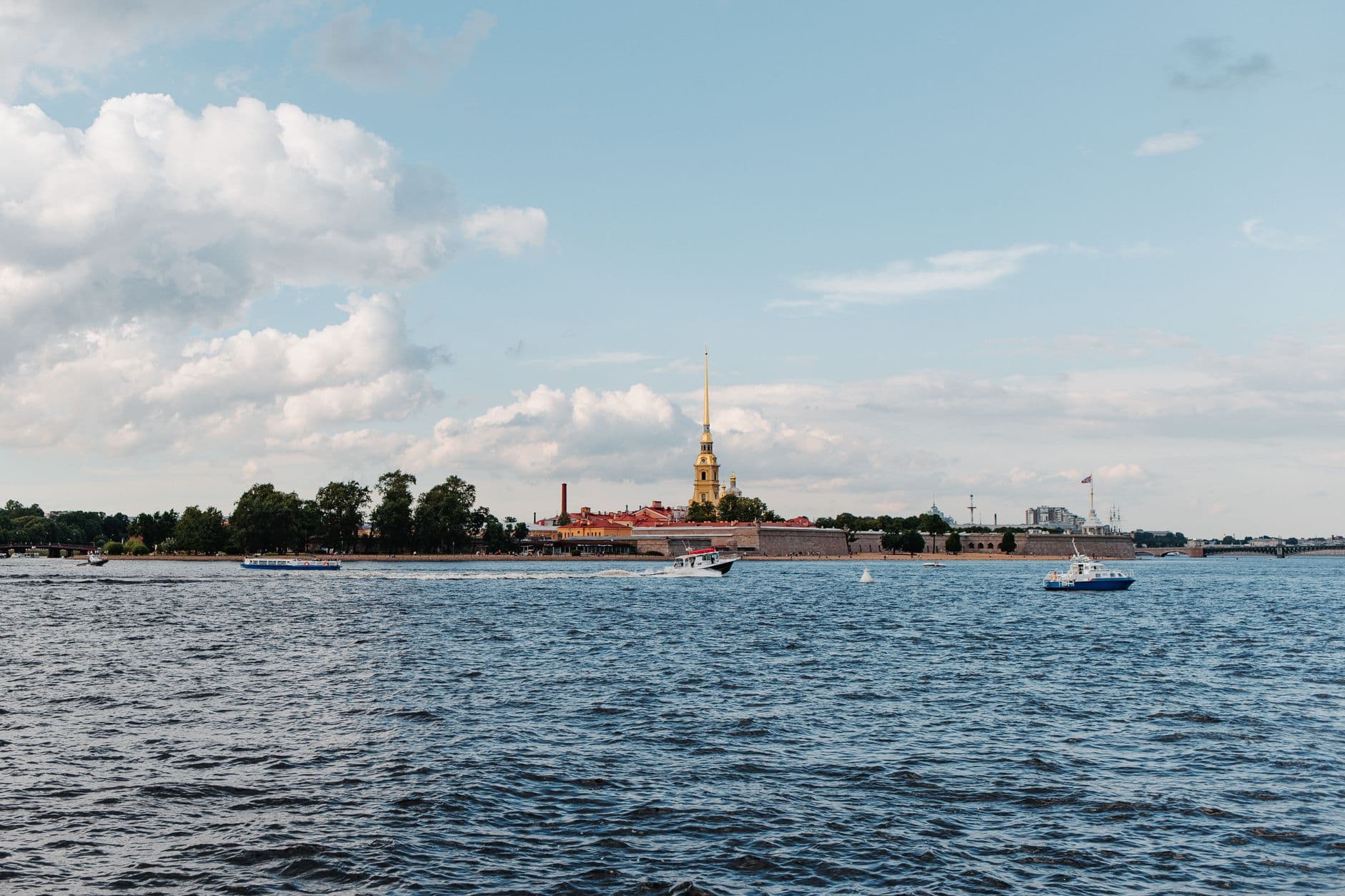
During summer months, the walk from Palace Bridge offers spectacular Neva River views, with the Peter and Paul Fortress visible across the water and pleasure boats cruising past. Winter visitors should dress warmly, as the embankment wind cuts sharply across the open waterfront. Taxi services from Pulkovo Airport typically charge 1,200-1,500 rubles (12-15 euros) for the 20-kilometer journey, taking 40-60 minutes depending on traffic.
The museum entrance faces the embankment, with a small courtyard leading to the ticket office. Entry in 2026 runs on timed sessions, so booking online in advance for a specific time slot is the safest way to secure your visit; groups of ten or more should contact the museum beforehand. The building lacks dedicated parking, but metered street parking exists on nearby side streets for those arriving by car.
Exploring the ethnographic collections across five continents
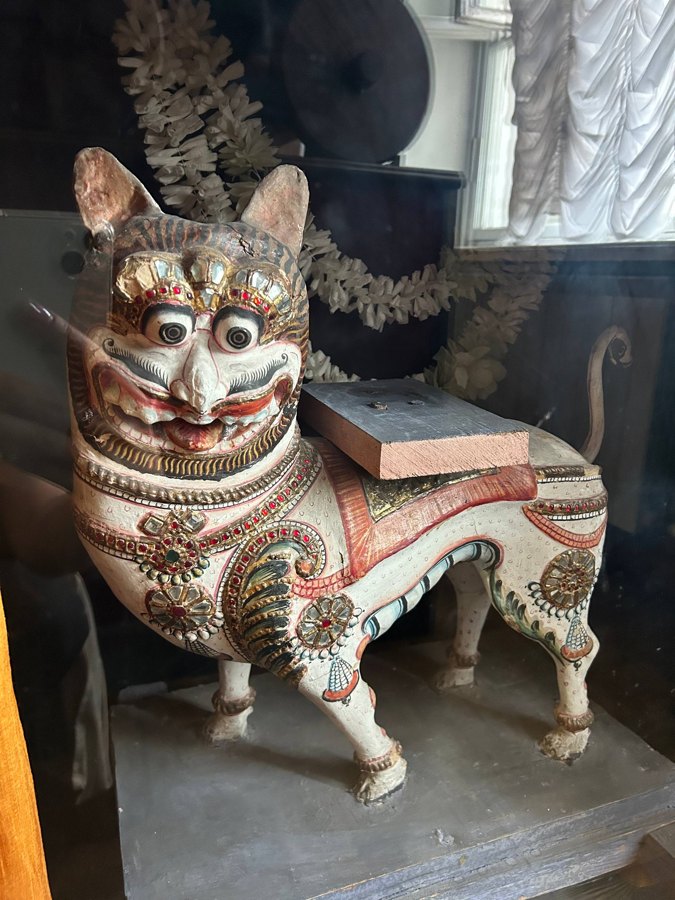
Beyond the anatomical curiosities, the Kunstkamera houses extensive ethnographic galleries showcasing indigenous cultures from around the world. The North American section displays Inuit hunting tools, totem poles, and ceremonial masks collected during 18th and 19th-century expeditions. The Japanese galleries hold samurai armor, tea ceremony implements, and ukiyo-e prints, but note that the Japan exhibition is temporarily closed in 2026 for facade repair work, so confirm its status on the official website before counting on it.
The Siberian shamanism exhibit is particularly compelling, featuring drums, costumes, and ritual objects from Sakha, Evenki, and Chukchi peoples. These items document spiritual practices that Russian ethnographers recorded during imperial expansion eastward. The museum's strength lies in presenting these objects with respect for their cultural origins while acknowledging the colonial context of their acquisition.
African galleries display masks, textiles, and weapons from various regions, while the Oceania section includes intricate Polynesian carvings and New Guinea ceremonial items. Each continental section occupies dedicated floors or wings, creating a global journey within the museum's compact footprint. The Chinese collection features Ming and Qing dynasty ceramics, bronze vessels, and scholar's implements that demonstrate the Kunstkamera's role in introducing Russian audiences to Asian civilizations.
Latin American exhibits include pre-Columbian pottery, Andean textiles, and Amazonian artifacts that complement the museum's broader anthropological mission. The displays emphasize how different cultures solved universal human challenges through unique material innovations, from Arctic survival gear to tropical forest hunting techniques. English signage accompanies most major exhibits, though the audio guide provides deeper cultural context worth the 200-ruble investment.
What should you know before visiting the Kunstkamera?
Plan approximately two to three hours for a thorough visit, though the museum's compact size allows focused exploration in 90 minutes if time is limited. The building spans four floors connected by narrow staircases, with limited elevator access that may challenge visitors with mobility concerns. Because entry runs on timed sessions in 2026, booking online for an earlier slot, ideally before 11:00, helps you avoid the busiest tour-group periods.
The museum shop sells reproductions of ethnographic items, anatomical prints, and Russian-language books about Peter the Great's collecting activities. Credit cards work reliably throughout the facility, though keeping small-denomination rubles helps with the photography fee and audio guide rental.
Winter clothing storage is available in the ground-floor cloakroom, mandatory for bulky coats and large bags. The museum prohibits touching exhibits, flash photography (even with the photo permit), and food or drinks in gallery spaces. Security staff monitor the anatomical galleries particularly closely due to the fragile nature of the historical specimens.
Combining your Kunstkamera visit with nearby attractions maximizes your time on Vasilyevsky Island. The Zoological Museum sits just 300 meters west along the same embankment, while the Menshikov Palace occupies a restored baroque mansion five minutes' walk away. The Strelka (the island's eastern tip) offers panoramic views of the Hermitage, the Peter and Paul Fortress, and the Neva River confluence, making it an ideal photo stop before or after the museum.
Frequently asked questions
How much do Kunstkamera tickets cost in 2026?
General adult admission is 500 rubles and concession tickets for students, schoolchildren and pensioners 300 rubles, while children under seven enter free. Prices can differ between sources, so confirm the current rate on the official Kunstkamera website before your visit.
The museum opens Tuesday to Sunday, roughly 10:00 to 18:00, with the ticket office closing at 17:00. It is closed on Mondays, the last Tuesday of each month (a sanitary day), and on 1 January, 9 May and 31 December.
Is the Japan exhibition open in 2026?
No. The Japan exhibition is temporarily closed in 2026 for facade repair work. The anatomical collection and the other ethnographic galleries remain open, but check the official website in case other halls are affected during your visit.
How do you get to the Kunstkamera?
The museum sits at Universitetskaya Embankment 3 on Vasilyevsky Island. The nearest metro is Admiralteyskaya, about a 15-minute walk across Palace Bridge; Vasileostrovskaya is on the same island, around 20 minutes away or a short ride on bus 7 or 24.
Can you buy Kunstkamera tickets online?
Yes. In 2026 tickets are sold both at the box office and online on the official website, and entry runs on timed sessions. Booking online for a specific time slot is the safest way to guarantee entry on busier days.
Frequently asked questions
Какие у Кунсткамеры выходные?
Понедельник и последний вторник месяца — это санитарный день. Кроме того, музей закрыт 1 января, 9 мая и 31 декабря.
До скольки работает Кунсткамера?
Со вторника по воскресенье с 10:00 до 18:00, но вход закрывается в 17:00. Прийти без четверти шесть и попасть внутрь уже не выйдет.
Можно ли попасть в Кунсткамеру бесплатно?
Да. Третий четверг каждого месяца с сентября по апрель — день бесплатного посещения для индивидуальных посетителей.
Где покупать билеты в Кунсткамеру?
Билеты продаются по сеансам и только двумя способами — на официальном сайте музея либо в кассах. Одновременно музей принимает не более четырёх экскурсионных групп, поэтому в выходные сеансы разбирают заранее.