What Are the Ticket Prices and Opening Hours for 2026?
The Peter the Great Botanical Garden offers admission to outdoor collections and greenhouse access. For 2026, outdoor collections (arboretum, systematic beds, ponds) cost 300 rubles for adults and 150 rubles for children aged 4-7, with children under 4 entering free. Greenhouse guided tours cost 700 rubles for adults and 500 rubles for children aged 4-7. For the latest prices, visitors can check the official website at botsad-spb.com. The garden opens daily from 10:00 to 19:00 between May and September, with reduced winter hours of 11:00 to 16:00 from October through April. The greenhouses are accessible by guided tour only, Tuesday through Sunday from 11:00 to 16:30, and remain closed on Mondays.
Tickets can be purchased at the main entrance on Professor Popov Street, just a short walk from Petrogradskaya metro station. Weekday mornings typically see fewer crowds than weekend afternoons, particularly during the May tulip displays. Ticket offices accept both cash rubles and major credit cards, though some international cards occasionally face processing delays.
Children under seven enter free, while students with valid identification receive discounts. Pensioners receive similar discounts upon presenting Russian retirement documents. Photography permits cost nothing extra for personal use, though commercial shoots require advance permission from the administration. Komarov Botanical Institute manages ticketing policies and updates seasonal pricing on their official channels.
The Historic Greenhouse Complex and Tropical Collections
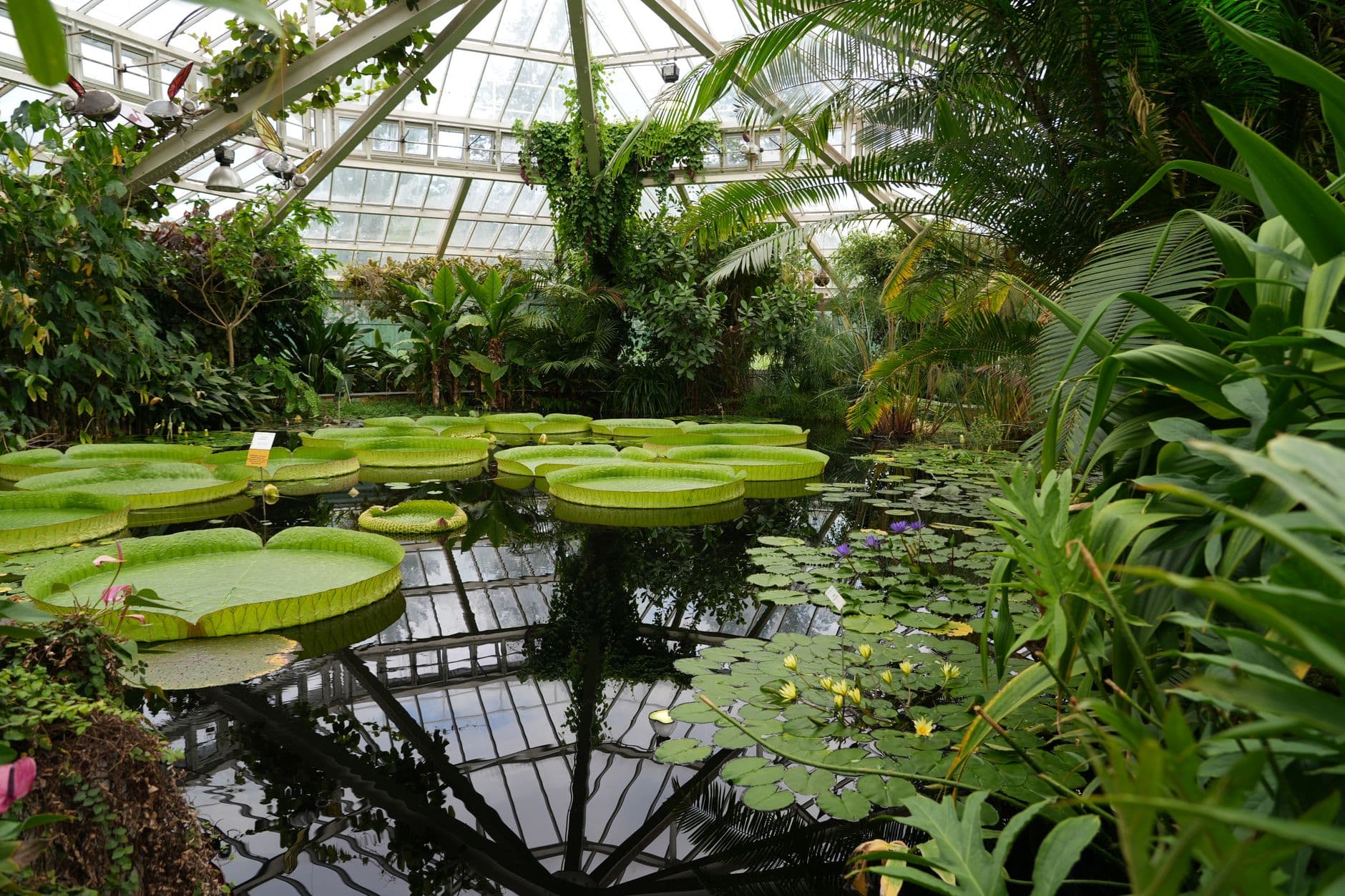
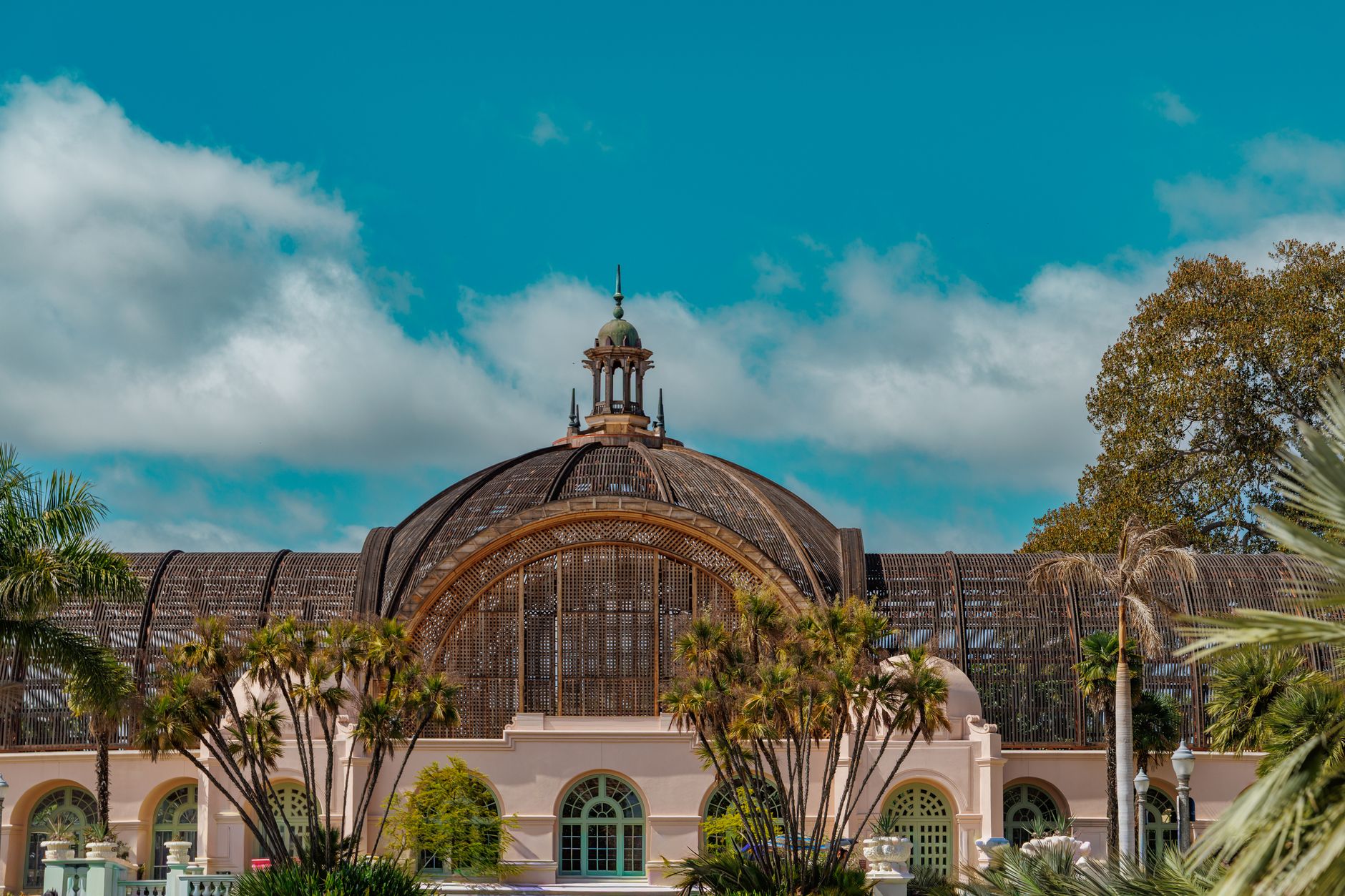
The botanical garden maintains a historic greenhouse complex housing plant species from multiple continents. The Palm House, constructed in 1899, remains the architectural centerpiece with its iron framework and curved glass panels. Inside, visitors walk beneath Canary Island date palms planted in 1912 and Australian tree ferns that predate the Russian Revolution.
The Subtropical House features Mediterranean olive trees alongside South African proteas and Chilean wine palms. The humid air carries scents of citrus blossoms and eucalyptus, a sharp contrast to winter snow outside. Staff members maintain controlled temperatures year-round, creating microclimates that support plants impossible to cultivate in Saint Petersburg's natural conditions.
The Succulent House displays an extensive cactus collection arranged by geographic origin, with separate sections for Mexican agaves, Namibian lithops, and Madagascar aloes. Interpretive signs appear in Russian and English, explaining water-storage adaptations and flowering cycles. The Tropical House recreates equatorial rainforest conditions with high humidity and warm temperatures, featuring banana plants, coffee shrubs, and a small waterfall that recycles through a filtration system.
According to the Komarov Botanical Institute, the greenhouse collections serve both public education and scientific research, with botanists studying plant genetics and climate adaptation. Restoration work completed in 2024 replaced aging heating systems and reinforced glass panels, ensuring these Victorian-era structures remain functional for decades to come.
How Do I Reach the Garden from Central Saint Petersburg?
Take the purple Line 2 metro to Petrogradskaya station, then walk approximately 900 meters north along Professor Popov Street for about 12 minutes. This route passes residential buildings and small cafes, arriving at the garden's main entrance at ulitsa Professora Popova, 2 on the left side. Alternatively, buses 1, 46, and 128 stop directly outside the botanical garden gates, departing from Nevsky Prospekt every 15-20 minutes during daytime hours.
The metro option proves most reliable, as Saint Petersburg traffic can delay surface transport unpredictably. Exit Petrogradskaya station through the northern passage, turn right onto Bolshoy Prospekt, then left onto Professor Popov Street. Clear signage in Cyrillic and Latin scripts marks the route, though a navigation app provides reassurance for first-time visitors.
Taxi services from the Hermitage Museum typically take 15 minutes outside rush hours. Yandex.Taxi and Uber operate throughout the city with English-language apps. The garden sits in the Petrogradsky District, north of the Neva River, requiring a bridge crossing from the historic center. Marshrutka minibuses offer alternatives, though routes and stops lack English announcements.
Walking from Nevsky Prospekt takes roughly 45 minutes via Trinity Bridge, passing the Peter and Paul Fortress along the way. This scenic route suits pleasant weather days when combining multiple attractions.
at the Bank of Russia rate on 24.10.2026 · powered by tutkakdoma
Seasonal Highlights and Best Times to Visit
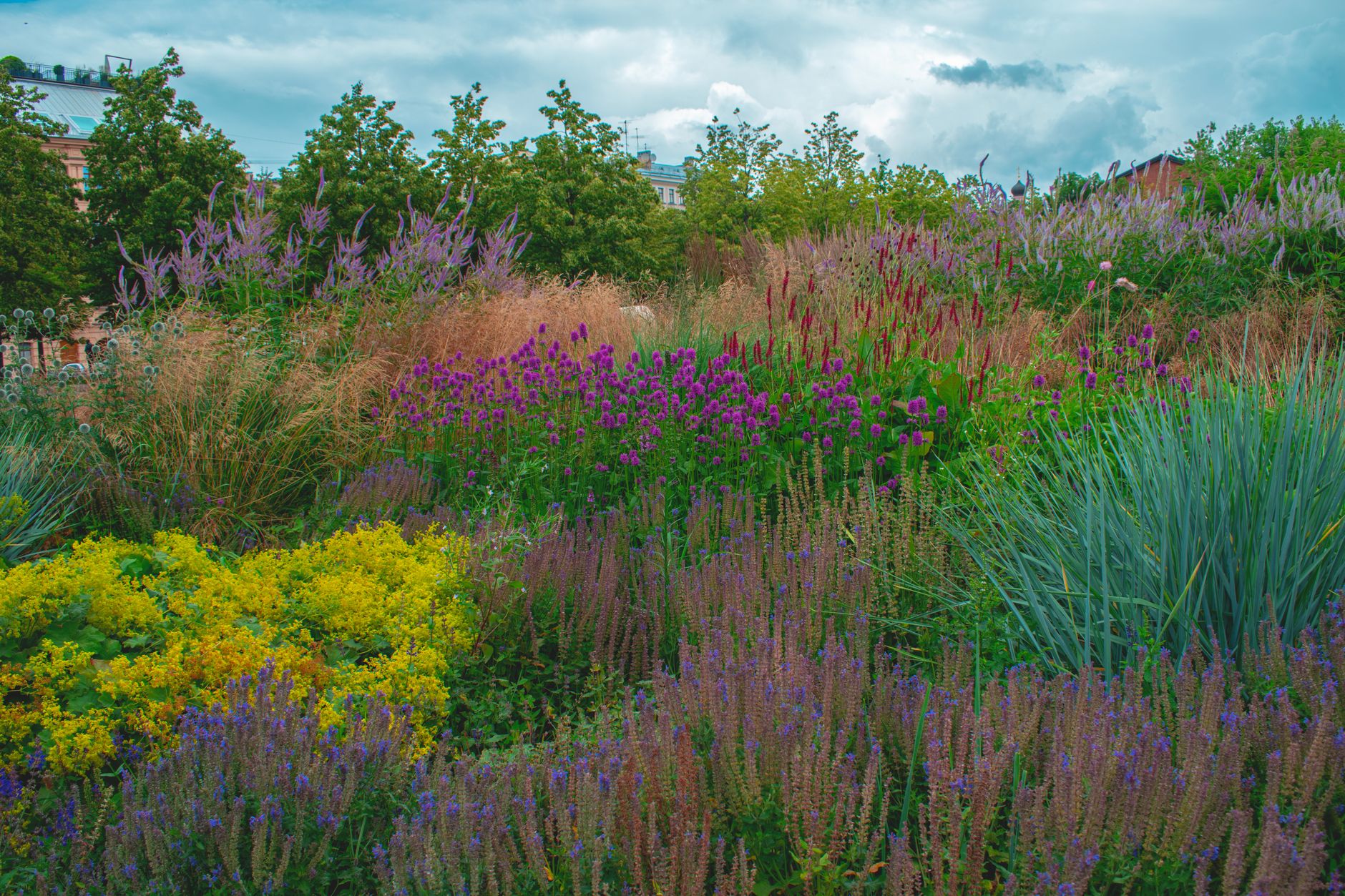
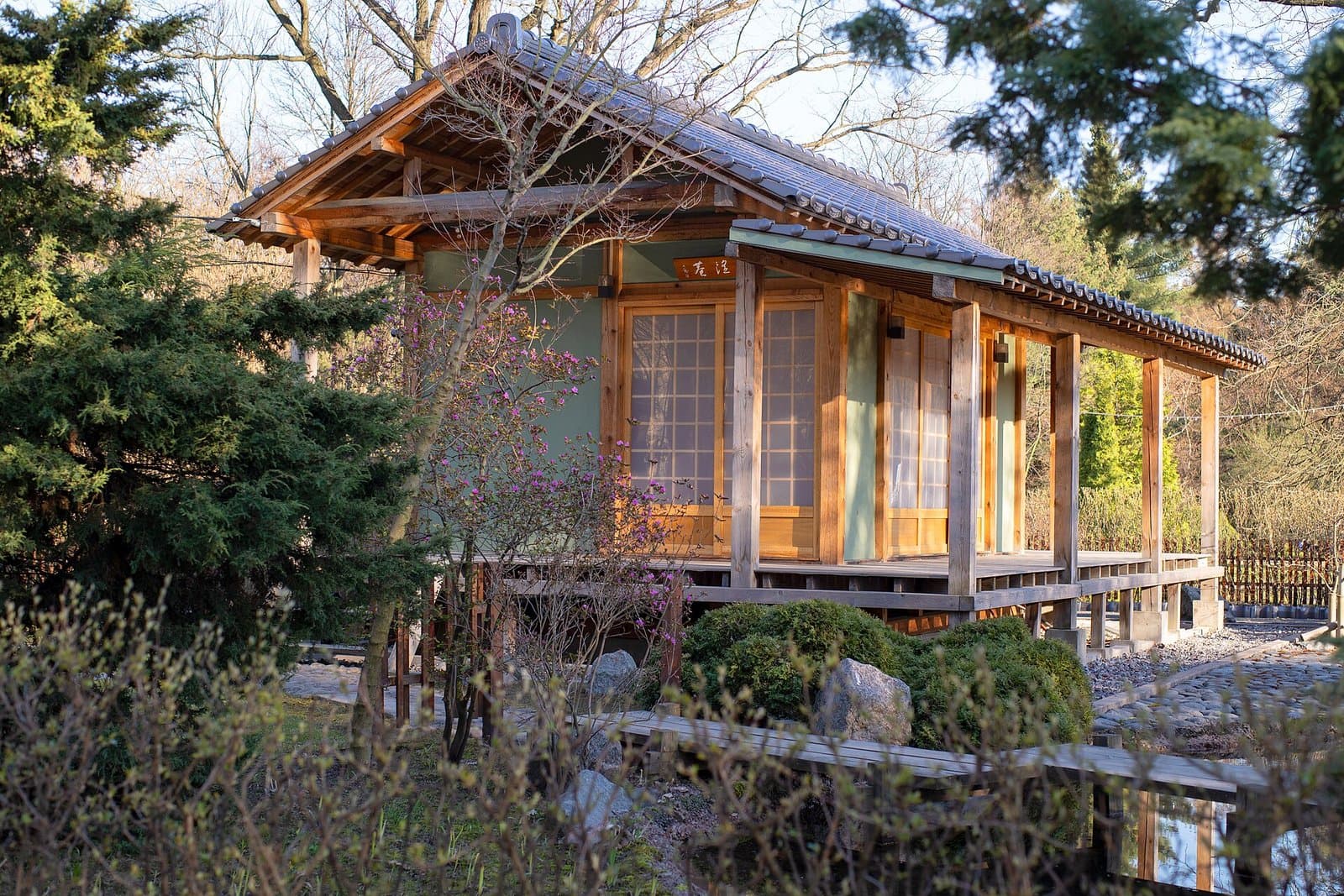
Spring brings the garden's most dramatic displays, with numerous tulip varieties blooming across outdoor beds from late April through May. Japanese cherry trees flower in early May, creating pink canopies along the central pathways. Summer extends visiting hours and activates the fountain system, though July heat sometimes closes certain greenhouses during afternoon peak temperatures.
The alpine section reaches maximum bloom in June, with rock garden plants including edelweiss, saxifrages, and miniature rhododendrons. Staff members prune rose collections that flower continuously from June through September. The arboretum's deciduous trees provide dense shade during summer months, making woodland paths particularly pleasant when temperatures rise.
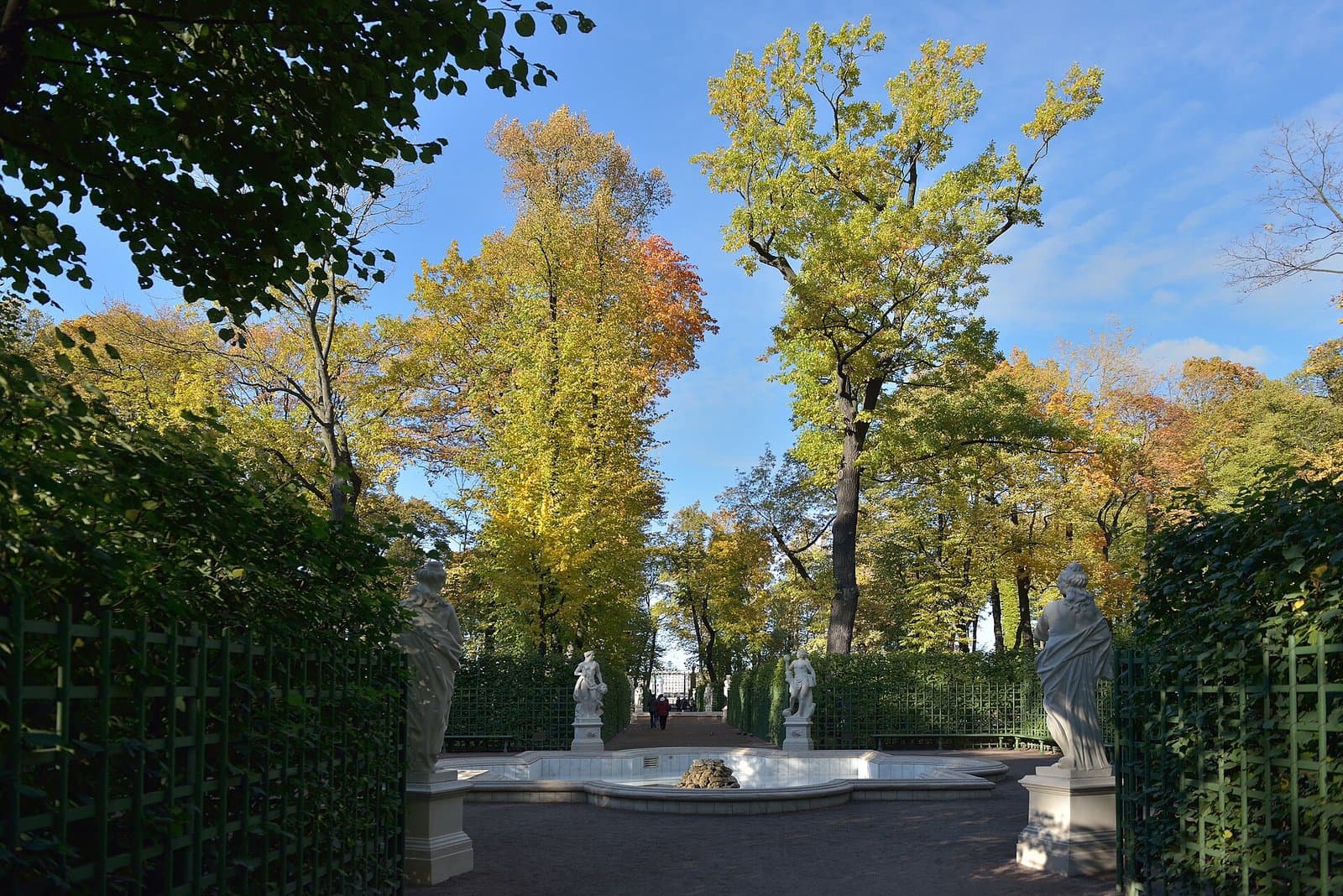
Autumn transforms the garden into a palette of amber and crimson as maples, oaks, and birches change color. October offers comfortable temperatures and fewer tourist crowds than summer peak season. The greenhouse collections maintain consistent displays year-round, making winter visits worthwhile despite limited outdoor interest. February showcases tropical orchids in bloom, while March features early spring bulbs in heated greenhouses.
Weekday mornings from 10:00 to 12:00 provide the quietest experience, particularly valuable for photographers seeking unobstructed shots. Special events include botanical illustration workshops in April and harvest festivals in September, detailed on the garden's event calendar.
Founded in 1714 by Peter the Great as the city's first medicinal herb garden, the institution has grown into Russia's oldest botanical research center. Scientists here identified numerous new plant species during the 19th century, contributing specimens to herbarium collections now numbering millions of pressed samples.
The Komarov Botanical Institute, which administers the garden, employs researchers studying plant systematics, ecology, and conservation biology. Seed exchange programs connect Saint Petersburg botanists with institutions in numerous countries, distributing rare cultivars and wild-collected specimens. The garden maintains Russia's largest collection of Far Eastern flora, including endangered species from Primorsky Krai and Sakhalin Island.
During World War II, botanists protected seed collections through the Siege of Leningrad, with several staff members dying of starvation rather than consuming stored food crops. This sacrifice preserved genetic material that later restored Soviet agricultural diversity. Memorial plaques near the administration building honor these scientists, and their story appears in interpretive displays inside the Museum of Botanical History.
Modern research focuses on climate change adaptation, with trials testing southern plant species for potential cultivation in warming northern latitudes. The garden's gene bank stores seed accessions in temperature-controlled vaults, serving as insurance against biodiversity loss. Educational programs train university students in botanical fieldwork and taxonomy, maintaining Russia's tradition of systematic plant science established over three centuries ago.
Practical Visitor Information and Garden Layout
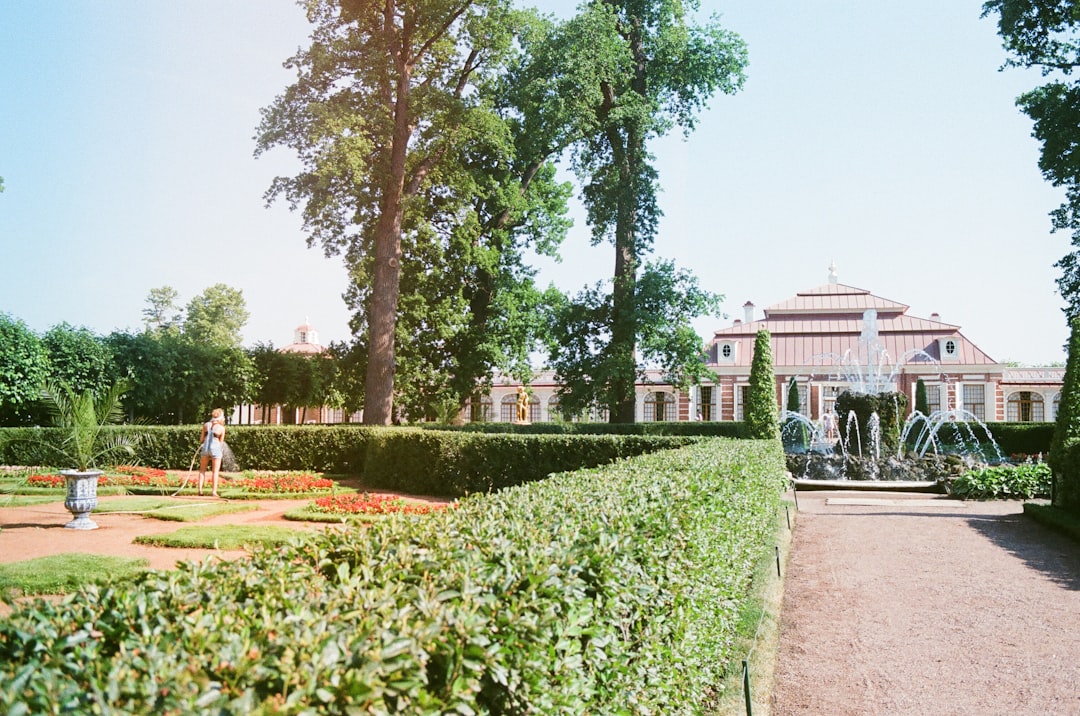
The garden divides into distinct zones: the arboretum occupies the western section with labeled tree collections, while systematic beds in the center arrange plants by botanical family. The eastern area features geographical sections representing flora from the Caucasus, Central Asia, Siberia, and the Far East. A detailed map distributed at the entrance identifies pathways, greenhouse locations, and restroom facilities positioned at multiple points around the grounds.
Visitors typically allocate three hours for a thorough visit, including greenhouse exploration and outdoor walks. Paved paths accommodate wheelchairs and strollers, though some greenhouse entrances involve single steps. Benches appear regularly along major routes, providing rest spots with garden views. The small cafe near the Palm House serves hot tea, coffee, sandwiches, and pastries at reasonable prices, operating from 11:00 to 17:00 daily.
No restaurants exist within the garden itself, so visitors planning extended stays should bring snacks or exit to nearby Petrogradsky cafes. Water fountains provide drinking water at marked locations, though bringing a refillable bottle proves convenient. Restrooms meet European standards with proper facilities, though toilet paper occasionally runs short during busy weekends.
Photography rules permit tripods and professional cameras without special permits for personal use. The garden prohibits picking flowers, climbing trees, or disturbing wildlife including the resident duck population on the pond. Dogs must remain leashed, and smoking is restricted to designated areas near entrance gates. According to Visit Petersburg, the botanical garden ranks among the city's top green spaces, offering respite from urban density.
The Peter and Paul Fortress sits approximately 1.2 kilometers south, reachable via a 15-minute walk along the Neva embankment. This historic complex houses the burial cathedral of Russian tsars and offers panoramic city views from its walls. Combined visits work well as half-day itineraries, particularly when weather permits outdoor walking between sites.
Cruiser Aurora, the revolutionary warship turned museum, anchors approximately 800 meters east of the botanical garden on Petrovskaya Embankment. The ship features exhibits explaining its role in the 1917 October Revolution.
Traditional Russian pastries can be found at Stolle bakery on Bolshoy Prospekt near the garden. The Petrogradsky District contains numerous cafes serving local cuisine at lower prices than tourist-heavy Nevsky Prospekt. Grocery stores and pharmacies cluster around Petrogradskaya metro station, useful for visitors needing supplies.
The Museum of Political History, located in the mansion where Lenin lived during 1917, stands approximately 600 meters from the garden entrance. This specialized museum provides context for understanding Soviet-era scientific institutions like the Komarov Institute. Bus routes connecting these attractions run frequently, though walking remains feasible for visitors with moderate fitness levels.
Ticket Type
Price
Includes
Outdoor Collections Only
300 rubles (adults), 150 rubles (children 4-7)
Arboretum, systematic beds, ponds
Greenhouses Only
700 rubles (adults), 500 rubles (children 4-7)
Guided tour of greenhouse buildings (Tue-Sun 11:00-16:30)