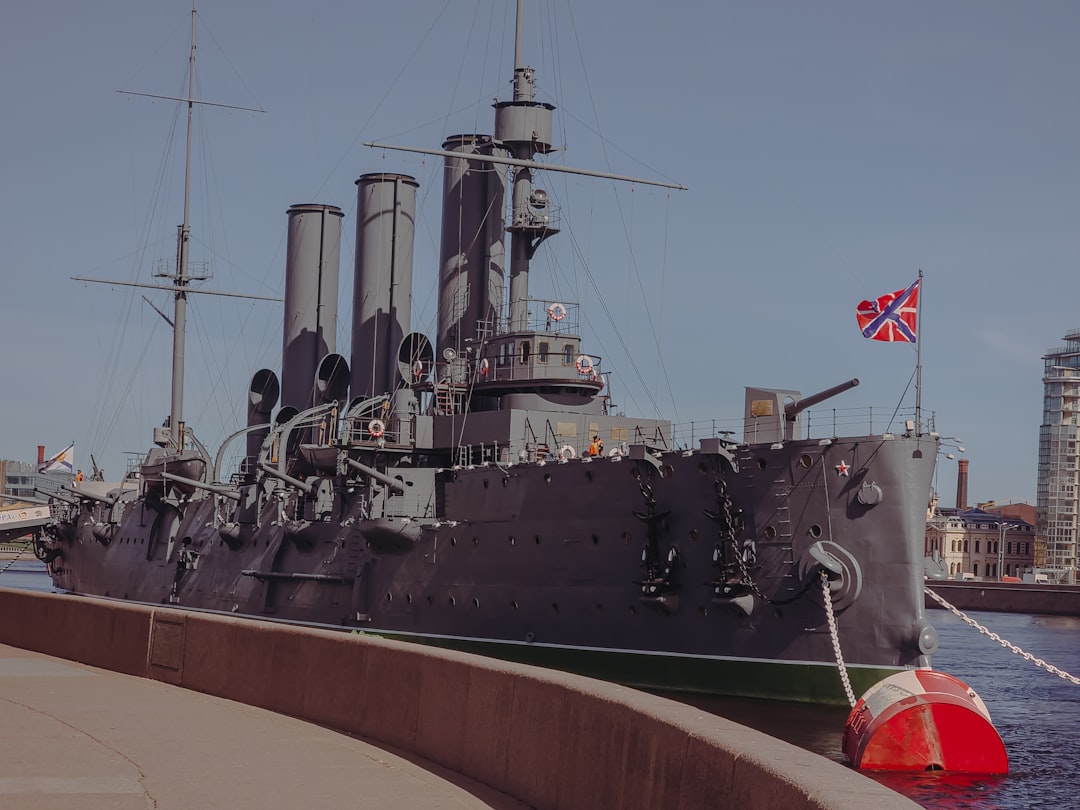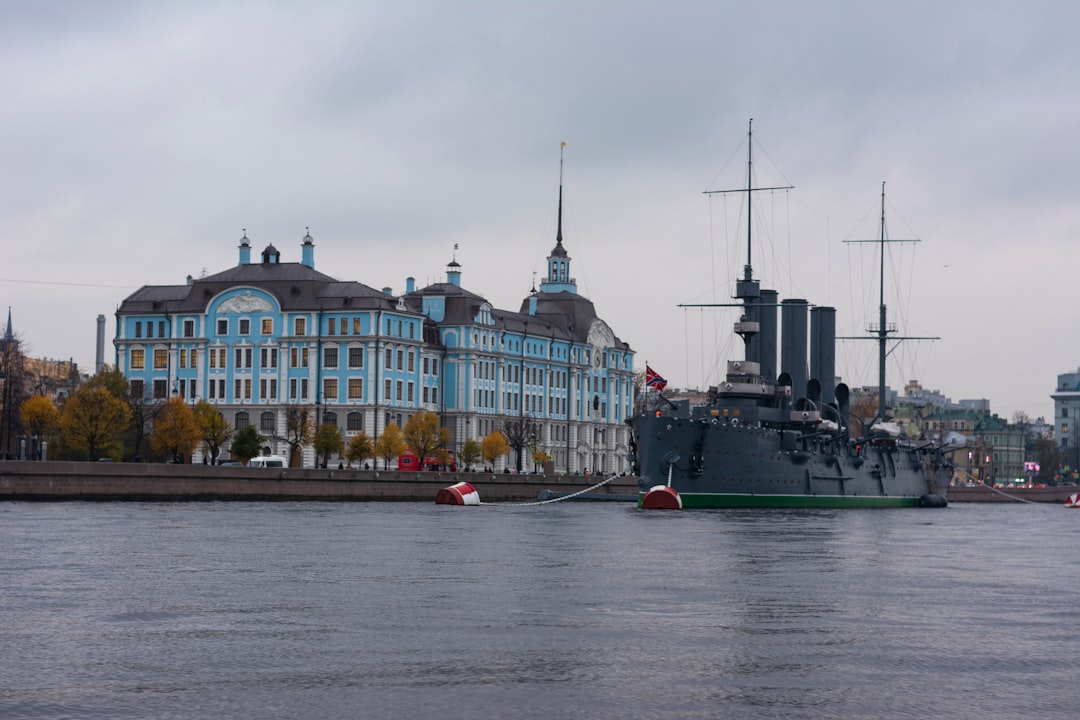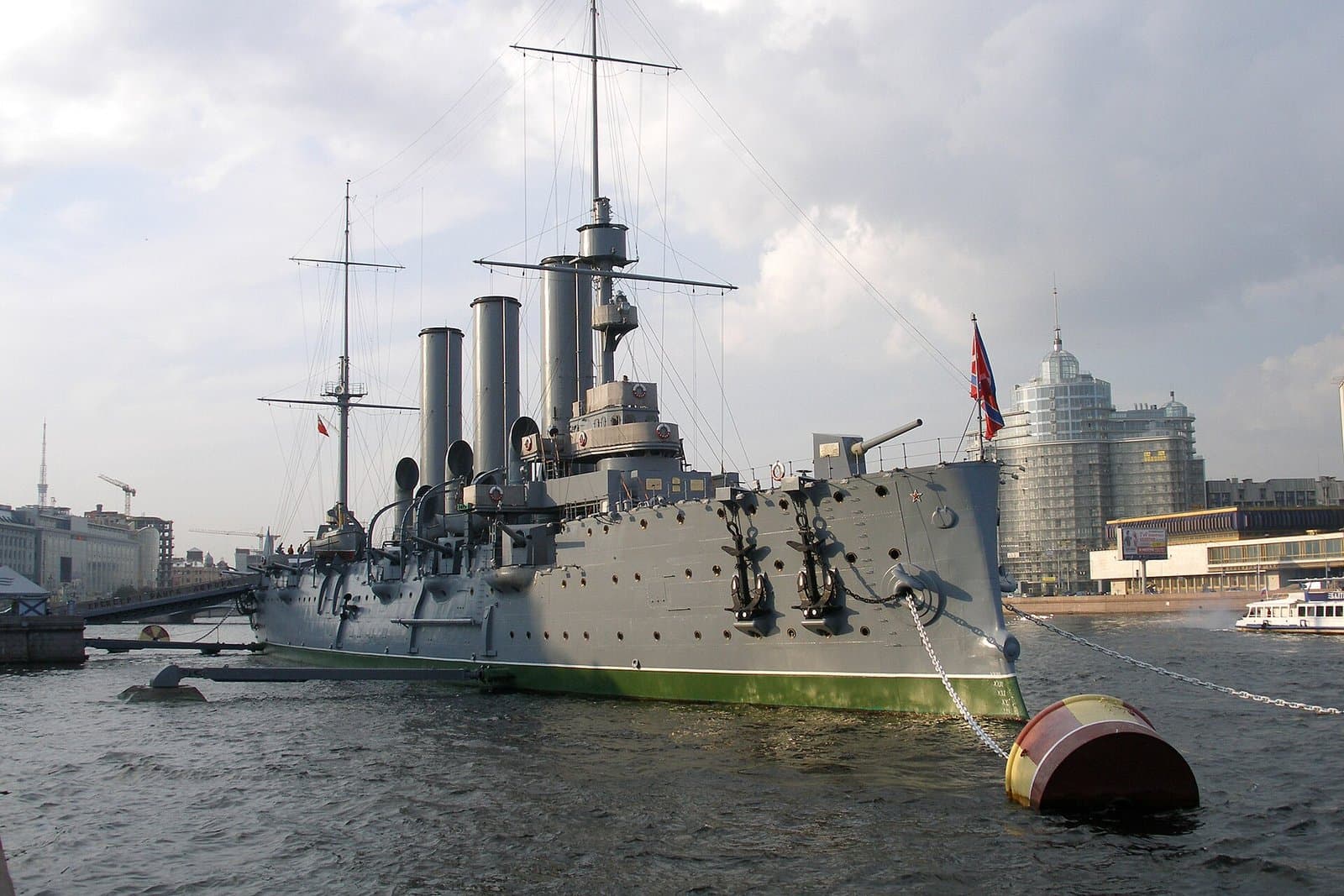

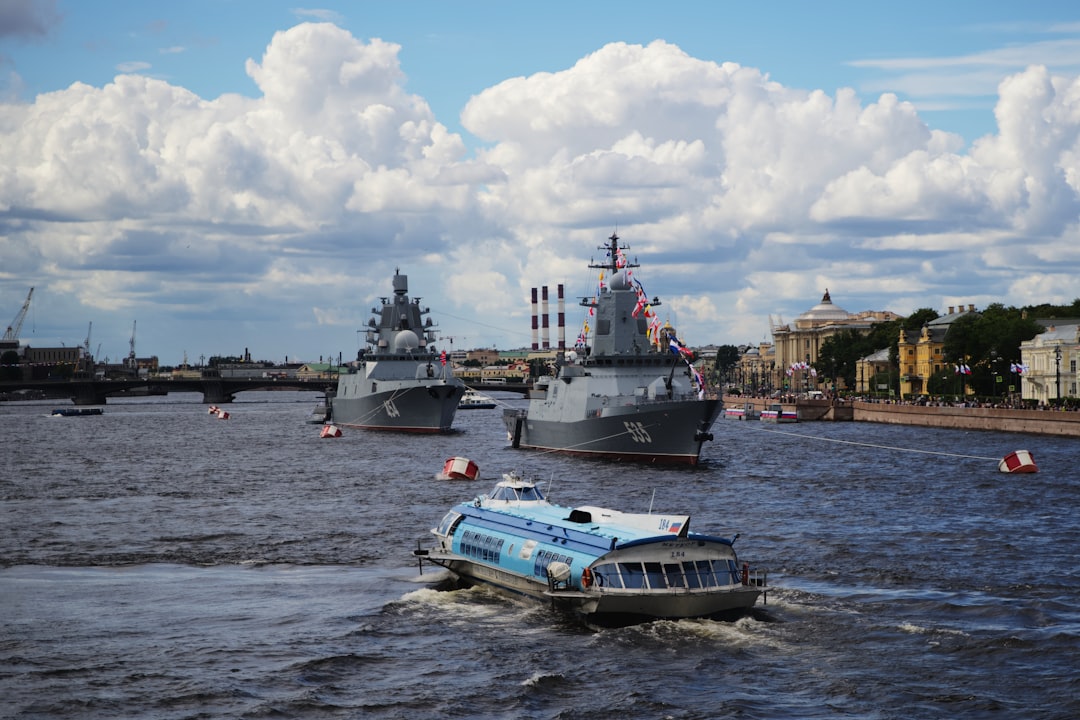
The massive steel hull of the Cruiser Aurora sits permanently moored at the Petrogradskaya Embankment, where the Bolshaya Nevka branches off the Neva — a silent sentinel opposite the Nakhimov Naval School. Its gun decks, once the site of the historic shot that signaled the start of the 1917 October Revolution, are now accessible to visitors who wish to step inside a floating monument of Russian history. For travelers planning a trip in 2026, this museum ship remains one of the most visually striking and historically significant attractions in the city, offering a tangible connection to the events that reshaped the 20th century.
Historical Significance and Museum Context
The Cruiser Aurora is not merely a ship; it is a museum dedicated to the October Revolution. Built in 1900, the armored cruiser served in the Imperial Russian Navy, the Soviet Navy, and is now a museum of the Russian Navy. The most famous event associated with the vessel occurred on November 7, 1917, when a blank shot from its deck served as the signal for the storming of the Winter Palace. This single act helped precipitate the Bolshevik Revolution, making the Aurora an iconic symbol of the era.
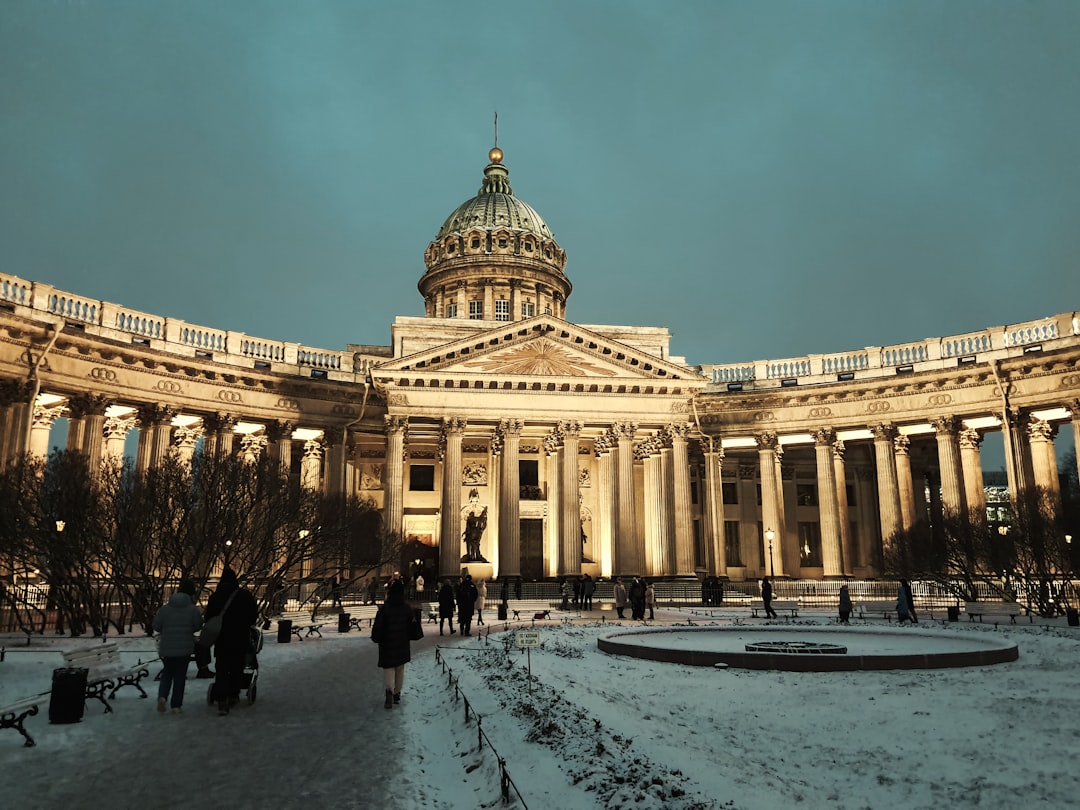
When I walked from Nevsky Prospekt toward the river, I noticed that the sheer scale of the ship dominates the waterfront, creating a stark contrast against the pastel-colored classical architecture of the surrounding buildings. The museum experience inside focuses heavily on this revolutionary period, but it also covers the ship’s earlier service in the Russo-Japanese War and World War II. Visitors can explore the captain’s cabin, the engine rooms, and the battery decks, each preserved to reflect different periods of the vessel’s long operational life.
The Aurora is a branch of the Central Naval Museum named after Emperor Peter the Great, which oversees the exhibition content. Understanding this distinction helps visitors set the right expectations; this is a military and political history exhibit, not an art gallery. The atmosphere is solemn and educational, with detailed plaques explaining the technical specifications of the ship’s armaments and the biographies of key crew members.
Location and Getting to the Museum
The Cruiser Aurora is moored at Petrogradskaya Embankment 2, on the Petrograd side of the Neva, opposite the Nakhimov Naval School. The closest metro stations are Gorkovskaya (Line 2) and Ploshchad Lenina (Line 1). From either station it is about a 20-minute walk or a couple of stops by tram or bus; the route from Gorkovskaya passes the Peter and Paul Fortress and the Cabin of Peter the Great, so many visitors combine all three sights in one outing.
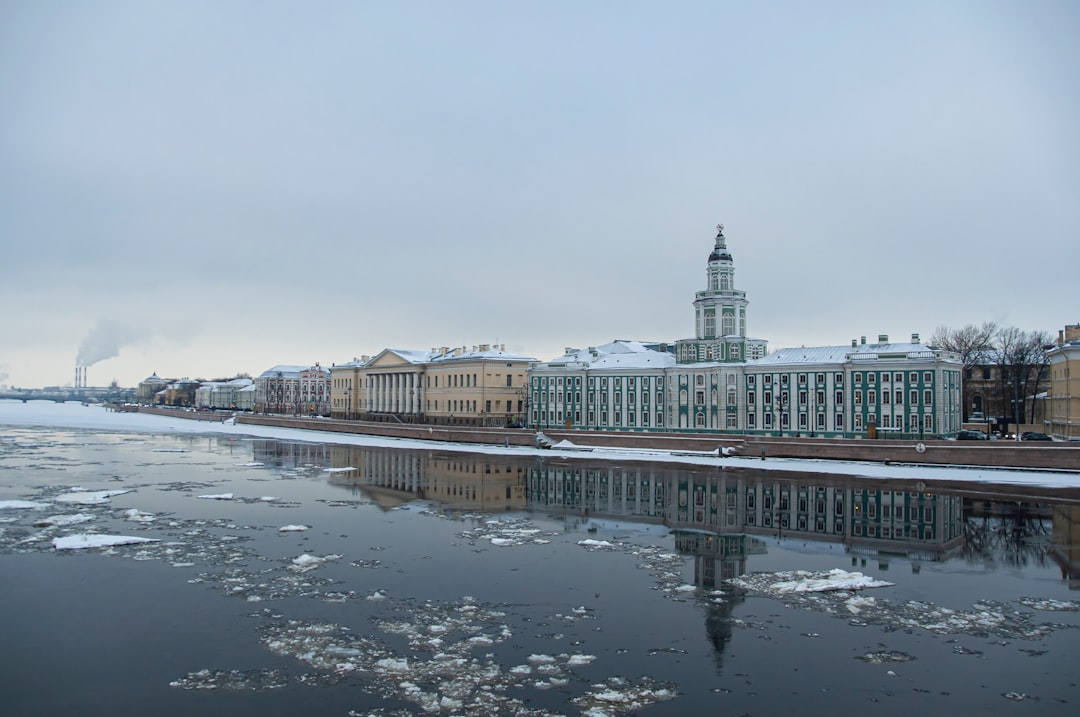
For those arriving from Pulkovo Airport, take the express bus to Moskovskaya metro station and continue by metro (to Gorkovskaya or Ploshchad Lenina), or book a taxi or private transfer for door-to-door convenience, especially during the cold winter months. From the city centre, walking from the Hermitage across Troitsky Bridge is a scenic 30-40 minute route that passes the Peter and Paul Fortress on the way to the ship.
Saint Petersburg Tourism Committee resources often provide up-to-date information on pass validity. Regardless of your ticket method, the location is central enough that it can be easily combined with other major sights, such as the Church of the Savior on Spilled Blood or the Russian Museum, which are both within walking distance.
Practical Tips for Visiting in 2026
Planning your visit to the Cruiser Aurora requires some logistical foresight, particularly regarding timing and what to bring. The museum is open Wednesday through Sunday; Monday and Tuesday are days off. Summer hours (June 1 – August 31) are 10:00–18:00, winter hours (September 1 – May 31) are 11:00–18:00, and the ticket office closes 45 minutes early, at 17:15. In 2026 an adult ticket costs about 600 rubles, with concession tickets around 300 rubles — verify on the official site before you go. Arrive early in the morning to avoid the largest crowds, which typically peak around midday. Security checks are strict, similar to other major museums in the city, so arrive with your hands free and avoid carrying large bags.
- Check the current opening hours on the official website before your visit, as seasonal variations in 2026 may affect morning or evening availability.
- Wear comfortable, non-slip shoes, as the deck and internal passages can be uneven, and some areas involve climbing steep metal stairs.
- Combine your visit with a walk along the Neva embankments and the Peter and Paul Fortress to make the most of the Petrograd side and capture iconic photos of the ship against the cityscape.
- Avoid visiting during major public holidays or military parades, as access may be restricted or security measures intensified significantly.
- Bring a power bank for your camera or phone, as taking photos inside the dimly lit engine rooms and cabins may drain your battery quickly.
Photography is generally permitted inside the museum, but flash photography is often prohibited to preserve the exhibits. Tripods are usually not allowed due to space constraints. I noticed that the lighting on the upper decks is particularly good for photography, especially during the golden hour before sunset, when the light reflects off the water and illuminates the ship’s silhouette. However, inside the lower decks, the lighting is dimmer, so adjusting your camera settings is necessary.
Exhibits and What to See Inside
Inside the Cruiser Aurora, the exhibition is divided into several thematic sections. The main deck features the famous 152-mm guns, which are still mounted in their original positions. These weapons are the primary draw for many visitors, offering a chilling reminder of the ship’s combat capabilities. The captain’s cabin is furnished in a style typical of the early 20th century, with personal items of the commanders who served on board. Detailed models and interactive displays explain the ship’s navigation systems and communication equipment.
The engine room is a highlight for those interested in industrial history. The massive steam engines and boilers are preserved in working order, demonstrating the engineering prowess of the era. The heat generated by these engines is no longer present, but the scale of the machinery is impressive. Audio guides are available in multiple languages, including English, which provide detailed commentary on the exhibits. Russian Ministry of Culture standards for museum preservation are strictly followed, ensuring that the historical integrity of the ship is maintained.
On my last visit, I spent considerable time in the section dedicated to the October Revolution. The narrative here is dense with historical documents, photographs, and artifacts from the 1917 period. It is a poignant reminder of the political turmoil that swept through Russia at the time. For history enthusiasts, this section offers a deep dive into the ideological motivations and the chaotic events that led to the establishment of the Soviet Union. The exhibits are well-curated, providing context that helps international visitors understand the significance of the Aurora in the broader scope of world history.