
What makes the Museum of the Siege and Defence of Leningrad essential for understanding Saint Petersburg's history?
The Museum of the Siege and Defence of Leningrad stands as the primary institution documenting the 872-day Nazi blockade that claimed over one million civilian lives between 1941 and 1944. Located at 9 Solyanoy Lane near Chernyshevskaya metro station, this museum preserves artifacts, personal testimonies, and historical records that cannot be found elsewhere in the city. For anyone seeking to understand why Saint Petersburg residents refer to their city with such profound respect, this museum provides the answer through tangible evidence of survival and resistance.
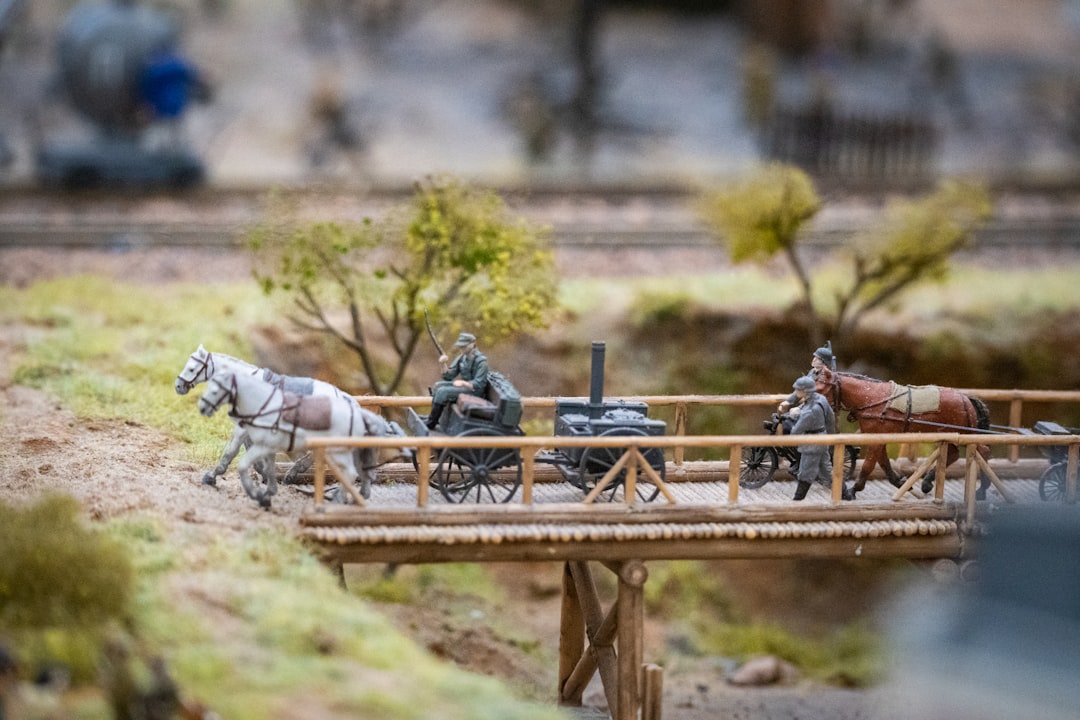
The entrance hall often evokes immediate silence among international visitors. The museum's collection includes over 50,000 items ranging from ration cards showing the daily bread allowance of 125 grams to artillery shells that landed on Nevsky Prospekt. The State Museum of the History of Saint Petersburg manages this site as part of its network, ensuring professional curation and historical accuracy in every exhibit label.
The building itself carries historical weight—constructed in 1945 specifically to house this collection, it was among the first museums worldwide dedicated to civilian wartime experience. The permanent collection occupies the ground floor, with temporary exhibitions on the second floor. The museum underwent significant renovation between 2019 and 2022, adding climate control systems and accessibility features while preserving the original exhibition philosophy established by survivors who became the first curators.
What are the museum's opening hours and ticket prices for 2026?
The Museum of the Siege and Defence of Leningrad operates Monday and Wednesday through Sunday from 10:00 to 18:00, with the ticket office closing at 17:30. The museum closes on Tuesdays and on the last Wednesday of each month for maintenance. Self-guided entry to the permanent exhibition is free for all visitors. Audio guides in English, German, French, and other languages are available for rent at 350 rubles, covering the main exhibition halls with survivor testimonies and historical context. Author-led guided tours in Russian cost 400 rubles (200 rubles reduced rate for students with valid cards). For the latest information, visitors can check the official website at blokadamus.ru.
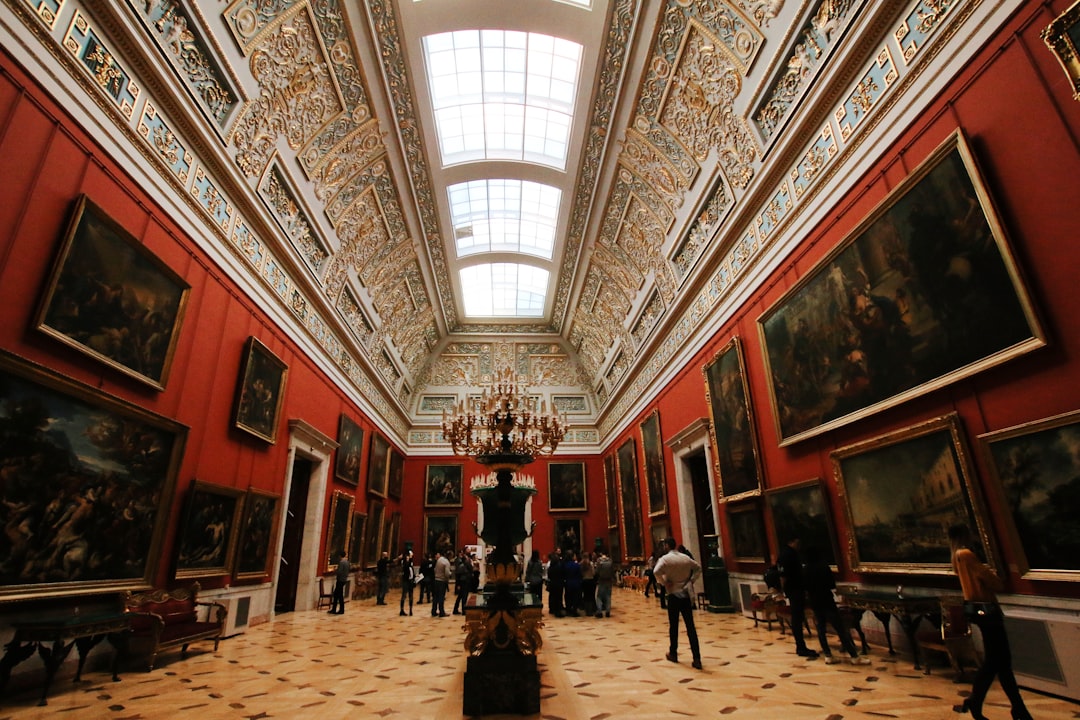
Photography without flash is permitted in most areas except the Hall of Memory, where restrictions protect light-sensitive documents. The museum accepts both cash rubles and card payments, though the small gift shop near the exit operates cash-only for postcards and historical books.
The museum extends hours during the annual Siege commemoration week (January 18-27), staying open until 20:00 to accommodate increased visitor numbers. The ticket office stops selling entries before closing time. Visitors should plan to spend at least two hours for the permanent collection, or three hours to read the detailed placards explaining each artifact's provenance.
Which exhibits provide the most powerful insight into civilian life during the blockade?
The Bread Ration Hall on the ground floor displays the actual daily portions that sustained Leningraders through winter 1941-42: 125 grams for dependents and office workers, 250 grams for manual laborers. These dark, sawdust-mixed loaves sit behind glass alongside the ration cards residents carried everywhere, their edges worn from constant handling. The adjacent display shows a typical room from a communal apartment, with a bourgeois stove (burzhuika) fashioned from scrap metal, furniture broken for firewood, and windows covered with plywood after bombing shattered the glass.
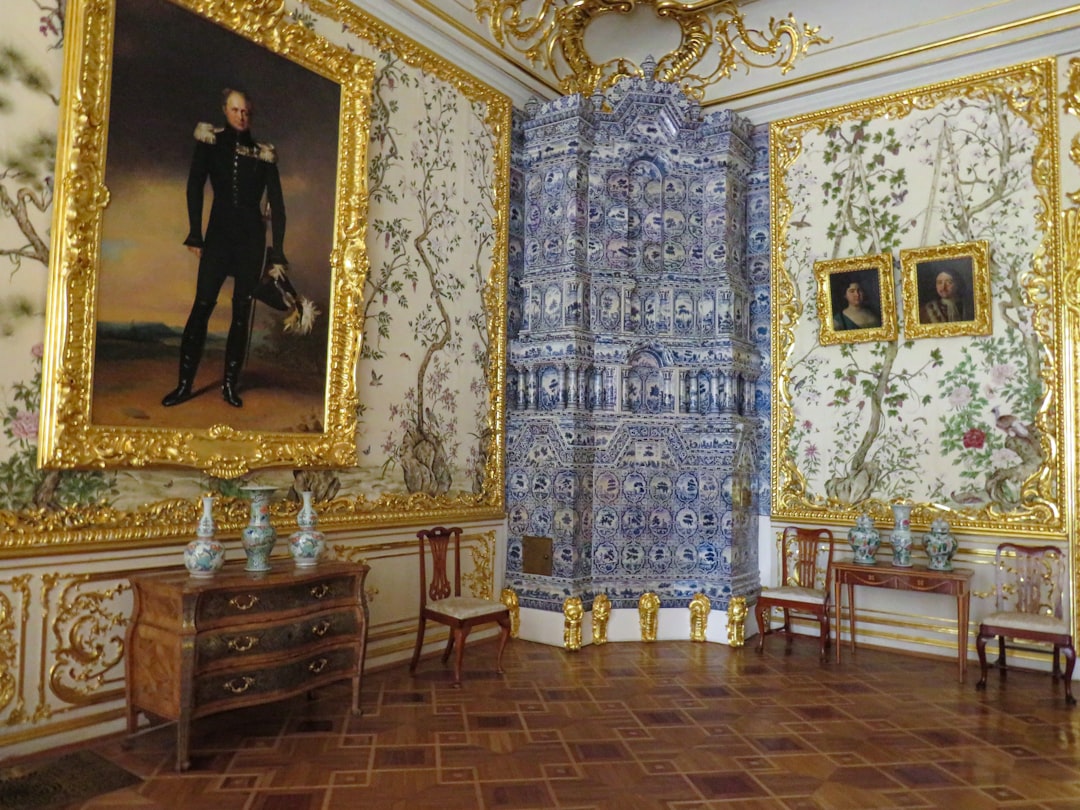
The Diary Room preserves handwritten accounts from eleven Leningrad residents, including excerpts from Tanya Savicheva's notebook where the eleven-year-old recorded her family members' deaths one by one. These diaries serve as irreplaceable documentation of civilian experience under siege conditions. Visitors often find these pages deeply moving, with family members sometimes translating passages for younger generations who learn that their own relatives survived the blockade as children.
The Lifeline Corridor exhibition documents the Road of Life across frozen Lake Ladoga, the only supply route into the city during winter months. Original photographs show trucks crossing ice that was often only 20 centimeters thick, drivers knowing that breaking through meant certain death in water temperatures below zero. The museum displays actual truck parts recovered from the lake bottom, along with the logbooks recording tonnages transported: 361,109 tons of cargo into Leningrad and 554,186 evacuees transported out between November 1941 and April 1942.
How does the museum connect to other World War II sites in Saint Petersburg?
The Museum of the Siege forms part of a historical circuit that includes Piskaryovskoye Memorial Cemetery, where 420,000 siege victims lie in mass graves, and the Monument to the Heroic Defenders of Leningrad at Victory Square. Visitors often combine these sites in a single day using Saint Petersburg's metro system. The museum staff can provide information about visiting these related historical locations.
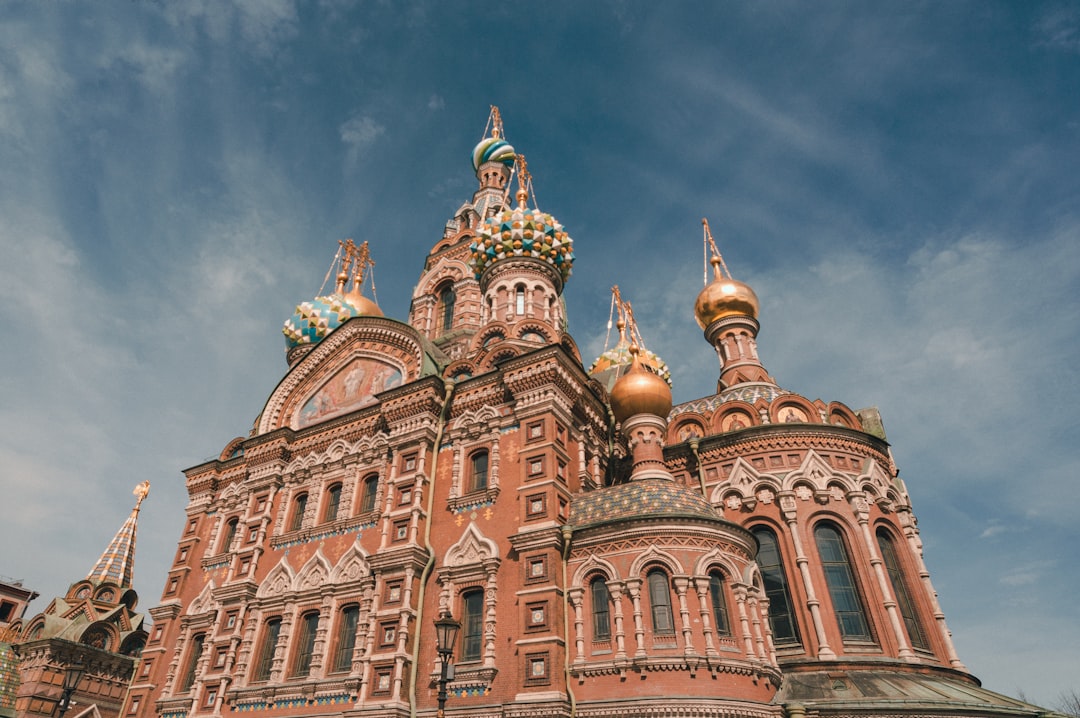
The Pulkovo Heights battlefield site, where Soviet forces held defensive positions preventing German troops from entering the city proper, lies south near Pulkovo Airport. The museum may organize guided excursions to battlefield sites during warmer months; interested visitors should inquire at the museum or check the website for current programs. Contact the museum at +7 (812) 275-75-47 for information about guided tours.
The museum also coordinates with the State Russian Museum for exhibitions of wartime art, since many artists continued working during the blockade, creating documentary paintings and sketches that now reside in the Russian Museum's collection on Arts Square.
What free entry opportunities exist at the Museum of the Siege and Defence of Leningrad?
Self-guided entry to the permanent exhibition is free for all visitors year-round. The museum also participates in special commemorative days including January 27 (the anniversary of the blockade's lifting in 1944) and May 9 (Victory Day), as well as the annual Museum Night event each May, when most Saint Petersburg museums open free from 18:00 to midnight with special programs and extended exhibitions. Visitors should confirm event dates on the official website at blokadamus.ru.
On special event days, the museum may implement crowd management measures to ensure a quality visitor experience. Audio guide rental at 350 rubles and guided tours at 400 rubles (200 rubles reduced rate) remain available as paid options. The museum shop may offer discounts to certain visitor categories on books and reproductions.
How should visitors prepare for an emotionally challenging museum experience?
The Museum of the Siege and Defence of Leningrad presents unfiltered documentation of starvation, death, and suffering on a scale difficult to comprehend. The exhibition includes photographs of emaciated civilians, children's drawings depicting bombing raids, and personal belongings recovered from apartments where entire families perished. The museum provides benches in each hall specifically because visitors often need to sit and process what they're seeing, and staff members receive training to recognize when someone requires assistance or a moment outside.
Visiting earlier in the day allows more time to process the experience without feeling rushed by closing time. The museum's central location means visitors can take breaks in nearby areas if needed. Bringing tissues is practical—the museum provides them near the Diary Room. Nearby cafés serve tea and simple food, offering a place to decompress before continuing with other activities.
The museum discourages bringing children under twelve unless parents judge them ready for graphic historical content. Unlike the State Hermitage Museum, which offers family-friendly treasure hunts and activity sheets, this institution makes no attempt to soften its subject matter. That directness serves its educational mission—visitors leave understanding that Leningraders survived on wallpaper paste and carpenter's glue, grasping why Saint Petersburg residents speak of the blockade as the defining event of their city's modern history.