The Saint Petersburg Cathedral Mosque, with its ribbed turquoise dome and tall minarets, was one of the largest mosques in Europe when it opened in 1913. It stands on the Petrograd Side, a short walk from the Peter and Paul Fortress, and remains an active place of worship that respectful visitors can enter.
What is the Saint Petersburg Cathedral Mosque?
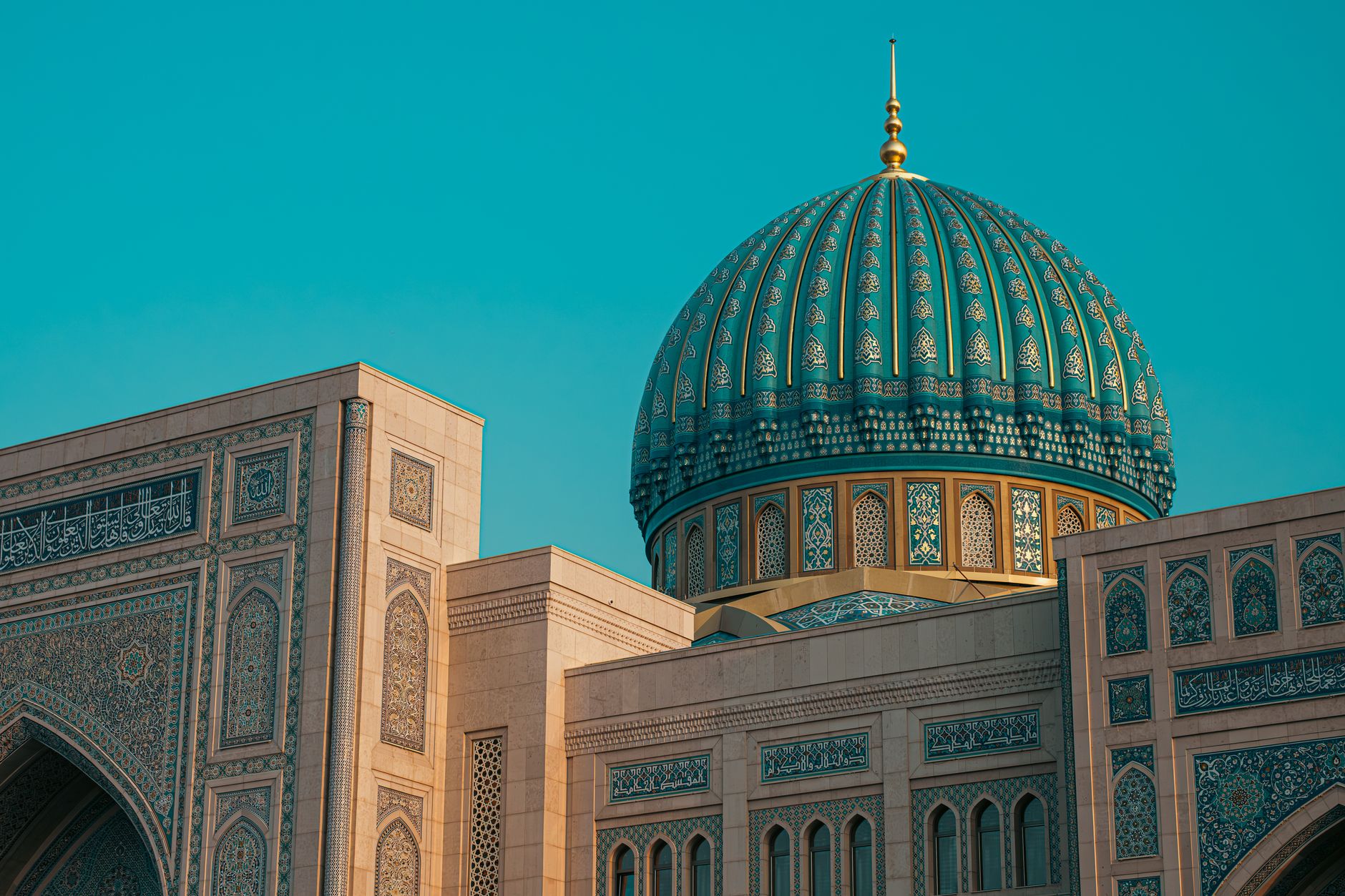
The Cathedral Mosque (Sobornaya Mechet) on Kronverksky Prospekt is the main mosque of Saint Petersburg and one of the most striking buildings on the Petrograd Side. It was designed by the architects Nikolai Vasilyev, Stepan Krichinsky and Alexander von Hohen, built between 1909 and around 1920, and opened for its first services in 1913 to mark the 300th anniversary of the Romanov dynasty.
The project was driven by the city's growing Muslim community, which had raised funds and campaigned for a permanent mosque for years. The land was bought in 1907, and a major donation from the Emir of Bukhara, Said Abdul-Ahad Khan, helped make construction possible. When it was completed it was among the largest mosques anywhere in Europe, and it can hold several thousand worshippers.
Unlike many of the city's landmark buildings, the mosque was conceived as a working place of worship, not a palace or gallery. That single purpose still shapes the experience of visiting today, which is why it feels different from stepping into the Hermitage or a former imperial residence.
What makes the mosque's architecture special?
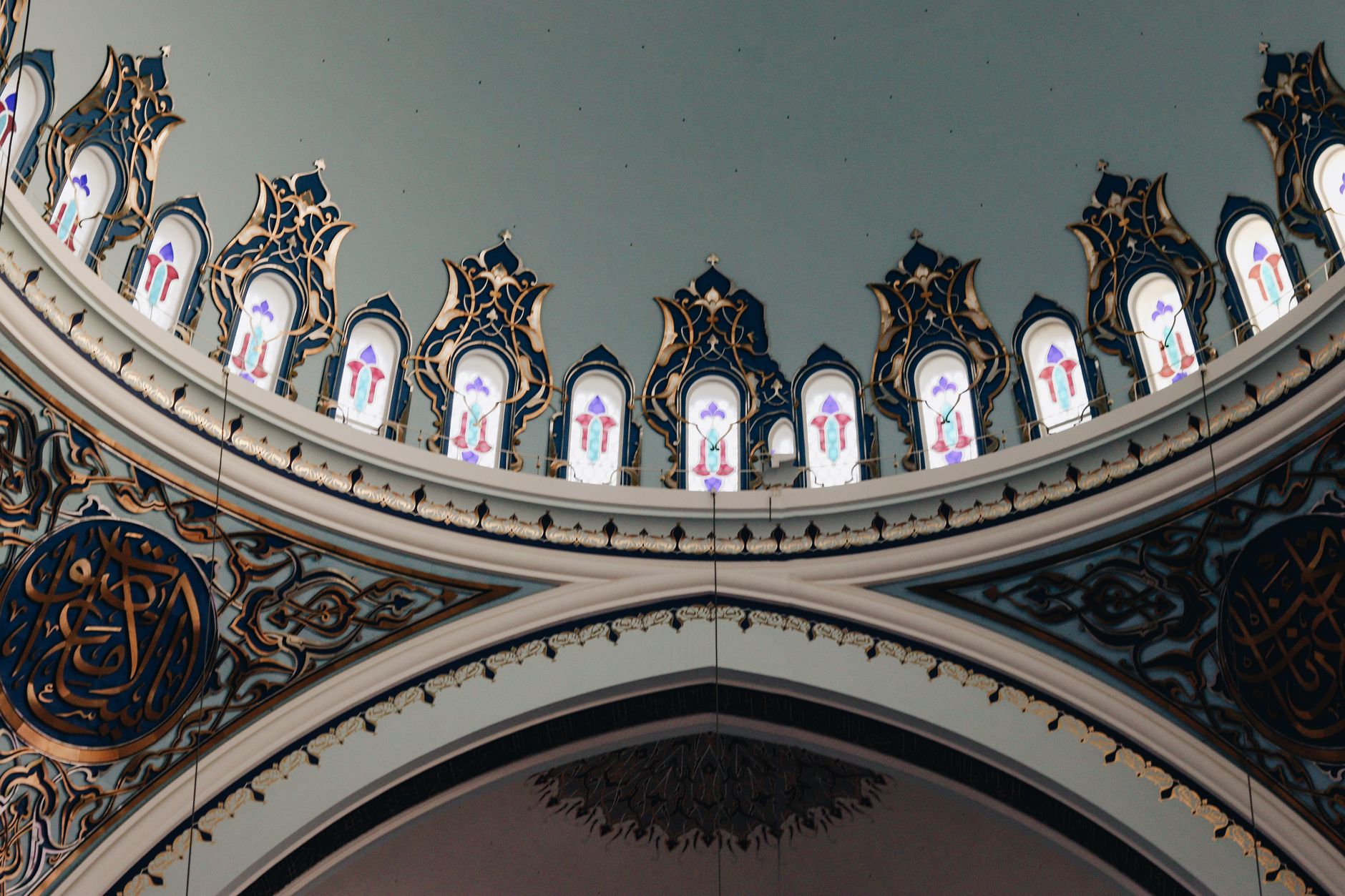
The mosque is a showpiece of early-20th-century Islamic revival design. Its most famous feature is the dome, whose ribbed, sky-blue majolica tiling is directly inspired by the Gur-e-Amir, the mausoleum of Timur (Tamerlane) in Samarkand. Two slender minarets, each around 48 metres tall, frame a monumental portal, and rough grey granite on the lower walls sets off the glazed ceramic blue above.
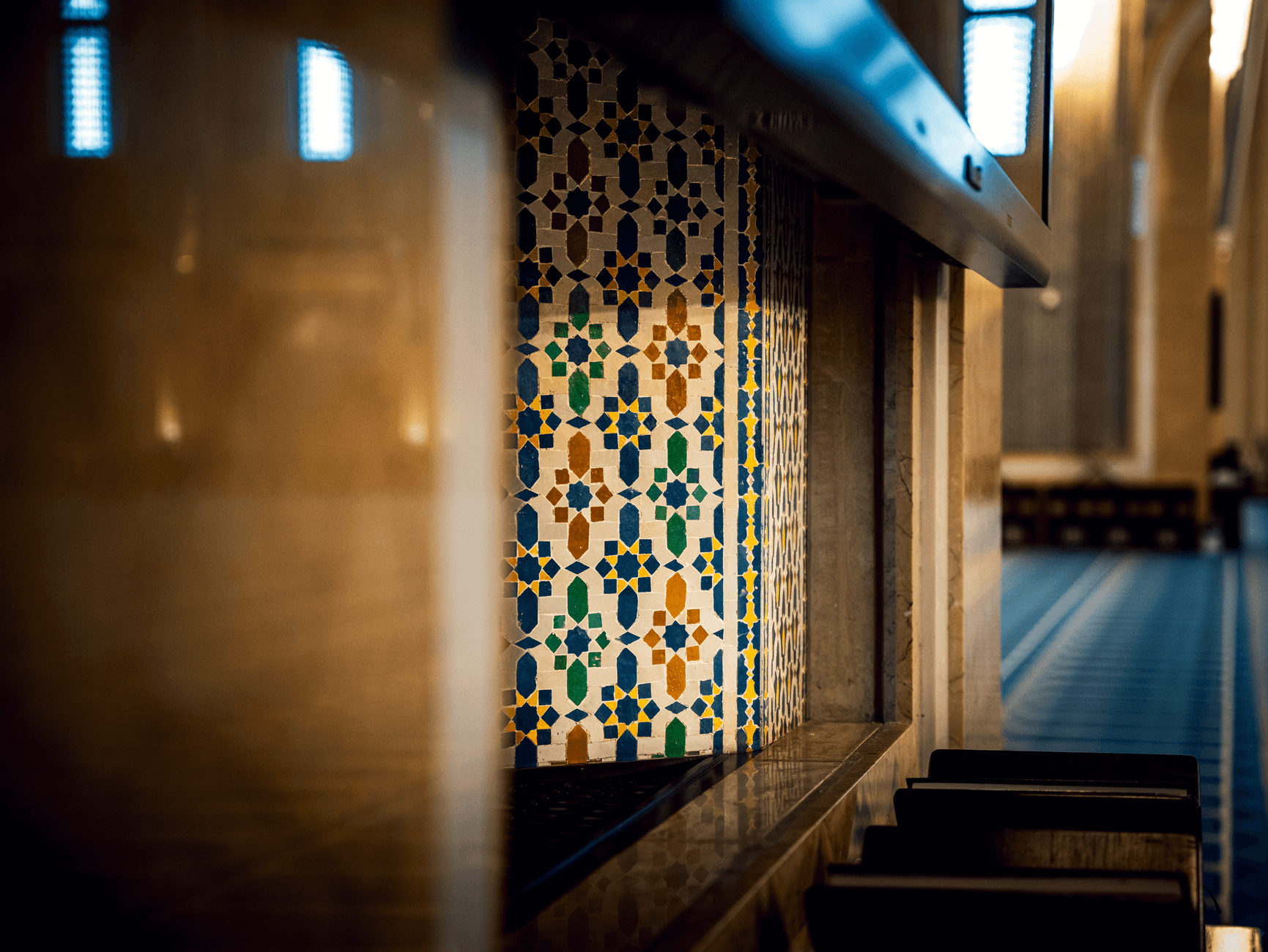
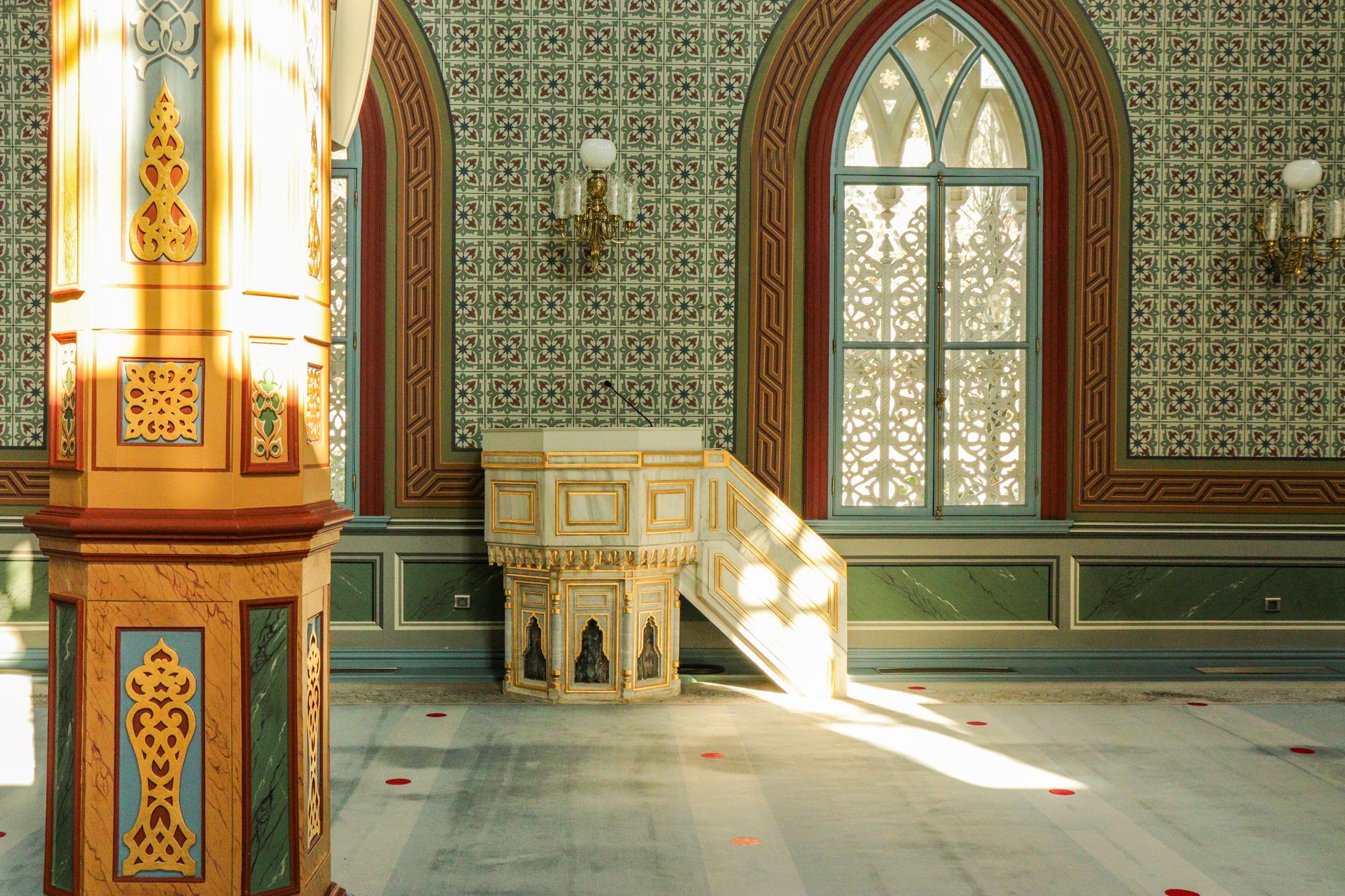
Inside, tall columns rise toward the dome, which sits roughly 39 metres above the floor, and a large chandelier and patterned carpets fill the prayer hall. The mihrab — the niche indicating the direction of Mecca — and the ceramic detailing repay a slow, quiet look. Much of the majolica has been restored over the decades, because the harsh Baltic climate is hard on the glazed tiles the design depends on.
Like most religious buildings in the USSR, the mosque did not escape the anti-religious campaigns. It was closed around 1940 and used for storage during and after the war. It was returned to the Muslim community in the mid-1950s — a change often linked in popular accounts to a visit by Indonesia's President Sukarno, though the exact story is debated — and has served as an active mosque ever since.
Can tourists visit the Saint Petersburg Cathedral Mosque?
Yes. The mosque is a living place of worship rather than a ticketed attraction, and entry is free: respectful visitors of any faith are generally welcome to look around the interior when they follow the rules. Organised guided tours are also available for a fee and normally need to be booked in advance. Dress modestly, keep your voice down, follow the staff's guidance, and avoid Friday midday prayers, when the building is busiest.
at the Bank of Russia rate on 24.10.2026 · powered by tutkakdoma
The mosque at a glance
Detail
Information
Location
Kronverksky Prospekt 7, Petrograd Side
Nearest metro
Gorkovskaya (Line 2, blue), about a 3–5 minute walk
Built
1909–c. 1920; first services 1913
Architects
Nikolai Vasilyev, Stepan Krichinsky, Alexander von Hohen
Style / inspiration
Islamic revival; dome modelled on the Gur-e-Amir in Samarkand
Dome / minarets
Dome roughly 39 m high; minarets around 48 m
Function
Active mosque (not a museum)
Visitor hours
Typically daily ~10:00–17:00 (can change around prayer times and holidays)
Entry
Free; donations welcome. Guided tours available by appointment. Confirm hours locally.
Tourist visiting hours are typically around 10:00 to 17:00 daily, but they are not guaranteed and can shift around religious holidays and prayer times, so treat them as guidance and check on the day rather than relying on a fixed timetable.
Modest dress is essential. Men should cover their shoulders and knees; women should cover their arms, legs and hair, so bring a scarf. You will remove your shoes before entering the prayer hall, men and women use separate areas, and you should never walk in front of someone who is praying or photograph worshippers without asking.
Clothing: long trousers or a long skirt; covered shoulders; a headscarf for women.
Shoes: removed at the entrance to the prayer hall — easy-to-remove footwear helps.
Behaviour: keep quiet, switch phones to silent, and do not eat or drink inside.
Photography: the exterior is a superb photo subject; inside, ask first and do not take photos or video when worshippers are in the prayer hall.
Timing: come within the usual visiting window (around 10:00–17:00), avoid the five daily prayer times, and especially skip Friday midday, when the mosque fills with the community.
How do you get to the mosque?
The easiest route is by metro to Gorkovskaya on the blue Line 2; the mosque's blue dome is visible almost as soon as you leave the station, across Alexander Park. From the historic centre you can also walk over the Neva via the Trinity Bridge. For fares, cards and how the network works, see our Saint Petersburg metro guide.
What else is nearby?
The mosque sits in one of the most rewarding corners of the Petrograd Side for a half-day on foot. The Peter and Paul Fortress, the birthplace of the city, is a few minutes away across the park, and the leafy Alexander Park, the Artillery Museum and the Cruiser Aurora are all within easy reach. Pairing the mosque with the fortress makes for a natural, walkable route.
No — entry is free, though donations toward the building's upkeep are appreciated. Organised guided tours are available for a fee and usually need to be booked in advance. As a religious site the mosque keeps roughly daytime visiting hours (around 10:00–17:00) that can shift around prayer times and holidays, so check locally on the day you plan to go.
Can non-Muslims go inside the Saint Petersburg Mosque?
Generally yes, within visiting hours and provided you dress modestly and behave respectfully. Visitors of all backgrounds are usually welcome to admire the interior quietly, but this is at the discretion of the mosque staff, and there may be times — during services or private events — when the prayer hall is closed to sightseers.
When is the best time to visit?
Late morning or early afternoon on a weekday — within the usual 10:00–17:00 visiting window and away from the five daily prayers and Friday midday — is usually the calmest time. The turquoise dome photographs beautifully in bright daylight, and quieter hours make it easier to look around the interior without disturbing anyone who has come to pray.
Planning a wider trip? A city pass can bundle skip-the-line entry to the museums and palaces you visit alongside the mosque, and a guided Petrograd Side walking tour is an easy way to add context to the neighbourhood's landmarks.