
What is the Russia e-Visa and Who Can Apply in 2026?
The Russia e-visa is a digital travel authorization that lets citizens of around 64 countries enter the Russian Federation — including Saint Petersburg — for tourism, business, or guest visits. As of 2026 the system covers nationals of the European Union, China, India, Singapore, and many other countries. It is a single-entry visa: for applications submitted from late August 2025 it is valid for up to 120 days and allows a stay of up to 30 days in Russia. This guide focuses on using it to visit Saint Petersburg, but the visa itself is not limited to the city.
Approval typically takes up to four calendar days from submission. The digital permit removes the need for consular visits or paper documents, making it the most straightforward Russian visa option for short stays. Russian Ministry of Foreign Affairs maintains the official list of eligible countries on its e-visa portal; the unified e-visa launched in August 2023 and the list has grown to roughly 64 countries by 2026.
Check the current fee on the official MFA e-Visa portal, as it is adjusted periodically; apply no later than 4 days before your intended arrival date, and confirm the earliest application window on the portal. You cannot extend the e-visa once inside Russia, and you must enter and leave through one of the checkpoints approved for the e-visa — there are now more than 100 of them across Russia (airports, seaports, and road and rail border crossings), including Pulkovo Airport and the Port of Saint Petersburg.
How Do I Complete the Online Application Form?
The application portal at evisa.kdmid.ru requires you to fill out a single-page form with personal details, travel dates, and passport information. The process takes 15-20 minutes if you have your documents ready, and the system accepts applications in English, Russian, and several other languages without requiring translation services.

The form asks for your exact entry point (for example, "Pulkovo Airport (LED)"). You must upload a digital passport photo meeting the portal's requirements: JPEG, white background, roughly 3.5×4.5 cm, within the portal's file-size limits. If a photo is rejected for being too large, compress it with a free online tool and resubmit.
The form requires Russian contact information, which can simply be your hotel address in Saint Petersburg. You also need to list your current employer and position; these fields are mandatory even if you are retired or self-employed.
Payment happens directly on the portal. After submission, you receive an application number via email to check status updates. Applications are processed within four calendar days under the e-visa rules — plan around that fixed window rather than expecting faster approval.
What Documents Do I Need to Apply?
The Russia e-visa application requires only three items: a valid passport with at least six months remaining validity, a digital passport photo, and a valid email address. Unlike traditional Russian visas, you do not need an invitation letter, hotel vouchers, travel insurance proof, or bank statements at the application stage.
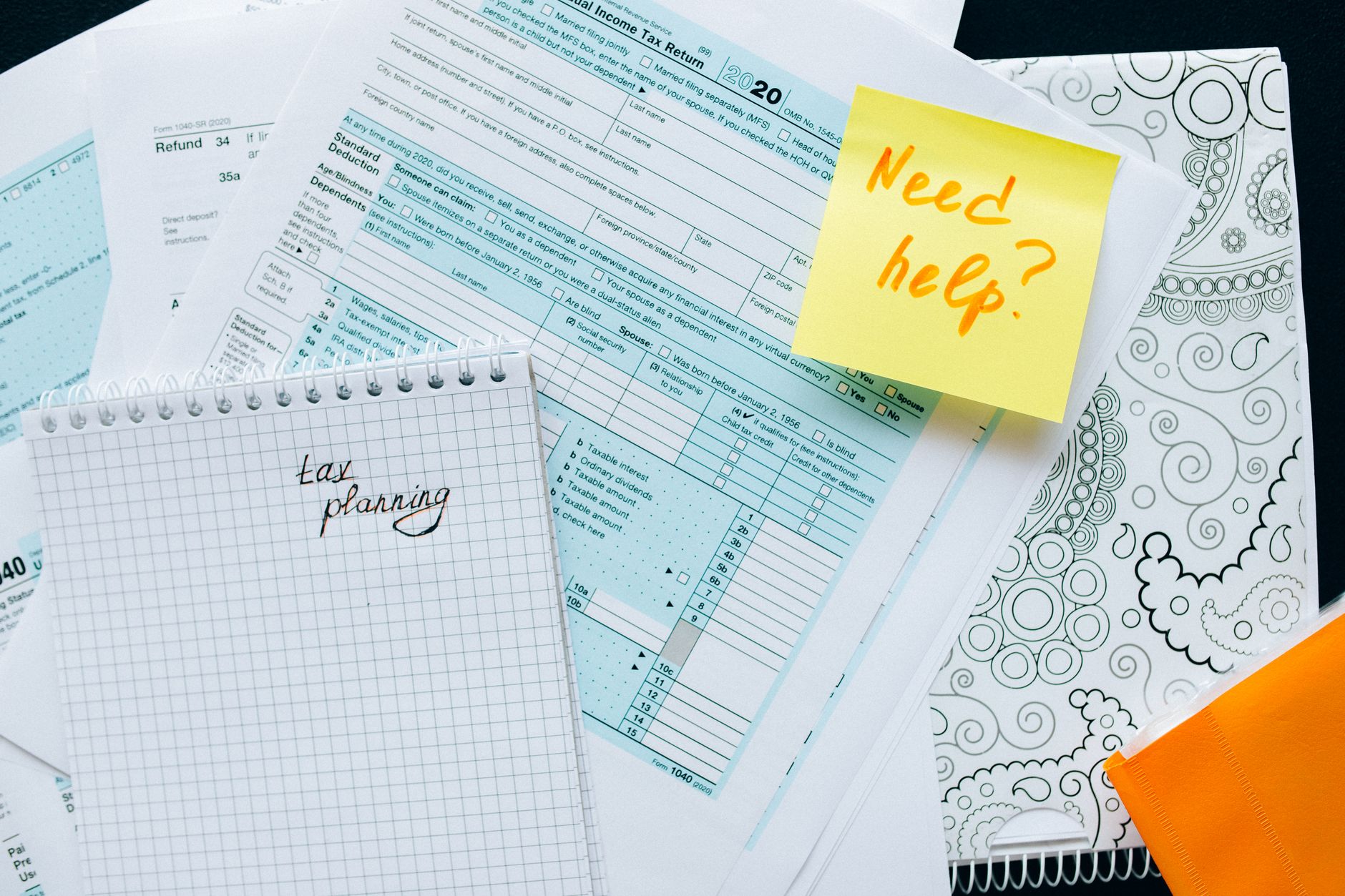
Your passport must have at least one blank page for the entry stamp. It is worth carrying a printed copy of your e-visa approval and hotel reservation, although border officers primarily scan your passport and check the digital visa in their system.
Travel insurance is not mandatory for e-visa holders, but a policy covering medical emergencies is strongly recommended. Russian pharmacies and clinics in Saint Petersburg generally accept cash, and hospital treatment can be expensive without cover. The State Hermitage Museum and other major attractions do not verify insurance, but having coverage provides peace of mind for the up-to-30-day stay.
How Much Does the e-Visa Cost and What Are the Processing Times?
The Russia e-visa fee is set by the authorities and adjusted periodically — check the current amount on the official MFA e-Visa portal before you apply; it is paid online during the application. Once you enter Russia, you have up to 30 calendar days from your entry date to depart, regardless of your original travel plans. If you overstay, you face fines starting at 5,000 rubles and potential entry bans for future visits.
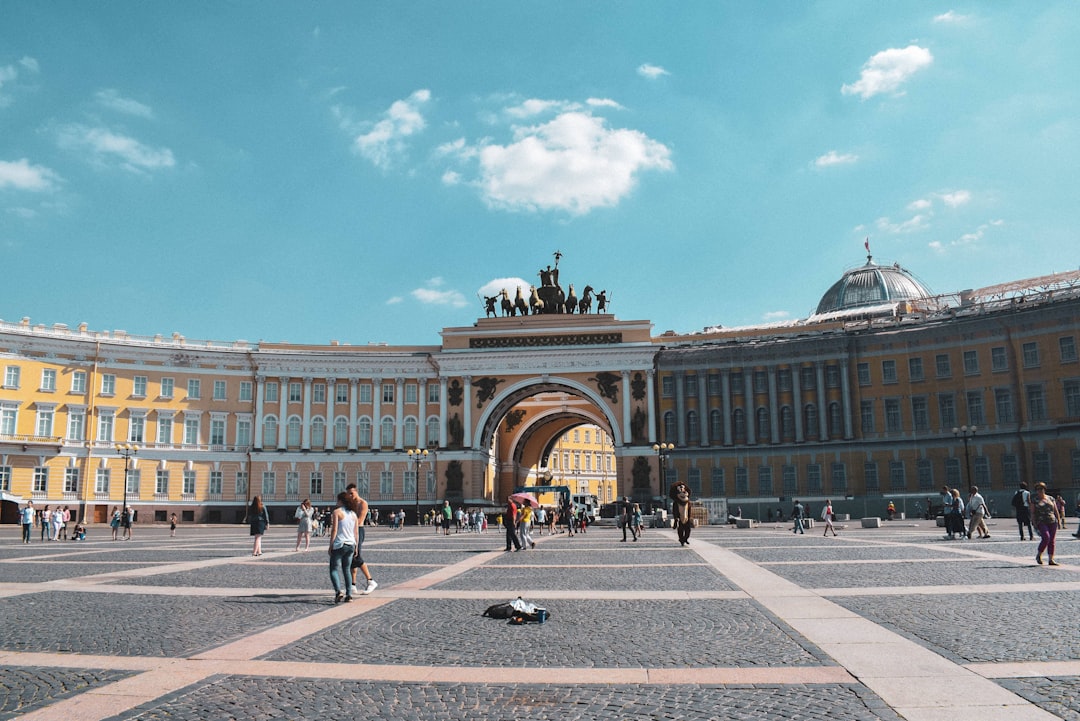
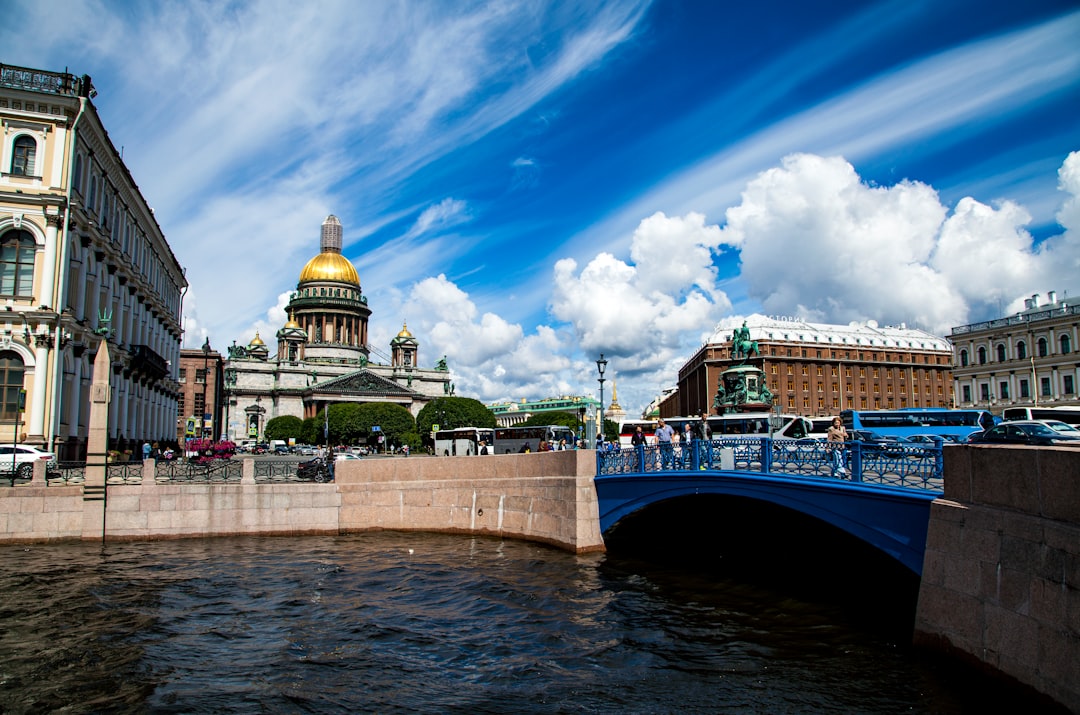
Unlike the older regional e-visas, today's unified Russia e-visa is valid across the whole Russian Federation: you can use it to travel beyond Saint Petersburg to Moscow, Kazan, Sochi, Yekaterinburg and other regions on the same visa. The main practical condition is that you enter and exit Russia through checkpoints approved for the e-visa. This guide focuses on Saint Petersburg — including easy day trips to Peterhof, Pushkin and Kronstadt — but the visa itself does not confine you to the city or its region.
The single-entry limitation means you cannot leave Russia and return on the same e-visa — even a brief exit voids your current authorization, and you would need to apply for a new one. Bear in mind that several land border crossings — including those with Finland and Estonia — have seen closures or tighter restrictions; confirm which crossings are currently open before relying on them.