
What makes Planeta Neptun unique among Russian aquariums?
Planeta Neptun stands as Russia's first large-scale oceanarium, occupying 5,000 square meters inside the Planeta Neptun shopping and entertainment complex on Ulitsa Marata 86. Visitors are often struck by the sheer diversity on show — over 150 species from tropical reefs, Amazonian rivers, and Russian freshwater systems inhabit themed zones that replicate natural habitats. Along with Grand Maket Rossiya and Planetarium No. 1, it's one of the city's best rainy-day, all-ages indoor attractions. Unlike smaller aquariums scattered across Saint Petersburg, this facility houses sharks, rays, and a walk-through tunnel where predators glide overhead, creating an immersive experience that rivals European counterparts but remains distinctly Russian in its educational focus on native species.
The oceanarium opened in 2006 and has since undergone renovations to maintain modern filtration systems and expand its collection. It draws several hundred thousand visitors a year, making it one of the city's most-visited family attractions outside the classic museum circuit. The facility divides into several thematic zones: the Main Ocean Hall with its 750,000-liter tank, the Amazonian Rainforest section featuring piranhas and arapaimas, the Coral Reef exhibit showcasing Indo-Pacific species, and the Russian Rivers zone highlighting sturgeon and pike native to the Neva basin.
A full visit exploring every corner typically takes close to three hours, with the shark tunnel — where blacktip reef sharks circle just above head height — as one of the highlights. Staff rotate feeding demonstrations throughout the day, and the ray touch pool is a hands-on feature that's particularly popular with children under ten. The facility maintains water temperatures between 24-28°C for tropical species and cooler 12-16°C tanks for cold-water fish, ensuring each ecosystem remains authentic.
According to the official Planeta Neptun website, the oceanarium collaborates with marine research institutions to support breeding programs for endangered species, including Russian sturgeon and seahorses. This conservation angle adds depth to what might otherwise feel purely entertainment-focused, aligning with global aquarium standards while addressing local ecological concerns about Neva River pollution and Baltic Sea overfishing.
How much do tickets cost in 2026 and what entry options exist?
Ticket prices at the Saint Petersburg Oceanarium vary by age category — adult, child (ages 4-12, with under-4s usually free), and student rates, plus a family package — and they change from year to year. No independently confirmed 2026 price list exists, so check the current admission fees on the official Planeta Neptun website before you go, especially if you're budgeting for a family visit.
Whether or not you use the pass, buying tickets online in advance helps avoid the queue that can build up at the entrance turnstile during peak hours.
Group discounts are typically available for parties of ten or more, and schools and other educational groups can often arrange further reductions by booking ahead through the official website. Audio guides are usually offered in a few languages, though the multilingual information plaques throughout the halls cover the basics well on their own. Flash photography is generally restricted to protect the animals, and professional camera equipment may require a permit purchased at the entrance desk — rules and fees are best confirmed on-site.
| Ticket Type | Who It's For | Where to Check the Current Price |
|---|---|---|
| Adult | Ages 13+ | Official Planeta Neptun ticket page |
| Child | Ages 4-12 (under 4 usually free) | Official Planeta Neptun ticket page |
| Student | Valid student ID required | Official Planeta Neptun ticket page |
| Family package | Bundled adult + child tickets | Official Planeta Neptun ticket page |
Ticket prices at Planeta Neptun are adjusted periodically, and no reliably updated 2026 figure could be independently confirmed for this guide — treat any specific ruble amount quoted in older travel articles as outdated, and check the official site before your visit. Booking online in advance is worth doing during peak summer months, when walk-in availability can become unpredictable. Weekend afternoons tend to see the heaviest crowds, especially during Russian school holidays in January, March, and June, while visiting soon after the 10:00 opening or later in the afternoon generally means shorter lines and a quieter experience at each exhibit.
What shows and feeding demonstrations should visitors prioritize?
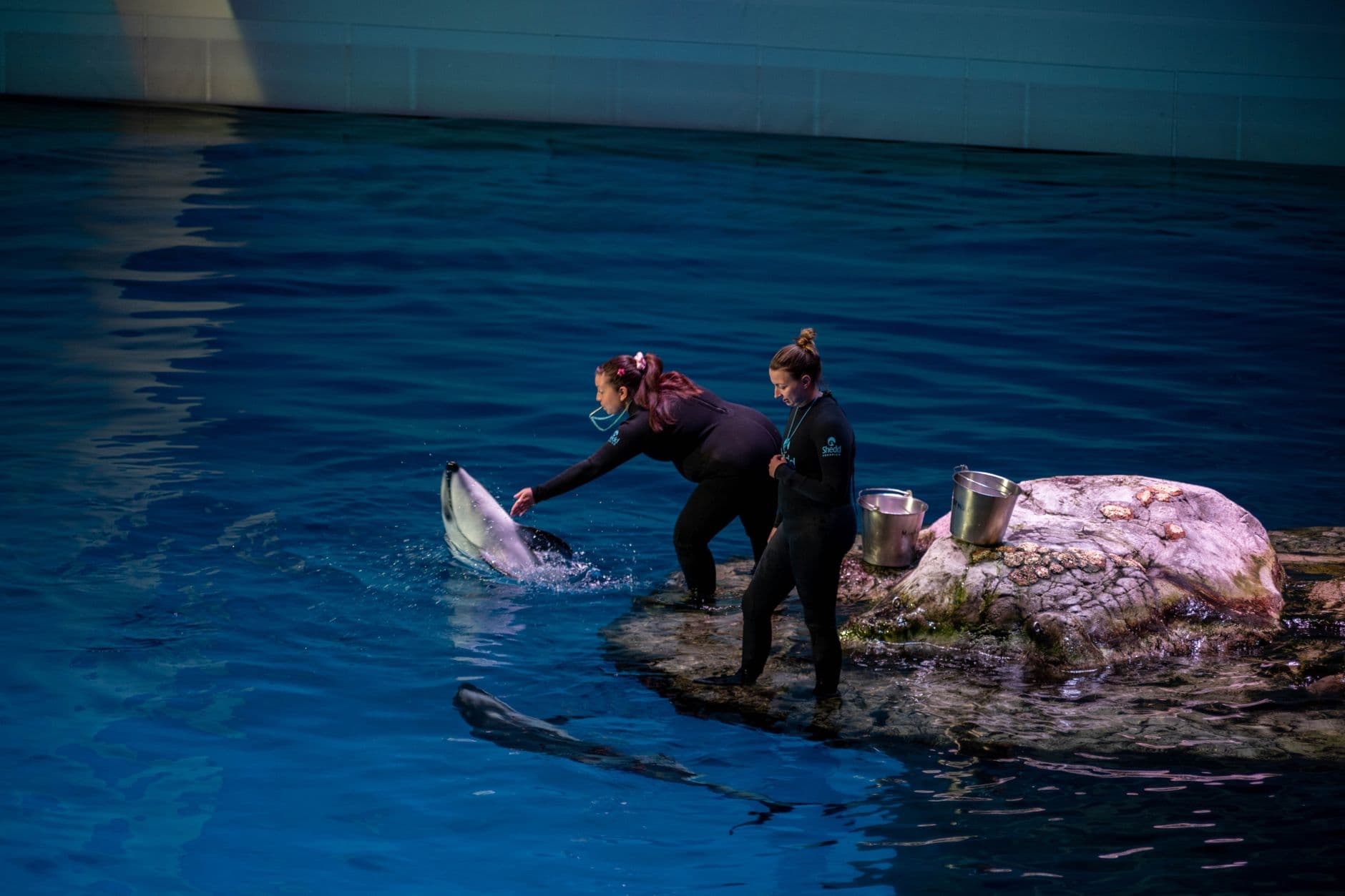
The shark feeding show at 14:00 daily remains the headline attraction, drawing crowds to the Main Ocean Hall where divers hand-feed blacktip reef sharks, nurse sharks, and eagle rays. The 20-minute presentation includes educational commentary in Russian with English subtitles on overhead screens, explaining hunting behaviors and conservation status. From the tunnel section, sharks pass within arm's reach of the acrylic, their movements surprisingly graceful despite their predatory reputation.
Ray feeding in the shallow touch pool lets children hand-feed cownose rays under staff supervision, with a marine biologist typically on hand to explain how rays use electroreception to locate food buried in sand. The interactive element makes this session particularly valuable for families — kids tend to light up when the rays' wings brush their palms, creating memorable photo opportunities.
Piranha feeding showcases the Amazonian section's most notorious residents. Contrary to Hollywood myths, staff commentary emphasizes that piranhas rarely attack large animals and primarily scavenge. The demonstration involves dropping chunks of fish into the tank, triggering a brief frenzy that illustrates their powerful jaws without sensationalizing their danger — thrilling enough to captivate audiences but scientifically accurate rather than fear-mongering.
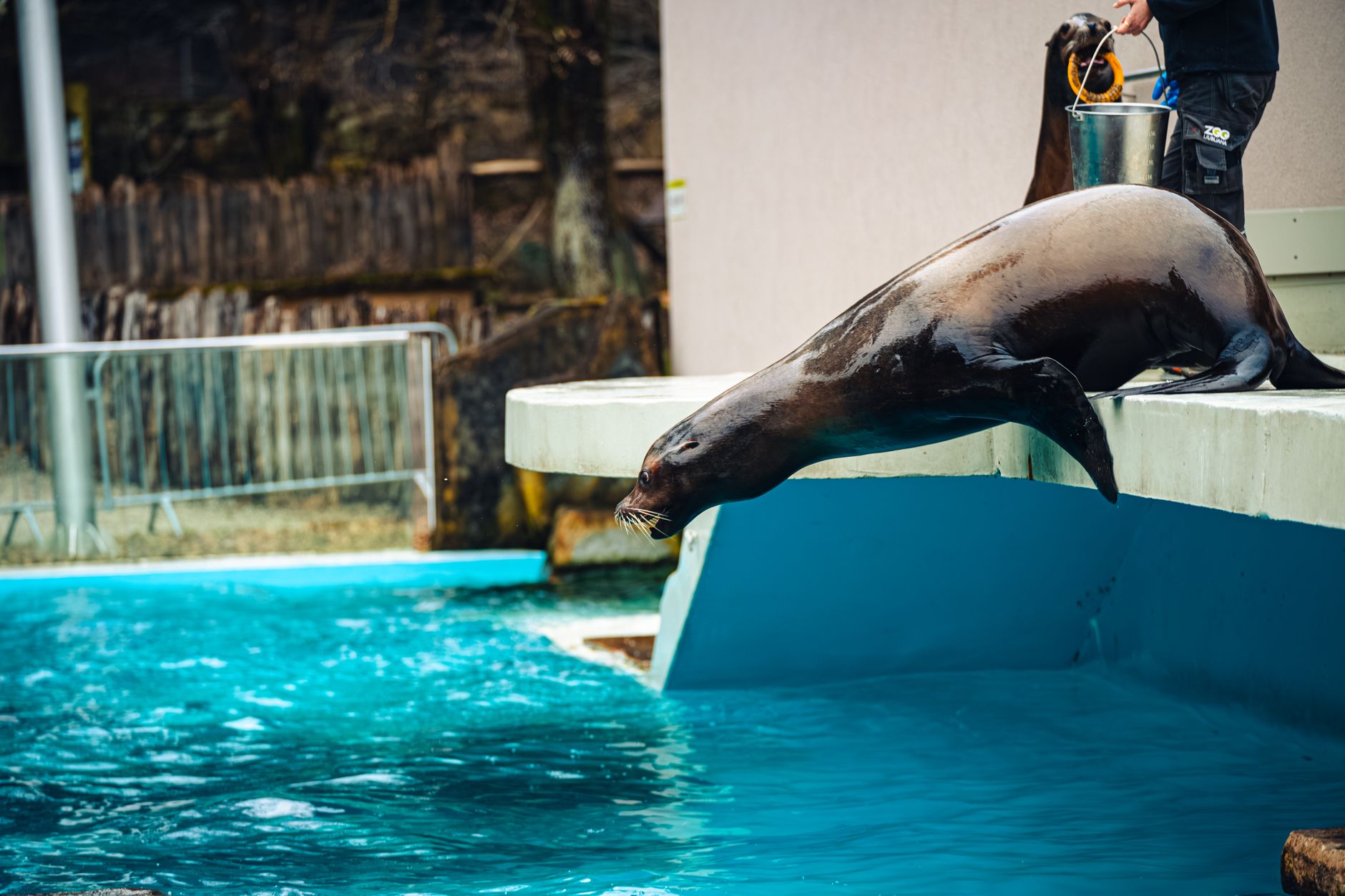
Seal shows are held several times a day in a dedicated performance area near the entrance, featuring the oceanarium's grey Baltic seals performing tricks that demonstrate their intelligence and trainability. Some visitors find this less educational than the feeding demonstrations, though reputable aquariums generally give performance animals enrichment activities and rest time in off-exhibit pools between shows. Show times and feeding schedules shift periodically, so it's worth checking the current calendar on the official site before planning your day around a specific show.
How do I get to Planeta Neptun from major Saint Petersburg locations?
From Nevsky Prospekt, take the red Line 1 metro to Ploshchad Vosstaniya station, then transfer to the green Line 3 toward Rybatskoye, exiting at Ligovsky Prospekt station. The oceanarium sits 400 meters northeast—a six-minute walk along Ulitsa Marata, and also within easy walking distance of the Zvenigorodskaya/Pushkinskaya interchange. From central hotels near Kazan Cathedral, this route typically takes around 25 minutes including the transfer at Ploshchad Vosstaniya. Single metro fares are inexpensive, though multi-ride cards offer better value for tourists making several trips — see our Saint Petersburg metro guide for current fares and card options.

From Pulkovo Airport, bus 39 runs directly to Moskovskaya metro station on the blue Line 2. Transfer to the red Line 1 at Tekhnologichesky Institut, then follow the route above via Ploshchad Vosstaniya. Total journey time averages 65 minutes depending on traffic along Pulkovskoye Highway. Alternatively, Yandex Taxi from the airport costs 800-1,200 rubles and delivers passengers directly to the Planeta Neptun entrance in 35-45 minutes, though rush hour congestion between 08:00-10:00 and 17:00-19:00 can double this duration.
Visitors staying near the Hermitage or Palace Square can walk to Nevsky Prospekt metro station in ten minutes, then follow the route outlined above. The oceanarium's location inside a shopping complex means clear signage guides visitors from the metro exit, even without Russian language skills. The building features prominent blue Neptune logos visible from Ulitsa Marata, and staff at the entrance can direct English-speaking tourists to the oceanarium ticket desk.
For those combining the oceanarium with other attractions, Mariinsky Theatre sits a few kilometers southwest, reachable via tram from Ligovsky Prospekt to Teatralnaya Ploshchad, and the Russian Museum lies within walking distance along Nevsky Prospekt through Saint Petersburg's historic center. Scheduling the oceanarium for late afternoon and walking to Nevsky afterward for dinner is an easy way to make use of the long daylight hours during the white nights season, when sunset comes well after 22:00.
What practical tips enhance the Planeta Neptun experience?
Arriving 10-15 minutes before a show time helps secure a good viewing position, particularly for the shark feeding when crowds peak. The tunnel section fills quickly, but the upper viewing platform provides equally impressive overhead perspectives if the tunnel is packed.
The oceanarium maintains interior temperatures noticeably warmer than typical Saint Petersburg indoor spaces, so a heavy sweater brought in expectation of a cold Russian winter can feel like overkill once inside. Light layers work best, allowing adjustments as you move between the cooler Russian Rivers section and the humid Amazonian Rainforest area. Coat check is generally available near the entrance for a small fee, freeing visitors from carrying winter gear through narrow exhibit corridors.
Food and drinks are prohibited inside exhibit areas, but the on-site café offers sandwiches, coffee, and children's meals at prices in line with typical Saint Petersburg café rates rather than inflated tourist-venue markups. The shopping complex downstairs also houses a supermarket where budget-conscious visitors can pick up snacks before entering the oceanarium.
Wheelchair accessibility meets modern standards, with ramps throughout and an elevator connecting all levels. Stroller-friendly paths navigate most exhibits, though the tunnel section's crowds during peak hours can make maneuvering difficult. Restrooms on each floor include changing tables and accessible stalls.