
What is the fastest way to reach the city centre from Pulkovo Airport?
The fastest route from Pulkovo Airport to central Saint Petersburg takes roughly 25-40 minutes by taxi or private transfer outside rush hour. A bus to the metro followed by a short underground ride usually takes 45-70 minutes, depending on your final destination and traffic on Pulkovskoye and Moskovskoye Shosse.
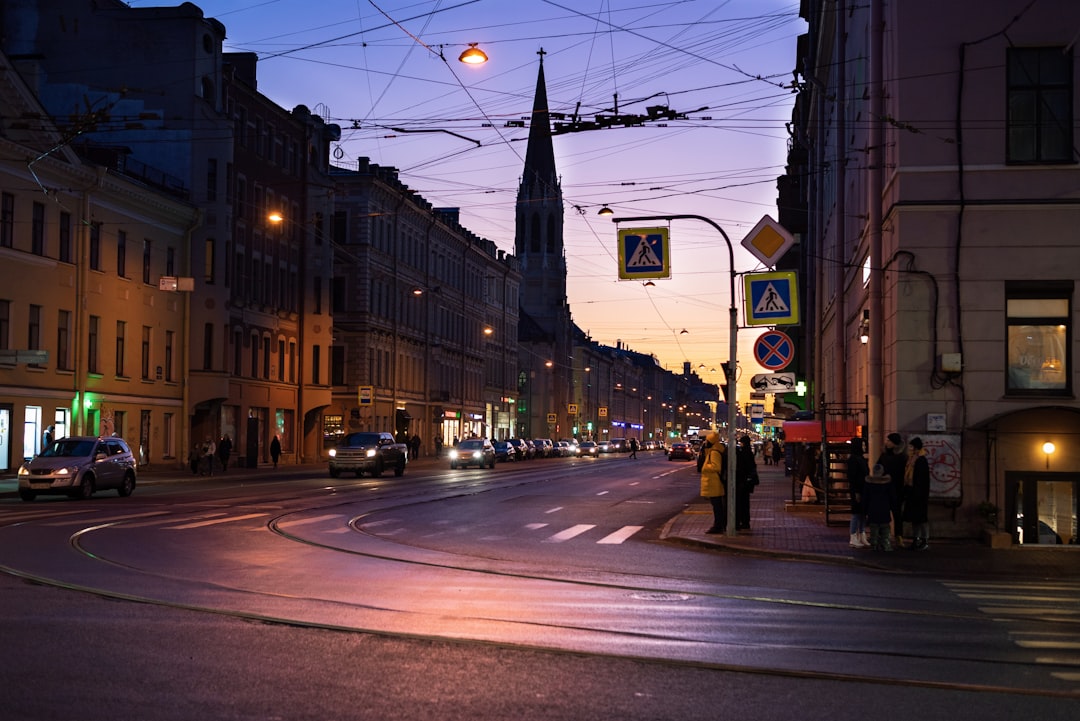
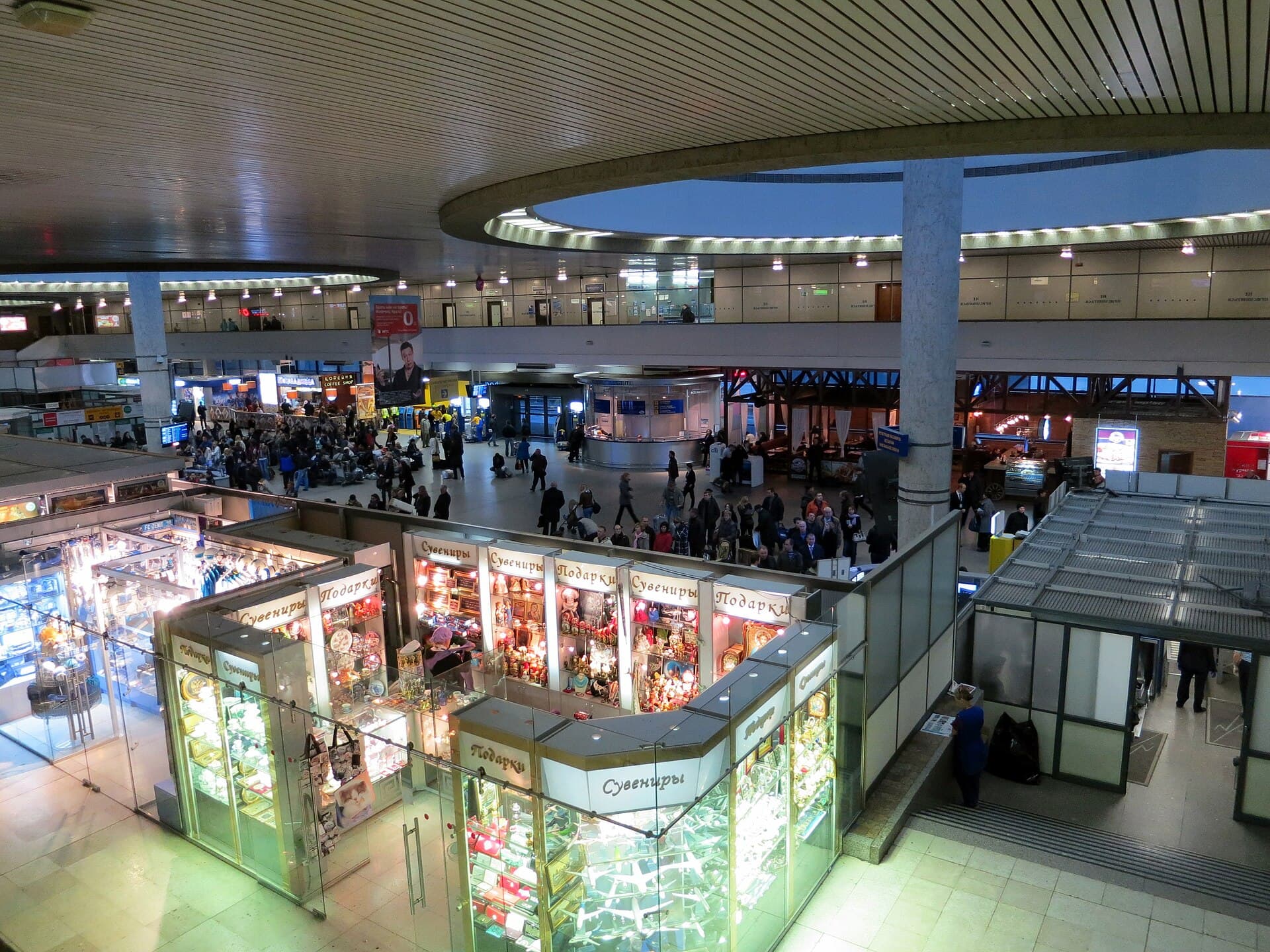
Pulkovo Airport (LED) is the only commercial airport serving Saint Petersburg, located about 20 kilometres south of the historic centre. Since the 2013-2014 consolidation, all flights use a single modern passenger terminal. Signage in the arrivals area points clearly, in both Cyrillic and English, to the bus stops, the official taxi desk, and the ride-hailing pick-up zone.
The best option depends on your luggage, budget, arrival time, and where you are staying. Travellers heading to hotels near Nevsky Prospekt or the Hermitage take a different optimal route than those staying near Moskovsky Railway Station or on Vasilyevsky Island. Knowing the layout in advance helps you avoid boarding a bus that ends far from your accommodation and forces an extra transfer with heavy bags.
How much do different transport options cost in 2026?
Saint Petersburg raised public-transport fares on 1 January 2026. A bus ride from Pulkovo now costs roughly 70-100 rubles when paid on board, and a single metro journey costs about 70-95 rubles bought at the kiosk. A pre-loaded Podorozhnik transport card brings each ride down to around 65 rubles. Taxis run about 800-1,500 rubles (€8-15), and private transfers start from roughly 1,800 rubles (€18) for a sedan to the centre.

Public transport remains very affordable by European standards. The Podorozhnik card itself costs about 90-100 rubles on top of the fare you load onto it, and it works across the metro, buses, trams, and trolleybuses throughout the city — so it stays useful for the rest of your stay, not just the airport transfer. It is the simplest way to avoid paying the higher cash fare on every ride.
Premium services cost more. The official airport taxi desk in the arrivals hall sells fixed-price rides, typically around 1,200 rubles to Nevsky Prospekt and 1,400 rubles to Petrogradsky District. The airport itself recommends booking through the Yandex Go app, where a driver meets you with a name sign; the app shows the exact fare before you confirm and tracks the car in real time, usually undercutting the fixed-price desk except during peak hours or major events.
| Transport Type | Cost (RUB) | Cost (EUR) | Journey Time |
|---|---|---|---|
| Bus + Metro (cash) | ~155-195 | ~1.6-2.0 | 45-70 min |
| Bus + Metro (Podorozhnik) | ~130 | ~1.3 | 45-70 min |
| Official Airport Taxi | 1,200-1,500 | 12-15 | 25-40 min |
| Yandex Go Taxi | 800-1,200 | 8-12 | 25-40 min |
| Private Transfer | 1,800-2,500 | 18-25 | 25-35 min |
Which buses connect Pulkovo Airport to the metro network?
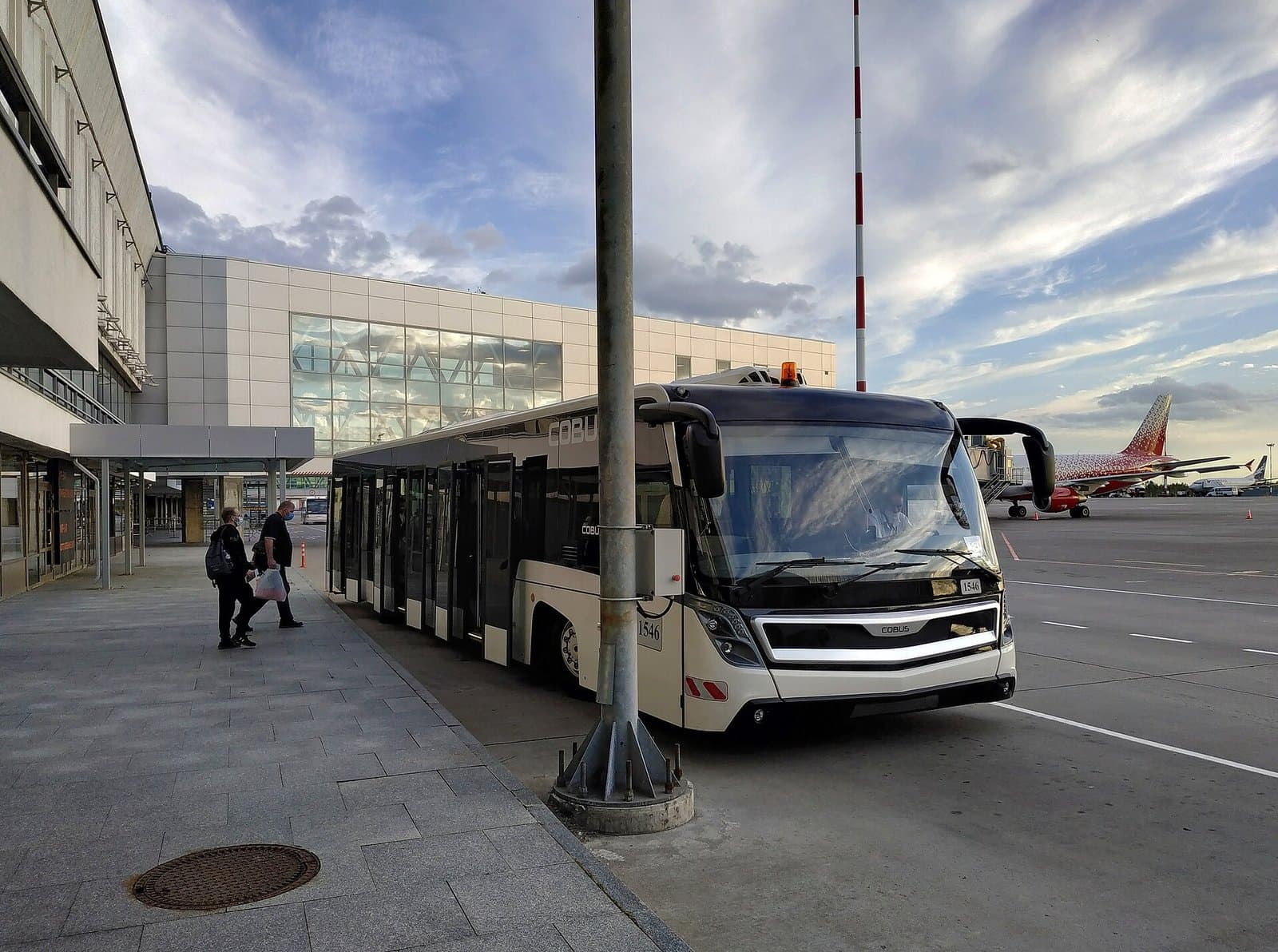
Bus route 39 and the faster express 39Ex both run from Pulkovo to Moskovskaya metro station. The express 39Ex covers the distance in about 20 minutes; the all-stops 39 takes around 40 minutes. Buses run roughly from 05:15 to 01:30 every 12-20 minutes, departing from the ground floor directly outside the arrivals hall.
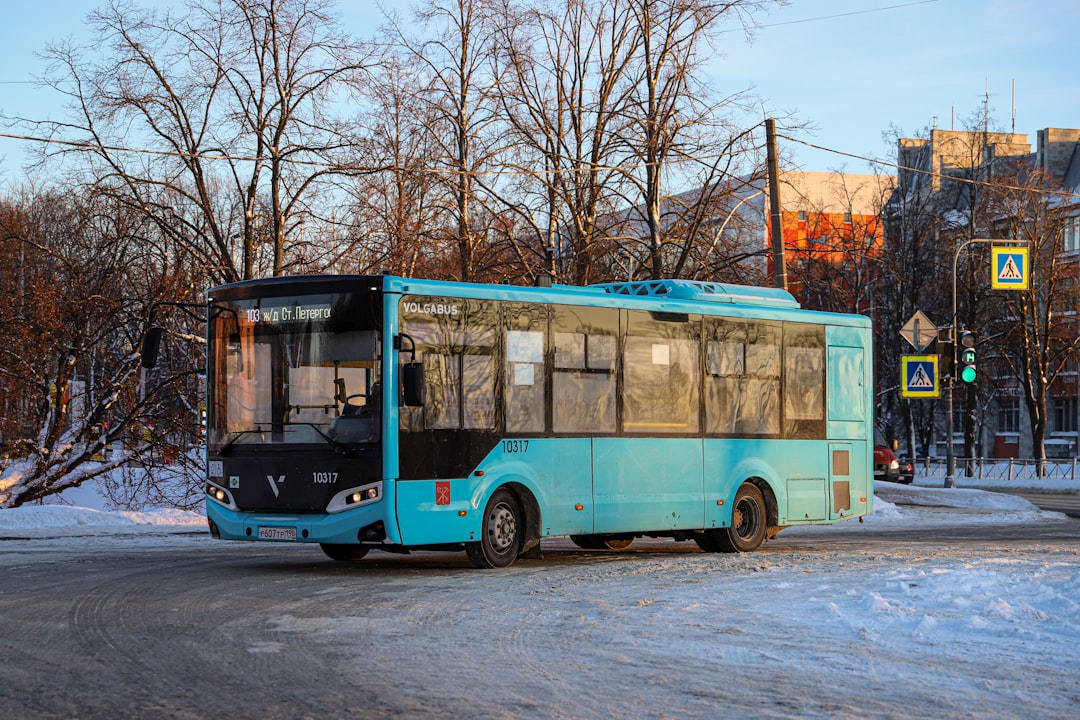
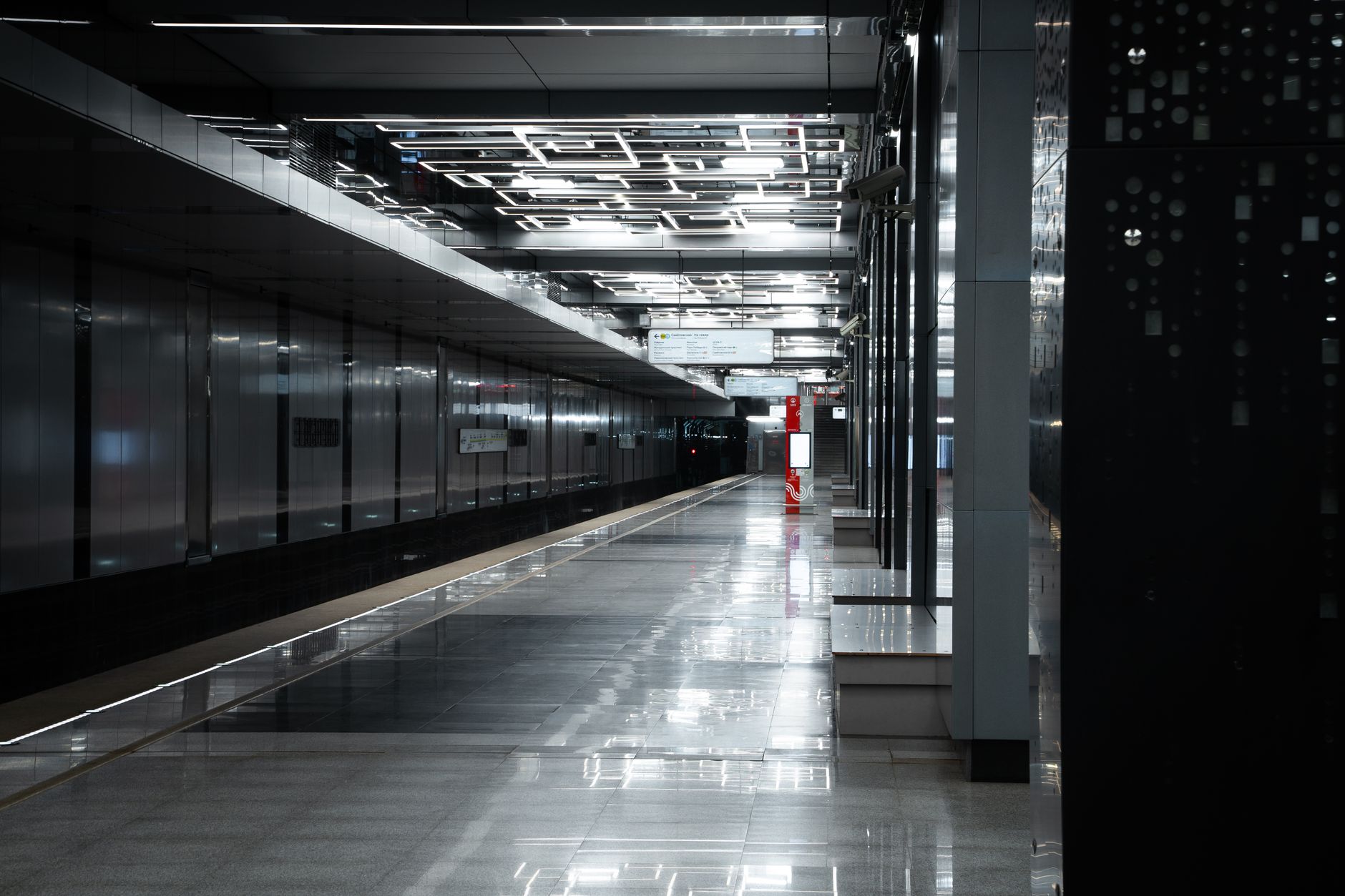
Moskovskaya sits on the blue Line 2 (Moskovsko-Petrogradskaya), which runs north through key transfer points including Sennaya Ploshchad (change for Lines 3 and 5), Nevsky Prospekt (change for Line 3), and Gostiny Dvor. From Nevsky Prospekt station it is about a 15-minute walk along Nevsky Prospekt to the Hermitage.
Finding the bus stop needs little navigation: leave the arrivals hall, turn right, and walk about 30 metres to the covered shelter marked with route numbers, where digital displays show real-time arrivals in Russian and English. Pay the conductor on board with cash, or tap a Podorozhnik card on the validator. The metro itself runs from about 05:30 to midnight, so if you land late at night a taxi or transfer is the only door-to-door option.
What taxi and ride-hailing options operate at Pulkovo Airport?
Official airport taxis wait at a designated rank outside arrivals and sell fixed-price rides from a desk inside the terminal. Yandex Go and similar apps pick up passengers from a separate marked zone a short walk from the main exit. Avoid drivers who approach you inside the terminal offering a ride — they charge inflated, unmetered rates.
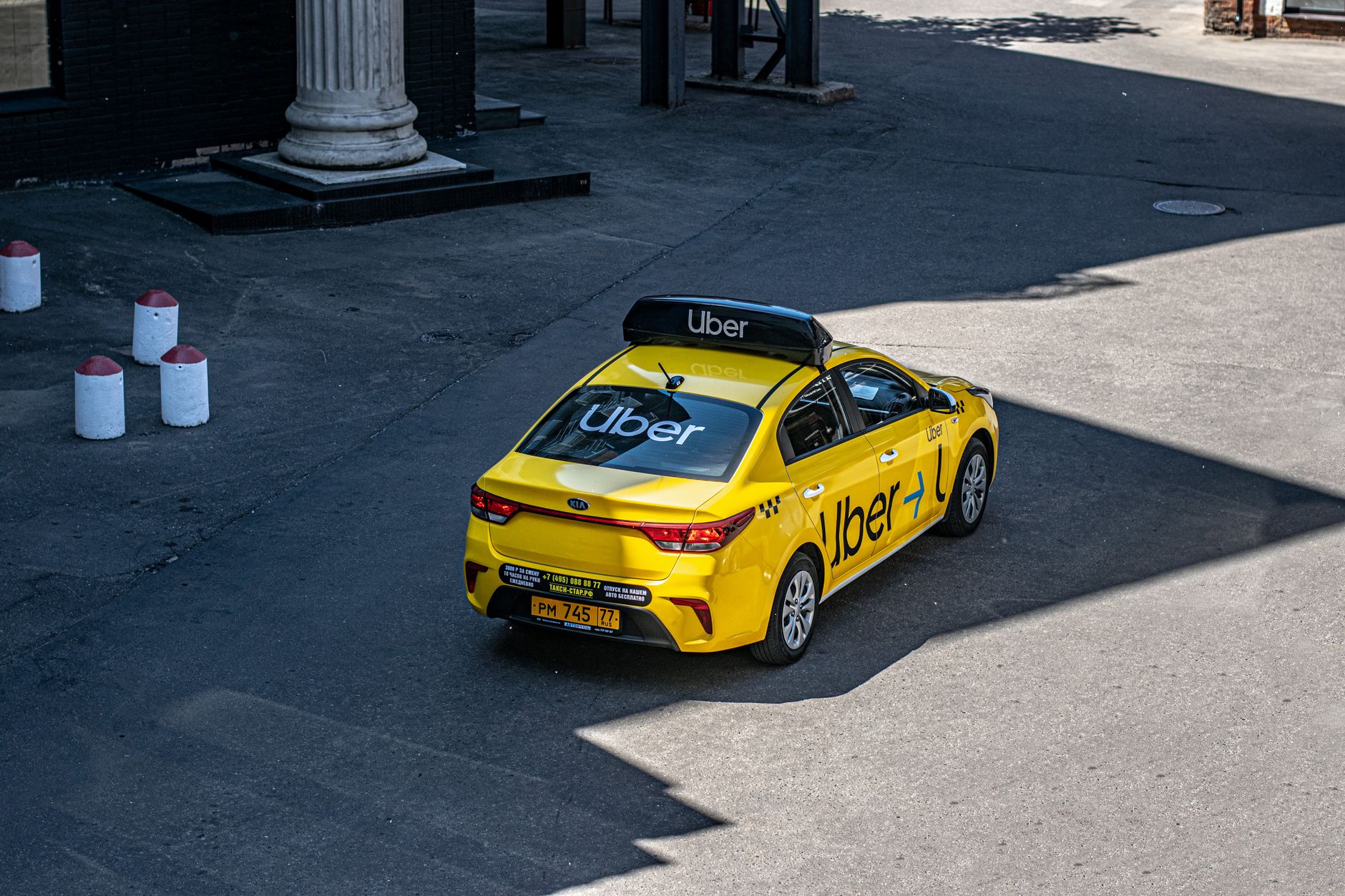
The official taxi desk operates 24 hours with prices shown on a board, so there is no negotiation and you receive a receipt. Yandex Go is usually the best value: register in advance, and once you have a local SIM or eSIM with mobile data the app shows the fare up front, tracks the driver, and removes any language barrier through in-app navigation. During the morning (08:00-10:00) and evening (17:00-19:00) peaks, expect modest surge pricing that still tends to beat the fixed-price desk.
Private transfer companies suit travellers who want a meet-and-greet, help with luggage, and door-to-door hotel delivery with no language friction. The extra cost is often worthwhile for late-night arrivals, groups of three or more, or anyone with mobility needs. Visit Petersburg lists licensed transfer operators.