
What Is Erarta Museum and Why Should You Visit in 2026?
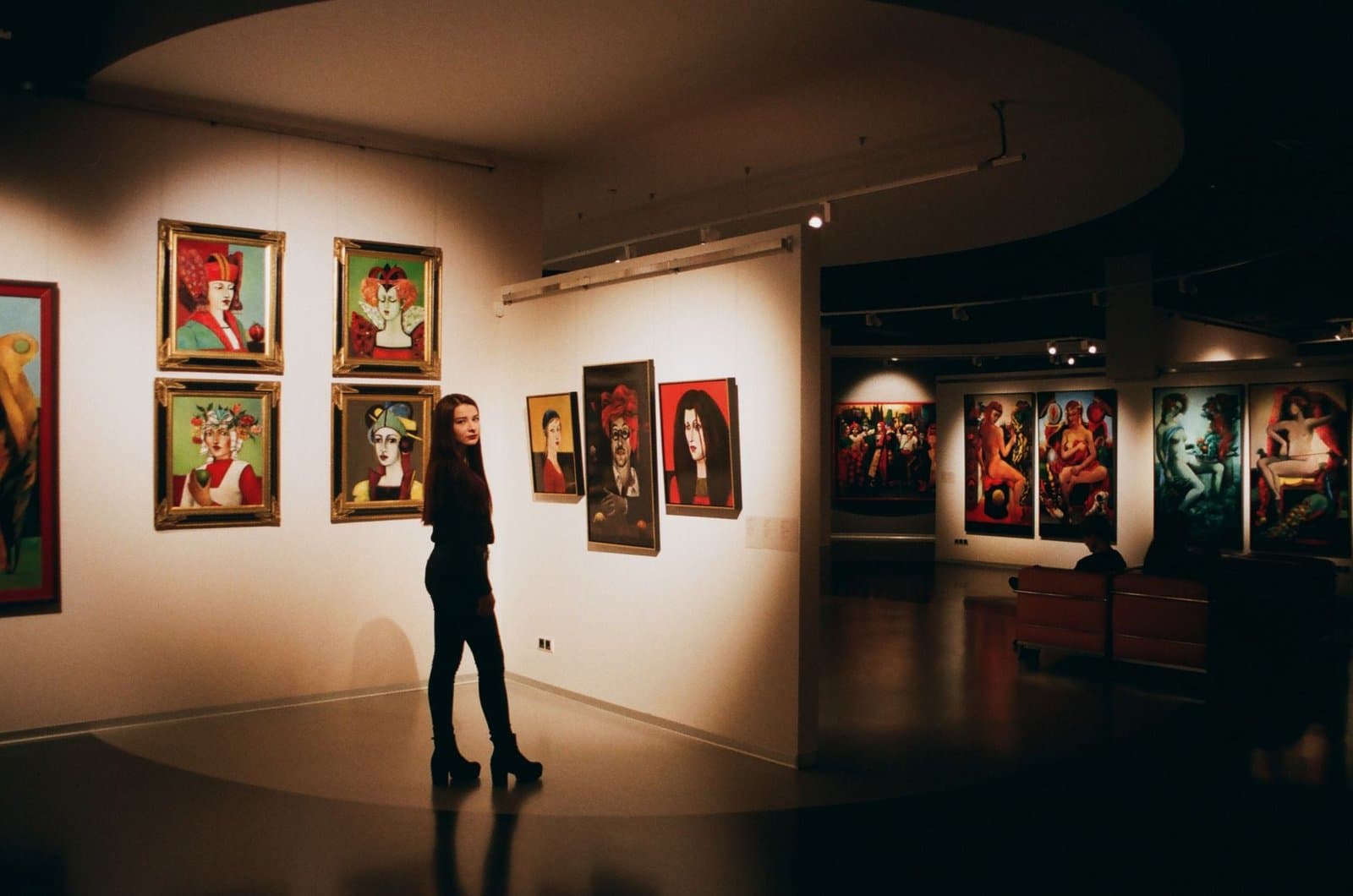
Erarta Museum stands as Russia's largest private museum of contemporary art, occupying a renovated 10,000-square-meter industrial building on Vasilyevsky Island in Saint Petersburg. The museum opened in 2010 and houses over 3,000 works by more than 300 Russian artists, spanning painting, sculpture, video installations, and multimedia projects. Unlike the classical masterpieces at the Hermitage or Russian Museum, Erarta focuses exclusively on art created after 1945, offering visitors a window into modern Russian creative thought.
The permanent collection challenges conventional perceptions of Russian art. The five-floor exhibition space presents works that address contemporary social themes, philosophical questions, and experimental techniques rarely seen in traditional Saint Petersburg institutions. Erarta Museum describes its mission as making contemporary art accessible to audiences who might find it intimidating elsewhere, using interactive displays and clear explanatory texts in both Russian and English.
For 2026 visitors, Erarta offers a counterpoint to the baroque palaces and imperial collections that dominate most Saint Petersburg itineraries. The museum sits just 20 minutes by metro from Nevsky Prospekt, making it an easy half-day addition to any cultural program. The building itself features a rooftop terrace with views across the Neva River, a restaurant serving contemporary Russian cuisine, and a gift shop stocked with artist-designed merchandise unavailable elsewhere in the city.
How Much Do Erarta Tickets Cost in 2026?
A single-visit ticket to Erarta costs around 1,500 rubles and covers both the permanent collection and every current temporary exhibition, with a reduced children's ticket at about 600 rubles. Erarta also offers a six-month multi-visit pass for repeat visitors. The museum's free mobile app supplies English-language commentary, so a separate audio guide is not essential. Rates change periodically, so confirm the current price on the official Erarta website before visiting.
The single-visit ticket already includes the permanent collection and the temporary exhibitions, and the museum's multimedia theatre — where short animated presentations bring selected artworks to life through projection mapping and sound — is included with entry. The six-month pass suits visitors who want to return across a longer stay, since Erarta stages numerous temporary exhibitions each year.
Erarta opens daily except Tuesday, from 11:00 to 23:00. The extended evening hours make it one of few Saint Petersburg museums accessible after dinner, useful for travelers with packed daytime schedules. Advance online booking through the official Erarta website reduces waiting time during peak summer months, though walk-up tickets remain available at the door. The museum accepts both cash rubles and international credit cards, unlike some smaller Saint Petersburg cultural venues.
| Ticket type | Price (rubles) | Includes |
|---|---|---|
| Single visit (adult) | ~1,500 | Permanent collection + all temporary exhibitions + multimedia theatre |
| Children | ~600 | Same access, reduced rate |
| Six-month pass | Multi-visit | Unlimited entry for repeat visitors over six months |
What Exhibitions Can You See at Erarta in 2026?
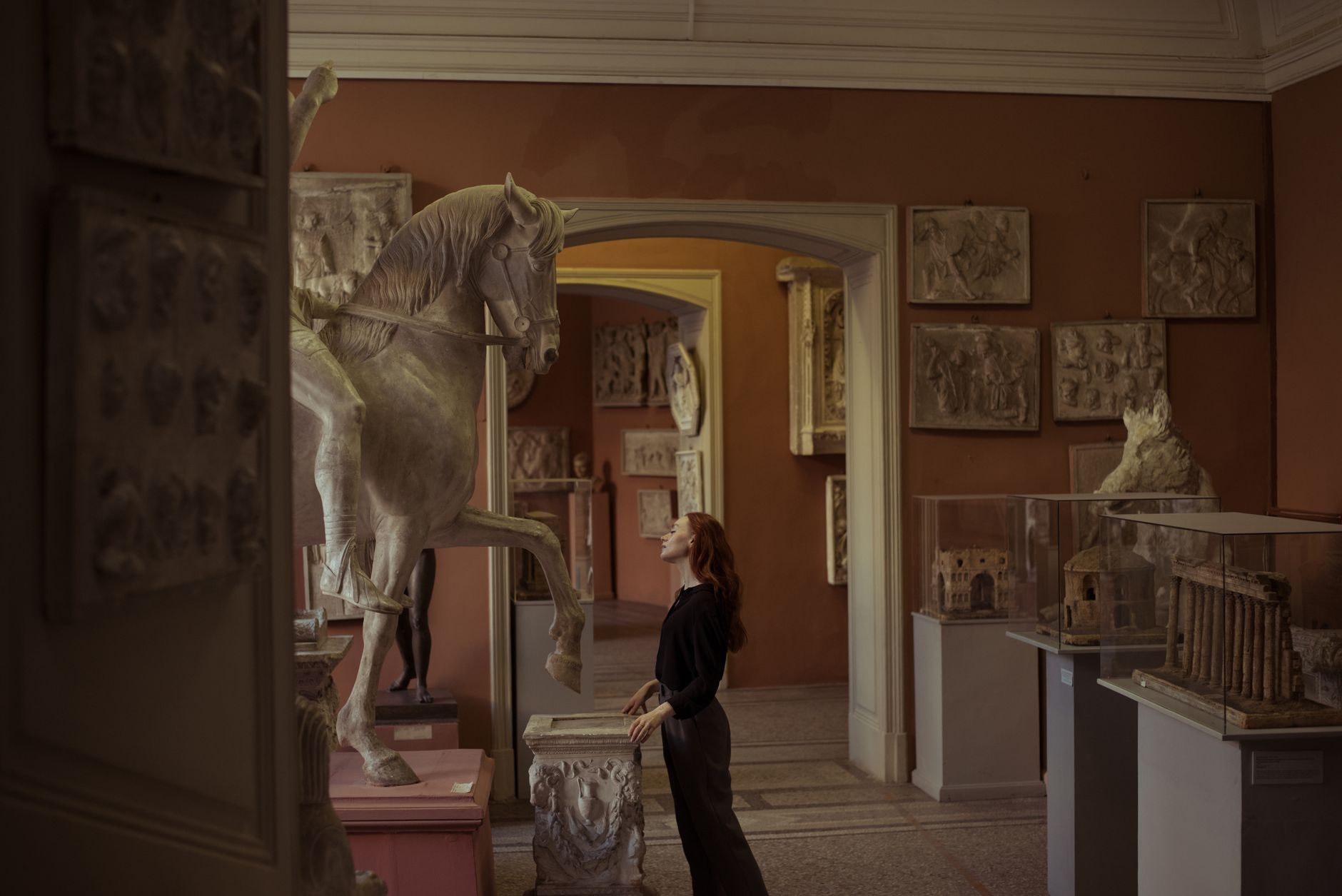
The permanent collection spans five floors organized thematically rather than chronologically. Ground floor galleries focus on figurative painting and sculpture, including works by Konstantin Khudyakov and Sergey Grachev that reinterpret classical Russian themes through contemporary lenses. Second-floor spaces display abstract and conceptual pieces, while upper floors house multimedia installations and video art. The thematic organization reveals unexpected connections between artists working decades apart.
Temporary exhibitions rotate every three to four months, bringing international contemporary artists to Saint Petersburg alongside Russian talents. Spring 2026 programming includes a retrospective of Siberian landscape painters and a collaborative installation examining urban transformation in post-Soviet cities. Saint Petersburg Tourism Committee highlights Erarta's temporary exhibitions as some of the city's most dynamic cultural programming, particularly for visitors who have already seen the major imperial collections.
The museum's multimedia theater presents hourly screenings throughout the day, with English subtitles available for most programs. These 12-to-18-minute presentations use animation, sound design, and projection to explore individual artworks from the permanent collection in depth. The screenings reveal layers of meaning that may be missed when viewing the physical canvases alone. The theater seats 30 and operates on a first-come basis, so arriving 10 minutes before showtime ensures entry.
How Do You Reach Erarta Museum from Central Saint Petersburg?
Erarta sits at 29th Line, Vasilyevsky Island, accessible via multiple metro and bus routes. The closest metro station is Vasileostrovskaya on the purple Line 3, requiring a 15-minute walk west along Sredny Prospekt to reach the museum. Alternatively, take metro Line 5 to Primorskaya station, then board bus 1 or trolleybus 10 for three stops to the museum entrance. Total travel time from Nevsky Prospekt averages 25-30 minutes depending on connections.
Taxi services through Yandex or Gett cost 300-400 rubles from Nevsky Prospekt hotels, with drop-off directly at the museum's main entrance on 29th Line. The journey from the Hermitage to Erarta typically takes around 18 minutes via the Palace Bridge and Vasilyevsky Island's northern embankment. For visitors staying near Pulkovo Airport, the museum lies 45 minutes away by taxi or 75 minutes using the airport bus to Moskovskaya metro station plus Line 2 to Nevsky Prospekt and Line 3 to Vasileostrovskaya.
The museum provides no dedicated parking, but street parking on 29th Line and adjacent streets typically has availability outside peak hours. Vasilyevsky Island's grid layout makes navigation straightforward—numbered lines run perpendicular to three main prospekts. The museum occupies a distinctive red-brick building with large windows and outdoor sculpture installations visible from the street, making it easy to identify once visitors reach the correct block.
What Makes Erarta Different from Other Saint Petersburg Museums?
While the Hermitage displays Old Masters and the Russian Museum focuses on pre-revolutionary art, Erarta exclusively presents work created after 1945 by Russian and Soviet artists. This temporal focus creates a collection unlike any other in Saint Petersburg, offering perspectives on Soviet daily life, post-Soviet transformation, and contemporary Russian identity absent from imperial-era institutions. The museum's founders deliberately chose contemporary art as their niche to fill a gap in Saint Petersburg's cultural landscape, where 18th and 19th-century collections dominate.
The museum's approach to visitor engagement differs markedly from traditional Saint Petersburg institutions. Interactive touchscreens provide artist biographies and artwork context in multiple languages. The multimedia theater transforms static paintings into animated narratives. Gallery attendants encourage photography throughout the permanent collection, contrasting with strict no-photo policies at the Hermitage and Russian Museum. Families with children often engage with the art in ways rarely seen at more formal museums—the accessible presentation style removes intimidation factors that keep some visitors from contemporary art venues.
Erarta's building architecture contributes to its distinct character. The renovated industrial space features exposed concrete, steel beams, and floor-to-ceiling windows that flood galleries with natural light. This industrial aesthetic complements the contemporary artworks while providing a stark contrast to the gilded halls of imperial palaces. The rooftop terrace serves as both exhibition space and social venue, hosting summer concerts and film screenings that transform the museum into a cultural hub beyond traditional gallery functions.