Experience the Hermitage Museum Without Summer Crowds
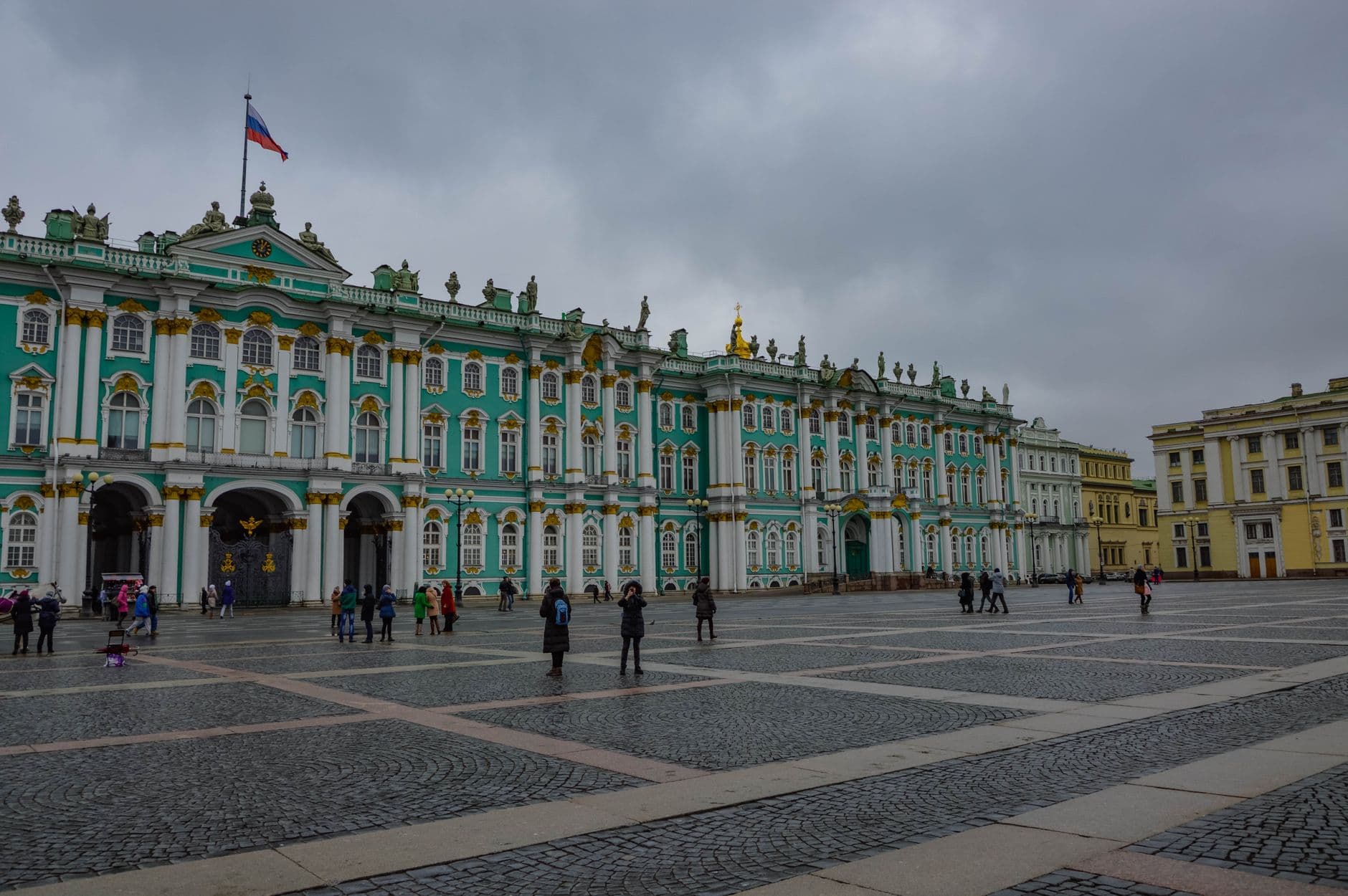
Winter transforms the State Hermitage Museum into a quieter sanctuary where you can actually appreciate the collection without shoulder-to-shoulder tourists. On my last visit in February, I walked through the Jordan Staircase at 11 AM and counted fewer than twenty people in the entire hall. The gilded columns and painted ceilings deserve this kind of attention. The museum opens at 10:30 AM Tuesday through Sunday, with extended hours until 9 PM on Wednesdays and Fridays. Adult tickets for the Main Museum Complex cost 1,200 RUB for 11:00-16:00 entry slots. Prices vary for other entry times and specific buildings, so it's best to check the museum's own site for full details.
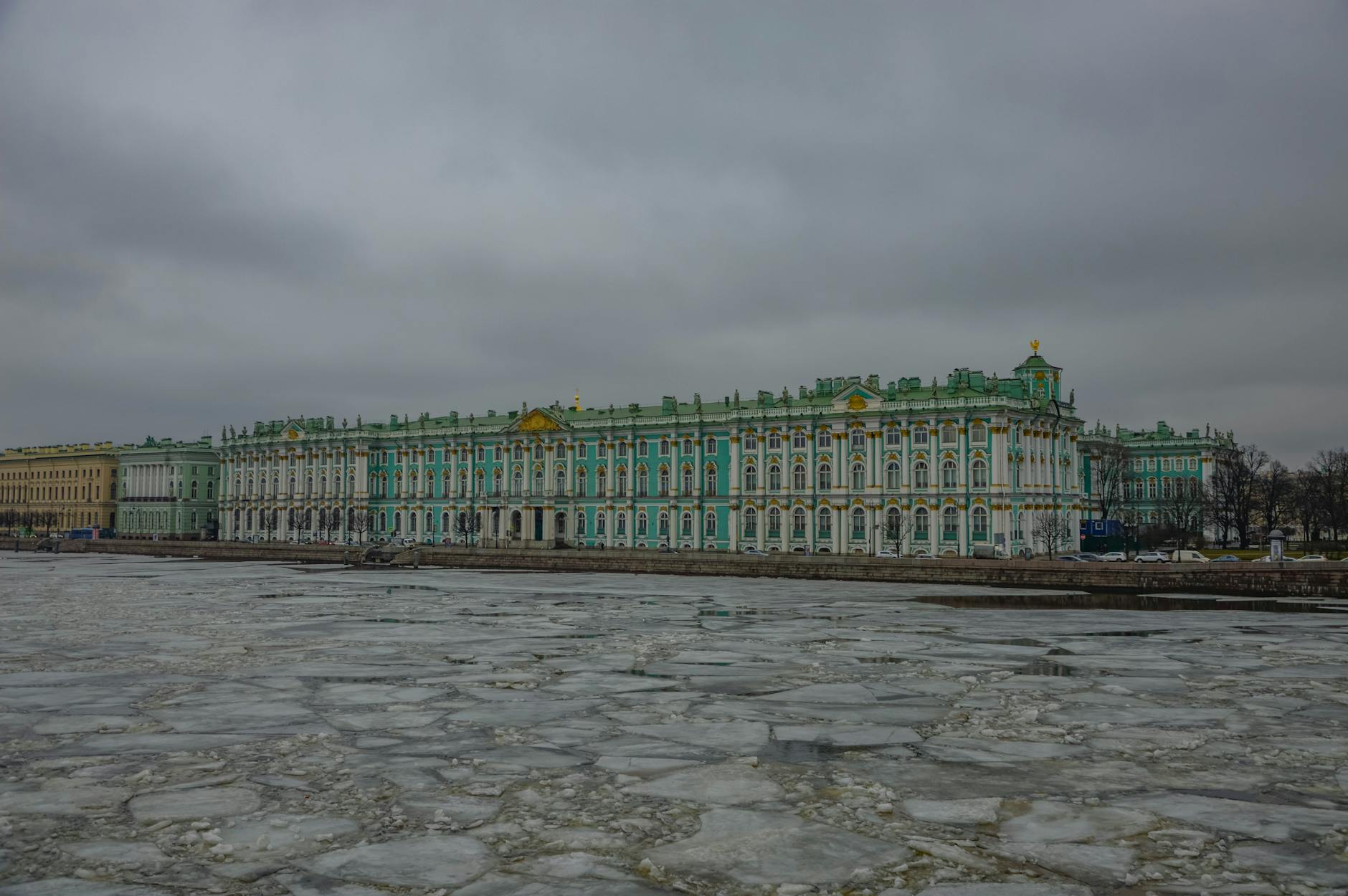
The Winter Palace itself becomes part of the seasonal experience when snow blankets Palace Square outside. I noticed how the natural light filtering through the tall windows creates different shadows on the Rembrandts and Da Vincis during the short winter days. The State Hermitage Museum recommends allocating at least four hours for a first visit, though you could easily spend two days exploring the 3 million items across the complex. The heated galleries maintain a comfortable 20-22°C, making it an ideal refuge when outdoor temperatures drop to -10°C or lower.
Take advantage of the museum's Thursday evening program when admission drops to 400 rubles after 5 PM. The reduced crowd size during these sessions allows you to photograph the Peacock Clock in the Pavilion Hall without waiting. When I attended in January, the attendant explained the mechanism's history while only three other visitors stood nearby. This level of access simply doesn't exist during the peak summer season when tour groups fill every room.
Navigate the Metro System During Snowy Commutes
The Saint Petersburg Metro becomes essential infrastructure during winter months when sidewalks turn icy and taxis charge premium rates. The system runs from 5:30 AM until midnight, with trains arriving every 2-3 minutes during peak hours. A single ride costs 70 rubles regardless of distance, while a rechargeable Podorozhnik card reduces the fare to 45 rubles per trip. I purchased mine at the Avtovo station ticket window and loaded 500 rubles, which lasted three days of regular sightseeing.
The metro stations themselves function as underground palaces worth visiting. Avtovo station features 46 crystal columns and ornate glass decorations that sparkle under chandeliers. Admiralteyskaya station, which opened in 2011, displays bronze reliefs depicting Russian naval history along its walls. When I walked from Nevsky Prospekt station to the Hermitage, the underground passage kept me warm and dry while a snowstorm raged above ground. Saint Petersburg Metro reports that over 2 million passengers use the system daily, with numbers increasing during harsh winter weather.
Download the Yandex Metro app before your trip to navigate the five colored lines without confusion. The app works offline and shows estimated travel times between stations. Most central attractions connect to the blue Line 2 or red Line 1. From Pulkovo Airport, take bus 39 to Moskovskaya metro station, then ride directly to Nevsky Prospekt in 25 minutes for a total cost under 150 rubles.
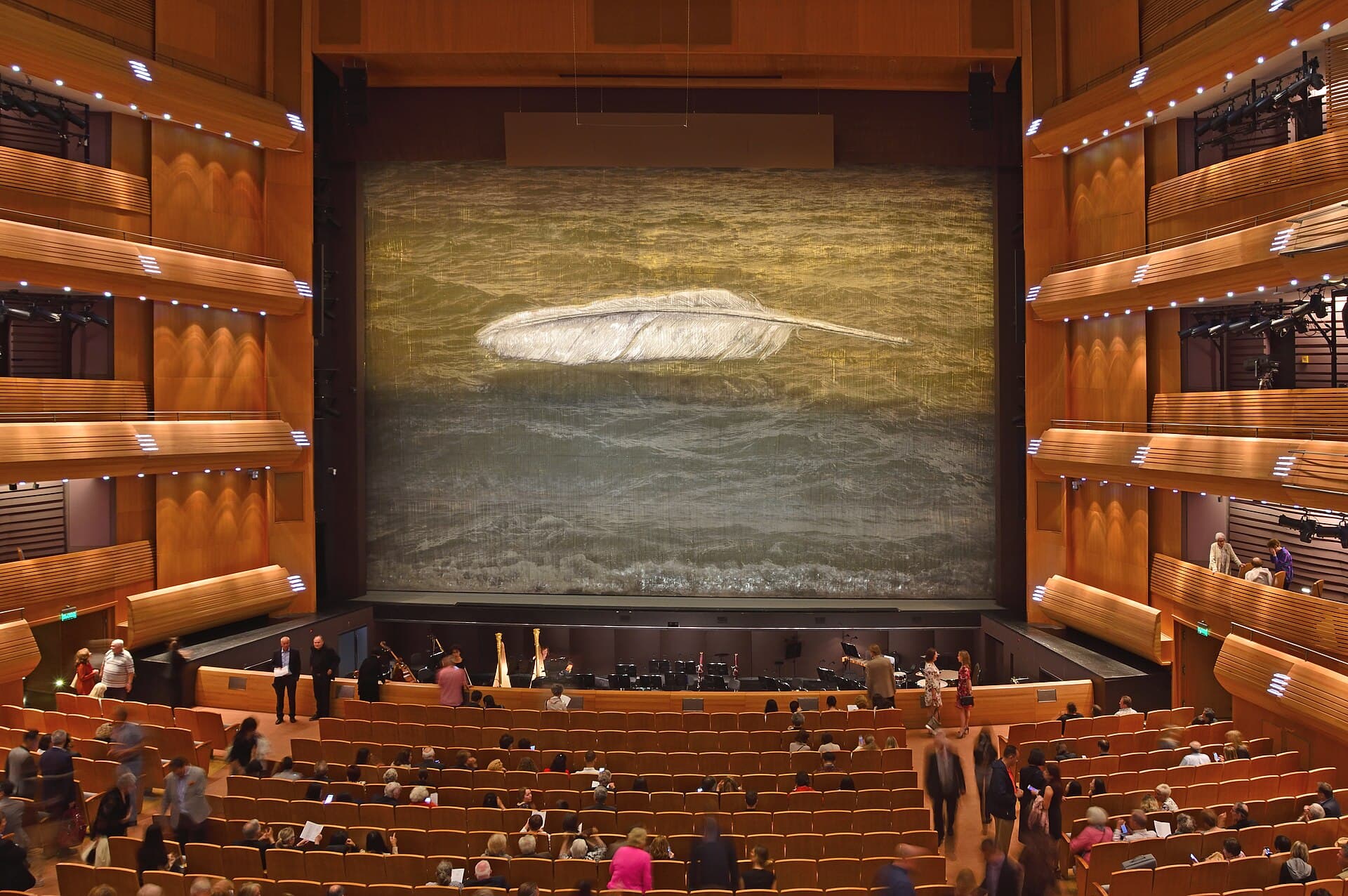
Winter is peak season for ballet and opera at the Mariinsky Theatre, where the heating system keeps the historic auditorium comfortable while performances showcase Russian cultural excellence. Tickets for the main stage range from 1,500 to 15,000 rubles depending on seat location and production. I attended a performance of Swan Lake in the original 1860 building and paid 4,500 rubles for a seat in the mezzanine with clear sightlines to the stage. The ticket office opens daily from 11 AM to 7 PM at Teatralnaya Square 1, though online booking through the official website adds a small service fee.
The Mariinsky II, the modern building next door, offers similar programming with updated acoustics and larger seating capacity. Both venues maintain strict dress codes during evening performances. When I arrived in jeans and boots, the coat check attendant politely suggested I might feel underdressed among the fur coats and suits, though they didn't deny entry. Most international visitors opt for business casual attire as a safe middle ground.
Book tickets at least two weeks ahead for popular productions during the December-March season. The Nutcracker sells out quickly around New Year's, with prices climbing to 20,000 rubles for premium seats. Mariinsky Theatre releases its schedule three months in advance, allowing first-time visitors to plan around specific performances. The theatre sits on the Kryukov Canal, accessible via Sadovaya or Sennaya Ploshchad metro stations, followed by a 15-minute walk through the historic district.
at the Bank of Russia rate on 23.10.2026 · powered by tutkakdoma
Walk Along Nevsky Prospekt's Festive Winter Displays
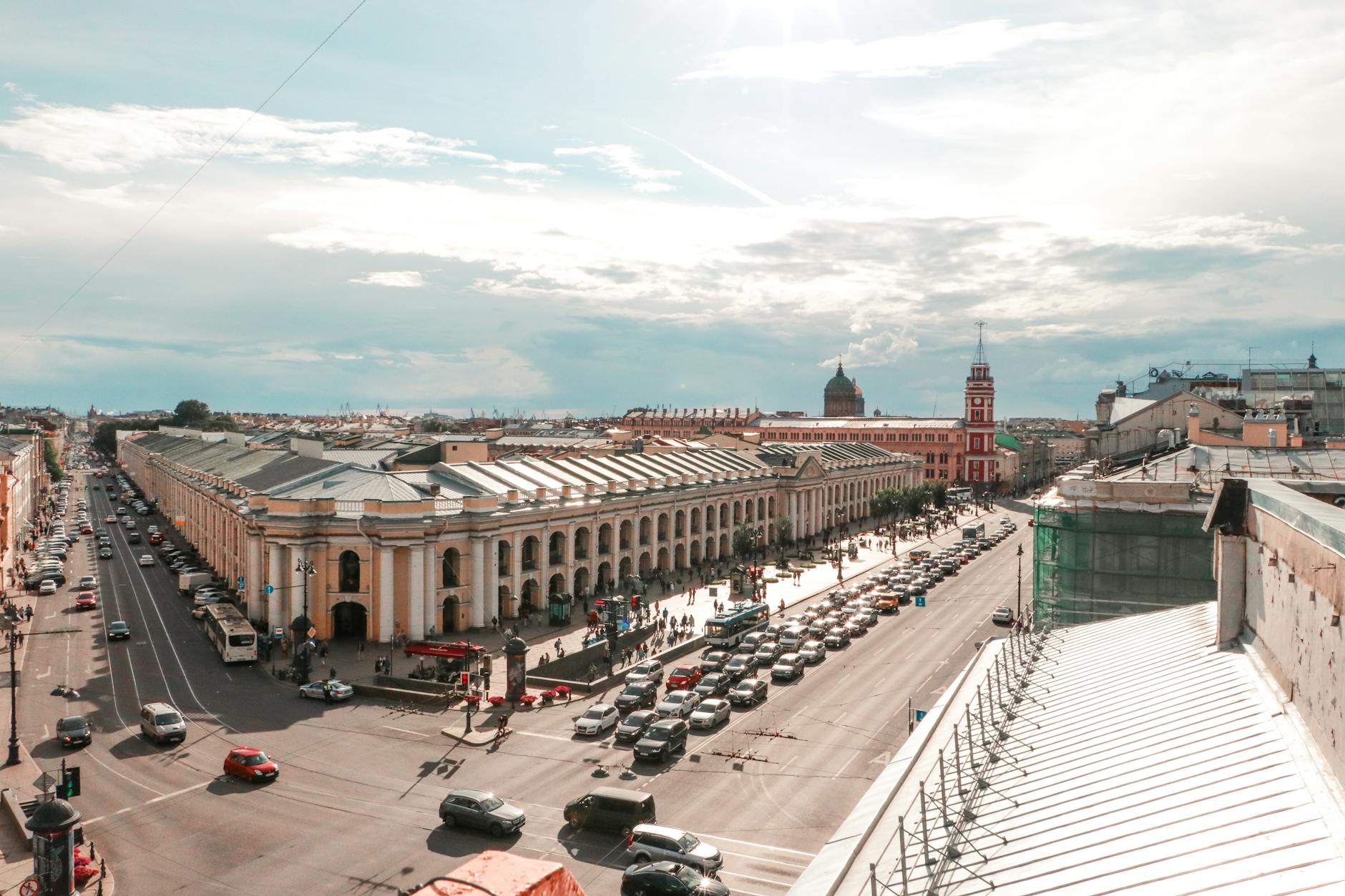
Nevsky Prospekt stretches 4.5 kilometers from the Admiralty to Alexander Nevsky Lavra, though the most interesting section for winter visitors runs between Vosstaniya Square and Palace Square. The main boulevard receives regular snow clearing, making it walkable even after heavy snowfall. Street vendors sell hot sbiten, a traditional honey drink, from steaming samovars for 100-150 rubles per cup. I tasted one near the Kazan Cathedral and found it similar to mulled wine but without alcohol.
The shopping arcades along Nevsky maintain extended hours during winter, with Gostiny Dvor staying open until 10 PM daily. This 18th-century shopping center spans an entire city block and houses over 200 stores selling everything from Russian nesting dolls to imported electronics. The indoor passages provide warm shortcuts between Nevsky and parallel streets. When I cut through from Nevsky to the Fontanka River, I saved ten minutes of outdoor walking in -15°C weather.
Evening transforms the prospect into a illuminated corridor where historic buildings display architectural lighting against dark winter skies. The Singer Building's globe glows red at the corner of Nevsky and Griboyedov Canal. Dom Knigi bookstore inside stays open until 11 PM, offering a heated space to browse Russian literature translations and city maps. The second-floor cafe serves decent coffee for 200 rubles while providing window views of the Kazan Cathedral across the street.
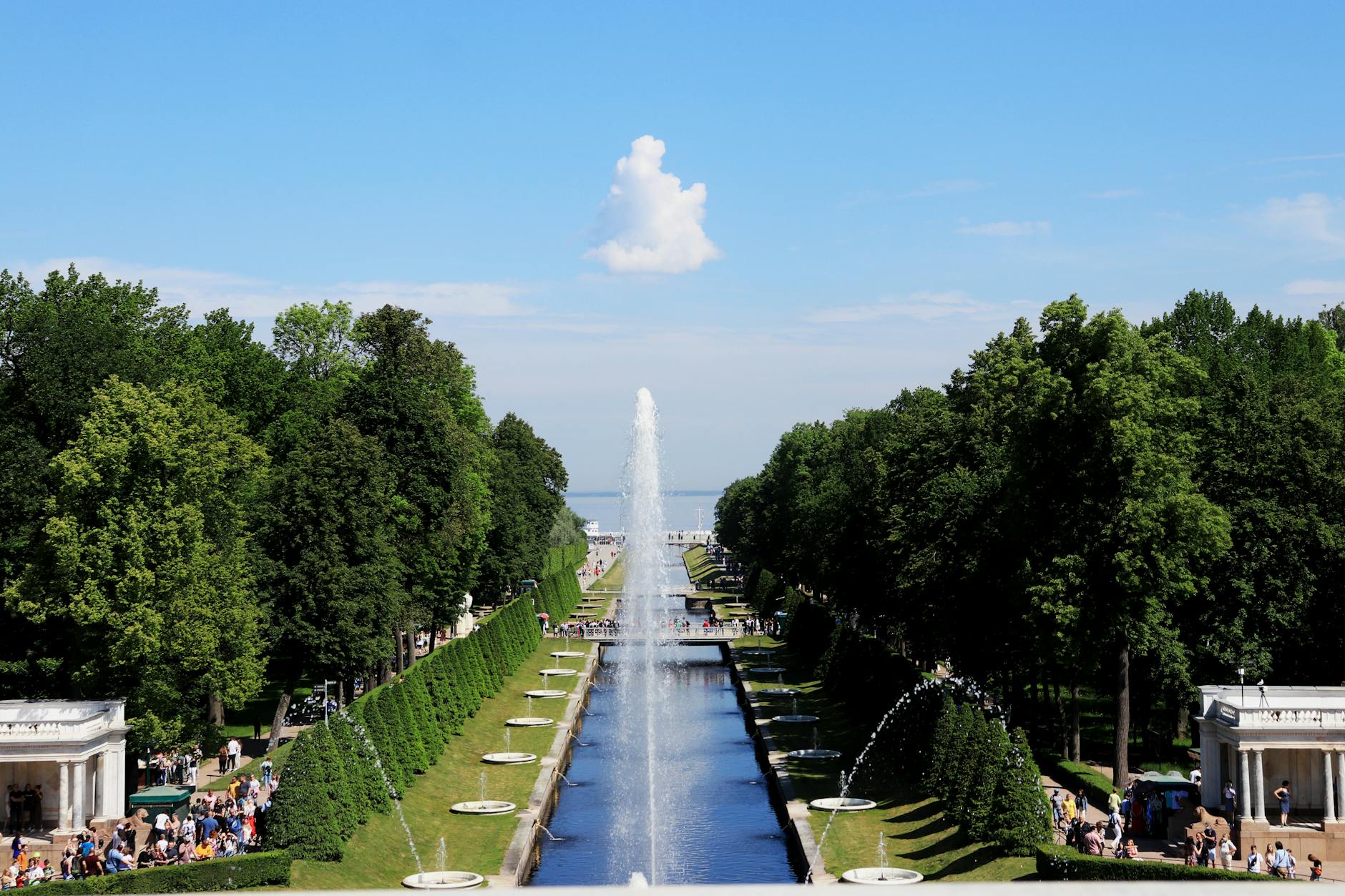
Peterhof operates year-round despite most tourists assuming it closes after fountain season ends in October. The Grand Palace maintains winter hours from 10:30 AM to 6 PM, closed Mondays and the last Tuesday of each month. Adult admission costs 2,000 RUB for the palace interior. I visited in January and walked through the Throne Room, Portrait Hall, and Chesma Hall with only a dozen other visitors present.
The Lower Park remains free to enter during winter months when the fountains are drained and covered. Snow-covered statues and frozen canal create a different aesthetic than the golden fountain displays of summer. The Gulf of Finland freezes partially, allowing brave locals to walk on ice near the shore. I noticed several ice fishermen setting up near the Peter and Paul Cathedral during my visit, though tourists should stay on marked paths.
Reach Peterhof via marshrutka minibus from Avtovo metro station for 100 rubles each way. The journey takes 40 minutes through suburban Saint Petersburg. Peterhof State Museum Reserve recommends calling ahead to confirm winter opening times, as severe weather occasionally forces temporary closures. The palace heating system keeps interior temperatures comfortable, though the park walk requires proper winter clothing including waterproof boots for snow-covered paths.
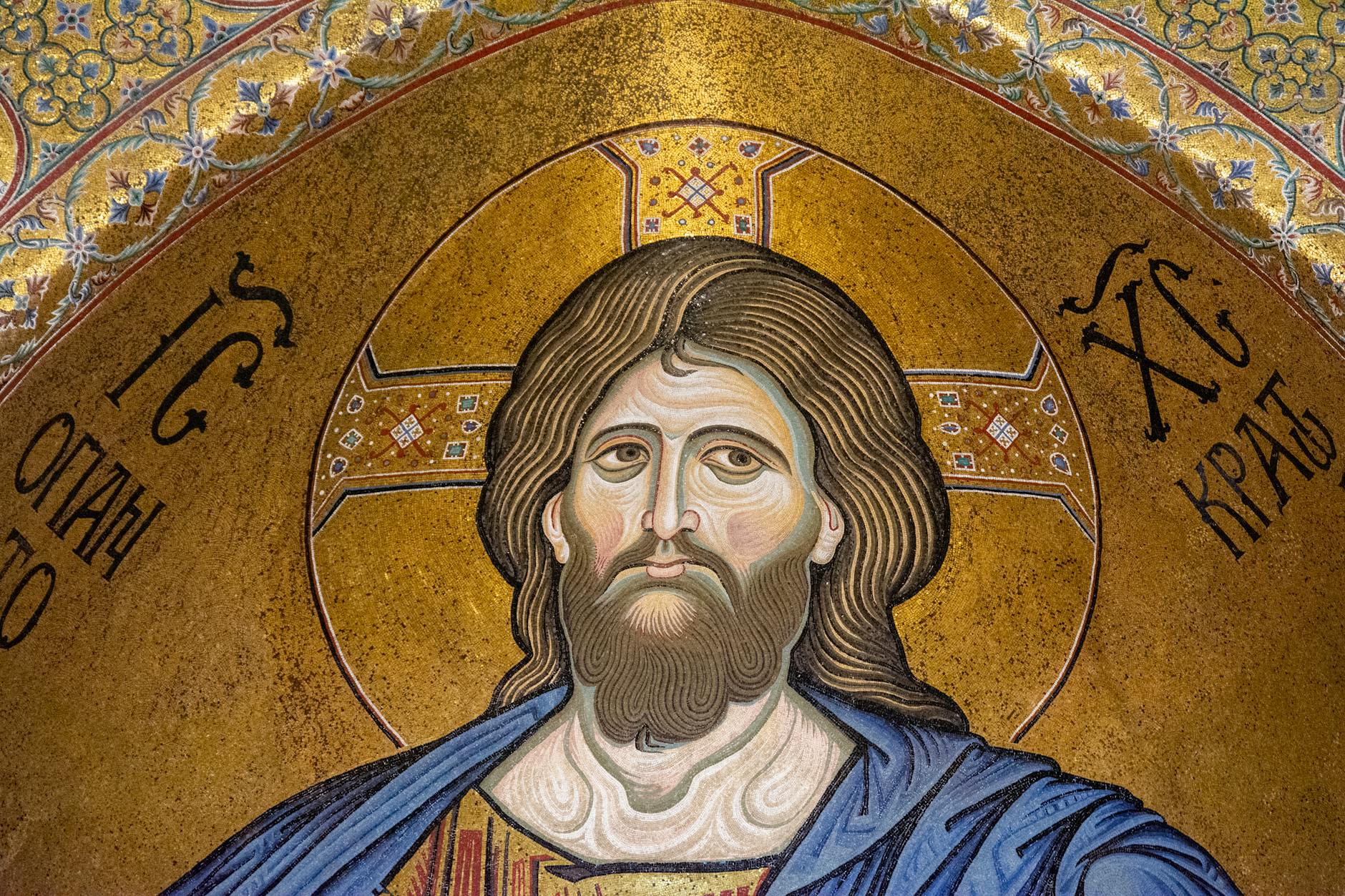
The Church of the Savior on Spilled Blood stands out dramatically against white snow, its multicolored onion domes creating a postcard scene along the Griboyedov Canal. Admission is 700 rubles at the full rate and 300 rubles for Russian and Belarusian citizens, and the church is open from 10:00 to 18:00 every day except Wednesday, with ticket desks closing at 17:30. The interior mosaic work covers over 7,000 square meters, making it one of the largest mosaic collections in Europe. When I walked from Nevsky to the Hermitage, I stopped here first and spent ninety minutes examining the biblical scenes rendered in tiny colored tiles.
The church maintains consistent indoor temperatures around 18°C, cooler than most museums but warm enough for extended viewing. The lack of seating encourages movement through the space, allowing you to appreciate the mosaics from different angles and lighting conditions. Natural light through the stained glass windows changes throughout the short winter day, with the best illumination occurring between noon and 2 PM.
Photography is permitted without flash, though the dim interior requires steady hands or higher ISO settings. I used my phone camera and achieved decent results by bracing against the marble columns. The church sits directly on the canal embankment, accessible via Nevsky Prospekt metro station followed by a ten-minute walk north. Combine this visit with the nearby Russian Museum in Mikhailovsky Palace, which displays Russian art from icons to avant-garde across four historic buildings.
Sample Traditional Russian Winter Cuisine
Saint Petersburg's restaurant scene embraces winter with hearty dishes designed for cold weather survival. Borscht, the beet soup served with sour cream, costs 250-400 rubles in most traditional restaurants along Nevsky Prospekt. Stolle, a local chain specializing in Russian pies, offers meat and cabbage pirogi for 150 rubles each at locations throughout the city center. I tried their salmon and rice version near Gostiny Dvor and found it filling enough for lunch.
Blini, thin pancakes served with various fillings, appear on nearly every menu during winter months. Sweet versions with condensed milk or jam cost 200-300 rubles, while savory options with caviar or smoked fish run 500-800 rubles depending on the establishment. Teremok operates multiple locations offering fast-casual Russian food at reasonable prices. Their blini combo with tea costs under 400 rubles and provides authentic flavors without tourist markup.
For a more substantial meal, try beef stroganoff or pelmeni dumplings at restaurants like Palkin or Tsar on Nevsky Prospekt. These historic establishments charge 800-1,500 rubles for main courses but include proper atmosphere and attentive service. We tasted the honey cake at Palkin after dinner and understood why locals consider it the city's best dessert. The layered cake with cream filling costs 450 rubles per slice but serves two people easily. Most restaurants add a 10% service charge automatically, so check the bill before adding additional tips.