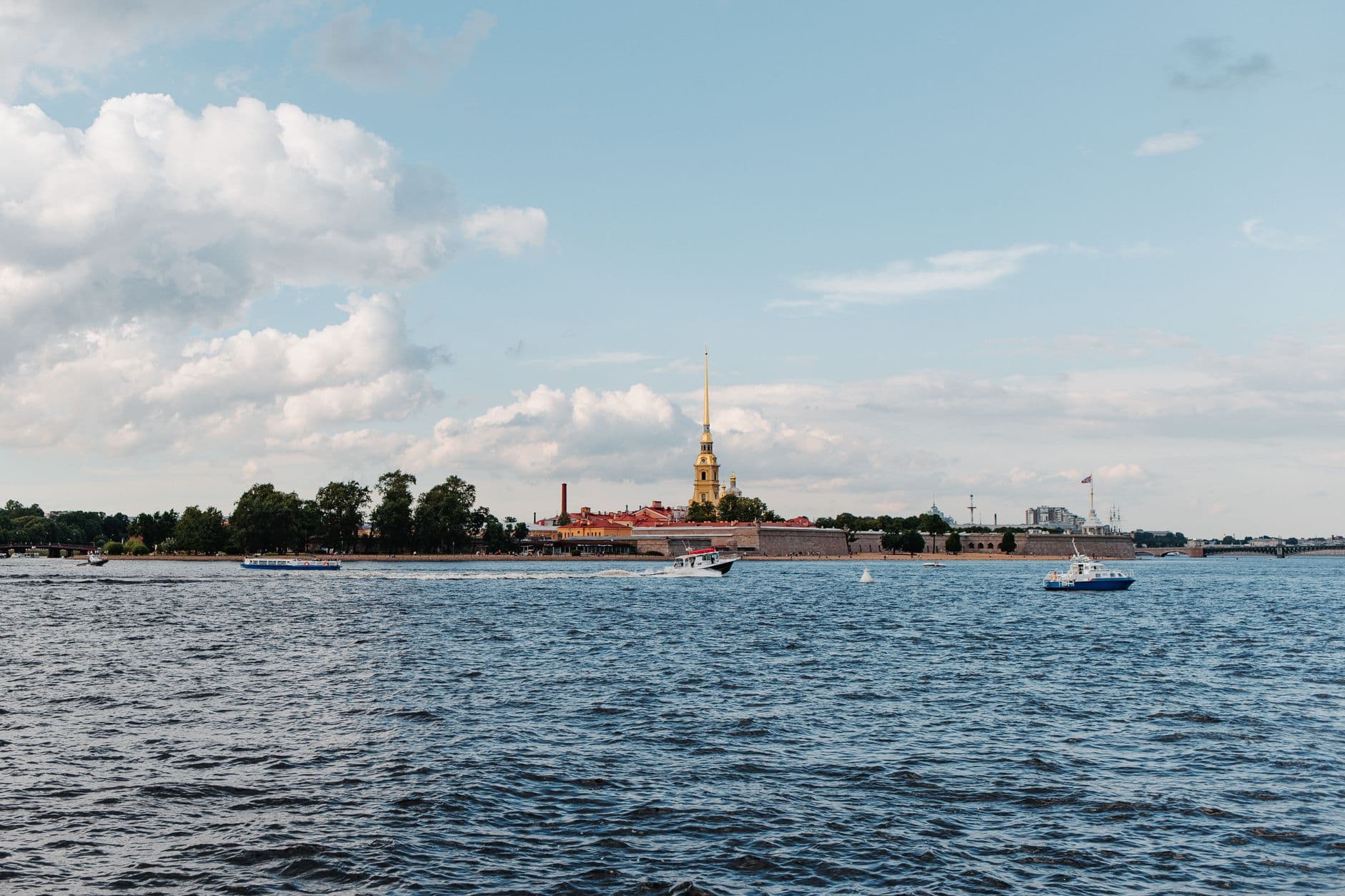
What is the Peter and Paul Fortress and why should you visit?
The Peter and Paul Fortress is the birthplace of Saint Petersburg, founded by Peter the Great on May 27, 1703, on Zayachy Island in the Neva River. This military fortification became the city's original citadel and now houses museums, the burial site of Russian tsars, and one of the most recognizable golden spires in Russia. You should visit because it offers a concentrated dose of Russian imperial history, stunning river views, and access to the Peter and Paul Cathedral where the Romanov dynasty rests.
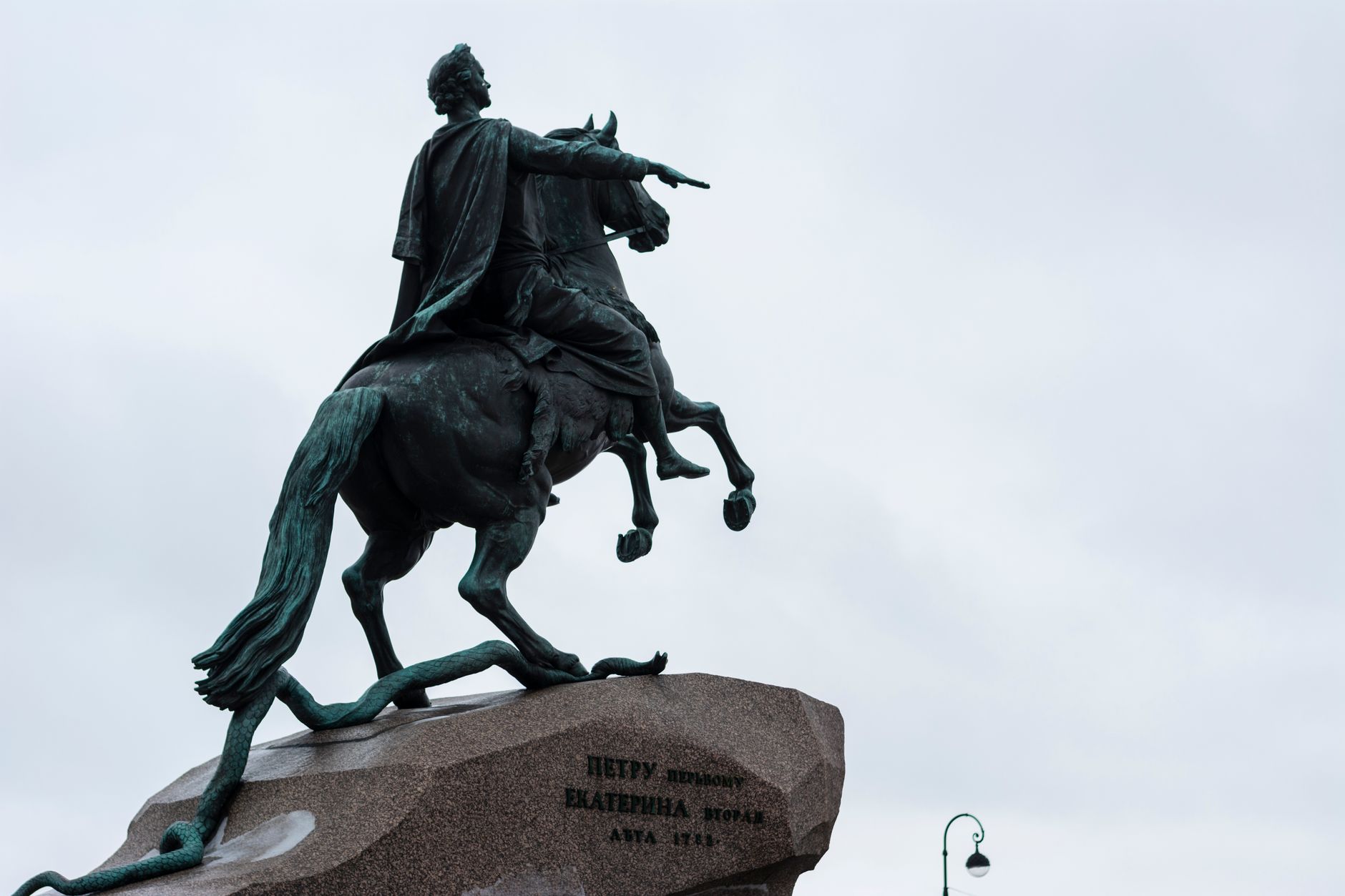
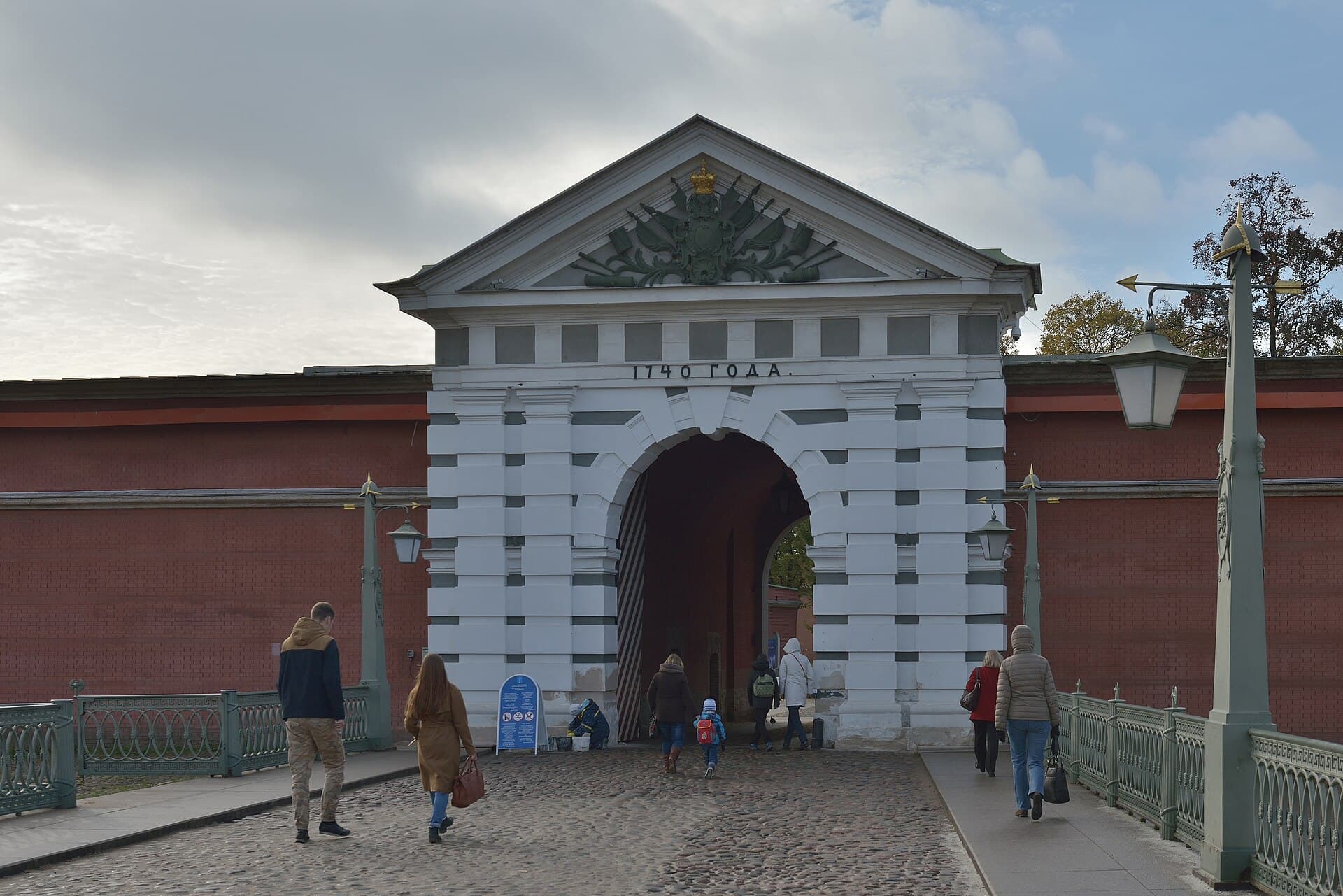
Crossing the Ioannovsky Bridge, the fortress walls look especially imposing against the open sky. The complex spans roughly 750 metres and contains six bastions connected by thick stone curtain walls. Unlike the Hermitage's art-focused experience, this site delivers raw historical narrative through architecture and burial vaults.
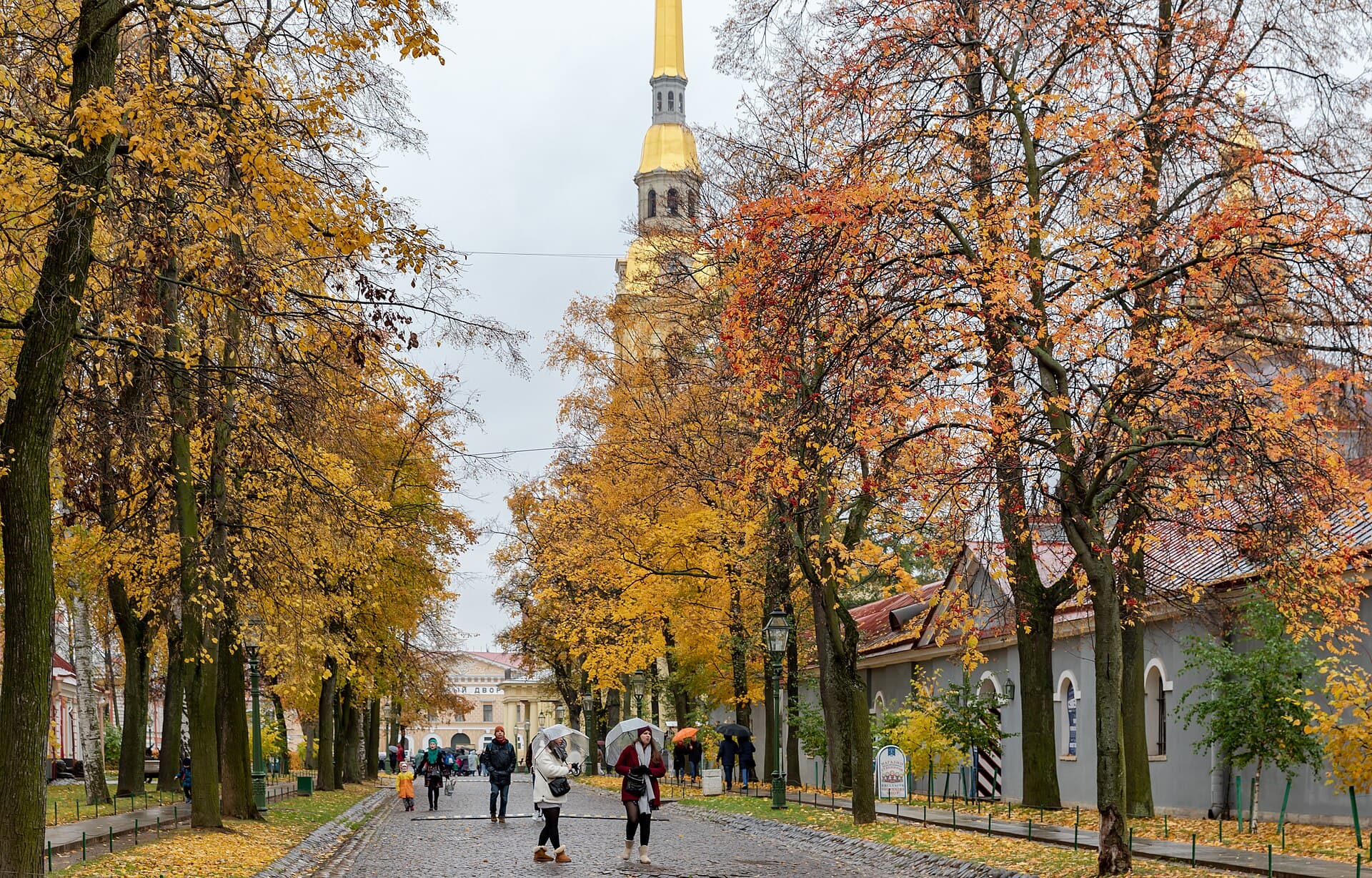
The fortress never actually defended Saint Petersburg from attack, serving instead as a political prison for high-profile dissidents — the writer Fyodor Dostoevsky was held here in 1849, and Alexander Ulyanov, Lenin's older brother, before his execution. The State Museum of the History of Saint Petersburg manages the complex today, maintaining multiple exhibition spaces within the fortress walls. The golden spire of the cathedral rises 122.5 meters, making it visible from Nevsky Prospekt and serving as a navigation point for tourists exploring Petrograd Side.
How much does entrance cost in 2026?
General admission to the fortress grounds is free, but access to the Peter and Paul Cathedral, prison cells, and museums requires paid tickets. Ticket prices are set by the museum and change periodically, so confirm the current amounts on the official site before you visit: expect a separate ticket for the cathedral and another (or a combined ticket) for the Trubetskoy Bastion Prison and exhibitions. Students with valid ID usually receive a discount at most fortress attractions.
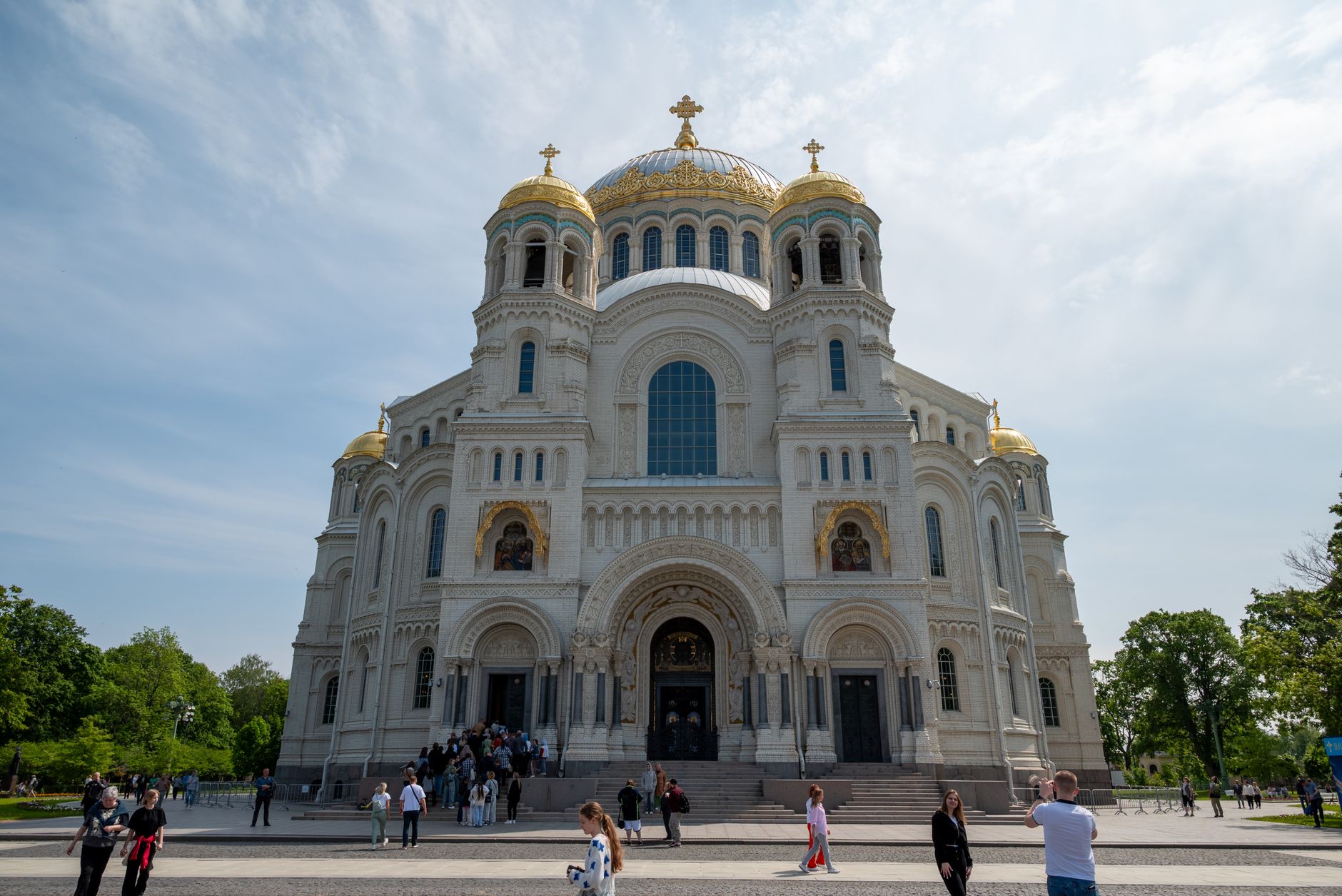
You can usually buy tickets at the cathedral entrance, though summer months bring longer queues. The ticket office accepts cash rubles and Russian Mir / UnionPay cards — Visa and Mastercard cards issued outside Russia are usually not accepted, so bring cash in rubles or an alternative payment method. Some free or discounted admission days exist for certain categories (students, pensioners), but international tourists rarely qualify — check the official site. A photography permit may apply inside the cathedral. The atmospheric Trubetskoy Bastion prison cells, with their original furnishings, are worth the extra ticket, and combined tickets covering several sites can work out cheaper than buying them separately.
| Attraction | Access | Notes |
|---|---|---|
| Fortress grounds | Free | Walk the walls and embankment; long daily hours |
| Peter and Paul Cathedral | Ticketed | Includes the Romanov tombs |
| Trubetskoy Bastion Prison | Ticketed | Historic cells and exhibitions |
| Combined ticket | Ticketed (best value) | Cathedral + prison + exhibitions |
| Photography permit | Small extra fee | Inside the cathedral |
Prices are adjusted periodically — confirm the current rates on the official museum site (spbmuseum.ru) before your visit.
Getting to the fortress from central Saint Petersburg
The Peter and Paul Fortress sits on Zayachy Island directly across the Neva River from the Hermitage. The closest metro station is Gorkovskaya on the blue Line 2, a 10-minute walk west through Alexandrovsky Park. Exit the metro, turn right, and follow Kronverksky Prospekt until you see the fortress walls ahead. The walk takes you past the Saint Petersburg Zoo if traveling with children.
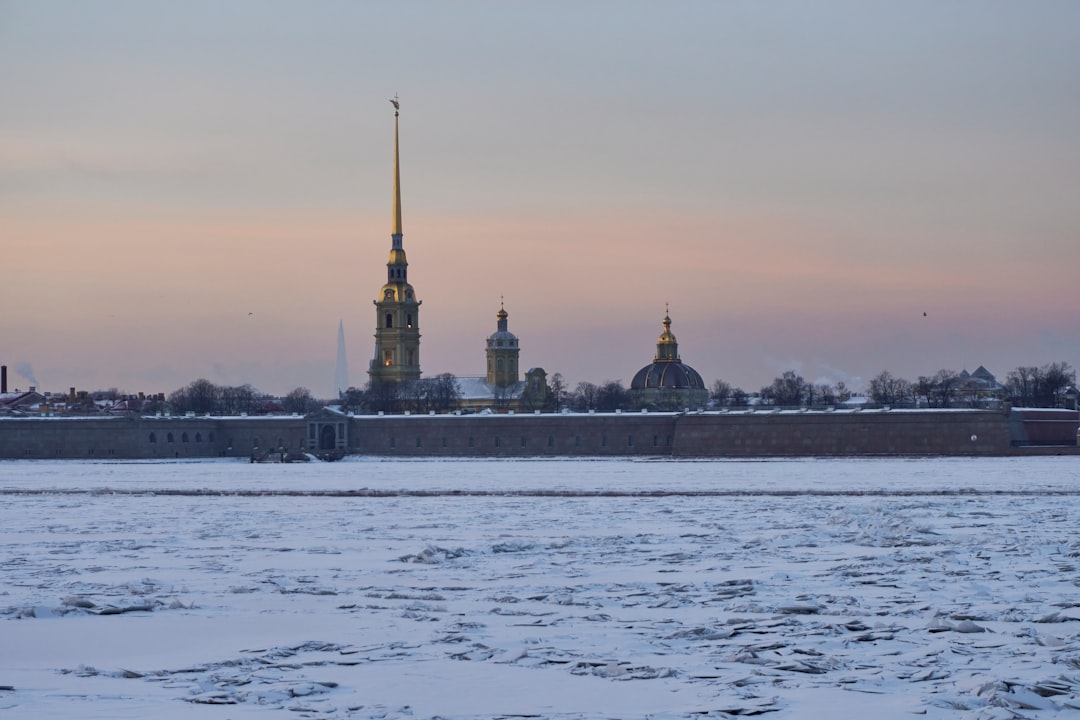
Many visitors approach on foot from Nevsky Prospekt via the Palace (Dvortsovy) Bridge and the embankment — about a 25-minute walk with excellent views of the fortress spire reflected in the Neva. In summer, seasonal water taxis run across to the fortress from the Palace Embankment area.
From Pulkovo Airport, take bus 39 (or express 39Э) to Moskovskaya metro, then ride the blue Line 2 north to Gorkovskaya — no line change is needed. The trip takes roughly 60-75 minutes. A taxi from the airport reaches the fortress in about 35-40 minutes outside rush hour.
What can you see inside the Peter and Paul Cathedral?
The Peter and Paul Cathedral dominates the fortress interior with its baroque architecture designed by Domenico Trezzini between 1712 and 1733. Inside, you'll find the burial vaults of nearly all Russian emperors from Peter the Great to Nicholas II, whose remains were transferred here in 1998. The cathedral's interior features white columns, golden chandeliers, and a carved wooden iconostasis that reaches toward the painted ceiling. The atmosphere remains solemn despite tourist traffic.
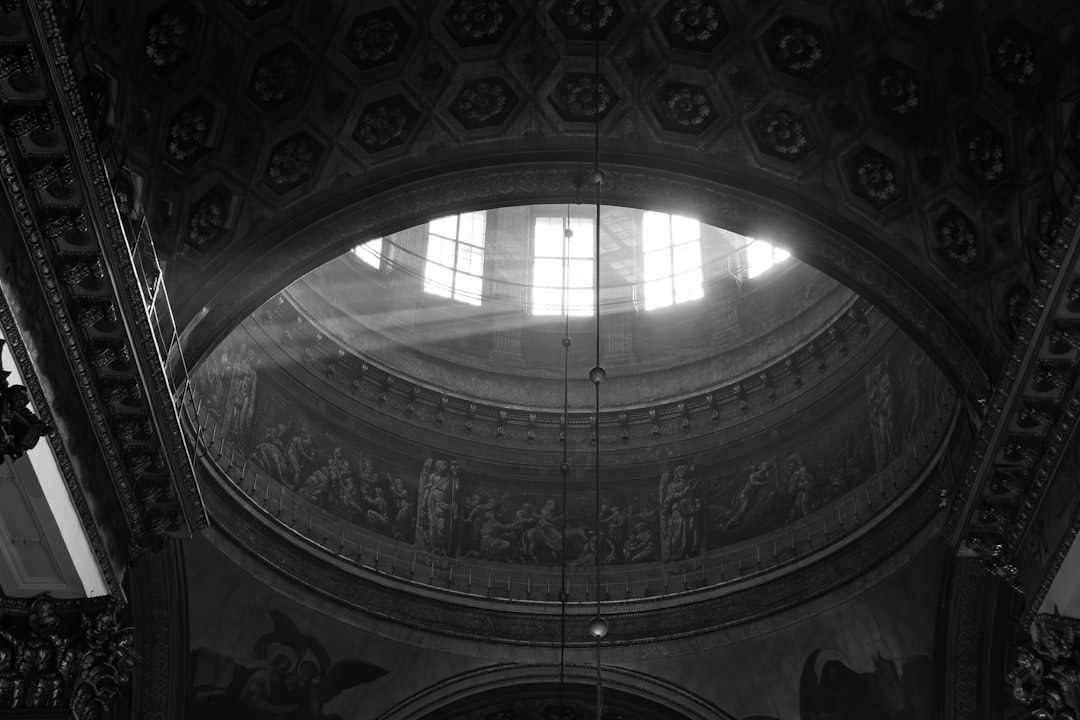
The Romanov tombs are arranged along the nave. Peter the Great's tomb sits in the front-right corner near the iconostasis, a white marble sarcophagus like the others. The cathedral also houses the Grand Ducal Burial Chapel, added in 1908 for non-reigning Romanovs, accessible through a separate entrance on the north side.
The cathedral's bell tower holds a carillon, though public access to it remains restricted. The cathedral's official website lists special services held on major Orthodox holidays when tourist access becomes limited. The iconostasis, carved between 1722 and 1726, depicts biblical scenes in intricate detail worth examining closely if crowds permit.
Should you visit the Trubetskoy Bastion Prison?
Yes, the Trubetskoy Bastion Prison provides essential context for understanding tsarist-era political repression and complements the imperial grandeur of the cathedral. This prison operated from 1872 to 1921, holding revolutionaries, writers, and political dissidents in 69 cells spread across two floors. You'll see original furnishings, prisoner artwork, and explanatory panels describing daily life for inmates who rarely saw daylight.
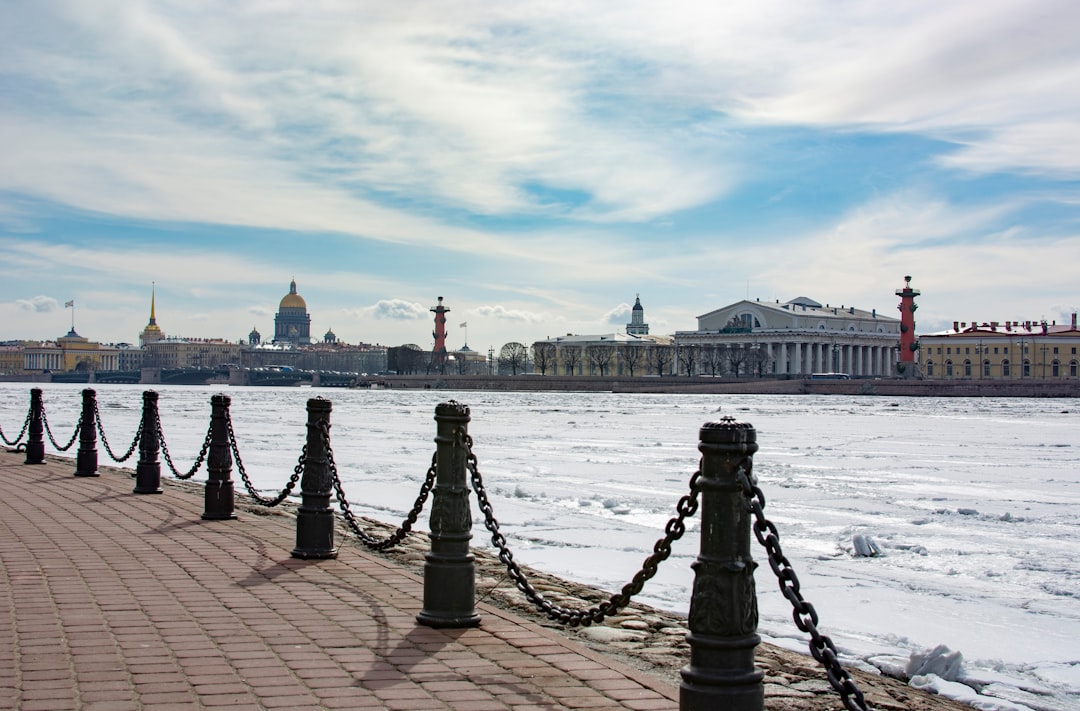
The prison cells are small and stark. The bastion enforced strict isolation — guards wore felt boots to muffle their footsteps and prisoners were forbidden from communicating. Alexander Ulyanov, Lenin's older brother, was held here before his execution for plotting to assassinate Tsar Alexander III. The prison museum displays letters, photographs, and personal items confiscated from inmates.
The basement punishment cells, called kartser, subjected prisoners to near-freezing temperatures and complete darkness for weeks. The exhibition includes audio recordings of former prisoners' testimonies, adding a personal dimension to the historical narrative. Allow 45-60 minutes to properly explore both floors and read the English-language information panels.