
When Does Saint Petersburg Experience Its Most Pleasant Weather?
Saint Petersburg has its most comfortable weather from late May through early September, with average daytime temperatures of roughly 18-23°C. The period from mid-June to mid-July brings the famous White Nights, when the sun barely sets and twilight lasts all night — the single best reason to visit, and the busiest time to do so.
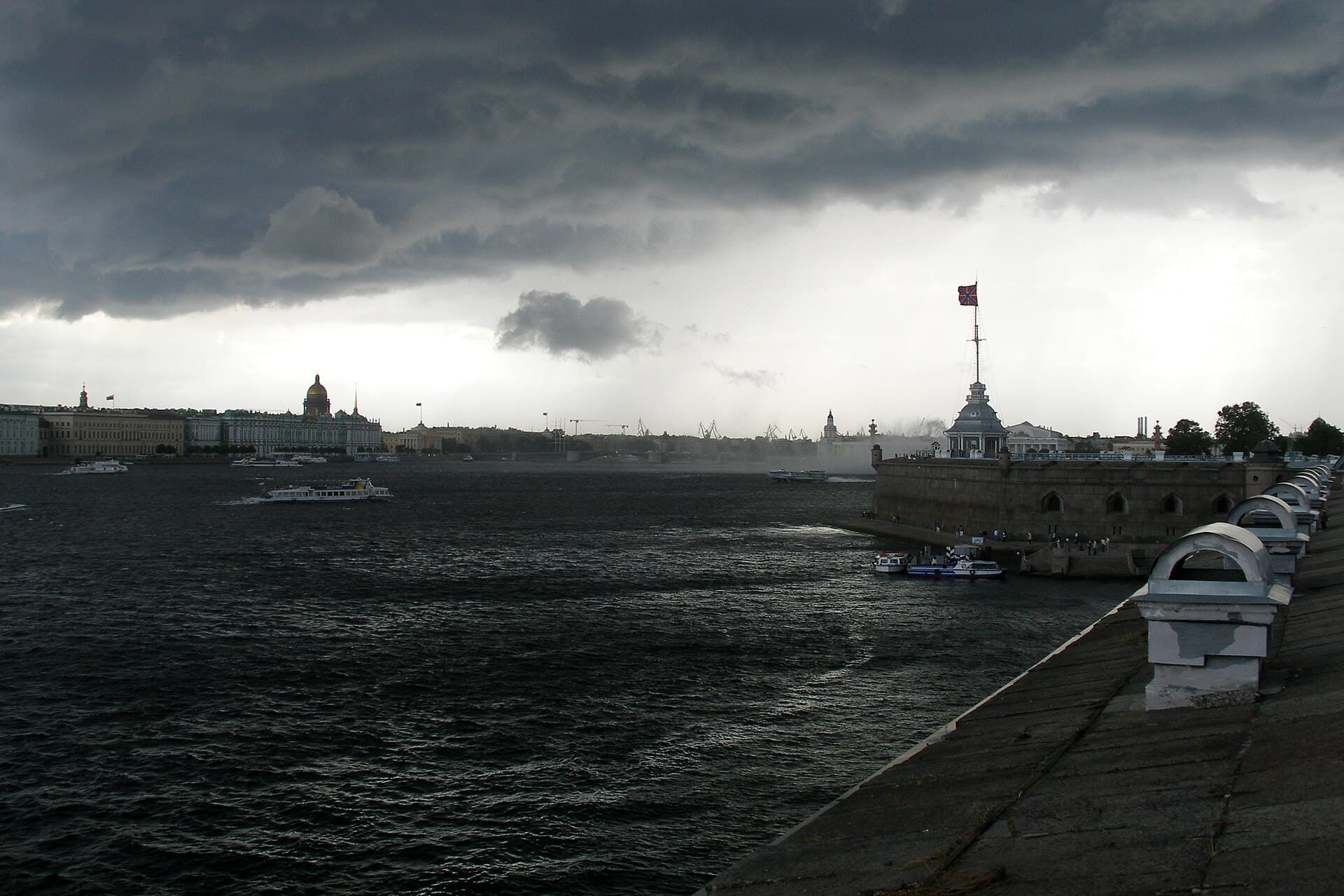
Summer brings the warmest conditions but also the highest visitor numbers and accommodation prices; hotel rates typically rise 40-60% compared with the shoulder seasons. Rain is possible in any month, with roughly 10-15 wet days even in summer, so a waterproof layer is worth packing whatever the season.
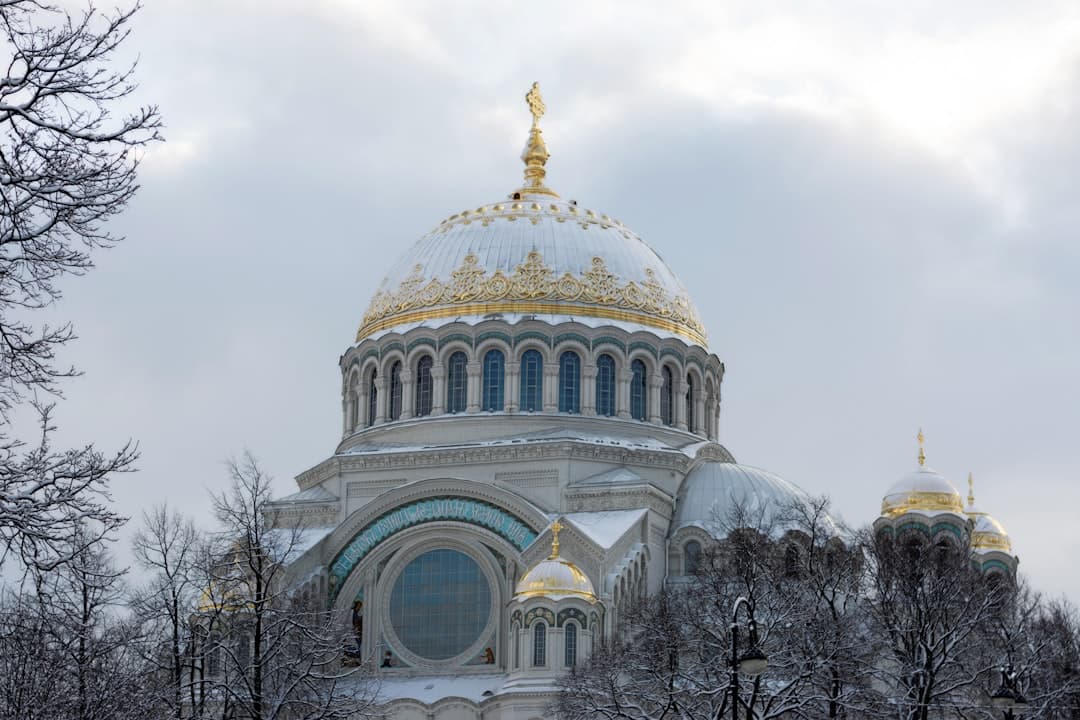
Spring arrives late this far north: April can still see occasional snow, with daytime temperatures around 5-8°C, warming to about 15°C by late May. Autumn brings golden foliage to the city's parks from mid-September through October, though temperatures fall quickly after the first week of October. Winter turns Saint Petersburg into a frozen, atmospheric city where temperatures regularly drop below -10°C, but the museums, theatres and palaces stay fully open.
What Happens During Saint Petersburg's White Nights Season?
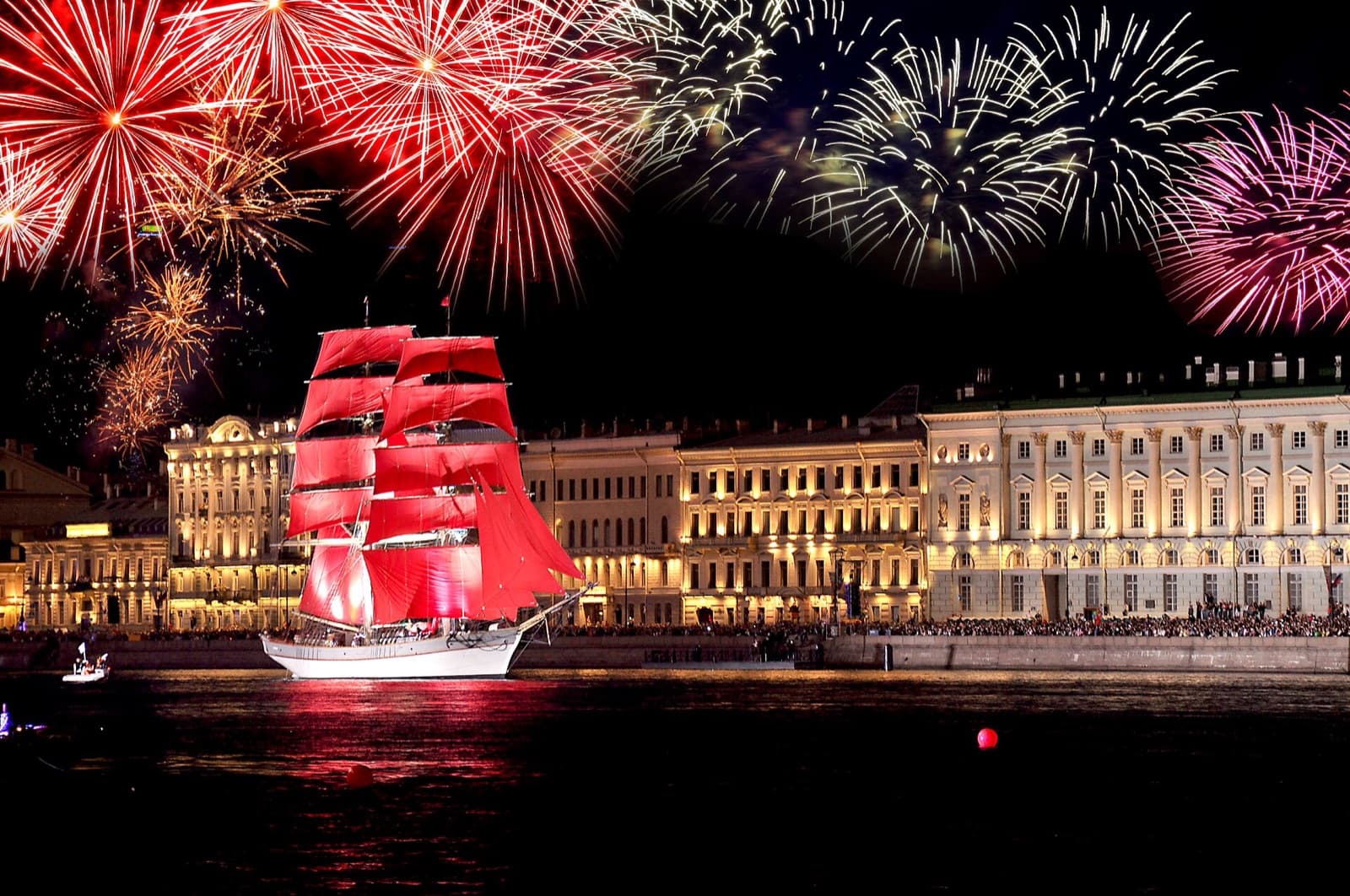
The White Nights run from late May to mid-July, with the very brightest stretch from about 11 June to 2 July and the peak around 20-21 June at the summer solstice, when the sun stays near the horizon for close to 19 hours a day. Twilight replaces true darkness, so you can explore the city comfortably at almost any hour without artificial light.
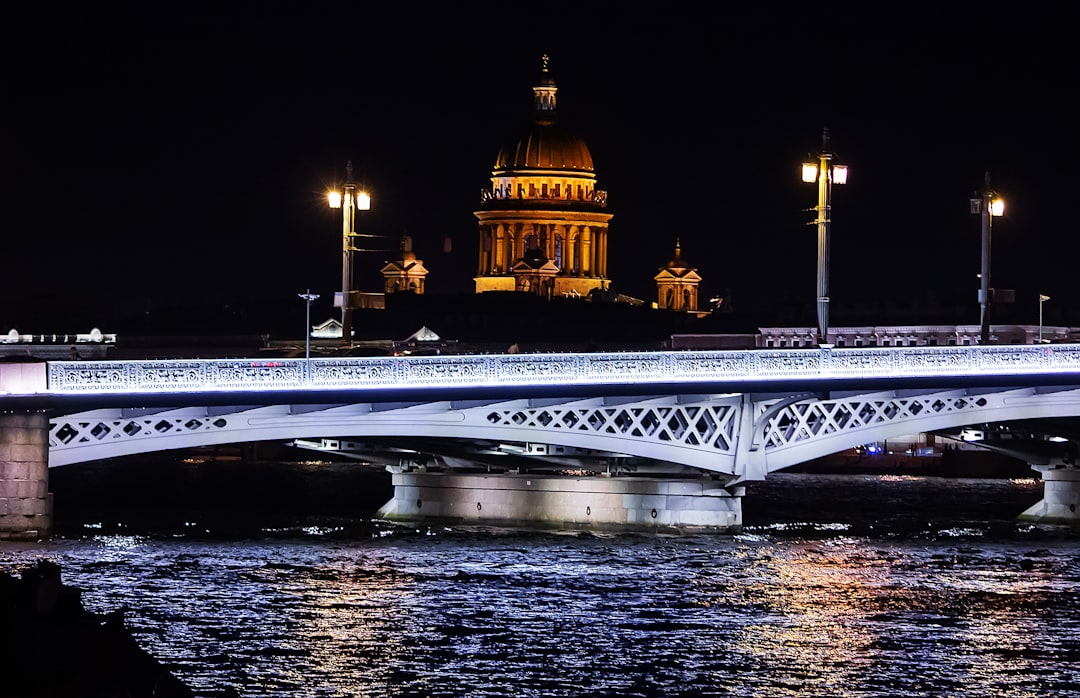
During the White Nights the Mariinsky Theatre extends its schedule, with performances starting as late as 22:00; the summer 2026 ballet programme includes classics such as Don Quixote, Spartacus and Giselle. Street performers fill Nevsky Prospekt late into the night, and riverboat cruises run through the small hours, taking in the illuminated palaces and the raised drawbridges.
The drawbridge schedule becomes an attraction in itself: the Palace Bridge opens nightly at around 01:10 and closes near 02:50, and crowds gather on both banks of the Neva to watch. Hotel prices during this peak typically run €120-300 per night for mid-range rooms, compared with €60-150 in other months, so book two to three months ahead for a summer visit.
January Through March: Winter Palace Season
Winter in Saint Petersburg runs from November through March, with January and February the coldest months. Temperatures average about -8°C and can fall to around -22°C during cold snaps. In deep winter the Neva freezes and locals ice-fish near the Peter and Paul Fortress. December and January give only about six hours of daylight, creating a moody atmosphere that suits long museum days.
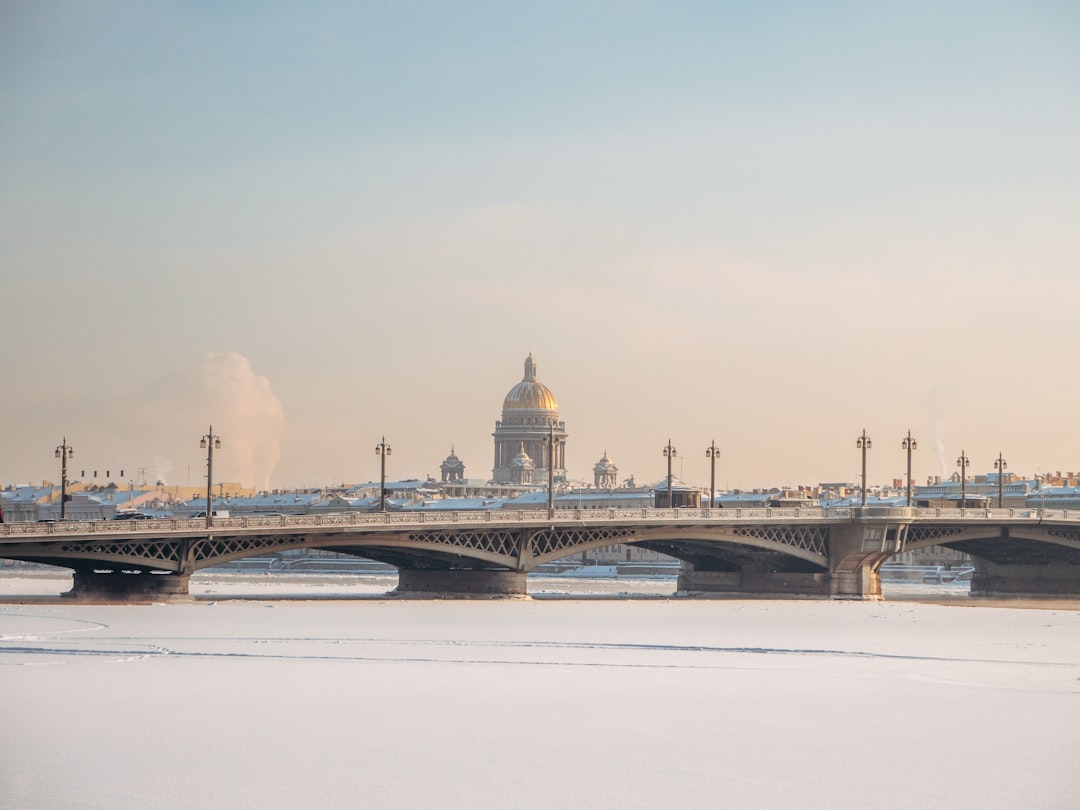
This is the season of lowest visitor numbers and cheapest accommodation, making it ideal for budget travellers. The State Hermitage Museum — with around three million items across its complex of buildings — becomes far more manageable without the summer crowds, and its halls can be viewed at an unhurried pace. In 2026 the Hermitage opens Tuesday to Sunday (closed Monday), closing at 18:00 on Tuesday, Thursday and Sunday and at 20:00 on Wednesday, Friday and Saturday.
Winter cultural programming is at its fullest, with the Mariinsky and Mikhailovsky theatres presenting complete opera and ballet seasons (2026 winter titles include Turandot and Paquita). New Year celebrations turn Palace Square into a festival ground, and Orthodox Christmas on 7 January brings special services at the Kazan Cathedral. Indoor attractions such as the Russian Museum, the Yusupov Palace and the Church of the Savior on Spilled Blood become the primary destinations, offering warmth alongside Russian art and history.
| Month | Avg Temp (°C) | Daylight Hours | Hotel Price Range (€) |
|---|---|---|---|
| January | -8 | 6 | 45-120 |
| April | 8 | 14 | 55-140 |
| June | 18 | 19 | 100-250 |
| July | 23 | 18 | 110-260 |
| September | 12 | 13 | 65-160 |
| December | -5 | 6 | 50-130 |
Short-term rentals in Saint Petersburg
Лофт у реки Мойки
8 000 ₽ per night · ≈ $96 · ★ 4.82
3 nights · 24 000 ₽ total · ≈ $287
See optionsat the Bank of Russia rate on 16.10.2026 · powered by tutkakdoma
April and May: Spring Awakening and Shoulder Season Benefits
April marks the turn from winter to spring, though snow can still fall in the first half of the month. Temperatures climb from around 3°C in early April to about 15°C by late May, and daylight lengthens fast, reaching some 17 hours by the end of May. The parks and gardens begin to green up, and the Summer Garden typically reopens for the season in early May after its winter closure.

May is excellent value, offering mild weather without summer's peak prices or crowds. The Grand Cascade fountains at Peterhof begin their seasonal run in mid-to-late May; the Peterhof State Museum-Reserve operates the fountains from late May through mid-September, so spring is a fine time to see the grounds before the July tour-bus congestion.
The shoulder season makes it easier to get into popular restaurants along Rubinstein and Dumskaya streets without booking far ahead. Museums keep close to their full opening hours but with thinner crowds. Victory Day commemorations on 9 May bring events and evening fireworks (check the current year's programme, as arrangements can change from year to year).
How Do June, July and August Differ for Visitors?
June is the sweet spot for most visitors, combining the White Nights with average temperatures around 18°C and manageable crowds for the first three weeks. The last week of June sees a sharp jump in numbers as Russian school holidays begin and international visitors arrive for the solstice peak.
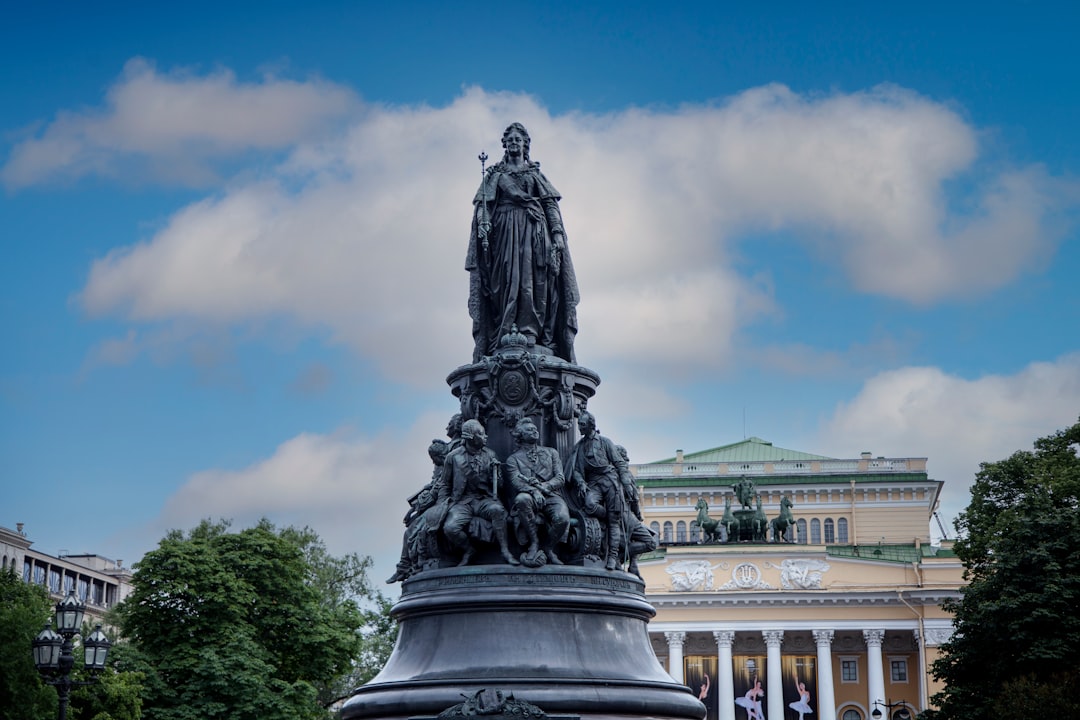
July is the warmest month, averaging around 23°C and reaching a record 31°C in 2025, but it also brings the highest humidity and the heaviest tourist pressure. Queues at the Hermitage can be long even at opening time, and popular restaurants on and around Nevsky Prospekt may need booking days ahead. The Peterhof fountains run at full capacity and the courtyard cafes behind Nevsky fill up, giving the city a lively summer buzz despite the crowds.
August eases slightly, especially after the 15th when Russian domestic tourists head home for the new school year. Temperatures stay pleasant at 20-22°C, though rainfall creeps up. The main theatre season is largely on its summer break, with venues like the Mariinsky on reduced schedules or closed for maintenance, while museums keep their extended summer hours.
September Through November: Autumn Colors and Cultural Season
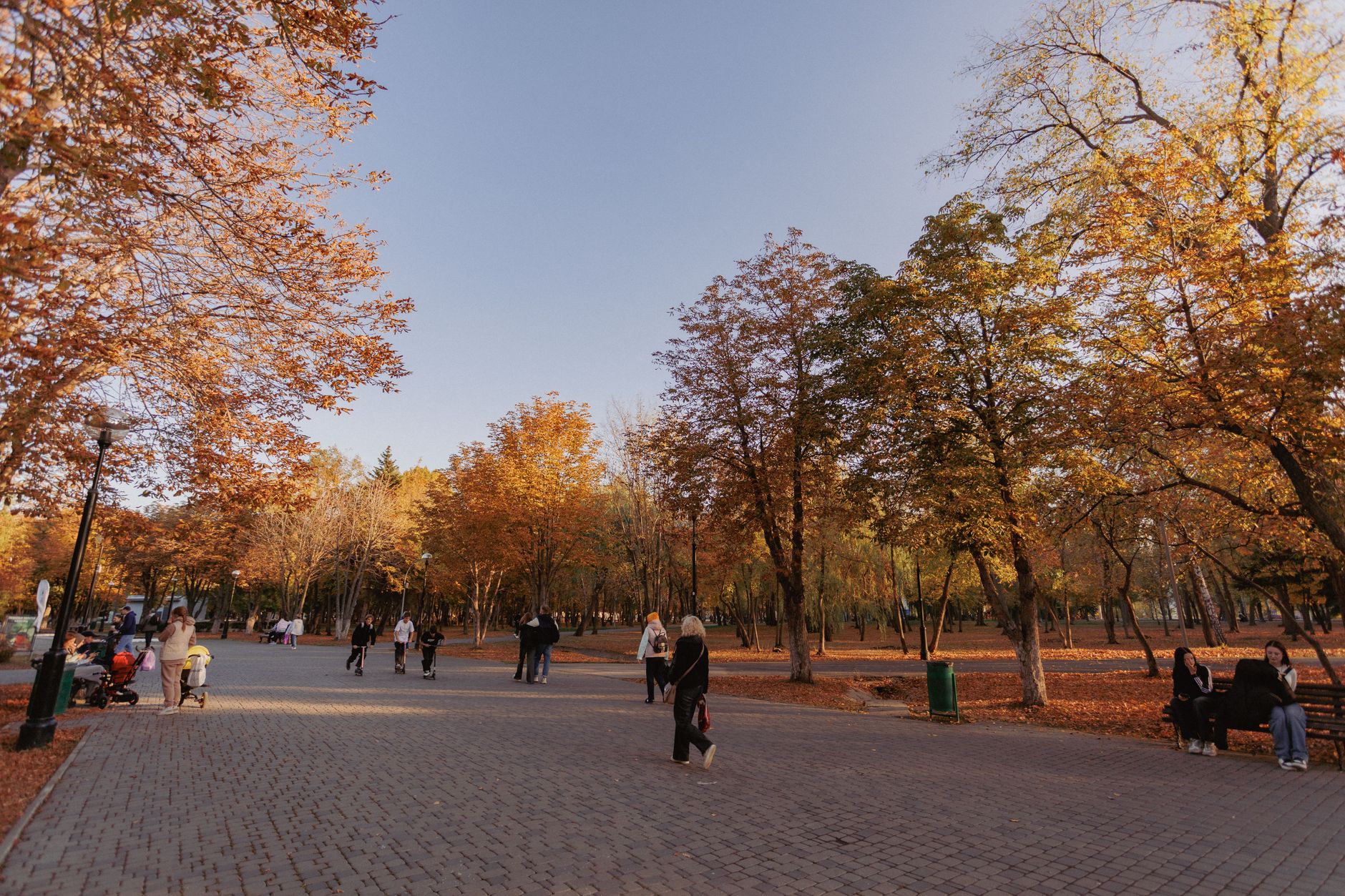
September brings some of the city's most beautiful weather, with temperatures around 12-14°C and golden foliage transforming parks such as the Tauride Garden and the Alexander Garden. The first two weeks can feel almost summer-like before temperatures drop noticeably after mid-month, and the lime trees around Senate Square turn brilliant yellow against grey Baltic skies.
The cultural season resumes in September, with the Mariinsky, Mikhailovsky and Alexandrinsky theatres launching new opera, ballet and drama programmes. Ticket prices fall back to winter levels, typically €25-80 for good seats versus €60-150 in summer. The Russian Museum becomes far more accessible, allowing a detailed look at its Benois Wing and the Mikhailovsky Palace without summer crowds.
November is the turn into winter, with temperatures at 0-2°C and daylight down to about nine hours, and rain often mixed with wet snow by month's end. It offers the year's lowest accommodation prices and smallest crowds, ideal for visitors focused on indoor attractions — the Hermitage, the Russian Museum, the Fabergé Museum and countless smaller galleries fill grey days, while traditional restaurants serve warming borscht and pelmeni.
Planning Your Visit: Practical Considerations by Season
Flights to Pulkovo Airport run year-round, with direct services from many European capitals, but fares vary sharply by season — June and July can command premiums of 50-80% over January or November.
The metro runs reliably all year, from about 05:30 to midnight with trains every 2-3 minutes at peak times, and it is essential for reaching outlying sights like the Alexander Nevsky Lavra or the Cruiser Aurora. A single ride costs roughly 70-95 rubles after the January 2026 fare rise; a Podorozhnik card lowers the per-ride cost to around 65 rubles.
Clothing needs change dramatically with the season. Winter demands serious cold-weather gear, including insulated, non-slip boots for icy pavements. Summer calls for layers, as air-conditioned museums feel cold after time in the sun and evenings cool quickly even in July. Rain gear is useful year-round. Many palace museums require shoe covers, provided free at the entrance, to protect historic parquet floors.