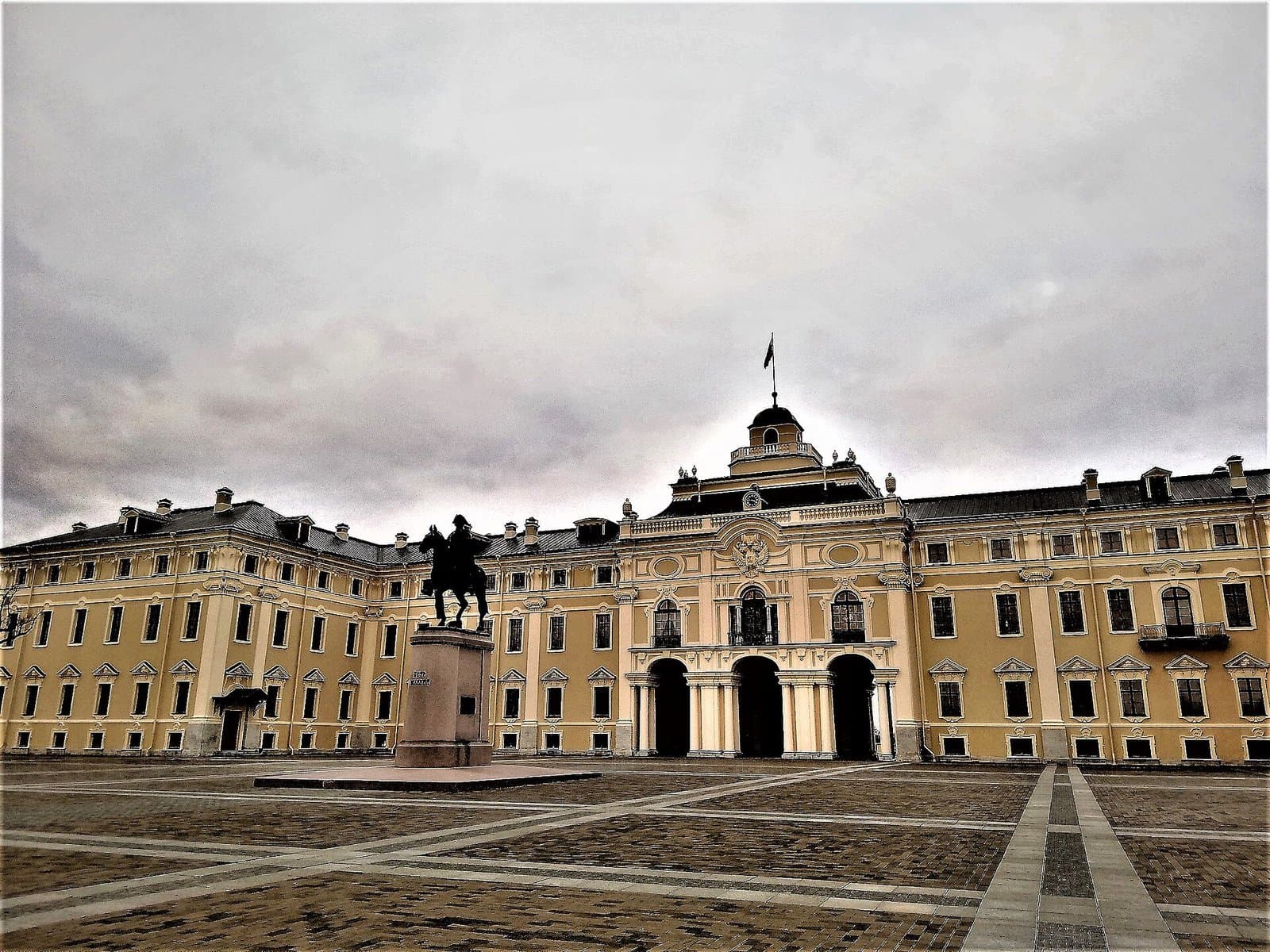
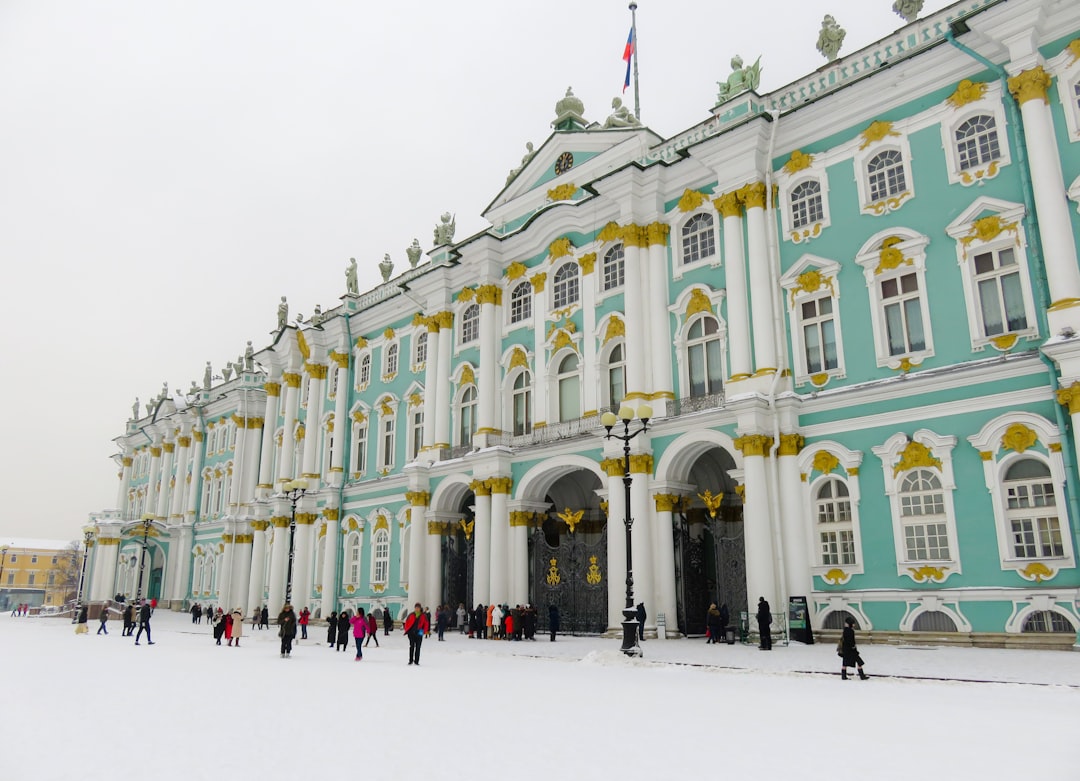
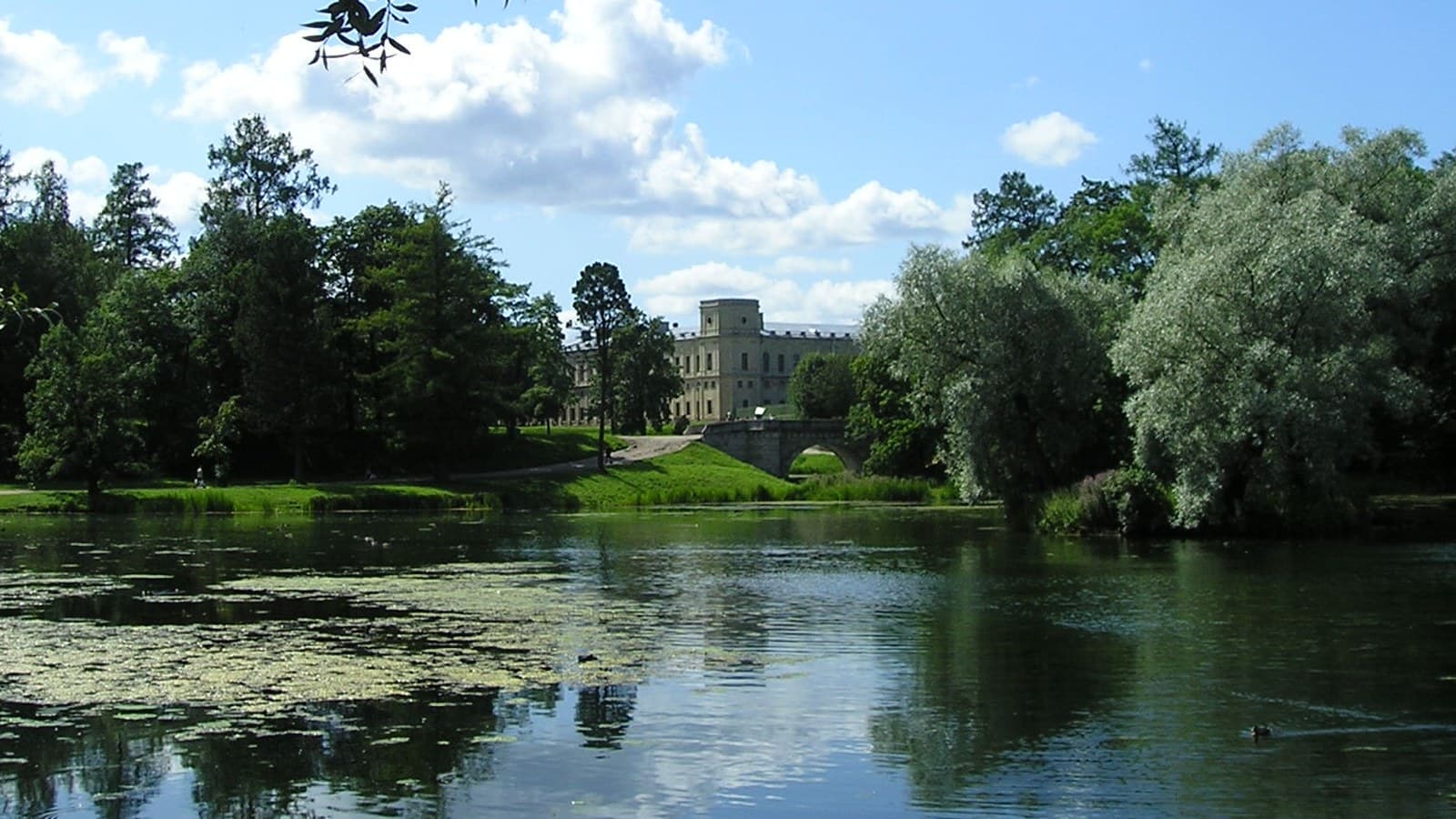
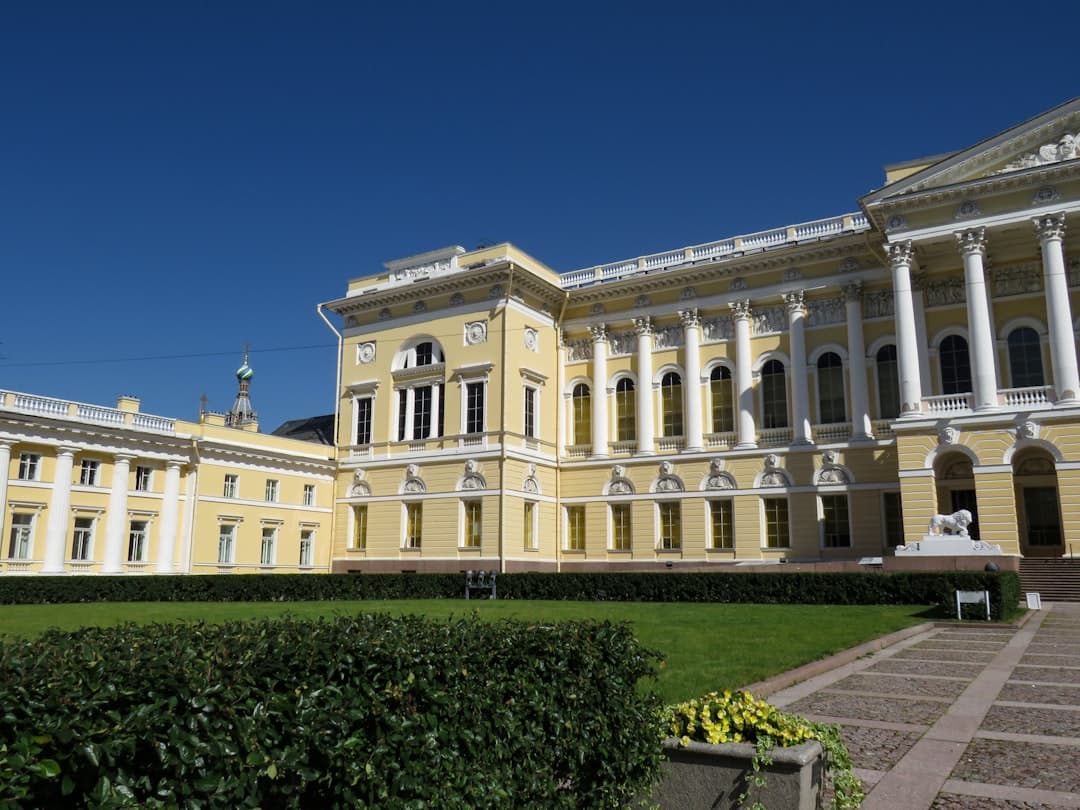
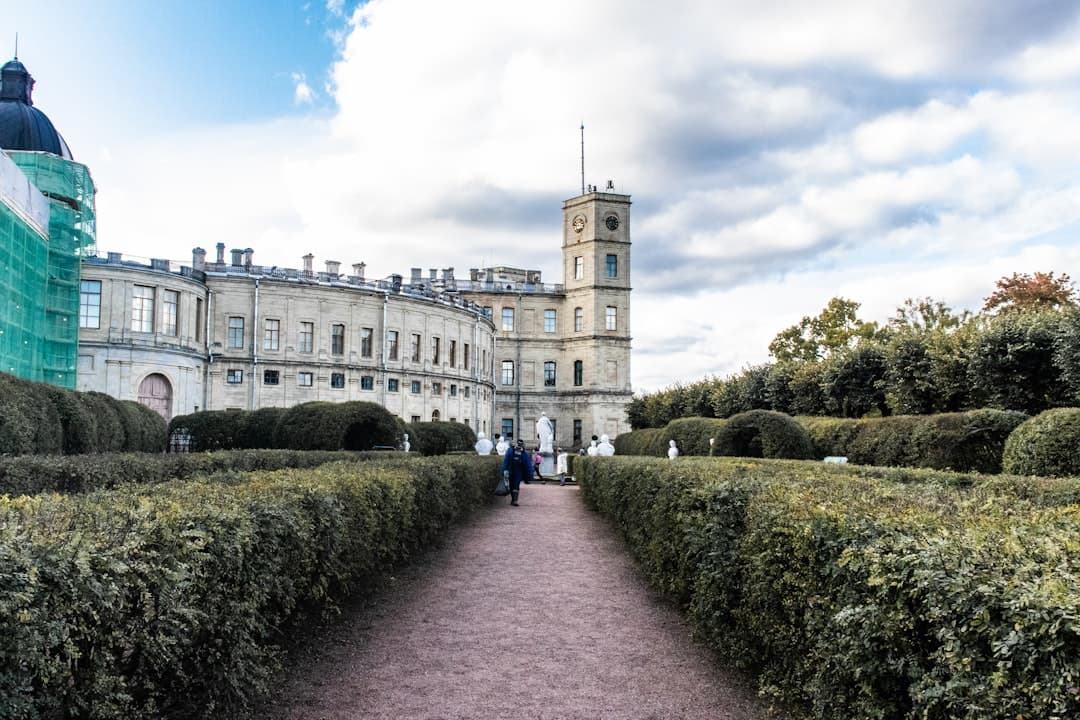
The Konstantinovsky Palace stands on the Gulf of Finland shore in Strelna, approximately 19 kilometers southwest of central Saint Petersburg. This estate predates Peterhof and served as Peter the Great's initial choice for a grand seaside residence before engineering challenges redirected imperial attention. Today the palace functions as the State Complex "Palace of Congresses," hosting official government events while opening select halls and gardens to visitors through guided tours. The journey from the city center takes 40-60 minutes by public transport or car, making Strelna an accessible half-day or full-day excursion for travelers seeking imperial architecture beyond the standard tourist circuit.
The palace complex includes the main building, restored formal gardens, a canal system, and several auxiliary structures. The State Complex also encompasses the five-star "Baltic Star" Hotel, a press center, and the "Consular Village" consisting of 20 two-story villas. Unlike the heavily visited Peterhof, Konstantinovsky Palace receives fewer international tourists, offering a quieter experience of Russian Baroque and Neoclassical design. The estate's active role in state functions means certain areas remain closed, yet the accessible sections provide insight into both 18th-century imperial ambitions and contemporary governmental use of historic properties.
How Do You Reach Konstantinovsky Palace from Central Saint Petersburg?
Reaching Konstantinovsky Palace requires combining metro travel with either a bus, tram, or marshrutka (minibus). Take the metro to Avtovo station on Line 1 (red line), then board bus 200, 210, or 300 from the stop outside the station. Alternatively, tram No. 36 from Avtovo goes directly to Strelna. The ride takes approximately 25-30 minutes. Exit at the "Konstantinovsky Dvorets" stop, which places you directly at the palace gates. In summer, a hydrofoil ("meteor") runs from central Saint Petersburg to Strelna, taking about 30 minutes. Taxis from central Saint Petersburg cost around 800-1200 rubles depending on traffic and departure point.
Driving offers flexibility for visitors planning to explore multiple Gulf of Finland sites in one day. From Nevsky Prospekt, follow Moskovsky Prospekt south to the ring road, then take the Peterhof Highway (A118) westward toward Strelna. Parking is available near the palace entrance. Tour buses often combine Strelna with Peterhof visits, though independent travel allows more time to explore the grounds at a relaxed pace. Check the official Saint Petersburg government portal for current public transport schedules, as routes occasionally adjust for road maintenance or seasonal changes.
The palace operates on a guided-tour-only basis for interior access, with tours typically conducted in Russian. English-language tours can be arranged for groups through advance booking. Entry is strictly by guided tour only, and security is rigorous because the complex functions as an active state residence. An original passport is mandatory to enter; visitors without a passport will be refused entry. Arrive at least 15 minutes before your scheduled tour time to complete security checks. The official site is konstantinpalace.ru, and booking ahead is strongly advised, especially for English-language tours. The grounds and gardens may be explored independently during open hours, though certain zones near administrative buildings remain restricted.
What Is the Historical Significance of the Konstantinovsky Estate?
Peter the Great acquired the Strelna lands in 1710 and commissioned architect Nicola Michetti to design a palace that would rival Versailles. Initial plans called for an elaborate fountain system fed by the nearby Ropsha springs, but engineers discovered the terrain lacked sufficient elevation to create the desired water pressure. This technical limitation led Peter to redirect the grand fountain project to Peterhof, where the natural topography provided the necessary gradient. Strelna's palace construction continued under subsequent rulers, though at reduced scale and ambition.
The estate passed through various imperial hands before becoming associated with Grand Duke Konstantin Nikolaevich in the mid-19th century, from whom it derives its current name. The palace suffered severe damage during World War II when German forces occupied the area. Soviet authorities left the ruins largely untouched for decades, using portions of the grounds for agricultural purposes. Full restoration began only in 2001 under presidential decree, transforming the complex into a venue for international summits and state receptions. The 2003 Saint Petersburg 300th anniversary celebrations marked the palace's official reopening.
The restoration work relied on surviving archival drawings, photographs, and fragments of original decorative elements discovered during excavation. Craftsmen recreated parquet floors, gilded moldings, and painted ceilings using 18th-century techniques where possible. The result blends authentic historical fabric with modern infrastructure necessary for contemporary governmental functions. This dual purpose distinguishes Konstantinovsky Palace from purely museum properties, as rooms that host diplomatic meetings one day may open to public tours the next.
Guided tours typically include the Marble Hall, the Blue Hall, and several smaller reception rooms showcasing period furniture, chandeliers, and decorative arts. The Marble Hall features columns of genuine marble and a painted ceiling depicting allegorical scenes. The Blue Hall, used for smaller official receptions, displays Neoclassical furnishings and portraits of the Romanov dynasty. Photography policies vary by room, with restrictions in areas containing sensitive governmental equipment or temporary exhibition materials.
The palace gardens extend toward the Gulf of Finland, incorporating restored formal parterres, tree-lined allées, and a canal system that once served Peter's initial fountain plans. The Lower Park reaches the water's edge, offering views across the gulf toward Kotlin Island and Kronstadt. Several garden pavilions dot the grounds, though not all are open to visitors. The Upper Garden, closer to the main palace, features geometric flower beds and sculptural elements recreated from historical designs. Walking the entire garden circuit requires 60-90 minutes at a moderate pace.
Seasonal variations significantly affect the garden experience. Spring brings flowering bulbs and blossoming trees, while summer offers full foliage and the possibility of outdoor concerts in designated areas. Autumn colors peak in late September and early October. Winter visits focus on interior tours, as snow covers the gardens and outdoor sculptures receive protective coverings. The palace administration occasionally closes specific rooms or garden sections for maintenance or official events, so confirm access details when booking tours.
at the Bank of Russia rate on 13.10.2026 · powered by tutkakdoma
What Are the Admission Costs and Tour Options in 2026?
Admission to Konstantinovsky Palace requires purchasing a guided tour ticket, as independent interior access is not permitted. Tour prices range approximately 500-1500 rubles for adults depending on the tour type, language (English or Russian), and any special exhibitions. Reduced rates apply for students and seniors holding valid identification. English-language tours command higher prices and require advance booking through the palace administration. Garden-only tickets, when available, typically cost 200-300 rubles and allow exploration of the grounds without entering the palace buildings.
Photography fees apply in certain rooms, usually 100-200 rubles for non-commercial personal use. Video recording inside the palace generally requires special permission and additional payment. Tour durations range from 60 to 90 minutes for standard routes, with extended options available for specialized architectural or historical focuses. The palace offers combination tickets that include both interior tours and garden access at a modest discount compared to purchasing separately. Group rates become available for parties of ten or more, with advance notice required.
Ticket Type
Approximate Price (Rubles)
Notes
Standard guided tour
500-1500
Interior access, 60-90 minutes; varies by tour type, language, exhibitions
English-language tour
Higher end of range
Advance booking required, subject to guide availability
Garden-only access
200-300
When available, seasonal
Photography permit
100-200
Select rooms only
Student/senior discount
Reduced rate
Valid ID required
Ticket prices and tour availability change periodically based on governmental scheduling and restoration projects. The palace administration posts current information on the official State Complex website (konstantinpalace.ru), which should be consulted before travel. Some visitors report that tour availability fluctuates more than at traditional museums due to the palace's active use for state functions. Booking several days ahead reduces the risk of finding all tours fully booked or suspended for official events.
How Does Konstantinovsky Palace Compare to Peterhof?
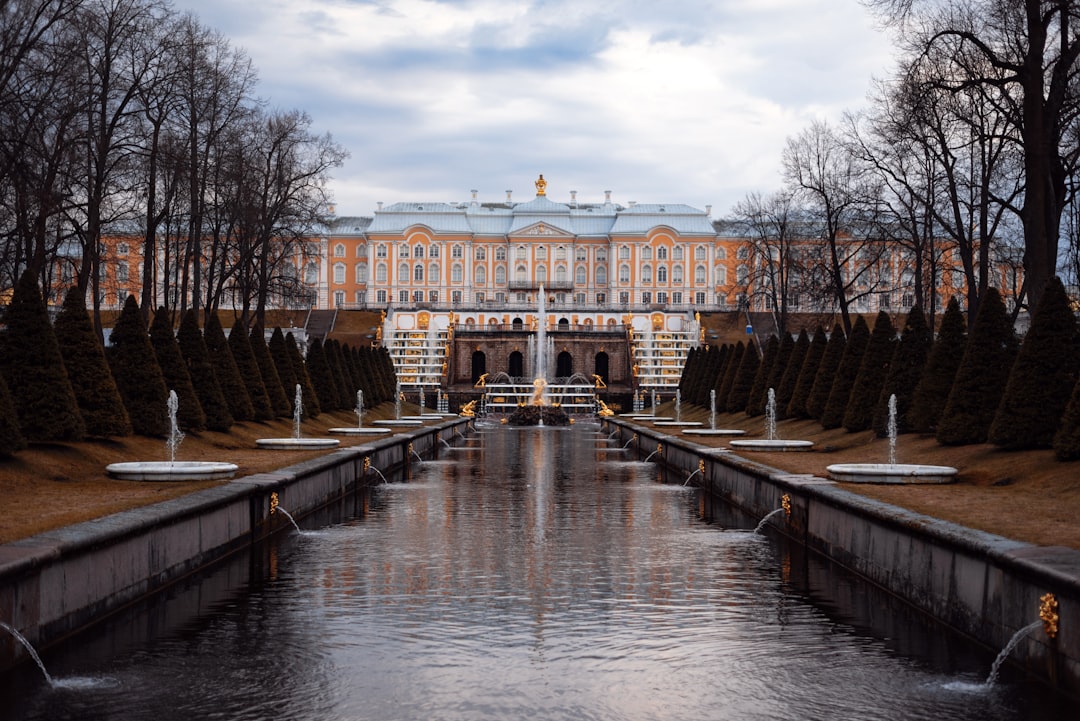
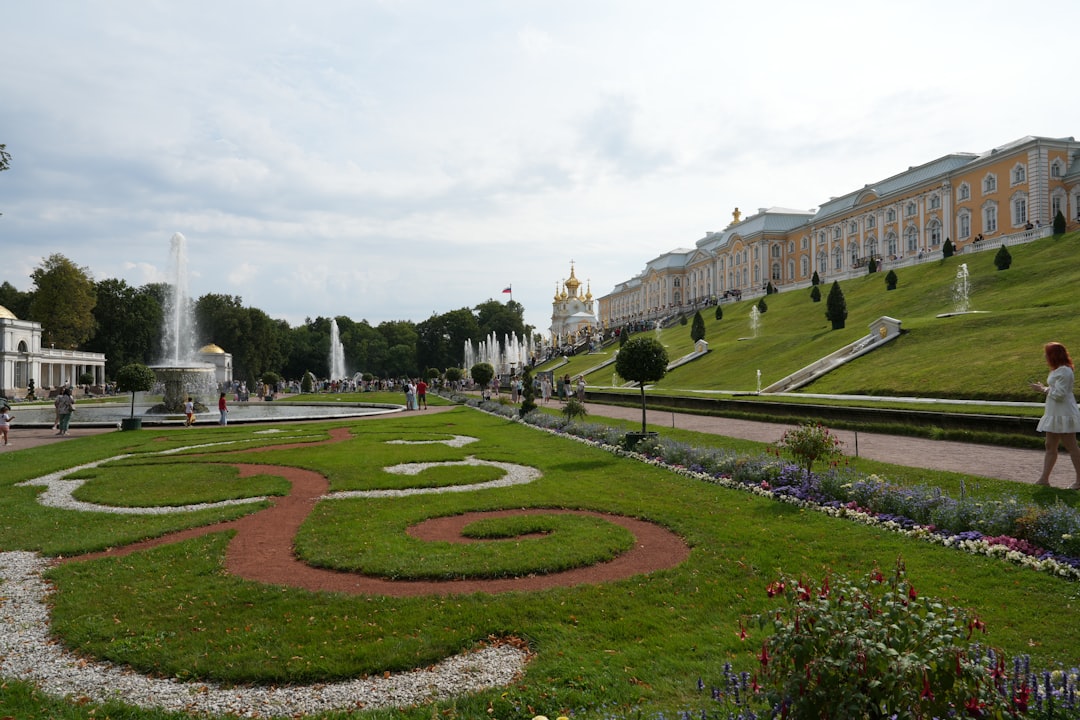
Konstantinovsky Palace and Peterhof both originated from Peter the Great's vision of Russian imperial grandeur on the Gulf of Finland, yet they evolved along different paths. Peterhof became the "Russian Versailles," famous for its 150-plus fountains and extensive park system, attracting millions of annual visitors. Konstantinovsky Palace remained less developed historically and now serves primarily governmental functions, resulting in smaller crowds and a more intimate atmosphere. Travelers seeking the full spectacle of Baroque water features and palace interiors choose Peterhof; those interested in a quieter estate with contemporary political significance prefer Strelna.
The architectural styles differ noticeably. Peterhof's Grand Palace displays exuberant Baroque decoration with gilded halls and elaborate ceiling frescoes. Konstantinovsky Palace leans toward Neoclassical restraint in its restored interiors, reflecting 19th-century tastes alongside elements of Peter's original vision. The gardens at Peterhof sprawl across 300 hectares with distinct zones, while Strelna's gardens cover a smaller area with simpler layouts. Neither site surpasses the other universally; each offers distinct historical narratives and aesthetic experiences.
Logistically, Peterhof receives direct hydrofoil service from central Saint Petersburg during summer months, making access faster than the bus journey to Strelna. Peterhof also operates with standard museum hours and open access to most park areas without mandatory guided tours. Konstantinovsky Palace's tour-only policy and governmental role create more restrictions but also preserve a sense of exclusivity. Budget-conscious travelers note that Peterhof's fountain park admission costs less than Konstantinovsky's guided tours, though serious imperial-estate enthusiasts visit both to appreciate the full scope of Peter's Gulf of Finland projects.
What Practical Tips Enhance a Strelna Visit?
Confirm tour availability and governmental event schedules before traveling to Strelna, as the palace's active state function leads to occasional closures. The complex closes to the public during official state events. The official website (konstantinpalace.ru) lists blocked dates, typically coinciding with international summits or high-level meetings. The palace is closed on Wednesdays. Usual opening hours are 10:00 to 18:00, and the ticket office may close around 16:00. Weekday mornings generally offer better availability than weekends, when tour slots fill quickly with domestic visitors. Calling ahead (information available on the State Complex site) verifies access and allows booking specific tour times, eliminating uncertainty upon arrival.
Dress codes apply inside the palace, with requirements similar to other formal Russian institutions: no shorts, sleeveless tops, or athletic wear. Security screening at entry mirrors airport procedures, so avoid bringing large bags, liquids, or prohibited items. The palace provides lockers for storing coats and bags during tours. Comfortable walking shoes suit the garden paths, which include gravel sections and uneven terrain near the waterfront. Weather in the Gulf of Finland area shifts rapidly; carrying a light rain jacket proves wise even on seemingly clear days.
Combining a Konstantinovsky Palace visit with other Strelna attractions maximizes travel time. The nearby Strelna Park and smaller estate buildings offer additional walking opportunities. Some travelers pair Strelna with Peterhof in a single day, though this requires efficient timing and private transport to avoid exhaustion. Alternatively, dedicate a full afternoon to Konstantinovsky Palace and its surroundings, then return to central Saint Petersburg for evening activities. Dining options in Strelna remain limited compared to the city center; pack snacks or plan to eat before or after your visit. The palace grounds prohibit picnicking in certain zones, so check regulations if bringing food.
Why Should Travelers Include Konstantinovsky Palace in Their Itinerary?
Konstantinovsky Palace offers a counterpoint to Saint Petersburg's heavily visited imperial sites. While the Hermitage, Catherine Palace, and Peterhof dominate most itineraries, Strelna provides insight into both Peter the Great's early ambitions and modern Russian governance. The estate's dual identity as historical monument and working governmental complex creates a unique atmosphere absent from purely museum properties. Visitors interested in political history and contemporary state ceremonial appreciate this living connection to power.
The palace's restoration story itself merits attention. The transformation from wartime ruin to presidential residence demonstrates post-Soviet Russia's approach to historical preservation and national symbolism. Architectural enthusiasts note the careful balance between authentic restoration and modern adaptation, particularly in how 18th-century rooms accommodate 21st-century security and communication technology. The gardens, while less grand than Peterhof's, offer peaceful walking routes with Gulf of Finland views that rival better-known locations.
For travelers who have exhausted Saint Petersburg's central attractions or are making repeat visits, Konstantinovsky Palace represents a worthwhile expansion of imperial-era exploration. The relative absence of tour groups and souvenir vendors creates a more contemplative experience. Photography opportunities abound in both interiors and gardens, with fewer crowds to navigate around than at major sites. The journey to Strelna also provides glimpses of Saint Petersburg's southwestern suburbs, showing residential and industrial areas that contrast with the historic center's grandeur. This fuller picture of the city and its surroundings enriches understanding of Saint Petersburg beyond its tourist core, making the trip valuable for curious travelers seeking depth over checklist completion.
Cover photo: GAlexandrova / Wikimedia Commons, CC BY-SA 4.0