What is the Russian Railway Museum and why visit in 2026?
The Russian Railway Museum in Saint Petersburg houses over 28,000 exhibits spanning two centuries of rail history, making it one of the largest railway museums worldwide. Located at Bibliotechny Pereulok 4/2 in the Baltiysky District, this 57,000-square-meter complex opened in 2017 and showcases authentic locomotives, royal carriages, and Soviet-era rolling stock. In 2026, the museum continues to expand its interactive exhibits while maintaining affordable admission that appeals to families traveling through Russia's cultural capital.
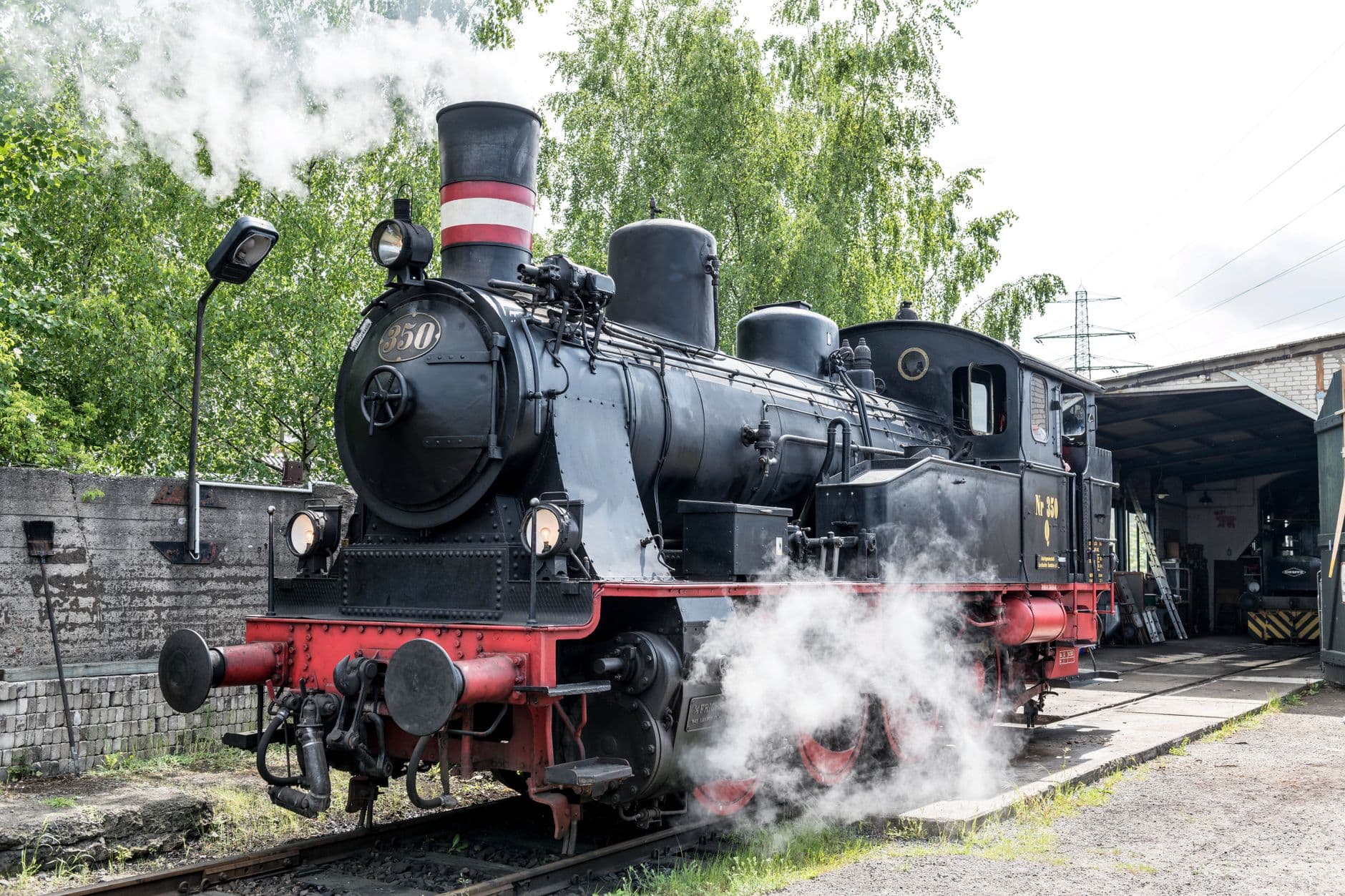
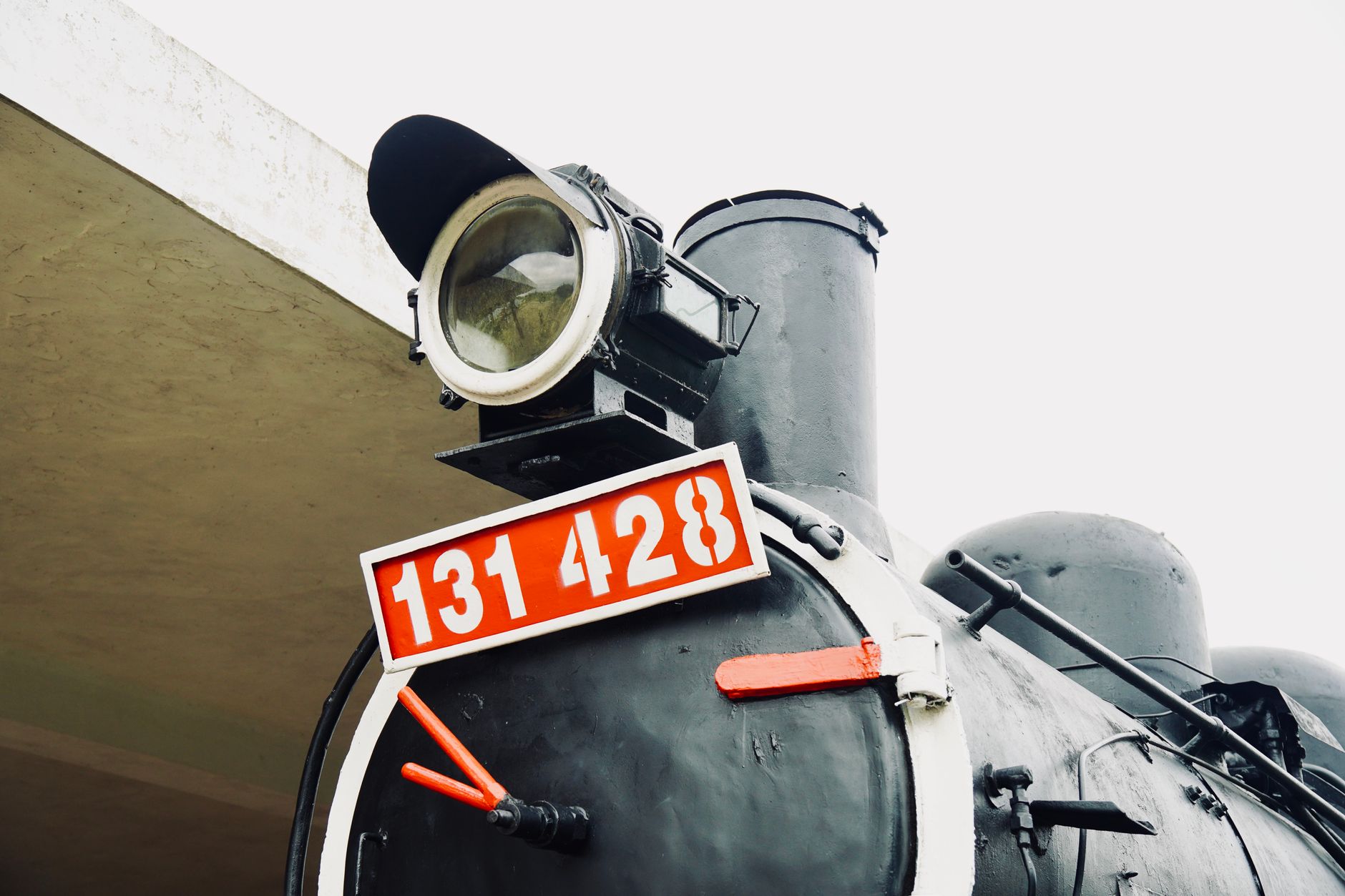
The main exhibition hall features a 1930s armored train displayed beside Nicholas II's personal saloon carriage. Full-sized steam engines tower overhead while children climb into driver cabins under supervised conditions. Unlike smaller European rail museums, this facility dedicates entire sections to wartime trains, the Trans-Siberian Railway construction, and metro development specific to Leningrad's blockade era.
The museum sits 20 minutes by metro from Nevsky Prospekt, accessible via the red M1 line to Baltiyskaya station. Russian Railways operates the facility as an educational branch, ensuring historical accuracy in all displays. International tourists appreciate the bilingual signage introduced in 2024, though hiring an English-speaking guide remains worthwhile for deeper context about Soviet railway engineering achievements.
How much do tickets cost in 2026?
Under the new tariffs introduced on 18 May 2026, a full adult ticket costs 300 rubles on weekdays and 400 rubles on weekends and public holidays. A reduced ticket for schoolchildren, students and pensioners costs 150 rubles on weekdays or 200 rubles at weekends. A family ticket for two adults and one child under 18 costs 950 rubles on weekdays and 1,200 rubles at weekends. Children under 7 enter free. A combined ticket that adds the historic Halls No. 5 and 6 to the main exhibition costs 550 rubles on weekdays and 650 rubles at weekends.
The pass can provide savings across multiple attractions including the Hermitage, Peterhof, and this railway museum. Tickets purchased on-site accept both cash rubles and major credit cards, though the official website allows advance booking to skip queues during peak summer months.
Guided tours in English are available for an extra fee, with weekend slots filling quickly between May and September. Reduced tickets apply to schoolchildren, students and pensioners on presentation of ID. Since 1 May 2026 the museum also runs the "Yefimka" steam excursion train — a 15-minute ride in open carriages through the open-air exhibits, passing the new full-size replica of the BP-43 armoured train — for about 200 rubles on top of admission.
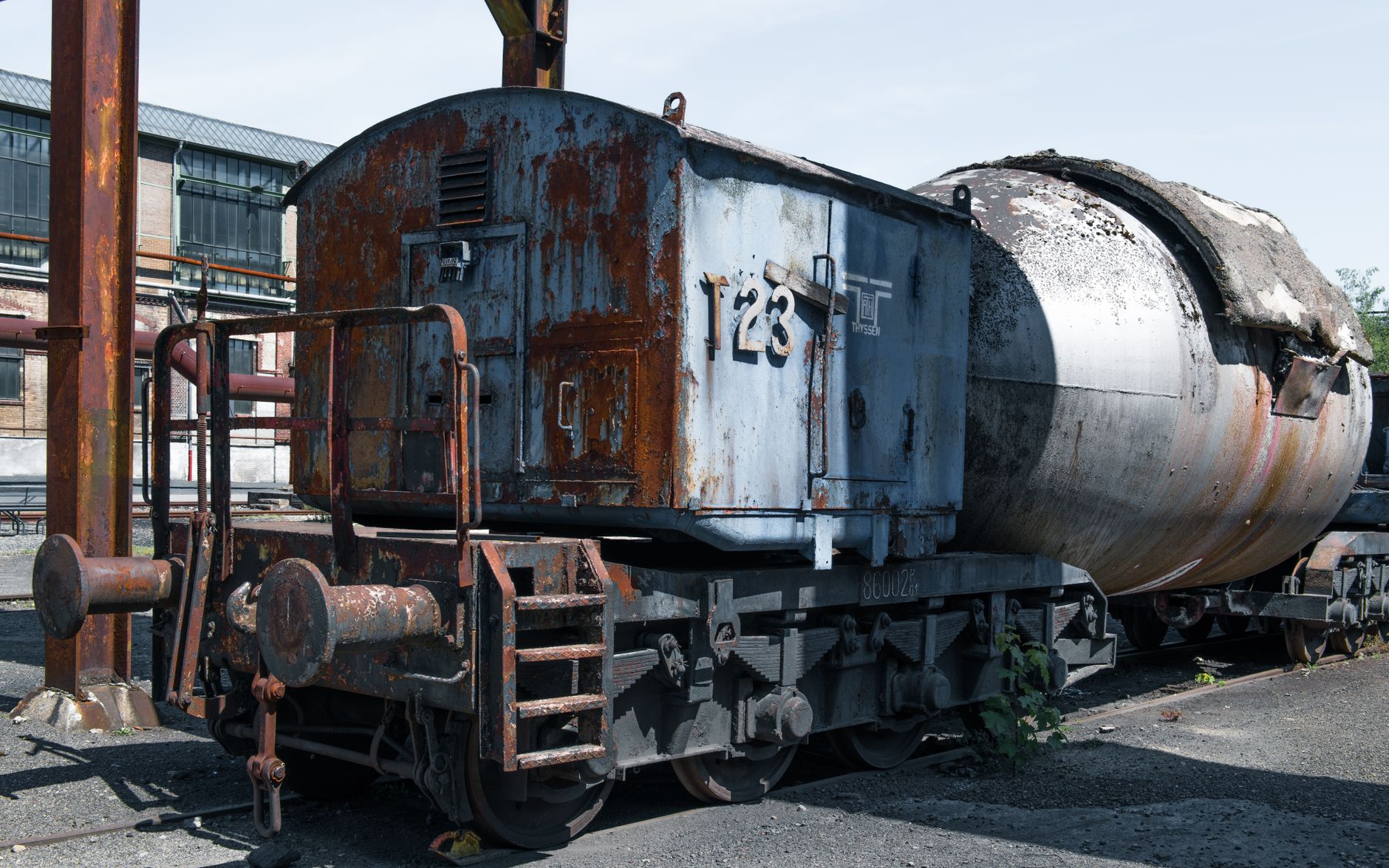
The museum divides into three primary zones: the outdoor platform displaying dozens of full-size trains, the indoor pavilion with imperial carriages, and the interactive children's section featuring railway simulators. The outdoor area operates year-round despite Saint Petersburg's harsh winters, with recently improved viewing platforms. Visitors typically spend 90 minutes exploring the exterior exhibits alone, photographing everything from 1950s diesel locomotives to modern high-speed Sapsan train prototypes.
Inside the main pavilion, Nicholas II's azure-and-gold salon carriage commands attention with original velvet upholstery and mahogany paneling intact. Adjacent displays show how Leningrad's metro construction crews adapted mining techniques during the 1941-1944 siege, complete with archival photographs and surviving equipment. The armored trains section explains their tactical deployment during World War II, featuring a BP-35 artillery platform that participated in the Leningrad Front operations.
The children's zone allows kids to operate signal levers, stamp tickets using vintage machines, and sit in authentic driver cabins. Young visitors often spend considerable time in the simulator section learning how steam pressure gauges function. The official museum website lists temporary exhibitions that rotate quarterly, so checking before a visit ensures catching special displays about the Trans-Siberian Railway or Leningrad metro history.
at the Bank of Russia rate on 16.10.2026 · powered by tutkakdoma
How do families plan a visit with children?
Families should allocate 3-4 hours for a complete visit, arriving soon after the doors open at 10:00 (12:30 on Wednesdays) to avoid afternoon tour groups. The facility provides stroller-friendly pathways throughout indoor sections, though the outdoor platform includes gravel areas requiring carrier backpacks for toddlers. A small café near the entrance serves basic Russian meals—pelmeni, blini, tea—at reasonable prices around 300-400 rubles per person.
The museum staff actively encourages children to touch designated exhibits. Interactive stations let kids wear conductor uniforms, ring locomotive bells, and explore cargo wagons converted into play spaces. The gift shop stocks railway-themed toys, model trains, and historical books in Russian and English, with prices ranging from 200 to 3,000 rubles depending on item complexity.
Restrooms appear regularly throughout the complex, all renovated to modern standards with baby-changing facilities. The museum prohibits food in exhibition halls but permits bottled water. Parents traveling with infants will find a nursing room located near the main pavilion's southern entrance. English-language audio guides cost 300 rubles and cover 45 key exhibits across both indoor and outdoor zones.
Summer visits between June and August mean longer daylight for outdoor exploration, though temperatures average 20-25°C with frequent rain showers. Light jackets are advisable even in July, as Saint Petersburg weather shifts unpredictably. Winter visits offer smaller crowds and atmospheric snow-covered locomotives, but outdoor viewing becomes challenging below -10°C.
The Russian Railway Museum lies 7 kilometers southwest of the Hermitage, reachable via metro line M1 (red) to Baltiyskaya station. From Nevsky Prospekt's central section, board trains toward Prospekt Veteranov and exit after six stops—total journey time runs 15 minutes. Upon surfacing from Baltiyskaya metro, walk 600 meters west along Obvodnogo Kanala Embankment, then turn south to Bibliotechny Pereulok 4/2, where the museum's distinctive glass facade appears within three minutes.
Taxis from the Hermitage or Mariinsky Theatre cost 400-600 rubles via Yandex.Taxi or Uber, taking 20-30 minutes depending on Nevsky Prospekt traffic. The museum can be conveniently combined with other attractions in the area. Saint Petersburg Metro's official site confirms M1 line trains run every 2-3 minutes during daytime hours, with single rides costing 95 rubles, or 65 with a Podorozhnik card.
Visitors arriving from Pulkovo Airport should take bus 39 or marshrutka K39 to Moskovskaya metro station, then transfer to M2 (blue line) toward Parnas, switching at Tekhnologichesky Institut to M1 toward Prospekt Veteranov. This route takes 60-75 minutes total. The museum provides free parking for 50 vehicles for those renting a car, though Saint Petersburg's one-way street system around Baltiysky District challenges unfamiliar drivers.
What should visitors know about opening hours and seasonal changes?
The Russian Railway Museum operates Thursday through Monday from 10:00 to 18:00, and Wednesday from 12:30 to 20:30, with last entry one hour before closing. The museum is closed on Tuesdays. On a handful of dates it may close entirely or limit access to part of the display (for example around early June), and it runs special programmes such as the Victory Day historical re-enactment on 7 May and the all-night Night of Museums in mid-May, so check the official calendar before visiting.
Saint Petersburg Tourism Committee notes the museum attracts peak crowds during school holidays in late December, early January, and March. Weekday mornings typically offer quieter experiences with fewer visitors, allowing unhurried photography of every locomotive. Summer weekends between 1:00 PM and 4:00 PM bring tour buses from cruise ships docked at the Marine Facade terminal, so morning slots offer calmer experiences.
The outdoor platform remains accessible during winter months, though snow removal crews clear pathways by 11:00 AM following overnight storms. Some smaller exhibits move indoors from November through March to prevent weather damage. The museum occasionally hosts special evening events featuring historical reenactments or vintage train rides on adjacent tracks—these require separate tickets purchased through the official website at least two weeks ahead.
Combining the railway museum with other Saint Petersburg attractions
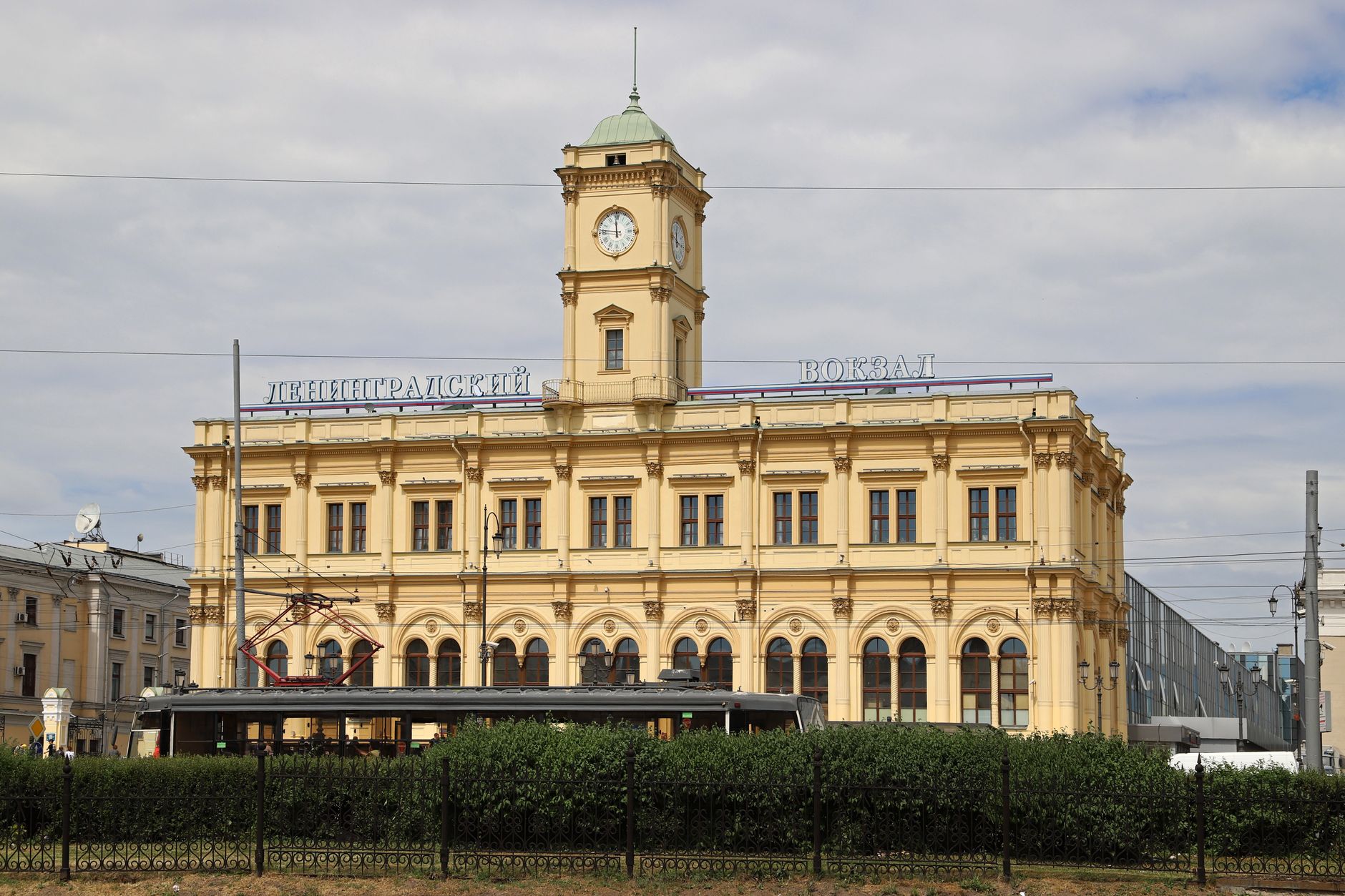
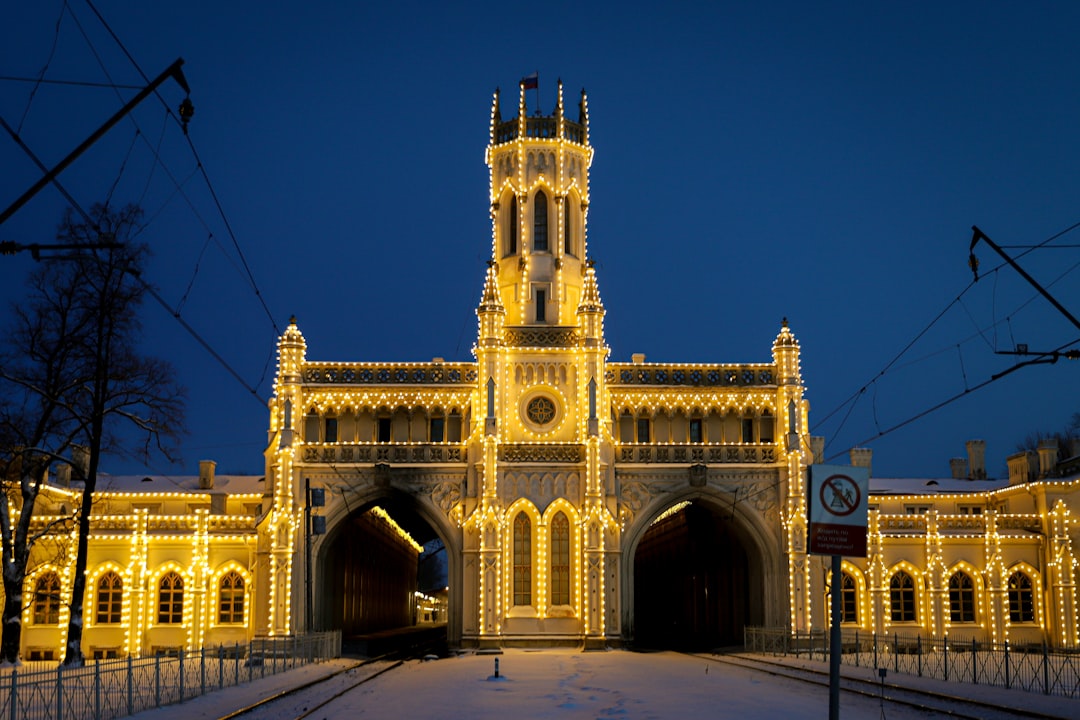
The museum's location near Baltiysky Railway Station makes it convenient for travelers arriving from Moscow or departing for Peterhof suburban trains. After exploring locomotives, visitors can walk 15 minutes north to the Yusupov Palace on the Moika River, famous as Rasputin's murder site, which opens until 6:00 PM daily. The Mariinsky Theatre sits 2 kilometers northeast, reachable by tram 49 in 12 minutes, with evening ballet performances starting at 7:00 PM.
A typical Saint Petersburg itinerary might dedicate one morning to the railway museum before taking the metro to the Russian Museum on Arts Square for afternoon viewing of Russian avant-garde paintings. Visit Petersburg's official tourism portal suggests pairing industrial heritage sites like this museum with imperial palaces to balance cultural exposure.
Families staying near Nevsky Prospekt can create a full day combining the morning at the railway museum, lunch at a Georgian restaurant in the Sennaya Ploshchad area (10 minutes by metro), then an afternoon canal boat tour departing from Anichkov Bridge. This routing minimizes backtracking while showcasing Saint Petersburg's diversity beyond standard Hermitage-Peterhof circuits. The museum's gift shop sells combination tickets for the adjacent October Railway Historical Museum, though that smaller facility focuses on technical documentation rather than physical trains.