What makes Nevsky Prospect the heart of Saint Petersburg in 2026?
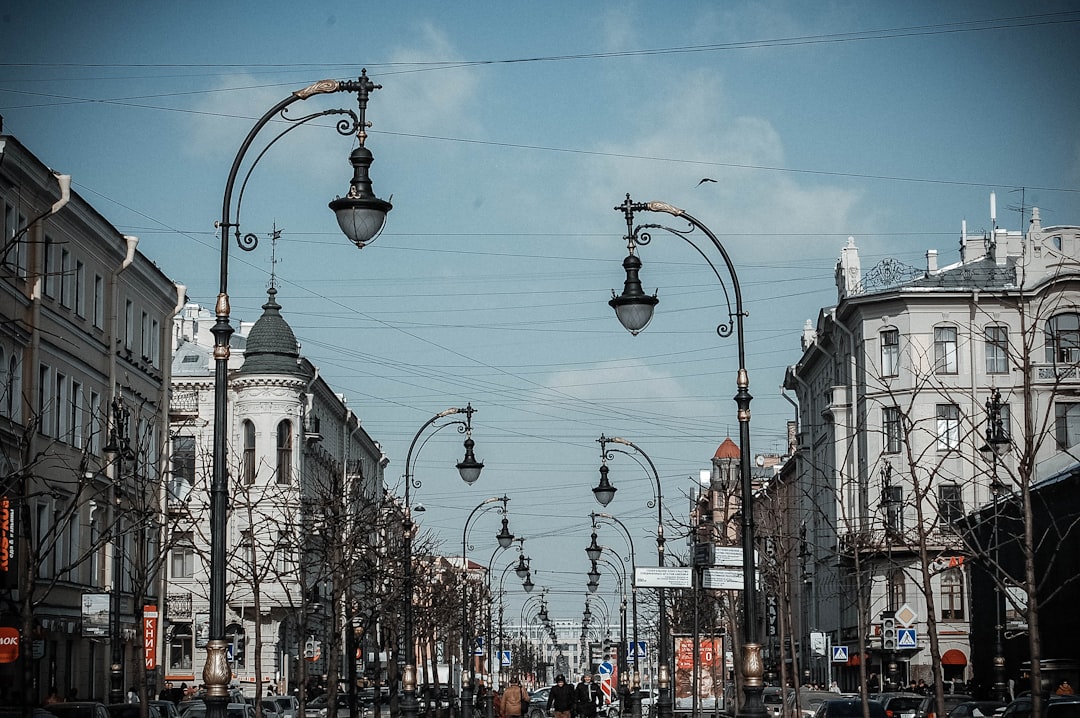
Nevsky Prospect remains Saint Petersburg's central artery, stretching 4.5 kilometers from the Admiralty spire to Alexander Nevsky Lavra. This historic avenue connects the city's most iconic landmarks, shopping districts, and cultural venues in a single walkable corridor. Every visitor to Russia's northern capital walks at least part of Nevsky during their stay, making it the essential reference point for navigation and exploration.
The avenue showcases three centuries of Russian urban planning, from Catherine the Great's 18th-century palaces to Soviet-era department stores and contemporary fashion boutiques. The Saint Petersburg Tourism Committee reports that Nevsky Prospect attracts millions of pedestrians annually, making it one of Europe's most trafficked historic streets.
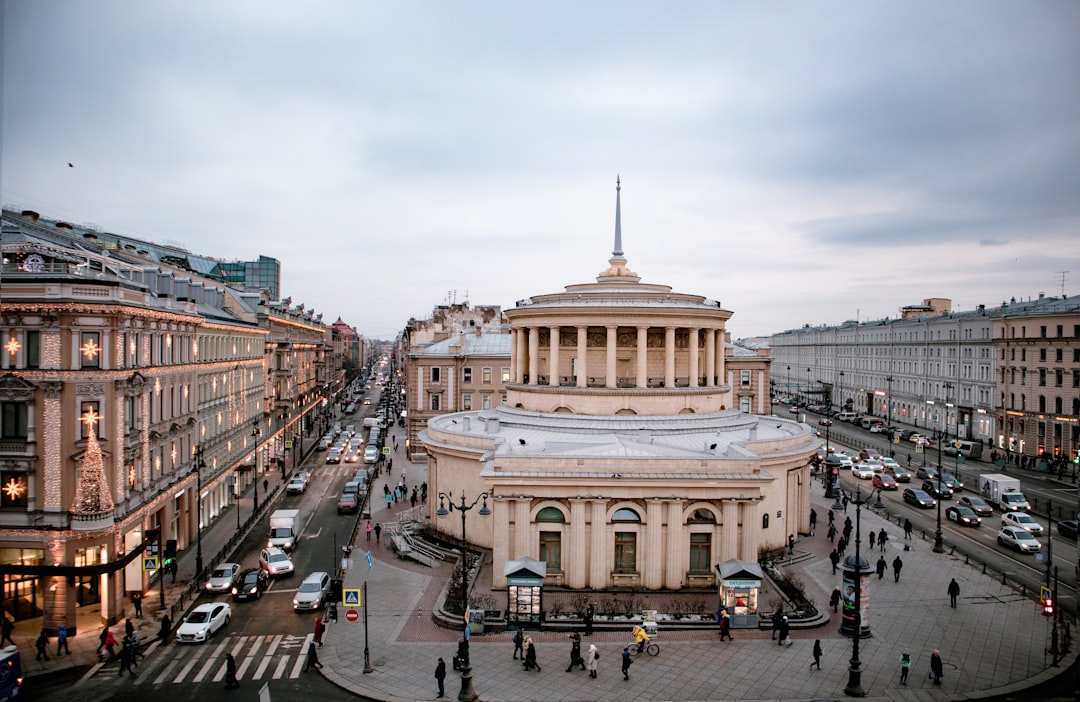
The avenue's layout follows a perfectly straight line, making orientation simple even for first-time visitors. Metro stations punctuate the route at regular intervals—Admiralteyskaya at the western end, Gostiny Dvor and Nevsky Prospekt in the middle, Mayakovskaya and Ploshchad Vosstaniya toward the east. This connectivity allows exploration of specific sections without committing to the full 4.5-kilometer walk, though experiencing the entire stretch at least once helps grasp the city's scale and character.
Major landmarks and museums along Nevsky Prospect
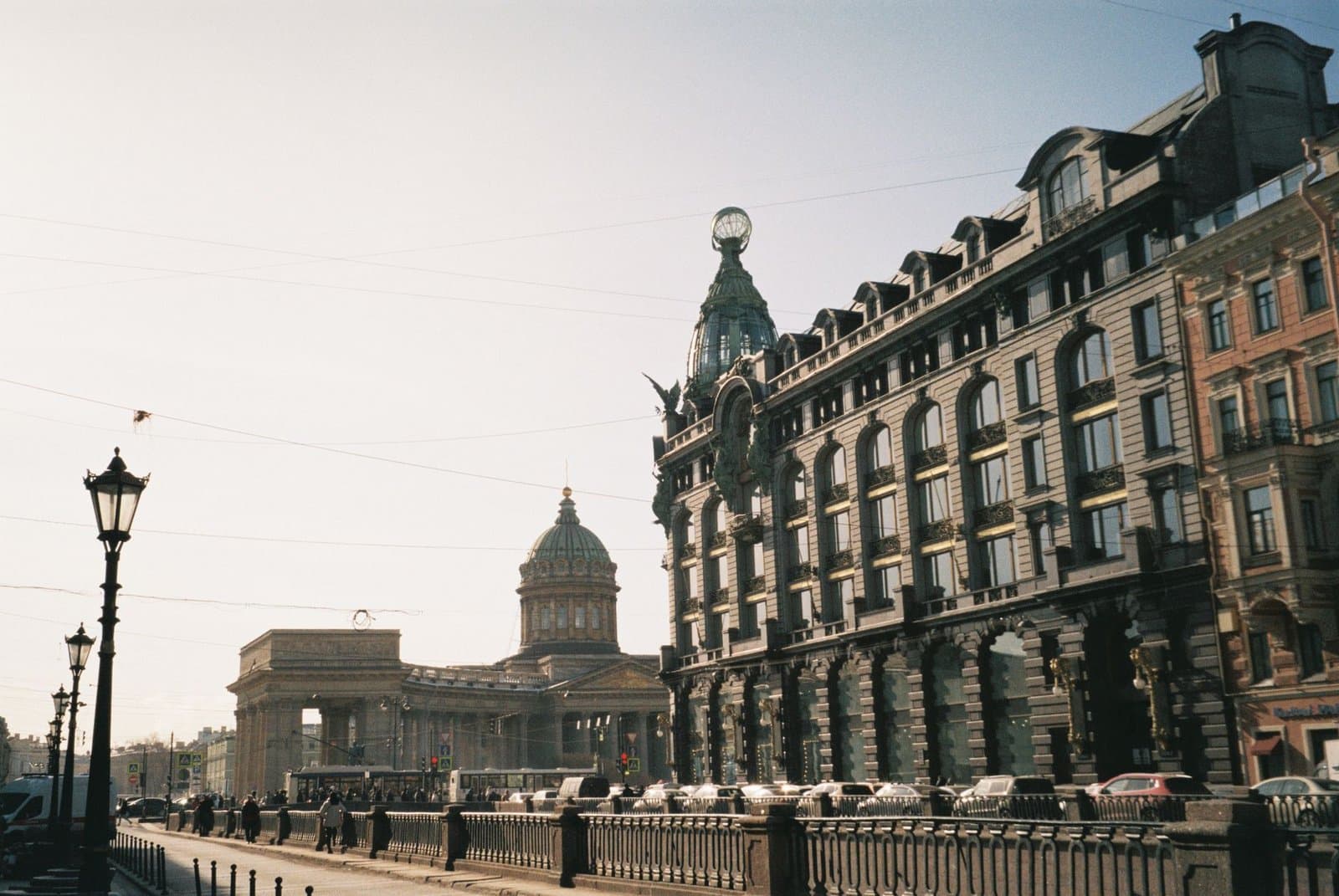
The Kazan Cathedral dominates the central section of Nevsky Prospect with its sweeping colonnade modeled after St. Peter's Basilica in Rome. Completed in 1811, this functioning Orthodox cathedral houses the icon of Our Lady of Kazan and remains free to enter daily from approximately 7:00 to 20:00. The interior offers surprising spaciousness, with natural light flooding through the massive dome and illuminating the gold iconostasis.
The Singer Building, now housing the Dom Knigi bookstore, stands at the corner of Nevsky and the Griboyedov Canal, its distinctive globe and Art Nouveau facade making it one of the avenue's most photographed structures. Built in 1904 for the American sewing machine company, the building now serves as both a bookstore and a second-floor cafe with canal views. Across the street, the Stroganov Palace displays Russian aristocratic interiors and temporary exhibitions from the Russian Museum collection.
The Literary Café at Nevsky 18 holds historical significance as the reputed last stop of Alexander Pushkin before his fatal duel in 1837. Further along, the Yeliseyev Emporium (Kupets Eliseevykh) at Nevsky 56 presents a stunning example of Style-Moderne architecture. This landmark grocery hall, opened in 1902-03, remains worth visiting for its ornate interior and architectural details.
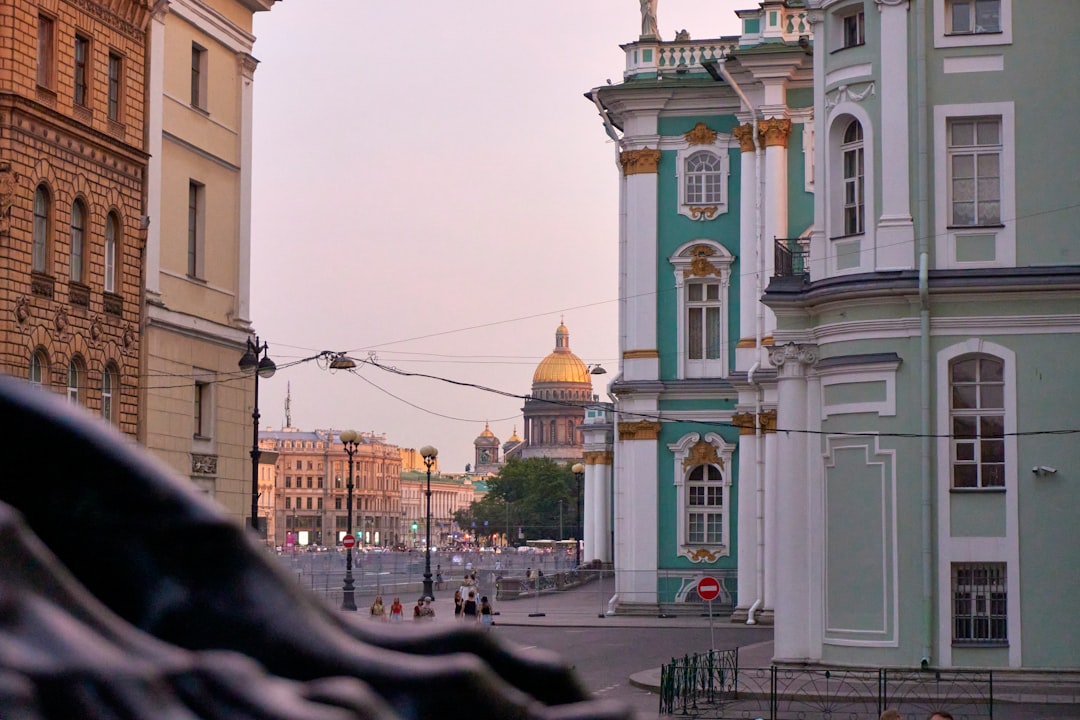
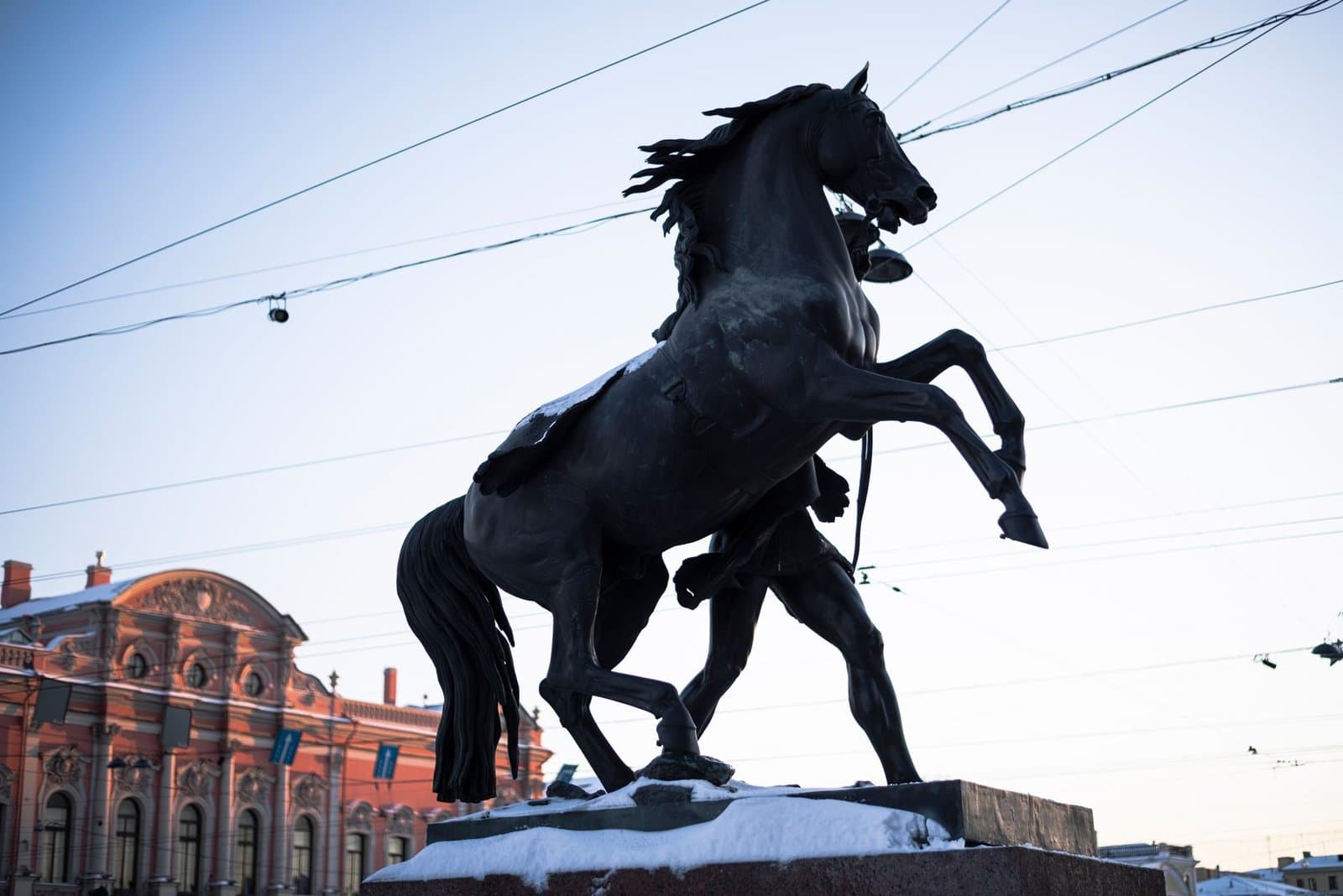
Further east, the Anichkov Bridge marks the crossing of the Fontanka River, guarded by four bronze horse-taming sculptures by Pyotr Klodt that have become symbols of the city. The nearby Beloselsky-Belozersky Palace, painted in deep rose with white trim, hosts classical concerts in its mirrored ballroom several evenings per week. The State Hermitage Museum operates an exhibition space in the palace's ground-floor rooms, though the main Hermitage complex lies just off Nevsky's western end on Palace Square.
How should you walk Nevsky Prospect efficiently in 2026?
Walking Nevsky Prospect from west to east takes approximately 90 minutes without stops, but plan at least four hours to allow for museum visits, shopping breaks, and meals. Starting at Admiralteyskaya metro station in the morning provides optimal light on the Admiralty spire and the avenue's western palaces. This direction also places the sun behind for most of the day, improving photography conditions.
The walk divides naturally into three segments: Admiralty to Gostiny Dvor (1.5 km, 25 minutes), Gostiny Dvor to Uprising Square (2 km, 35 minutes), and Uprising Square to Alexander Nevsky Lavra (1 km, 20 minutes). The first segment concentrates the highest density of architectural monuments and luxury boutiques. The middle section passes through the commercial heart with department stores, chain restaurants, and street performers. The final stretch becomes quieter and more residential, ending at the monastery complex.
Download an offline map before starting, as mobile data can be unreliable in some historic buildings. The avenue's even-numbered addresses run along the sunny south side, odd numbers on the shaded north side—a detail that matters during Saint Petersburg's brief summer when sidewalk cafes fill the southern pavement. Metro stations provide natural rest points: use Gostiny Dvor for the central shopping district, Mayakovskaya for Uprising Square, and Ploshchad Alexandra Nevskogo for the monastery.
Avoid walking the entire length during evening rush hours (17:00-19:00) when sidewalks become uncomfortably crowded with commuters. Early Sunday mornings offer the most peaceful experience, with many shops closed but cafes and museums open. Winter walking requires proper footwear, as ice management on sidewalks varies significantly between blocks.
at the Bank of Russia rate on 17.10.2026 · powered by tutkakdoma
Where to eat and drink along the avenue in 2026?
Nevsky Prospect offers dining options spanning from Soviet-era stolovayas to contemporary fusion restaurants. Pyshechnaya at Bolshaya Konyushennaya 25 serves the city's traditional fried doughnuts (pyshki) at budget prices, with locals queuing outside from 9:00 onward. This no-frills cafe has operated since 1958, maintaining its original interior and simple menu of pyshki with powdered sugar and hot tea.
For a sit-down meal, Palkin at Nevsky 47 recreates pre-revolutionary Russian cuisine in an opulent setting. The restaurant opened in 1785 and claims to be the city's oldest continuously operating dining establishment, though it underwent major renovation in 2002. The sturgeon coulibiac and beef Stroganov are prepared according to historical recipes from the restaurant's archives. Reservations are essential for dinner service.
Café Singer on the second floor of Dom Knigi (Nevsky 28) provides canal views and decent coffee without the premium pricing of nearby tourist traps. The self-service format keeps costs reasonable, and the large windows overlooking the Church of the Savior on Spilled Blood make it worth the climb. Teremok, a Russian fast-food chain with locations at Nevsky 60 and Nevsky 144, serves blini (thin pancakes) with various fillings—reliable, quick, and authentically Russian despite the chain format.
Gostiny Dvor, the massive yellow arcade occupying an entire city block between Nevsky and Sadovaya Street, has served as Saint Petersburg's primary shopping destination since 1785. The complex houses over 100 shops selling everything from Russian souvenirs to international fashion brands, with the interior arcade providing weather protection during the city's long winters. The building itself merits attention for its classical architecture, with two stories of arched galleries surrounding a central courtyard.
Passage, located at Nevsky 48, offers a more upscale shopping experience in a stunning glass-roofed gallery dating to 1848. The interior resembles Milan's Galleria Vittorio Emanuele II, with three levels of boutiques connected by ornate staircases and bridges. The natural light filtering through the glass ceiling creates an almost theatrical atmosphere, making window-shopping feel like a cultural activity rather than a commercial transaction.
The Alexandrinsky Theatre at Ostrovsky Square (just off Nevsky) presents Russian drama in its historic auditorium, with performances most evenings at 19:00. The theatre's official website posts the current repertoire in English, allowing advance booking for popular productions. The building's neoclassical facade, completed in 1832, makes it one of the avenue's most photographed structures, particularly when illuminated after dark.
For authentic Russian handicrafts, skip the tourist-focused shops near the Church on Spilled Blood and head to Udelnaya Fair (accessible via metro from Gostiny Dvor station). However, if souvenirs are needed along Nevsky itself, the small shops in the courtyards between Nevsky 22 and Nevsky 30 offer better prices and quality than street vendors. Matryoshka dolls range from budget-friendly basic sets to expensive hand-painted artistic pieces, with most shops accepting both cash and cards.
What are the hidden courtyards and side streets worth exploring?
Nevsky Prospect's most interesting discoveries often lie in the courtyards (dvory) and side streets branching off the main avenue. These semi-public spaces, accessible through archways in the building facades, reveal the city's residential character and house small cafes, art galleries, and workshops invisible from the street. The courtyard at Nevsky 66 contains several independent coffee roasters and vintage clothing stores popular with local students.
Malaya Konyushennaya Street, running parallel to Nevsky between the Moika and Griboyedov canals, concentrates some of the city's best casual dining and nightlife. This pedestrian street transforms into an outdoor party zone during White Nights (late May through mid-July), with restaurants extending their seating onto the pavement and live music spilling from open doorways. The street remains lively year-round, offering a more relaxed atmosphere than the tourist-heavy main avenue just one block away.
Dumskaya Street and the surrounding lanes near Gostiny Dvor form the city's unofficial nightlife district, with basement bars and clubs operating until dawn on weekends. While this area has a reputation for rowdy behavior, the daytime character reveals interesting street art, record shops, and alternative fashion boutiques. Significant gentrification has occurred in recent years, with craft beer bars and specialty coffee shops replacing some of the seedier establishments.
The Arts Square (Ploshchad Iskusstv), accessed via Mikhailovskaya Street from Nevsky 32, provides a peaceful green space surrounded by the Russian Museum, Philharmonia concert halls, and the Mikhailovsky Theatre. This square offers a complete contrast to Nevsky's commercial energy, with locals reading on benches and children playing near the Pushkin monument. The square's layout follows a classical symmetry that makes it one of the city's most photographically satisfying public spaces.
Practical tips for navigating Nevsky Prospect in 2026
The avenue's numbering system starts at 1 near the Admiralty and increases eastward to 177 at Alexander Nevsky Lavra, making orientation straightforward once position is established. However, building numbers sometimes skip or double back in sections where historical construction created irregular plots. Cross-streets provide more reliable reference points: the Moika River, Griboyedov Canal, Fontanka River, and Ligovsky Prospect mark the major divisions.
Pickpocketing remains a concern in crowded sections near Gostiny Dvor and at metro station entrances, particularly during summer tourist season. Keep valuables in front pockets or inner jacket compartments, and maintain awareness in dense crowds. Police presence has increased along the avenue in recent years, with officers stationed at major intersections, but they rarely intervene in minor disputes or provide tourist assistance beyond basic directions.
Public restrooms are scarce along Nevsky Prospect—the best options are department stores (Gostiny Dvor, DLT), shopping malls (Galeria on Ligovsky), or cafes where a purchase is made. Metro stations have paid toilets that vary significantly in cleanliness. Plan bathroom breaks around museum visits or restaurant stops rather than expecting convenient public facilities.
Currency exchange offices cluster around major metro stations, but rates vary dramatically. Avoid the exchange booths advertising "No Commission" in English, as these typically offer rates 5-10% worse than bank offices. Sberbank and VTB branches along Nevsky provide fair exchange rates during business hours (weekdays 9:00-18:00). ATMs are abundant and generally offer better rates than exchange offices, though home banks may charge international withdrawal fees. Most restaurants and shops accept cards, but keeping cash on hand for small purchases, street food, and transportation is advisable.