
The Zoological Museum in Saint Petersburg is one of the ten largest natural-history museums in the world, and one of the oldest museums in the city on the Neva. The wider institute behind it holds over 60 million specimens, of which around 30,000 are on public display — and its mammoths, southern elephant and 27-metre blue whale skeleton are why families put it on the list. If you like old-school, wall-to-wall natural history, few places match it.
Give it a proper couple of hours: the halls are dense, and the star specimens reward a slow walk rather than a quick lap.
What is the Zoological Museum in St Petersburg?
It is the exhibition department of the Zoological Institute RAS, grown out of the zoological collection of the Academy of Sciences. The institute was founded in 1832, the museum took its present name in 1931, and it has occupied this building on the Neva since 1898. That heritage explains the scale: the institute holds one of the largest collections in the world, and the public museum puts a vast slice of it on display.
Do not confuse it with the neighbouring anthropology museum — they sit side by side, but this one is all animals.
Where is the Zoological Museum, and how do you get there?
The museum stands on Universitetskaya Embankment 1, in the historic centre of Saint Petersburg, right on the Neva. It shares the embankment with several of the city's oldest institutions, so it pairs easily into one riverside stop. From here you look straight across the Neva to the far bank.
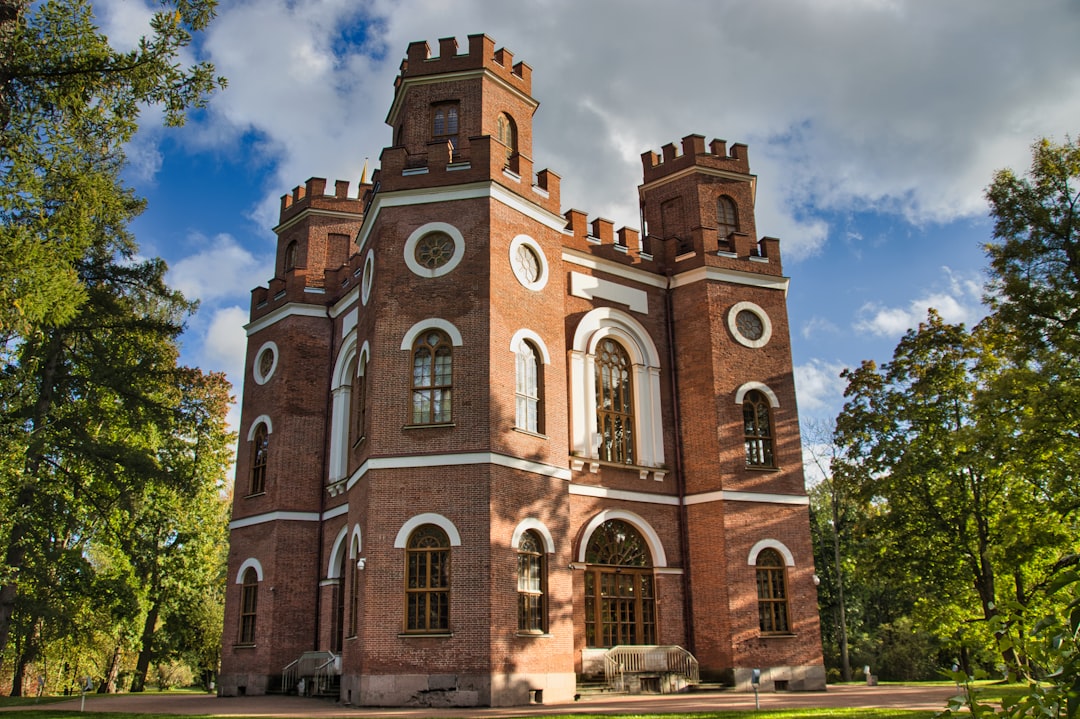
It is an easy walk along the embankment, and its central position means you can slot it between other sights rather than making a special journey.
What can you see: the mammoths, the blue whale and more?
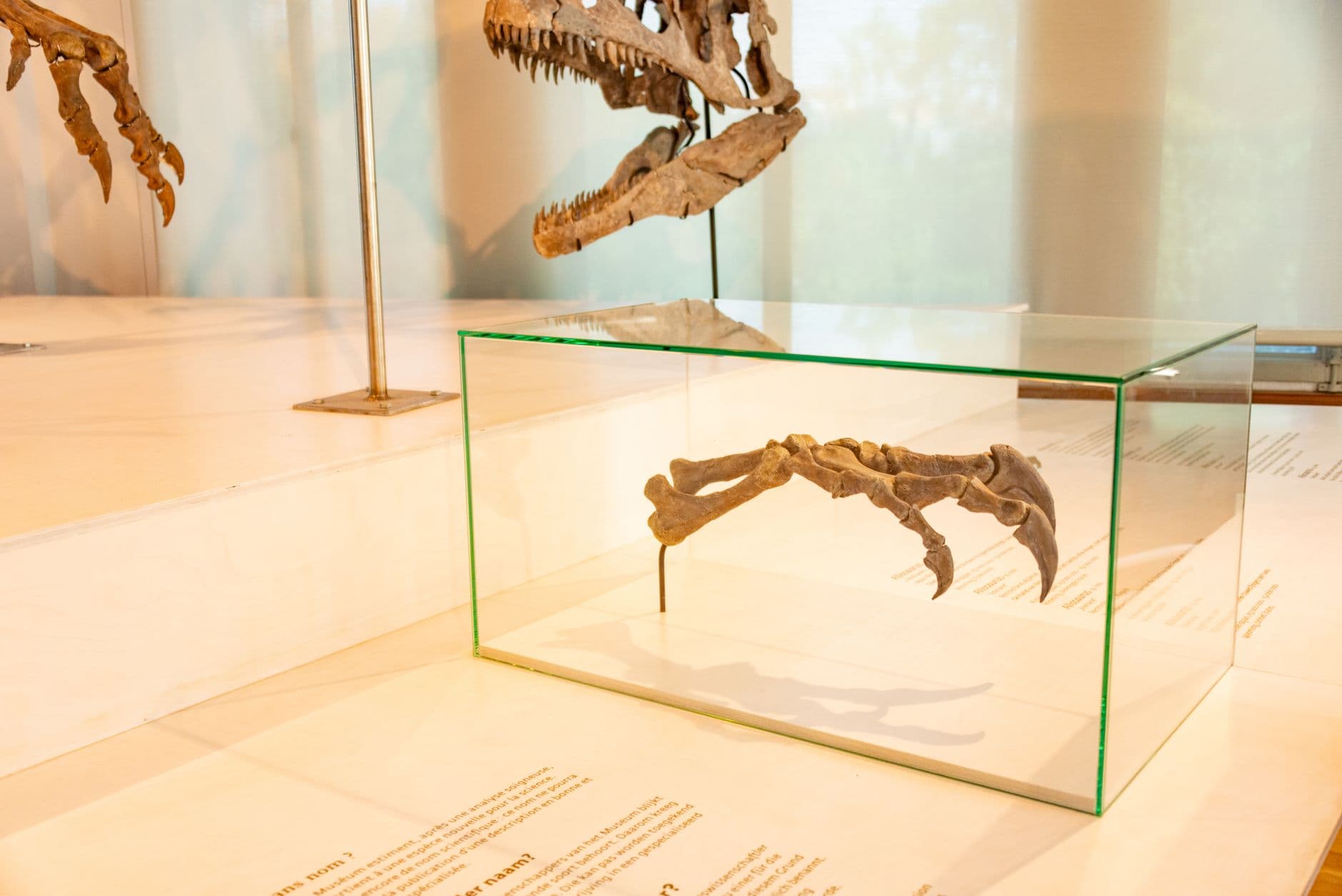
A lot, and densely displayed. Of the institute's 60-million-plus specimens, around 30,000 are on show, spanning animals from across the world. The showpieces are unmissable:
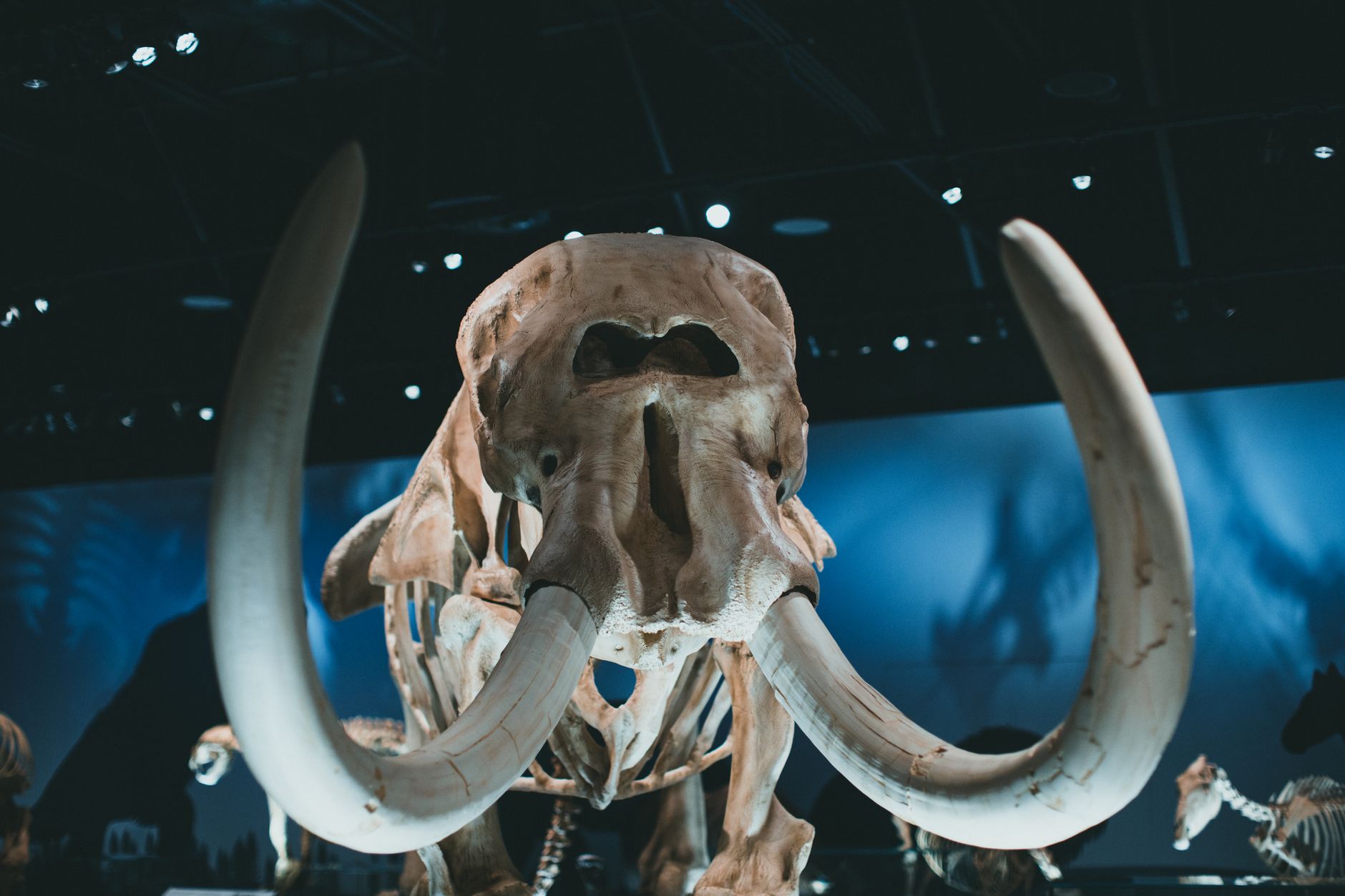
- The Berezovsky mammoth — the museum's famous taxidermied mammoth, recovered from the permafrost.
- Mammoth-calf mummies — preserved young mammoths dated to roughly 36,000-40,000 years old.
- A southern elephant skeleton and a 27-metre blue whale skeleton — the largest specimens in the halls.
- World fauna — mounted animals and skeletons across the main galleries.
The mammoths genuinely stop people in their tracks; expect a small crowd around them, and the blue whale skeleton overhead is hard to photograph in one frame.