
How Much Do Sapsan Tickets Cost in 2026?
As a rough guide, Sapsan tickets between Moscow and Saint Petersburg cost from about 3,000 to 8,500 rubles (≈€30–85) depending on class and how early you book. Fares are fully dynamic — they change daily with demand — so treat any published number as an orientation and check current prices on the official RZD site before planning your budget. Economy is cheapest when bought early; Business commands the highest fares during peak periods.
Tickets go on sale 90 days before departure, and because of dynamic pricing the same Economy seat can cost a third more in the final days before travel than it did two weeks out — early booking saves substantial amounts. Russian Railways adjusts fares continuously based on demand and season.
Young children typically travel free without a separate seat, and child and student concessions exist — but their exact age brackets and discount rates change from season to season, so verify the current rules on the official RZD website when booking. International student cards generally do not qualify. Weekend departures and Friday evening trains consistently command premium pricing compared to midweek morning services.
What Are the Different Sapsan Classes?
Sapsan trains offer three distinct classes: Economy (2nd class), Business (1st class), and First Class conference compartments. Economy provides comfortable reclining seats in open carriages, Business features wider leather seats with more legroom and complimentary meals, while First Class includes private four-seat compartments with table service. Each class delivers the same four-hour journey time between the two cities.
Walk through all three classes and the differences become immediately apparent. Economy seats measure 46 centimeters wide with 89 centimeters of pitch, arranged in 2-2 configuration across the aisle. Business class expands to 52-centimeter seats with 104 centimeters of pitch, positioned in a 2-1 layout that ensures every passenger has either window or aisle access. The complimentary meal in Business included a hot entrée, salad, bread, dessert and unlimited beverages.
First Class compartments accommodate four passengers maximum and can be booked entirely for private groups. These compartments feature fold-down tables, individual climate controls, and dedicated attendant service throughout the journey. Power outlets appear at every seat across all classes, though USB charging ports remain exclusive to Business and First Class sections. Onboard Wi-Fi is complimentary only in Business and First Class — Economy passengers normally pay for access or use mobile data — and connection stability varies along the route.
How Can Foreigners Purchase Sapsan Tickets?
International travelers can buy Sapsan tickets through the official Russian Railways website, mobile app, or third-party authorized agents accepting foreign payment cards. The RZD website offers an English interface requiring passport details exactly as they appear in your travel document. Note the payment catch: foreign-issued Visa and Mastercard have not worked in Russia since 2022, so in practice the RZD site accepts Russian-issued cards (including Mir). Most international travelers book through an authorized reseller, a hotel concierge or a travel agency instead, or use the payment workarounds covered in our Saint Petersburg money guide.
The RZD website requires your passport number, citizenship, and the exact spelling of your name in Latin characters. The system generates an electronic ticket sent via email within minutes of payment confirmation. This e-ticket displays a unique fourteen-digit code needed for boarding, along with carriage and seat numbers assigned automatically during purchase.
Foreign visitors should register on the RZD website at least one day before attempting ticket purchases, as the verification process sometimes requires additional time for international documents. The mobile application "RZD Passengers" provides identical functionality with slightly faster processing for last-minute bookings. Alternative authorized sellers include major hotel concierge services in Saint Petersburg and Moscow, though these typically add service fees of 300-500 rubles per ticket.
Russian Railways recommends arriving at the departure station forty-five minutes before scheduled departure time. Security screening precedes platform access, and passport verification occurs both at station entry and occasionally by conductors aboard the train. Keep your passport and e-ticket readily accessible throughout the journey, as random document checks continue even after departure.
Which Moscow and Saint Petersburg Stations Serve Sapsan Routes?
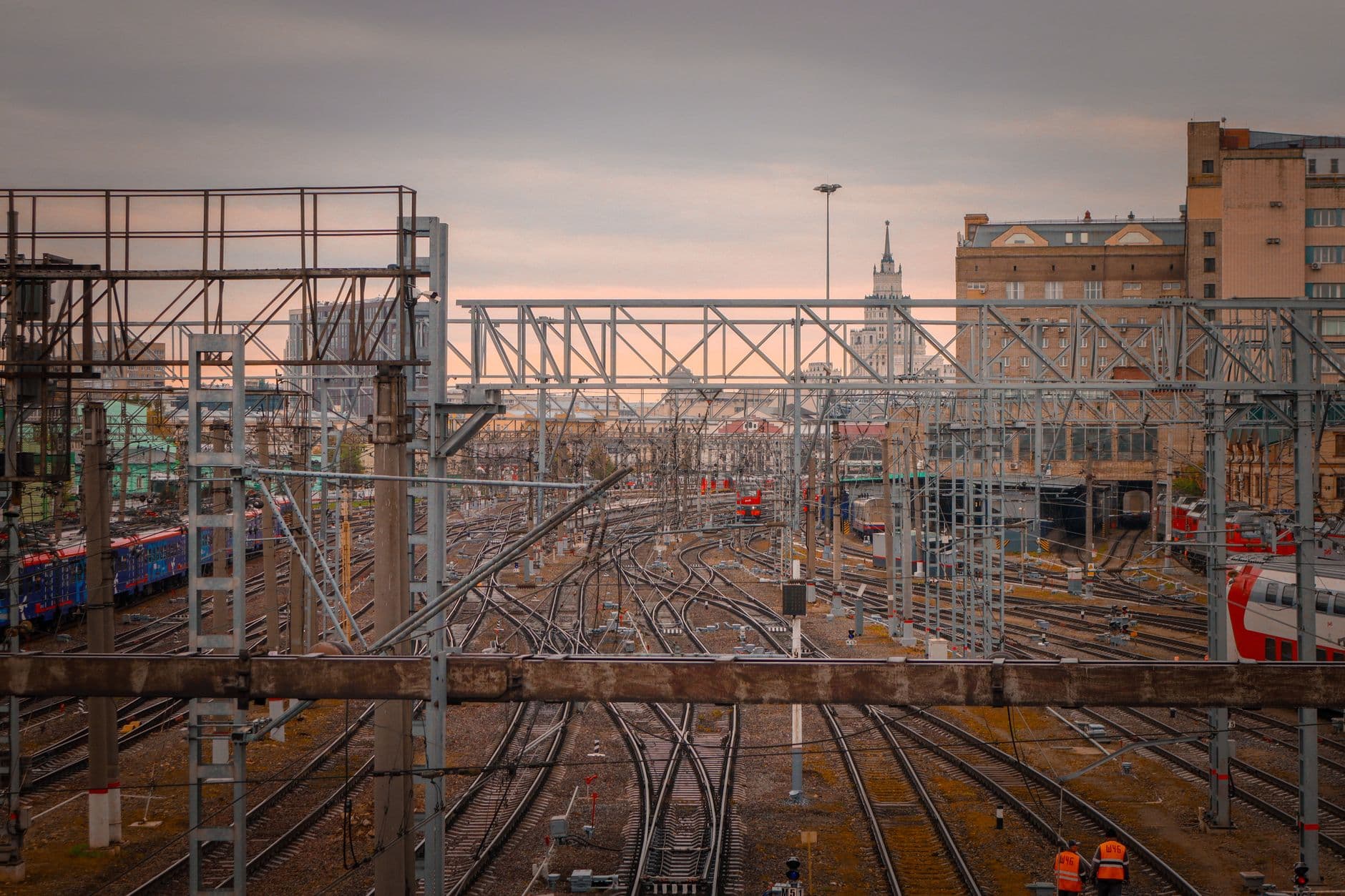
Sapsan trains depart from Leningradsky Station (Komsomolskaya metro) in Moscow and arrive at Moskovsky Station (Ploshchad Vosstaniya metro) in Saint Petersburg. Both stations feature dedicated Sapsan platforms separated from conventional train services, with electronic boards displaying departure times in Russian and English. The reverse journey follows the identical route using the same two terminals.
Leningradsky Station sits on Komsomolskaya Square alongside two other major Moscow terminals, creating potential confusion for first-time visitors. When I exited Komsomolskaya metro station, I followed signs marked "Ленинградский вокзал" and walked approximately 150 meters to reach the main entrance. Inside, Sapsan platforms occupy tracks 1-3, clearly marked with blue signage and separate waiting areas featuring comfortable seating and charging stations.
Moskovsky Station in Saint Petersburg connects directly to Ploshchad Vosstaniya metro station and sits 800 meters from Nevsky Prospekt, the city's main thoroughfare. The station building, constructed in 1851, maintains its historical facade while housing modern amenities including currency exchange offices, luggage storage facilities, and multiple dining options. Taxi ranks operate immediately outside both stations, with official yellow cabs charging approximately 400-600 rubles to reach central Saint Petersburg hotels.
| Station | City | Metro Connection | Distance to City Center |
|---|---|---|---|
| Leningradsky | Moscow | Komsomolskaya (red/brown lines) | 6 kilometers |
| Moskovsky | Saint Petersburg | Ploshchad Vosstaniya (red line) | 800 meters |
What Amenities and Services Does Sapsan Provide?
Every Sapsan train includes a bistro car serving hot meals, snacks, and beverages for purchase throughout the journey. Economy passengers pay 350-800 rubles for sandwiches, salads, and hot dishes, while Business and First Class receive complimentary meal service at their seats. The bistro accepts both cash rubles and major credit cards, though cash transactions process faster during busy periods.
A hot dish in the bistro car — beef stroganoff with buckwheat is a staple — costs roughly 500-600 rubles, and the quality exceeds typical train-food expectations, though portion sizes remain modest. Tea, coffee and bottled water are inexpensive by café standards. The bistro menu changes seasonally and includes several vegetarian options clearly marked on printed menus available at each table.
Restrooms appear at both ends of each carriage, maintained by onboard attendants who clean them regularly during the journey. Baby changing facilities exist in designated accessible restrooms, and all lavatories provide soap, paper towels, and basic amenities. Luggage racks above seats accommodate standard suitcases up to 68 centimeters long, while larger bags can be stored in dedicated spaces near carriage entrances under passenger supervision.
The train reaches maximum speeds of 250 kilometers per hour on dedicated high-speed sections between Moscow and Saint Petersburg, though average operating speed settles around 200 kilometers per hour due to curves and shared track segments. Real-time speed displays appear on electronic screens throughout carriages, alongside estimated arrival times and current location markers. The journey passes through Tver and Valdai regions, offering views of birch forests, small villages, and occasional glimpses of the Volga River system.
When Do Sapsan Trains Operate Between Moscow and Saint Petersburg?
Sapsan services run multiple times daily with roughly ten to fifteen departures in each direction depending on the day of week. The first trains leave around 06:00 from both cities, while evening services depart as late as 21:30. Journey duration remains consistent at three hours and fifty minutes to four hours and ten minutes regardless of departure time. Russian Railways publishes the complete schedule three months in advance through their official channels.
Friday evening and Sunday afternoon trains experience highest demand as business travelers and weekend visitors fill available seats. Midweek morning departures often run with plenty of free seats, while Friday evening trains regularly sell out in Economy with limited Business availability. Booking weekend travel requires advance planning of at least two weeks to secure preferred seating and reasonable prices.
Holiday periods including New Year celebrations, May holidays, and summer months from June through August see increased frequencies with additional services added to the standard schedule. During White Nights season in Saint Petersburg (late May through mid-July), Russian Railways typically operates extra late-night departures to accommodate tourists attending cultural events at venues like the Mariinsky Theatre and performances along Nevsky Prospekt. These special services require separate schedule verification as they do not follow regular patterns.