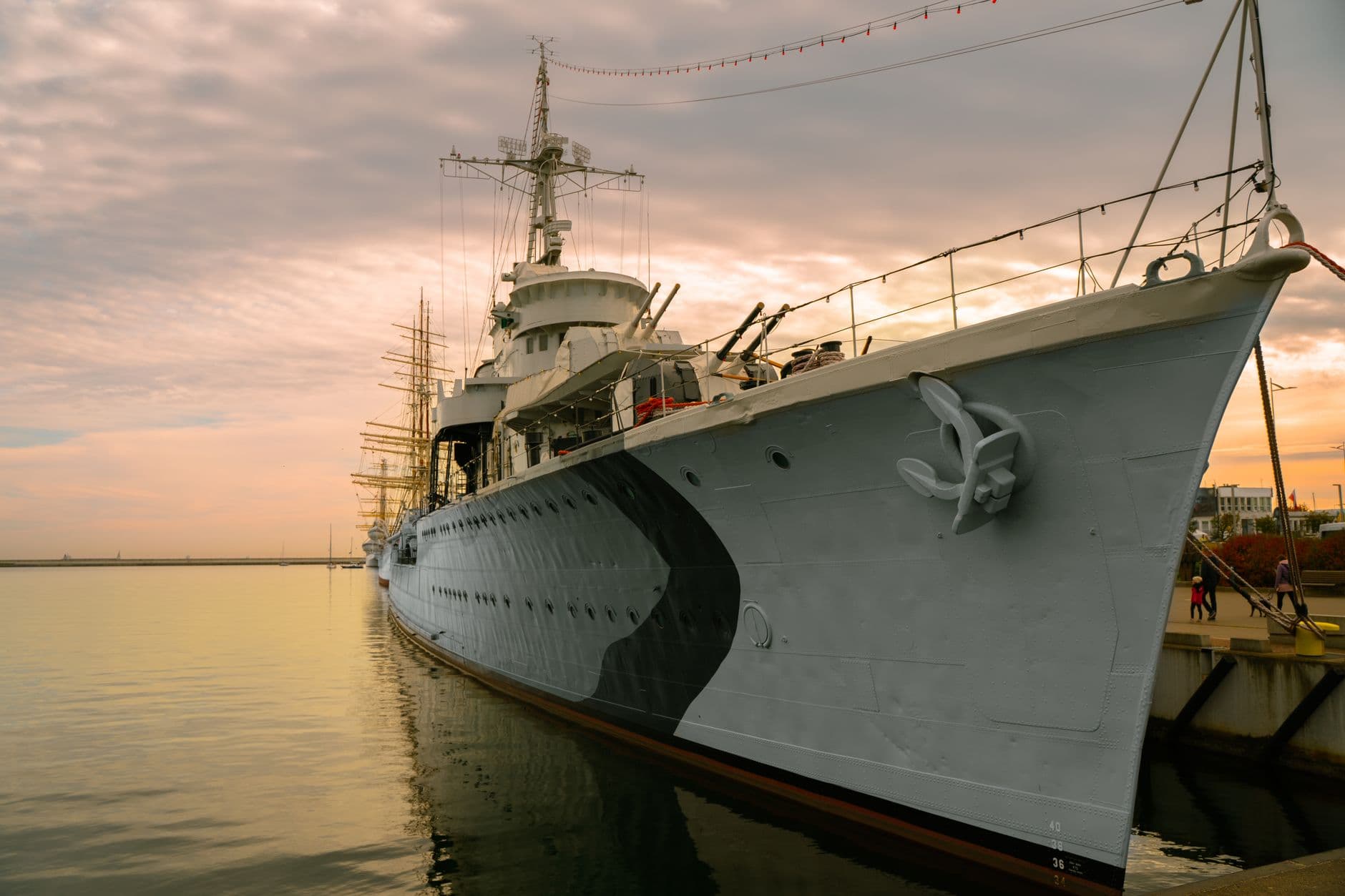

The Central Naval Museum — formally the Peter the Great Central Naval Museum, or TsVMM — is one of the oldest museums in Russia and one of the largest maritime museums in the world. It traces the history of the Russian Navy through a collection of more than 700,000 exhibits, from ship models to naval armaments. For anyone drawn to ships, the sea or Russian history, it is a heavyweight stop in Saint Petersburg.
It rewards time. The ship-model collection alone is vast, and the museum's scale means a rushed visit misses most of it.
What is the Central Naval Museum?
It is a naval museum in Saint Petersburg, Russia that reflects the development of Russian naval traditions and the history of the Russian Navy. As one of the first museums founded in the country, it has grown into one of the world's largest maritime collections — more than 700,000 exhibits spanning centuries of seafaring. Its formal name, the Peter the Great Central Naval Museum, ties it to the founder of the Russian fleet.
Expect naval memorabilia, armaments, authentic maritime equipment and marine-theme paintings alongside the famous ship models.
Where is the Central Naval Museum, and how do you get there?
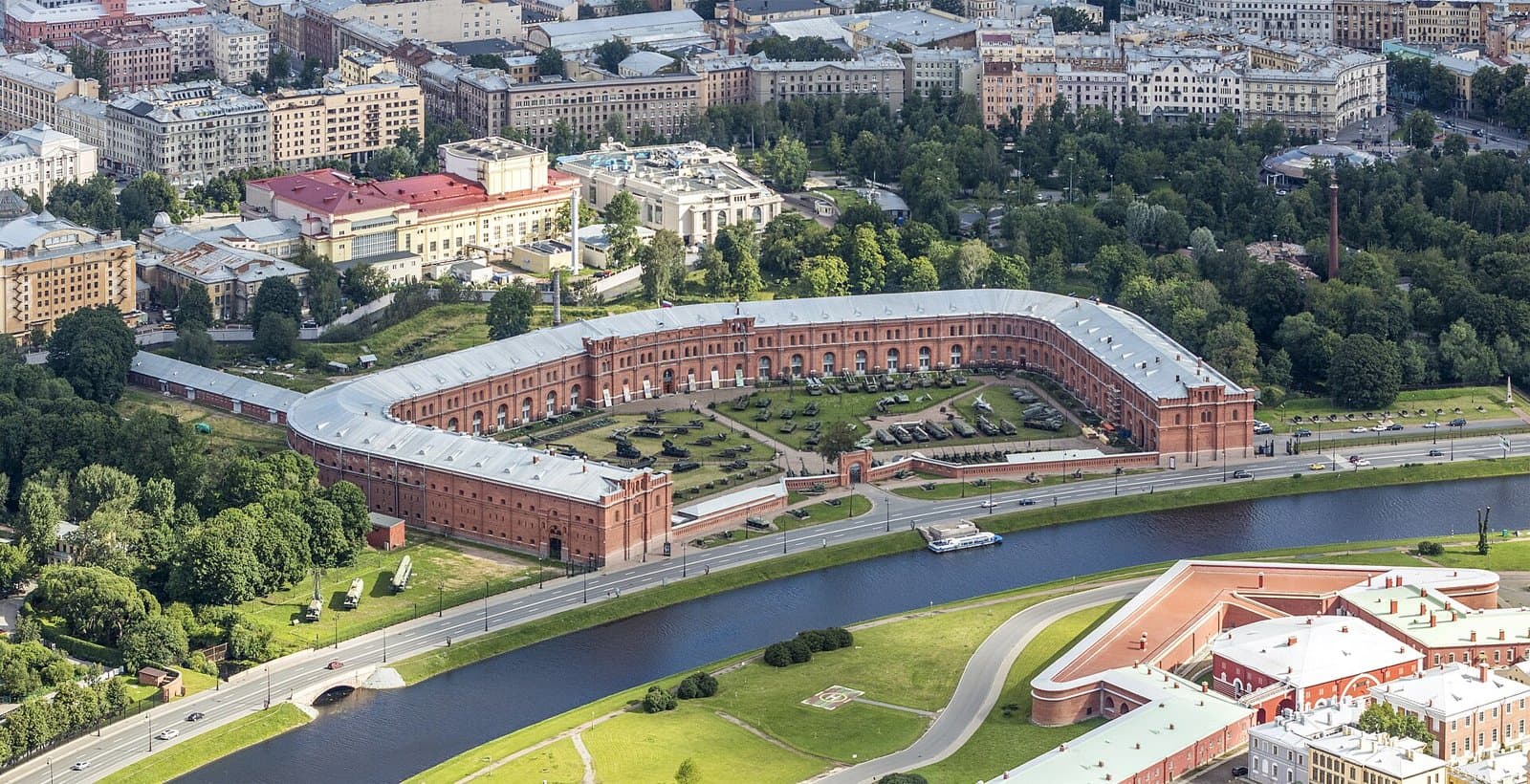
The museum's main building is at Ploshchad Truda 5 (Truda Square), in central Saint Petersburg. An older address on Bolshaya Morskaya Street still circulates online and may point at a different entrance, so use Truda Square 5 and check your route on a map before you set out.
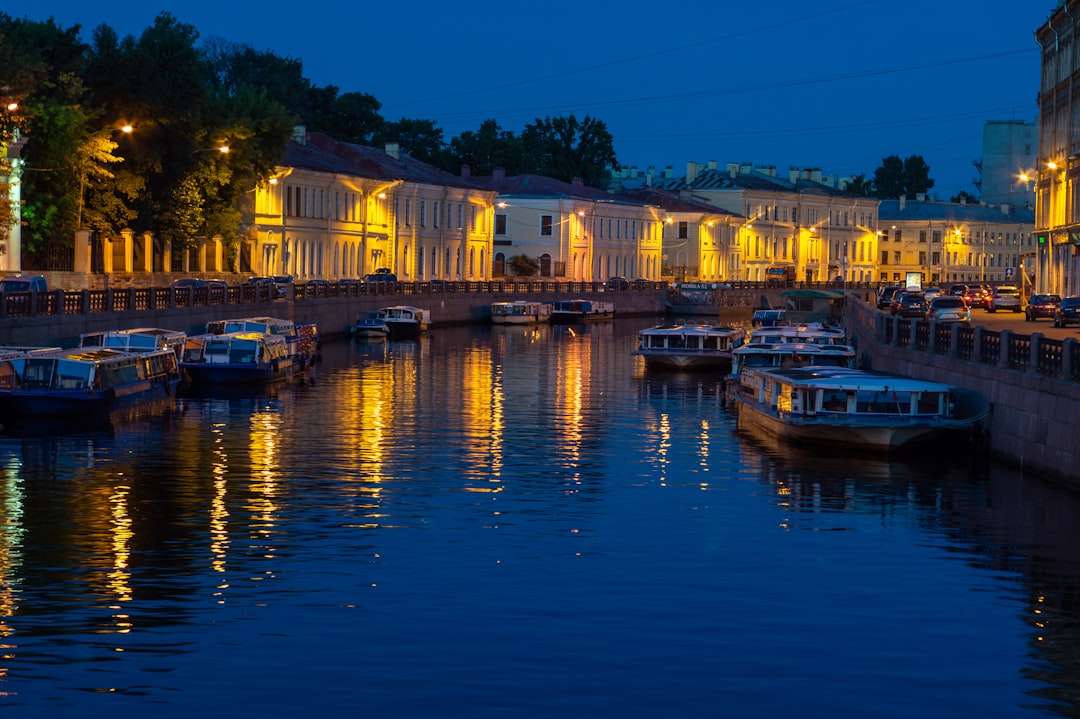
It sits within reach of the central sights, so you can pair it with a wider walk rather than making a dedicated trip. If you are building a naval-themed day, it works well alongside the city's other famous naval museum ship.
What can you see inside?
The draw is scale and specificity. The collection the museum is best known for is its ships in miniature, but there is far more:
- Ship models across eras — the collection the museum is famous for.
- Naval armaments and authentic maritime equipment.
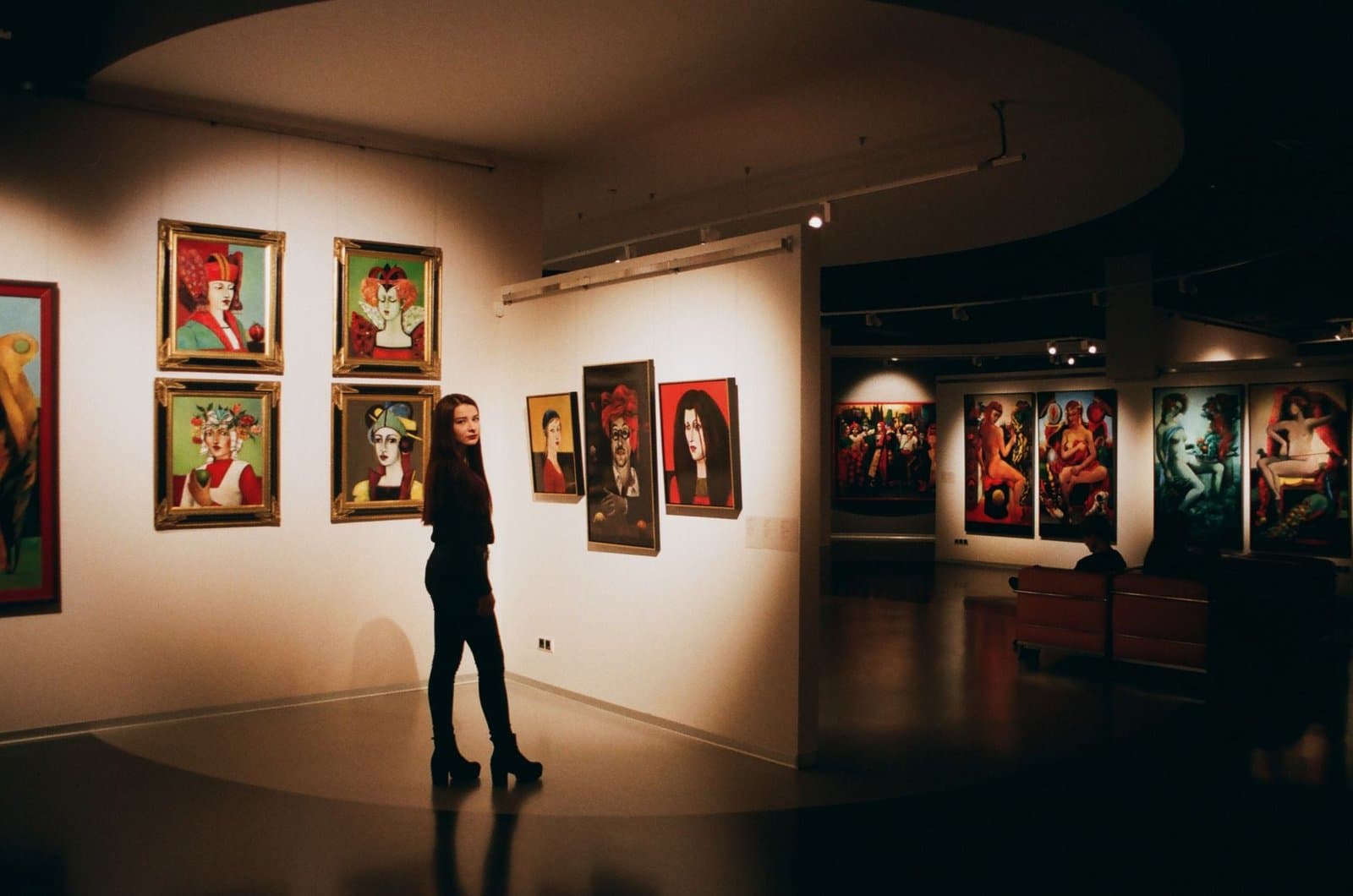
- Marine-theme paintings and historical relics.
Give yourself a couple of hours; the halls reward slow looking rather than a quick lap.