What makes the Museum of Soviet Arcade Machines unique in Saint Petersburg?
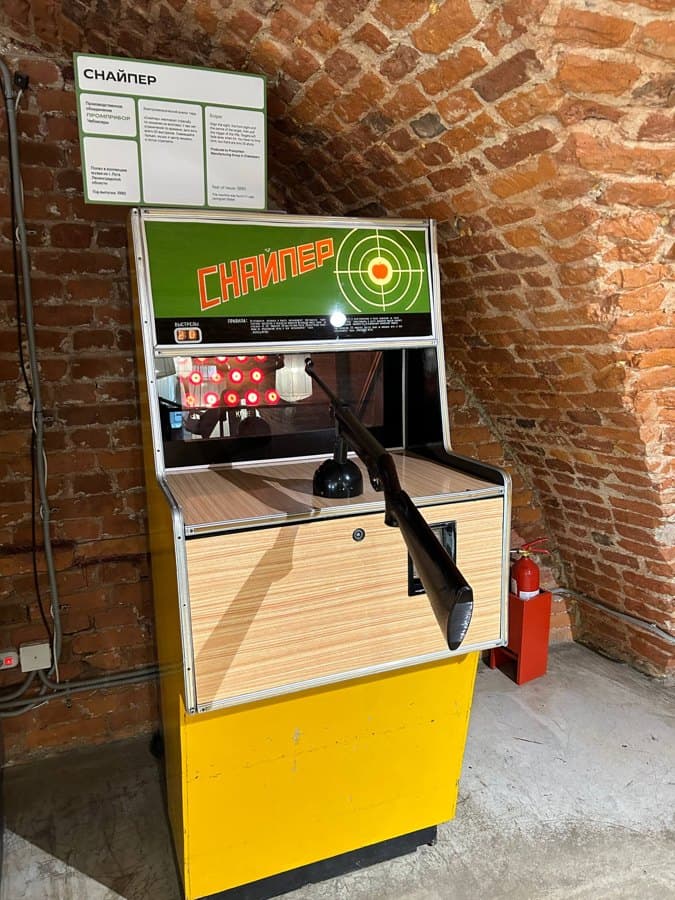
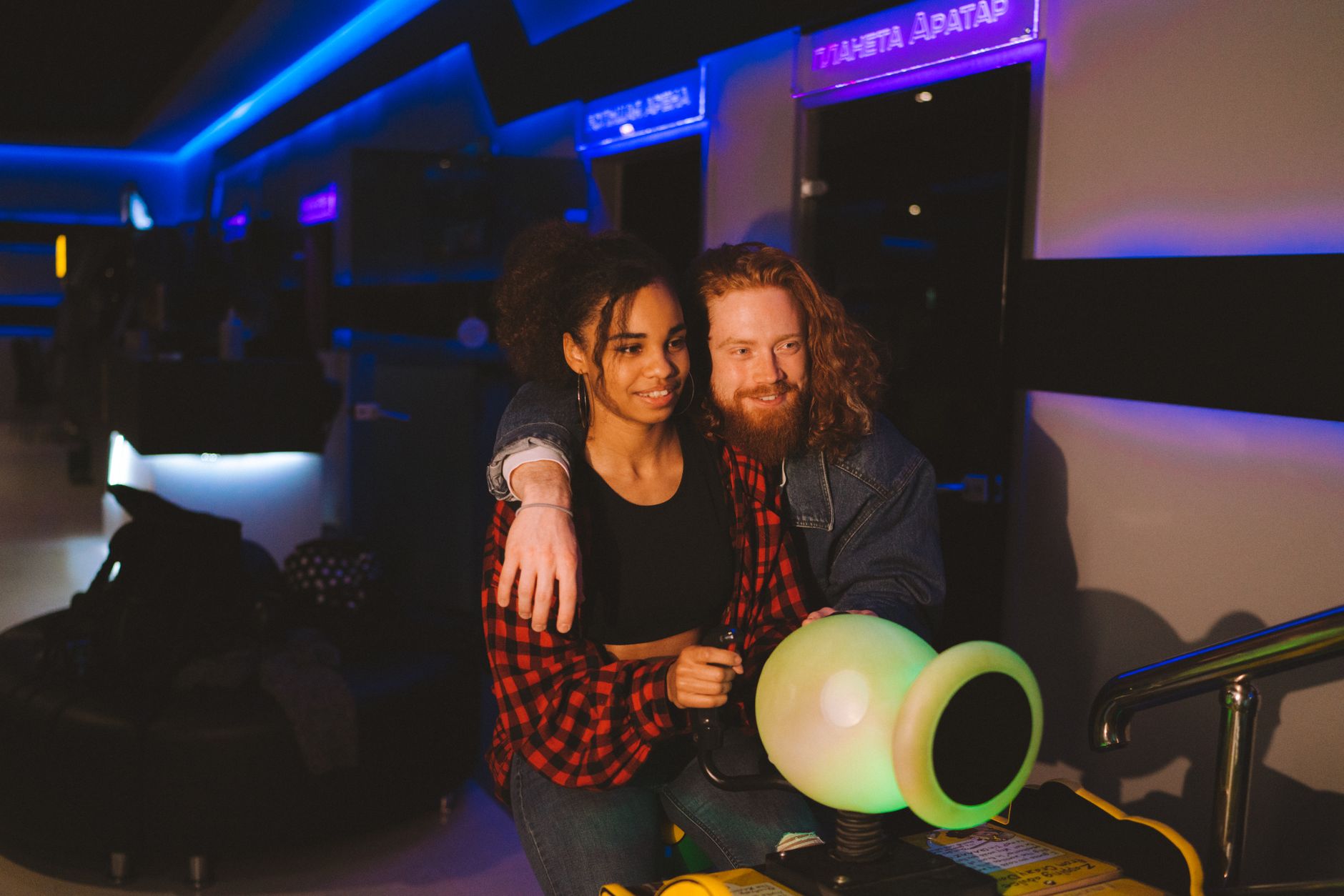
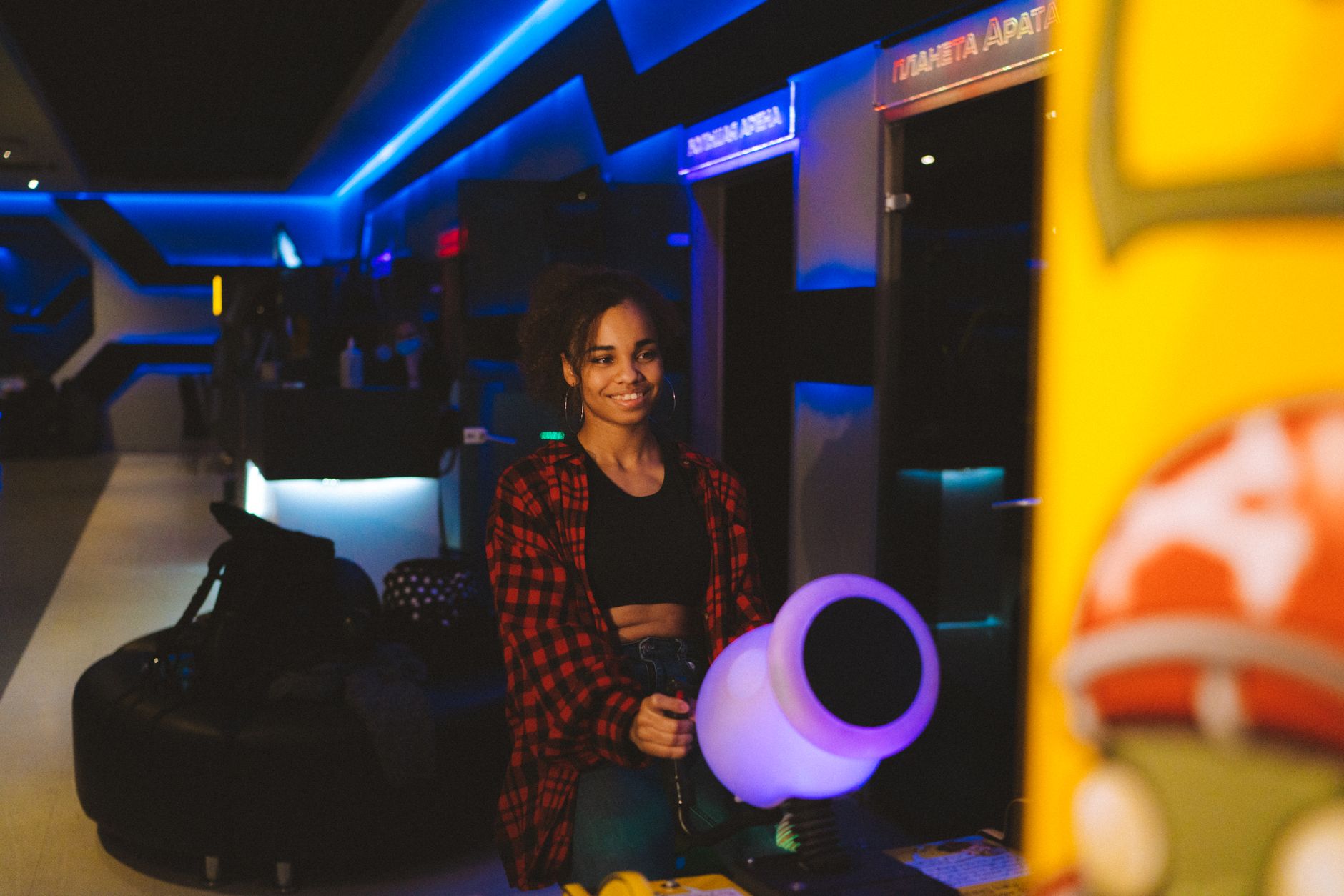
The Museum of Soviet Arcade Machines offers an interactive journey into 1970s and 1980s gaming culture that cannot be found anywhere else in Russia. Located at Konyushennaya Square near Nevsky Prospekt, this working collection features fully functional arcade machines from the USSR era, each accepting authentic Soviet kopek coins provided at entry. Unlike traditional museums where touching exhibits is forbidden, every machine here invites hands-on play, making it a rare experiential attraction in central Saint Petersburg.
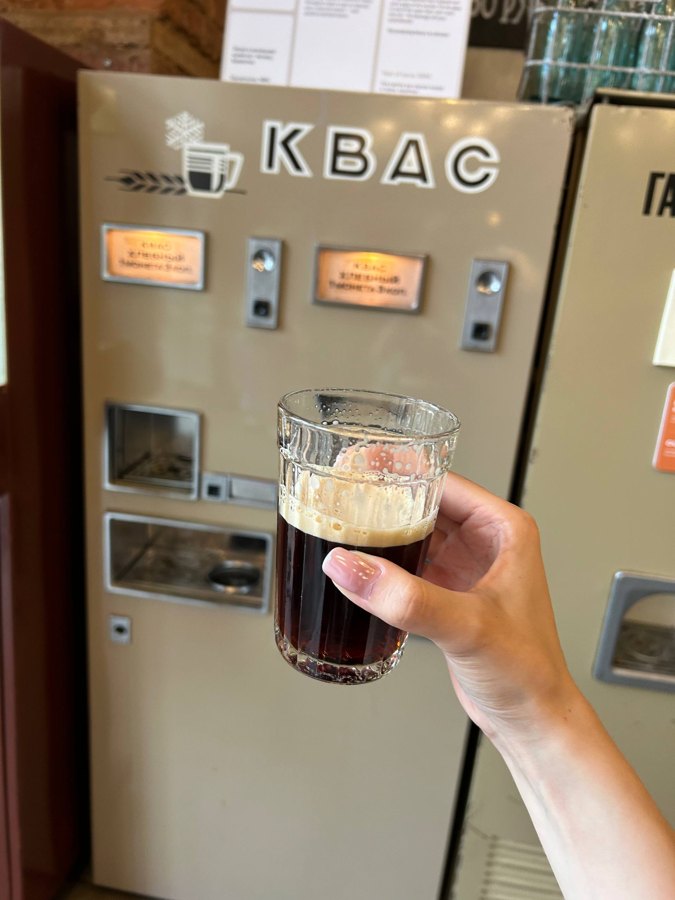
The space preserves not just machines but an entire aesthetic. Original Soviet-era vending machines dispense soda water into shared glasses, exactly as they did in the 1980s. The machines themselves range from submarine simulators to basketball games, each with Cyrillic instructions and mechanical sounds that transport visitors back decades.
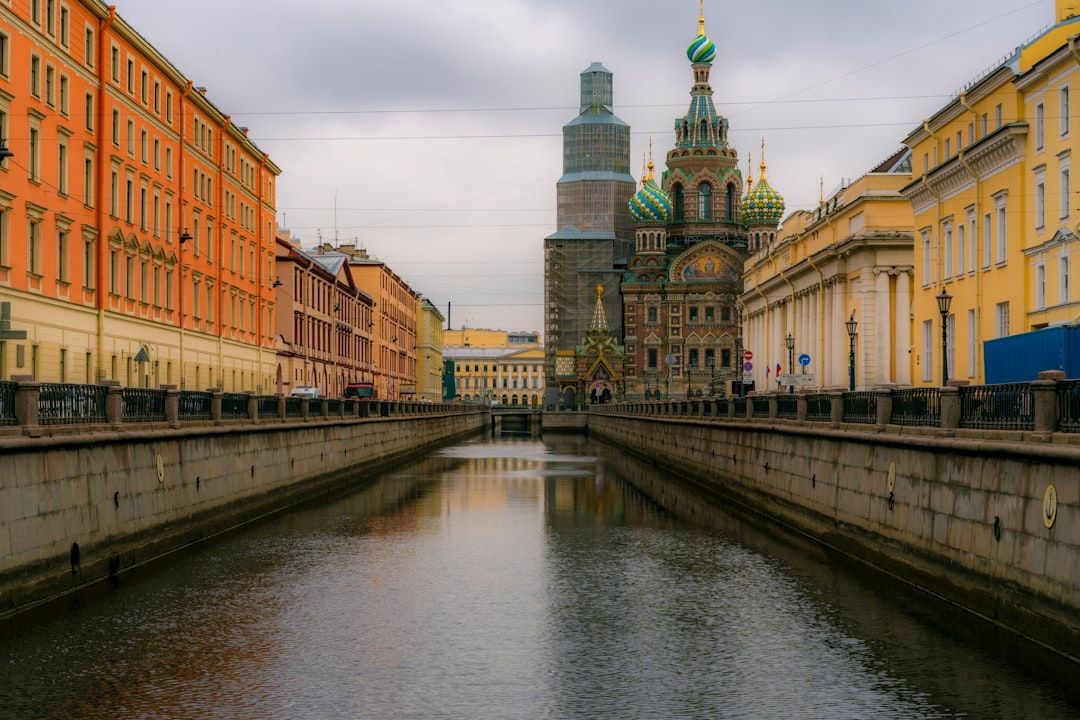
The museum operates as both preservation project and entertainment venue. Staff members, many of whom grew up with these games, provide context about how Soviet citizens spent their free time before home computers became common. The space occupies a historic building near the Church of the Savior on Spilled Blood, making it easy to combine with other major attractions along the Griboedov Canal embankment.
How much do tickets cost at the Museum of Soviet Arcade Machines in 2026?
Admission includes 15 Soviet kopek coins for playing the arcade machines, plus an hourly guided tour. In 2026, adult tickets cost 850 rubles, while reduced tickets are 650 rubles for students, schoolchildren, pensioners, large families, people with disabilities and veterans (with supporting ID). Family tickets cost 2,600 rubles for two adults and two children, and children under 6 enter free. English-language tours can be arranged with approximately 48 hours advance notice. For the latest ticket prices and booking options, check the official website at https://15kop.ru/.
The kopek coins provided at entry work in most machines, though some popular games like the submarine simulator require two coins per play. Additional coins can be purchased at the front desk. The museum accepts both cash rubles and card payments, though some machines occasionally malfunction and staff quickly provide replacement coins when this happens.
Group rates apply for parties of 10 or more when booked at least 48 hours in advance through the official website. The museum also offers family ticket options.
The collection spans mechanical and early electronic games manufactured between 1972 and 1991, comprising approximately 74 machines—roughly 70% of all arcade machines ever produced in the USSR. The most popular machine is "Morskoy Boy" (Sea Battle), a two-player submarine warfare simulator where opponents peer through periscopes to target each other's ships. The basketball shooting game "Basketbol" challenges players to score within 60 seconds, while "Torpedo" tests reaction time as players defend against incoming projectiles using rotating controls.
Racing enthusiasts gravitate toward "Avtoralli" and "Magistral", driving simulators with steering wheels and gear shifts that feel remarkably sophisticated for their era. The strength-testing machines, including the hammer strike game "Silomir", draw competitive groups who compare their scores. The authentic Soviet soda from the vintage vending machines dispenses carbonated water with fruit syrup in the traditional shared-glass format that younger visitors find fascinating.
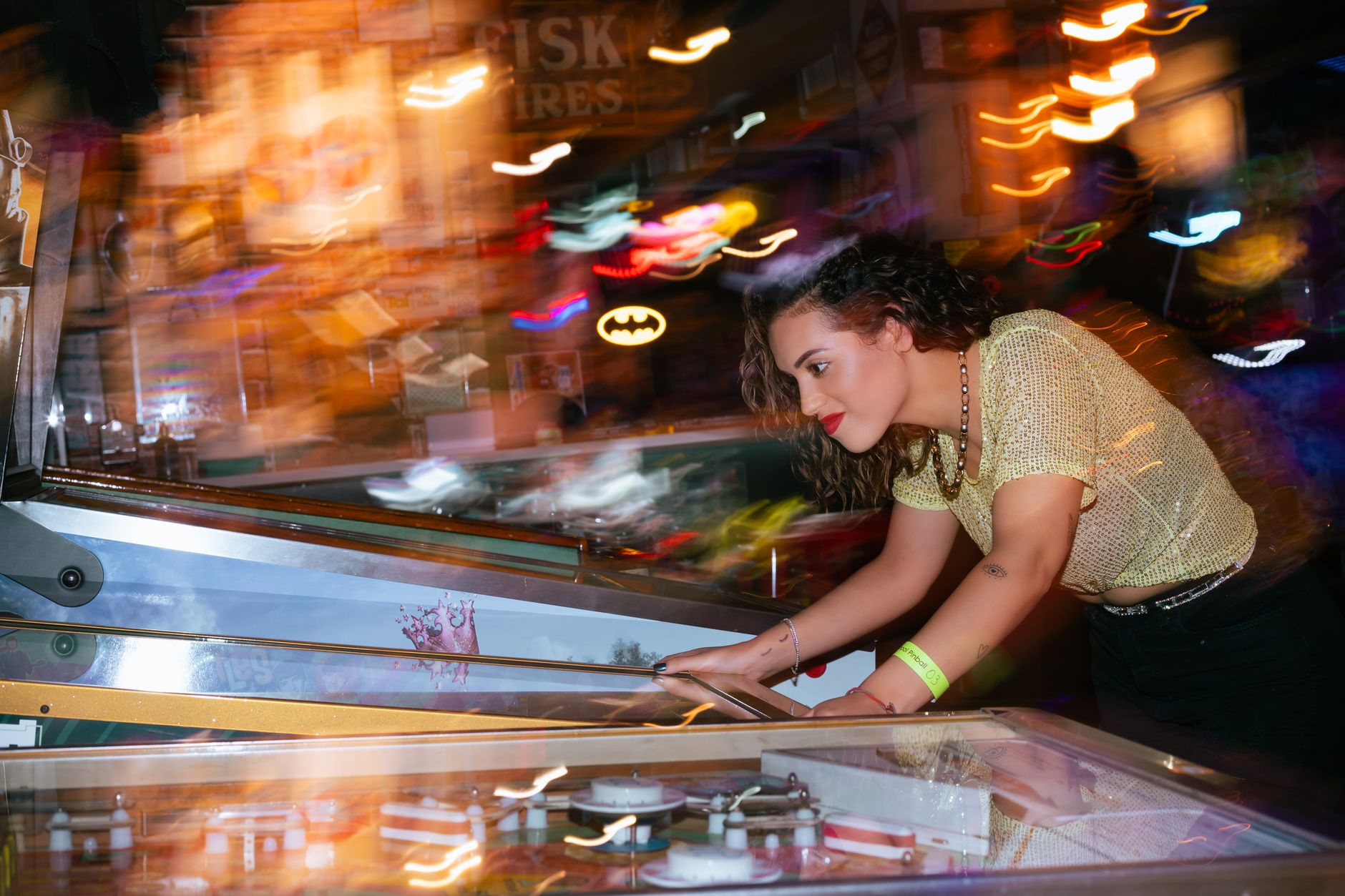
Several pinball-style games use electromagnetic flippers and mechanical scoring displays. The air hockey tables, called "Nastolny Khokkey", remain crowd favorites despite their age. Photo booths from the 1980s still produce black-and-white strips, though film supplies are limited. The museum rotates machines for maintenance, so some machines may be under service on any given day.
Each machine displays its original manufacturing date and factory location, many from Leningrad (Soviet-era Saint Petersburg) itself. The museum's website provides a complete game list with photos, helping visitors plan which machines to prioritize during their visit. Staff members demonstrate how to operate more complex games for first-time players.
at the Bank of Russia rate on 23.10.2026 · powered by tutkakdoma
What are the opening hours and best times to visit?
The museum opens daily from 11:00 to 21:00. These hours remain consistent throughout the year, including Russian holidays, making it a reliable option when other attractions close. Weekday mornings between 11:00 and 13:00 offer the quietest experience, while weekend afternoons from 14:00 to 17:00 see the largest crowds, particularly families with children.
Winter months bring fewer tourists overall, allowing more time with popular machines. Summer peak season from June through August means occasional queues for the submarine simulator and basketball games. The museum's compact size, approximately 200 square meters, means that larger visitor numbers create a noticeably crowded atmosphere.
Evening visits after 18:00 attract local residents who treat the museum as a regular entertainment venue rather than a one-time tourist stop. The lighting and sound effects from multiple machines create an authentic arcade atmosphere that feels most immersive during these later hours. Plan to spend 60-90 minutes to experience most games without rushing, though enthusiasts easily spend two hours exploring the collection.
How do I reach the Museum of Soviet Arcade Machines from major Saint Petersburg landmarks?
The museum sits at Konyushennaya Square 2B, about a 10-minute walk from Nevsky Prospekt metro station on the blue line. Exit the metro toward Griboyedov Canal, cross the Nevsky Prospekt main avenue, and walk north along the canal embankment. The museum occupies a courtyard building marked by a small sign in Russian and English, opposite the Church of the Savior on Spilled Blood.
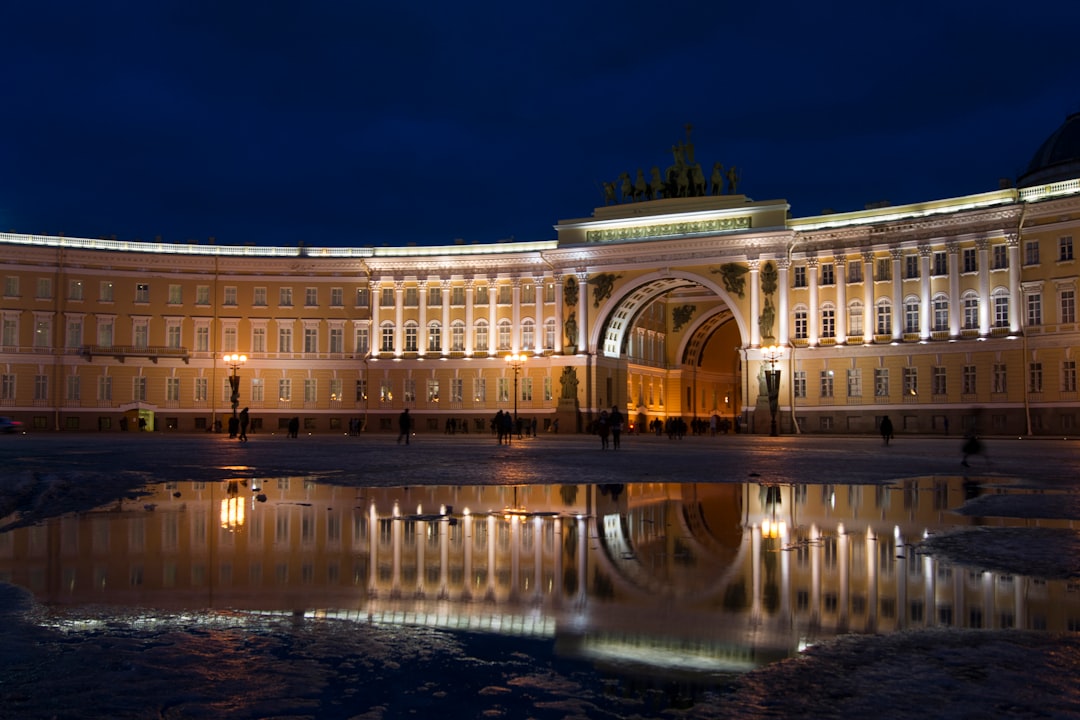
From the Hermitage and Palace Square, the walk takes approximately 12 minutes heading east along the Moyka River embankment, then north past the Church of the Savior on Spilled Blood. From Pulkovo Airport, take bus 39 or minibus K39 to Moskovskaya metro station, then ride the blue line north to Nevsky Prospekt station. The total journey requires 45-60 minutes depending on traffic.
Visitors staying near Mariinsky Theatre can take tram 3 from Sennaya Ploshchad station, reaching Nevsky Prospekt in 15 minutes. The museum's central location makes it an ideal afternoon stop between morning visits to the State Hermitage Museum and evening performances at the Mariinsky Theatre. Several cafes and restaurants line Konyushennaya Square, providing meal options before or after the museum visit.
Transportation Option
Route
Duration
Cost
Metro from Pulkovo Airport
Bus 39 to Moskovskaya, then blue line to Nevsky Prospekt
50-60 minutes
Standard metro fare
Walk from Hermitage
East along Moyka River, north past Church on Spilled Blood
12 minutes
Free
Metro from Moscow Station
Red line to Ploshchad Vosstaniya, transfer to blue line to Nevsky Prospekt
15 minutes
Standard metro fare
Taxi from Peterhof
Direct via Peterhof Highway
40-50 minutes
Varies
What should visitors know before their first visit?
The museum prohibits food and drinks except for beverages purchased from the vintage Soviet vending machines inside. Photography is permitted without flash, and most visitors capture videos of gameplay to share the unique experience. The space has no coat check, so dress in layers that can be comfortably worn while playing games in the climate-controlled interior.
Most machines feature instructions in Russian only, though staff members speak basic English and can demonstrate controls. The submarine simulator requires two players, so solo visitors might wait for another person or ask staff to participate. Some strength-testing games produce loud mechanical sounds, which can startle young children but add to the authentic arcade atmosphere.
The kopek coins provided at entry are magnetic and specifically minted for museum use, not actual Soviet currency. However, the machines themselves are authentic and undergo regular maintenance to preserve their functionality.
Wheelchair access is limited due to the historic building's narrow doorways and lack of elevator, though ground-floor exhibits remain accessible. The museum shop sells Soviet-era memorabilia, including reproduction posters, badges, and books about USSR gaming culture. Credit cards are accepted for larger purchases, though smaller transactions may require cash rubles.
Can the Museum of Soviet Arcade Machines be combined with other Saint Petersburg attractions?
The museum's location near major tourist sites makes it ideal for half-day itineraries. A typical route starts with morning hours at the Hermitage, followed by lunch along Nevsky Prospekt, then an afternoon visit to the arcade museum before evening at the Russian Museum or a canal boat tour. The compact visit duration fits easily between longer attractions without disrupting daily schedules.
Families with children often pair the museum with the nearby Russian Museum, located 10 minutes away on foot across the Mikhailovsky Garden. The contrast between fine art galleries and interactive gaming creates an engaging day for mixed-age groups. Visitors can spend the morning at Peterhof fountains, return to central Saint Petersburg by hydrofoil, and use the arcade museum as a relaxed afternoon activity before dinner.
The Church of the Savior on Spilled Blood stands directly adjacent to the museum, and combination visits take advantage of the proximity. Evening visitors can walk to Palace Square for the nightly light shows during summer months. The museum's late opening hours accommodate travelers who prefer morning visits to outdoor attractions like the Peter and Paul Fortress, saving indoor activities for afternoon and evening when weather becomes less predictable.