
Quick answer (checked 11 September 2026)
Foreign-issued Visa and Mastercard have not worked in Russia since March 2022 — not at terminals, not at ATMs, not online. Nothing had changed by September 2026.
What works, in order of reliability: cash in rubles exchanged on arrival; a UnionPay card from a non-Russian bank, where the terminal accepts it; a Russian Mir card, which in practice requires a Russian bank account.
Plan the money before you land: exchange desks at Pulkovo give worse rates than bureaus in the city, and card declines at airport ticket machines are the usual first surprise.
Why Don't Foreign Visa and Mastercard Work in Russia?
Foreign-issued Visa and Mastercard stopped working in Russia in March 2022 following international sanctions. Your UK, US, EU or other non-Russian bank cards will not process payments at terminals, ATMs or online services inside the country, and the suspension is still in place in 2026 with no announced timeline for restoration. This affects every international visitor arriving at Pulkovo Airport or by train at Moskovsky Railway Station.
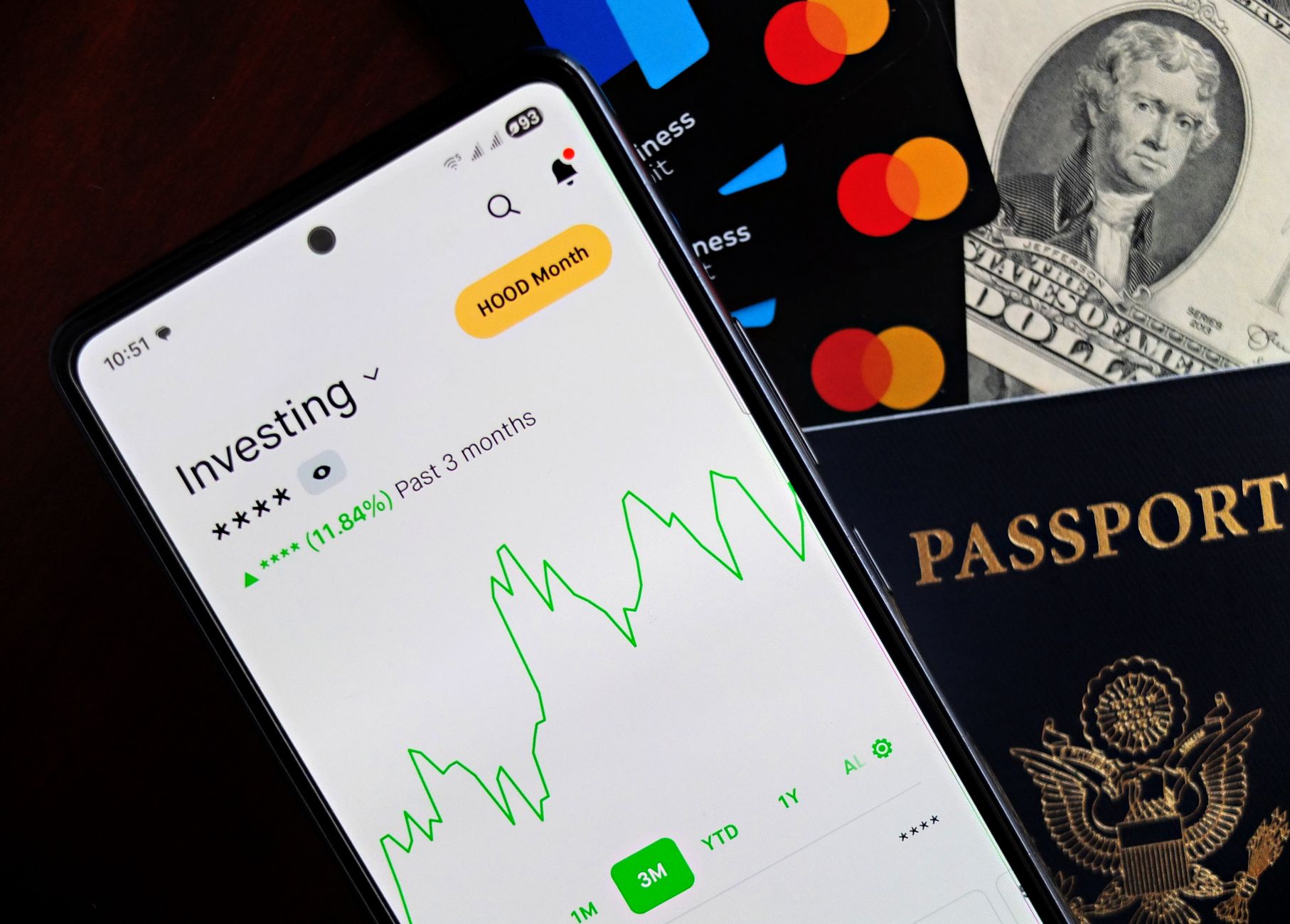
Travellers regularly discover this the hard way at the airport: contactless payments are declined at transport ticket machines and kiosks, and currency-exchange booths can have long queues at peak arrival times. The takeaway is simple — plan your money before you land. You cannot rely on your home-country card in Saint Petersburg, and finding that out at the baggage carousel only adds stress and delay.
What Payment Methods Actually Work for Tourists in 2026?
Three options work for international visitors, in order of reliability: physical cash (rubles, exchanged from euros/dollars/pounds/yuan), a Chinese UnionPay card from a non-Russian bank — if you can still get one — and Russian Mir cards, which in practice require a Russian bank account. Cash is the dependable fallback: exchange bureaus at Pulkovo Airport, along Nevsky Prospekt and near major metro stations like Gostiny Dvor accept the main foreign currencies. Rates vary noticeably between locations, and airport kiosks are usually the least favourable.
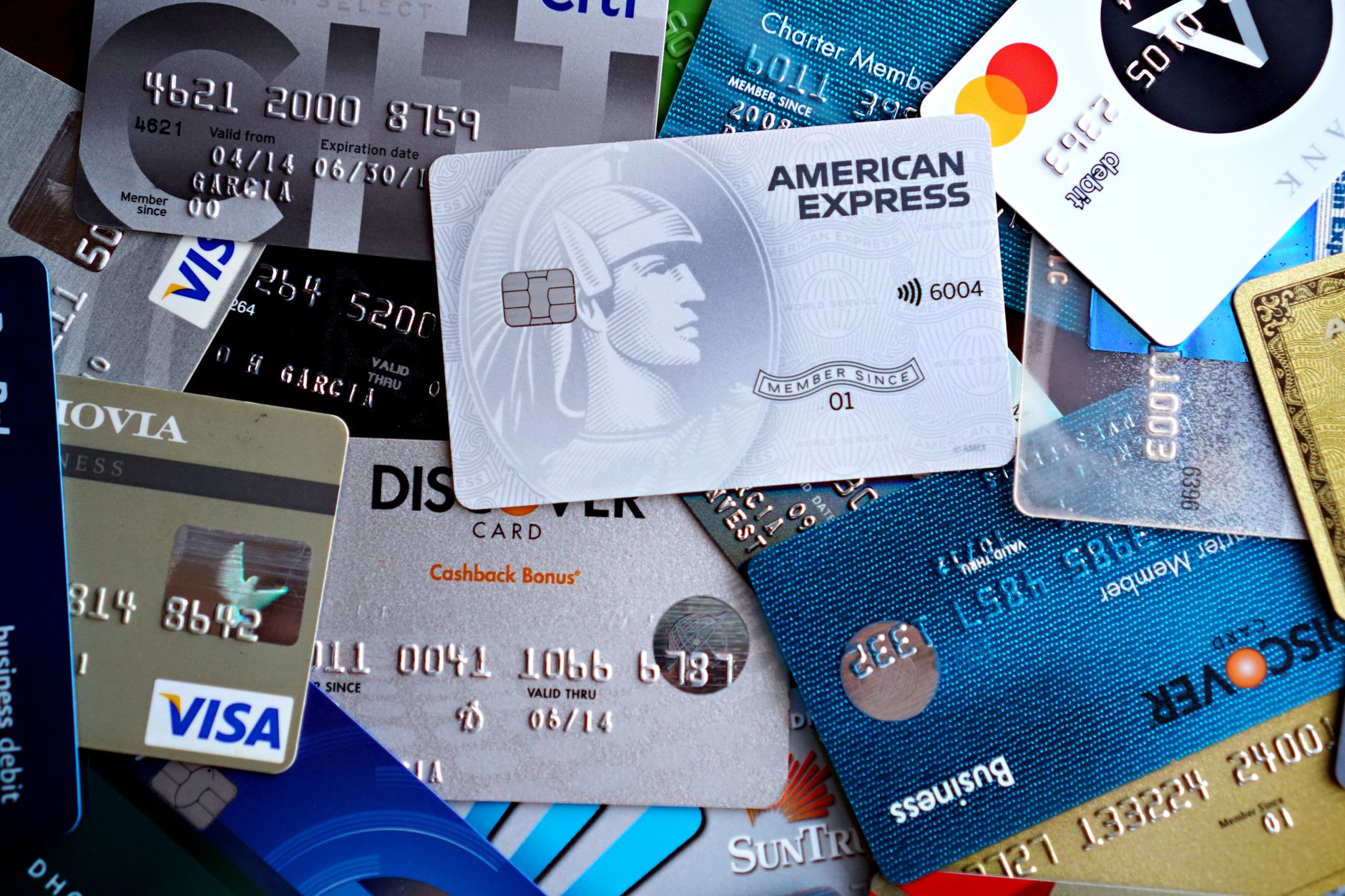
UnionPay has been the main card alternative, but treat it as a bonus rather than your plan: availability has tightened, many foreign banks have stopped issuing UnionPay cards usable in Russia, and acceptance is not guaranteed. Where a UnionPay card does work, it is taken at many museums, chain restaurants and larger supermarkets; smaller cafes, market stalls and souvenir kiosks frequently remain cash-only. Verify with your issuing bank that the card is actually usable in Russia before you depend on it.
Russian Mir cards require opening a Russian bank account and are generally impractical for a short trip — though some banks do open accounts for non-residents, so it is not strictly residents-only. For most tourists the workable combination is simple: carry 15,000–25,000 rubles in cash for taxis, street food, transport and small shops, and use a UnionPay card (if you have a working one) for larger purchases at places that accept it.
How Much Cash Should You Exchange on Arrival Day?
For a typical three-to-five-day visit, exchange about 20,000–30,000 rubles (roughly €200–300 at 2026 rates) over your first day. That covers a transit card, initial meals, tips and small purchases until you see which vendors take UnionPay. A single metro ride costs about 95 rubles (around 65 rubles with a Podorozhnik card), a basic lunch at a stolovaya (cafeteria) runs 400–600 rubles, and a taxi from Pulkovo to the centre is typically 1,200–1,800 rubles depending on traffic and time of day.
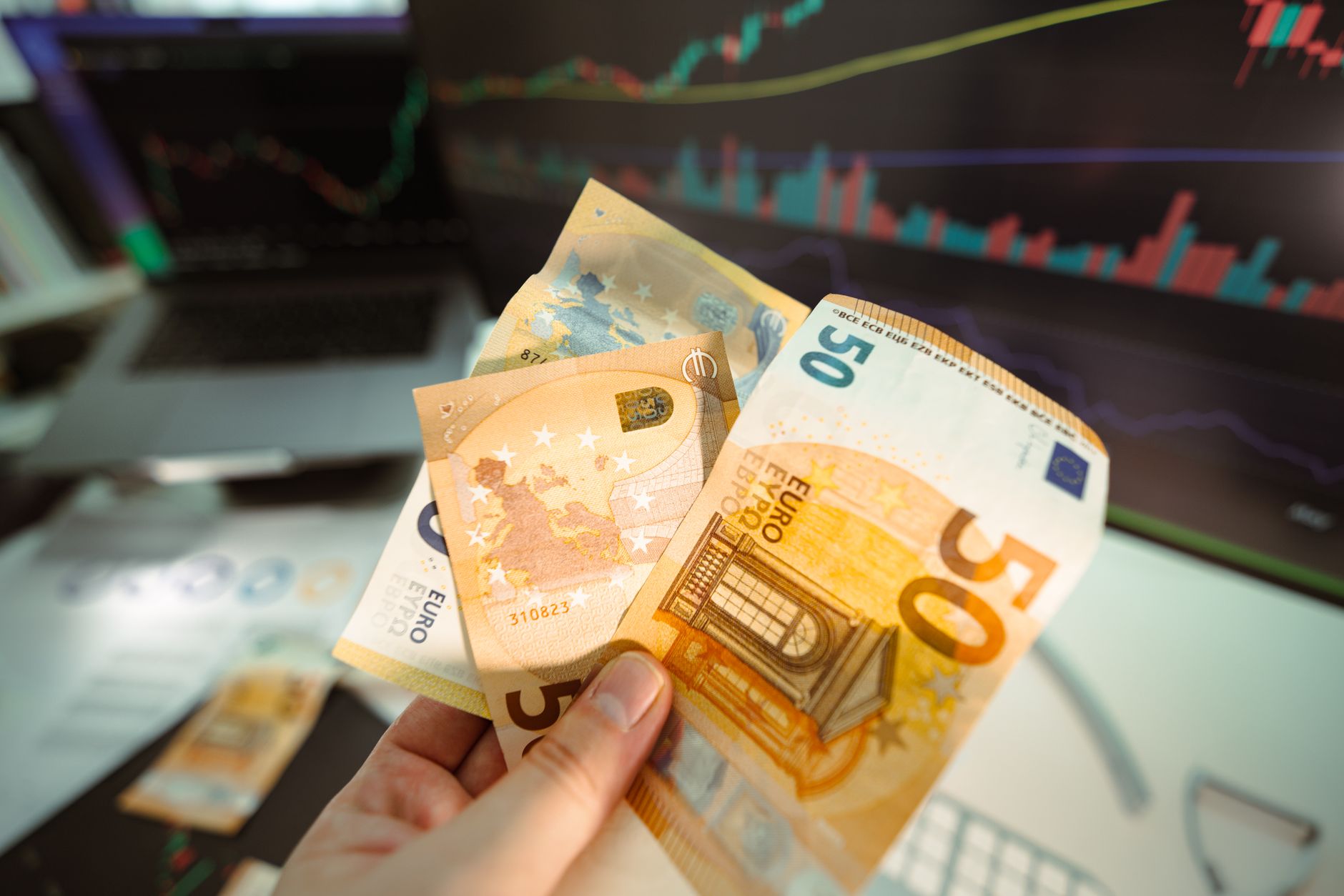
A sensible strategy is to exchange only a small amount at Pulkovo for immediate transport — enough for a bus or taxi plus a transit card — then change the bulk at a city-centre bureau, where rates are usually better. Airport rates tend to be the worst; hotel exchange desks usually charge the highest commission, so avoid them. Ask for mixed denominations: some 100- and 500-ruble notes alongside larger bills, because taxi drivers and kiosk operators often cannot give change for a 5,000-ruble note.
Where Can You Exchange Currency in Saint Petersburg?
Pulkovo Airport has several exchange bureaus in the arrivals and departures areas, generally open from early morning until late evening, with the longest queues when international flights cluster (mid-morning and early evening). Airport rates sit below the Central Bank reference rate, so a good plan is to change just enough at the airport for transport, then exchange the rest in the city within your first few hours.
Nevsky Prospekt has many exchange points between Ploshchad Vosstaniya and Admiralteyskaya metro stations, and another reliable option sits inside the Gostiny Dvor shopping arcade, accessible directly from the metro of the same name. Bring your passport — exchanges above roughly €500 equivalent require photo ID. Compare the posted buy/sell spread before handing over money, and count your cash before leaving the counter.
Some banks such as Sberbank and VTB also exchange currency at select branches, though their weekday hours (roughly 09:00–18:00, limited at weekends) make them less convenient than dedicated bureaus. The Saint Petersburg Tourism Committee advises avoiding street exchangers and unlicensed kiosks, which can circulate counterfeit notes or shortchange tourists.
Can You Use ATMs, and Which Ones Accept International Cards?
Most ATMs in Saint Petersburg reject foreign Visa and Mastercard outright. The only cards that reliably work are UnionPay cards — and only at the ATMs of Russian banks that process the UnionPay network. Coverage is inconsistent and changes over time, so do not count on any specific bank or machine; try a major bank's ATM inside a branch and have cash as backup. Per-transaction withdrawal limits commonly range from 10,000 to 50,000 rubles, with daily caps set by your issuing bank.
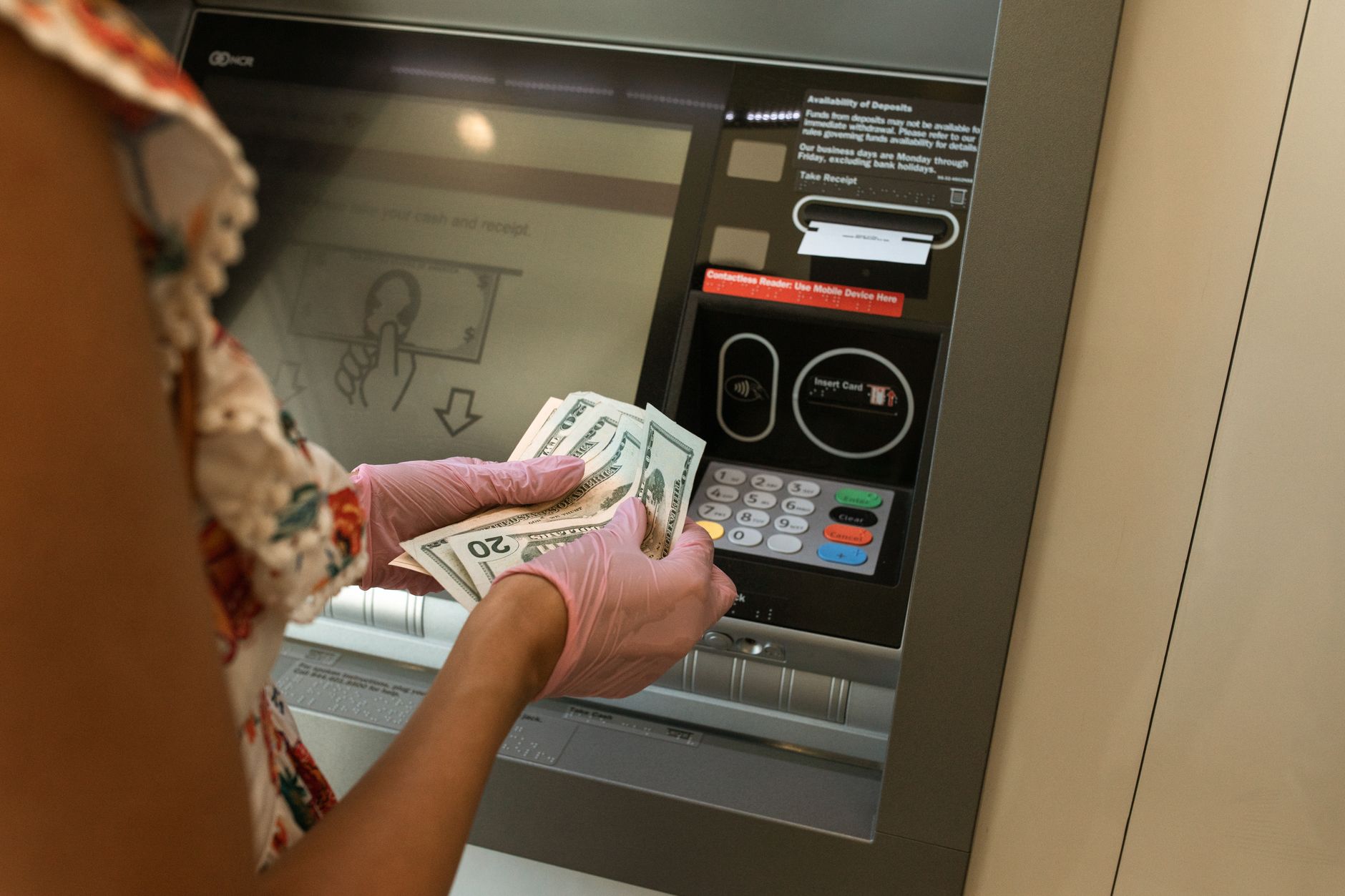
A UnionPay ATM withdrawal usually carries a foreign-transaction fee from your issuing bank, and some machines add an operator fee that is shown on-screen before you confirm — so withdraw larger amounts less often to keep fees down. Many bank ATMs offer an English-language interface. Because acceptance is unpredictable, never rely on finding a working ATM on arrival: bring enough foreign currency to exchange for your first day.
Standard ATM safety applies: use machines inside banks, metro stations or guarded shopping centres rather than isolated street units, cover the keypad when entering your PIN, and check the card slot for skimming devices. It is wise to withdraw or carry cash before visiting major sights, as on-site ATMs can be scarce or run out of notes during peak tourist season — the State Hermitage Museum is a good example, where it is easier to arrive with cash already in hand.