A single ride token costs 95 ₽; the same ride on a Podorozhnik card is 65 ₽, which pays back the card within a few journeys.
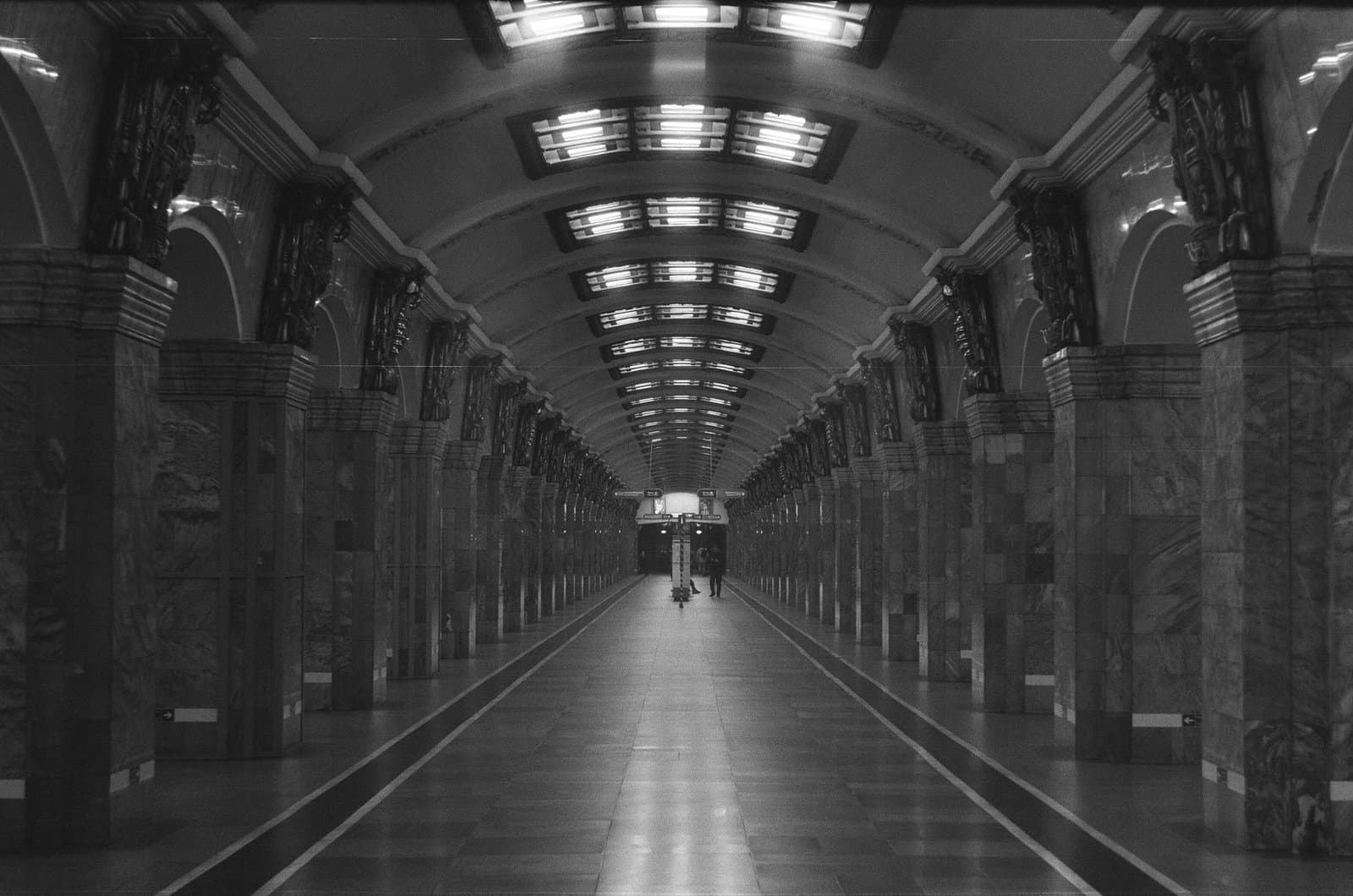
The metro is the fastest way across the centre, the escalators are among the deepest in the world, and stations are built as vaults against flooding — so expect closed doors between the platform and the train at several of them.
Understanding the Saint Petersburg Metro System
The Saint Petersburg metro operates as one of the world's deepest underground systems, with stations averaging 60-80 meters below street level. Five color-coded lines connect the city's major districts, running from 5:30 AM until midnight daily. On my last visit in October, I noticed the system handles approximately 2.3 million passengers daily, making it Russia's second-busiest metro after Moscow. The network counts more than 70 stations, with new extensions opening regularly along the purple Frunzensko-Primorskaya Line — the current map is on the official metro.spb.ru.
Each line maintains its own character and serves distinct neighborhoods. The red Line 1 connects Prospekt Veteranov in the south to Devyatkino in the north, passing through central stations like Ploshchad Vosstaniya near Moscow Railway Station. The blue Line 2 runs from Kupchino to Parnas, while the green Line 3 links Rybatskoye to Begovaya. When I walked from Nevsky Prospekt station to the Hermitage, the underground passage saved me from the February cold and delivered me directly to Palace Square within eight minutes.
Metro Tickets and Payment Options
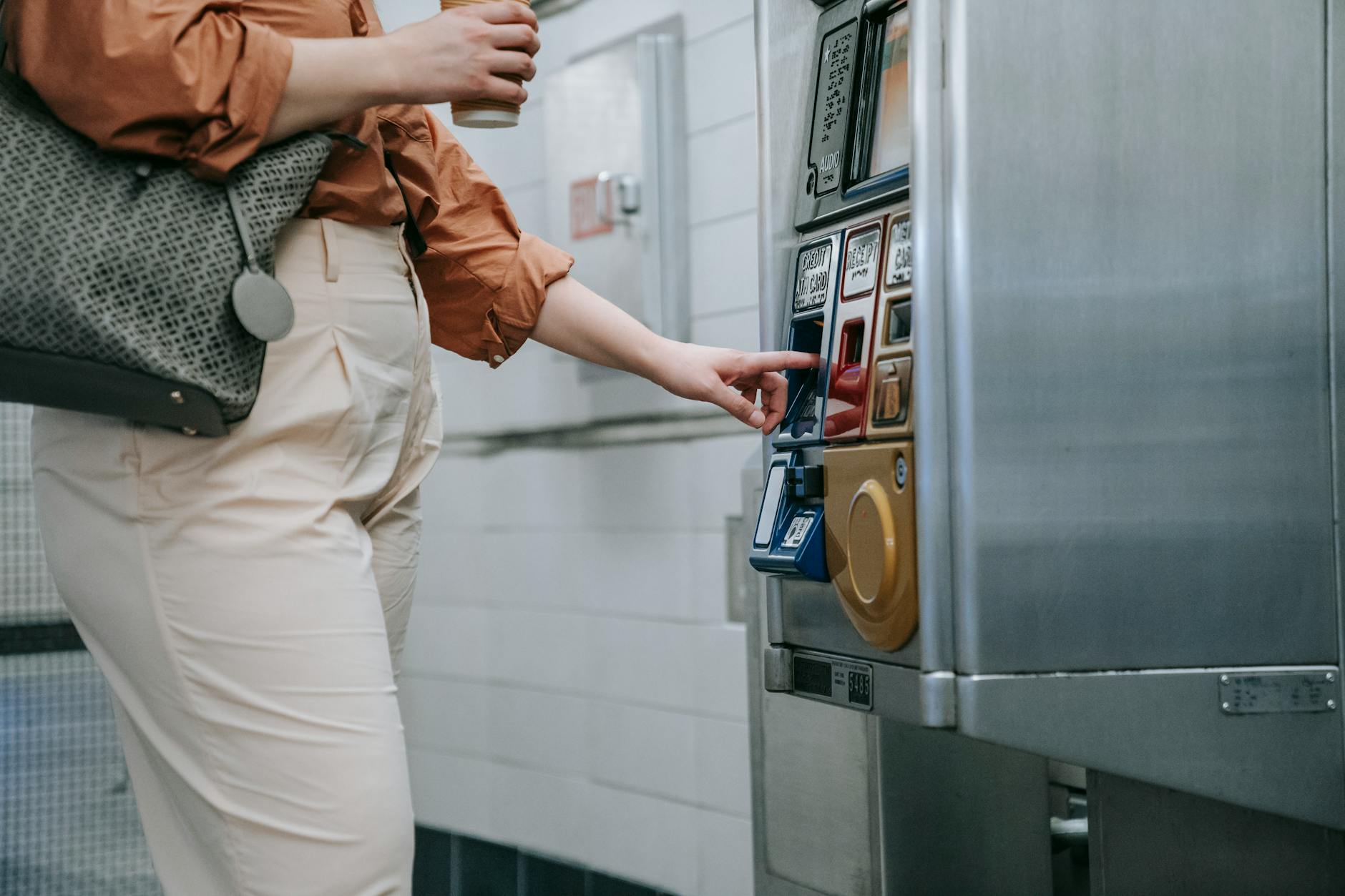
Single-ride tokens cost 95 rubles and are sold at automated machines and ticket booths at every station — fares are revised yearly, so check the official metro site for the current price. The machines accept cash rubles and bank cards, displaying instructions in Russian and English. Multi-ride cards offer better value: multi-ride and period passes are sold too — check their current prices with the city transport operator, as they change more often than single fares. I purchased a 10-ride card at Moskovskaya station using the touch-screen kiosk, which processed my transaction in under two minutes.
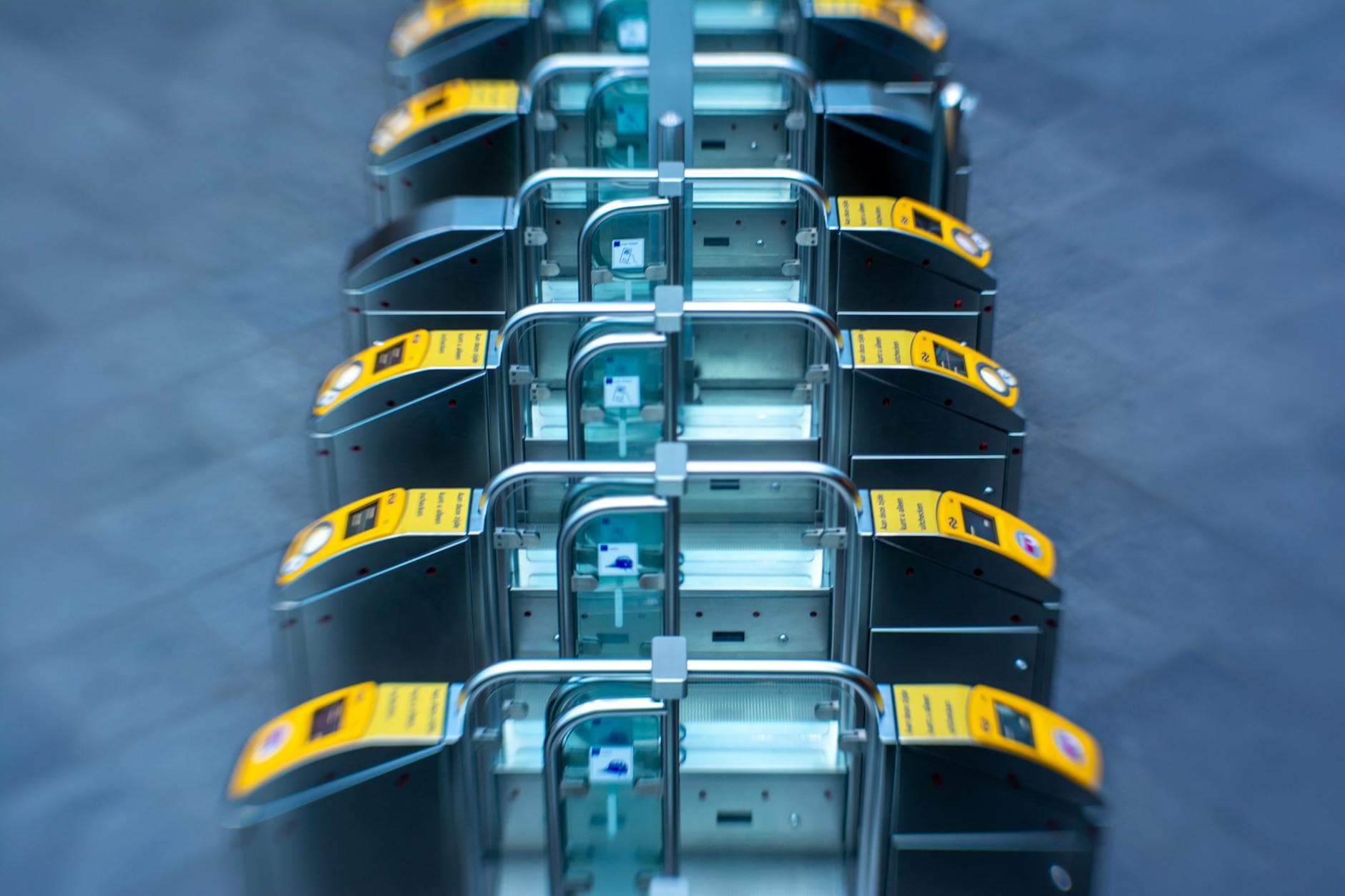
The Podorozhnik smart card provides the most flexible payment method for visitors staying several days. This rechargeable card costs 60 rubles initially, then stores value you add at any station. Each trip deducts 65 rubles when you tap the card at the turnstile — 30 rubles less than a token. Podorozhnik cards work across all metro lines, buses, trams, and trolleybuses throughout the city (details on the city transport operator's site, orgp.spb.ru). Transfer between metro lines requires no additional payment within a single journey.
How much does the Saint Petersburg metro cost in 2026?
A single ride by token is 95 rubles; the rechargeable Podorozhnik card drops each trip to 65 rubles and also covers buses, trams and trolleybuses. Fares are revised yearly — verify on metro.spb.ru.
Fare option
Approx. price
Single-ride token
95 ₽
Trip with Podorozhnik
65 ₽
Bus 39 to Pulkovo Airport
88 ₽
Is the Saint Petersburg metro easy for tourists?
Yes, with minor preparation: five color-coded lines are simple to follow, newer stations add Latin transliterations, and digital displays show train waiting times. Announcements are Russian-only, so download an offline map or the Yandex Metro app before descending — there is WiFi underground, but registration needs a Russian SIM.
at the Bank of Russia rate on 24.10.2026 · powered by tutkakdoma
What hours does the metro operate?
Trains run daily from about 5:30 AM until midnight, with peak-hour intervals of 2-4 minutes. Plan late evenings accordingly: after the metro closes, taxis and night buses are the only options back to your hotel.
Line 1 Red Line: Central Corridor Stations
Avtovo station ranks among the world's most ornate metro stops, featuring 46 crystal chandeliers and marble columns that create a palace-like atmosphere. Located in the Kirovsky District, Avtovo serves as a key transfer point for travelers heading to Peterhof via marshrutka minibuses. The station opens onto Avtovskaya Square, where buses 200 and 210 depart for Peterhof's fountain parks every 15-20 minutes during summer months.
Ploshchad Vosstaniya sits at the intersection of Nevsky Prospekt and Ligovsky Prospekt, directly beneath Moscow Railway Station. This transfer hub connects the red Line 1 with the green Line 3 at Mayakovskaya station through an underground passage. When I arrived at Pulkovo Airport and took the bus to Moskovskaya metro station, I transferred here to reach my hotel near the Hermitage. The station features Soviet-era mosaics depicting revolutionary themes, restored to their 1955 original condition.
Chernyshevskaya station provides the closest metro access to the Tauride Garden and Smolny Cathedral, emerging onto Chernyshevskogo Street. The walk from this station to the State Hermitage takes approximately 25 minutes along the Neva embankment, passing the Marble Palace and Field of Mars. Local bakeries near the exit sell fresh piroshki for 45-60 rubles, which I grabbed for breakfast before museum visits.
Moskovskaya station serves as the primary metro connection for Pulkovo Airport arrivals. Bus 39 stops directly outside the station's northern exit, running to both Terminal 1 and Terminal 2 every 12-15 minutes from 5:30 AM to 1:30 AM. The journey costs 88 rubles at the standard fare, or 65 rubles with a Podorozhnik card, and takes 20-25 minutes depending on traffic. I noticed the bus accepts both cash and Podorozhnik cards, though drivers cannot make change for bills larger than 100 rubles.
Technological Institute operates as the system's busiest transfer station, connecting the blue Line 2 with the red Line 1. Two separate station halls sit 270 meters apart, requiring a five-minute walk through underground passages. The station exits onto Moskovsky Prospekt, Saint Petersburg's longest street, where Soviet-era architecture dominates the landscape. Grocery stores near the Zagorodny Prospekt exit stay open until 11 PM, offering water, snacks, and prepared foods at prices 20-30% lower than tourist areas near the Hermitage.
Line 3 Green Line: Nevsky Prospekt Hub
Nevsky Prospekt station anchors the city's main thoroughfare, providing access to Kazan Cathedral, Singer House, and countless restaurants within a three-block radius. The station connects to Gostiny Dvor station on Line 2 through a shopping arcade passage lined with currency exchange booths and mobile phone shops. We tasted traditional blini at Teremok fast-food chain near the Gostiny Dvor exit, spending 280 rubles for two meals including drinks.
Admiralteyskaya opened in 2011 as the metro's deepest station at 86 meters below ground, featuring the longest escalator ride in the system at nearly four minutes. The station emerges directly onto Admiralty Garden, placing visitors 400 meters from both the Hermitage and Saint Isaac's Cathedral. Bronze relief panels throughout the station depict Russian naval history, from Peter the Great's fleet to modern vessels. The exit corridors include detailed maps showing walking routes to major attractions, with distances marked in meters and estimated walking times.
Spasskaya station serves the Alexander Nevsky Lavra monastery complex, one of only four lavras in the Russian Orthodox Church. The station sits beneath Nevsky Prospekt's eastern end, where the avenue widens near the monastery gates. When I visited in May, the walk from the metro exit to the lavra entrance took six minutes, passing flower vendors and icon shops that open at 9 AM daily.
Dostoevskaya station celebrates the writer Fyodor Dostoevsky through dramatic murals depicting scenes from his novels. Located near Vladimirskaya Square, the station provides access to Vladimirsky Market and the Dostoevsky Museum at Kuznechny Lane 5/2. The museum opens Tuesday through Sunday from 11 AM to 6 PM, with admission costing 250 rubles for adults. The station's dramatic literary murals make it one of the system's most distinctive artistic landmarks.
Practical Navigation Tips for Visitors
Station names appear in Cyrillic script throughout the metro system, though newer stations include Latin transliterations. Learning to recognize key Cyrillic letters helps immensely: В (V), Р (R), Н (N), and П (P) appear frequently in station names. The word "выход" (vykhod) means exit, while "переход" (perekhod) indicates transfer passages to other lines. Digital displays above platforms show waiting times until the next train, typically ranging from 2-4 minutes during peak hours.
Each station announces its name and the next station over loudspeakers in Russian only. Male voices announce stations when traveling toward the city center, while female voices indicate outbound directions. I learned to count stops when traveling to unfamiliar destinations, confirming my position by watching the illuminated station diagrams inside each car. The diagrams light up sequentially as the train progresses, showing your current location and remaining stops.
Free WiFi operates throughout the metro system under the network name "MT_FREE", requiring a Russian mobile number for registration via SMS. Foreign visitors without Russian SIM cards should download offline metro maps before descending underground. The Yandex Metro app provides the most accurate route planning, including transfer times and exit recommendations for specific street addresses. Metro staff at information booths speak limited English, but most willingly help with directions when shown a written destination or map.
Frequently asked questions
How much is a metro ride in Saint Petersburg?
A single token is 95 ₽. With a Podorozhnik travel card the same ride costs 65 ₽, so the card is worth buying even for a short stay.
Can I pay with a foreign bank card?
No. Cards issued outside Russia do not work at the turnstiles or at the ticket machines — buy a token or a Podorozhnik at the ticket office with cash.
Does the metro run at night?
Not on ordinary nights. It closes around midnight, which matters in the season when the bridges are raised and the two banks are cut off until morning.
Are the stations worth visiting on their own?
Several are: Avtovo with its glass columns is the best known, and a single ride lets you see a string of them without leaving the system.
Checked 11 September 2026. Fares are set by the city and change at the start of the year — confirm before you travel.
Frequently asked questions
Почему я не могу найти нужную станцию пересадки?
В петербургском метро пересадочные станции чаще всего называются по-разному. «Невский проспект» и «Гостиный двор» — это одна пересадка, хотя на схеме два разных кружка. «Сенная площадь», «Садовая» и «Спасская» — вообще один узел с тремя названиями.
Сколько закладывать времени на пересадку?
Десять минут, а не пять. Петербургское метро одно из самых глубоких в мире, и эскалатор идёт долго — на дороге до вокзала или аэропорта это критично.
Жетон или «Подорожник» — чем платить в метро Петербурга?
Жетон — на одну разовую поездку. «Подорожник» выгоднее, если поездок за день больше двух. Действующий тариф всегда висит у касс в вестибюле: цены пересматривают, и сверять их лучше на месте.