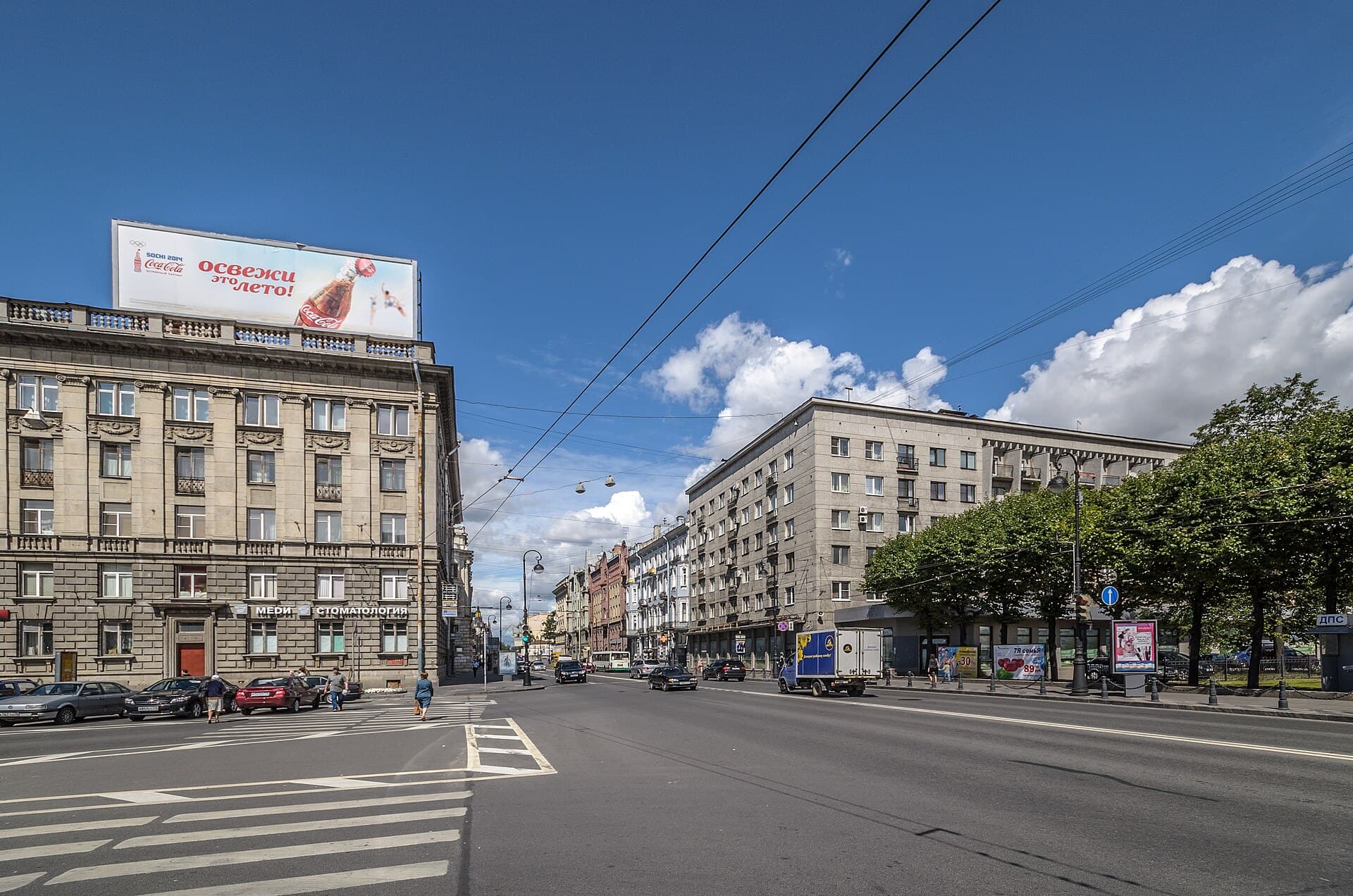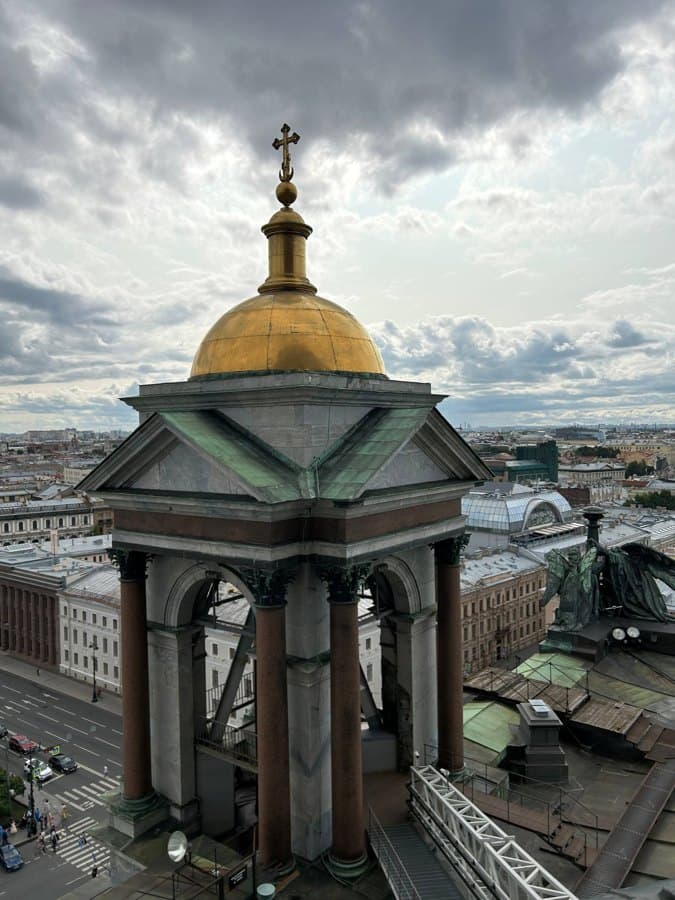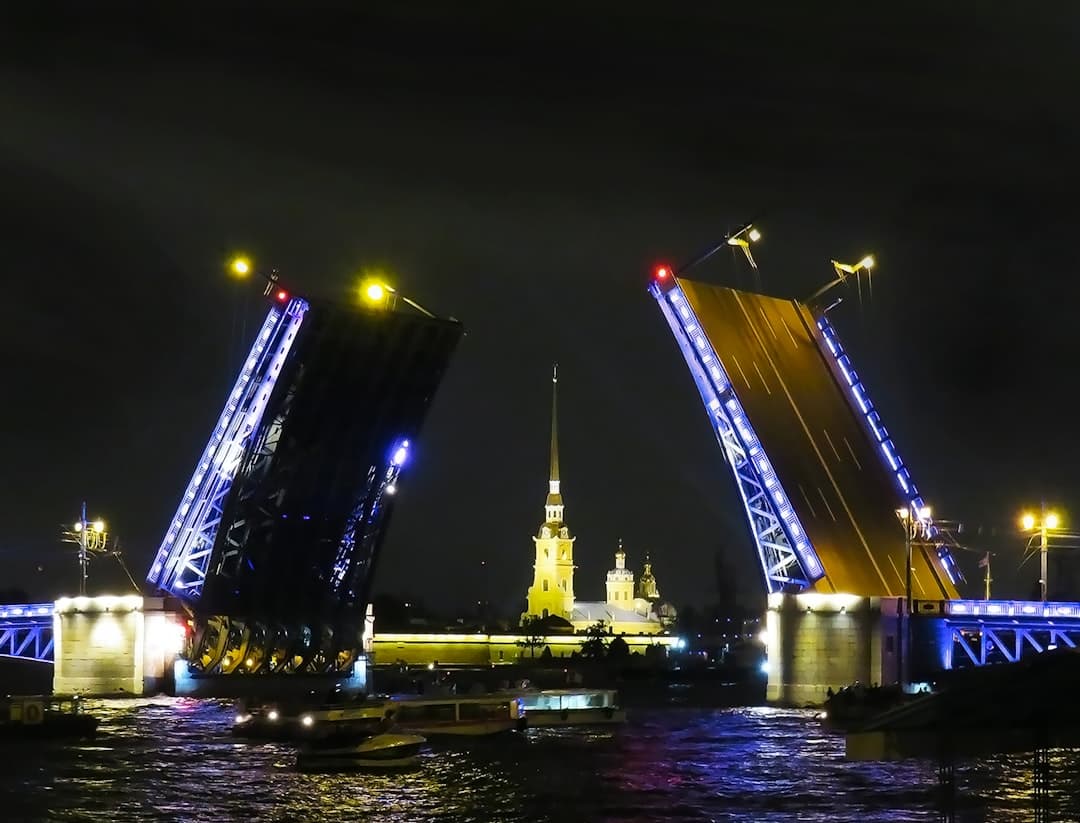

The neon glow of Nevsky Prospekt reflects off the wet cobblestones, a stark contrast to the baroque silhouettes of the Hermitage Palace standing guard against the twilight. This is Saint Petersburg in 2026, a city where imperial grandeur meets a radically altered digital landscape for international travelers. While the architecture remains timeless, the mechanics of securing accommodation have shifted dramatically since the geopolitical shifts of the early 2020s. For the modern tourist, the challenge is no longer just choosing the right view, but navigating a fragmented booking ecosystem that excludes most Western platforms. Understanding where to stay and, more critically, how to pay for it, is the difference between a seamless cultural immersion and a logistical nightmare upon arrival.
Decoding the Central Districts: Tsentralny and Admiralteysky
For first-time visitors, the allure of the historic core is undeniable. The Tsentralny district, often referred to simply as the City Center, offers the most direct access to the city’s crown jewels. Here, you are steps away from the State Hermitage Museum and the bustling energy of Nevsky Prospekt. Staying in this area means you can walk to major landmarks without relying on taxis or the metro, which is invaluable if you prefer a flexible itinerary. However, this convenience comes with a premium. Hotels in Tsentralny tend to be the most expensive options in the city, and the streets are often crowded with tour groups. The noise levels can also be higher, particularly along the main avenues, so seeking out hotels located on side streets is a wise strategy for those who value sleep over street-level vibrancy.
Just adjacent to Tsentralny lies the Admiralteysky district, a sophisticated alternative that balances centrality with a slightly quieter atmosphere. This area is home to St. Isaac’s Cathedral, the Mariinsky Theatre, and the trendy New Holland Island. It feels more residential yet remains within easy walking distance of the main attractions. The vibe here is often described as more "local" and less tourist-saturated than the immediate vicinity of the Hermitage. You will find a mix of boutique hotels and serviced apartments that offer more space and character than the standard chain hotels found in the heart of Tsentralny. If you are interested in contemporary art or a more relaxed evening stroll along the Neva, Admiralteysky provides a perfect base. It is ideal for travelers who want to be central but prefer a neighborhood that feels lived-in rather than purely commercial.
Island Living and Fortress Views: Vasilyevsky and Petrogradsky
Crossing the Neva River leads to Vasilyevsky Island, a distinct choice for those seeking space and a different pace of life. This district is excellent for families or travelers who find the central islands too congested. The wide embankments and grand colonnades offer a sense of scale that is unique to Saint Petersburg. Because it is slightly removed from the main tourist trail, crowds are thinner, and the atmosphere is more serene. However, this comes with a trade-off in convenience. While the metro connects the island to the center, you will need to factor in travel time to reach major museums or restaurants. The area is also more spread out, so walking distances between points of interest can be longer. For those who prioritize a peaceful environment and do not mind a short metro ride to the action, Vasilyevsky Island offers a refreshing change of scenery.
On the other side of the river, Petrogradsky Island offers a more residential and historic feel, anchored by the Peter and Paul Fortress. This area is quieter and less focused on tourism infrastructure, making it a good option for travelers who want to experience the city like a local. The streets are lined with older apartment buildings, and the community feel is strong. While it is close to the fortress, which is a major sight, other attractions require transport. The downside is that dining and shopping options are fewer compared to the central districts. You may find yourself traveling back to the center for evening entertainment or specific culinary experiences. Nevertheless, for those who appreciate a more authentic, less polished side of the city, Petrogradsky provides a unique and tranquil base. It is less about immediate convenience and more about atmospheric immersion.
| Neighborhood | Best for | Character |
|---|---|---|
| Tsentralny (City Center) | First-timers, walking to sights | Most central, priciest, busiest |
| Admiralteysky | Central but calmer | Near St Isaac's, Mariinsky, New Holland |
| Vasilyevsky Island | Families, more space | Across the Neva, quieter, short metro ride |
| Petrogradsky | Local, residential feel | Near Peter & Paul Fortress, fewer eateries |
The 2026 Booking Reality: Navigating a Fragmented Market
The most critical aspect of planning a trip to Saint Petersburg in 2026 is understanding the current booking landscape. The era of relying on familiar Western platforms like Booking.com or Airbnb is over. These services ceased operations in Russia in 2022, and their absence has created a significant gap for international travelers. Furthermore, the financial infrastructure remains a hurdle. Foreign-issued Visa and Mastercard payments are generally not processed by Russian banks or hotel systems. This means that even if you find a hotel that accepts international cards directly, the transaction will likely fail. This reality requires a fundamental shift in how you plan and pay for your accommodation. You cannot simply book online with your home credit card and check in; you must prepare for a different financial workflow.
To successfully book accommodation, you must turn to Russian domestic platforms.. These sites often have English interfaces and accept some forms of international payment, though availability can be limited. Alternatively, contacting hotels directly via email or phone is a reliable, albeit slower, method. Many hotels are accustomed to dealing with international guests and can provide specific instructions for payment. This might involve wire transfers or using specific payment gateways that still function. It is essential to confirm payment methods before arriving. Relying on the assumption that your card will work is a mistake that can leave you without a place to stay. The key is to use local tools and verify every detail in advance.