
The State Hermitage Museum: A Masterpiece Marathon
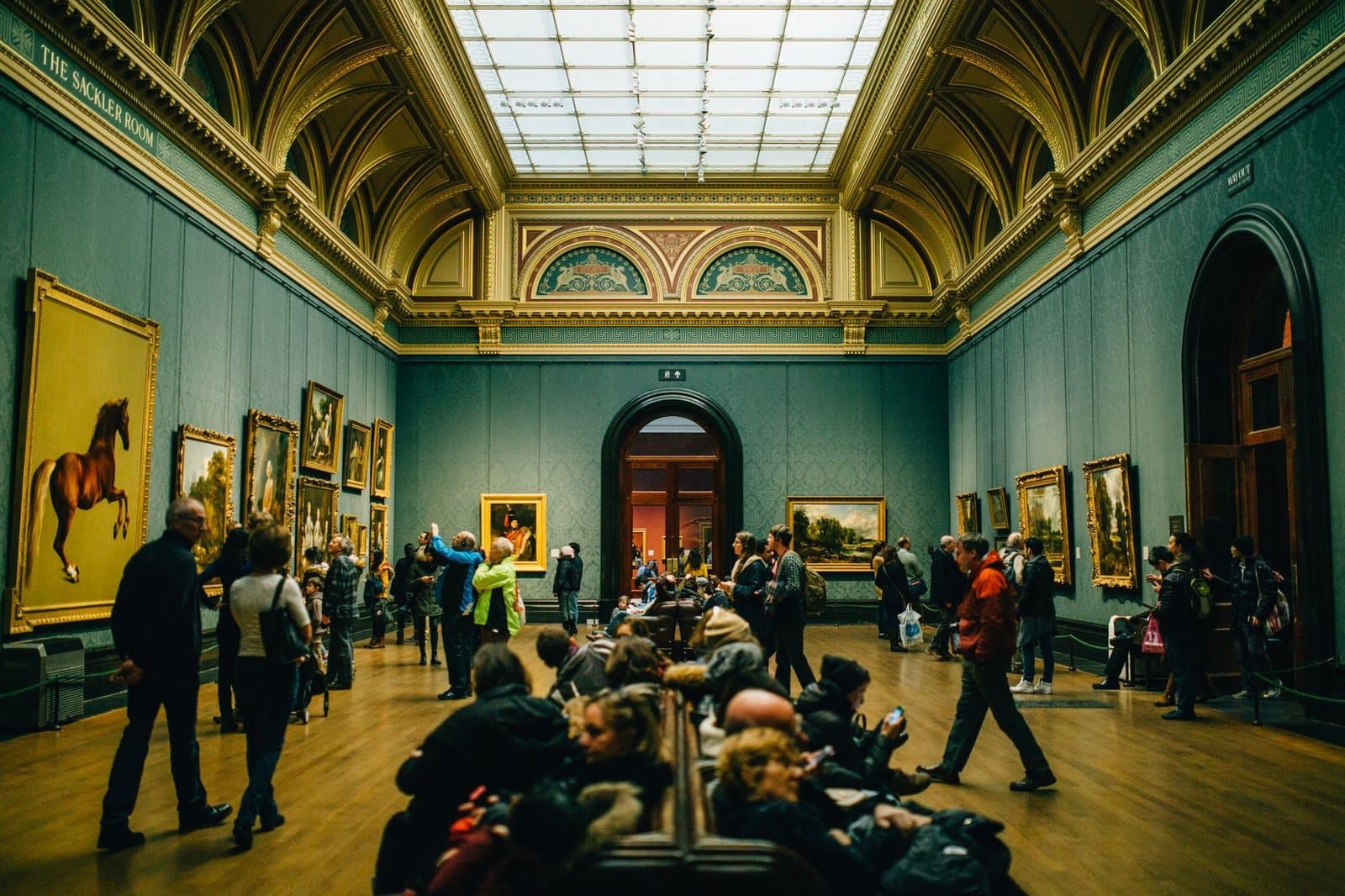
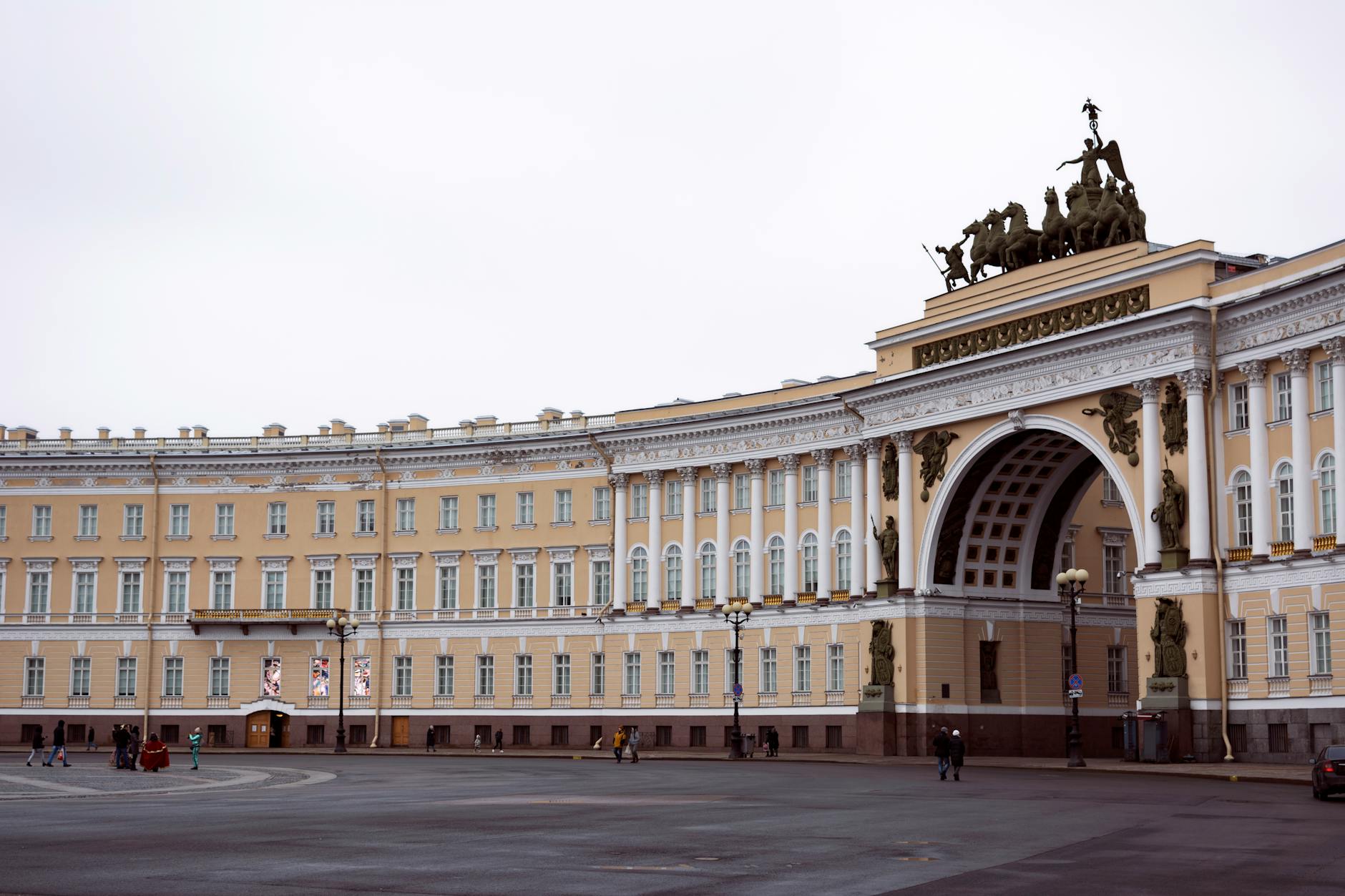
The State Hermitage Museum stands as Russia's premier art institution, housing over three million works across six historic buildings along Palace Embankment. For art lovers with limited time, focusing on the Winter Palace's main collection allows you to experience masterpieces by Rembrandt, Leonardo da Vinci, and Matisse within a three-hour window. The museum opens at 10:30 AM most days, and tickets for the Main Museum Complex cost 1,200 RUB for entry slots between 11:00-16:00. On my last visit in October, I arrived right at opening to avoid the afternoon crowds that typically peak between 1 PM and 4 PM.
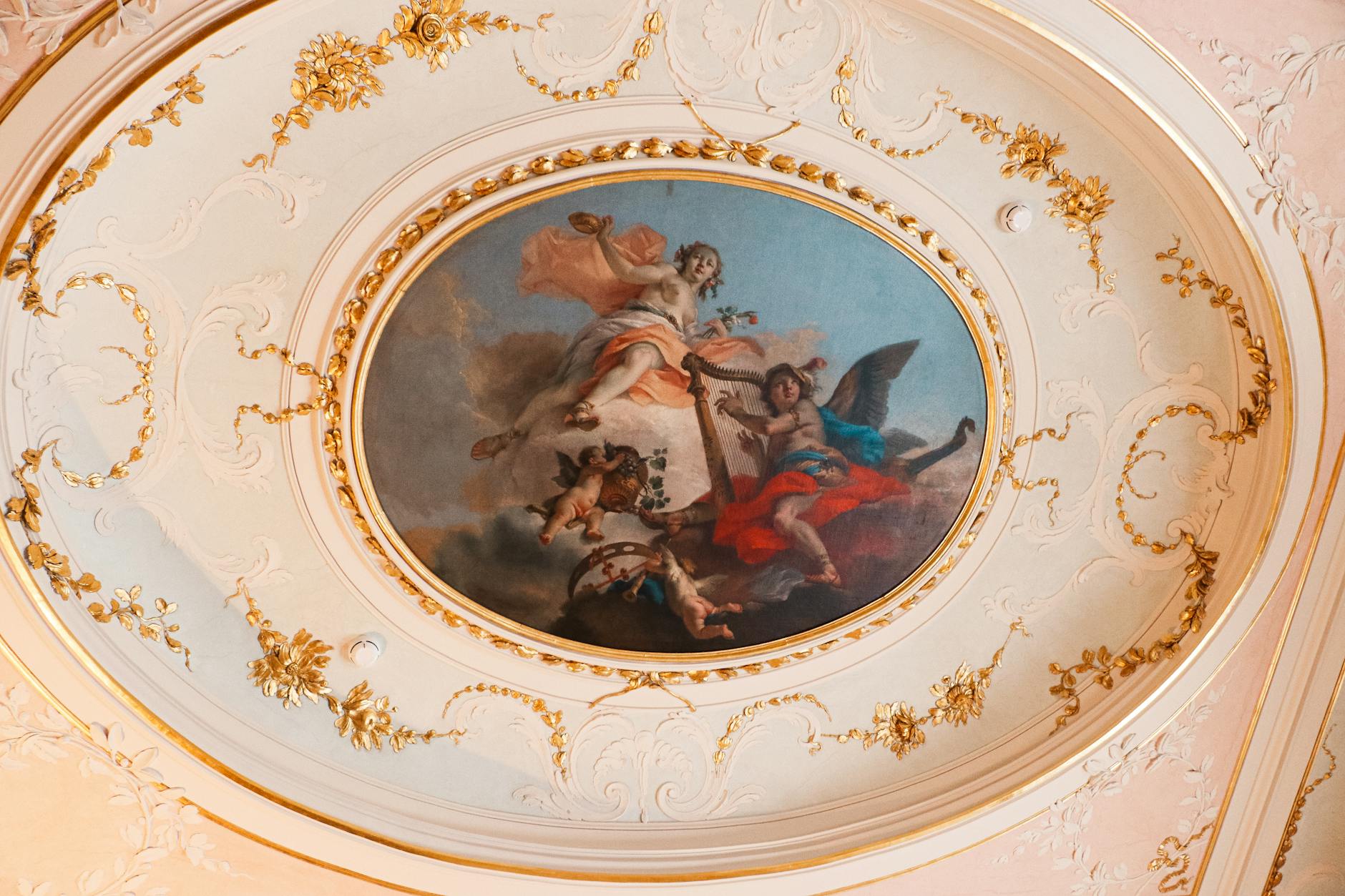
The Italian Renaissance galleries on the second floor deserve at least 45 minutes of your attention, featuring works that trace the evolution from Byzantine iconography to High Renaissance humanism. When I walked through the Raphael Loggias, the frescoed corridor commissioned by Catherine the Great, I understood why The State Hermitage Museum ranks among the world's top five art institutions. The Spanish collection, including two El Greco paintings and works by Velázquez, occupies rooms 239-240 and provides a concentrated dose of Golden Age mastery in under 30 minutes.
Reaching the Hermitage requires taking the metro to Admiralteyskaya station on Line 5, then walking five minutes north toward the Neva River. The museum's mobile app offers English-language audio guides for 500 rubles, which help maximize your limited time by directing you to specific masterpieces. I noticed that visitors who pre-plan their route using the museum's online floor plans manage to see twice as many significant works compared to those wandering without direction.
Russian Museum: National Art in Focused Doses
The State Russian Museum in Mikhailovsky Palace presents the world's largest collection of Russian fine art, spanning from medieval icons to contemporary installations. Unlike the Hermitage's international scope, this museum concentrates exclusively on Russian artists, making it ideal for travelers seeking cultural specificity within a tight timeframe. General admission costs 500 rubles, and the museum opens at 10 AM daily except Tuesdays. The main exhibition occupies four connected buildings, but the Mikhailovsky Palace alone contains enough highlights for a rewarding three-hour visit.
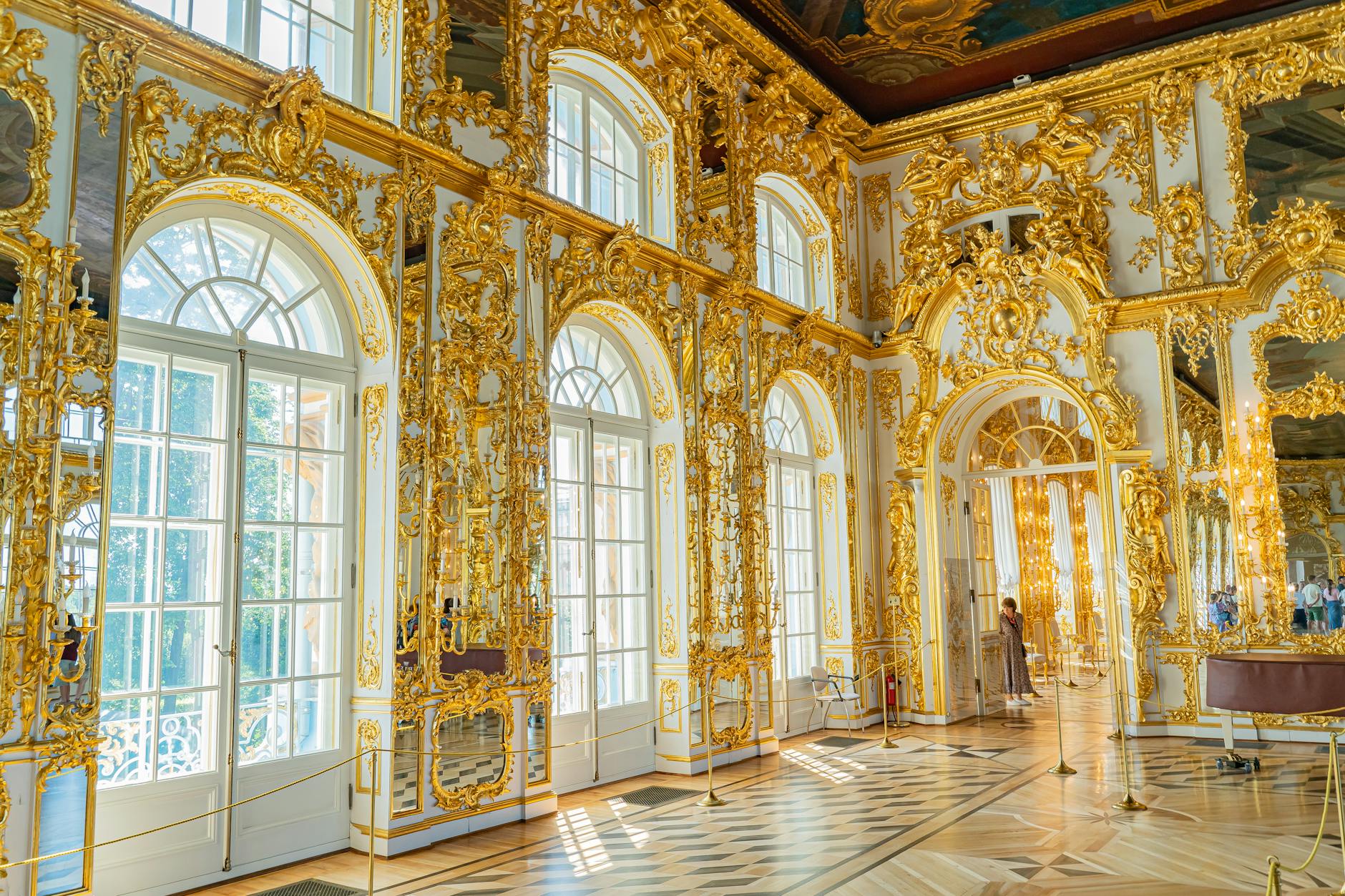
The Peredvizhniki movement galleries showcase 19th-century realist paintings that defined Russian national identity during the Imperial period. Ilya Repin's "Barge Haulers on the Volga" dominates one wall, its social commentary still resonating 150 years after completion. We tasted the full range of Russian artistic evolution by moving chronologically from the icon collection through Constructivist experiments in the Soviet wing. The State Russian Museum estimates that focused visitors can cover the essential permanent collection in approximately two and a half hours, leaving time for the gift shop's excellent selection of art books.
Located on Inzhenernaya Street near Nevsky Prospekt, the museum sits within walking distance of the Church of the Savior on Spilled Blood. Taking trolleybus 3 or 8 from Nevsky Prospekt delivers you directly to the Arts Square entrance. The museum provides English descriptions for major works, though renting the audio guide for 300 rubles adds valuable context about artistic movements specific to Russian history.
Erarta Museum: Contemporary Russian Art Without Crowds
Erarta Museum of Contemporary Art opened in 2010 as Russia's largest private museum dedicated to post-1945 Russian art. Located on Vasilyevsky Island at 29th Line, this five-story institution offers a refreshing alternative to the Imperial-era collections dominating central Saint Petersburg. Admission costs 900 rubles for adults, with reduced prices after 6 PM on Wednesdays. The museum's manageable size makes it perfect for art lovers operating under time constraints, as the permanent collection occupies three floors that can be thoroughly explored in two hours.
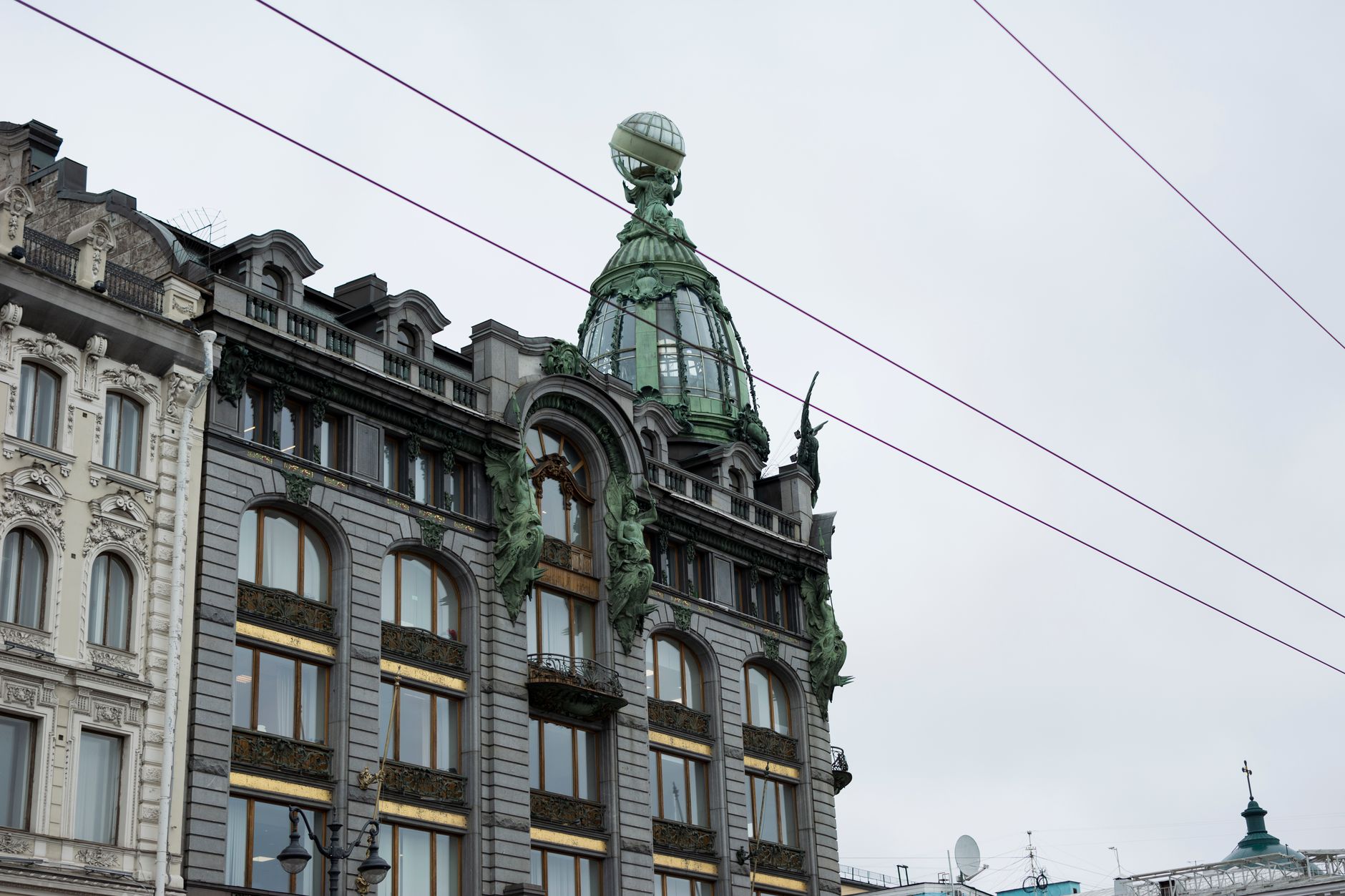
The fourth floor features rotating exhibitions that change quarterly, presenting emerging artists alongside established names from Moscow and Saint Petersburg. On my visit last spring, I discovered the work of AES+F collective, whose video installations blend classical mythology with dystopian futurism. The museum's U-Space theatre on the ground floor screens short films about featured artists, each running 10-15 minutes and providing helpful context for understanding contemporary Russian visual language.
Reaching Erarta requires taking the metro to Vasileostrovskaya station, then catching marshrutka K-249 or walking 20 minutes west along the embankment. The museum restaurant serves lunch until 4 PM, offering borscht and pelmeni for 450-600 rubles if you need sustenance between galleries. Unlike the major state museums, Erarta rarely experiences overwhelming crowds, even during peak summer tourist season.
Fabergé Museum: Decorative Arts in Imperial Splendor
The Fabergé Museum occupies the Shuvalov Palace on the Fontanka River embankment, housing the world's largest collection of works by the legendary jeweler Carl Fabergé. Nine Imperial Easter Eggs form the collection's centerpiece, each representing the pinnacle of decorative arts from the late Romanov period. Tickets cost 500 rubles and must be purchased for specific time slots, with English-language guided tours running hourly for an additional 300 rubles. The entire museum can be comfortably experienced in 90 minutes, making it ideal for art lovers who appreciate craftsmanship and design.
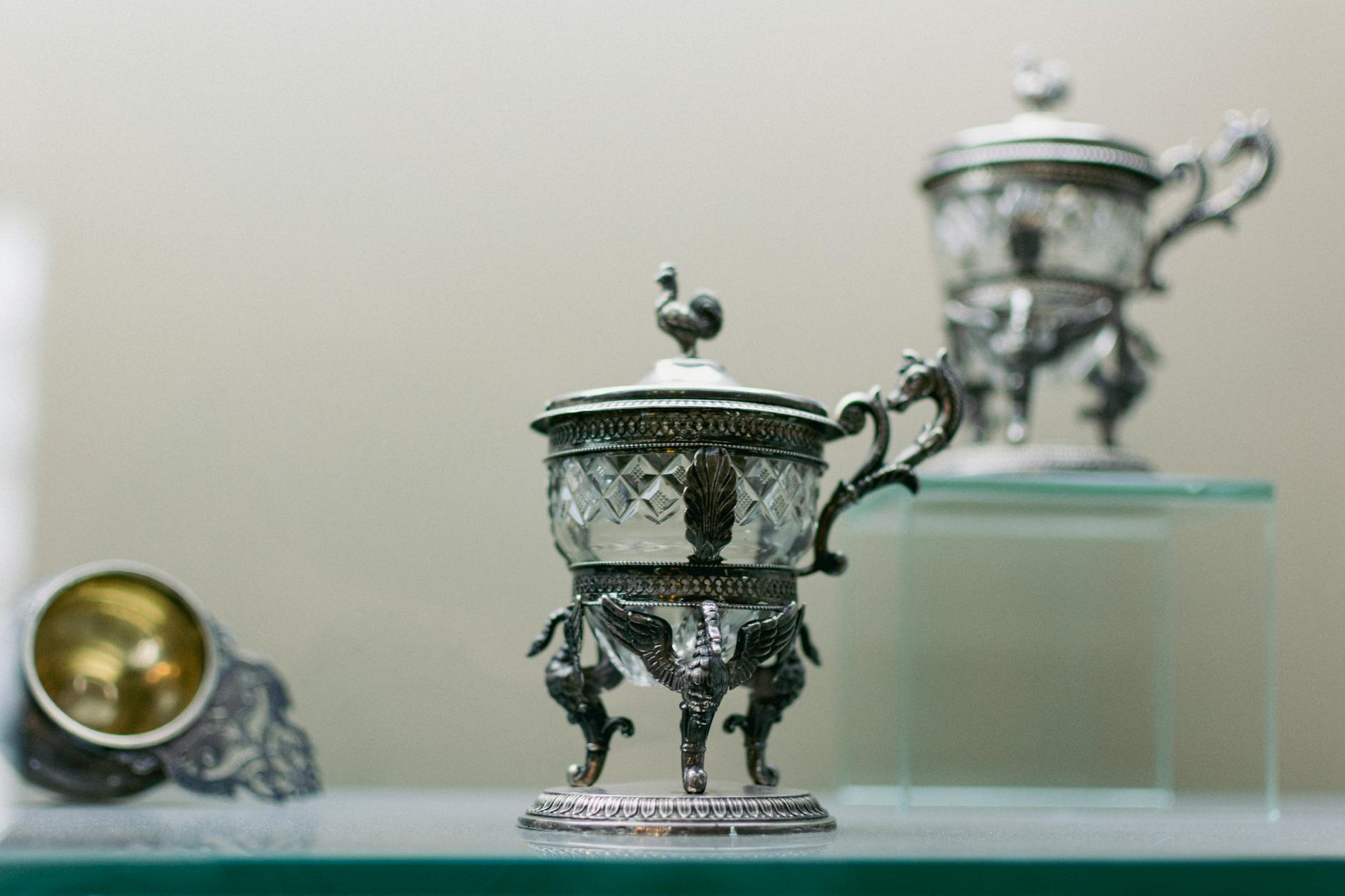
Beyond the famous eggs, the museum displays over 4,000 objects including cigarette cases, miniature portraits, and silver serving pieces that illustrate the intersection of art and functionality in Imperial Russia. When I examined the Rothschild Egg in the Blue Room, the guide explained how Fabergé employed 500 craftsmen across multiple workshops to meet aristocratic demand. The Fabergé Museum Foundation notes that many pieces returned to Russia after decades in foreign private collections, reuniting works that had been dispersed after the 1917 Revolution.
The palace itself deserves attention, with restored interiors featuring original parquet floors, gilded moldings, and crystal chandeliers that contextualize the luxury goods on display. Located near Gostiny Dvor metro station, the museum sits along one of Saint Petersburg's most picturesque canals. I noticed that weekday mornings between 10 AM and noon offer the quietest viewing conditions, particularly important given the small display cases that can become crowded when tour groups arrive.
Academy of Fine Arts Research Museum: Hidden Architectural Treasures
The Research Museum at the Imperial Academy of Fine Arts remains one of Saint Petersburg's least-known art destinations despite housing significant collections of plaster casts, architectural models, and student works spanning three centuries. Located on Universitetskaya Embankment directly across from the Kunstkamera, this museum charges only 300 rubles for admission and opens Tuesday through Sunday from 11 AM to 7 PM. The circular exhibition hall under the museum's distinctive dome can be toured in under an hour, while the architectural models room rewards another 90 minutes of careful examination.
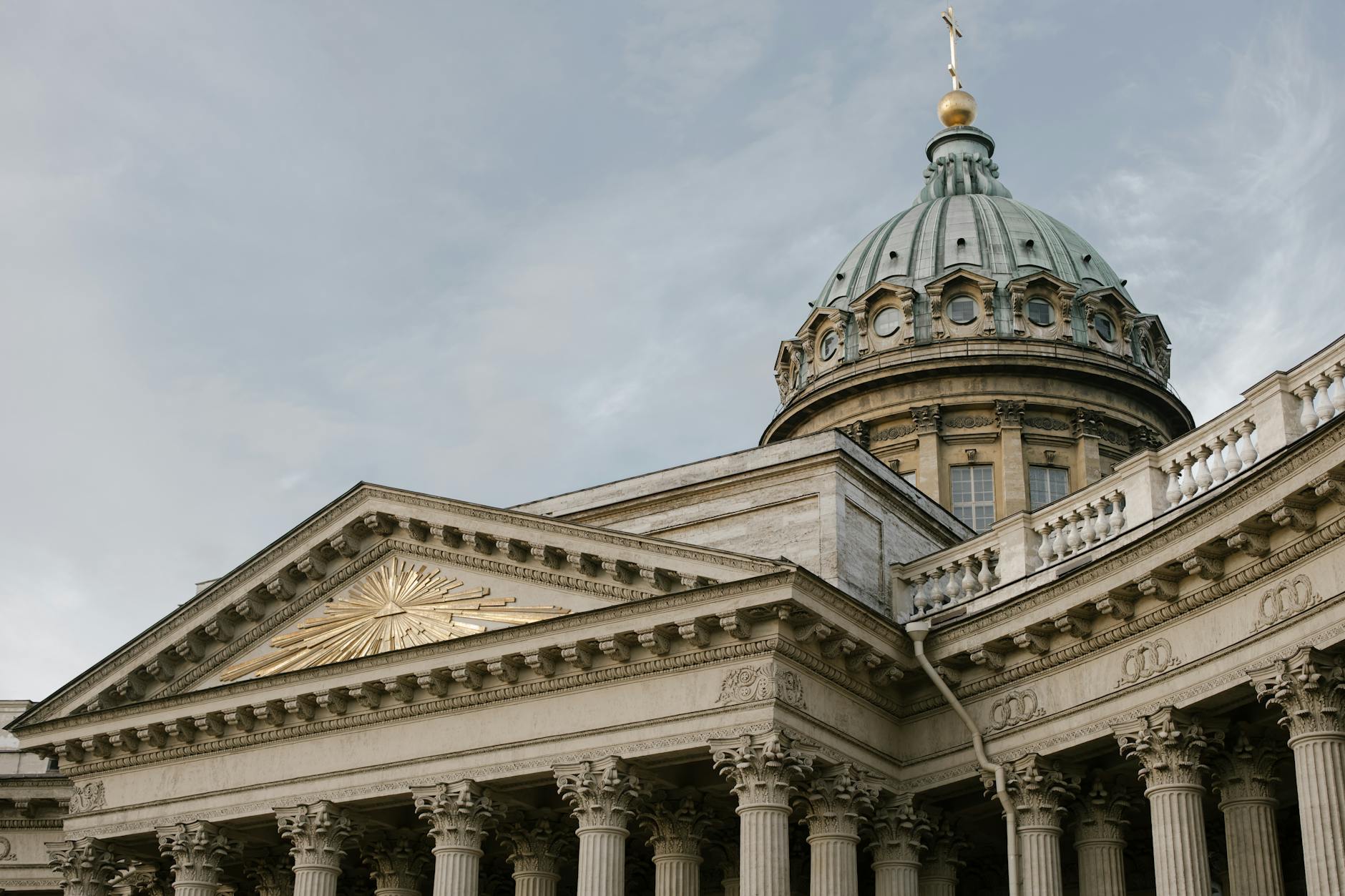
The plaster cast collection includes full-scale reproductions of classical sculptures that Russian art students studied for generations, creating a concentrated survey of Western sculptural tradition from ancient Greece through the Renaissance. We discovered that many casts preserve details lost on weathered originals now housed in European museums. The architectural models section displays intricate proposals for buildings across the Russian Empire, including unrealized designs for Saint Isaac's Cathedral and the Smolny Cathedral that reveal alternative visions for Saint Petersburg's skyline.
Reaching the Academy requires taking the metro to Vasileostrovskaya station, then walking 15 minutes east along the embankment toward the Neva's main channel. The museum sees few international tourists, and staff members often speak limited English, but printed descriptions in English accompany major displays. Saint Petersburg State Academic Institute of Painting, Sculpture and Architecture maintains the collection as a teaching resource, giving it an authentically academic atmosphere absent from more tourist-oriented institutions.
Marble Palace: European Sculpture and Russian Portraiture
The Marble Palace functions as a branch of the Russian Museum, specializing in 18th and 19th-century sculpture alongside portrait paintings of Russian nobility. Built between 1768 and 1785 for Count Grigory Orlov, the palace takes its name from the 32 varieties of marble used in its construction. A combined ticket with the main Russian Museum costs 800 rubles and grants same-day access to both locations. The palace's three exhibition floors can be thoroughly explored in two hours, making it an efficient addition to any art-focused itinerary.
The Marble Hall on the ground floor showcases neoclassical sculpture by Antonio Canova and his Russian contemporaries, while upper floors display portraits by Dmitry Levitzky and Vladimir Borovikovsky that defined aristocratic visual identity during Catherine the Great's reign. On my afternoon visit, I spent 40 minutes in the portrait galleries studying how Russian artists adapted Western European techniques to local aesthetic preferences, creating a distinctive style that balanced French elegance with Byzantine formality. The palace's relatively compact size prevents the exhaustion that often accompanies visits to Saint Petersburg's larger institutions.
Located at 5/1 Millionnaya Street near the Field of Mars, the Marble Palace sits within a ten-minute walk from both the Hermitage and the Church of the Savior on Spilled Blood. The nearest metro station, Nevsky Prospekt, lies 15 minutes away on foot along the Moika River embankment. The palace includes a small café on the ground floor serving coffee and pastries for 200-350 rubles, useful for visitors combining multiple museum stops into a single day.