Historic Green Retreat in Russia's Northern Capital
Yelagin Island (Елагин остров) stands as one of Saint Petersburg's most serene natural spaces, occupying approximately 96 hectares at the point where the Neva River splits into three channels. Connected to the mainland by three bridges, this island hosts the Central Park of Culture and Leisure named after S.M. Kirov, commonly known as Kirov Central Park. The park opened to the public in 1932 following the transformation of what had been an imperial estate into a recreational space for residents and visitors.
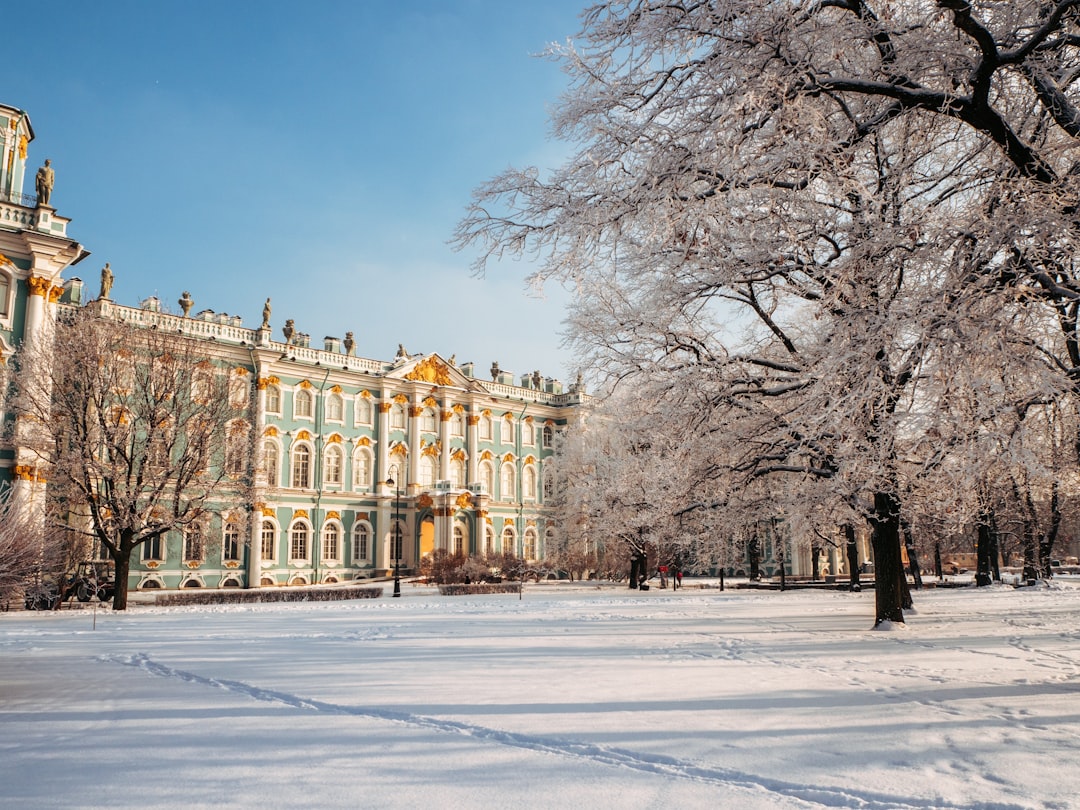
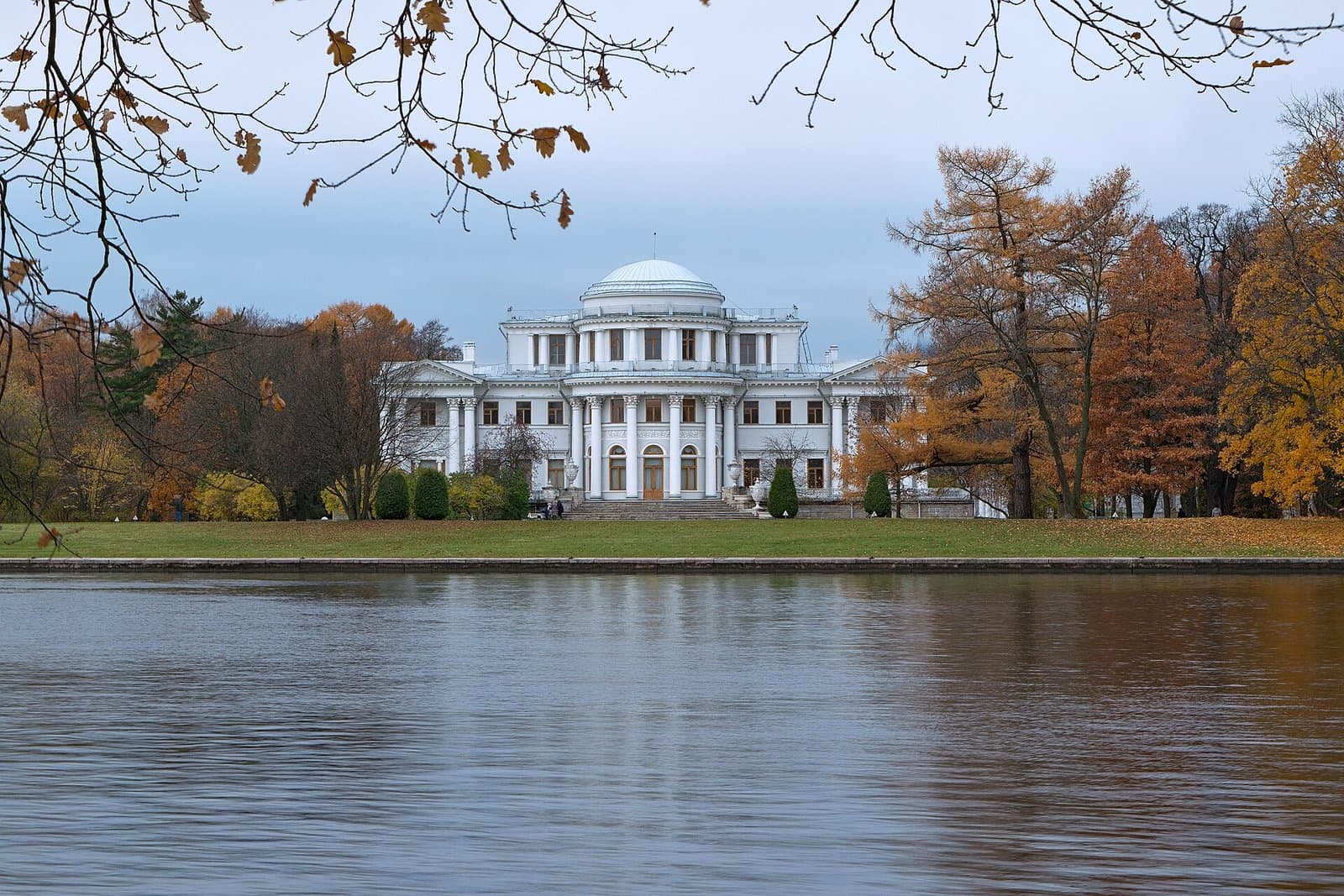
The island's centerpiece remains the neoclassical Yelagin Palace, designed by architect Carlo Rossi between 1818 and 1822 for Empress Maria Feodorovna, mother of Alexander I. The palace underwent extensive restoration after suffering damage during World War II and now operates as a museum displaying period interiors and hosting cultural exhibitions. Visitors can explore the ornate halls decorated with parquet floors, silk wall coverings, and furniture that reflects early 19th-century aristocratic life in the Russian Empire.
Reaching Yelagin Island requires taking the Saint Petersburg Metro to Krestovsky Ostrov station on Line 5 (purple line), followed by a 15-minute walk north through residential areas. Alternatively, Staraya Derevnya station — also on Line 5 (purple line) — provides access via a slightly longer route. Several bus routes also serve the area, stopping near the main entrance on the southern side of the island. The park grounds are open daily year-round from 06:00 to 23:00, with entry not permitted between 23:00 and 06:00; during the White Nights season from late May through early July the long, bright evenings make the waterfront especially popular.
What Can Visitors Do at Kirov Central Park?
Kirov Central Park offers diverse recreational activities across its extensive grounds. Walking and cycling paths wind through wooded areas and along waterfront promenades, providing views of the Bolshaya Nevka and Srednaya Nevka river channels. The park maintains designated zones for picnicking, sports activities, and children's playgrounds. During summer months, visitors can rent boats and bicycles at stations near the main pathways, though specific rental prices vary by season.
The park's landscape design preserves much of the original 19th-century layout, featuring English-style gardens with meandering paths, open lawns, and carefully maintained tree groves. Several species of deciduous and coniferous trees create shaded areas during warm months, while the relatively flat terrain makes the island accessible for visitors with mobility considerations. Wooden piers extend into the water at various points, offering spots for fishing or simply observing river traffic passing along the Neva's northern channels.
Cultural programming includes open-air concerts, theatrical performances, and seasonal festivals held on designated stages throughout the park. The Music Pavilion near the palace hosts chamber music performances during summer weekends. Winter transforms the landscape into a venue for cross-country skiing, ice skating on prepared rinks, and traditional Russian winter celebrations. The park administration organizes events for major holidays including New Year, Maslenitsa (Pancake Week), and Victory Day on May 9.
Sports enthusiasts find facilities for tennis, volleyball, and table tennis scattered across the grounds. A roller skating rink operates during warmer months, while dedicated paths accommodate inline skating and skateboarding. The park's relatively isolated location away from central tourist districts creates a more local atmosphere, where Saint Petersburg residents outnumber international visitors on typical weekdays.
How Much Does Visiting Yelagin Island Cost?
Entry to Kirov Central Park is free on weekdays (06:00–23:00), but on weekends and public holidays the park charges admission during the daytime (roughly 10:00 to 20:00): around 150–200 ₽ for adults and 50 ₽ for schoolchildren and students. Even on those days you can still enter free of charge before 10:00 or after 20:00, and concession categories — children under 7, pensioners and others — enter free at any time. The Yelagin Palace museum requires separate paid admission, with ticket prices varying for adults, students, and children; the museum is open Wednesday 13:00–21:00, Tuesday and Thursday–Sunday 10:00–18:30, and closed on Mondays. Current rates and hours can be verified through the official Yelagin Palace website.
Additional costs apply for specific activities within the park. Boat rentals typically operate from May through September, with hourly rates depending on vessel type. Bicycle rentals follow similar seasonal availability, with deposit requirements and identification needed for equipment checkout. Sports facility usage, including tennis courts and equipment rental, involves separate fees collected at individual service points throughout the grounds.
Guided tours of Yelagin Palace are available in Russian and can sometimes be arranged in English with advance notice. These tours provide detailed historical context about the Rossi interiors, the imperial family's use of the estate, and the building's restoration following wartime damage. Photography policies inside the palace typically require an additional fee beyond the basic admission ticket, though rules may change seasonally.
| Service | Approximate Cost Range | Notes |
|---|---|---|
| Park Entry (weekdays) | Free | 06:00–23:00 |
| Park Entry (weekends/holidays) | ~150–200 ₽ adults · 50 ₽ students | Daytime only; free before 10:00 or after 20:00; concessions free |
| Yelagin Palace Museum | Paid admission | Wed 13:00–21:00; Tue, Thu–Sun 10:00–18:30; Mon closed |
| Boat Rental | Seasonal rates apply | May-September typically |
| Bicycle Rental | Hourly rates | Deposit required |
| Sports Courts | Per hour booking | Equipment rental separate |
Short-term rentals in Saint Petersburg
Лофт у реки Мойки
8 000 ₽ per night · ≈ $94 · ★ 4.82
3 nights · 24 000 ₽ total · ≈ $281
See optionsat the Bank of Russia rate on 09.10.2026 · powered by tutkakdoma
Architectural and Historical Significance
Carlo Rossi's design for Yelagin Palace represents a masterpiece of Russian neoclassicism, featuring a central rotunda with Corinthian columns and symmetrical wings extending east and west. The palace facade overlooks formal gardens descending toward the water, while the northern side faces the broader park landscape. Interior spaces include the Oval Hall with its distinctive ceiling paintings, the Porcelain Room displaying Russian Imperial Porcelain Factory pieces, and the Dining Room with mahogany furniture and period table settings.
Before Rossi's reconstruction, the island belonged to court official Ivan Yelagin, whose surname the island retains. Earlier still, the land served as a hunting ground for Russian nobility. The transformation into a public park during the Soviet period reflected broader policies of converting aristocratic estates into recreational spaces for workers. Despite this ideological shift, restoration efforts preserved the palace's imperial character rather than imposing Soviet architectural modifications.
The park's layout incorporates elements from various periods. The Orangery, located west of the palace, dates to the early estate period and originally housed exotic plants during harsh winters. The Music Pavilion represents 1930s Soviet park architecture, constructed specifically for public entertainment purposes. Several small pavilions and gazebos scattered throughout the grounds date to different decades, creating an architectural timeline spanning two centuries.
World War II left significant damage across the island. The palace suffered from artillery fire and occupation-related destruction, requiring decades of restoration work. The park's tree cover was severely depleted, necessitating extensive replanting programs that continued into the 1950s. Archival photographs and plans guided restoration efforts, though some original features remained impossible to recreate exactly. The palace reopened as a museum in 1987 after comprehensive interior restoration.
Seasonal Experiences Throughout the Year
Summer brings peak visitor numbers to Yelagin Island, particularly during June's White Nights when extended daylight hours allow park enjoyment until nearly midnight. The waterfront promenades become popular spots for watching the sunset over the Neva channels, while open-air cafes operate near the main pathways. The palace gardens display flowering plants and maintained lawns that contrast with the wilder wooded sections deeper into the island.
Two signature events anchor the park's 2026 calendar. The Tulip Festival, the park's biggest spring celebration, is dedicated in 2026 to the 250th anniversary of architect Carlo Rossi and the 300th anniversary of Ivan Yelagin; it runs across the weekends of 17–18 and 24–25 May, when the formal gardens fill with tens of thousands of blooms. Park entry is charged on those festival weekends, and bicycles and scooters are generally not permitted. In summer, the Elagin Park International Street Theatre Festival (24–26 July 2026) brings more than 15 companies and over 100 open-air performances to a dozen stages across the island.
Autumn transforms the park into a showcase of changing foliage, with birch, oak, and maple trees creating golden and red canopies along the walking paths. September and early October offer comfortable temperatures for extended walks before winter weather arrives. The reduced tourist presence during autumn months makes this season appealing for visitors seeking quieter experiences. Photography opportunities increase as morning mist often rises from the river channels, creating atmospheric conditions around the palace and waterfront areas.
Winter activities include cross-country skiing on groomed trails that wind through snow-covered forests. Ice fishing enthusiasts sometimes gather on frozen sections of the smaller ponds, though safety conditions must be verified before venturing onto any ice. The palace exterior takes on a different character against snow, and winter photography captures the neoclassical architecture in stark contrast to the white landscape. Maslenitsa celebrations in late February or early March feature traditional Russian winter festival activities including pancake vendors, folk performances, and the ceremonial burning of a straw effigy.
Spring arrives gradually in Saint Petersburg, with ice breakup on the Neva typically occurring in April. The park experiences muddy conditions during the thaw period, making some paths less accessible until ground conditions improve. By May, new growth appears on trees and early flowers emerge in the formal gardens near the palace. Migratory birds return to the island's waterways, making this season particularly interesting for birdwatching enthusiasts. Spring also marks the beginning of the outdoor concert season and the reopening of seasonal rental facilities.
Connecting Yelagin Island to Your Saint Petersburg Itinerary
Most international visitors prioritize central Saint Petersburg attractions like the Hermitage Museum on Palace Square, the Church of the Savior on Spilled Blood along Nevsky Prospekt, and the Peter and Paul Fortress across the Neva. Yelagin Island offers a contrasting experience, trading architectural density and museum crowds for natural landscapes and recreational space. Allocating half a day to the island works well for travelers seeking balance between cultural sites and outdoor relaxation.
The island's location on the northern edge of the city center means it pairs logically with other northern attractions. The nearby Primorsky Victory Park lies just west across the Bolshaya Nevka, accessible via a short walk or bus ride. The Krestovsky Stadium (Gazprom Arena), located on neighboring Krestovsky Island to the south, hosts football matches and major events. Visitors attending stadium events can easily incorporate Yelagin Island into the same day's itinerary.
Transportation planning should account for the 30-40 minute journey from central hotels near Nevsky Prospekt to Yelagin Island. The metro journey requires one or two transfers depending on starting location, followed by the walking portion. Travelers with limited time might consider whether the island's offerings justify the transportation investment compared to more centrally located parks like the Summer Garden near the Russian Museum or Alexander Garden adjacent to the Admiralty.
Pass holders can use the included metro rides for reaching the island without additional ticket purchases.
Practical Tips for Visiting
Comfortable walking shoes are essential given the park's size and the distance from metro stations to the main attractions. The paths include paved sections near the palace and main entrances, but many routes feature packed earth or gravel surfaces that become uneven in places. Weather-appropriate clothing matters year-round, as the island's waterfront location exposes visitors to winds coming off the Neva channels. Summer visitors should bring sun protection for extended outdoor time, while winter requires proper cold-weather gear including insulated footwear.
Food and beverage options within the park include seasonal cafes and kiosks near high-traffic areas, though selection and availability vary significantly between summer and winter months. Bringing snacks and water makes sense for extended visits, particularly when traveling with children. Designated picnic areas allow visitors to eat their own food, and benches are distributed throughout the grounds. The nearest full-service restaurants and grocery stores are located back toward the metro stations in the surrounding residential neighborhoods.
Photography restrictions apply inside Yelagin Palace, where flash photography can damage historical interiors and artifacts. The palace administration posts current rules at the entrance, and additional fees typically apply for photography permits. Exterior photography of the palace and grounds faces no restrictions, making the park excellent for landscape and architectural photography. The waterfront areas provide particularly good sunrise and sunset opportunities, though morning light requires very early arrival during summer's extended daylight hours.
Visitors should note that English signage remains limited compared to central tourist areas. The palace museum offers some English explanatory materials, but most interpretive signs throughout the park appear only in Russian. Translation apps prove helpful for reading historical markers and facility information. Staff at rental facilities and cafes typically speak basic English, though communication sometimes requires patience and gestures. The relative absence of international tourists means the island provides an authentic local experience rather than a heavily curated tourist environment.
Cover photo: YaroslavPS / Wikimedia Commons, CC BY-SA 4.0
Read also: Neighbouring Krestovsky Island is all about rides: Divo Ostrov amusement park — prices, hours and how to get there.