How to reach Oreshek Fortress from central Saint Petersburg?
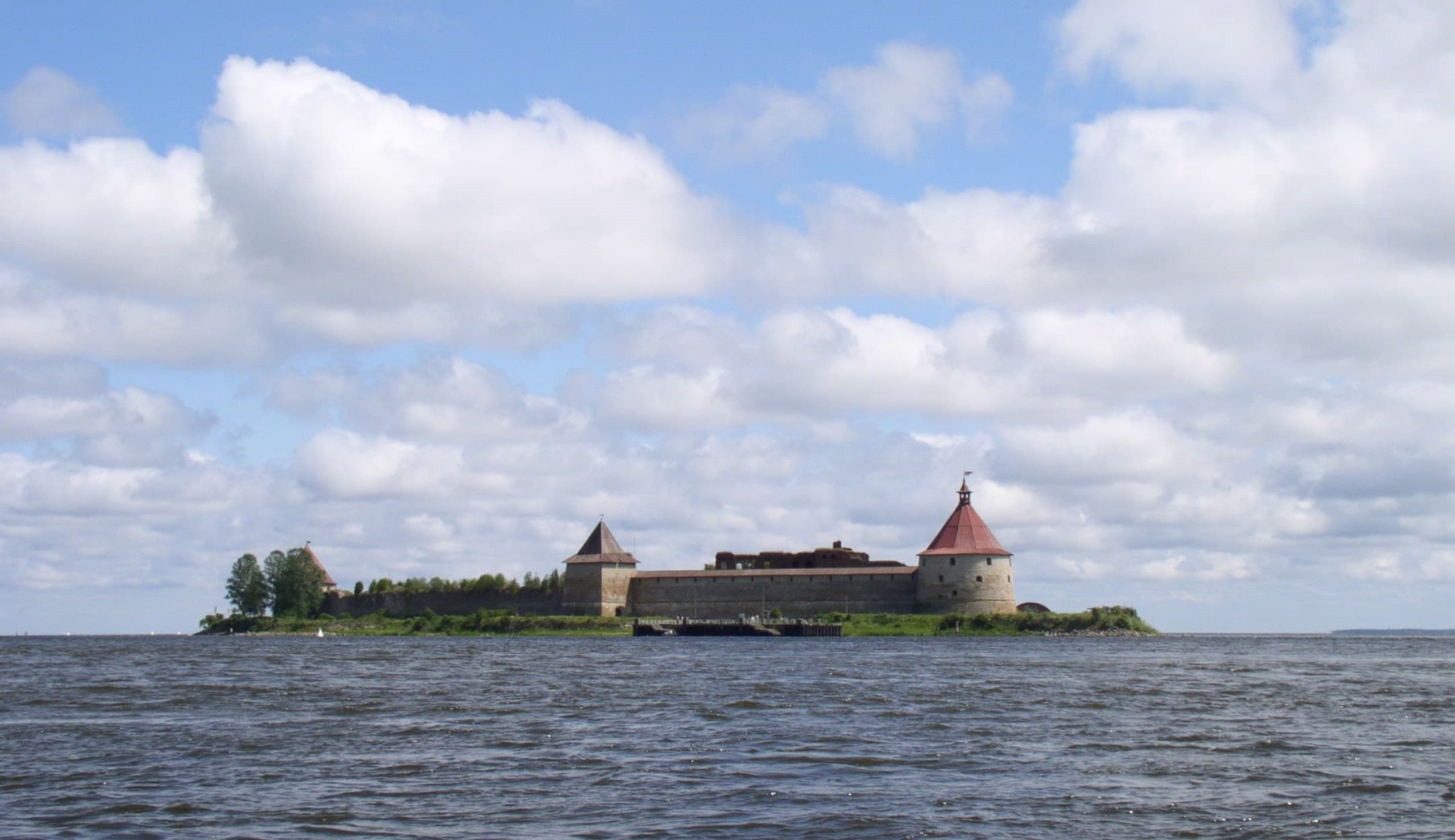
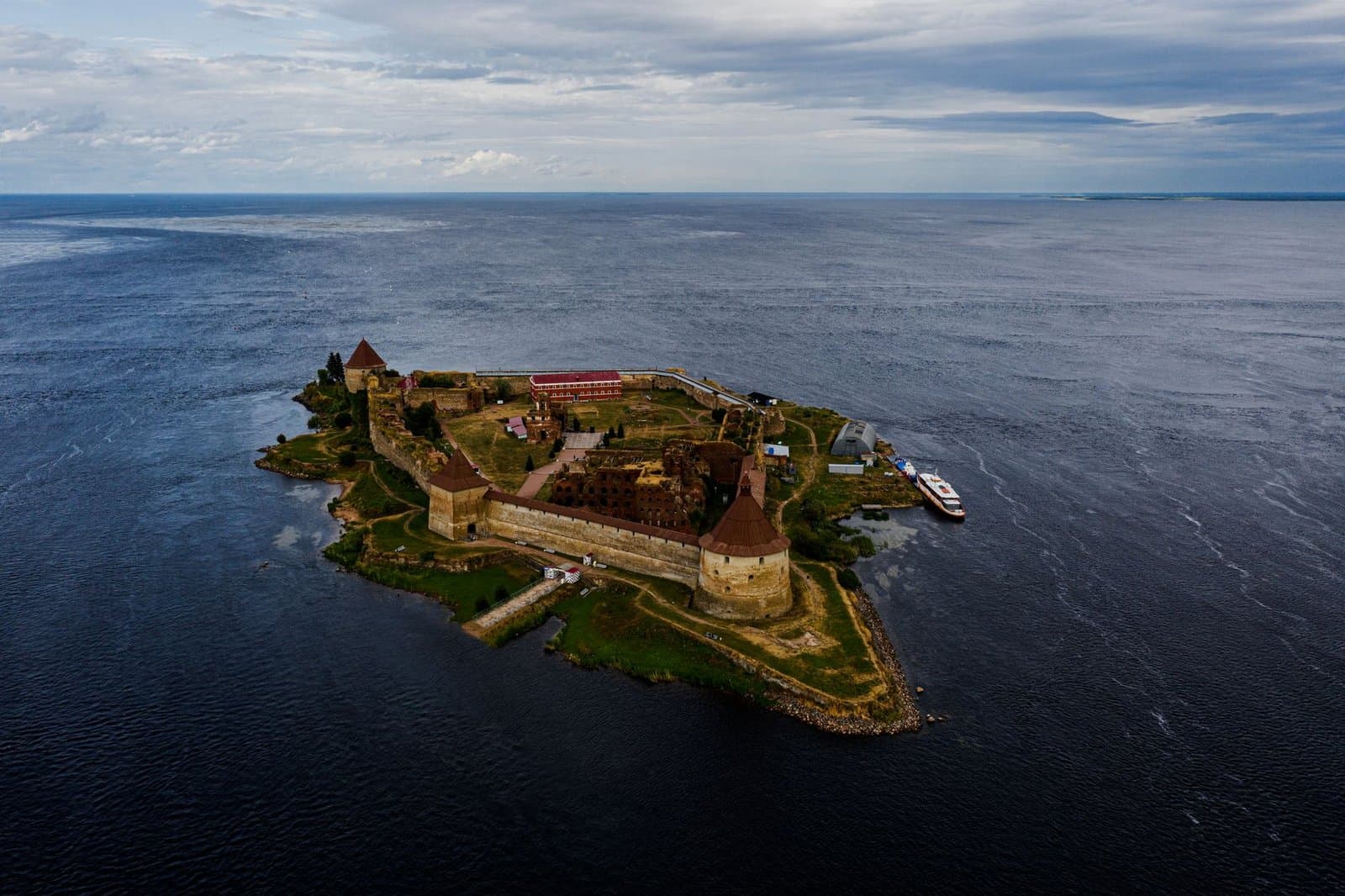
Oreshek Fortress sits on Orekhovy Island in the Neva River near the town of Shlisselburg, approximately 50 kilometers east of Saint Petersburg. Visitors typically reach the fortress by combining public transport with a short ferry crossing. The journey begins at Ladozhsky railway station, where suburban trains (elektrichka) depart for Petrokrepost station (also called Shlisselburg), taking approximately 1 hour 10 minutes.
From Petrokrepost railway station, the passenger boat landing to Orekhovy Island is located right next to the station. The ferry operates a 10-minute crossing to the fortress during the navigation season, which runs from May 1 through October 31 when the Neva remains ice-free. During winter months, the fortress remains closed to visitors as ice conditions make boat access impossible and the site undergoes seasonal maintenance. Transport routes and schedules can change, so travelers should check current schedules before the trip.
Organized tour groups often depart from central Saint Petersburg locations, providing direct coach transport and pre-arranged boat transfers. Independent travelers should allocate approximately 90 minutes each way for the complete journey from central districts like Nevsky Prospekt, accounting for metro travel, train connections, and the ferry crossing. Early morning departures allow sufficient time to explore the fortress grounds before return boats cease operation in late afternoon.
Historical significance of the Neva River stronghold
Founded in 1323 by Grand Prince Yury Danilovich of Moscow, Oreshek Fortress controlled the strategic outlet where the Neva River flows from Lake Ladoga toward the Gulf of Finland. The original wooden fortification was replaced with stone walls in the late 14th century, creating a defensive structure that witnessed centuries of conflict between Swedish and Russian forces. The fortress changed hands multiple times during the Ingrian Wars and the Great Northern War before Peter the Great permanently secured it for Russia in 1702.
The fortress earned its most somber historical reputation as a political prison during the Imperial Russian period. The isolated island location made escape virtually impossible, leading authorities to incarcerate prominent political prisoners within its walls. Notable detainees included members of the Decembrist movement following the 1825 uprising, as well as the older brother of Vladimir Lenin, Alexander Ulyanov, who was executed here in 1887 for his involvement in a plot against Tsar Alexander III.
During World War II, a small Soviet garrison defended Oreshek Fortress throughout the 500-day Siege of Leningrad, preventing German forces from completely encircling the city and severing the Road of Life supply route across frozen Lake Ladoga. The fortress sustained extensive artillery damage during this period, with many structures reduced to ruins. This defensive stand earned the fortress recognition as a site of military valor, and post-war restoration efforts have preserved both medieval fortifications and wartime damage as historical testimony.
What remains standing inside the fortress walls?
The fortress perimeter consists of stone walls punctuated by six towers, with the Old Tower (Gosudareva Tower) being the most intact medieval structure. Visitors can walk sections of the defensive walls to observe the Neva's currents and distant views of Shlisselburg town. The walls themselves display centuries of architectural modifications, with original 14th-century stonework visible alongside 16th-century reinforcements and 20th-century repairs following wartime destruction.
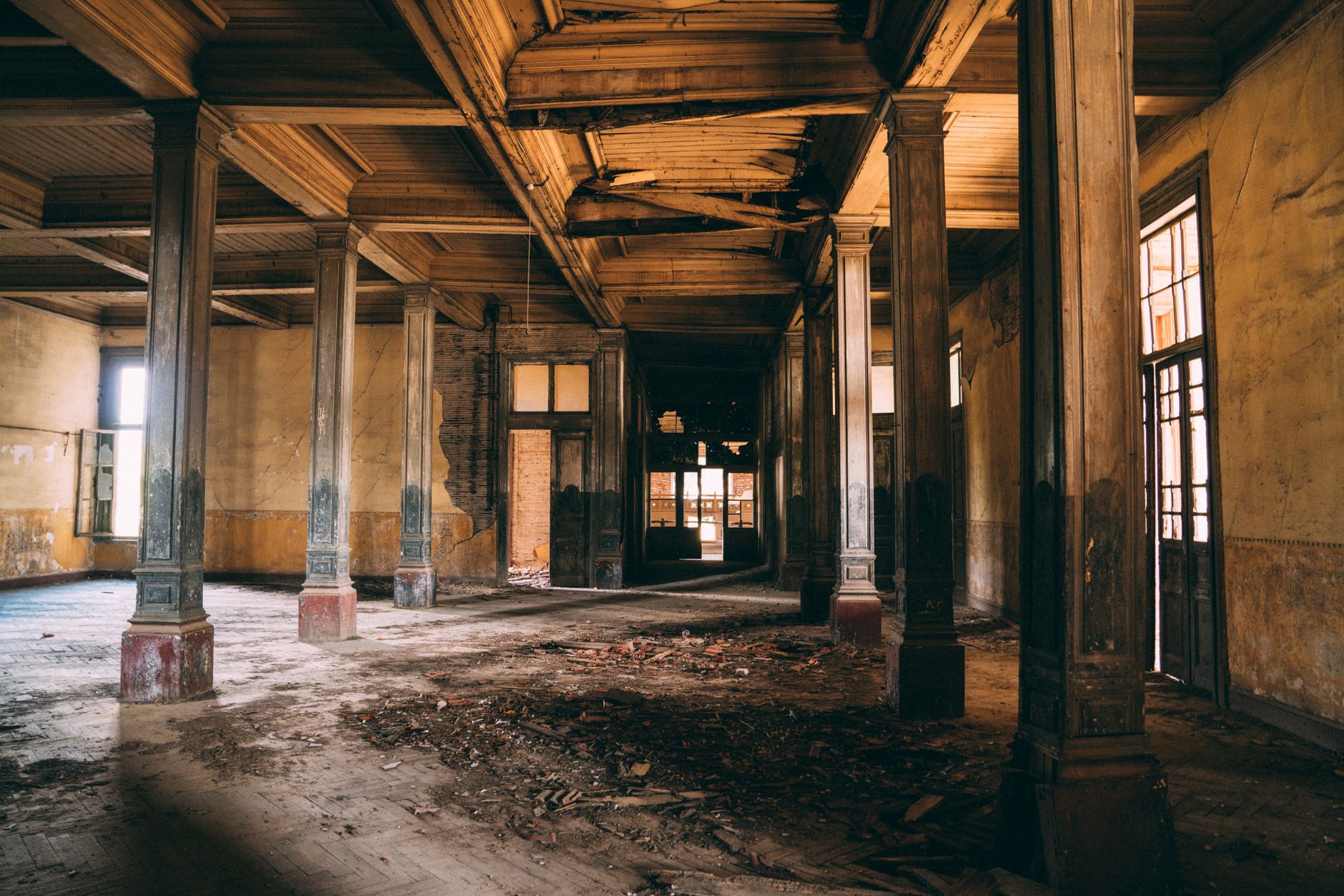
Inside the fortress grounds, the most prominent structure is the ruined Cathedral of St. John the Baptist, originally constructed in the 1550s. Artillery bombardment during World War II left only the cathedral's outer walls and fragments of its interior standing. The ruins have been stabilized but deliberately left unrestored to serve as a memorial to the siege. Nearby, the former prison building has been partially restored and now houses museum exhibitions documenting the fortress's role as a detention facility.
Archaeological excavations continue to uncover artifacts from different historical periods, with some findings displayed in small exhibition spaces within the fortress. Information plaques throughout the grounds provide historical context in Russian and English. The fortress museum operates under the administration of the State Museum of the History of Saint Petersburg, which maintains the site and organizes educational programs about the fortress's military and penal history.
Planning your visit: practical information and timing
Oreshek Fortress opens to visitors from May 1 through October 31, with exact dates dependent on weather conditions and Neva River ice formation. The ferry schedule varies by month: in May and September–October the ferry runs on weekdays until about 16:00–17:00 and on weekends until about 17:00–18:00; in June–August on weekdays until about 17:15 and weekends until about 18:15. The schedule is weather-dependent and should be confirmed on the official museum site before traveling, as weather conditions can affect boat operations even during the official season.
The ferry costs about 300–350 rubles round-trip, and admission to the fortress grounds is about 300 rubles, with tickets purchased at the island upon arrival. Separate fees apply for optional guided tours in Russian. Foreign visitors may find English-language information limited to printed materials and signage. The terrain consists of uneven stone pathways, grass, and gravel surfaces, making comfortable walking shoes essential. The exposed island location offers minimal shade, so sun protection is advisable during summer visits, while spring and autumn weather can be unpredictable with sudden rain or wind.
A thorough exploration of the fortress grounds typically requires two to three hours, allowing time to walk the walls, examine the cathedral ruins, visit the museum exhibitions, and read historical information throughout the site. No food vendors operate on the island, so visitors should bring water and snacks. Shlisselburg town offers basic dining options near the embarkation point for those wishing to eat before or after the fortress visit.