Staraya Ladoga stands as one of Russia's oldest settlements, located approximately 120 kilometers northeast of Saint Petersburg along the Volkhov River. This historic village served as a strategic trading post during the Viking Age and later became the first seat of Rurik, the legendary founder of Russia's first ruling dynasty. The site offers travelers a rare glimpse into medieval Russian history through its well-preserved fortress, ancient stone churches, and archaeological remains dating back to the 8th century.
The journey from Saint Petersburg takes roughly two hours by car or organized tour bus, making it feasible as a full-day excursion. Unlike the more crowded palace complexes near the city, Staraya Ladoga provides an intimate historical experience with fewer tourists. The village sits within a landscape of rolling hills and river views that have remained largely unchanged for centuries, offering photographers and history enthusiasts an authentic setting far removed from urban Saint Petersburg.
Visitors can explore the stone fortress with its towers overlooking the Volkhov River, walk through churches containing frescoes from the 12th century, and visit museums displaying Viking-era artifacts excavated from the surrounding area. The compact size of the historical zone allows most travelers to cover the main sites within four to five hours, leaving time for lunch at a local café before returning to Saint Petersburg in the evening.
The Staraya Ladoga Fortress: Medieval Architecture on the Volkhov
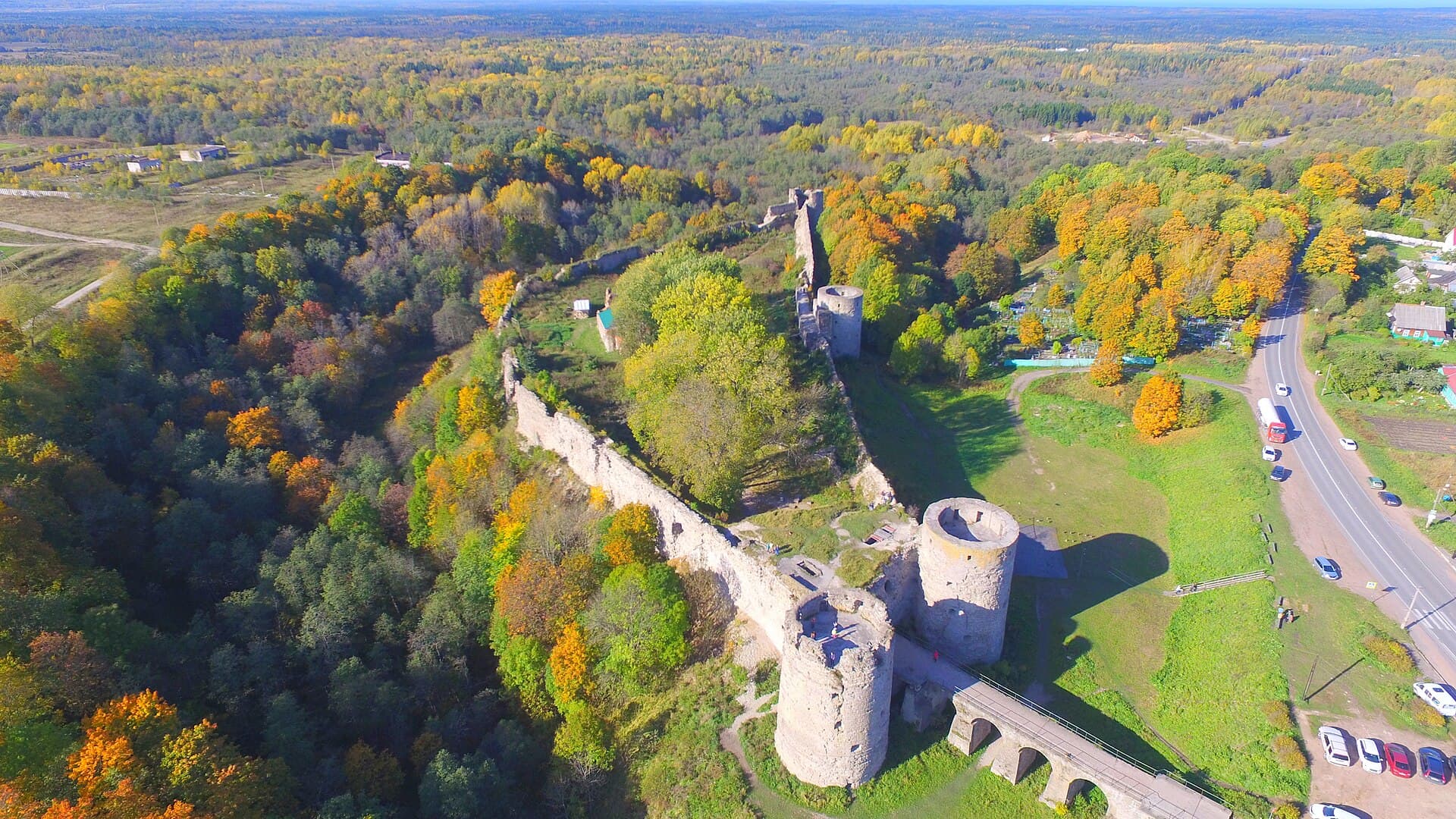
The Staraya Ladoga Fortress dominates the village landscape with its white stone walls and towers rising above the Volkhov River. Originally constructed in wood during the 9th century, the fortress was rebuilt in stone during the 12th century and underwent significant renovations in the 15th and 16th centuries. The current structure features five towers connected by defensive walls that enclose approximately two hectares, creating a pentagonal layout adapted to the natural terrain along the riverbank.
The Klimenskaya Tower and Vorotnaya Tower remain the most intact structures, allowing visitors to climb interior staircases for panoramic views across the river valley and surrounding countryside. Archaeological excavations within the fortress grounds have uncovered foundations of earlier wooden fortifications, pottery fragments, and metalwork that demonstrate continuous occupation from the Viking Age through the medieval period. The fortress museum displays these findings alongside historical documents and reconstructions of defensive techniques used during various sieges.
Walking along the fortress walls provides perspective on the strategic importance of this location, where the Volkhov River served as a vital trade route connecting the Baltic Sea to the Byzantine Empire via the Dnieper River system. The fortress grounds remain open year-round, though visitors should check the official Staraya Ladoga Museum website for current opening hours and any seasonal closures affecting tower access. The site typically operates from 10:00 to 18:00 during summer months, with reduced hours in winter.
Ancient Churches: 12th-Century Frescoes and Stone Architecture
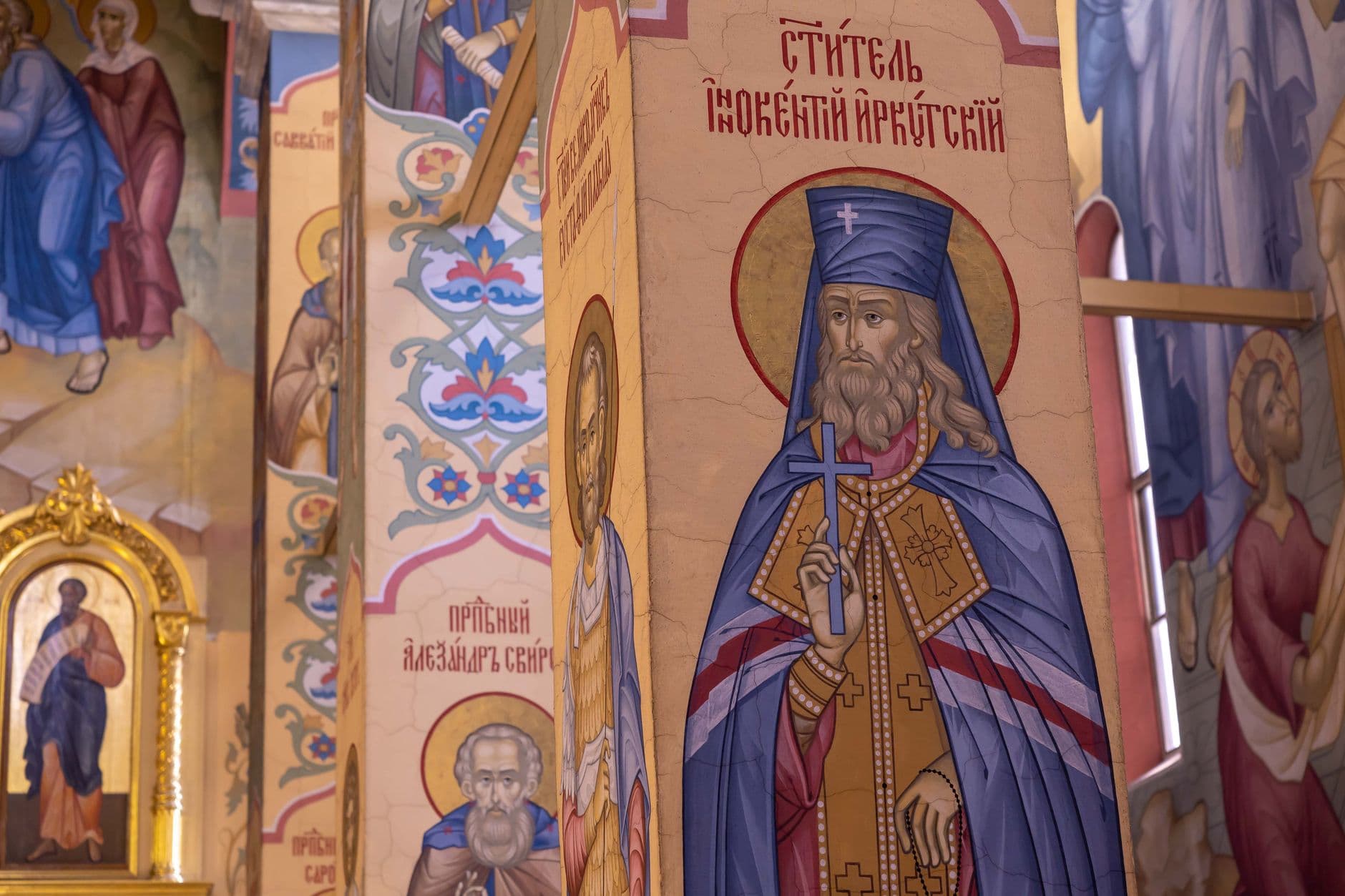
The Church of St. George (Georgievskaya Tserkov) stands within the fortress walls as one of Russia's oldest stone churches, constructed in the 1160s during the reign of Novgorod princes. The interior preserves fragments of original frescoes depicting biblical scenes and saints, painted in the Byzantine style characteristic of pre-Mongol Russian art. These frescoes represent some of the earliest surviving examples of monumental painting in northwestern Russia, predating many works found in Novgorod itself. Note that the church and its frescoes are open to visitors roughly May to October, weather permitting, and close during cold and damp months for conservation; confirm current access on the museum site.
The Church of the Assumption (Uspenskaya Tserkov), located in the Assumption Monastery complex approximately one kilometer from the fortress, dates to the 12th century with significant reconstruction in the 17th century. This monastery served as a convent for noble women, including several members of the Rurik dynasty who took monastic vows here. The church's simple white stone exterior and single dome exemplify the austere architectural style favored in medieval Novgorod territories, contrasting sharply with the ornate baroque churches built in Saint Petersburg centuries later.
The Church of St. John the Baptist (Ioanna Predtechi), positioned on Malyshevy Hill overlooking the village, offers another example of 12th-century stone construction. Its elevated location provided both spiritual symbolism and practical defensive advantages during medieval conflicts. Visitors can arrange guided tours through the museum administration to access church interiors and learn detailed histories of the frescoes and architectural modifications made across different centuries. Photography inside churches may be restricted to preserve the delicate frescoes from light damage.
at the Bank of Russia rate on 08.10.2026 · powered by tutkakdoma
How to Reach Staraya Ladoga from Saint Petersburg?
Reaching Staraya Ladoga requires planning, as direct public transport options are limited. The most straightforward method involves organized day tours departing from Saint Petersburg, which typically include round-trip transportation, guided tours of the fortress and churches, and sometimes lunch. These tours depart from central meeting points near Nevsky Prospekt or major hotels, with departure times around 09:00 and return by 18:00 or 19:00.
Independent travelers can drive via the M18 highway (also known as the Kola Highway) heading northeast from Saint Petersburg toward Murmansk, exiting after approximately 100 kilometers to follow regional roads to Staraya Ladoga. The total driving time ranges from two to two and a half hours depending on traffic conditions leaving the city. Rental car services operate throughout Saint Petersburg, with major international agencies located at Pulkovo Airport and downtown offices near Moskovsky Railway Station.
Public transport requires multiple connections: take a suburban train from Moscow Station (Moskovsky Vokzal) to Volkhovstroy-1 station, then transfer to a local bus or taxi for the remaining 15 kilometers to Staraya Ladoga. This route takes approximately three to four hours one way and requires checking current schedules, as bus frequencies to the village may be limited, particularly on weekdays. The return journey demands careful timing to catch connecting trains back to Saint Petersburg before evening.
A well-planned day trip should prioritize the fortress complex first, arriving by mid-morning to avoid any afternoon tour groups. Allocate 90 minutes to two hours for walking the fortress walls, climbing accessible towers, and touring the museum exhibition spaces. The Church of St. George within the fortress deserves at least 30 minutes to properly view the frescoes, ideally with a guide who can explain the iconographic program and historical context of the paintings.
After the fortress, walk to the Assumption Monastery complex, which takes approximately 15 minutes on foot through the village. This monastery includes the Church of the Assumption and a small museum dedicated to the lives of noble women who resided here. The peaceful monastery grounds offer a contemplative atmosphere distinct from the military character of the fortress. Budget 45 minutes to one hour for this site, including time to photograph the exterior architecture and surrounding landscape.
Complete the historical circuit by visiting the Archaeological Museum located in the village center, which displays artifacts from excavations conducted throughout the 20th and 21st centuries. Collections include Viking-era weapons, Byzantine coins, jewelry, and everyday objects that illustrate trade connections spanning from Scandinavia to Constantinople. The museum operates with similar hours to the fortress, typically 10:00 to 17:00 or 18:00 depending on season. Allow 45 minutes for this museum before finding lunch at one of the village's small restaurants serving traditional Russian cuisine.
Practical Information for Day Trippers
Staraya Ladoga offers limited dining options compared to Saint Petersburg, with two or three cafés and restaurants serving visitors. These establishments typically offer Russian staples such as borscht, pelmeni, and blini, with meal prices ranging from budget to moderate levels. Bringing snacks and water from Saint Petersburg provides backup options, particularly during weekdays when some village restaurants may have reduced hours or close entirely.
Weather considerations affect the visiting experience significantly. Summer months from June through August provide the longest daylight hours and warmest temperatures, making fortress wall walks and outdoor exploration most comfortable. Spring and autumn bring unpredictable weather, with possible rain requiring waterproof clothing and sturdy footwear for walking on uneven stone surfaces and dirt paths. Winter visits offer dramatic snow-covered landscapes but require warm clothing and awareness that some tower staircases may be closed due to ice hazards.
Entry fees for the fortress and churches remain modest compared to Saint Petersburg's major museums, though exact prices vary by season and may be subject to change. Visitors should check the official Staraya Ladoga Museum website for current admission costs and any combined ticket options covering multiple sites. Cash payment is standard, as card acceptance in the village may be limited. ATMs are scarce, so withdrawing sufficient rubles before leaving Saint Petersburg is advisable.
Historical Significance and Archaeological Discoveries
Staraya Ladoga's importance in Russian history stems from its position as a gateway between Scandinavia and the interior of Eastern Europe during the Viking Age. Archaeological evidence confirms settlement by the mid-8th century, with material culture showing strong Scandinavian influences alongside Slavic and Finno-Ugric elements. The site served as a staging point for Varangian traders and warriors traveling the river routes that connected the Baltic to the Black Sea and Caspian Sea, facilitating trade in furs, amber, slaves, and silver.
The Primary Chronicle, Russia's earliest historical text, identifies Ladoga as the location where Rurik first established his rule in 862 CE before moving to Novgorod. While modern historians debate the precise details of this narrative, archaeological findings support Staraya Ladoga's role as a significant power center during the 9th and 10th centuries. Excavations have revealed layers of occupation showing the transition from a multi-ethnic trading settlement to a Russian princely town integrated into the Novgorod principality.
Ongoing archaeological work continues to uncover new evidence about daily life, trade networks, and cultural interactions in medieval Staraya Ladoga. The State Hermitage Museum in Saint Petersburg holds many artifacts excavated from the site, including jewelry, weapons, and household items that illustrate the material wealth generated through long-distance trade. These connections make Staraya Ladoga an essential complement to understanding the Viking and medieval collections displayed in Saint Petersburg's major museums.
Planning Your Visit: Timing and Tour Options
The optimal time for a Staraya Ladoga day trip falls between May and September, when longer daylight hours and milder weather facilitate outdoor exploration of the fortress and churches. July and August attract the highest number of Russian domestic tourists, particularly on weekends, which may result in more crowded conditions at the main sites. Visiting on weekdays during shoulder seasons (May, June, September) often provides a quieter experience with better opportunities for photography and contemplation.
Tour operators in Saint Petersburg offer various day-trip packages to Staraya Ladoga, ranging from basic transportation-only services to comprehensive guided experiences including meals and entrance fees. These tours typically accommodate groups of 15 to 30 participants in coach buses, with Russian and English language guide options available. Booking through established Saint Petersburg tour companies ensures reliable transportation and knowledgeable guides familiar with the historical significance of each site.
Independent travelers should allocate a full day for the excursion, departing Saint Petersburg by 08:00 or 09:00 to maximize time at the destination. The compact nature of Staraya Ladoga's historical zone means that even a half-day visit covers the essential sites, but allowing extra time provides flexibility for unexpected discoveries, longer museum visits, or simply enjoying the riverside setting. Combining Staraya Ladoga with other Leningrad Oblast destinations such as the Tikhvin Monastery requires an overnight stay, as travel times exceed what is practical for a single-day itinerary from Saint Petersburg.
Site
Approximate Visit Duration
Key Features
Staraya Ladoga Fortress
90-120 minutes
Stone walls, towers with river views, archaeological museum
Church of St. George
30-45 minutes
12th-century frescoes, Byzantine-style interior
Assumption Monastery
45-60 minutes
Church of the Assumption, monastery grounds, historical exhibits
Archaeological Museum
45-60 minutes
Viking-era artifacts, coins, weapons, trade goods
Church of St. John
20-30 minutes
Hilltop location, panoramic views, medieval stone architecture