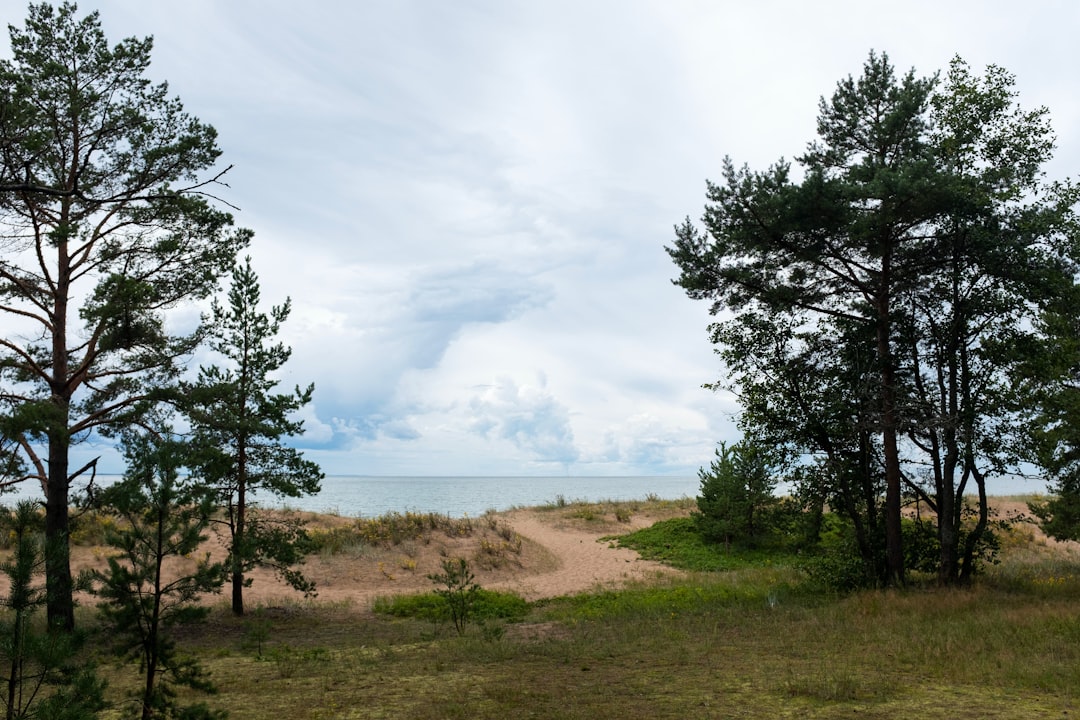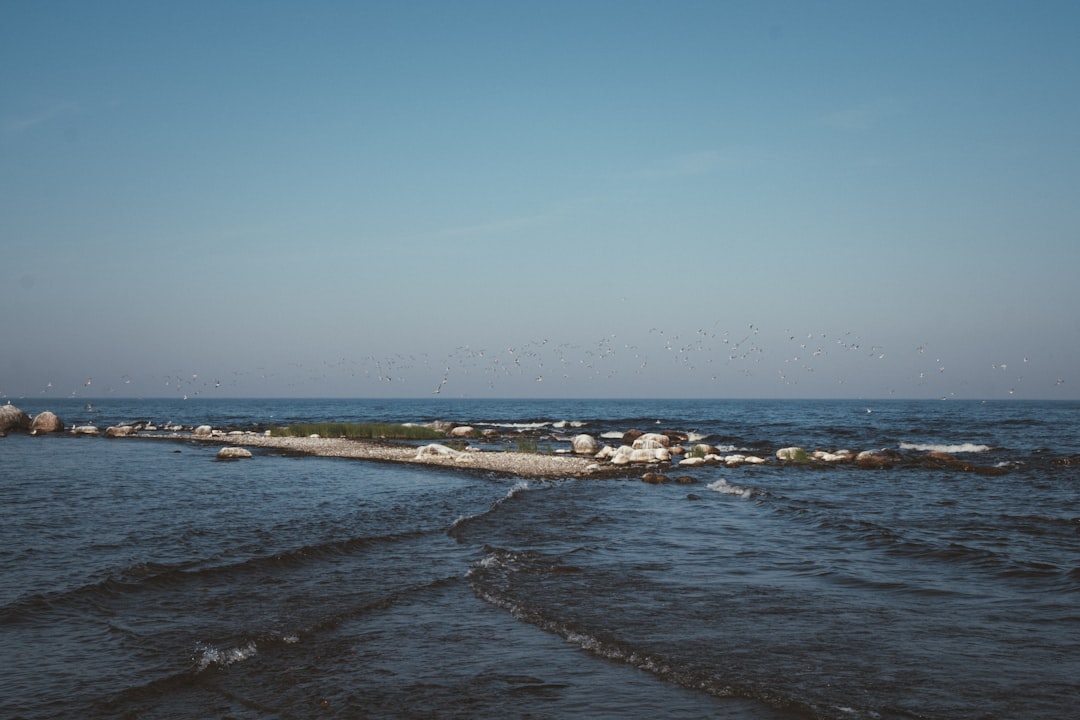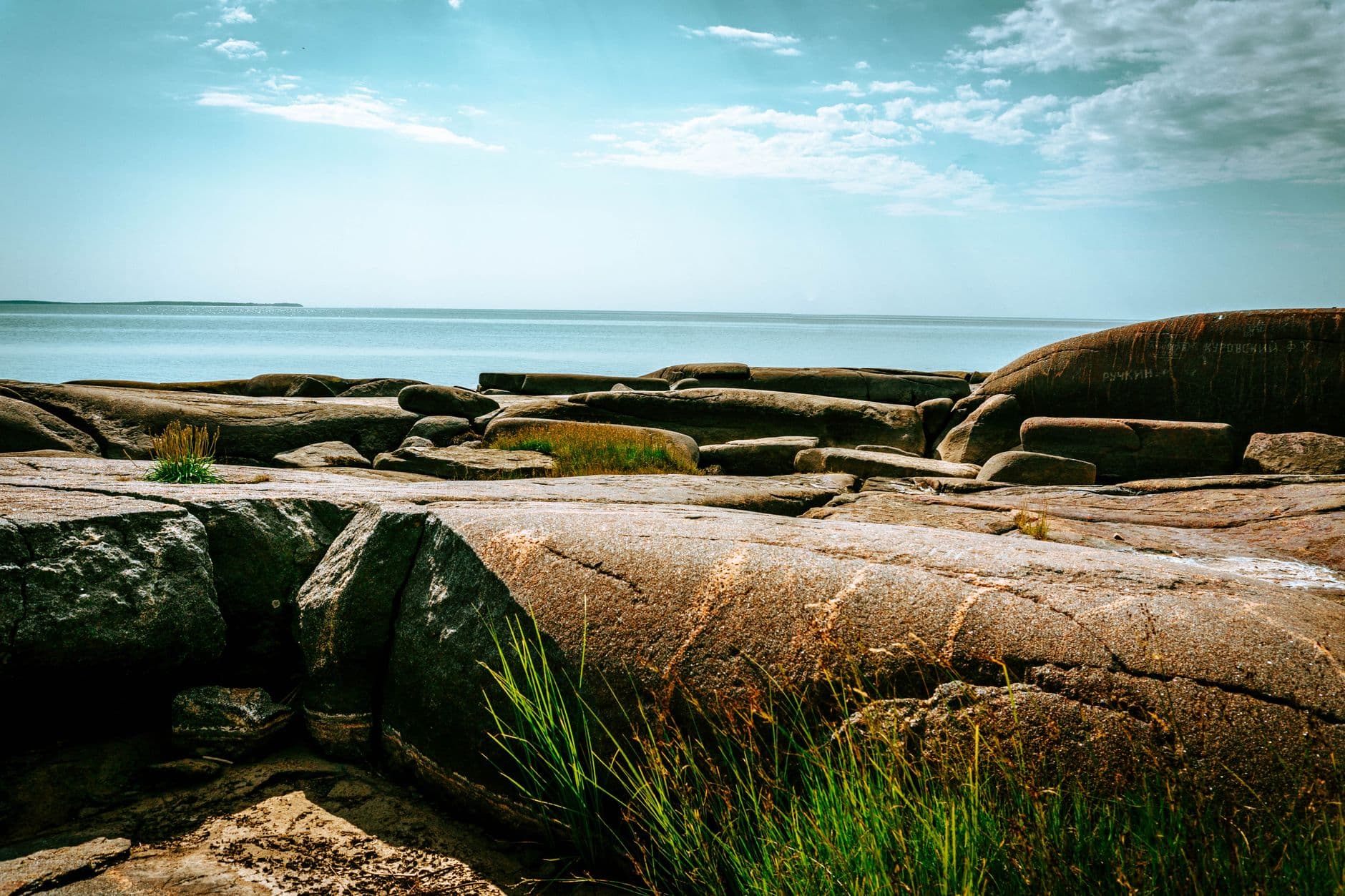
Most visitors know Sestroretsk as a beach, and in July that is fair enough. But the town is a forty-minute train ride from the centre and has enough behind the dunes to fill a day in any season — a lake with a revolutionary hiding place, an oak park planted on Peter the Great's orders, and the remains of the armaments works the town was built around.
How to get there
Suburban trains leave Finlyandsky station for Sestroretsk roughly every thirty minutes through the day, and the journey takes under an hour. The town is about 35 kilometres northwest of the centre, on the Gulf of Finland. If the beach is your main reason for going, our guide to the Gulf of Finland beaches covers the coast in detail, including which stretches are sandy and how the water behaves in summer.
Razliv and the hut
Lake Razliv sits just inland from the town, and it is the reason many Russians know the name. In the summer of 1917, Lenin hid here from the Provisional Government — first in a barn belonging to a local worker, then in a straw hut across the water. Both sites are museums today: the Barn and the Hut, a short distance apart, one reached on foot and the other more easily by boat or a walk around the shore.
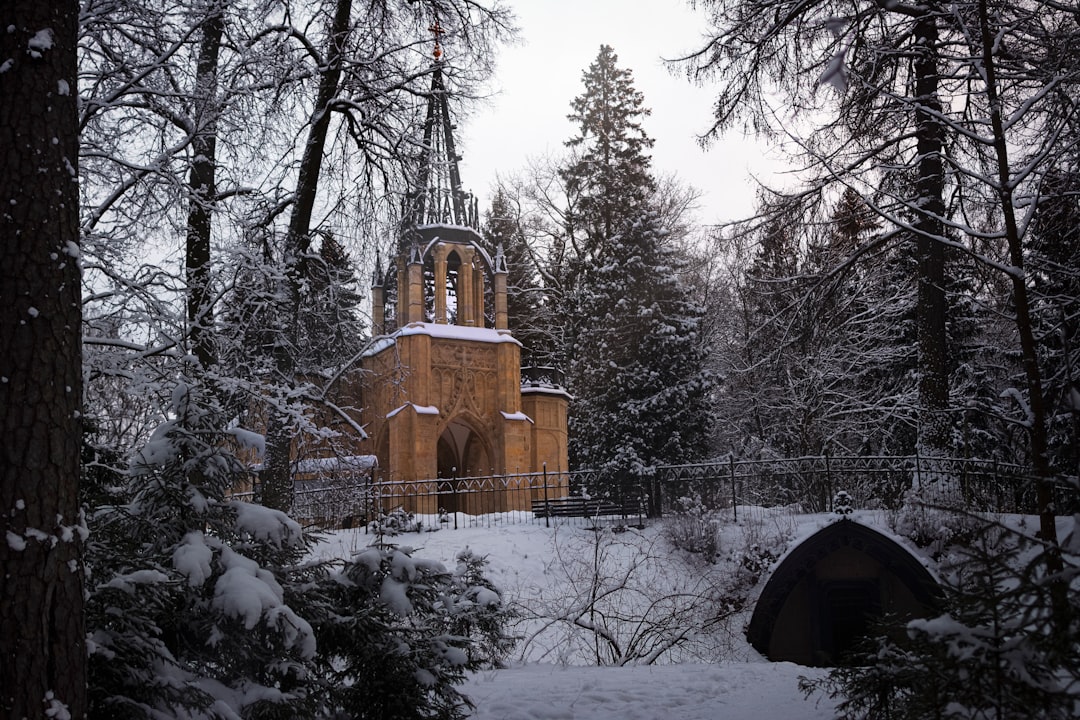
Whatever you make of the politics, the Hut is a strange and quiet place — a thatched shelter in a clearing, kept as a monument since the 1920s. The lake itself is pleasant walking country, and the museums are small enough to see both in a morning.
Dubki Park
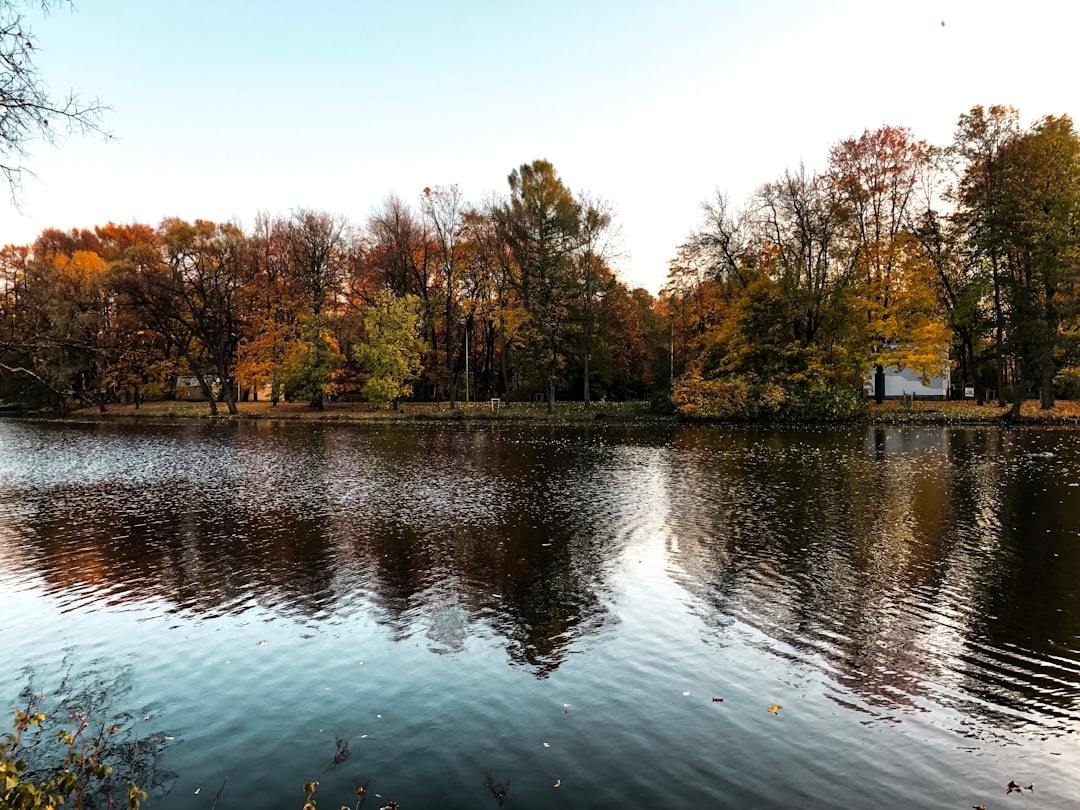
Dubki — the name means "little oaks" — is a headland park at the western edge of town, and it is the oldest thing in Sestroretsk. Peter the Great is said to have ordered oaks planted here for shipbuilding timber; some of the trees still standing date from that scheme. The park runs out onto a spit with water on three sides, which makes it a good walk when the beach is crowded or the weather has turned.
The factory that made the town
Sestroretsk exists because of its arms works, founded under Peter the Great in 1721 and powered by a dam on the Sestra river — the dam that created Lake Razliv in the first place. The factory made weapons for two centuries and gave the town its name and its street plan. Little of the original works survives, but the water system and the layout still tell the story if you know to look.
Sanatoriums and the resort coast
Sestroretsk became a resort in the late nineteenth century, when the railway made the coast reachable and the pine air was prescribed as a cure. The sanatorium tradition never really stopped: the Kurortny district north of the city is still lined with rest homes and spa hotels, several of them working establishments rather than museums. This is the quiet, year-round Sestroretsk — walking in pine woods, sea air in February, and very few other visitors.