What exactly is a Russian banya and how does it differ from a sauna?
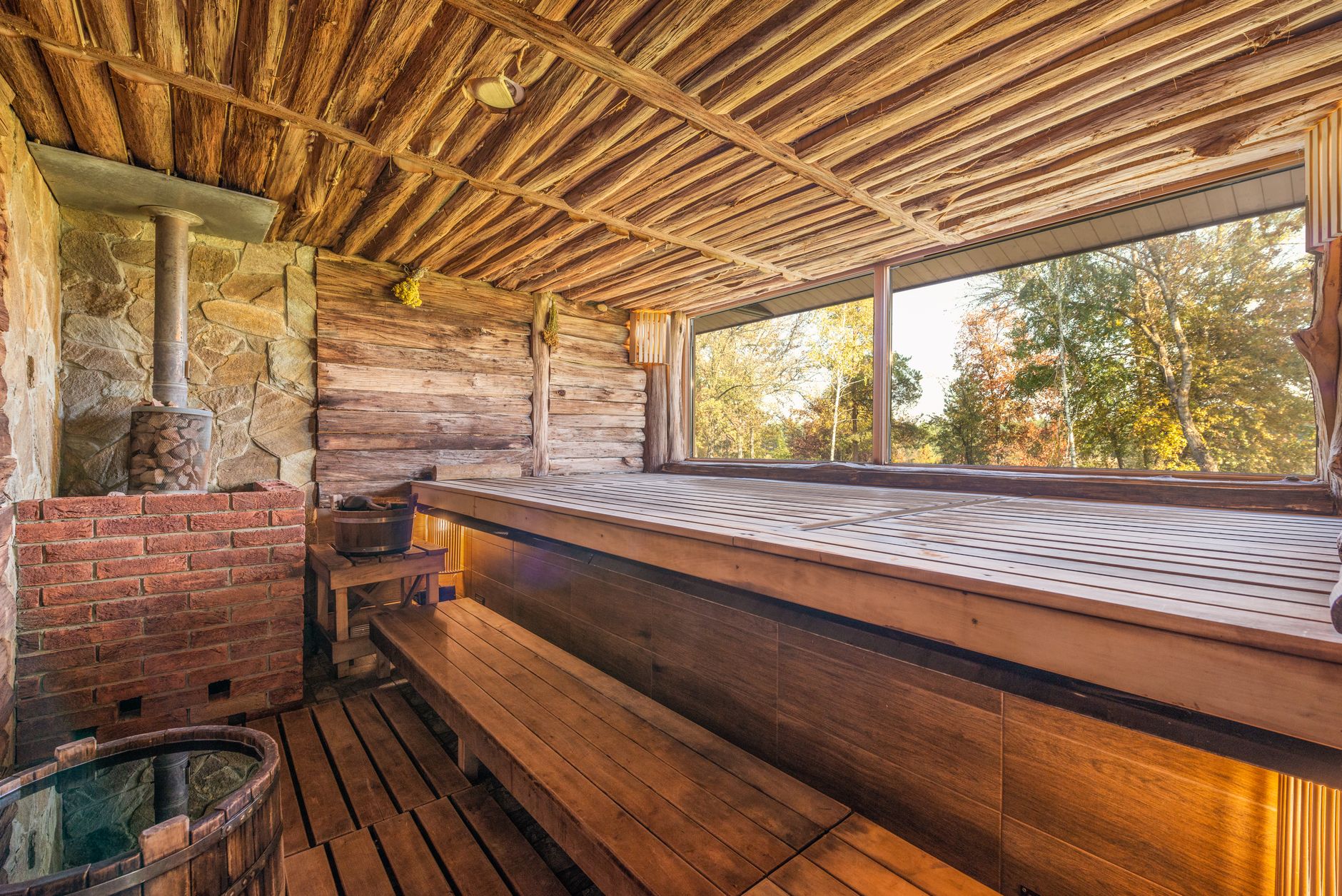
A Russian banya is a traditional steam bath where temperatures reach 60-90°C with humidity levels of 60-80%, creating an intense yet therapeutic environment. Unlike the dry heat of Finnish saunas, the banya experience centers on wet steam generated by pouring water (often infused with herbs) onto heated stones, combined with the ritual of venik massage using birch or oak branches.
Stepping into a banya for the first time, the wall of humid heat feels completely different from any Finnish-style sauna. The practice dates back over a thousand years in Russian culture, serving not just as hygiene but as social ritual and folk medicine. Banya has been an important part of Russian culture for centuries and remains one of the country's best-known wellness traditions, valued for community bonding as much as physical wellbeing.
The banya ritual typically involves multiple cycles: entering the steam room (parilka) for 5-15 minutes, cooling down with cold water or outdoor air, resting, then repeating. Between sessions, Russians drink tea, kvass, or beer while socializing in common areas. This cyclical approach differs fundamentally from the single-session approach common in Western spa culture, making the experience both physically demanding and socially enriching.
Where can first-time visitors find authentic banya experiences in Saint Petersburg?
Saint Petersburg has dozens of public and private banyas, with Degtyarnye Bani (near Vladimirskaya metro station), Kruglye Bani (on Karavannaya Street), and Yamskiye Bani among the most accessible for tourists. Public banya admission typically runs 1,000-2,500 rubles for a few hours, depending on the facility, day of the week, and services included, while private cabins generally start around 5,000-15,000 rubles per session depending on group size and amenities. Prices change fairly often, so treat these as a rough starting point rather than a fixed rate — see our Saint Petersburg etiquette and tipping guide for broader money-handling norms.
Degtyarnye Bani is a popular choice for its proximity to Nevsky Prospekt and its reputation among locals for maintaining traditional standards. The facility, operating since 1882, features separate floors for men and women in the public sections, plus private cabins for mixed groups. Several of the city's historic banyas retain original 19th-century architectural features, including vaulted ceilings and decorative tilework, worth noticing between steam sessions.
For absolute beginners, Kruglye Bani on Karavannaya Street is a reasonable starting point — some staff may be able to communicate in English, although this shouldn't be expected, and the atmosphere is generally more tourist-friendly without sacrificing authenticity. Opening hours vary by day and season, so check ahead rather than assuming a fixed schedule; the facility rents veniks, sheets, and felt hats, and includes multiple temperature zones so newcomers can acclimate gradually rather than facing the most intense heat immediately.
Private banyas like Banya na Fontanke cater specifically to tourists who prefer guided experiences. These establishments often include English instructions, pre-arranged venik treatments, and traditional tea service. While pricier — roughly in the same range as other private cabins — they reduce the intimidation factor for visitors unfamiliar with banya etiquette and the Russian language.
What should you bring and wear to your first banya session?
Essential items include a towel or sheet (prostynya), flip-flops or rubber slippers, and a felt hat (valenok) to protect your head from extreme heat. Most banyas rent these items for 100-300 rubles each if you arrive unprepared, but bringing your own ensures better hygiene and comfort throughout the session.
The dress code in Russian banyas is strictly gender-segregated in public areas: men and women bathe completely nude in their respective sections. In the changing area, modesty concerns quickly become less of a focus as everyone settles into the ritual rather than paying attention to bodies. Private cabins allow mixed groups to set their own standards, with most people wearing swimsuits or wrapping in sheets.
Jewelry should be removed before entering the steam room, as metal becomes painfully hot within minutes — watches, rings, and necklaces are best left in the locker. It's also worth avoiding glass bottles in wet areas, since most banyas provide plastic containers for beverages instead. Contact lenses can become uncomfortable in the intense humidity, so glasses-wearers should plan accordingly.
Purchase or rent a venik (birch or oak branch bundle) at the entrance — expect to pay somewhat more than older guides quote, roughly 400-900 rubles depending on the facility. This essential tool serves multiple purposes: improving circulation, exfoliating skin, and releasing aromatic oils when soaked and used in the steam. First-timers often skip this, but the venik massage defines the authentic banya experience and provides significant therapeutic benefits according to traditional Russian wellness practices.
at the Bank of Russia rate on 10.10.2026 · powered by tutkakdoma
How do you navigate the banya ritual without making cultural mistakes?
The basic cycle follows this pattern: shower thoroughly before entering the steam room, spend 5-10 minutes in the parilka, exit for a cold rinse or plunge, rest 10-15 minutes, then repeat 2-4 times total. This sequence is generally recommended and commonly followed, and skipping the initial shower or rushing through cycles may be considered poor etiquette in shared public sections.
First-timers sometimes make the mistake of sitting on the top bench immediately, where temperatures exceed 90°C. Regulars often suggest starting lower, on middle or lower benches where it's 10-15 degrees cooler, letting beginners acclimate gradually and avoid the dizziness and nausea that come from overestimating heat tolerance.
The venik technique requires specific preparation: soak the branches in hot water for 5-10 minutes until pliable, then gently pat (not beat) the skin in sweeping motions from feet toward heart. A professional banya attendant (banyshchik) typically demonstrates the proper technique, creating waves of hot air that intensify the steam effect. Tipping attendants 200-500 rubles for venik treatments is customary and appreciated.
Quiet conversation in rest areas is generally appreciated, rather than loud behavior. Russians tend to view banya as a meditative space rather than a party venue, so taking phone calls or playing music can disrupt the atmosphere and draw disapproving looks. The cooling-down period between steam sessions is generally for hydration, light snacks like dried fish or pickles, and calm discussion rather than rowdy entertainment.
What health considerations and safety rules apply to banya sessions?
Cardiovascular concerns top the safety list: anyone with heart conditions, high blood pressure, or recent surgery should consult doctors before attempting banya. The extreme temperature swings and intense sweating place significant stress on the circulatory system, making medical clearance essential for at-risk individuals.
Hydration becomes critical during extended sessions, as you can lose 2-3 liters of fluid through perspiration. Experienced banya-goers tend to drink herbal tea, mineral water, or kvass between cycles rather than alcohol, which dehydrates further and increases health risks. Most facilities sell beverages, but bringing your own water bottle saves money and ensures adequate intake throughout the 2-3 hour visit.
Time limits matter significantly for beginners: start with 5-7 minute steam room sessions rather than the 15-20 minutes veterans endure. Exit immediately if you experience dizziness, nausea, chest pain, or excessive lightheadedness. The cooling phase is not optional; it stabilizes body temperature and prevents heat exhaustion. Cold plunge pools, outdoor areas, or cool showers serve this essential function between heating cycles.
Pregnancy, acute infections, and open wounds are generally considered contraindications for banya use. Traditional Russian folk medicine has long recognized many of these limitations, and modern facilities post safety rules in changing areas — typically in Russian, so it's worth familiarizing yourself with the basic precautions before arrival. If you have any pre-existing health concerns, see our Saint Petersburg safety guide for broader practical advice on staying healthy during the trip.
What does a typical banya session cost and what is included?
Public banya entrance fees in Saint Petersburg typically range from 1,000-2,500 rubles for a few hours, with historic facilities like Degtyarnye Bani and Yamskiye Bani generally at the lower end and newer establishments charging premium rates. Private cabin rentals accommodate 4-8 people for roughly 5,000-15,000 rubles total, making group visits economical when split among participants. Prices shift over time and vary a lot by neighborhood and facility, so treat the figures below as a starting point rather than an exact quote — confirm the current rate when you book or arrive.
Facility Type
Typical Price Range
What's Usually Included
Rental Add-ons
Public Banya
1,000-2,500 RUB per visit
Steam room access, showers, lockers
Towel (~200-500 RUB), venik (~400-900 RUB), hat (~200-400 RUB)
Private Cabin
5,000-15,000 RUB per session
Steam room, rest area, tea service
Attendant service and extra time, priced on-site
Premium / Luxury Banya
Above private-cabin rates
All amenities, massage, food and drinks
Premium treatments, priced on-site
Rental items add up if you arrive unprepared — towels, sheets, felt hats, and veniks are each rented separately, generally in the ranges noted above. Bringing your own supplies can meaningfully cut the total cost of a visit, which matters most for budget travelers or anyone planning more than one banya trip. Some facilities require deposits for rented items, refunded upon return in good condition.
Professional banya attendant services (platza) typically run 1,000-3,000 rubles for a 30-45 minute session including expert venik massage and aromatherapy. While optional, this service can transform a basic banya visit into a genuinely therapeutic treatment, leaving muscles relaxed and skin glowing for days afterward.
Extended stays beyond the included 2-3 hours typically cost 300-500 rubles per additional hour. Evening and weekend slots command premium pricing, sometimes 20-30% higher than weekday morning rates. Booking private cabins in advance, especially for Friday and Saturday evenings, is essential as walk-in availability becomes scarce after 17:00.
How can visitors combine banya experiences with other Saint Petersburg activities?
Strategic planning allows you to incorporate banya visits into broader sightseeing itineraries without exhausting yourself. Morning banya sessions work well before museum visits, as the relaxation effect can enhance focus and reduce walking fatigue — Degtyarnye Bani, for instance, is a manageable walk from the Russian Museum on Arts Square, making an early banya-then-museum pairing easy to plan.
Yamskiye Bani sits close to Dostoevskogo metro station (Vladimirskaya line), Kruglye Bani is a short walk from Gostiny Dvor (at the intersection of the green and blue lines), and several smaller banyas cluster near Sennaya Ploshchad. This accessibility makes banya visits convenient additions to days focused on Nevsky Prospekt shopping or Mariinsky Theatre performances.
Evening banya sessions provide excellent recovery after intensive walking tours. After a full day exploring Peterhof's fountains and gardens, an evening banya session back in the city is a popular way to relieve muscle soreness and recover before the next day's activities. Many locals use banya specifically for this recuperative purpose rather than purely recreational bathing.
Combining banya with traditional Russian dining creates an authentic cultural experience. Facilities near Rubinstein Street (10 minutes from Degtyarnye Bani) offer restaurants serving post-banya favorites: salted fish, pickles, black bread, and herbal teas. This neighborhood concentration allows you to experience two quintessential Russian traditions in a single evening, maximizing cultural immersion during limited Saint Petersburg stays.