How big is the Planetarium No 1 dome, and does it hold a world record?

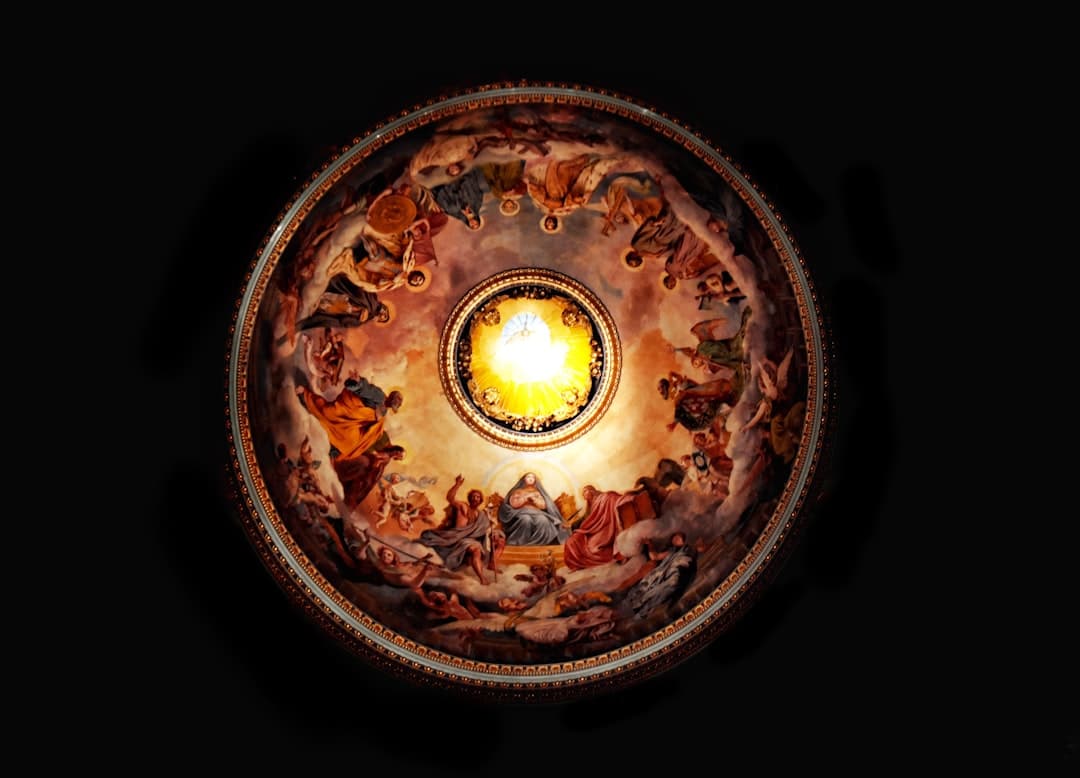
Planetarium No 1 in Saint Petersburg has the largest planetarium dome in the world — a projection dome 37 meters in diameter, around two meters wider than the Guinness-listed dome in Nagoya, Japan. It opened on 3 November 2017 inside a former gasholder of the 19th-century city gas works on the Obvodny Canal embankment. Its operators submitted applications to the Guinness Book of Records in 2019 (for the largest dome, highest resolution and brightest image); the dome's size is widely recognized as a world first.
The 37-metre dome of Planetarium No 1 in Saint Petersburg

The scale creates an immersive experience: visitors sit beneath a hemisphere of roughly 4,000 square meters onto which dozens of 8K projectors cast a combined image of around 100 million pixels, with no visible seams between projectors. The hall seats up to about 500 people, and on its busiest days the planetarium receives several thousand visitors. The effect is less like watching a screen and more like being suspended in deep space.

The dome doubles as a venue beyond astronomy shows: the round brick gasholder hosts full-dome films, lectures, and music and light concerts projected across the whole ceiling. That blend of 19th-century industrial architecture and one of the most advanced projection systems in the world is a large part of the appeal.

What shows and programs run at Planetarium No 1 in 2026?

Planetarium No 1 runs a rotating program of full-dome films and live shows in 2026, ranging from children's space adventures to astrophysics presentations for adults. Most shows are in Russian and last about 45–60 minutes, and sessions run throughout the day, with the first programs from around 10:00 and the last in the evening. Some materials are available in other languages — check the schedule when booking.

The repertoire generally mixes educational programs for school groups, family-friendly shows, science documentaries, and music or organ concerts projected onto the dome. Popular titles have included science films about space and the universe as well as themed shows for younger children. Because titles and times change through the year, the current repertoire and session schedule are listed on the official site, planetarium.one.

The venue also hosts special events such as concerts and themed evenings that use the full-dome projection. Programs and prices vary by session, so each show is listed individually with its own start time and ticket price rather than a single daily admission.

How much do Planetarium No 1 tickets cost and where to buy them?

Ticket prices at Planetarium No 1 depend on the program. In 2026, standard sessions start from roughly 400 rubles, with typical full-price tickets around 800 rubles; reduced rates apply for children, students and pensioners, and children under 3 enter free. Special concerts and premium shows can cost considerably more — up to around 2,500–2,900 rubles. Confirm the exact price for each show on planetarium.one.
How much do Planetarium No 1 tickets cost and where to buy them?

Tickets can be bought on the official website, planetarium.one, or at the box office on site. Booking online in advance is sensible during the peak tourist season (roughly May to September) and on Russian school holidays, when popular sessions sell out. Payment methods include Russian bank cards and cash in rubles; foreign cards may not always be accepted, so carry some rubles as a backup.

Ticket categoryPrice (₽)Notes
Standard sessions from~400varies by show
Adult (typical full-price)~800standard full-dome show
Child / student / pensionerreducedconcession rate, ID may be required
Child under 3Free
Concerts & premium showsup to ~2,500–2,900special programs

Prices are indicative for 2026; the official site lists the exact price for each session.
Getting to Planetarium No 1: metro, transport and parking

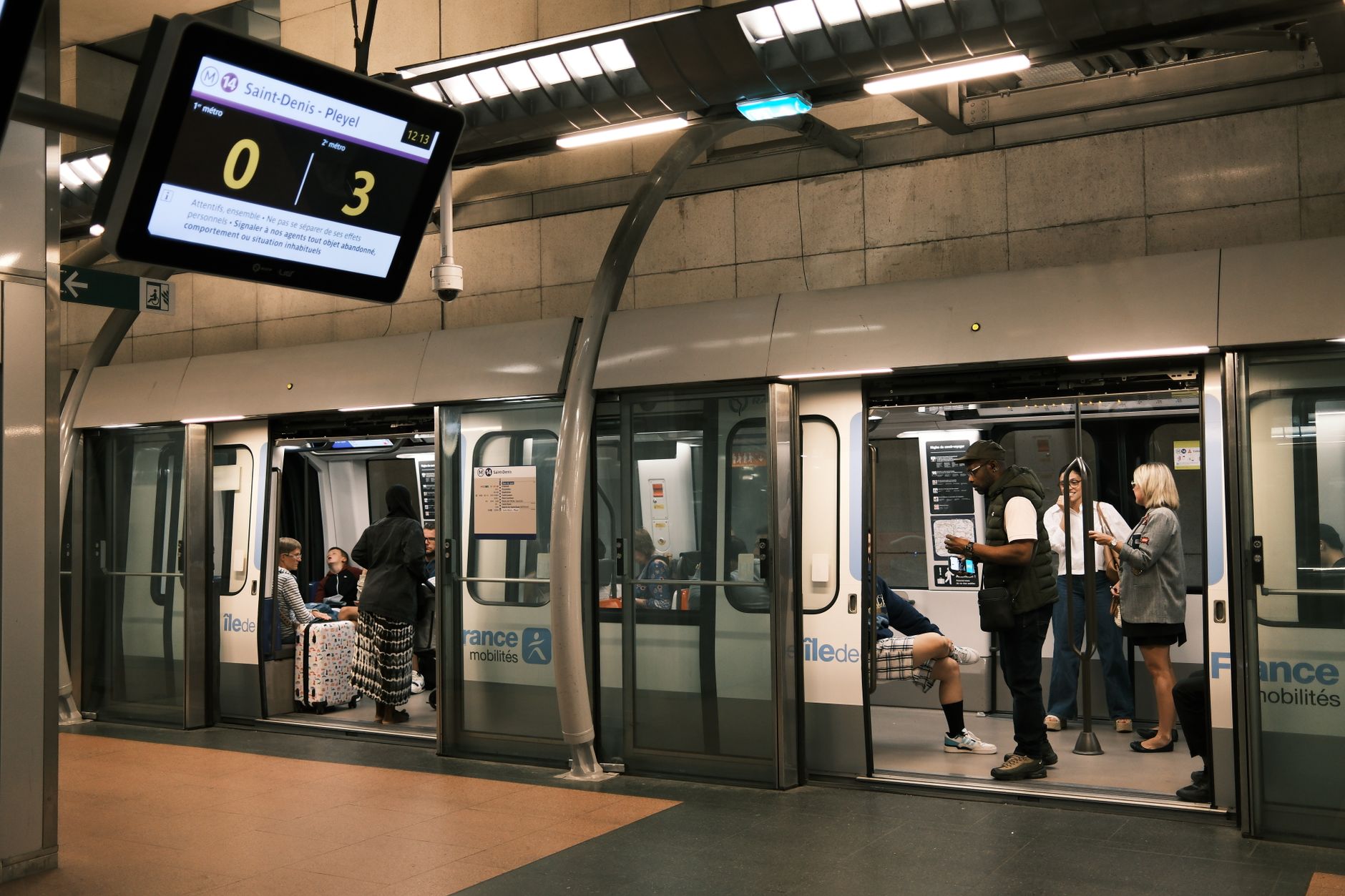
Planetarium No 1 is at 74 Obvodny Canal Embankment (building Ts), in the former gasholder near the Vitebsky railway station and the central bus station. The nearest metro is Frunzenskaya on the blue Line 2, about a 15-minute (roughly 1 km) walk away; bus 65 also runs from near the metro toward the "Rybinskaya" and "Planetarium No 1" stops.

Getting to Planetarium No 1 on the Obvodny Canal by metro and bus

From the city center the planetarium is only a short ride away. A taxi (for example via Yandex Go) from the Nevsky Prospekt area typically costs a few hundred rubles and takes around 15–20 minutes depending on traffic. The surroundings are a working part of the city around the canal and the railway rather than a tourist quarter, so most visitors come specifically for the planetarium.

Parking near the building is limited, and street parking in the area can be busy. Given the straightforward metro and bus links, public transport is usually the simplest way to arrive.

What else to see near Planetarium No 1?

The standout landmark near the planetarium is the Vitebsky railway station, one of the oldest and most beautiful stations in Russia. Its Art Nouveau interiors — grand staircases, stained glass and ornate halls — are worth a look even if you are not catching a train, and the station is within walking distance of the Obvodny Canal site.

Vitebsky railway station near Planetarium No 1

The planetarium is only a few minutes by metro from the historic center, so it pairs easily with central sights rather than with immediate neighbors. From Frunzenskaya and the surrounding stations you can quickly reach the Fontanka River and the main Nevsky Prospekt attractions — the museums, cathedrals and canals that define a Saint Petersburg visit.

Cafés and quick-bite options can be found around the railway station and along the larger streets nearby; for a wider choice of restaurants, the central districts a short metro ride away offer far more variety.

Planning your 2026 visit: opening hours, best times and tips

Planetarium No 1 is open daily from 10:00 to 22:00, with sessions running from morning until the evening. Individual show times are listed per program on planetarium.one, so plan around the specific session you want rather than a single opening time. Weekday sessions are generally the quietest, while weekends and holidays are busier.

Planning your 2026 visit to Planetarium No 1

Summer "white nights" (late May through mid-July) bring the most tourist traffic, while the winter months are quieter — though you'll want warm clothing for Saint Petersburg's cold season. Whatever the time of year, the planetarium is a good indoor option for a wet or cold day.

Arrive 15–20 minutes before your session to collect tickets, leave coats in the cloakroom and find your seat before the lights dim. Photography is usually restricted during shows to avoid glare on the dome. The venue is largely accessible for visitors with reduced mobility; check the official site for specific accessibility details and any language options for your chosen show.

Combining Planetarium No 1 with your Saint Petersburg itinerary

Because it sits a short metro ride from the center, Planetarium No 1 fits naturally into a flexible day rather than a fixed neighborhood tour. A common approach is to spend the day on central attractions such as the Hermitage or the Church of the Savior on Spilled Blood, then take the metro to Frunzenskaya for an afternoon or evening session under the dome.

Combining Planetarium No 1 with your Saint Petersburg itinerary

Evening sessions work well because they finish in time to catch the metro before it closes, and the indoor setting is a comfortable contrast to a long day of walking. Families with young children can build the day around one of the daytime children's shows, leaving the evening free for dinner.

The planetarium is also a reliable bad-weather option in Saint Petersburg's changeable climate: when rain or cold makes outdoor attractions like the Peterhof fountains less appealing, an hour under the world's largest dome is an easy and memorable alternative.