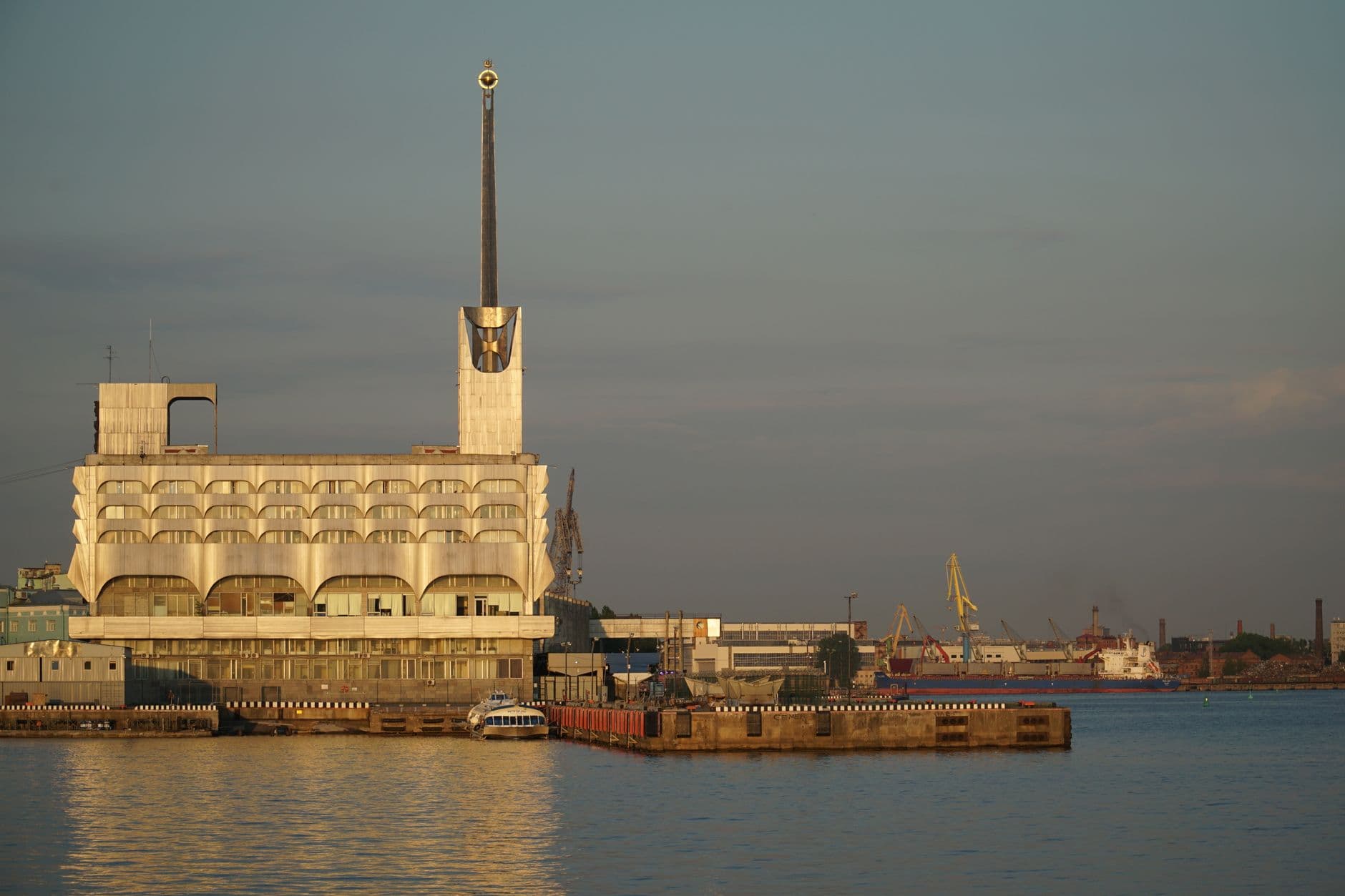
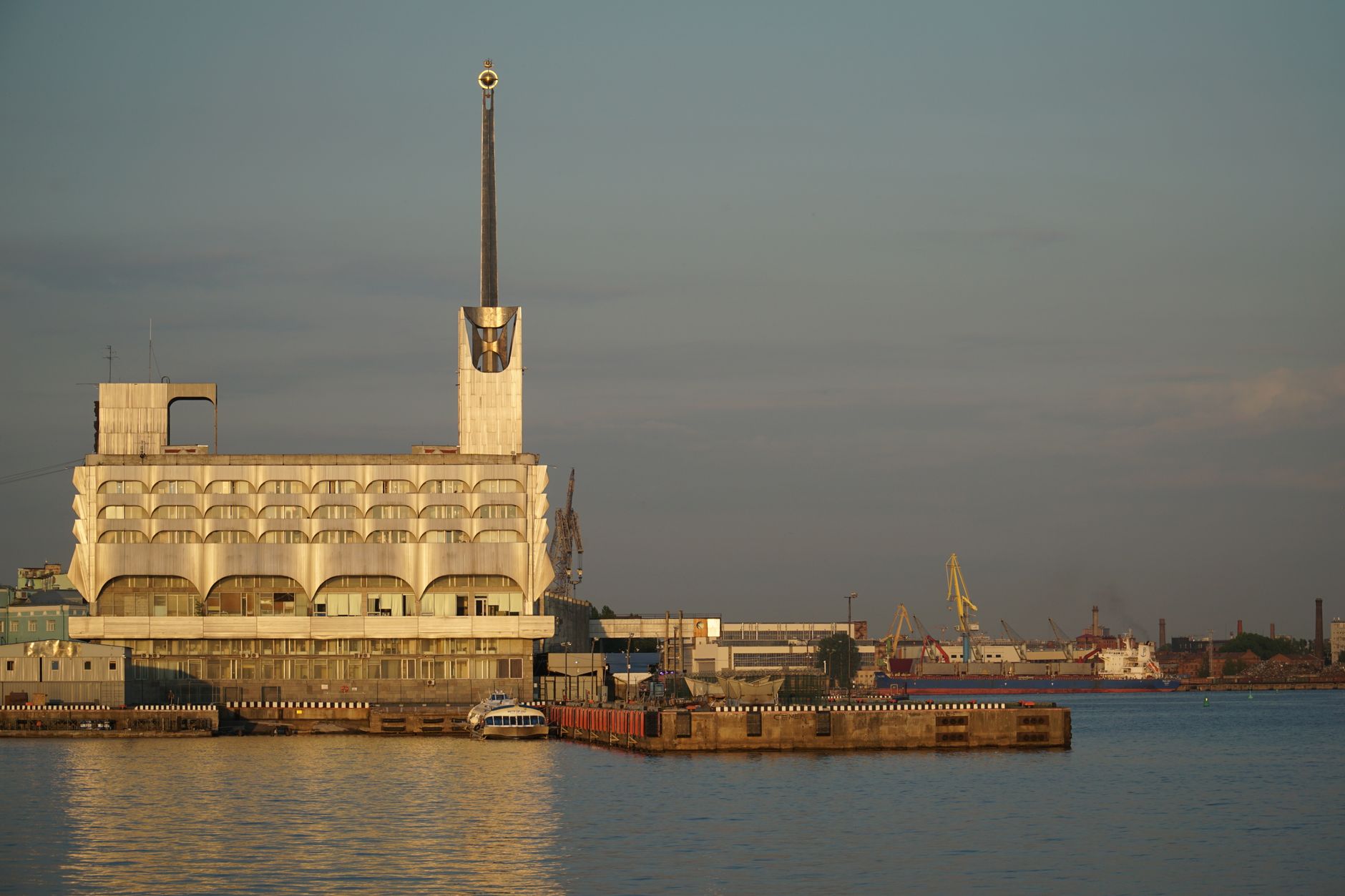
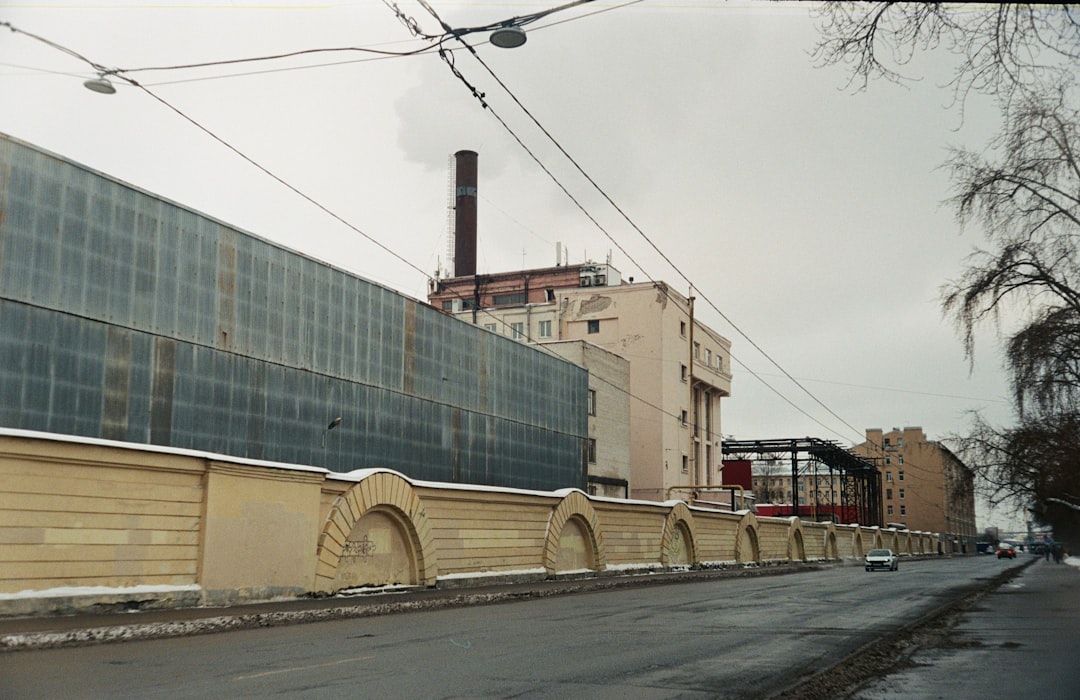
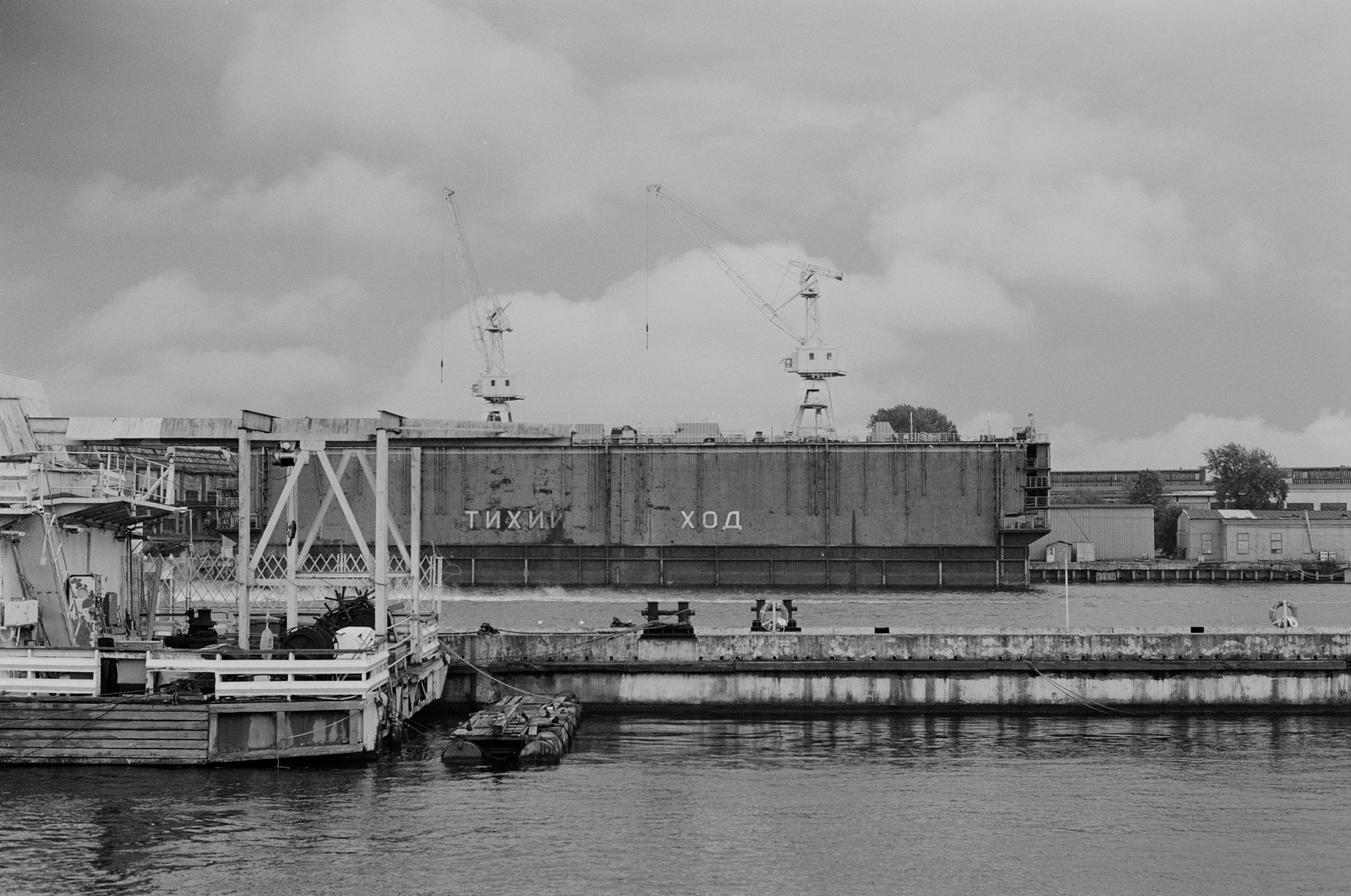
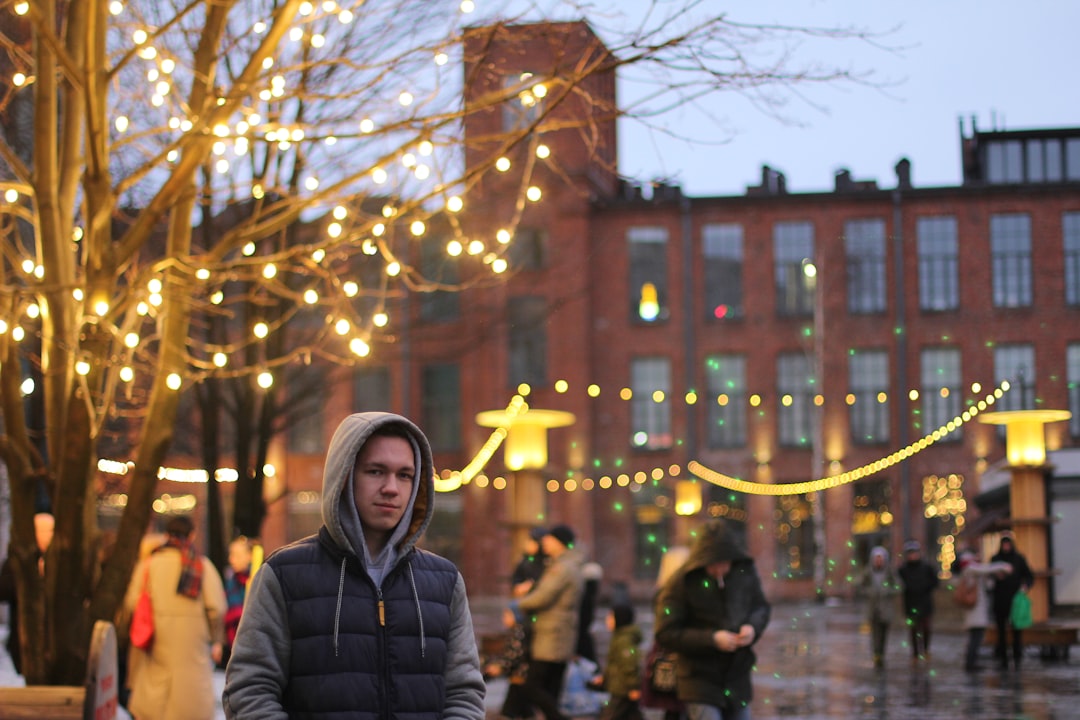
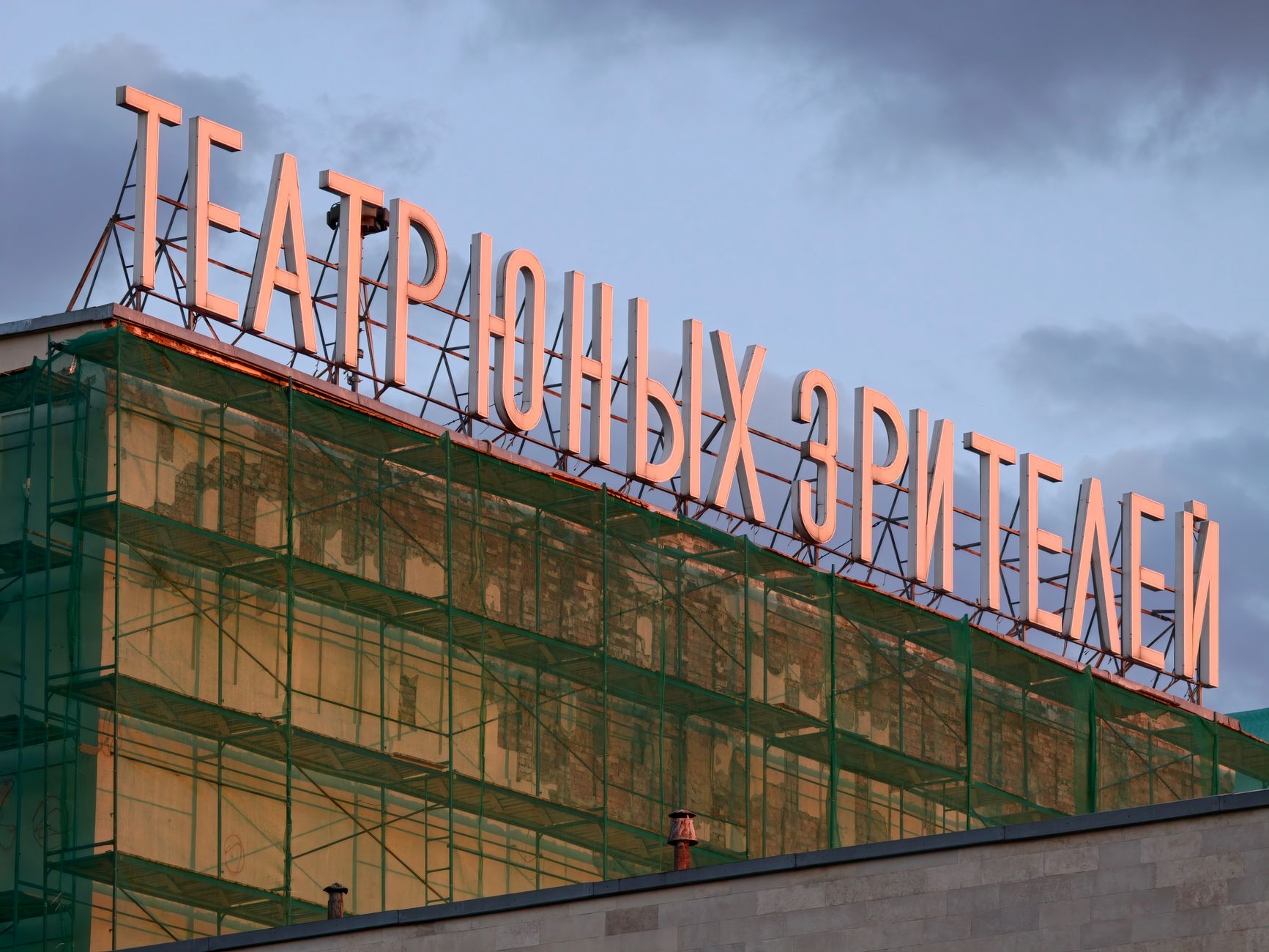
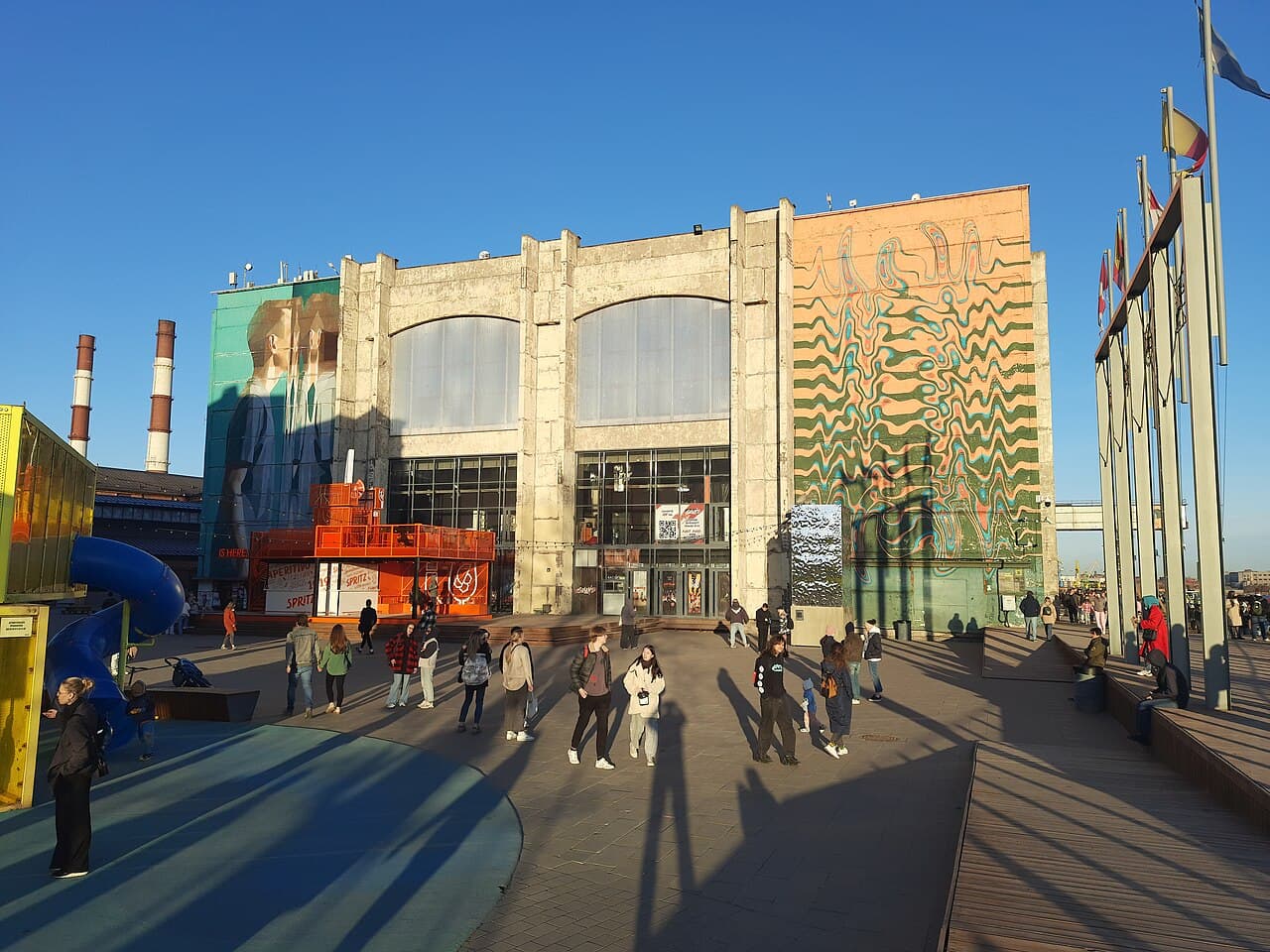
Sevkabel Port is a former cable factory on Vasilievsky Island turned into a 22,000 m² creative cluster on the Gulf of Finland waterfront: galleries, design studios, restaurants and event halls in the original industrial buildings.
Walking into the territory is free — you pay only for specific exhibitions, concerts and fairs. It is the closest thing in the city to a sea promenade with contemporary art attached, and it works as a rainy-day plan too.
What is Sevkabel Port and why visit in 2026?
Sevkabel Port is a former cable factory on Vasilievsky Island transformed into Saint Petersburg's leading contemporary art and creative space. Located along the Gulf of Finland waterfront, this 22,000-square-meter complex hosts galleries, design studios, restaurants, and event venues. In 2026, the cluster continues to develop and its events program keeps expanding, anchored by major happenings such as the Port Art Fair, and it draws both local creatives and international visitors who want an alternative to traditional palace tours.
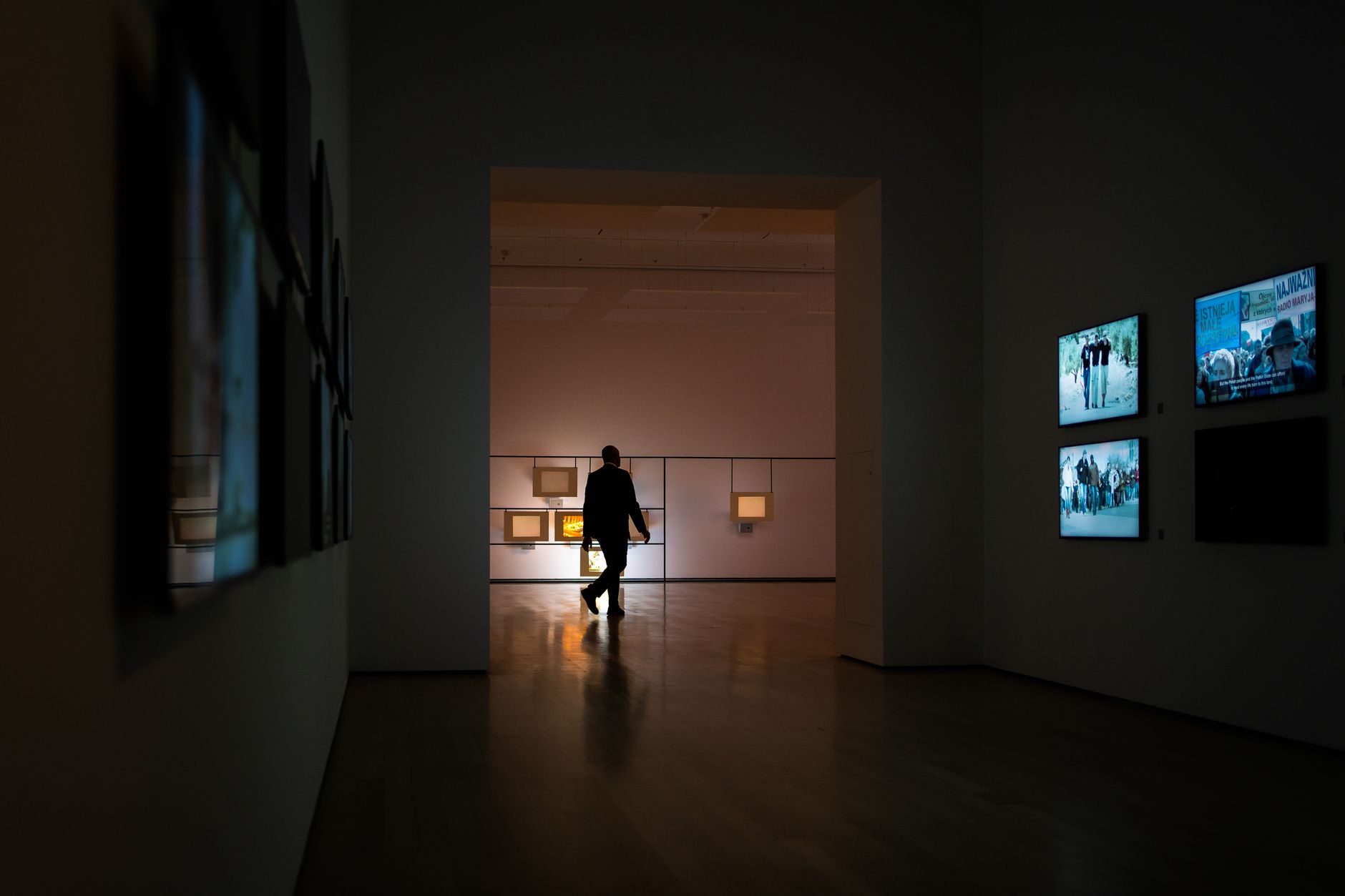
Inside the main hall, the industrial architecture—exposed brick walls, high ceilings with original metal beams, concrete floors—creates a striking contrast to the Baroque palaces most tourists associate with the city. The space operates year-round, though the waterfront promenade becomes most appealing from May through September when outdoor installations and food markets activate the seaside area.
The complex sits at Kozhevennaya Liniya 40 on the western tip of Vasilievsky Island, approximately 4 kilometers from Nevsky Prospekt. Visitors can reach it via metro station Primorskaya (green line), then a 15-minute walk or bus 6 or 47. Admission to the territory is free, though individual galleries and events charge separate fees ranging from 300 to 800 rubles depending on the exhibition.
The history behind the industrial transformation
The Sevkabel factory began operations in 1879, founded by the German firm Siemens & Halske as a cable manufacturing plant producing telegraph and electrical cables that powered Russia's industrialization. The facility operated continuously until 2003, when production ceased and the buildings fell into disuse. The Saint Petersburg Committee for Cultural Heritage designated portions of the complex as protected industrial architecture in 2012, preventing demolition and setting the stage for adaptive reuse.
Redevelopment began in 2016 when private investors partnered with the city to convert the abandoned factory into a creative quarter. The project preserved original structural elements—factory windows, loading docks, railway tracks embedded in courtyards—while installing modern utilities and climate control. In September 2018, the first galleries and cafes opened to the public, and the space quickly became a gathering point for Saint Petersburg's design and tech communities.
In the northern wing, remnants of the factory's past are integrated into current spaces: a restaurant built around a massive cable spool, gallery walls that retain industrial paint markings, and outdoor seating areas where old rail tracks still run through the pavement. This approach differs from Moscow's similar projects like Flacon or Artplay by maintaining more of the original industrial character rather than polishing everything into generic loft spaces.
How much does visiting Sevkabel Port cost in 2026?
The Sevkabel Port territory itself is free to enter, and the open-air waterfront is generally accessible around the clock, while individual galleries, shops and restaurants keep their own hours (typically daytime into the late evening). Galleries charge admission usually between 300 and 600 rubles for adults, with student discounts of around 50% on valid ID. Special exhibitions and events may cost up to 800 rubles, and specialized guided tours cost more; the architecture tour of the industrial buildings, for example, starts from about 1,650 rubles.
Food and beverage costs reflect the cluster's positioning as a mid-to-upscale destination. Coffee shops charge 180-250 rubles for espresso drinks, casual restaurants serve lunch mains for 600-900 rubles, and upscale dining options range from 1,500 to 3,000 rubles per person. The outdoor food market, operating weekends from May through September, offers more budget-friendly options with street food items priced at 300-500 rubles.
Venue Type
Price Range (Rubles)
Notes
Territory Access
Free
Open-air areas accessible around the clock
Gallery Admission
300-800
Varies by exhibition
Guided Tours
400-1,650+
Varies by format; architecture tour from ~1,650
Coffee/Snacks
180-500
Multiple cafes available
Restaurant Meal
600-3,000
Depends on establishment
A full afternoon that includes one gallery admission, lunch at a mid-range restaurant, and coffee comes to roughly 2,500 rubles per person. Visitors focusing only on the free outdoor areas and architecture can enjoy the space without spending beyond transportation costs, making it accessible for budget-conscious travelers who want contemporary culture without Hermitage-level ticket prices.
Sevkabel Port houses approximately 15 active gallery and exhibition spaces as of 2026, with the largest being the central Sevkabel Pro exhibition hall spanning 2,000 square meters. This main venue hosts rotating contemporary art exhibitions, design fairs, and cultural festivals throughout the year. Sevkabel Port official website lists current exhibitions, though English-language information remains limited compared to major museums.
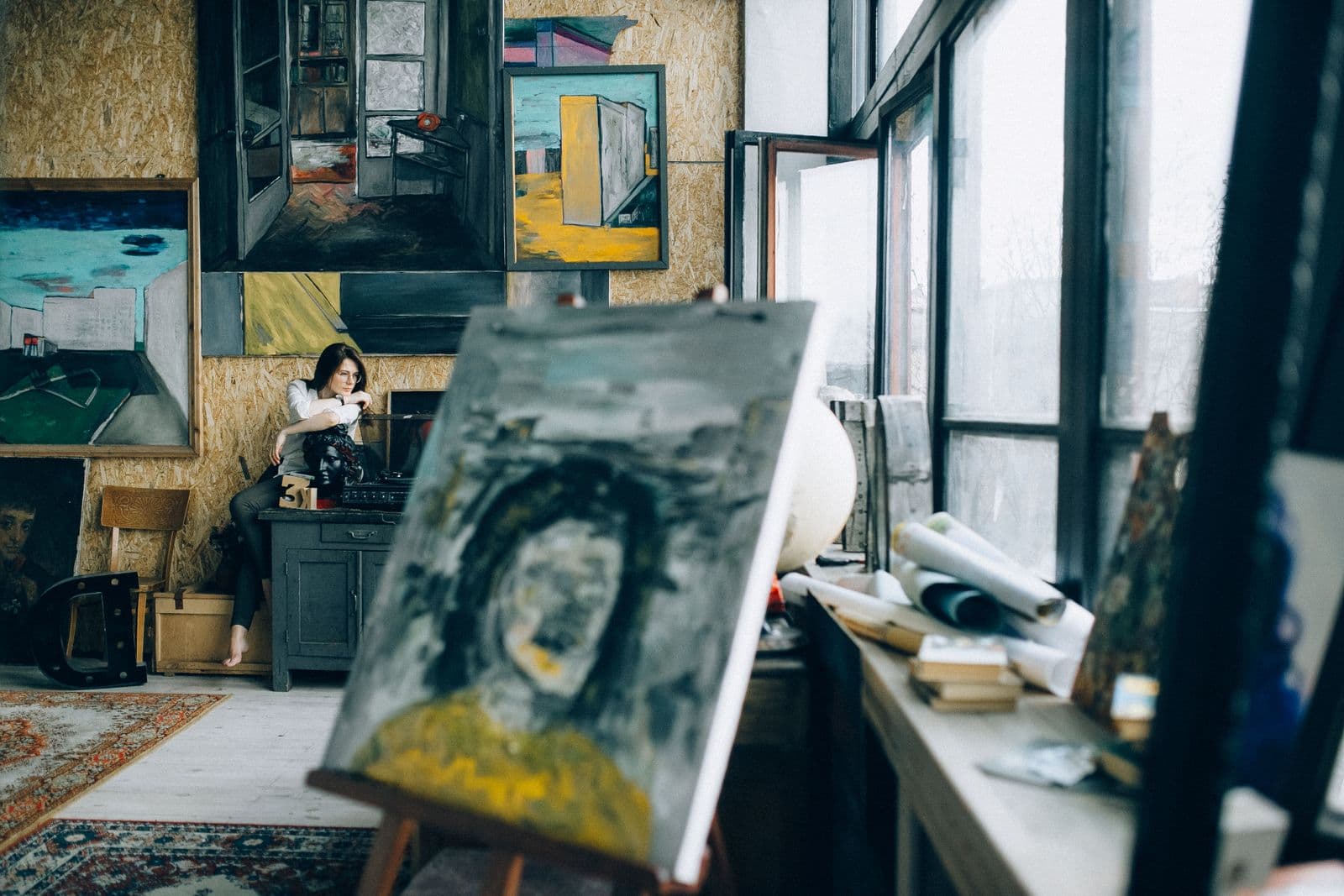
The MYTH gallery focuses on emerging Russian artists and experimental media, while the smaller Studio 212 specializes in photography and documentary projects. Several design studios occupy ground-floor spaces with street-facing windows, allowing visitors to observe creative work in progress. The cluster also contains co-working spaces and tech startup offices on upper floors, though these areas remain closed to casual visitors.
The galleries deliberately avoid competing with established institutions like the Russian Museum or Hermitage. Instead, Sevkabel galleries prioritize contemporary work, emerging artists, and experimental formats that larger museums cannot accommodate due to conservation requirements or traditional exhibition standards. This positioning creates a complementary cultural offering rather than a substitute for classical art tourism.
Exhibition schedules change monthly, with major installations typically running 6-8 weeks. The complex sees increased activity during Saint Petersburg's White Nights season (late May through mid-July) when extended daylight hours and tourist influx encourage special programming and late-night events. Winter months offer fewer exhibitions but maintain year-round operations unlike some seasonal cultural venues in the city.
at the Bank of Russia rate on 22.10.2026 · powered by tutkakdoma
Dining and social spaces along the waterfront
The food and beverage scene at Sevkabel Port ranges from specialty coffee roasters to full-service restaurants with Gulf of Finland views. Dve Palochki offers Asian fusion cuisine in an industrial-chic setting, while Bekitzer serves Central European dishes with an emphasis on local ingredients and craft beer. The outdoor terrace areas, active from May through September, provide waterfront seating where visitors can watch cargo ships pass through the gulf.
Coffee culture dominates the daytime scene, with at least four specialty roasters operating within the complex. On weekdays these cafes function as remote work spaces for freelancers and startup employees, creating a noticeably younger demographic than the tourist-heavy cafes along Nevsky Prospekt. The atmosphere shifts toward social gathering in evenings and weekends when live music and DJ sets activate the main courtyard.
The weekend food market, operating Saturday and Sunday from 11:00 to 20:00 during warm months, brings additional variety with rotating vendors selling Georgian khachapuri, Uzbek plov, Russian pelmeni, and international street food. Prices here run lower than the established restaurants, typically 300-500 rubles for substantial portions. The quality is comparable to the city's better casual dining options, though seating becomes competitive during peak afternoon hours.
Wine bars and cocktail lounges occupy spaces near the waterfront edge, offering sunset views that rival more expensive hotel bars in the city center. The Port bar specializes in Russian craft spirits and creative cocktails priced at 500-700 rubles, while the wine selection emphasizes Georgian and Crimean producers alongside European imports. These venues stay open until 23:00 on weekends, later than most cultural spaces in Saint Petersburg outside the city center.
Sevkabel Port hosts approximately 200 events annually ranging from art exhibitions and design conferences to music festivals and food markets. The largest regular event is the Sevkabel Market, occurring every weekend from May through September, which combines craft vendors, food stalls, live music, and outdoor cinema screenings. Winter programming shifts indoors with lecture series, film screenings, and smaller-scale exhibitions that continue through the cold months.
The summer calendar anchors much of the programming. In 2026 the Port Art Fair runs 21-24 May, gathering galleries and artists from across Russia, and the eighth EtoEtno international festival of ethnic music takes place on 27-28 June. The White Nights period (late May through mid-July) brings further late-night concerts, performance art and outdoor installations that capitalize on the extended daylight.
Design Week Saint Petersburg, typically held in October, uses Sevkabel Port as a primary venue for exhibitions, workshops, and industry networking events. The industrial spaces accommodate large-scale installations and product launches that would be difficult to stage in historic buildings with preservation restrictions. Tech conferences and startup pitch events also utilize the venue throughout the year, reflecting the cluster's positioning as a hub for creative industries beyond visual arts alone.
Winter events such as documentary film screenings draw strong local crowds despite subzero temperatures outside, showing the venue's appeal to residents beyond its tourist function. The programming calendar, available on the official website and social media channels, updates monthly with most events announced 2-4 weeks in advance. English-language event descriptions remain inconsistent, making advance research worthwhile for international visitors planning around specific exhibitions or performances.
Practical tips for visiting from the city center
Reaching Sevkabel Port from central Saint Petersburg requires planning, as the location sits beyond easy walking distance from major tourist areas. The most direct public-transport route starts at Primorskaya metro station (green line), then either a 15-minute walk along Kozhevennaya Liniya or bus 6 or 47 for three stops; the new Gorny Institut station (orange line, opened 2024) is an alternative about a 15-20 minute walk from the Port. Total travel time from Nevsky Prospekt metro station runs 35-40 minutes including transfers.
Taxi services via Yandex.Taxi or Uber typically cost 300-450 rubles from the city center and take 20-30 minutes depending on traffic conditions. This is worthwhile for groups or in cold weather, when the cost can be split among several people. The complex lacks dedicated parking for private vehicles, though street parking exists along surrounding roads with typical city center restrictions and occasional enforcement.
Weather considerations matter significantly given the waterfront location and exposed outdoor areas. Wind off the Gulf of Finland makes temperatures feel colder than the city center, particularly during shoulder seasons. Even in spring, light clothing is often not enough here, so a windproof layer is worth packing. Summer visits bring the opposite challenge, with limited shade and strong sun reflection off water and concrete surfaces.
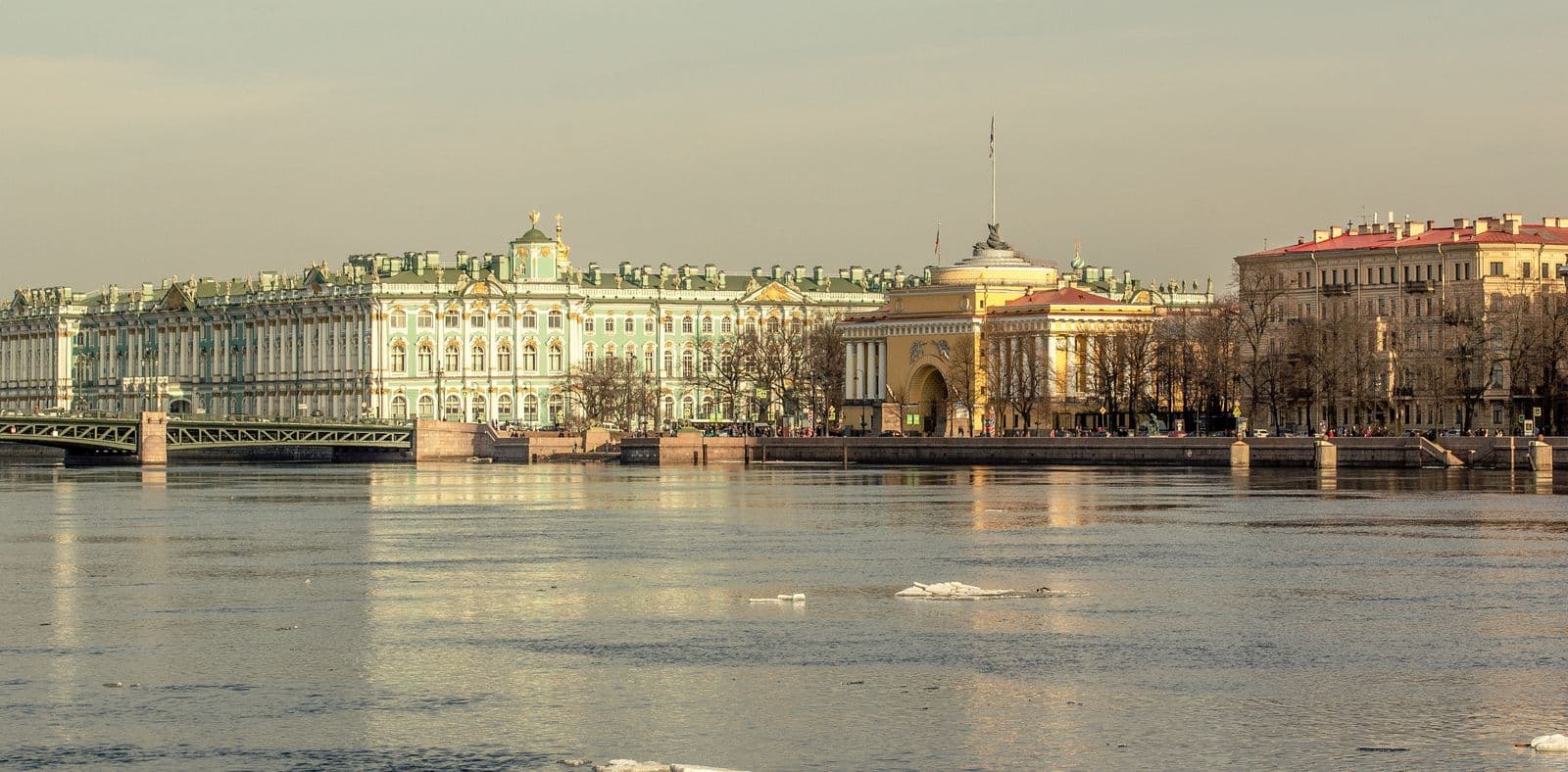
Visitors can pair this destination with other Vasilievsky Island sights, such as the Strelka viewpoint and the island's museums, creating an itinerary that contrasts imperial-era architecture with contemporary industrial design. Allocate 2-3 hours minimum for a meaningful visit, longer if planning to dine or attend specific events rather than simply walking through the territory.
Yes. Entry to the territory and the open-air waterfront is free and generally accessible around the clock, while galleries and events charge separate fees, typically 300 to 800 rubles. Specialized guided tours, such as the architecture tour, cost more, from about 1,650 rubles.
How do you get to Sevkabel Port by metro?
Take the green line to Primorskaya, then walk about 15 minutes or ride bus 6 or 47. Since 2024 the new Gorny Institut station on the orange line is a second option, roughly a 15 to 20 minute walk from the Port.
What events are happening at Sevkabel Port in 2026?
Highlights include the Port Art Fair on 21 to 24 May and the eighth EtoEtno international ethnic-music festival on 27 to 28 June, alongside a regular weekend market and late-night White Nights programming through the summer.
When did Sevkabel Port open?
The creative cluster opened in September 2018 inside a former cable factory founded in 1879 by Siemens & Halske. The industrial buildings on the western tip of Vasilievsky Island were redeveloped while keeping much of their original character.
How long should you spend at Sevkabel Port?
Allow two to three hours for a meaningful visit, and longer if you plan to dine or attend a specific event rather than simply walking through the territory and along the waterfront.
Frequently asked questions
Do I need a ticket for Sevkabel Port?
Not for the territory itself — entry is free. Individual exhibitions, concerts and fairs inside are ticketed, and prices depend on the event.
How do I get there?
It sits on the western shore of Vasilievsky Island, away from the metro, so most visitors arrive by taxi or bus; the guide below has the exact routes.
Is it worth visiting in bad weather?
Yes. Much of the cluster is indoors — halls, galleries and cafés in the old factory buildings — which is why it is a standard answer to "where to go in Saint Petersburg when it rains".
What is there for families?
The waterfront promenade, open space for kids to run, and regular fairs and markets. Restaurant prices are city-centre level rather than budget.
Checked 11 September 2026. The events programme changes constantly — check the cluster's own schedule before you go.