The Phenomenon of White Nights in Russia's Cultural Capital
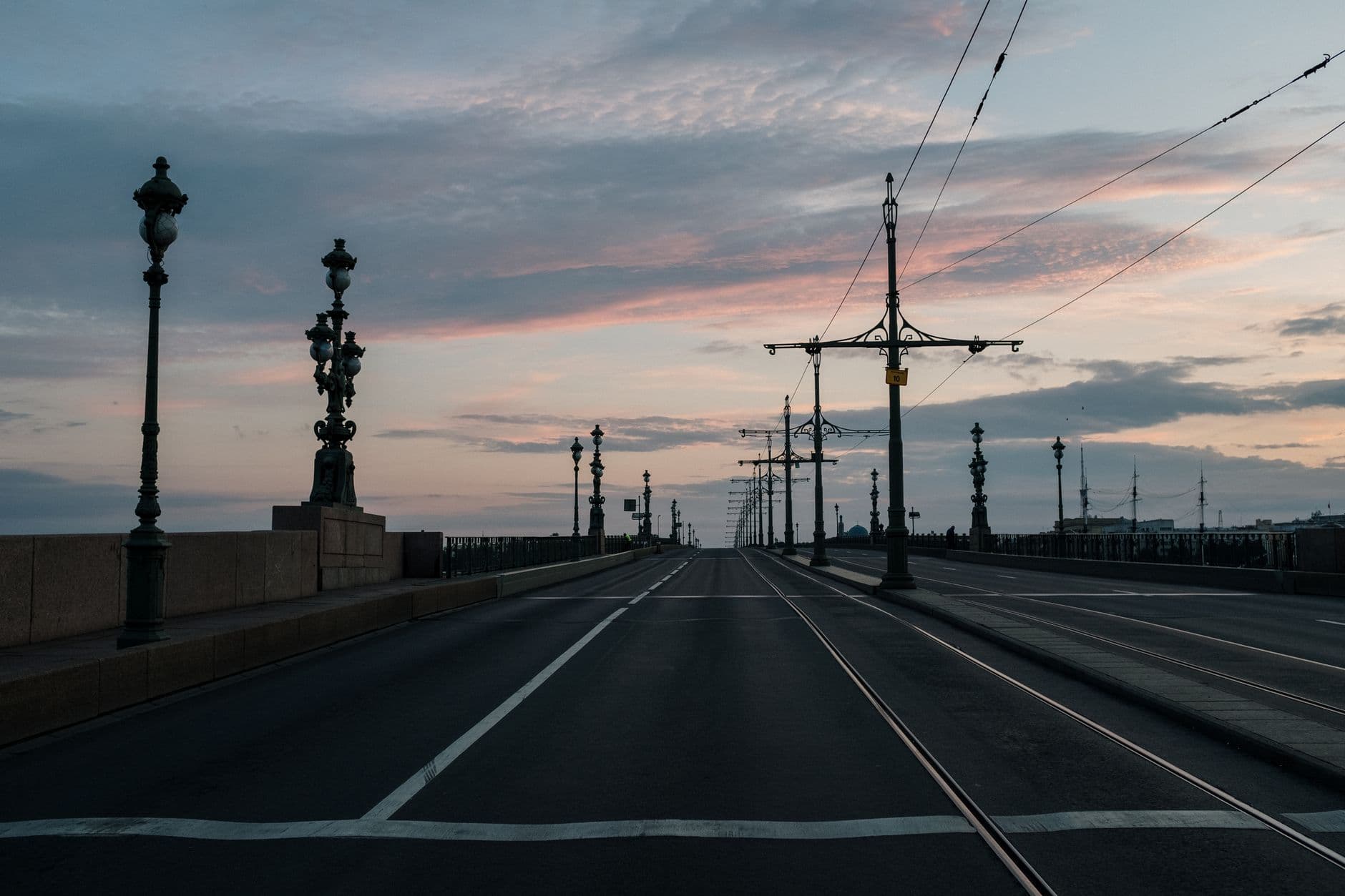
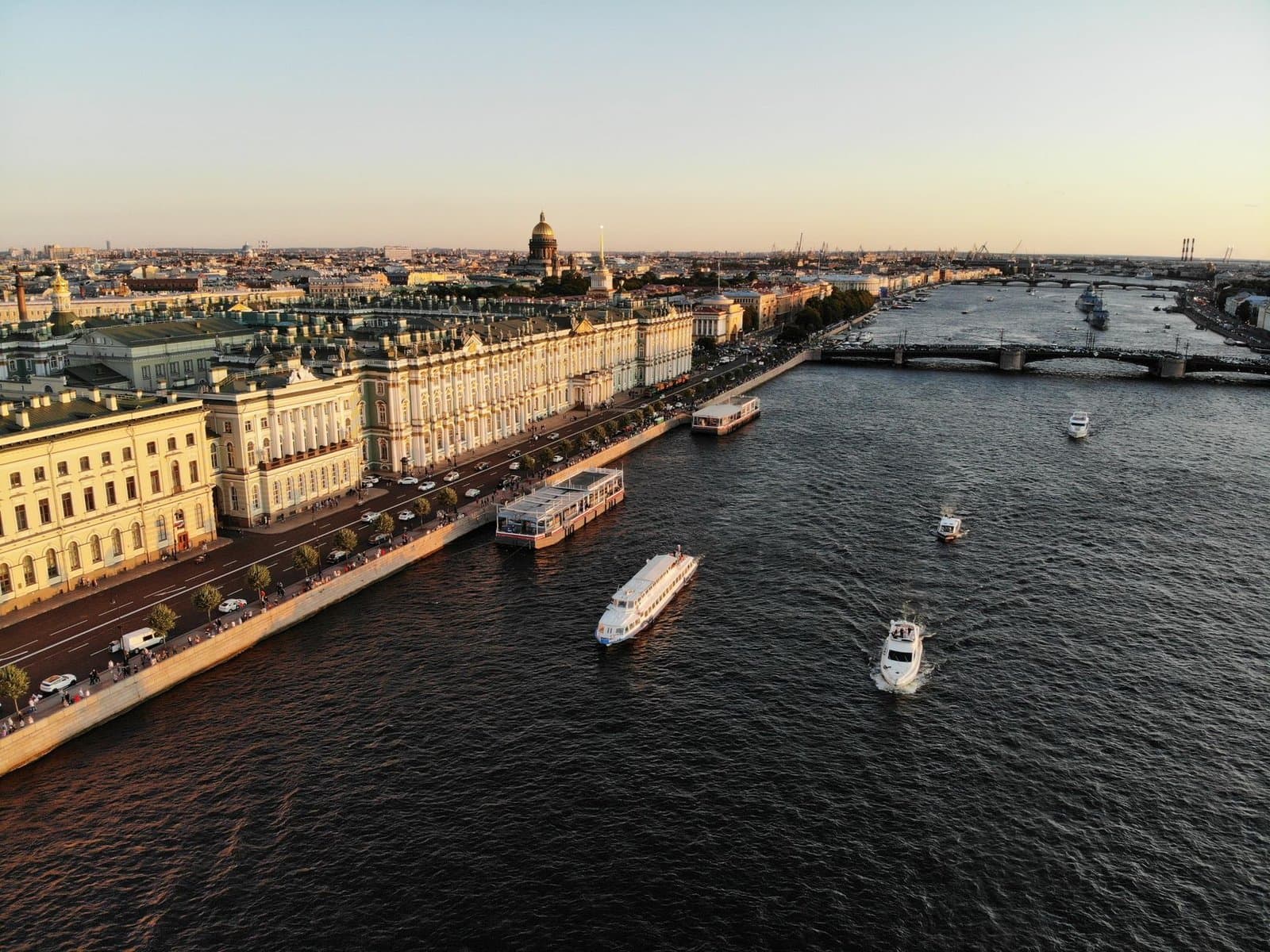
Saint Petersburg's summer transforms the city into a place where daylight refuses to surrender. From late May through mid-July, the sun barely dips below the horizon, creating the famous White Nights phenomenon when twilight lasts nearly all night. On my last visit in mid-June, I walked along the Palace Embankment at 2 AM and could still read a newspaper without artificial light. The sky glows with soft pinks and oranges that never fully darken, giving the entire city an otherworldly atmosphere.
The peak of White Nights occurs around June 21st, the summer solstice, when Saint Petersburg experiences approximately 18 hours and 50 minutes of daylight. This phenomenon occurs because the city sits at 59.9 degrees north latitude — the world's northernmost metropolis of its size. During this period, temperatures typically range from 15 to 25 degrees Celsius, making it the most comfortable time to explore the city's outdoor attractions.
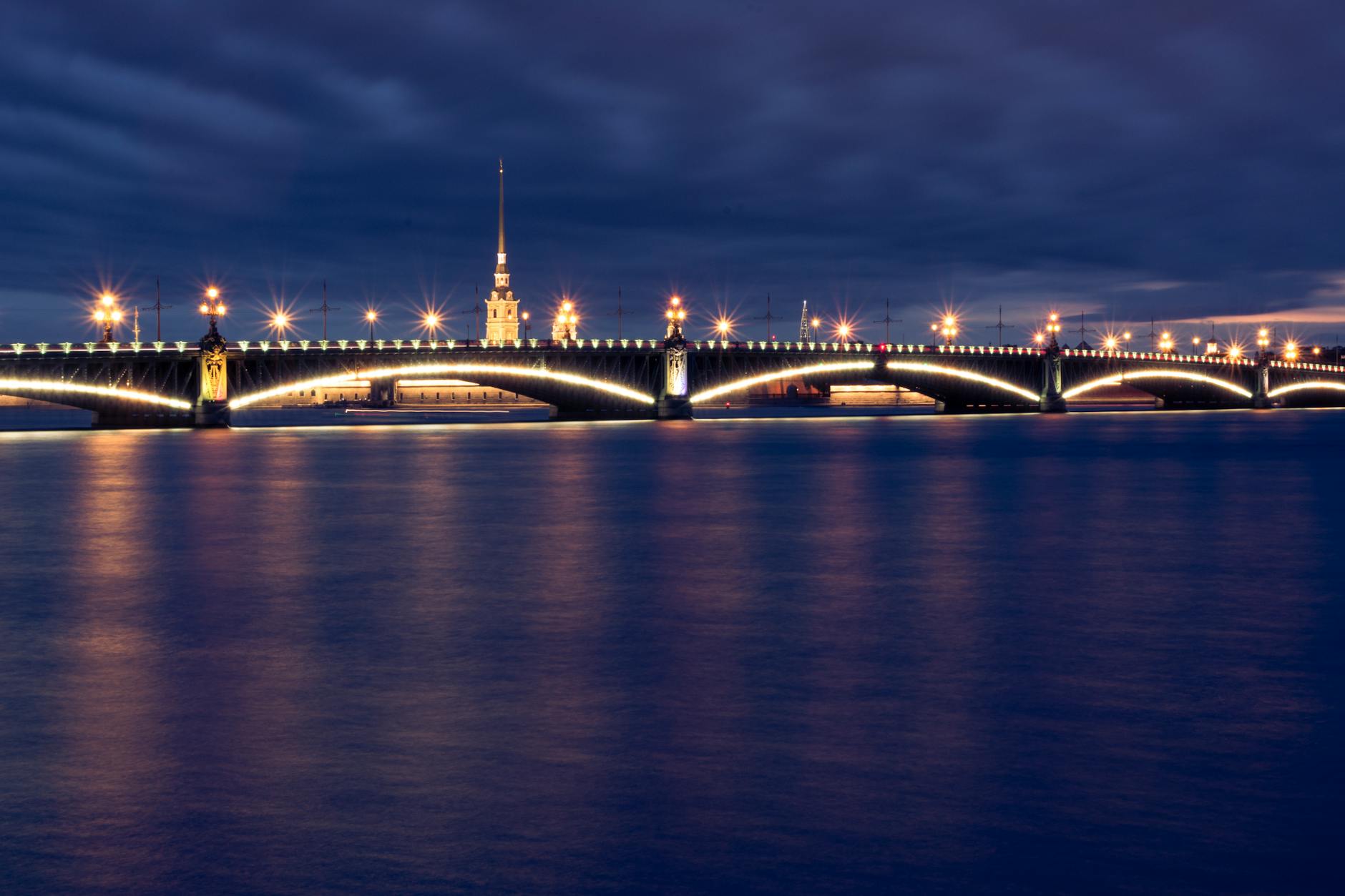
The extended daylight creates a unique energy throughout Saint Petersburg. Locals and tourists alike take advantage of the endless evenings, with parks and embankments filled with people until the early morning hours. When I strolled through the Summer Garden at midnight, families were still picnicking on the lawns, and street musicians performed near the Fontanka River. The Neva River embankments become particularly popular gathering spots, where people watch the famous drawbridge openings that occur nightly between 1:25 AM and 4:55 AM from April through November.
at the Bank of Russia rate on 23.10.2026 · powered by tutkakdoma
Major Summer Festivals That Define the Season
The White Nights Festival stands as Saint Petersburg's premier cultural event, running from late May through July at the Mariinsky Theatre and other prestigious venues. The Mariinsky Theatre presents a packed schedule of ballet, opera, and classical music performances featuring world-renowned artists. Tickets for major performances range from 2,000 to 15,000 rubles (approximately 20 to 150 euros), with the most sought-after shows selling out months in advance. I attended a performance of Swan Lake during the festival and witnessed every seat filled with an international audience.
The Stars of the White Nights Festival concludes with the spectacular Scarlet Sails celebration in late June, on June 27-28 in 2026. This graduation celebration for Saint Petersburg's high school students features a massive concert on Palace Square, followed by a pyrotechnic show and the appearance of a ship with red sails on the Neva River. We watched from the Lieutenant Schmidt Embankment as fireworks illuminated the Peter and Paul Fortress, with an estimated one million people crowding the riverbanks and bridges.
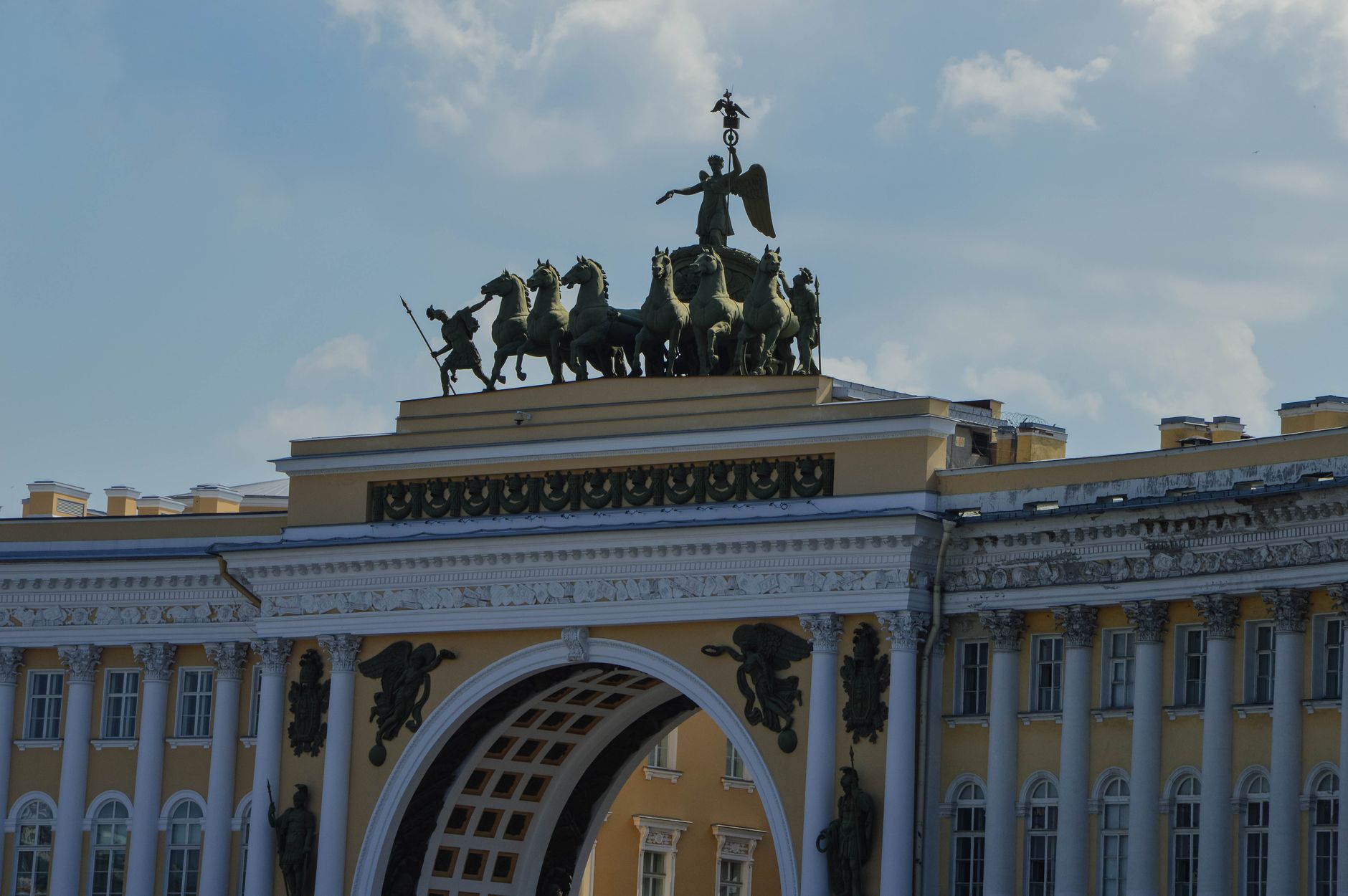
Beyond the White Nights Festival, Saint Petersburg hosts numerous outdoor events throughout summer. The Peterhof Fountain Festival runs weekends from late May through early September, with the Grand Cascade fountains operating daily from 10 AM to 6 PM. The entrance to Peterhof Lower Park costs 1,000 rubles (about 10 euros) during peak season. The SPIEF (Saint Petersburg International Economic Forum) in June brings global business leaders to the city, while the Dvortsovaya Square hosts free open-air concerts featuring Russian and international artists throughout July and August.
Outdoor Dining Culture Along Nevsky Prospekt and Beyond
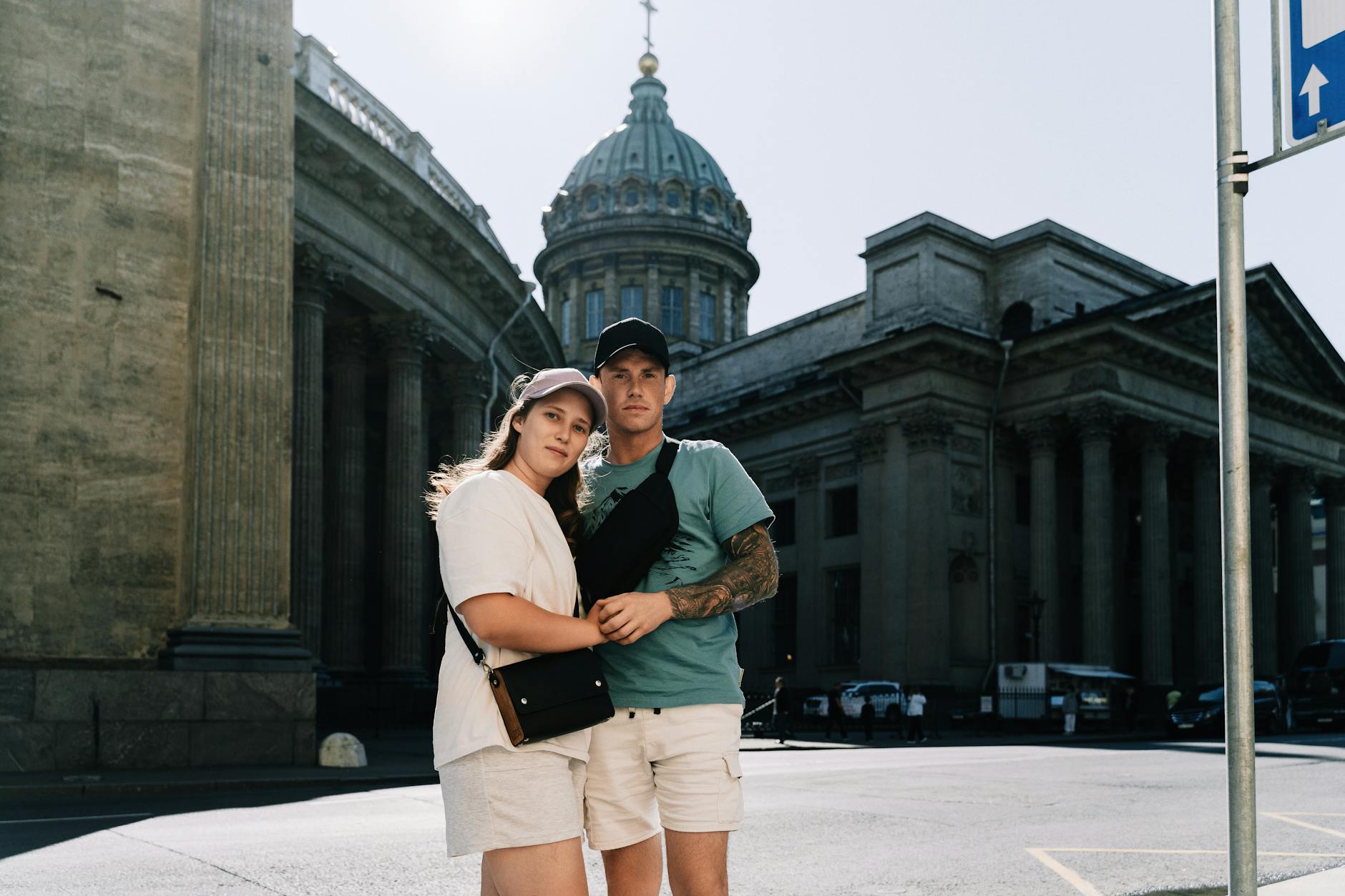
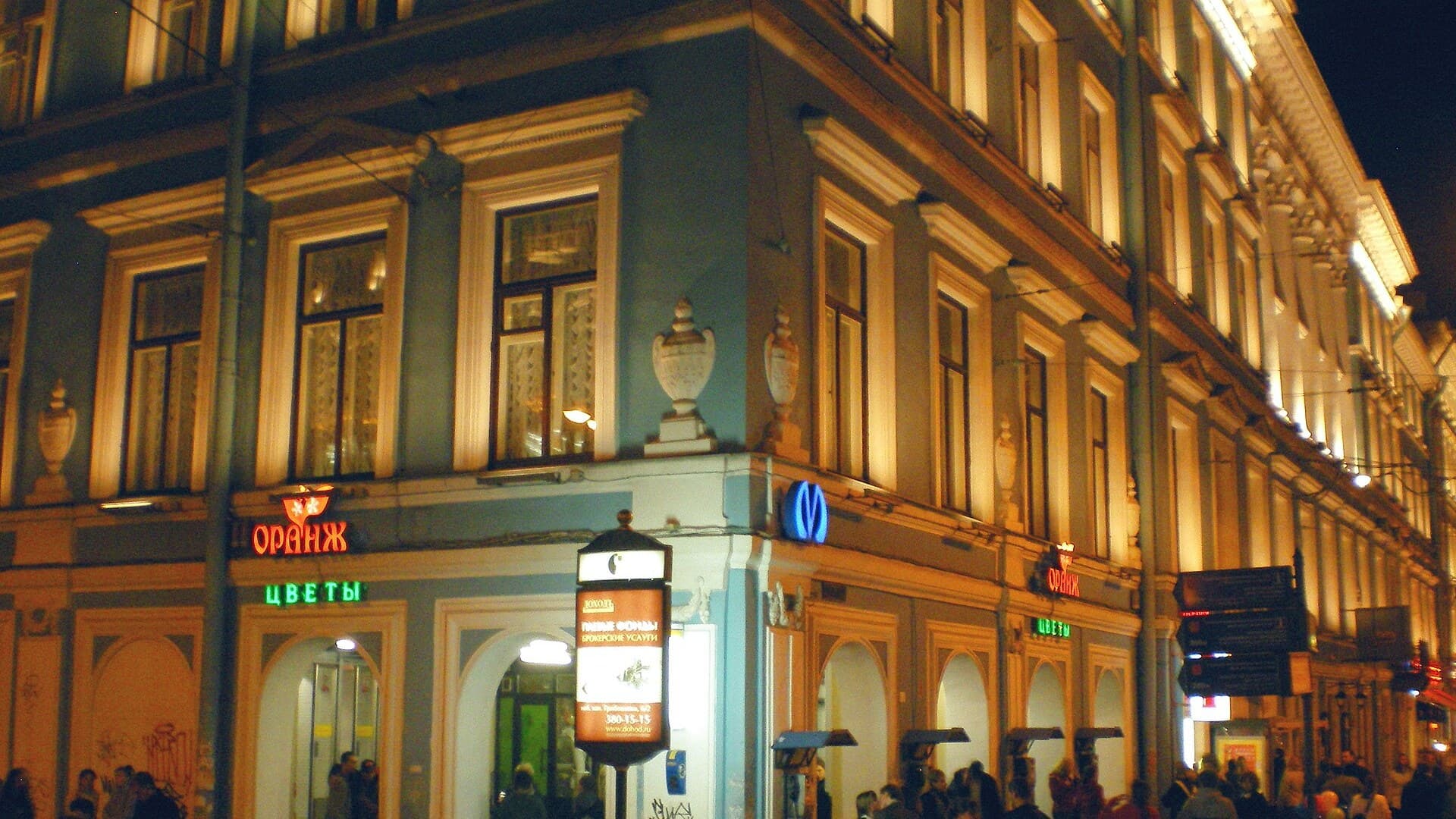
Summer awakens Saint Petersburg's cafe culture as establishments spread tables onto sidewalks and courtyards throughout the city. Nevsky Prospekt transforms into an extended outdoor dining room, with cafes occupying every available space between the Admiralty and Moscow Railway Station. When I walked from the Kazan Cathedral to Gostiny Dvor metro station on a July afternoon, I counted over thirty cafes with outdoor seating within that single kilometer stretch.
The New Holland Island development has become the epicenter of contemporary outdoor dining. This former naval facility, reopened in 2016, features multiple restaurants and cafes surrounding a central lawn where locals gather for picnics and free concerts. Prices range from 500 rubles (5 euros) for coffee and pastries to 2,500 rubles (25 euros) for full meals at upscale establishments. The island stays open until 11 PM on weekdays and midnight on weekends, though during White Nights, crowds linger much later.
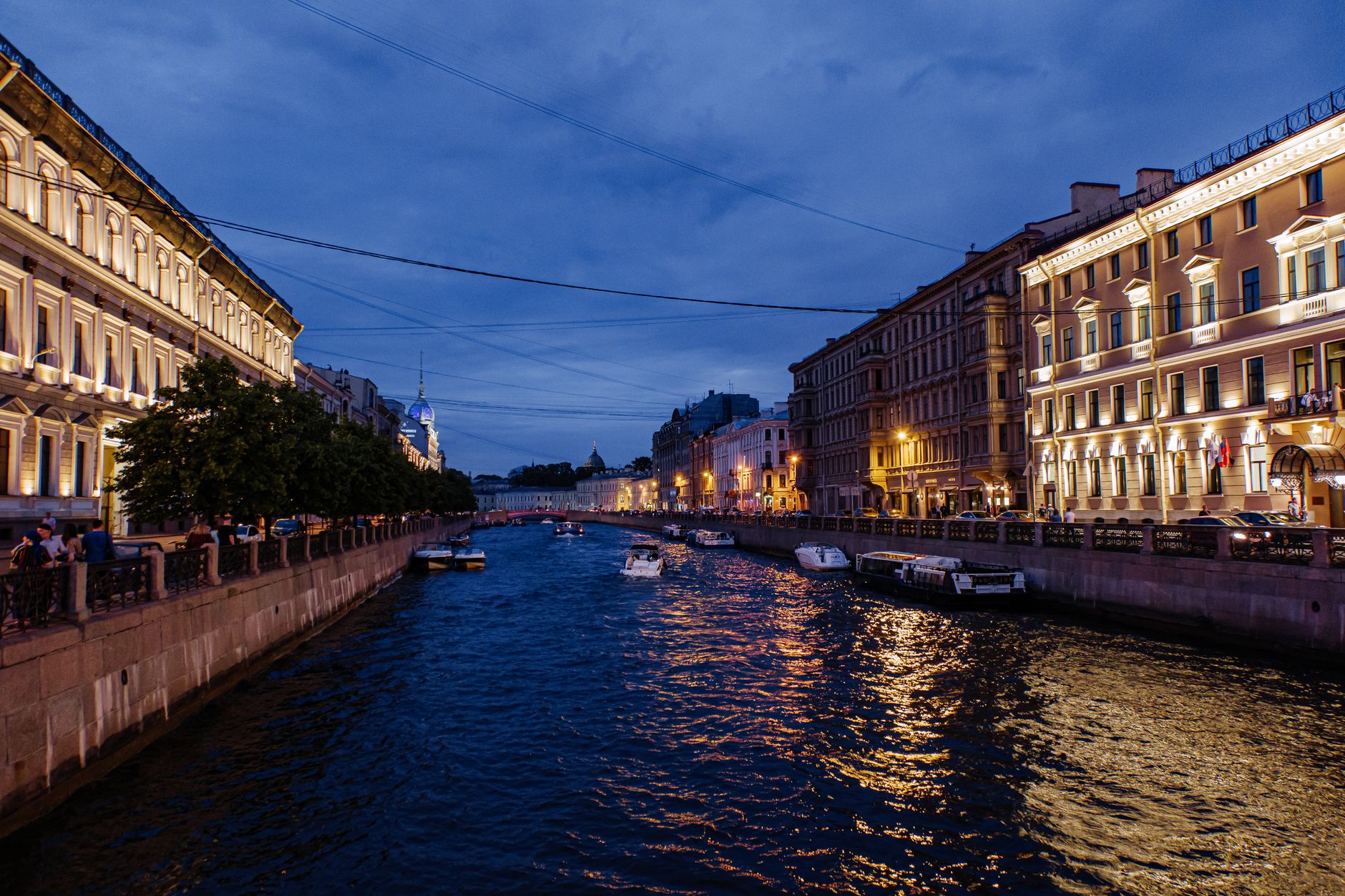
Traditional Russian summer dishes dominate outdoor cafe menus. Cold soups like okroshka (a kvass-based vegetable soup) and svekolnik (chilled beet soup) provide refreshing options during warm days. I noticed many cafes along the Griboedov Canal serving these alongside shashlik (grilled meat skewers) and fresh salads. The Dumskaya Street area, just off Nevsky Prospekt, concentrates dozens of budget-friendly establishments where complete meals cost 800-1,200 rubles (8-12 euros).
Rooftop Bars and Elevated Dining Experiences
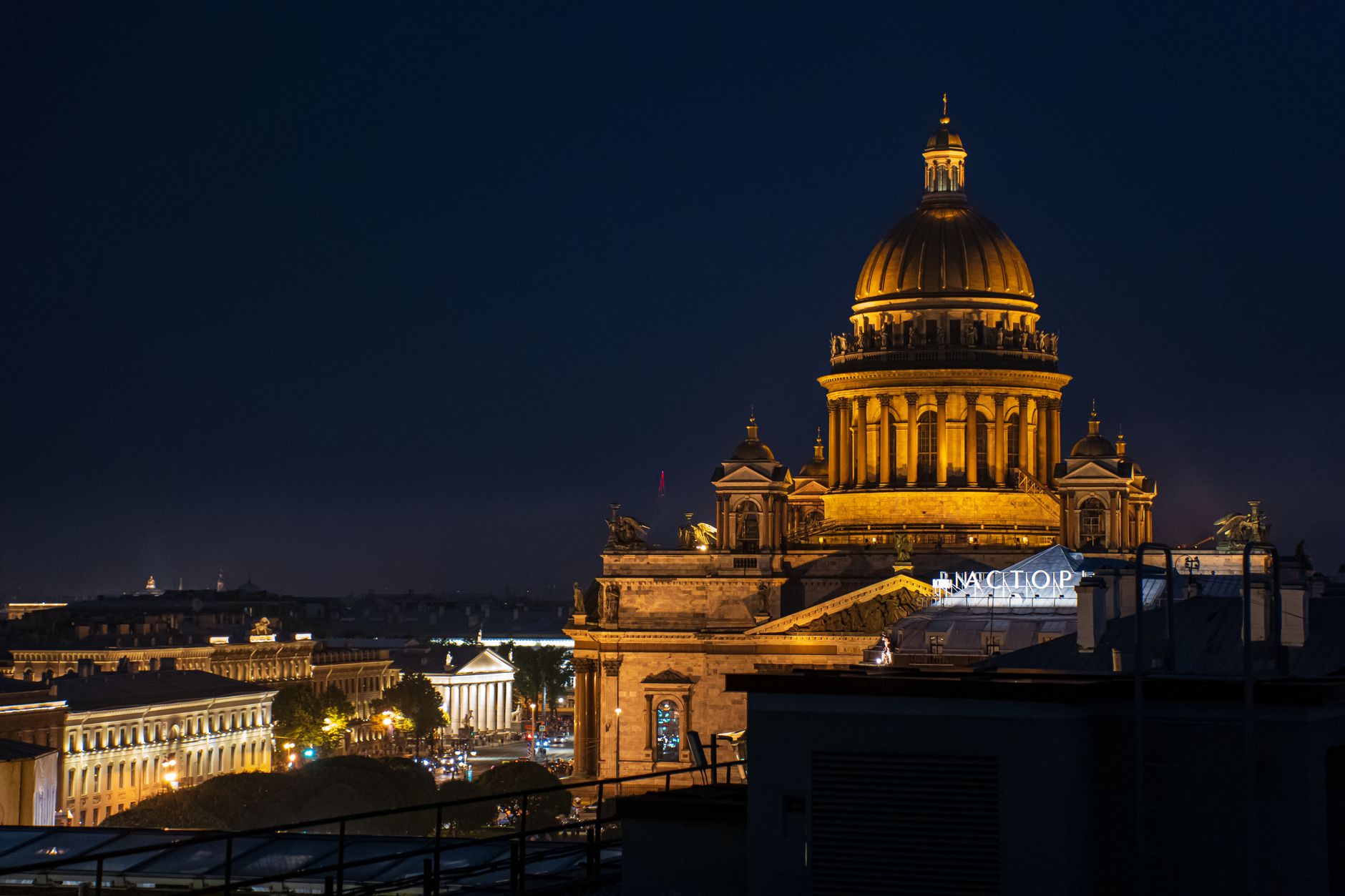
Saint Petersburg's rooftop scene explodes during summer months, offering views across the city's UNESCO-protected historic center. These elevated venues typically open in late May and operate through September, weather permitting. The rooftop at Singer House on Nevsky Prospekt provides panoramic views of Kazan Cathedral and the Church of the Savior on Spilled Blood. Reservations are essential, with minimum spending requirements around 3,000 rubles (30 euros) per person during peak hours.
Legal rooftop access has become increasingly regulated in recent years, with official venues requiring proper permits and safety measures. Several hotels along the Fontanka River and near the Hermitage have opened rooftop restaurants that operate within legal frameworks. On my visit to one establishment near the Moika River, staff explained that many previously popular illegal rooftop tours have been shut down, making licensed venues the only safe option for elevated city views.
The rooftop at the Belmond Grand Hotel Europe offers one of the most prestigious dining experiences, with views extending to the Peter and Paul Fortress. Dinner reservations typically start at 5,000 rubles (50 euros) per person. These venues usually open around 6 PM and serve until midnight, though during White Nights, many extend hours until 2 AM to accommodate guests watching the drawbridge openings.
Saint Petersburg's extensive park system provides essential breathing space during summer months. The Summer Garden, located between the Fontanka and Moika rivers near the Field of Mars metro station, reopens in May after winter closure. This historic garden, originally created for Peter the Great in 1704, features geometric layouts, marble sculptures, and shaded walkways. Entry is free, and the garden operates from 10 AM to 10 PM during summer months, though gates remain open later during White Nights.
The Yelagin Island in the north of the city offers 96 hectares of parkland surrounded by the Neva River delta. We rented bicycles near the main entrance for 300 rubles (3 euros) per hour and explored the network of paths connecting beaches, playgrounds, and outdoor cafes. The island becomes particularly popular on weekends when families arrive for all-day picnics. The Central Park of Culture and Leisure on the island hosts summer festivals, outdoor cinema screenings, and sports facilities.
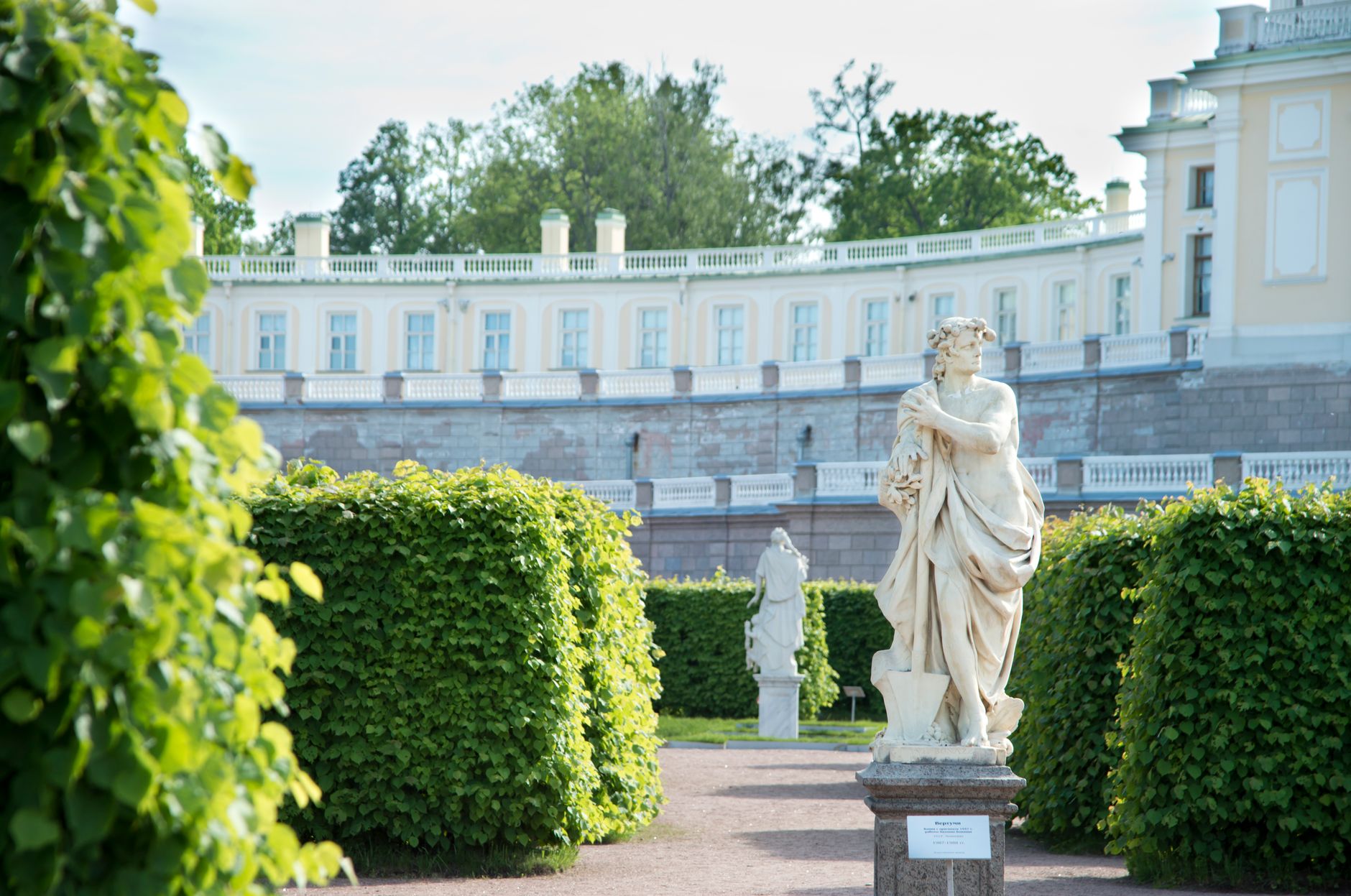
Peterhof, located 30 kilometers west of central Saint Petersburg, combines palace tourism with extensive park grounds. Beyond the famous fountain displays, the English Park and Alexandria Park offer quieter walking paths along the Gulf of Finland shoreline. The suburban train from Baltic Station to New Peterhof costs 80 rubles (less than 1 euro) and takes 40 minutes, making it an affordable day trip. I spent an entire afternoon exploring the lesser-visited western sections of the park, where local families swim at small beaches hidden among the trees.
Summer accommodation prices in Saint Petersburg increase significantly compared to winter rates. Hotels near Nevsky Prospekt charge 6,000-12,000 rubles (60-120 euros) per night during peak White Nights period, roughly double the off-season rates. Booking three months in advance typically secures better prices.
Pulkovo Airport experiences its highest traffic volumes during summer months. Note that direct flights between Russia and EU capitals remain suspended, so most international visitors connect through hubs such as Istanbul, Dubai or Yerevan. The airport bus (number 39) to Moskovskaya metro station costs 88 rubles at the standard fare, or 65 rubles with a Podorozhnik card, and operates every 12 minutes during daytime hours. Taxi services through official apps like Yandex Go charge approximately 1,000-1,500 rubles for the 20-kilometer journey to central Saint Petersburg, depending on traffic conditions.
Weather unpredictability remains a factor even during summer months. Rain showers occur frequently, and temperatures can vary from 12 to 28 degrees Celsius within the same week. When I visited in early July, I experienced three days of continuous rain followed by brilliant sunshine. Packing layers and waterproof clothing proves essential. The extended daylight can also disrupt sleep patterns, so many hotels provide blackout curtains, and I found a sleep mask necessary for comfortable rest during the brightest weeks of June.
Getting Around the City During Peak Summer Season
Saint Petersburg's metro system operates from approximately 5:30 AM to midnight, with extended hours during major festivals and White Nights celebrations. A single journey costs 95 rubles regardless of distance, or 65 rubles with a Podorozhnik card. The five metro lines intersect at key tourist areas, with Admiralteyskaya station providing closest access to the Hermitage and Palace Square, while Nevsky Prospekt and Gostiny Dvor stations serve the main shopping and dining district.
Surface transportation becomes more challenging during summer due to increased tourist numbers and frequent street closures for festivals. Trolleybus routes 1, 7, and 10 along Nevsky Prospekt provide scenic transportation for 88 rubles per journey, or 65 with a Podorozhnik card, though traffic congestion can make walking faster during peak hours. I noticed that bicycle rental stations have expanded throughout the city center, with docked bike systems charging 150 rubles (1.50 euros) for 30 minutes.
Water transportation offers unique summer perspectives of the city. The canal and river cruise boats operate from May through September, with 60-minute tours departing from multiple embankments near the Hermitage and along Nevsky Prospekt. Prices should be checked on the museum's own site, as they vary depending on route and boat type. Evening cruises during White Nights provide views of the drawbridge openings from the water, though these premium tours require advance booking through official operators and prices should be checked on the museum's own site.