The Datsan Gunzechoinei stands as the northernmost Buddhist temple in the world, located in the Primorsky District of Saint Petersburg, Russia. Built between 1909 and 1915, this Tibetan-style temple represents a unique cultural landmark in a city known primarily for its Orthodox churches and imperial palaces. The temple serves as an active place of worship for Saint Petersburg's Buddhist community while welcoming visitors interested in Buddhist architecture, Tibetan art, and the history of religious diversity in Russia's former capital.
Designed by architects Gavriil Baranovsky and Nikolay Berezovsky, the Datsan features distinctive architectural elements including a granite facade, colorful glazed tiles, and traditional Tibetan ornamental details. The temple's construction was supported by prominent figures including the 13th Dalai Lama and Agvan Dorzhiev, a Buryat scholar who served as a diplomat and spiritual teacher. Today, the complex houses prayer halls, a library of Buddhist texts, and spaces for meditation and religious ceremonies conducted by resident monks.
Where is the Buddhist Temple Located?
The Datsan Gunzechoinei is situated at Primorsky Prospekt 91 in the northern Primorsky District of Saint Petersburg. The temple stands approximately 7 kilometers north of the city center, positioned near the coastal area overlooking the Gulf of Finland. Visitors can reach the site via public transportation using metro and bus connections from central Saint Petersburg.
The nearest metro station is Staraya Derevnya on Line 5 (the purple line), located roughly 2 kilometers from the temple — about a 15-minute walk that many visitors prefer to the bus. Chernaya Rechka station (also on Line 5) is a second option. From Staraya Derevnya you can also take bus routes 34 or 93, which stop near the temple entrance, or a marshrutka minibus during daylight hours. The journey from Nevsky Prospekt to the temple typically requires 40-50 minutes.
The temple grounds occupy a relatively quiet residential neighborhood, contrasting with the dense historic center. The surrounding area includes parks and walking paths along the coast, making the visit suitable for combining with a stroll near the water. Taxi services and ride-sharing applications provide direct transportation from central hotels, with travel time varying based on traffic conditions but generally ranging from 25 to 40 minutes.
Architectural Features and Design Elements
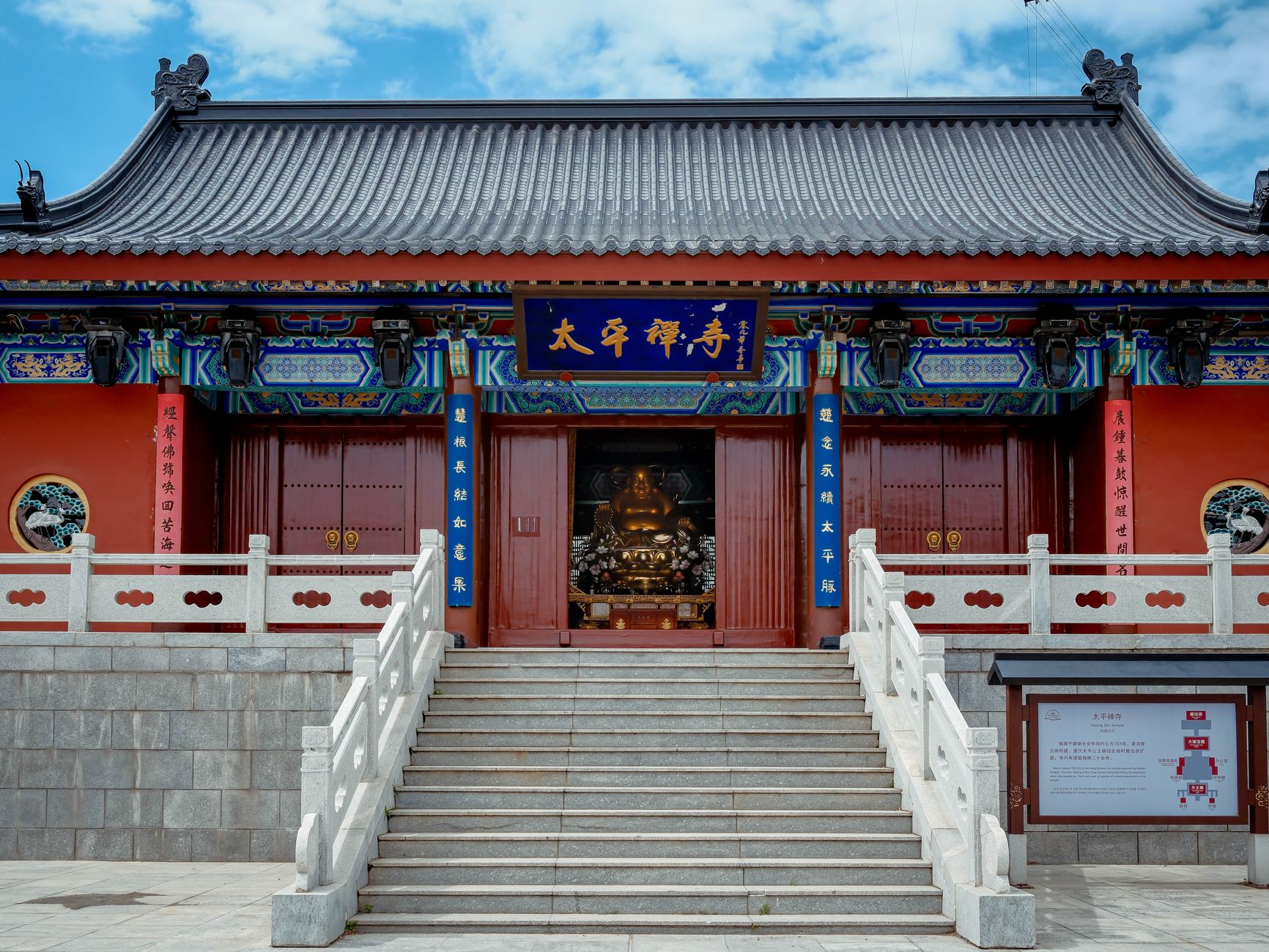
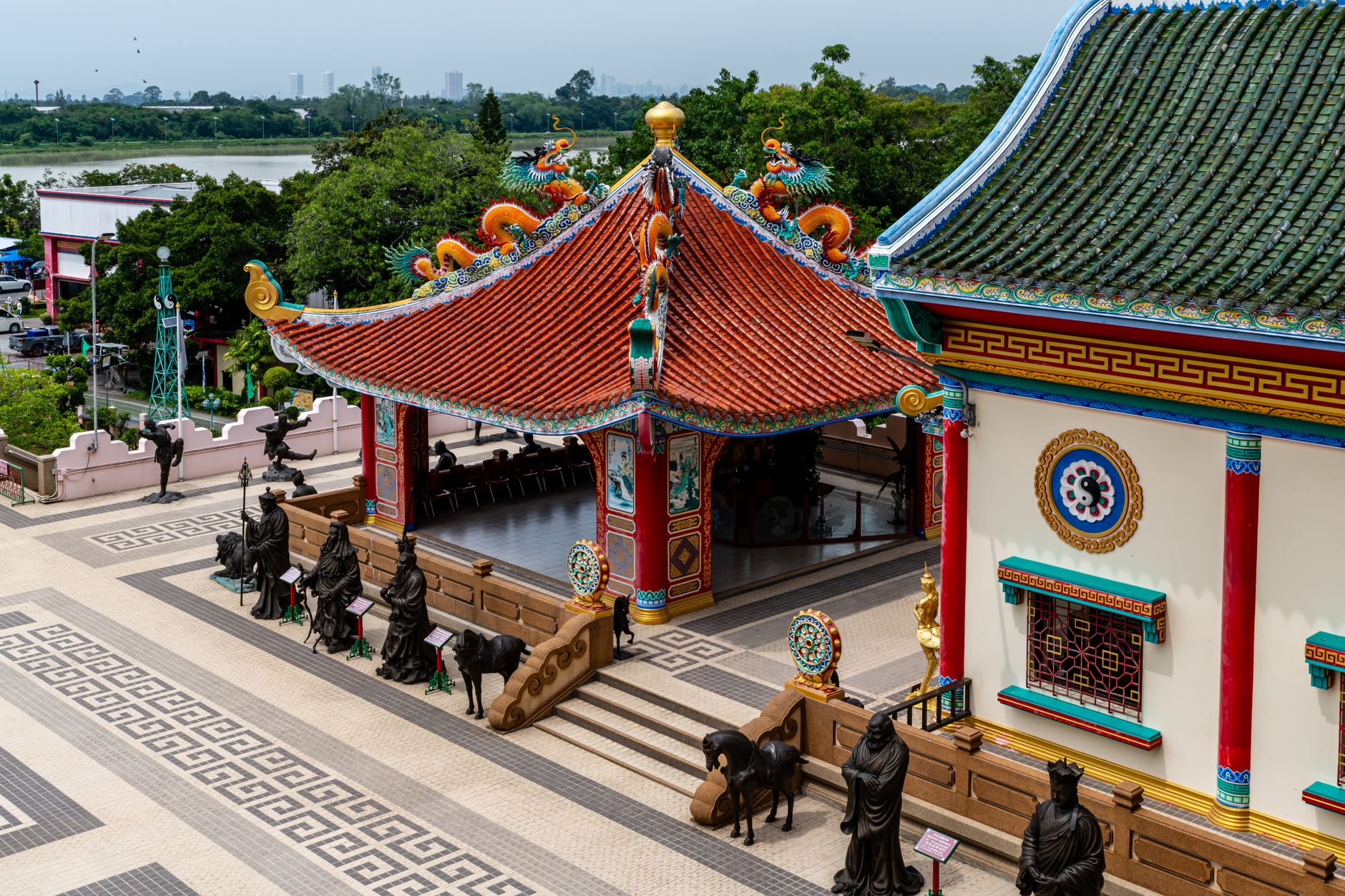
The temple's architecture follows traditional Tibetan Buddhist design principles while incorporating materials suited to Saint Petersburg's harsh climate. The main building features a granite base and walls decorated with multicolored glazed tiles imported from abroad, creating the distinctive appearance characteristic of Tibetan monasteries. The structure includes a central prayer hall, subsidiary rooms for religious functions, and residential quarters for monks.
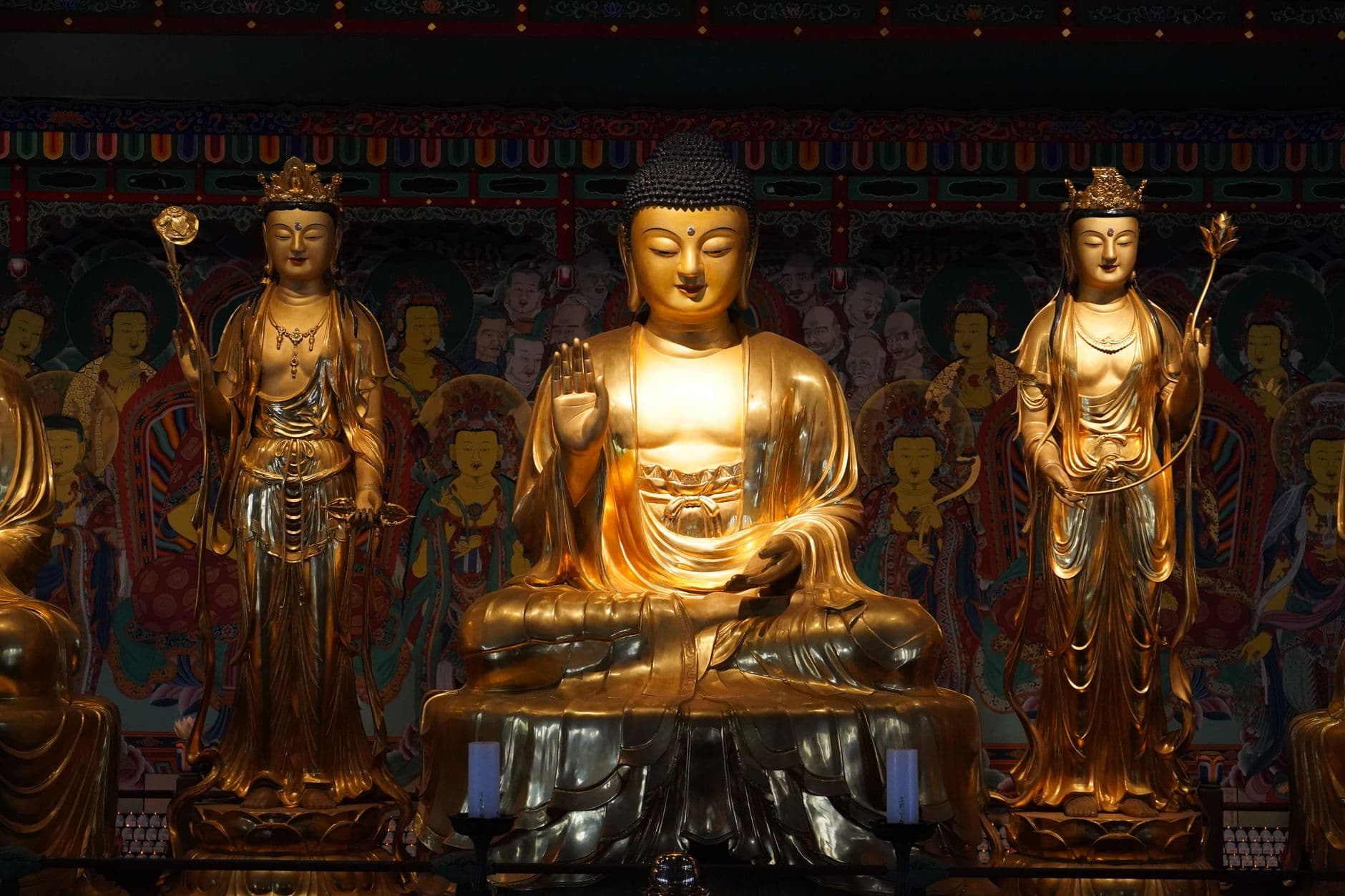
The facade showcases ornamental details including carved stone elements, decorative metalwork, and painted wooden components that replicate motifs found in Himalayan temple architecture. The roof design follows Tibetan conventions with upturned corners and gilded ornamental features. Inside, the prayer hall contains Buddhist statues, thangka paintings, and ritual objects used in daily ceremonies and special observances throughout the Buddhist calendar.
The temple's construction involved craftsmen from Buryatia, Tibet, and local Saint Petersburg builders, resulting in a synthesis of authentic Buddhist architectural traditions and Russian construction techniques. The granite used for the exterior came from quarries in Finland, while specialized decorative elements were created by artisans familiar with Tibetan artistic conventions. This combination produced a structure capable of withstanding northern weather conditions while maintaining authentic aesthetic character.
What Are the Opening Hours and Visiting Guidelines?
The Datsan Gunzechoinei is generally open daily from 10:00 to 19:00, with Wednesday its usual closed day (some sources list shorter hours, until 18:00, on Thursday and Friday). Because the schedule shifts for religious holidays and ceremonies, confirm the current times before visiting through the official site dazanspb.ru or by phone at +7 (812) 430-03-41 (reception) or +7 (812) 679-91-08. The main prayer hall is open for visits outside of active worship times.
As an active place of worship, the temple requests that visitors observe appropriate etiquette when entering the grounds and buildings. Modest clothing is recommended, with shoulders and knees covered. Visitors should remove shoes before entering the prayer hall and maintain quiet behavior to respect ongoing religious activities. Photography may be restricted in certain areas, particularly during ceremonies, and permission should be requested before taking pictures inside the main hall.
The temple does not charge a general entrance fee, as it operates primarily as a religious institution rather than a tourist attraction, though donations are welcomed to support maintenance and religious activities. Note that entering the main prayer hall may involve a small charge (around 5 ₽) for the shoe covers required inside. Guided tours may be available by prior arrangement, offering detailed explanations of Buddhist practices, the temple's history, and the significance of various architectural and artistic elements. Interested visitors can contact the temple administration through their official channels to inquire about tour availability and language options.
at the Bank of Russia rate on 09.10.2026 · powered by tutkakdoma
Historical Background and Cultural Significance
The construction of Saint Petersburg's Buddhist temple began in 1909, initiated by Agvan Dorzhiev with support from the Buryat Buddhist community and approval from Tsar Nicholas II. The project represented an unprecedented development in early 20th-century Russia, establishing a permanent Buddhist presence in the imperial capital. The temple was consecrated in 1915, shortly before the Russian Revolution dramatically altered the country's religious landscape.
During the Soviet period, the temple faced severe restrictions and closure. In 1919, the building was confiscated and repurposed for various secular uses including a radio station and sports facility. This period caused significant damage to the interior and disrupted the religious community that had formed around the temple. The temple suffered especially heavily during Stalin's Great Purge of 1937–1938, when the monks associated with it were arrested and many were executed. The building remained closed to Buddhist worship for most of the 20th century, with only brief periods of limited religious activity.
The temple was returned to the Buddhist community in 1990 following the collapse of Soviet religious restrictions. Extensive restoration work began to repair decades of neglect and inappropriate use. The renovation process involved restoring damaged architectural elements, recreating lost decorative features, and re-establishing the interior spaces for religious purposes. Today, the restored Datsan functions as the center of Buddhist religious life in Saint Petersburg and northwestern Russia, serving practitioners from various Buddhist traditions while maintaining its historical connection to Tibetan Buddhism.
The Datsan Gunzechoinei serves as an active monastery where resident monks conduct daily prayers, meditation sessions, and religious ceremonies according to the Tibetan Buddhist calendar. The temple follows the Gelug school of Tibetan Buddhism, the same tradition associated with the Dalai Lama. Regular services include morning and evening prayers, with special ceremonies held during significant Buddhist holidays such as Losar (Tibetan New Year) and Vesak (Buddha's birthday).
The temple offers various programs for both Buddhist practitioners and interested visitors. Meditation classes, Buddhist philosophy lectures, and introductory courses on Tibetan Buddhism are periodically organized, often in Russian with occasional English-language sessions. The temple library contains texts in Tibetan, Russian, and other languages, supporting study and research into Buddhist teachings and practices.
Beyond religious functions, the temple serves as a cultural center promoting understanding of Buddhist traditions and Tibetan culture in Saint Petersburg. Events include exhibitions of Tibetan art, performances of traditional music, and lectures by visiting scholars and religious teachers. The temple maintains connections with Buddhist institutions worldwide, occasionally hosting visiting lamas and teachers who conduct special teachings and empowerment ceremonies for the local community.
Practical Information for Visitors
Planning a visit to the Datsan Gunzechoinei requires consideration of its location away from central tourist areas. Visitors should allocate approximately 1-2 hours for the temple visit itself, with additional time for transportation. The journey provides an opportunity to see residential neighborhoods beyond the historic center, offering perspective on contemporary Saint Petersburg life.
The temple itself has a small café serving simple Buryat and Uzbek dishes — a rare chance to try Buddhist-region cuisine in the city. Beyond that, the immediate area has limited dining and shopping compared to central districts, so visitors may wish to bring water and snacks when exploring the surrounding coastal area. Additional restaurants and cafes are located near Staraya Derevnya metro station, offering Russian and international options at moderate prices.
Combining the temple visit with other northern Saint Petersburg attractions can create an efficient itinerary. The Yelagin Island park, known for its natural landscapes and historic palace, lies several kilometers to the east and can be reached via public transportation. The coastal areas near the temple offer walking paths with views of the Gulf of Finland, particularly appealing during summer months when the white nights phenomenon provides extended daylight hours.
Head covering for women, modest dress, respectful conduct
Active Worship
Daily prayers, meditation, Buddhist ceremonies
Regular liturgies, services, sacraments
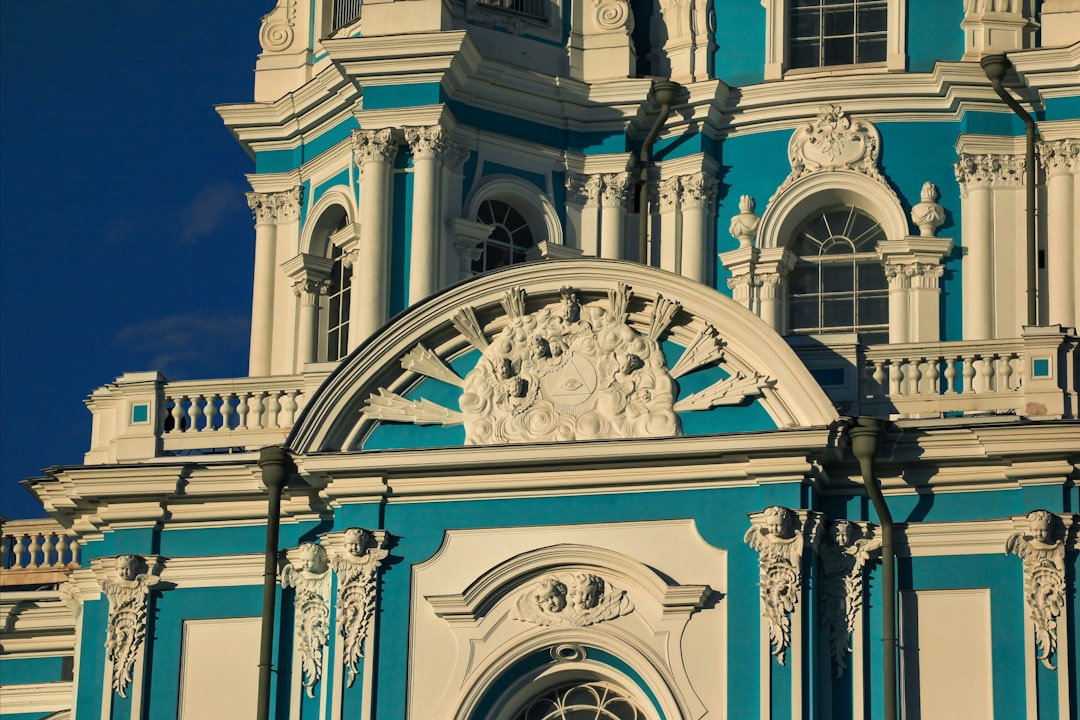
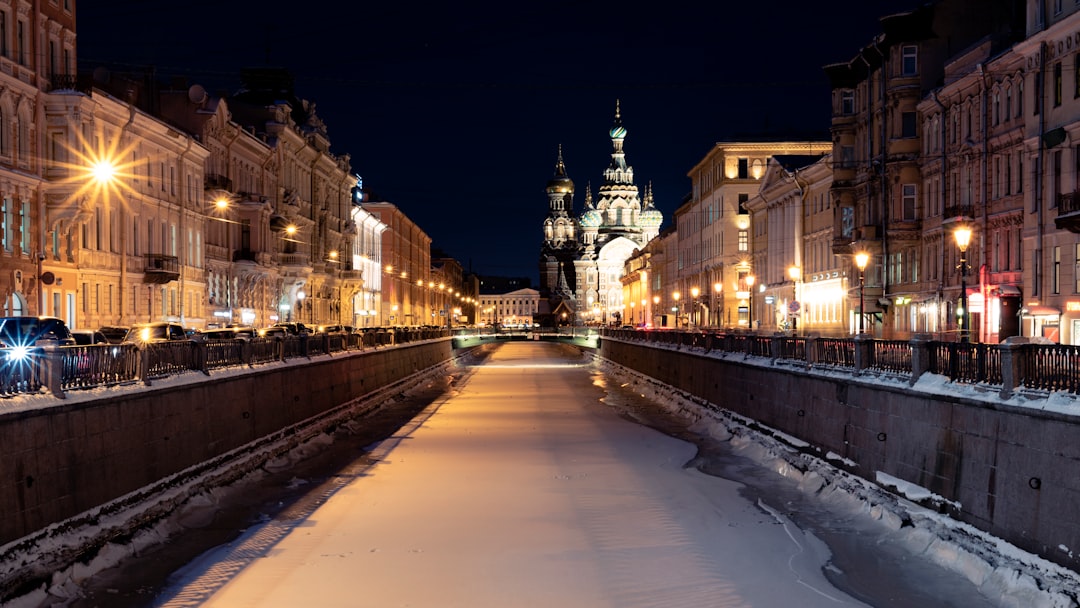
The Datsan Gunzechoinei offers a distinct experience from the Orthodox churches that dominate Saint Petersburg's religious architecture. While churches like the Church of the Savior on Spilled Blood and Saint Isaac's Cathedral attract large tourist crowds with their central locations and museum functions, the Buddhist temple maintains a quieter atmosphere focused primarily on religious practice. This difference creates a more contemplative visit for those interested in experiencing an active place of worship rather than a monument converted to museum use.
Understanding these distinctions helps visitors set appropriate expectations. The temple's distance from central tourist areas means fewer crowds but requires more travel time. The active religious function means visiting hours and access may be more restricted than at major museum-churches. However, these characteristics also provide an authentic encounter with a living religious tradition and an opportunity to explore an architectural style rare in European Russia. For travelers interested in religious diversity, cultural history, or Buddhist traditions, the Datsan represents a valuable addition to a Saint Petersburg itinerary beyond the standard imperial and Orthodox heritage sites.