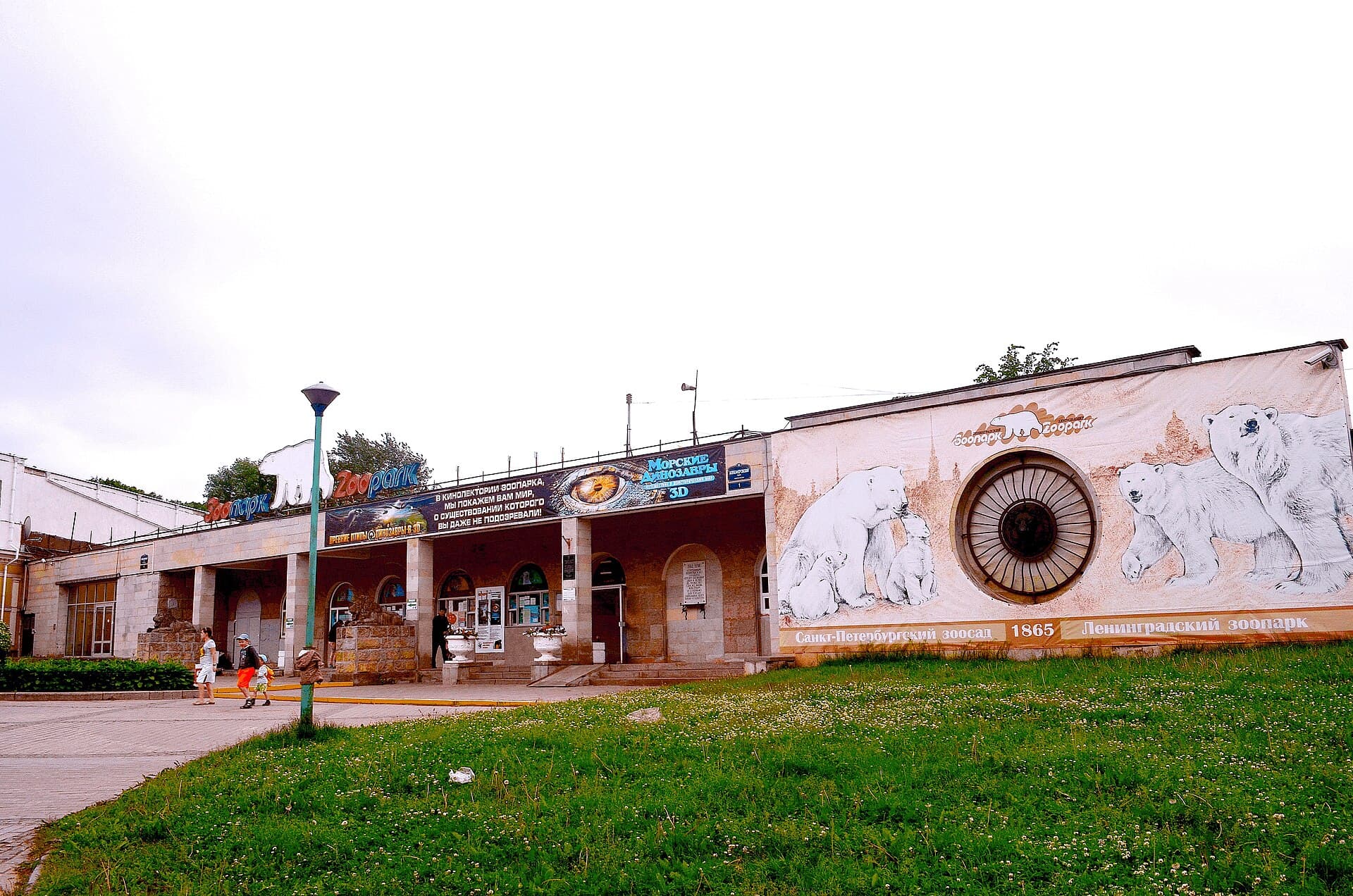
Leningrad Zoo stands as Russia's oldest zoological garden, established in 1865 in the heart of Saint Petersburg. Located at 1 Alexandrovsky Park, the zoo occupies a compact 7.4-hectare site in the Petrograd District, easily accessible via Gorkovskaya metro station on the blue line. The facility has served generations of visitors through imperial Russia, Soviet times, and modern Russia, maintaining its historical name despite the city's return to Saint Petersburg in 1991.
The zoo's location near the Peter and Paul Fortress makes it convenient for families combining multiple attractions in one day. Alexandrovsky Park provides a green buffer between the zoo and the urban landscape, with tree-lined paths leading to the main entrance. The site's compact layout allows visitors to see the entire collection within 2-3 hours, making it manageable for families with young children who tire easily.
Throughout its history, the zoo has adapted to changing conditions while preserving its core mission of animal conservation and education. The institution survived the Siege of Leningrad during World War II, when staff protected animals under extreme conditions. Today, the zoo participates in international breeding programs and maintains partnerships with zoological institutions worldwide, contributing to species preservation efforts while serving as an educational resource for the city's residents and international visitors.
How Much Do Zoo Tickets Cost in 2026?
Standard adult admission to Leningrad Zoo is around 600 rubles, with reduced rates for children aged 7-17 and students. Children under 7 enter free. A discounted evening tariff applies on weekdays from 17:00. Visitors should check the official zoo website for current pricing, as rates adjust seasonally and special exhibitions may carry additional fees.
The zoo accepts both cash and card payments at the ticket office near the main entrance. Online booking options may be available during peak summer months, allowing visitors to skip queues. Family tickets and annual memberships offer cost savings for frequent visitors or large groups. Discounts typically apply to specific categories including military personnel, large families with official status, and individuals with disabilities.
Additional costs may include animal feeding experiences, educational programs, and souvenir purchases at the gift shop. The zoo occasionally hosts special events and temporary exhibitions that require separate admission or carry supplementary charges. Photography for personal use is generally included in the base ticket price, though professional photography sessions require advance permission and may involve fees.
The zoo houses more than 2,000 animals representing over 410 species from around the world. The collection emphasizes species adapted to northern climates while including tropical and subtropical animals in climate-controlled facilities. Polar bears remain among the most popular residents, occupying a specially designed habitat with pools and rocky terrain. The zoo maintains breeding programs for several endangered species, contributing to global conservation efforts.
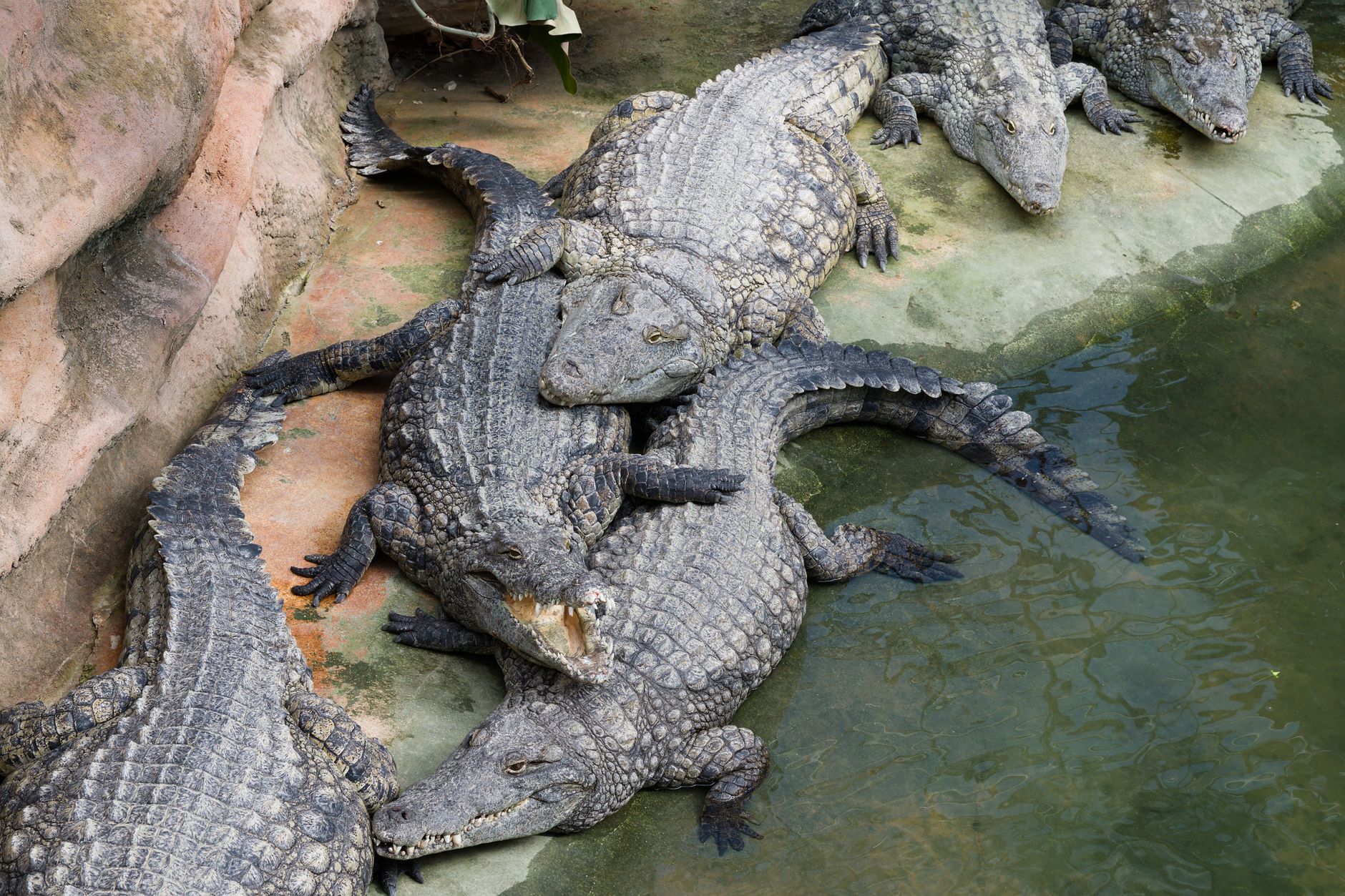
The big cat collection includes Amur leopards, one of the world's rarest felines, alongside lions and other predators. Primate exhibits feature various monkey species in indoor-outdoor enclosures designed to encourage natural behaviors. The exotarium building houses reptiles, amphibians, and fish in temperature-controlled environments, allowing year-round viewing regardless of Saint Petersburg's harsh winters. Birds of prey demonstrations occasionally take place in designated areas, showcasing raptors' hunting abilities and flight patterns.
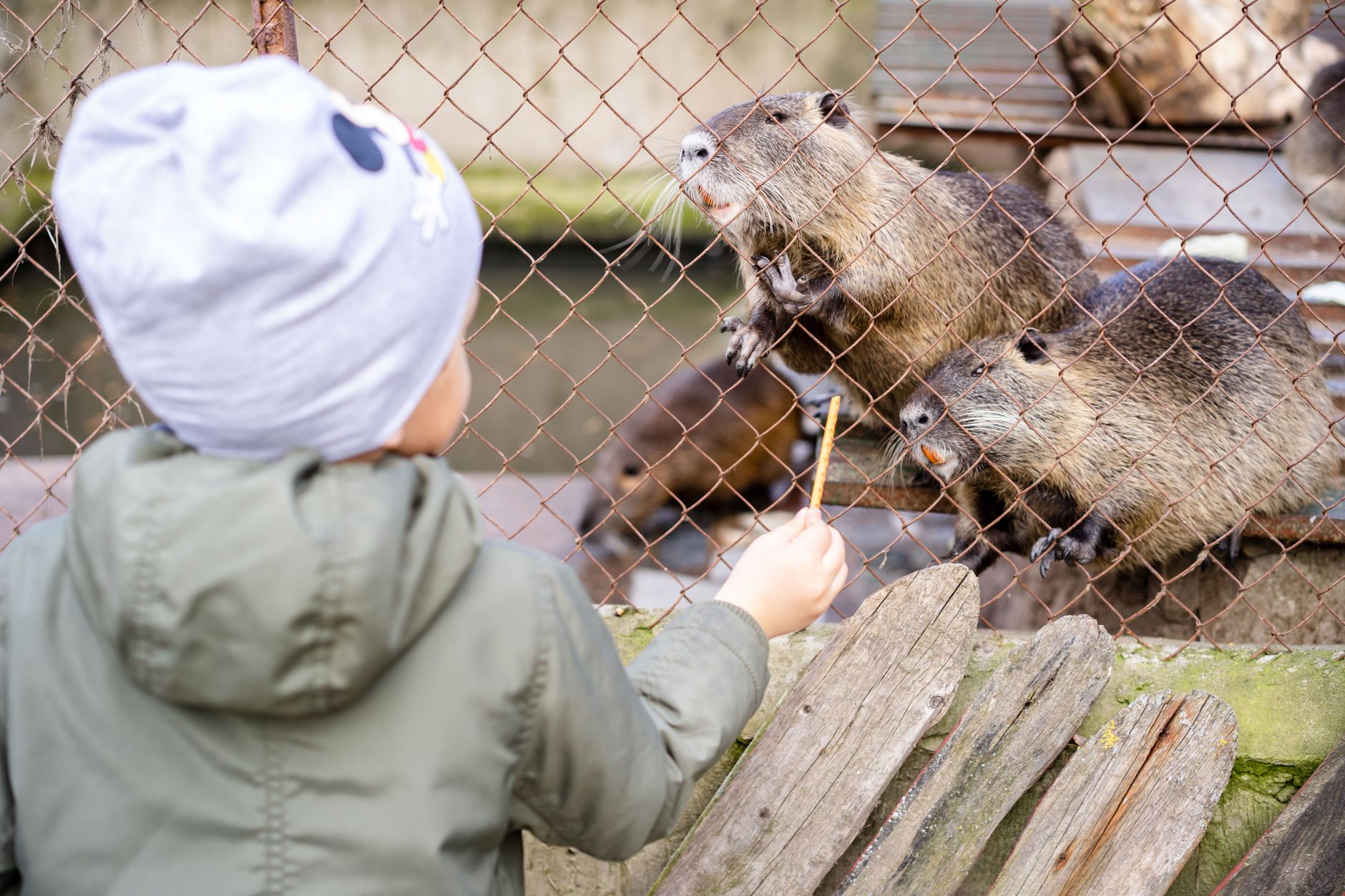
Domestic and farm animals occupy a dedicated petting area where children can interact with goats, sheep, and rabbits under supervision. This contact zone proves particularly popular with younger visitors who may find larger exotic animals intimidating. The zoo's collection strategy balances entertainment value with educational objectives, using informational signage in Russian and English to explain species characteristics, habitats, and conservation status. Staff members regularly conduct feeding sessions at scheduled times, providing opportunities to observe animal behaviors and learn about dietary requirements.
at the Bank of Russia rate on 10.10.2026 · powered by tutkakdoma
What Facilities Are Available for Families with Children?
The zoo provides multiple amenities designed specifically for families with young children, including stroller-accessible paths throughout most exhibit areas. Changing facilities and nursing rooms are located near the main entrance and central areas. Several playgrounds with age-appropriate equipment offer breaks from animal viewing, allowing children to burn energy between exhibits.
Food options include a café serving hot meals, snacks, and beverages, plus seasonal kiosks offering ice cream and light refreshments during warmer months. Picnic areas with benches allow families to bring their own food, though visitors should dispose of waste properly to maintain cleanliness. Restroom facilities are distributed throughout the grounds, clearly marked with signage in Russian and pictograms for international visitors.
Educational programs cater to different age groups, from preschool activities focusing on animal sounds and basic characteristics to more detailed sessions for older children covering ecology and conservation. The zoo occasionally hosts birthday party packages, allowing families to celebrate special occasions with guided tours and animal encounters. Souvenir shops near the entrance and exit sell plush toys, books, and educational materials, providing mementos of the visit. During summer, the zoo extends operating hours, while winter visits require warm clothing as outdoor exhibits remain accessible in most weather conditions.
Summer months from June through August attract the largest crowds, with families taking advantage of school holidays and favorable weather. Animals tend to be more active during morning hours before midday heat, making early visits between 10:00 and 12:00 optimal for viewing. Weekdays generally offer quieter experiences than weekends, particularly during the school year when local families visit primarily on Saturdays and Sundays.
Spring and autumn provide comfortable temperatures for walking while avoiding peak tourist season congestion. September proves particularly pleasant, with mild weather and reduced crowds as children return to school. Winter visits offer a unique perspective, as cold-climate species like polar bears and Arctic foxes display natural behaviors in conditions matching their native habitats. However, some outdoor exhibits may have limited viewing during extreme cold, and visitors must dress appropriately with insulated clothing, warm boots, and hand protection.
The zoo's operating hours vary by season. In summer (from late May), hours are roughly 10:00-22:00 with the box office closing about 21:00. From 1 September through autumn and winter, hours are roughly 10:00-20:00 with the box office closing about 19:00. The zoo closes one sanitary day per month. Confirm current hours on spbzoo.ru. Animal feeding times follow set schedules posted at the entrance and on the website, allowing visitors to plan their route to catch multiple feeding sessions. Weather conditions significantly impact the experience, with rain making paths slippery and reducing animal visibility as many retreat to sheltered areas.
Getting to Leningrad Zoo by Metro and Public Transport
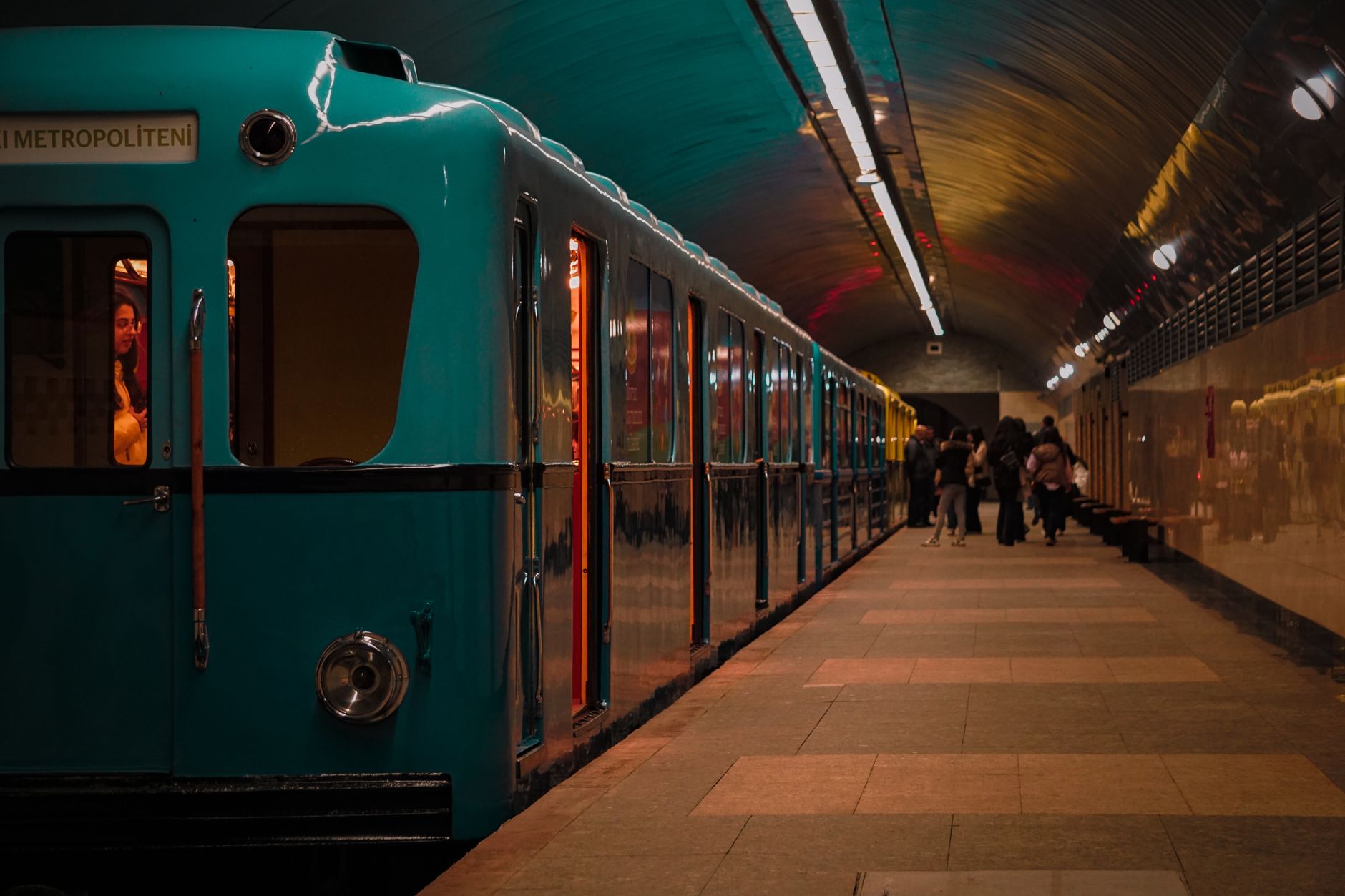
Gorkovskaya metro station on Line 2 (blue/Moskovsko-Petrogradskaya line) provides the most direct access to the zoo, located approximately 400 meters from the station exit. Sportivnaya is an alternative nearby metro station; the walk from the metro is roughly 10 minutes. Upon exiting Gorkovskaya metro, visitors walk north through Alexandrovsky Park, following signs toward the Peter and Paul Fortress with the zoo entrance clearly visible. The walk takes 5-7 minutes on paved paths suitable for strollers and wheelchairs.
Alternative transport options include buses and trolleybuses serving stops near Alexandrovsky Park, though the metro offers the most reliable and straightforward route. Taxi services and ride-sharing apps provide door-to-door service for families preferring not to navigate public transport with small children or strollers. Street parking exists in the surrounding area but fills quickly during peak visiting hours, making public transport the recommended option for most visitors.
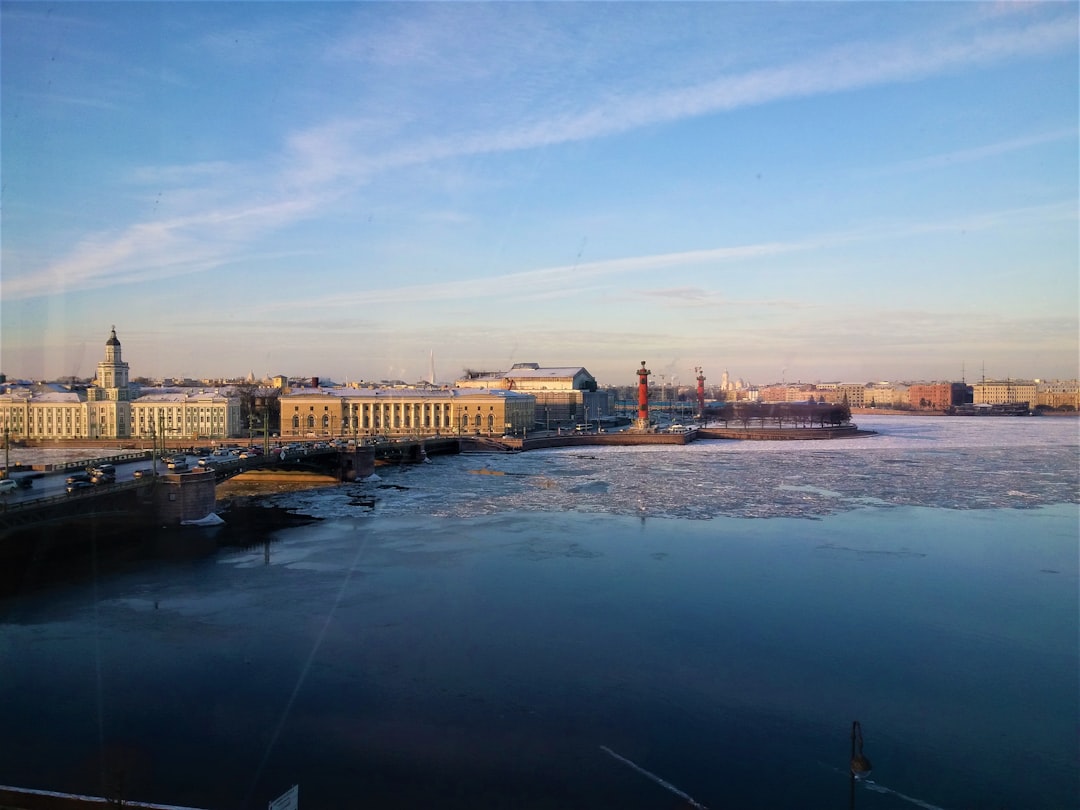
Visitors combining the zoo with other Petrograd District attractions can easily walk to the Peter and Paul Fortress, located adjacent to the park. The Cruiser Aurora and various museums lie within walking distance or a short metro ride. This concentration of attractions makes the area efficient for families planning full-day itineraries. Return trips to central Saint Petersburg via Gorkovskaya metro connect to transfer stations accessing other lines, facilitating onward travel to Nevsky Prospekt, the Hermitage, or accommodation throughout the city.
Shorter due to weather; indoor exhibits emphasized
Planning a zoo visit requires balancing children's attention spans with the desire to see key exhibits. Families with very young children should prioritize the petting area and most popular animals, accepting that covering every exhibit may prove unrealistic. Bringing snacks, water, and entertainment for queue times helps manage children's energy levels and mood throughout the visit.
Combining the zoo with nearby attractions creates efficient day-long itineraries. The Peter and Paul Fortress requires 1-2 hours, while lunch options exist throughout the Petrograd District. Families staying in central Saint Petersburg can easily return to accommodations via metro if children need rest before evening activities. The zoo's compact size compared to major European facilities means visitors can see the entire collection without exhausting young children, making it an appropriate activity even for families with limited time in the city.