Where Can Beginners Cycle Safely in Saint Petersburg?
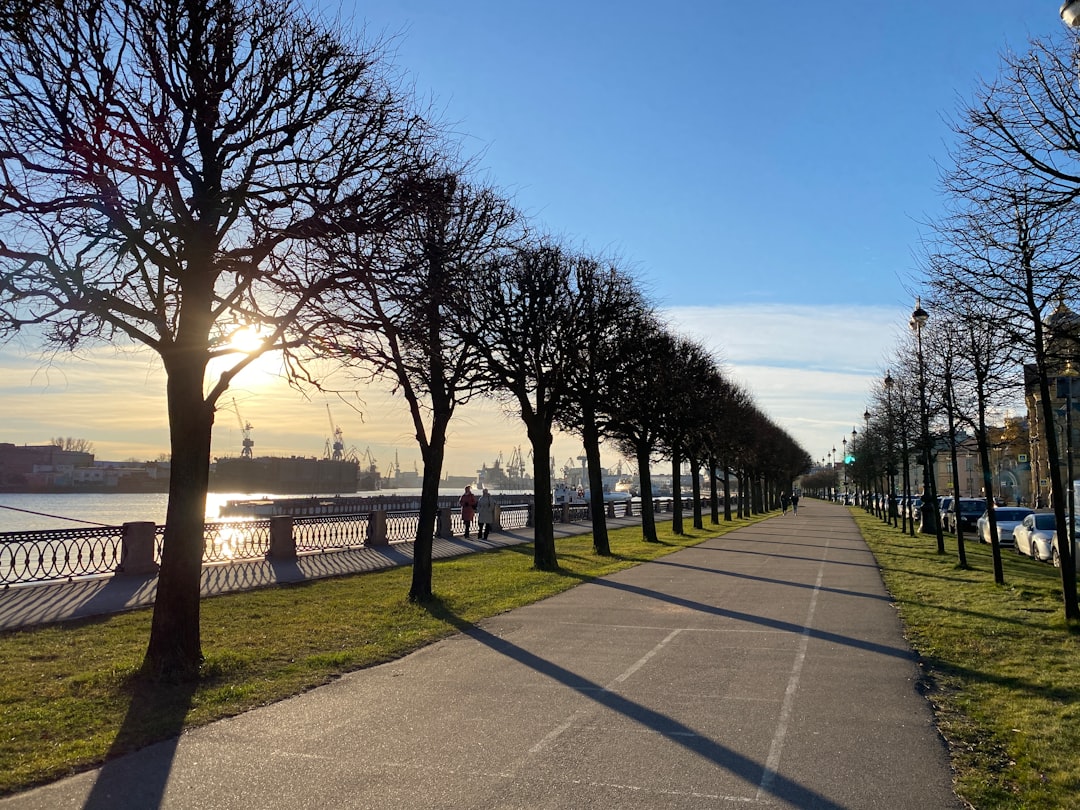
Beginners can cycle safely along the embankments of the Neva River, through Yelagin Island's car-free paths, and around the flat, paved loops of Peterhof Lower Park. These routes feature minimal traffic, wide bike lanes, and clear signage in English and Russian, making them ideal for first-time cyclists exploring the city.
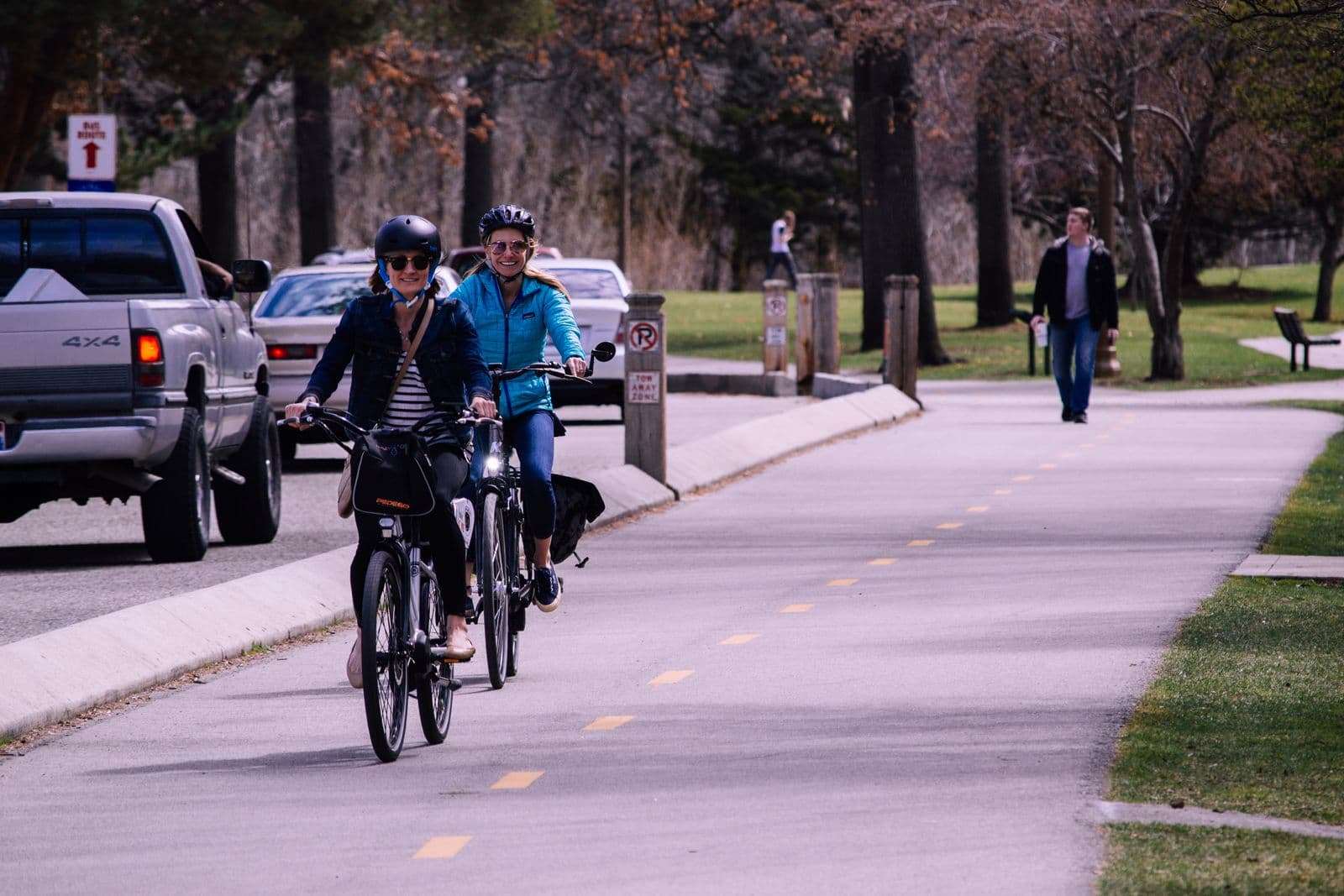
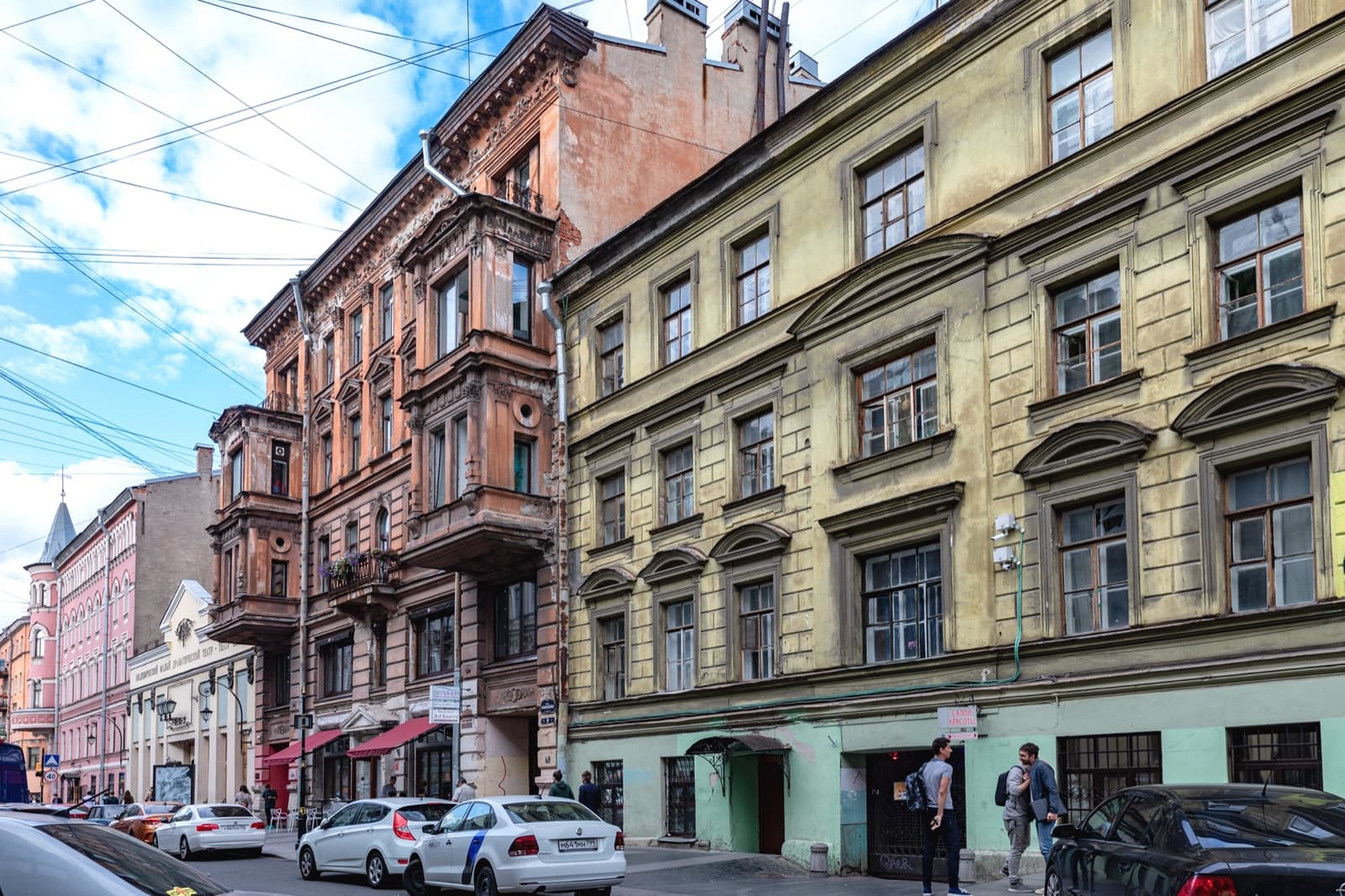
On my last visit in September 2025, I rented a bike near Admiralteyskaya metro station and followed the Palace Embankment eastward toward the Hermitage. The dedicated bike lane ran uninterrupted for three kilometers, separated from car traffic by a painted buffer zone. I noticed families with children cycling at a relaxed pace, stopping frequently to photograph the pastel-colored facades along the waterfront. Saint Petersburg Tourism Committee reports that the city added 47 kilometers of protected bike lanes between 2023 and 2025, prioritizing routes near major tourist attractions.
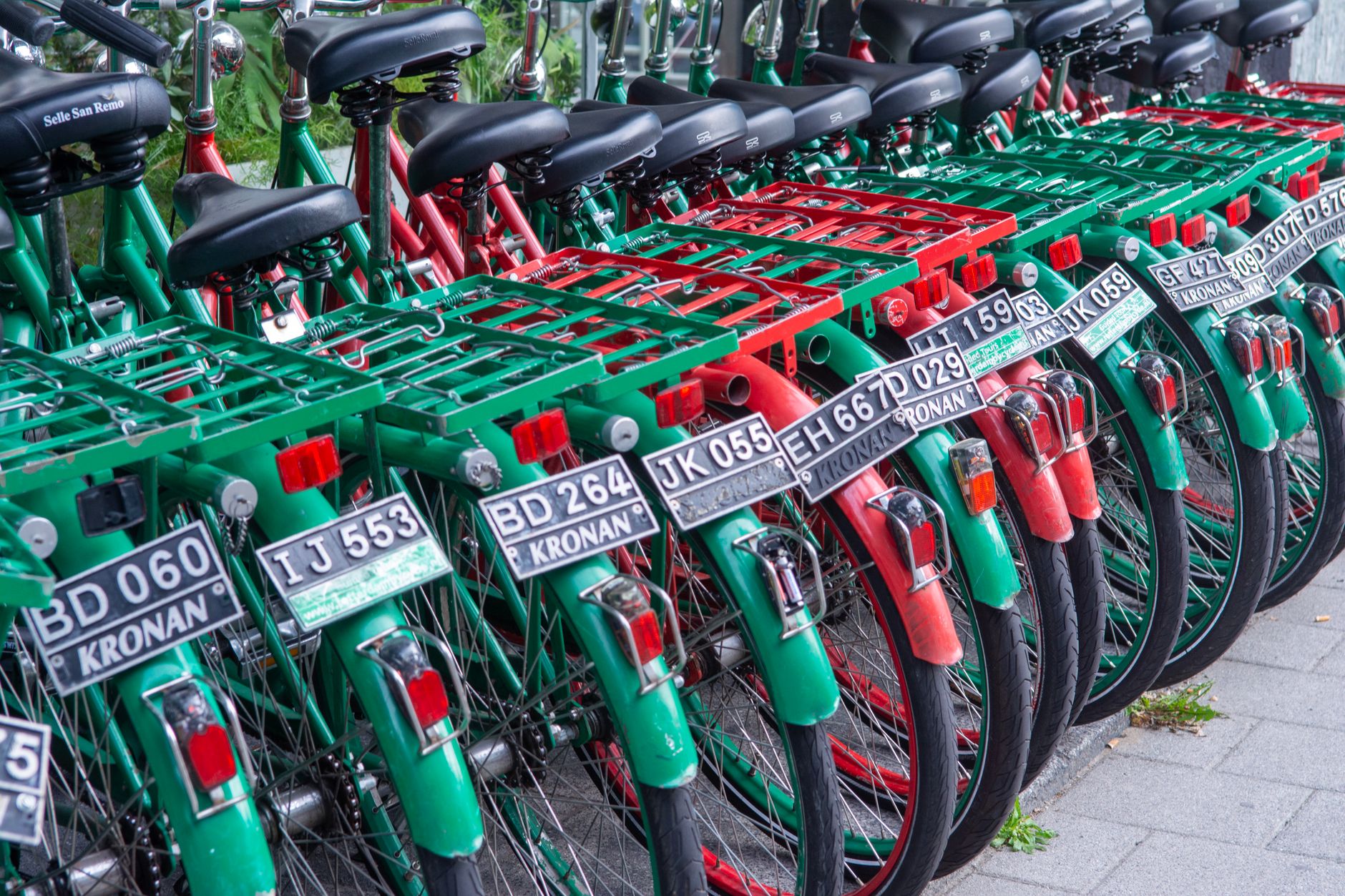
The Neva embankments remain flat throughout, with no steep hills or sudden elevation changes. When I cycled from the Bronze Horseman statue to the Peter and Paul Fortress, the route stayed consistently level, following the natural contour of the riverbank. Traffic lights are synchronized for cyclists traveling at 15-20 km/h, and most intersections feature bike-specific signals with countdown timers. Rental stations operated by Velobike appear every 500 meters along this corridor, charging 150 rubles (approximately 1.50 euros) for the first hour.
Yelagin Island offers a completely car-free environment across its 96 hectares of parkland. The main loop measures 4.2 kilometers and takes beginners roughly 25 minutes to complete at a leisurely pace. I cycled this route on a Sunday morning and encountered joggers, inline skaters, and families with strollers sharing the wide asphalt paths. The island connects to the mainland via Yelagin Bridge, accessible from Staraya Derevnya metro station on the purple line. Bike rentals at the island entrance cost 200 rubles per hour, with helmets included in the base price.
What Should I Know About Bike Rentals in 2026?
Bike rentals in Saint Petersburg cost between 150 and 400 rubles per hour depending on the provider and bike type. Most stations require a refundable deposit of 2,000 rubles or a credit card hold, and you must present a passport or driver's license for identification. Operating hours extend from 8:00 AM to 10:00 PM during peak season (May through September).
When I rented from the Velobike station at Gostiny Dvor in August 2025, the automated kiosk accepted both cash and contactless payment. The deposit returned to my card within 48 hours after I docked the bike at a different station near the Mariinsky Theatre. The rental agreement, printed in Russian and English, specified a maximum rental period of 24 hours before additional fees apply. I paid 300 rubles for two hours, which included a basic lock and a small handlebar bag for personal items.
Private rental shops near Nevsky Prospekt offer higher-quality bikes with better suspension and gear systems. I visited Prokat Velosipedov on Malaya Konyushennaya Street, where staff spoke conversational English and provided detailed maps of beginner routes. They charged 400 rubles per hour for a hybrid bike with 21 gears, front suspension, and puncture-resistant tires. The shop opens at 9:00 AM and closes at 8:00 PM, with extended hours until 10:00 PM on weekends during summer months.
Most rental providers require cyclists to stay within city limits and prohibit taking bikes on suburban trains or buses. Russian Ministry of Transport regulations allow folding bikes on the metro during off-peak hours (before 7:00 AM and after 8:00 PM), but standard bikes are banned from underground transport at all times. I confirmed this policy with metro staff at Admiralteyskaya station, who directed me to the surface-level bike parking area with 50 secure slots monitored by CCTV cameras.
Palace Embankment to Peter and Paul Fortress Route
This 5.8-kilometer route follows the southern bank of the Neva River from the Admiralty building to the Troitsky Bridge, then crosses to Zayachy Island where the Peter and Paul Fortress stands. The path remains entirely flat with dedicated bike lanes for 4.2 kilometers, transitioning to shared pedestrian zones only when approaching the fortress entrance. Total cycling time averages 35 minutes for beginners, not including photo stops at the Hermitage or the Bronze Horseman.
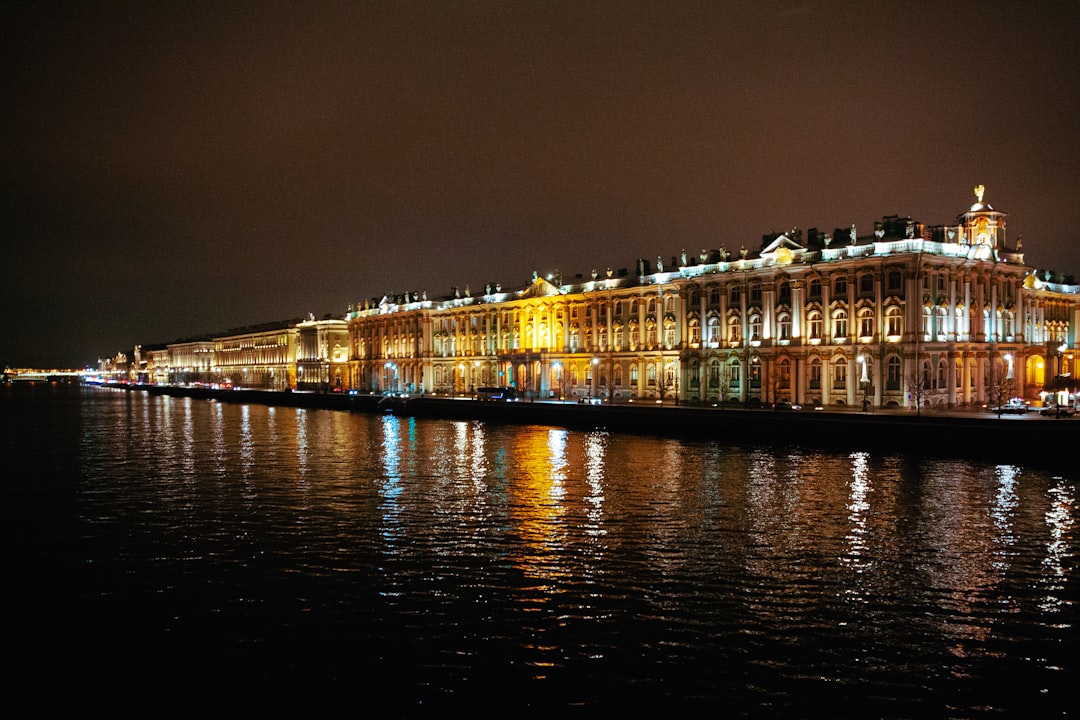
I started this route at 10:00 AM on a Wednesday in June 2025, when cruise ship crowds had not yet filled the embankment. The bike lane runs between the granite parapet overlooking the river and the yellow-and-white facade of the Hermitage complex. Every 200 meters, I passed informational plaques in four languages explaining the historical significance of each palace and monument. The surface quality remained excellent throughout, with fresh asphalt laid in 2024 according to municipal maintenance records posted at the Admiralty end.
Crossing Troitsky Bridge requires using the eastern sidewalk, which permits both pedestrians and cyclists. I walked my bike for 300 meters across the bridge, as posted signs prohibit riding on the bridge deck itself. On the northern side, the route continues along Petrogradskaya Embankment before turning left onto Kronverksky Prospekt. The final 800 meters to the fortress entrance feature cobblestone sections that can jar inexperienced riders, so I reduced my speed to 8-10 km/h to maintain control.
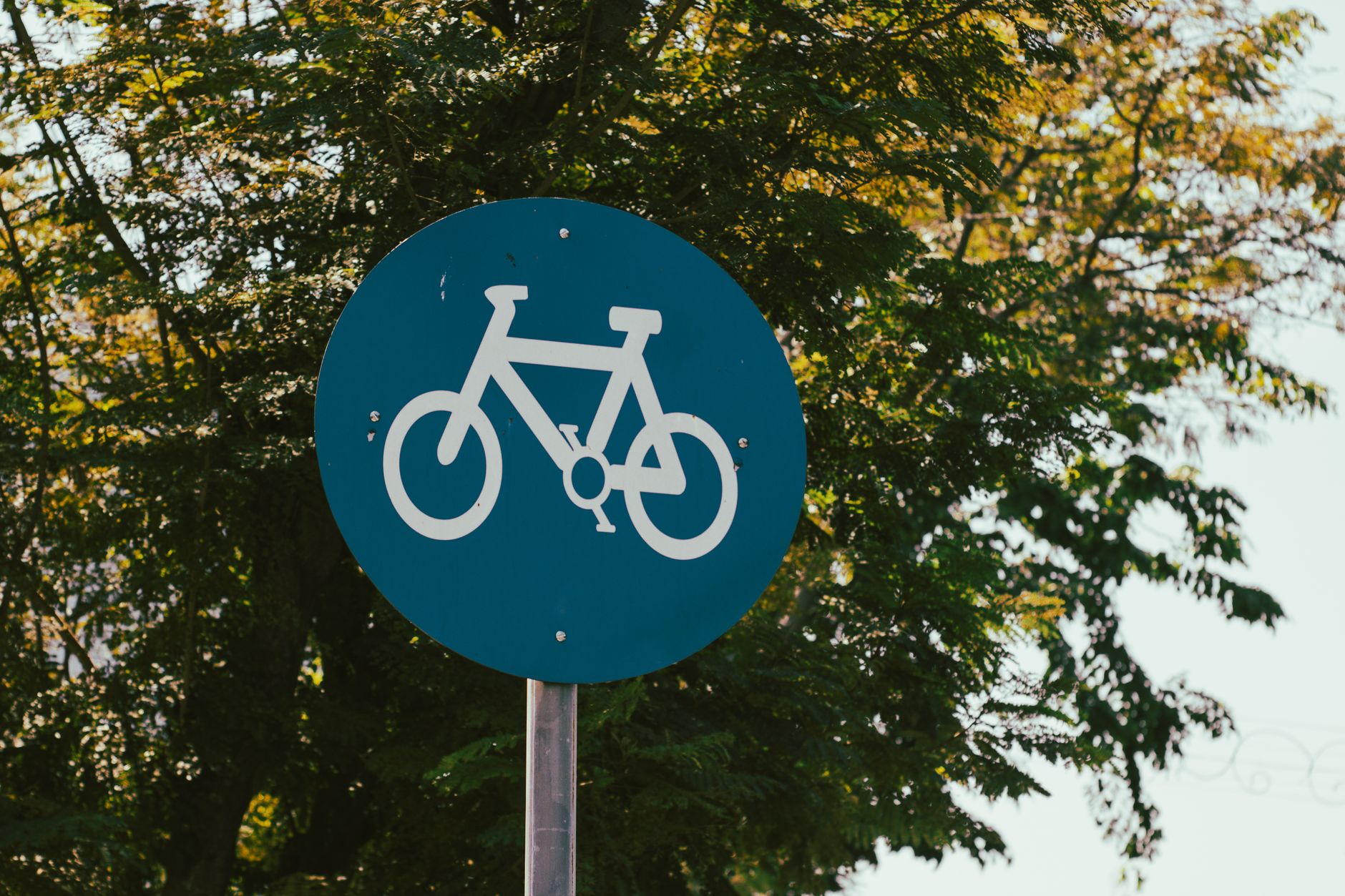
Inside the fortress grounds, cycling is permitted only on designated paths marked with blue bicycle symbols. I locked my bike at the rack near the Saints Peter and Paul Cathedral, where Peter and Paul Fortress Museum staff monitor the area from 10:00 AM to 6:00 PM. The cathedral's golden spire rises 122.5 meters above the island, visible from every point along the embankment route. Admission to the fortress grounds is free, though cathedral entry costs 550 rubles for adults and 250 rubles for students with valid identification.
at the Bank of Russia rate on 24.10.2026 · powered by tutkakdoma
How Long Does the Yelagin Island Loop Take?
The Yelagin Island loop takes beginners 20 to 30 minutes to complete without stops, covering 4.2 kilometers of car-free paved paths. Experienced cyclists finish in 15 minutes, while families with children typically need 40 minutes including breaks at playgrounds and rest areas along the route.
When I cycled Yelagin Island on a Saturday afternoon in May 2025, I completed the full loop in 28 minutes, stopping twice to photograph the Yelagin Palace and the ornamental bridge crossing the middle pond. The path surface consists of smooth asphalt with no cracks or potholes, maintained by the park administration according to standards set by the Saint Petersburg Parks Department. I encountered distance markers every 500 meters, painted in white on the path edge, helping me track progress around the island.
The loop follows a roughly oval shape, with the widest section measuring 1.8 kilometers across the island's center. I cycled counterclockwise, which most visitors prefer because it places the Neva River views on the right side throughout the first half of the route. The path width varies between 3.5 and 5 meters, easily accommodating two-way cycling traffic plus pedestrians on the painted shoulder zones. Benches appear every 300 meters, and I used one near the western shore to adjust my bike seat height after 2 kilometers.
Yelagin Island connects to three other islands via short bridges, creating potential route extensions for confident beginners. I continued north across the wooden footbridge to Krestovsky Island, adding another 2.1 kilometers through the park surrounding Gazprom Arena stadium. The combined route took 45 minutes total, with the Krestovsky section featuring slightly hillier terrain that raised my heart rate but never required dismounting. Both islands prohibit motorized vehicles except maintenance trucks before 9:00 AM, ensuring a peaceful cycling environment throughout the day.
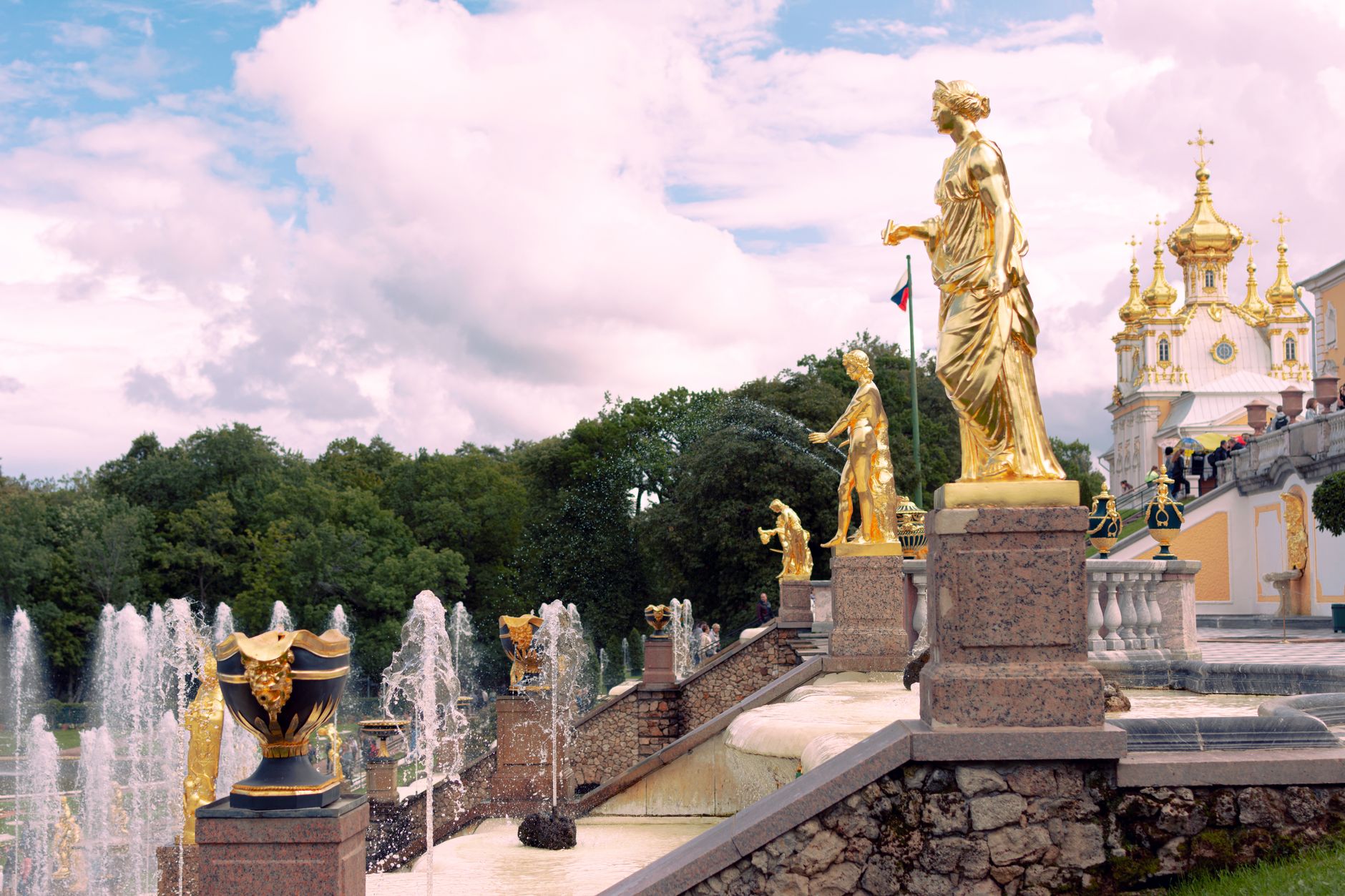
The Peterhof Lower Park coastal path stretches 2.8 kilometers along the Gulf of Finland shoreline, connecting the Grand Cascade fountains to the Alexandria Park boundary. This route features packed gravel surfaces suitable for hybrid and mountain bikes, with gentle slopes never exceeding 3% grade. Beginners complete the one-way journey in 20 minutes, enjoying unobstructed sea views and access to 15 historic pavilions and fountains along the way.
I cycled this route in July 2025 after arriving at Peterhof by hydrofoil from the Hermitage pier, a 35-minute boat ride costing from 1,800 roubles one-way. The Lower Park entrance fee of 1,000 rubles (approximately 10 euros) includes access to all paths and gardens, though individual palace interiors require separate tickets. Peterhof State Museum-Reserve permits cycling on designated routes marked with green bicycle symbols on signposts every 100 meters. I rented a bike from the kiosk near the Grand Cascade for 300 rubles per hour, choosing a hybrid model with wide tires suited to gravel paths.
The coastal path begins at the Marine Canal, where the Grand Cascade's 64 fountains create a dramatic starting point. I cycled westward, passing the Monplaisir Palace on my right after 600 meters. The path surface transitioned from fine gravel to harder-packed dirt as I approached the Hermitage Pavilion, located 1.4 kilometers from the start. Wind from the Gulf of Finland provided natural cooling on the warm afternoon, and I stopped at the Marly Palace viewpoint to watch sailboats crossing the horizon line.
The route ends at the chain-link fence marking Alexandria Park's eastern boundary, where a small gate permits pedestrians but blocks bicycles. I turned around and retraced the path, completing the 5.6-kilometer round trip in 38 minutes including two photo stops. The Lower Park closes at 8:00 PM from May through September, with last bicycle rentals accepted at 6:30 PM to ensure all riders exit before closing. Security staff patrol the paths on electric carts, assisting cyclists with directions and mechanical issues at no charge.
Summer Gardens and Fontanka River Loop
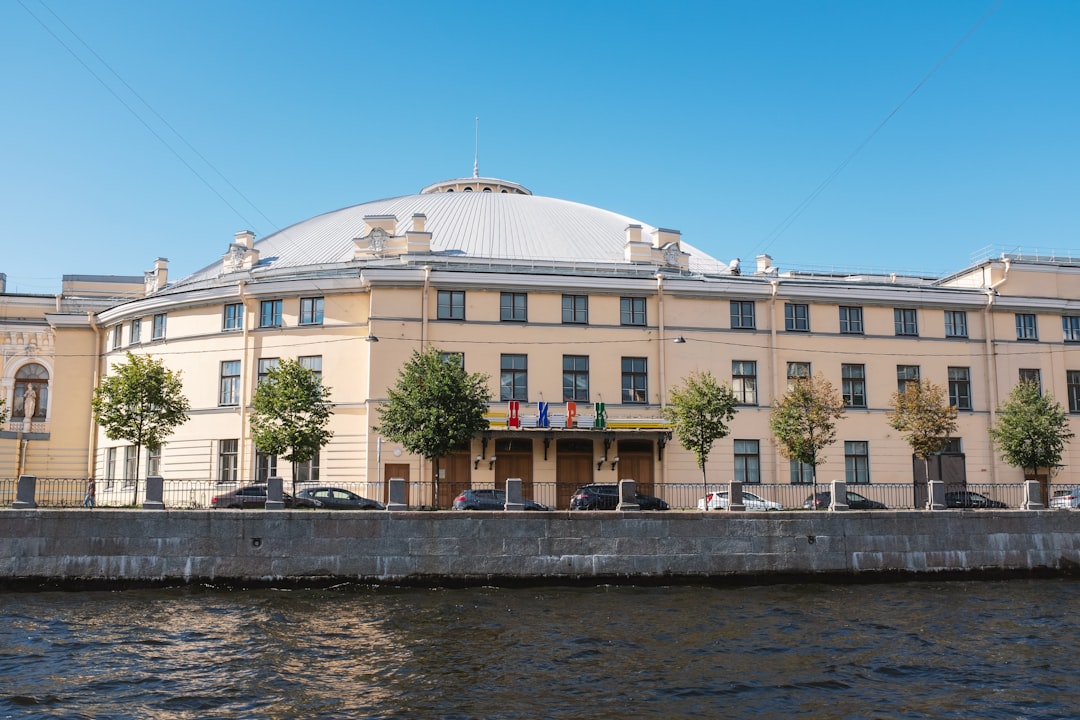
The Summer Gardens and Fontanka River loop combines 6.4 kilometers of urban cycling through central Saint Petersburg, linking the Neva embankment to the tree-lined Fontanka canal system. This route includes 1.2 kilometers of dedicated bike lanes, 3.8 kilometers of low-traffic residential streets, and 1.4 kilometers of shared pedestrian zones where cyclists must reduce speed to walking pace. The complete circuit takes beginners 45 to 55 minutes, passing the Russian Museum, Mikhailovsky Castle, and 12 historic bridges spanning the Fontanka.
I started this loop at the Summer Gardens' main entrance on Kutuzov Embankment, locking my bike at the rack outside because cycling is prohibited within the garden itself. After walking through the gardens for 20 minutes to view the restored Baroque sculptures, I retrieved my bike and headed south along the Fontanka's western bank. The route follows Fontanka Embankment through a mix of residential neighborhoods and commercial districts, with bike lanes appearing intermittently where street width permits.
At Lomonosov Bridge, 2.1 kilometers into the route, I crossed to the eastern bank and continued south to Obvodny Canal. The eastern embankment features less tourist traffic and smoother pavement, recently resurfaced in 2024 according to construction signs I passed near Pushkinskaya metro station. I cycled past the Sheremetyev Palace at the 3.8-kilometer mark, where the Fontanka curves sharply westward. The palace's mustard-yellow facade contrasts with the dark green water of the canal, creating one of the route's most photographed viewpoints.
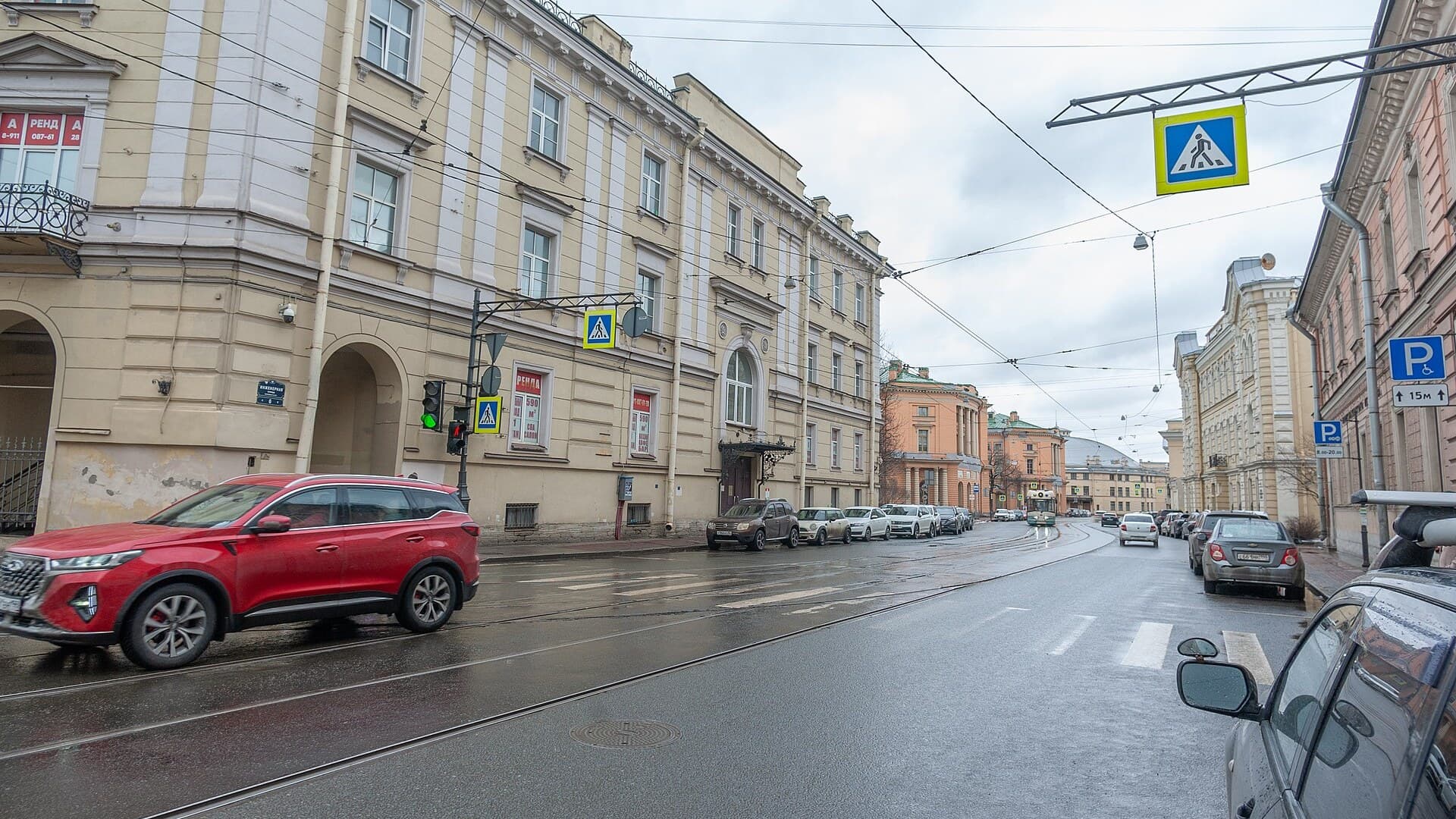
The return leg follows Gorokhovaya Street northward for 1.6 kilometers before rejoining the Neva embankment. This section includes two moderate hills near Sennaya Ploshchad metro station, where I shifted to lower gears and maintained a steady cadence. Traffic increases on Gorokhovaya during afternoon rush hours (4:00 PM to 7:00 PM), so I planned my ride to finish by 3:30 PM when streets remain quieter. The loop concludes at the Summer Gardens' northern gate, completing a circuit that showcases both imperial grandeur and everyday Saint Petersburg neighborhoods.
Safety Tips and Local Cycling Regulations
Saint Petersburg cycling regulations require all riders to use bike lanes where available, yield to pedestrians at crosswalks, and equip bikes with front white lights and rear red reflectors during low-visibility conditions. Helmets are not legally mandatory but strongly recommended by the Saint Petersburg Traffic Police, who conduct random safety checks at popular cycling areas. Fines for violations range from 800 to 1,500 rubles, payable immediately to officers or within 20 days at designated bank branches.
I learned these regulations firsthand when a traffic officer stopped me near the Mariinsky Theatre for cycling on a sidewalk where a bike lane existed 10 meters away. The officer explained the violation in clear English and issued a warning rather than a fine because I was a foreign visitor unfamiliar with local rules. He provided a laminated card listing key regulations in six languages, which I kept in my handlebar bag for reference. The card specified that cyclists must dismount and walk bikes across zebra crossings, a rule I observed many locals ignoring but which police enforce selectively.
Weather conditions significantly affect cycling safety in Saint Petersburg's maritime climate. I checked the Yandex Weather app each morning, noting that rain occurs on approximately 40% of summer days according to historical patterns. When I cycled during light drizzle, the granite embankments became slippery, requiring me to reduce speed by 30% and increase following distance behind other cyclists. The city's northern latitude means daylight extends until 11:00 PM in June but fades by 5:00 PM in September, making bike lights essential for evening rides even during summer months.
Bike theft remains a concern in tourist-heavy areas, particularly near Nevsky Prospekt and the Hermitage. I always used a U-lock rather than a cable lock, securing both the frame and front wheel to fixed objects like bike racks or street signs. When I left my bike for 90 minutes at the Church of the Savior on Spilled Blood, I removed the seat and took it with me, a common anti-theft practice among local cyclists. The bike remained untouched, and I observed several other bikes similarly modified to deter opportunistic thieves.
The best months for beginner cycling in Saint Petersburg are May, June, July, and August, when average temperatures range between 15°C and 23°C and daylight extends from 6:00 AM to 10:00 PM. September offers cooler conditions (10°C to 15°C) with fewer tourists but increased rainfall, while April and October present challenges from unpredictable weather and reduced bike rental availability. Winter cycling from November through March is not recommended for beginners due to ice, snow, and temperatures frequently dropping below -10°C.
During my June 2025 visit, I experienced the White Nights phenomenon, when twilight persists throughout the night and true darkness never arrives. This extended daylight allowed me to cycle until 10:30 PM without artificial lighting, exploring routes along the Neva embankment after most tourists had returned to hotels. The temperature at 9:00 PM remained around 18°C, comfortable for cycling in a light jacket. I noticed bike rental stations stayed open until 11:00 PM during this peak season, accommodating visitors who wanted to experience the city's magical evening atmosphere on two wheels.
July brings the warmest weather but also the largest crowds, particularly around the Hermitage and Peterhof. When I cycled the Palace Embankment route on a July afternoon, I encountered groups of 20 or more tourists blocking the bike lane for group photos, forcing me to dismount and walk around them repeatedly. August offers a better balance of warm weather and manageable crowds, as Russian school holidays end in late August and family tourism decreases. I found August 2025 ideal for cycling, with temperatures averaging 21°C and noticeably fewer pedestrians competing for space on shared paths.
Spring and autumn cycling require preparation for rapid weather changes. I packed a lightweight rain jacket on every ride after being caught in a sudden downpour near the Russian Museum in early September. The rain lasted only 20 minutes but soaked through my cotton shirt, teaching me to choose quick-drying synthetic fabrics for cycling in Saint Petersburg's unpredictable climate. Wind from the Gulf of Finland intensifies in September and October, creating headwinds of 20-25 km/h that can slow beginners significantly on exposed routes like the Peterhof coastal path.