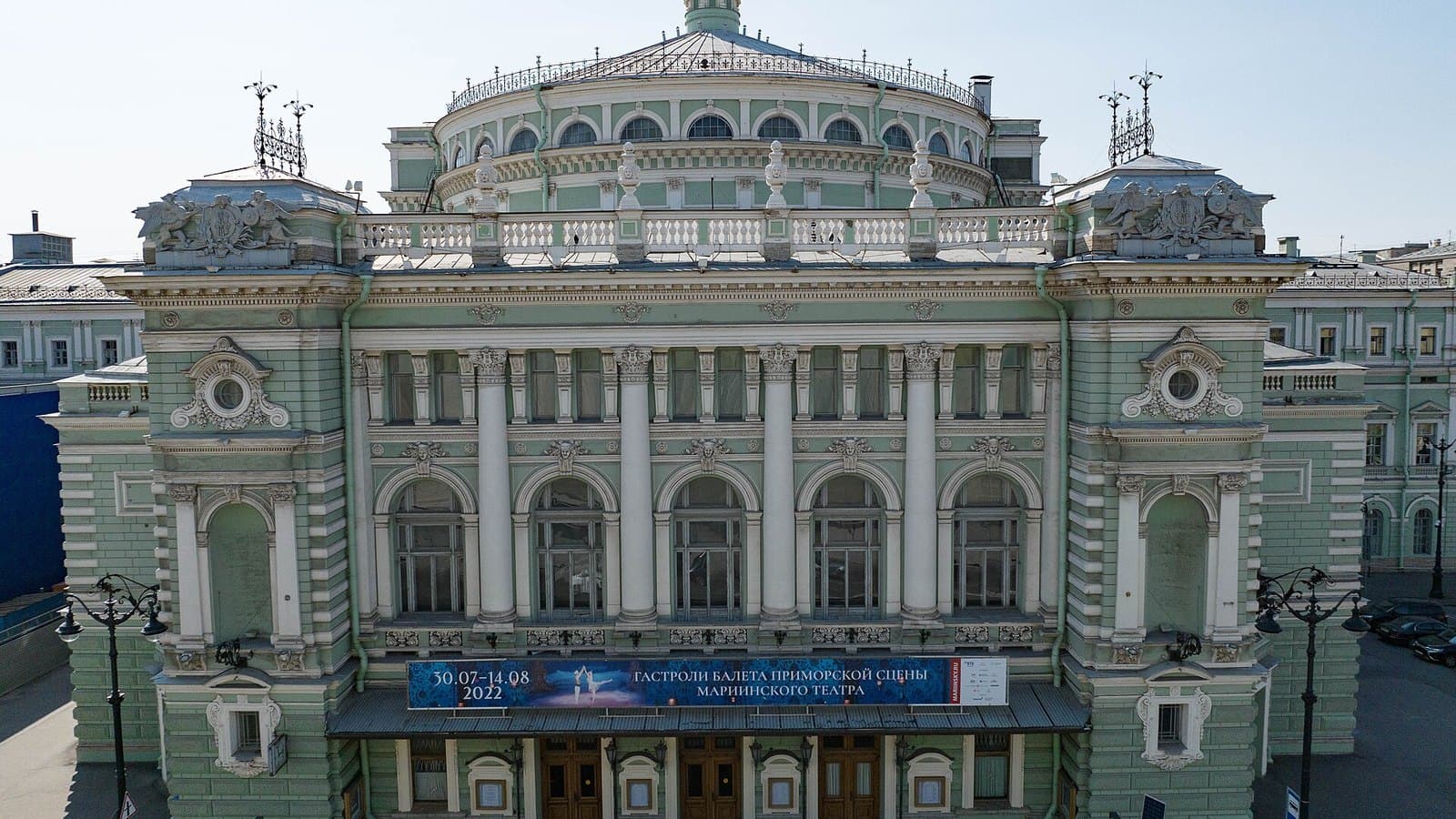
Saint Petersburg didn't just witness Raskolnikov's crime. The city crushed him into it. Dostoevsky wrote Crime and Punishment in 1866 after returning from Siberian exile, and he poured every suffocating detail of Russia's capital into Rodion Raskolnikov's descent. The heat. The crowds. The stairs. This wasn't Moscow's grandeur or a generic 19th-century backdrop—this was Petersburg's specific hell.
Why Saint Petersburg Drove Raskolnikov to Murder
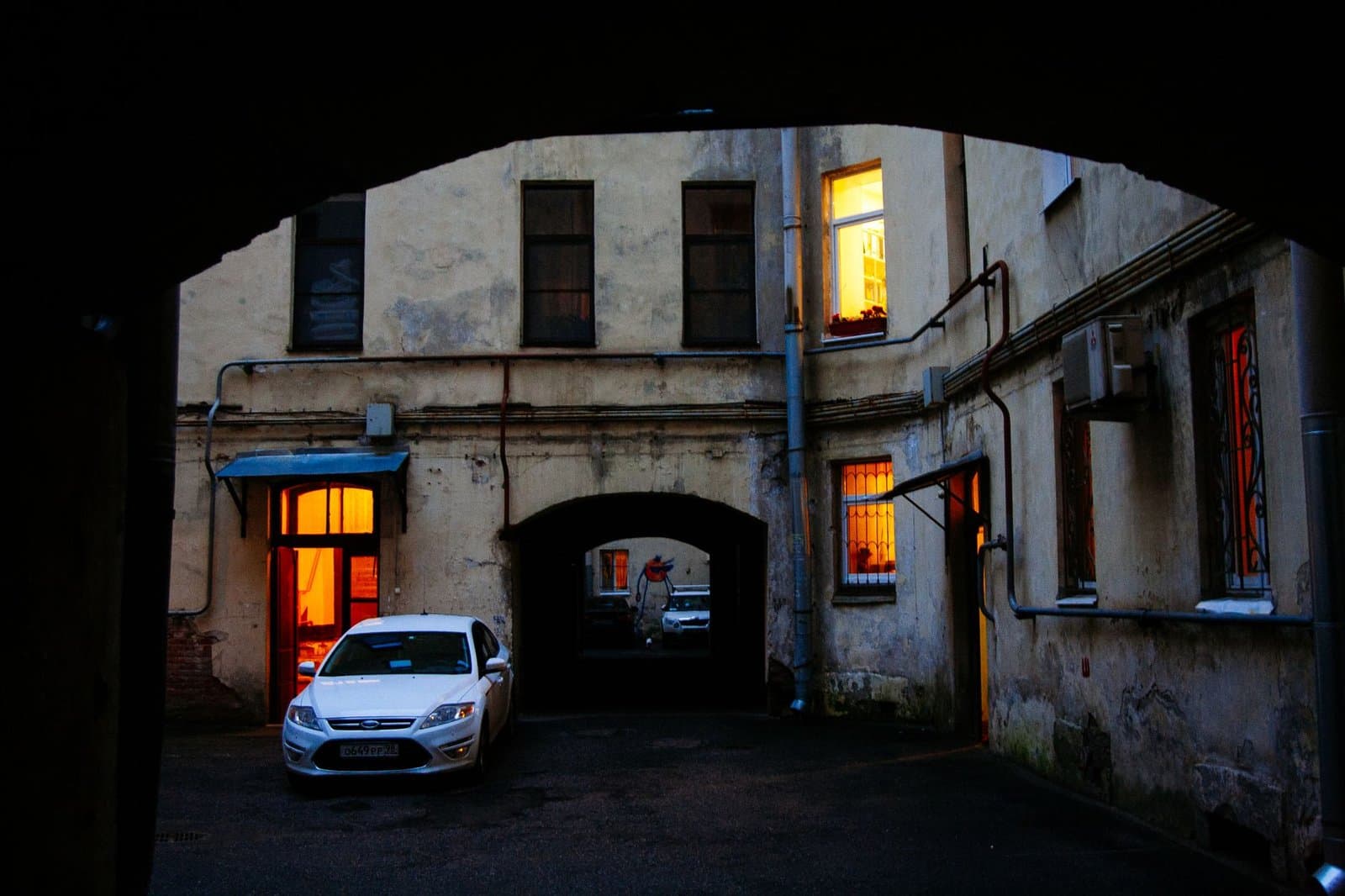
Dostoevsky gives us the temperature in the opening pages: oppressive July heat bouncing off granite and stone. Raskolnikov lives in a closet-sized room near Sennaya Ploshchad (Haymarket Square), where the smell of rotting vegetables and unwashed bodies created what locals called 'the stench.' The novel mentions his room is 'more like a cupboard than a place to live'—thirteen steps up a narrow staircase. Actual addresses? Dostoevsky based it on 19 Grazhdanskaya Street (now demolished), but the surviving buildings around Stolyarny Lane show identical layouts: coffin-shaped rooms under slanted roofs.
The city's geometry matters. Petersburg was built on a swamp by Peter the Great, who forced thousands to die constructing it. Streets run in rigid grids. Raskolnikov walks exactly 730 paces from his room to the pawnbroker's apartment—Dostoevsky counted. This precision creates claustrophobia. You can't escape. You can't breathe. The Neva River offers no relief because it floods and breeds mosquitoes.
What Makes Saint Petersburg Different from Other Literary Cities?
Paris in Les Misérables had revolution and barricades. London in Dickens had fog and industry. Petersburg had something worse: moral ambiguity built into its foundation. The city was artificial, created by imperial decree in 1703 where no city should exist. Dostoevsky saw this as Russia's original sin—a European facade covering Russian chaos.
Raskolnikov's crisis mirrors the city's identity crisis. He's educated but penniless, sophisticated but desperate, Western-influenced but spiritually Russian. Walk down Nevsky Prospekt today and you'll see the same split: Chanel stores next to Orthodox churches, oligarch yachts beside crumbling Soviet housing. The contradiction hasn't resolved in 150 years.
The pawnbroker Alyona Ivanovna lived near Kokushkin Bridge over the Griboedov Canal. Dostoevsky scholars place it at 104 Griboedov Canal Embankment, though the building was rebuilt. The route matters: Raskolnikov exits onto Stolyarny Lane, crosses the Kokushkin Bridge, turns onto the canal embankment. Total distance: about 150 meters. You can walk it in two minutes, but Dostoevsky stretches it across pages because Raskolnikov's mind fractures with each step.
The murder scene emphasizes the apartment's layout—fourteen steps up, a door facing the stairs, two rooms separated by a curtain. This wasn't literary invention. Petersburg's tenement buildings (called dokhodnye doma) followed identical designs. Landlords maximized profit by subdividing floors into tiny units. Shared kitchens. Shared toilets. No privacy. Everyone heard everything, which explains why Raskolnikov panics when he hears footsteps.
at the Bank of Russia rate on 17.10.2026 · powered by tutkakdoma
How to Experience Raskolnikov's Petersburg Today
Start at Sennaya Ploshchad metro station. Exit onto the square and you'll understand immediately—it's still chaotic, still slightly menacing, still smells faintly of desperation. The modern market replaced the 19th-century one, but the energy persists. Walk north on Stolyarny Lane toward the Griboedov Canal. The buildings here are original, though renovated. Count your steps if you want. Raskolnikov's route took him past the Yusupov Garden (still there, free entry) where he contemplated his 'extraordinary man' theory.
Locals avoid Sennaya at night, which tourists don't know. It's safe but attracts pickpockets and drunks—exactly as it did in 1866. The Dostoevsky Museum sits at 5/2 Kuznechny Lane, about one kilometer away. Dostoevsky lived there from 1878-1881, after writing the novel, but the apartment recreates his working conditions: cramped, dark, overlooking a courtyard. Admission costs 250 rubles. Go on weekday mornings when tour groups haven't arrived.
Did the City's Architecture Influence Raskolnikov's Psychology?
Absolutely. Petersburg's buildings create what psychologists now call 'environmental stress.' Raskolnikov climbs thirteen flights multiple times daily. He shares walls with strangers. He can't afford a candle, so he sits in darkness. The novel's most famous scene—Raskolnikov's confession to Sonya—happens in her triangular room with a 'ridiculously acute angle' where two walls meet. Dostoevsky wasn't being poetic. These rooms existed throughout the Haymarket district.
The Neva River appears repeatedly but offers no redemption until the epilogue. It's too wide (600 meters at its broadest), too cold, too imperial. Raskolnikov crosses bridges—Kokushkin Bridge, Voznesensky Bridge—but they don't connect him to anything better. They just lead to more oppressive streets. The only moment of relief comes on the Neva embankment at sunrise, when he briefly considers confession, but even that fails.
What Role Did Petersburg's Social Structure Play?
The city had 500,000 people in 1866, with extreme wealth gaps. Aristocrats lived on Nevsky Prospekt in mansions. Students and clerks lived in Haymarket slums. No middle ground. Raskolnikov represents the 'superfluous man' archetype—educated beyond his class but unable to rise. Petersburg's universities produced thousands like him: philosophy students with no job prospects, law graduates working as copyists.
The pawnbroker symbolizes Petersburg's predatory economy. She charges 5-7% monthly interest (60-84% annually) on items worth ten times her loans. This was legal. The police inspector Porfiry mentions the city has '2,000 registered pawnbrokers' exploiting the desperate. Raskolnikov's theory about 'extraordinary men' being above the law grows directly from watching wealth and poverty coexist without justice.
Evening Tours: Dostoevsky Museum Night Visits and the "Raskolnikov's Confession" Theatrical Walk
Starting in late 2025, the main Dostoevsky Museum at Kuznechny Pereulok 5/2 launched Friday and Saturday night tours that run from 20:00 to 22:00. Tickets cost 800 RUB (around €8) and must be booked online at least three days ahead. The evening format transforms the experience—dim lighting, fewer crowds, and actors performing short monologues from Crime and Punishment in Dostoevsky's actual study. The museum closes to regular visitors at 18:00, so this is your only chance to see the apartment after dark.
A separate theatrical walking tour called "Raskolnikov's Confession" now operates on Thursday evenings from May through September. It departs at 19:30 from Sennaya Ploshchad metro and covers the murder route with two professional actors playing Raskolnikov and Sonya. The 90-minute walk ends at the Hay Market, where the final confession scene unfolds. Tickets are 1,500 RUB (€15) through the tour company Petersburg Walks—look for the guide holding a yellow copy of the novel.
Both options require decent Russian comprehension, though the theatrical walk provides English subtitles via a smartphone app you download beforehand. The night museum tour includes a complimentary glass of tea served in a traditional podstakannik, the same silver holder Dostoevsky used. Photography is allowed during these evening sessions, unlike the daytime visits where flash and tripods remain prohibited.
Book the museum night tour at dostoevsky.spb.ru/en/night-visits and the theatrical walk at peterburgwalks.ru. Dress warmly for outdoor portions even in summer—Petersburg evenings stay cool, and you'll be standing still during the performance scenes.
The pass covers public transport too, useful since these locations spread across three districts. You'll walk Raskolnikov's route, but you'll ride the metro back—his 730 paces feel longer than you'd think in summer heat.