The Most Beautiful Bridges of Saint Petersburg: A Complete Guide
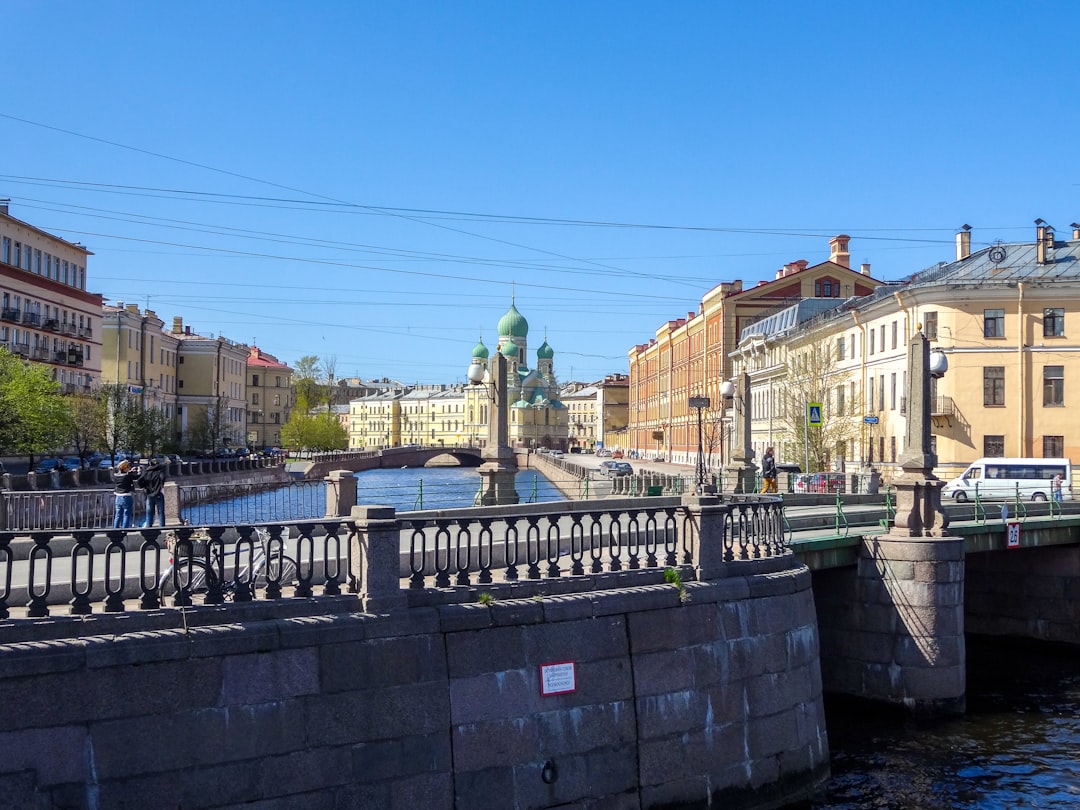
Saint Petersburg's network of more than 300 bridges forms an essential part of the city's architectural identity. Built across the Neva River and numerous canals that crisscross the historic center, these structures range from grand drawbridges that halt traffic each night to intimate pedestrian crossings adorned with mythological creatures. The bridges connect the city's islands while serving as open-air galleries of 18th and 19th-century engineering and decorative art.
The most celebrated bridges combine functional design with sculptural elements that reflect the imperial ambitions of their era. Cast-iron railings, granite foundations, and bronze statuary transform utilitarian infrastructure into landmarks that define the cityscape. Many bridges offer exceptional vantage points for viewing palaces, cathedrals, and the broad sweep of the Neva, making them destinations in their own right rather than mere thoroughfares.
Which St Petersburg Bridges Are Worth Seeing?
The essential bridges for visitors include Palace Bridge for its iconic drawbridge spectacle, Trinity Bridge for neoclassical elegance, Blagoveshchensky Bridge for its historic significance as the first permanent Neva crossing, Bank Bridge for its golden-winged griffins, Lion Bridge for its suspended chain design, Lomonosov Bridge for preserved 18th-century towers, and Egyptian Bridge for its sphinx guardians. Each represents a distinct architectural style and historical period.
These seven bridges span different waterways and neighborhoods, requiring at least two full days to visit properly. Palace, Trinity, and Blagoveshchensky bridges cross the main Neva channel and rank among the largest structures. The smaller canal bridges—Bank, Lion, Lomonosov, and Egyptian—concentrate in the central districts and can be combined in a single walking route that explores the Moika River, Griboedov Canal, and Fontanka River.
The distinction between drawbridge and fixed bridge matters for planning. Only the Neva bridges raise their spans nightly during navigation season, while canal bridges remain accessible around the clock. Visitors interested in the bridge-raising schedule should focus on the three major Neva crossings, where the spectacle draws crowds from late spring through early autumn.
Palace Bridge: The City's Most Photographed Landmark
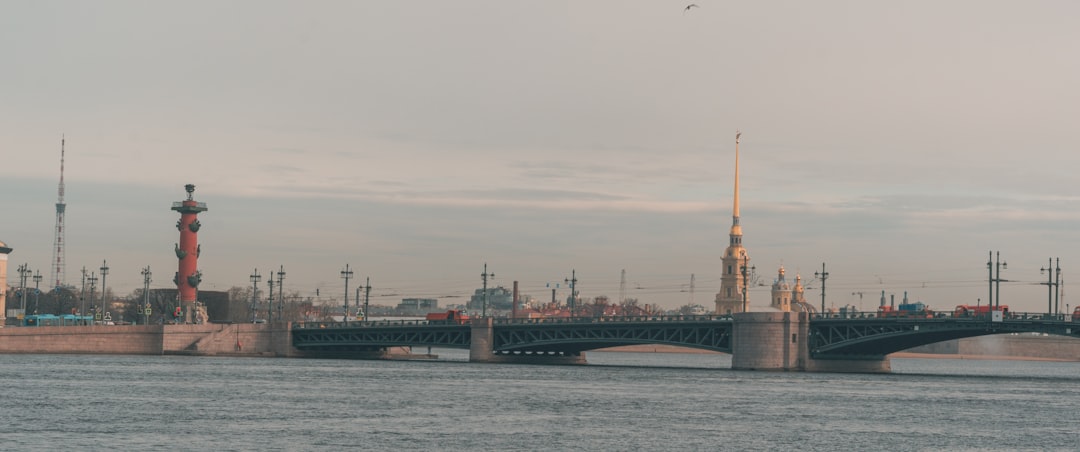
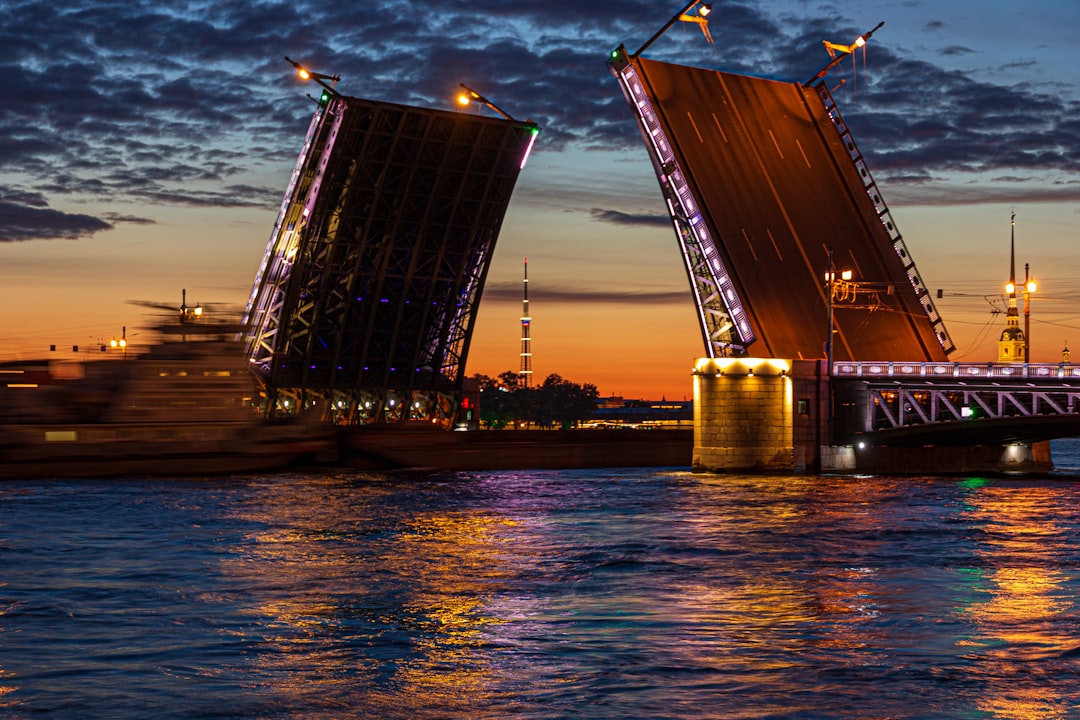
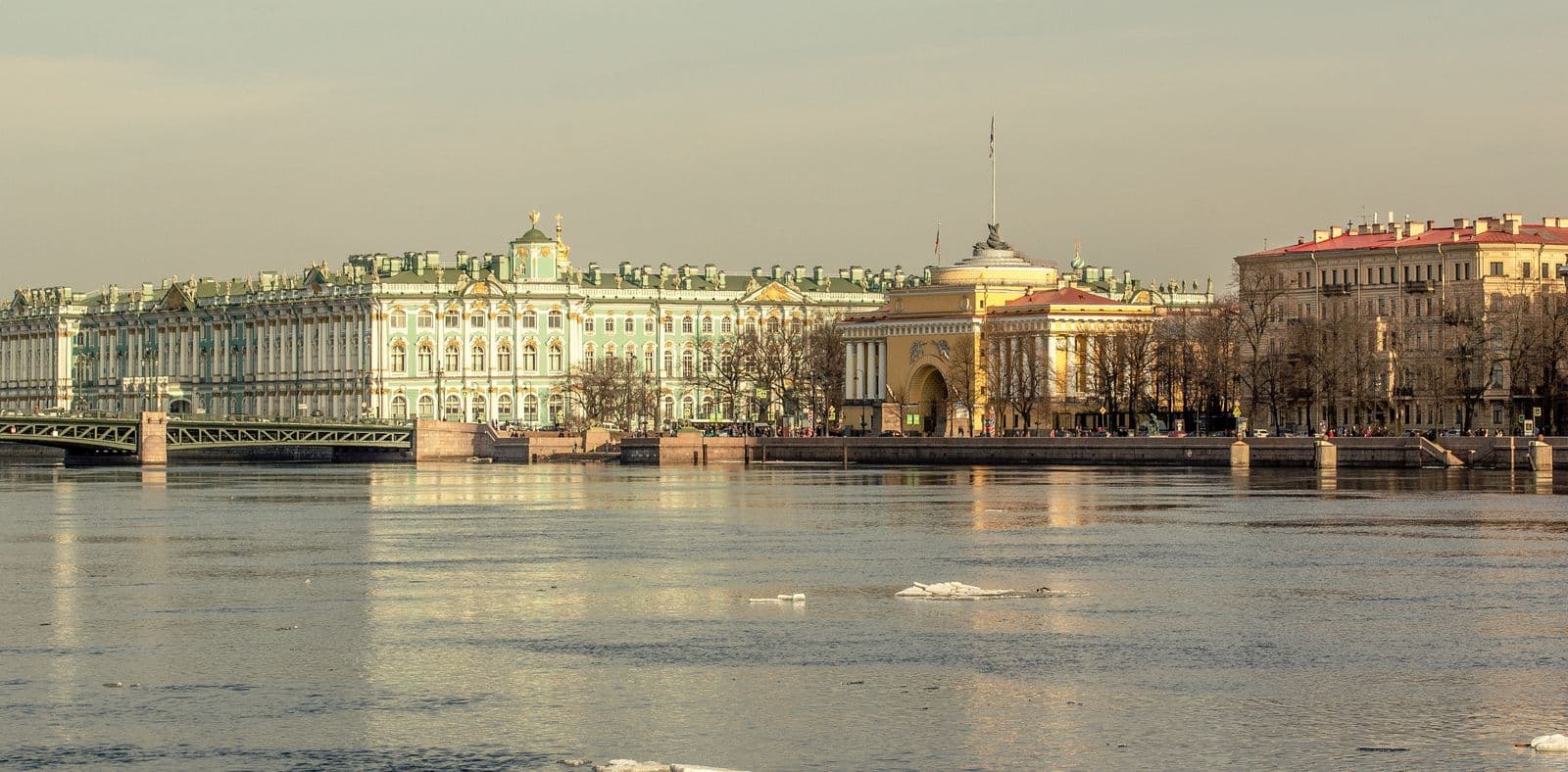
Palace Bridge (Dvortsovy Most) connects Palace Square and the Hermitage on the south bank with Vasilyevsky Island to the north. Completed in 1916, this five-span steel structure stretches across the widest point of the Neva in the historic center. The bridge's fame rests primarily on its nightly raising, when the two central spans lift to form a dramatic V-shape against the illuminated facades of the Winter Palace and Peter and Paul Fortress.
The architectural design emphasizes clean lines and restrained ornamentation, allowing the bridge to complement rather than compete with the baroque and neoclassical buildings that frame it. Cast-iron railings feature a simple geometric pattern, and the granite abutments provide solid visual anchors without excessive decoration. Eight ornamental lampposts mark the span, their globes casting warm light during evening hours.
For the best views of Palace Bridge itself, position along the embankments flanking the Neva. The English Embankment on the south side offers an unobstructed perspective of the full length, while the Mytninskaya Embankment on Vasilyevsky Island provides a closer vantage point for the raising mechanism. The bridge deck itself serves as an excellent platform for photographing the Winter Palace and the golden spire of the Admiralty.
Admiralteyskaya metro station sits approximately 800 meters from the southern approach, requiring a walk through Palace Square. The bridge carries heavy vehicle and pedestrian traffic throughout the day, with crowds intensifying before the nightly raising. Arrive at least 30 minutes early during peak summer months to secure a viewing position along the railings.
Trinity Bridge and Blagoveshchensky Bridge: Neoclassical Neva Crossings
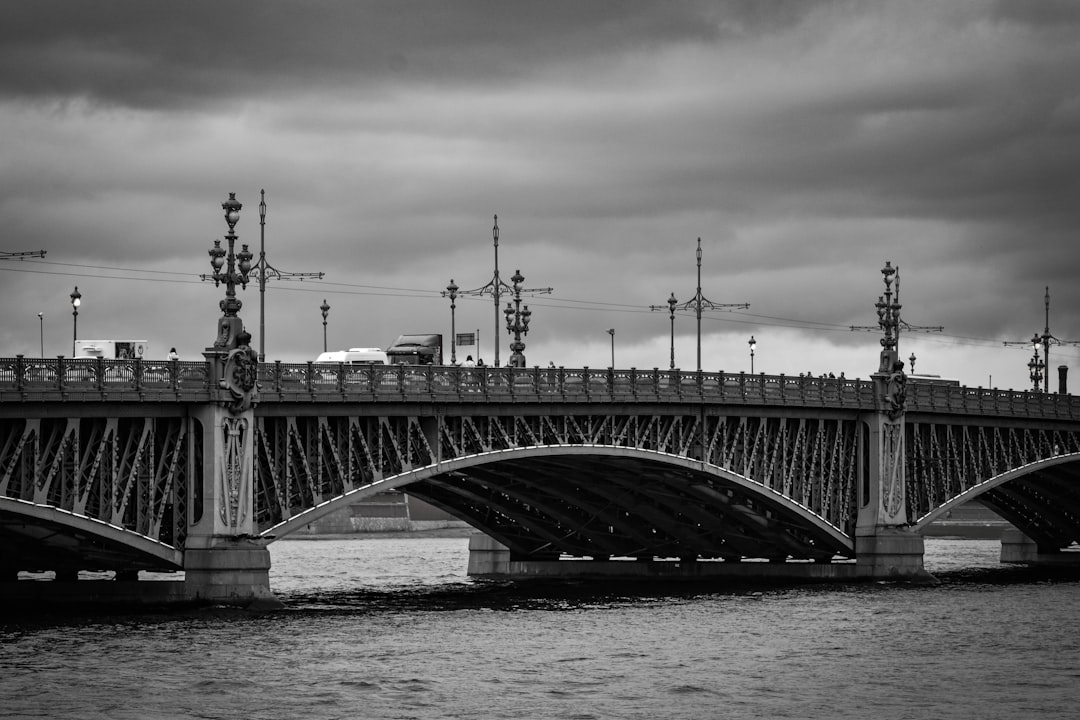
Trinity Bridge (Troitsky Most) opened in 1903 as the third permanent crossing of the Neva, linking the Suvorov Square area with Petrogradsky Island. French engineers designed the structure in the Style Moderne aesthetic, incorporating Art Nouveau elements into the railings and lampposts. The bridge's five spans rest on massive granite piers, and the central section raises to accommodate river traffic.
Decorative details distinguish Trinity Bridge from its plainer neighbors. The cast-iron railings display an intricate pattern of curves and botanical motifs, while the lampposts feature elaborate bases cast with sea creatures and mythological figures. Four granite obelisks topped with bronze sculptures mark the bridge's ends, though these were removed during the Soviet period and only recently restored. The overall effect balances engineering ambition with artistic refinement.
Blagoveshchensky Bridge (Annunciation Bridge, also called Lieutenant Schmidt Bridge during the Soviet era) holds historical significance as the first permanent bridge across the Neva, completed in 1850. The structure originally featured a chain suspension design, later replaced with the current steel arch configuration. Eight spans carry the bridge from Vasilyevsky Island to the area near St. Isaac's Cathedral, making it the longest Neva crossing in the historic center.
The architectural character of Blagoveshchensky Bridge reflects mid-19th-century engineering principles, with emphasis on structural clarity and proportional harmony. Cast-iron railings run the full length, punctuated by ornamental lampposts at regular intervals. The bridge offers sweeping views upstream toward the Peter and Paul Fortress and downstream toward the Gulf of Finland, making the crossing itself a scenic experience.
Both bridges raise their central spans nightly during navigation season. Trinity Bridge typically opens slightly later than Palace Bridge, while Blagoveshchensky Bridge follows its own schedule. Consult the detailed bridge-raising schedule for current times, which vary by month and can change with weather conditions or special events.
When Do the Drawbridges Open at Night?
The Neva drawbridges operate nightly from approximately late April through mid-November, when the river remains ice-free and navigable. Each bridge raises multiple times per night according to a published schedule, with the first raising typically beginning between 1:00 and 2:00 AM and subsequent raisings continuing until approximately 5:00 AM. The exact times vary by bridge, season, and navigation requirements, making advance planning essential for visitors.
Palace Bridge generally raises first and attracts the largest crowds due to its central location and dramatic backdrop. Trinity Bridge and Blagoveshchensky Bridge follow at staggered intervals to allow ships to pass through the entire system. The schedule coordinates with vessel traffic moving between the Gulf of Finland and Lake Ladoga, requiring precise timing to maintain flow while minimizing disruption to city transportation.
Visitors should note that when drawbridges are raised, the city's islands become temporarily isolated from one another. Anyone caught on the wrong side must wait until the bridge lowers, which can mean several hours depending on the schedule. The final metro trains depart well before the bridges raise, and taxi services become scarce during raising hours. The detailed bridge-raising schedule includes maps showing which areas become inaccessible during each raising period.
at the Bank of Russia rate on 24.10.2026 · powered by tutkakdoma
Bank Bridge and Lion Bridge: Suspended Pedestrian Crossings with Mythological Guardians
Bank Bridge (Bankovskiy Most) spans the Griboedov Canal near the former Assignation Bank, from which it takes its name. Built in 1826, this suspension bridge measures only 25 meters in length but ranks among the city's most photographed structures due to its four golden-winged griffins. These mythological creatures serve as the anchor points for the bridge's chains, their wings spread upward to support the cables that suspend the pedestrian deck.
The griffins combine the body of a lion with the head and wings of an eagle, cast in iron and covered with gilding that gleams against the canal's dark water. Each sculpture sits atop a granite pedestal, and the chains emerge from the creatures' backs in a design that merges structural necessity with decorative fantasy. The bridge's narrow width and low profile create an intimate scale that contrasts with the grand Neva crossings.
Lion Bridge (Lviny Most) crosses the Griboedov Canal approximately 500 meters from Bank Bridge, employing a similar suspension design with four cast-iron lions as anchor points. Completed in 1826 by the same engineer, the bridge features white-painted lions in a seated pose, their mouths gripping the chains that support the deck. The lions' classical styling reflects the period's fascination with ancient Mediterranean art.
Both bridges form part of a walking route along the Griboedov Canal that includes the Church of the Savior on Spilled Blood and numerous historic buildings. The bridges remain open to pedestrian traffic at all hours and never raise. Nevsky Prospekt metro station provides access to both structures, with Bank Bridge located near the intersection of Griboedov Canal and Nevsky Prospekt, while Lion Bridge sits further south along the canal.
Where Are the Best Spots to Photograph the Bridges?
The optimal photography locations depend on the specific bridge and desired composition. For Palace Bridge, the embankments on either side of the Neva provide elevated positions that capture the full span with the Winter Palace or Peter and Paul Fortress in the background. The raised drawbridge is best photographed from the embankment rather than the bridge deck itself, allowing the V-shaped spans to frame the illuminated architecture behind them.
Trinity Bridge photographs well from the Neva embankments upstream or downstream, where the bridge's length and the decorative lampposts create strong leading lines. Early morning light illuminates the western facade, while evening light favors the eastern side. The bridge's Art Nouveau details require closer inspection from the deck itself, where the cast-iron railings and lamp bases reveal their intricate patterns.
Bank Bridge and Lion Bridge demand different approaches due to their small scale and decorative focus. For Bank Bridge, position on the canal embankment at water level to emphasize the griffins' dramatic poses and the relationship between sculpture and suspended chains. The bridge's golden color stands out most strongly in direct sunlight, typically during midday hours when the sun reaches the canal bottom. Lion Bridge benefits from similar positioning, with the white lions creating strong contrast against darker backgrounds.
Lomonosov Bridge and Egyptian Bridge both offer architectural details that reward close examination. The stone towers of Lomonosov Bridge photograph best from the Fontanka embankment, where their full height and the relationship to the bridge deck become apparent. Egyptian Bridge's sphinxes require frontal compositions that capture their hieroglyphic decorations and the bridge's ocher color scheme, best achieved from the Fontanka embankment on either side.
Lomonosov Bridge and Egyptian Bridge: Historic Canal Crossings
Lomonosov Bridge (formerly Chernyshev Bridge) crosses the Fontanka River and preserves its original 1787 design more completely than any other 18th-century bridge in the city. Four stone towers mark the corners, originally housing the mechanisms for a drawbridge that no longer operates. The towers' classical proportions and rusticated stonework exemplify the architectural principles of Catherine the Great's reign, when the Fontanka embankments were developed as an elegant residential district.
The bridge's single span connects the central district with the Admiralteysky area, and the granite abutments feature decorative elements typical of late 18th-century Russian classicism. The towers rise approximately three stories, their mass balanced by arched openings and cornices that create visual rhythm. Cast-iron railings replaced the original wooden barriers in the 19th century but maintain a design sympathetic to the towers' aesthetic.
Egyptian Bridge (Egipetskiy Most) spans the Fontanka River near the Vitebsk Railway Station, its current structure dating to 1955 after the original 1826 bridge collapsed. The design replicates the earlier bridge's Egyptian Revival style, featuring four cast-iron sphinxes at the corners and hieroglyphic decorations along the railings and lampposts. The sphinxes wear the traditional nemes headdress and display serene expressions modeled on ancient prototypes.
The bridge's ocher and gold color scheme evokes ancient Egyptian architecture, while the hieroglyphic inscriptions (though not authentic ancient texts) create an exotic atmosphere that contrasts with the city's predominantly European character. The sphinxes serve as purely decorative elements rather than structural supports, unlike the functional griffins and lions on the suspension bridges. The overall effect demonstrates the 19th-century fascination with archaeological discoveries along the Nile.
Both bridges are accessible via the Fontanka embankments, which form part of longer walking routes through historic neighborhoods. Pushkinskaya metro station provides access to Lomonosov Bridge, while Pushkinskaya or Zvenigorodskaya stations serve Egyptian Bridge. Neither bridge raises, and both carry vehicle and pedestrian traffic throughout the day.
Bridge
River or Canal
What Makes It Special
Nearest Metro or Best Viewpoint
Palace Bridge (Dvortsovy)
Neva River
Iconic nightly drawbridge raising with Winter Palace backdrop; most photographed bridge in the city
Admiralteyskaya metro; view from Palace Embankment or Mytninskaya Embankment
Trinity Bridge (Troitsky)
Neva River
Art Nouveau decorative elements; elaborate cast-iron railings and lampposts with mythological figures
Gorkovskaya metro; view from Neva embankments upstream or downstream
Blagoveshchensky Bridge
Neva River
First permanent Neva crossing (1850); longest bridge in historic center with eight spans
Vasileostrovskaya metro; view from either embankment for full length perspective
Bank Bridge (Bankovskiy)
Griboedov Canal
Four golden-winged griffins supporting suspension chains; intimate scale and gilded sculptures
Nevsky Prospekt metro; view from canal embankment at water level
Lion Bridge (Lviny)
Griboedov Canal
Four white cast-iron lions gripping suspension chains; classical styling and pedestrian-only crossing
Nevsky Prospekt metro; view from Griboedov Canal embankment
Lomonosov Bridge
Fontanka River
Original 1787 stone towers preserved; best example of 18th-century bridge architecture in the city
Pushkinskaya metro; view from Fontanka embankment to see full tower height
Egyptian Bridge (Egipetskiy)
Fontanka River
Four cast-iron sphinxes and hieroglyphic decorations; Egyptian Revival style unique in the city
Pushkinskaya or Zvenigorodskaya metro; view from Fontanka embankment for sphinx details
Planning a Bridge Tour: Routes and Practical Information
A comprehensive bridge tour requires dividing the structures into two groups: the major Neva crossings and the smaller canal bridges. The Neva bridges—Palace, Trinity, and Blagoveshchensky—spread across several kilometers and involve longer walks or metro transfers between viewpoints. The canal bridges concentrate in the central district and can be visited in a continuous walking route of approximately four kilometers.
For the canal bridge route, start at Nevsky Prospekt metro and walk to Bank Bridge on the Griboedov Canal. Continue south along the canal to Lion Bridge, then proceed west to the Fontanka River to visit Lomonosov Bridge. Egyptian Bridge lies further south along the Fontanka, requiring either a walk of approximately 1.5 kilometers or a short metro ride to Pushkinskaya station. This route takes three to four hours at a leisurely pace with time for photography and architectural observation.
The Neva bridges require separate visits unless combining with the nightly drawbridge spectacle. Palace Bridge sits in the city center near major museums and can be incorporated into a Hermitage or Palace Square visit. Trinity Bridge connects to Petrogradsky Island and the Peter and Paul Fortress, making it logical to combine with a fortress tour. Blagoveshchensky Bridge serves as a route between Vasilyevsky Island and the St. Isaac's Cathedral area.
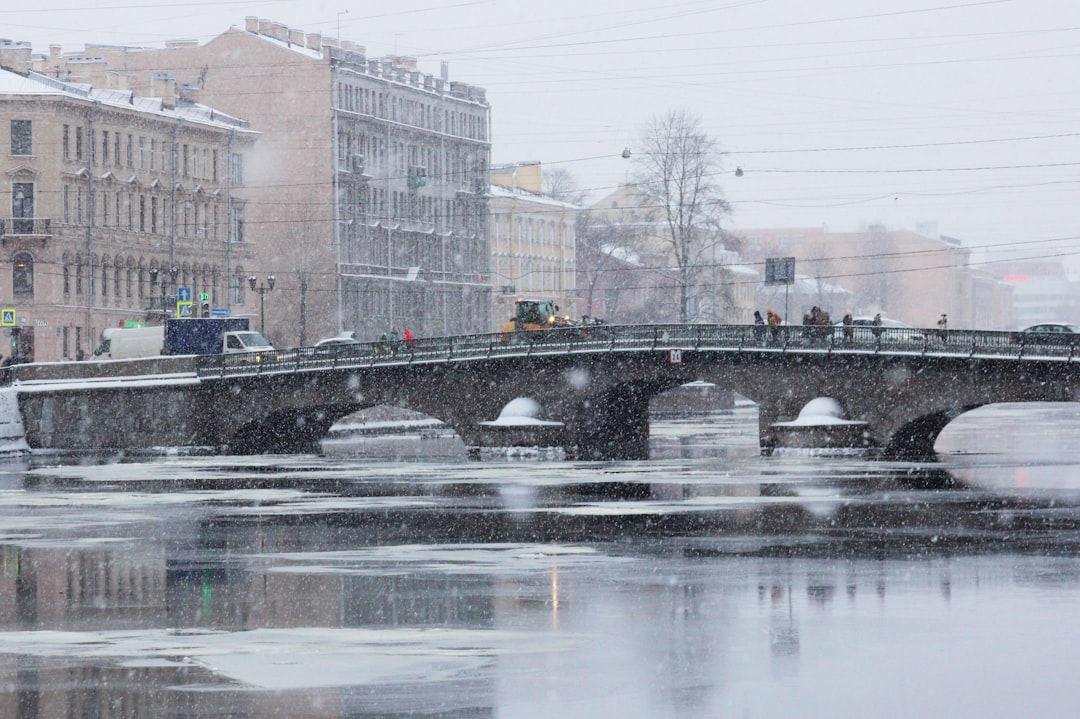
Weather significantly affects bridge photography and viewing comfort. Summer's white nights provide extended daylight and the drawbridge season, but also bring peak tourist crowds. Spring and autumn offer clearer air for photography and fewer visitors, though the drawbridges may not operate during shoulder season months. Winter eliminates the drawbridge spectacle but provides opportunities to photograph the bridges in snow and ice, creating a different aesthetic.
Most bridges remain accessible around the clock, though the embankments may be less populated during late night hours. The drawbridges create temporary barriers during raising times, requiring careful planning to avoid being stranded on the wrong island. Public transportation ceases before the bridges raise, making walking the only option for reaching viewing positions during the spectacle. Comfortable footwear is essential for any bridge tour, as the routes involve considerable walking on granite embankments and cobblestone streets.