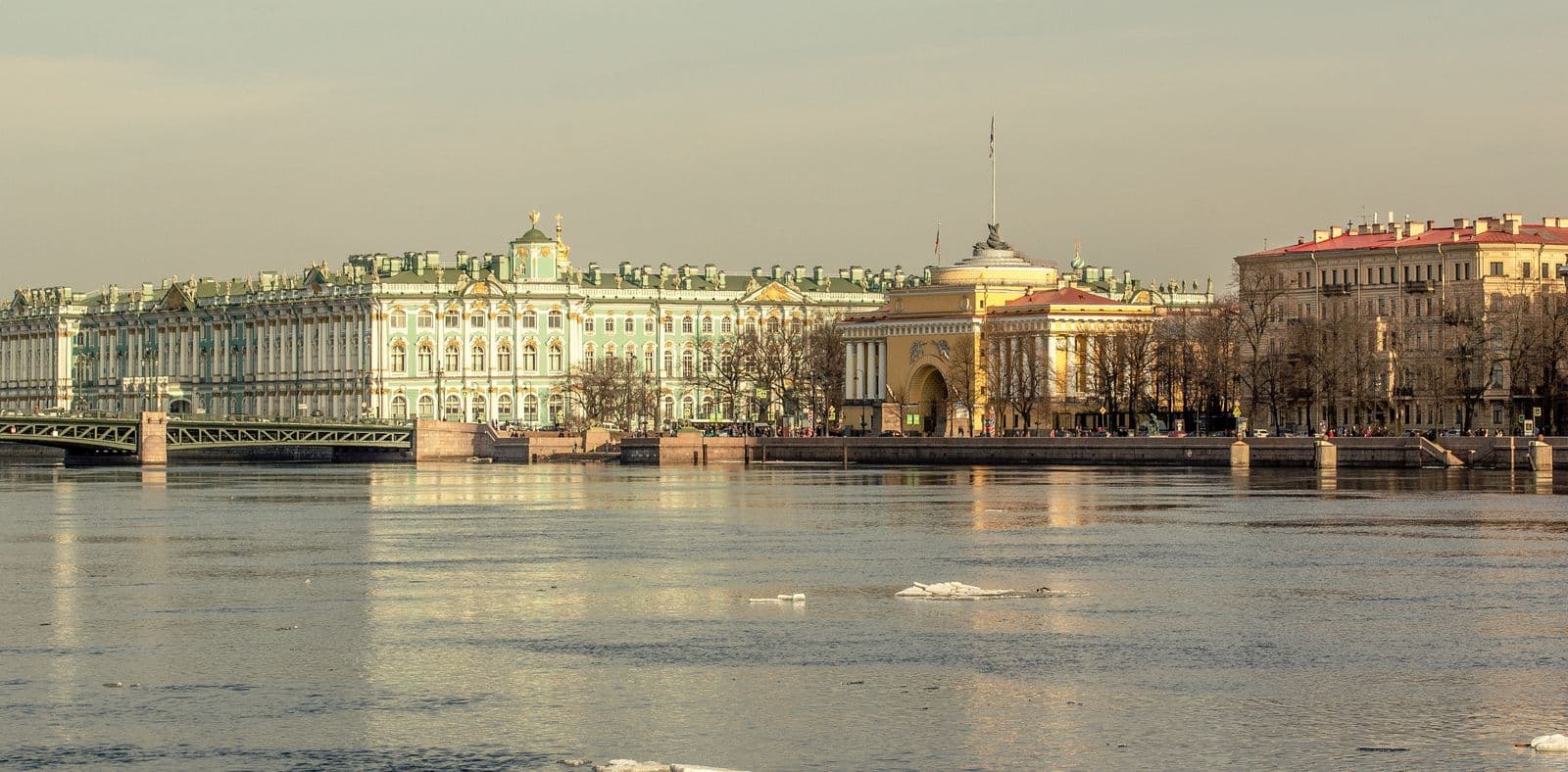
Begin at the admiralty edifice in saintpetersburg at dawn, then map a two-hour loop to discover incredible symbols with your camera. There, the white-and-gold façade catches first light and the nearby Neva reflections set up sharp shots for your travel album. Fewer crowds in the early hours help you frame the edifice with clean lines and fewer distractions for that first sequence.
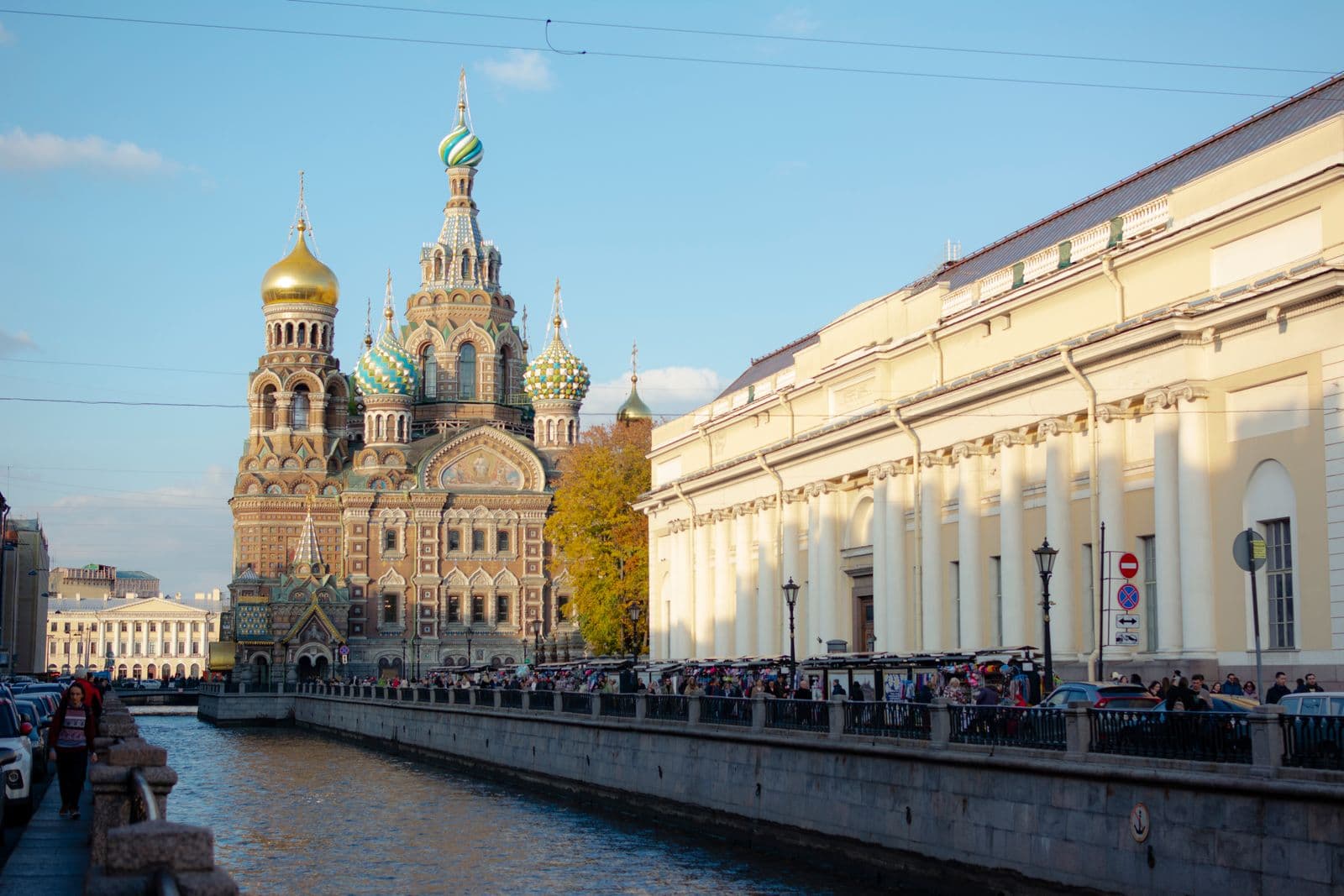
From there, head to the Church on Spilled Blood, nicknamed the Blood Church, built on the site of Alexander II’s assassination. The exterior’s crimson brick and gilded domes frame a dramatic entrance; inside, thousands of tiny mosaic panels create a texture that looks unique and incredible under the main lights. If you have kids with you, plan a shorter interior visit and check for discounts on family tours–photography is generally permitted in most spaces, but flash is discouraged.
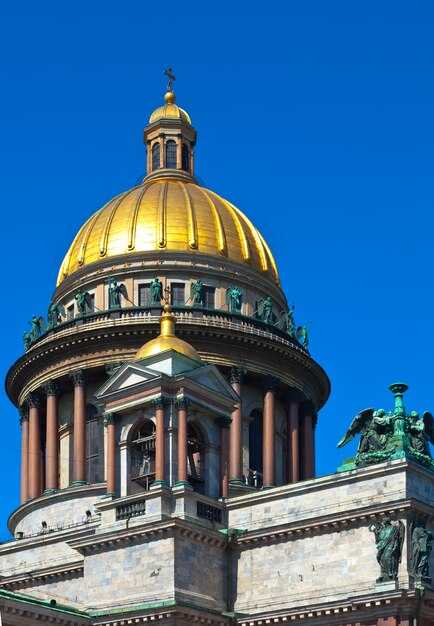
The Isaac Cathedral stands as a major domed edifice that defines the square. Its interior glows with gold, marble, and a sea of mosaics that tell long stories in color. Independent travelers will enjoy the quiet corners for photography, and there are audio options in several languages to help you discover what each chapel means. When you ascend to the viewing platform, the panorama over canals and gilded rooftops will be unforgettable; if you need a moment of rest, there are seating niches along the routings, and there will sometimes be discounts for kids and students.
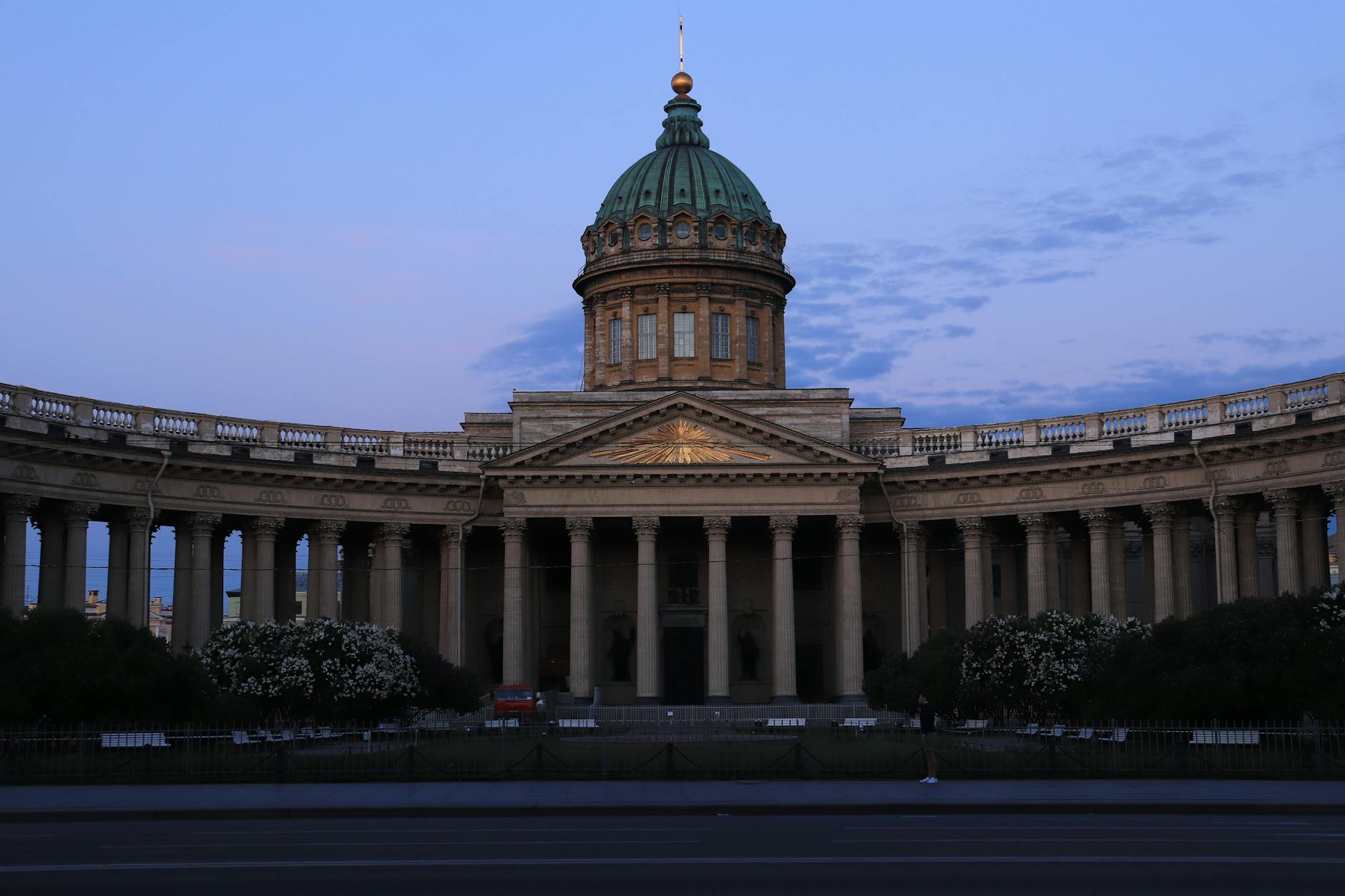
Finish at Kazan Cathedral, a neoclassical structure facing Nevsky Prospect. The columns and long nave create a strong symbol of the city’s spiritual heritage; there you can absorb the calm that settles after the crowds in the morning, which is ideal for families and independent visitors alike. There is no shortage of minor shrines nearby to extend your site-specific route; you can discover additional spaces later in the day, and if you plan ahead, combinations with local museums may bring discounts for your group.
Photographing St. Petersburg's Sacred Architecture: Practical Photography Guide
Start with first light along the Neva quay, mount a sturdy tripod, shoot RAW, and bracket three exposures for every frame; youll notice how long shadows and the rough texture of stone come alive as the sky brightens.
Plan three core angles: facing the main facade from the riverside, walking along side embankments to include the portico with a distant tower, and a higher vantage from a nearby bridge to compress the edifice against the horizon.
Use a wide lens to capture the whole edifice, then switch to a mid tele (around 90–135mm) for detail; italian influence shows in cornices and architraves, while bartolomeo-like motifs add character.
russianwinter blue hour becomes a key moment; forecast weather, and plan for chilly winds along the water; youll want a damp cloth to wipe glass and a comfortable stance for stability.
Equipment and technique: independent remote shutter or a timer helps keep lines clean; employ a polarizer sparingly on daytime shots to cut glare from glass, but avoid over-filtering; carry a spare battery and a compact flash for reflections if needed.
Crowds and access: staff at sacred spaces often regulate interiors; plan at times of low footfall; when a decree or ceremony occurs, call for a brief pause and back off; you can still frame exterior compositions with silhouettes.
Lighting and composition: align three-part towers with the canal's reflections, let the main tower face the water for symmetry, and frame a three-part composition that guides the eye from foreground to distant spire; include a naval backdrop to scale.
Post-processing: correct keystone distortion from low-angle shots; preserve the edifice's texture, avoid excessive sharpening; keep color rendition natural to highlight the rich tones that an empress-era backdrop and naval surroundings offer.
saintpetersburg offers a greatest canvas for architectural photography; with good planning and comfortable gear, youll capture scenes that feel independent from ordinary travel shots.
Best times and lighting for exterior and interior shots
Begin with blue-hour exterior frames: tripod, ISO 100, aperture f/8–f/11, shutter 1/2–4s; aim to preserve sky color while keeping stone texture; the convent's towers located along the canal offer a bold silhouette as the light shifts; this moment is must-photograph for major architectural ensembles.
Interior shoots: position near large windows; set ISO 200–400, f/5.6–f/8, 1/60–1/125s; avoid flash; place a reflector about 2–3 meters to fill the shadows around the altar; 24–35mm lens recommended to capture both the arch corridor and the main works; saint statues and iconography glow in the warm light.
Evening exterior nuance: after sunset, warm tungsten glow marks the details on carved stone; use 1–8s exposures and a steady base to reveal texture; white balance around 3200K; for interiors, balance daylight spill with candlelight to keep color accurate; if you want the blood-orange dawn hue on brick you can bracket to preserve both sky and wall texture while avoiding glow on metalwork.
Practical tips: tickets, planning, and respect; around the major sites there are families, locals and visitors; almost all places publish visiting hours and marked routes; check signage for the name of the structure and the location; the main dome is nicknamed bartolomeo’s Crown and the façade often features a name plaque that helps you plan your shot; ameerakhxn serves as a playful label for a color preset you keep for quick balance during mixed-light moments; details such as carved cornices and hare motifs benefit from tight focus and a careful corner composition.
at the Bank of Russia rate on 24.10.2026 · powered by tutkakdoma
Access, hours, and permission reminders for religious buildings
Always verify hours on the official page or by calling the site’s desk the day before; hours vary by season and liturgical calendar. In the empire’s heart, main venues opened around 9:30–10:00 and closed by 17:00–18:00, with late openings during peak tourist periods. Monastery ensembles may keep shorter schedules in late autumn or winter, and a few sites switch to museum status outside service times.
Access points cluster within the central ensembles located along the Neva water; enter via main gates near the embankment; security checks precede entry upon which bags are scanned; photography is often restricted inside; check signage for where photos are allowed.
Dress code emphasizes elegance: modest attire is required; shoulders must be covered and knees concealed; hats are removed at the threshold; in some places, scarves are provided at entry to maintain decorum.
Permissions for photography and recording vary by site; some venues ban flash, others permit still photos with no flash. Always ask at the entrance, and keep voices down inside sacred spaces; youll respect the hush that makes the period interiors feel truly special.
Some complexes operate as museum spaces during daytime; others function as active houses of worship; the main cathedrals in ensembles reflect late Baroque fashions created by architects trezzini and bartolomeo Rastrelli, with inscriptions that sometimes mention petrovna as a patronymic note. Catherine and empress-era motifs appear in the name and features of these sites.
When visiting, carry a valid ID if required for cloakrooms or security checks; avoid bringing large bags; be prepared to show your ticket if you entered as a museum section; a local guide can illuminate the role of architecture and the grace – beauty – of the interiors; this adds context to the highest highlights of the building.
For updates, check russiantiktok or the official channels; within the city, plan to arrive early to beat crowds; knowing where to go and what to expect will help youll maximize your time and find the highest quality experiences.
Composition tips: domes, arches, and iconostasis in frame
Frame domes against a clear sky, using a wide width to emphasize vertical ascent. In the construction of these grand forms, youll maximize the silhouette’s readability from street level, keeping the base massing solid and the corners crisp.
Arches act as visual corridors: line a succession of rounded arches to guide the gaze toward the iconostasis, aligning voussoirs to the nave width. Use rhythmic spacing to create a pleasant cadence that reads clearly in photographs.
The iconostasis should be framed as the interior’s vertical spine; place it along the main axis while respecting column lines. Include intricate woodwork, gilded elements, and lapochkinimage motifs on carved screens, with datsan-inspired patterns to add subtle contrast beneath the royal arches.
Material and construction details: brick, stone, and timber framing balance weight and light. The construction is designed to support deep niches and mullioned windows; highlight magnificent carvings, cornices, and inlaid metalwork that catch both daylight and candlelight in the interior.
Context and symbolism: izmailovsky influences and Trubetskoy-era planning informed proportion and rhythm; located in a city precinct that echoes the reign and bloodlines expressed in decorative motifs. Resurrection scenes on painted panels anchor the composition, guiding the eye toward the central axis of the nave while the arches stand as a counterpoint to the iconostasis.
Practical takeaways for photographers and designers: begin with a low-angle frame to emphasize dome height or opt for a frontal layout that respects column lines. In russianwinter light, use the crisp contrast to sculpt shadows; consult insights from russiantiktok and architectural discussions to refine the frame, and reference lapochkinimage details to highlight craftsmanship nearby izmailovsky or datsan-inspired corners located along the wider cityscape.
Camera settings and gear for low-light interiors
Start with a concrete recommendation: use a fast prime lens around 35–50 mm and shoot RAW; aperture f/1.8–2.2; ISO 1600–3200; shutter 1/60–1/125s; brace on a railing or use a compact tripod for static interiors since movement is minimal; manual WB around 3600–4200K to balance tungsten and blue skylight; capture with camera in manual mode; bracket ±0.3–1.0 EV to protect highlights on bronze, nikolsky front details, and exterior decorations; include boat reflections from the river outside to refine color; this approach fits russias heritage interiors and resurrection spaces; resurrection interiors reveal how light plays on stone; aim for a clear, magnificent result.
Focus strategy: use single-point AF or manual focus on marquee elements around the nikolsky front, arches, and bronze remains; for moving figures, shutter 1/125–1/250s; use focus peaking if available; select the highest resolution your body offers and shoot in RAW; bracket to cover dynamic range; since blue-hour moments vary, keep WB fixed to preserve color; coordinate with staff and station crews during work to capture ensembles among visitors in the courtyard and exterior facades.
Gear checklist: two bodies, a 24–70mm f/2.8 and a 70–200mm f/2.8, a portable LED panel (3200–4200K) for subtle fill, spare batteries and fast SD cards, a compact monopod for stability, a soft box to soften highlights on bronze remains; carry a small bag that lets you move with staff and station crews through the premises; use the project shots to assemble a narrative sequence across the courtyard and the blue exterior; plan to capture the front and exterior from elevated angles to emphasize the huge interior volume; take a light meter reading to dial in exposure; if you post content, consider a short tiktok clip to show behind-the-scenes work and the process.
Captions, context, and storytelling through photos
Caption every shot with a concrete two-part note: spot description + historical context. Keep it tight and under 25 words when possible, so viewers grasp the scene at a glance.
Caption structure: two-line format works best. Line one states the spot and facing view; line two adds a thread to the story (architects, official dates, or patronage). Include terms like spot, facing, along, and official to anchor the moment.
Contextual anchors: connect the image to era and people. Mention architects, empresses, and major projects, and note how the building stood along key avenues or rivers. Include words such as architects, empresses, major, along, and troitsky to reinforce provenance.
Descriptors that elevate mood: pair factual detail with a mood cue–breathtaking, intricate, popular, or huge–to signal texture and scale without overloading the caption.
Orientation and detail: describe what the viewer sees (facing façade, domes, façades, interiors) and what lies beyond (river, street, park). Use spot, facing, along, and beyond to situate the frame.
Seasonal and lighting nuance: reference russianwinter light, autumn hues, or golden hour to explain color and texture, helping captions stay vivid without extra words. Cooked light and warm shadows can highlight intricate carvings or exquisi details on capitals.
Practical notes for visitors: include tickets and included access when relevant, plus practical tips for families or groups (popular times, official tours, and which days see larger crowds). Mention tickets, included, families, and popular to guide planning.
Narrative arc across shots: craft a sequence that starts with a quiet corner, moves to a grand interior, and ends with a crowd scene or celebratory moment, illustrating the building’s role in city life beyond its walls.
Language and tone: keep captions concise, authoritative, and evocative. Use varied sentence lengths to mimic real storytelling and avoid repetition across shots.
Example caption templates (fill with accurate data when publishing):
Spot: troitsky Cathedral, facing the river; official commission began in 1707, architects included [name].
Along the embankment, the largest domed shrine sits with an exquisi tier of arches; empresses supported major expansions.
The interior’s intricate mosaics, captured in morning russianwinter light, reveal families and visitors moving beneath soaring arches.
Ticket info: tickets included for guided tours; broad appeal makes it a popular stop for locals and tourists alike.
Caption beyond a simple view: this spot began as a private chapel later transformed by troitsky’s designers, nicknamed a landmark by locals.
Caption consistency: maintain a uniform style across the gallery to create a cohesive narrative. Use a consistent order of elements (spot, facing, era, people) and verify all spellings and factual notes before publication.
Creative diversity: mix close-up shots of artisans’ intricate work with wide exteriors to tell a layered story–showcasing both the craft and the scale that draws major attention in the city.
Recent Restoration Projects and Reopened Sacred Spaces
Several of St. Petersburg's religious buildings have undergone significant restoration work between 2023 and 2026, altering visitor access and experience. The Cathedral of the Vladimir Icon of the Mother of God on Vladimirsky Prospekt completed exterior scaffolding removal in late 2025, revealing refreshed yellow-and-white neoclassical facades. Interior work on the iconostasis continues through mid-2026, though the cathedral remains open for services and limited viewing hours on weekdays from 10:00 to 16:00.
The Lutheran Church of St. Peter and St. Paul on Nevsky Prospekt, closed for structural repairs since 2022, reopened to the public in January 2026. The building now functions primarily as a concert hall, with organ performances scheduled most Friday and Saturday evenings. Tickets typically cost 800-1,200 RUB and can be purchased at the venue box office or through the church's official website. The restored interior includes cleaned stained glass windows and repaired wooden pews dating to the 19th century.
The Chesme Church, located at ulitsa Lensoveta 12, approximately 7 kilometers south of the city center, completed a three-year restoration of its distinctive pink-and-white Gothic Revival exterior in 2025. The Russian Orthodox Church reports that the building now operates on a regular schedule with daily services at 10:00 and 17:00. The church's unusual architectural style, commissioned by Catherine the Great to commemorate a naval victory, makes it a worthwhile destination for those interested in 18th-century Russian interpretations of European Gothic forms.
Visitors planning trips in 2026 should verify current opening hours directly with individual institutions, as restoration schedules and religious calendar events can affect accessibility. The official tourism portal Visit Petersburg maintains updated closure notices for major religious sites undergoing conservation work.