
There is no single "Mariinsky ticket price". The theatre runs several stages under one name, and what you pay depends on which one you end up in, which performance it is, and where you sit. That is the first thing to understand, because it explains why price lists you find online contradict each other. This guide covers how the system actually works: the venues, how to buy without paying a reseller's markup, and the payment problem that catches most foreign visitors.
One name, several stages
When someone says "the Mariinsky", they might mean any of these, and they are separate buildings with separate seating plans:
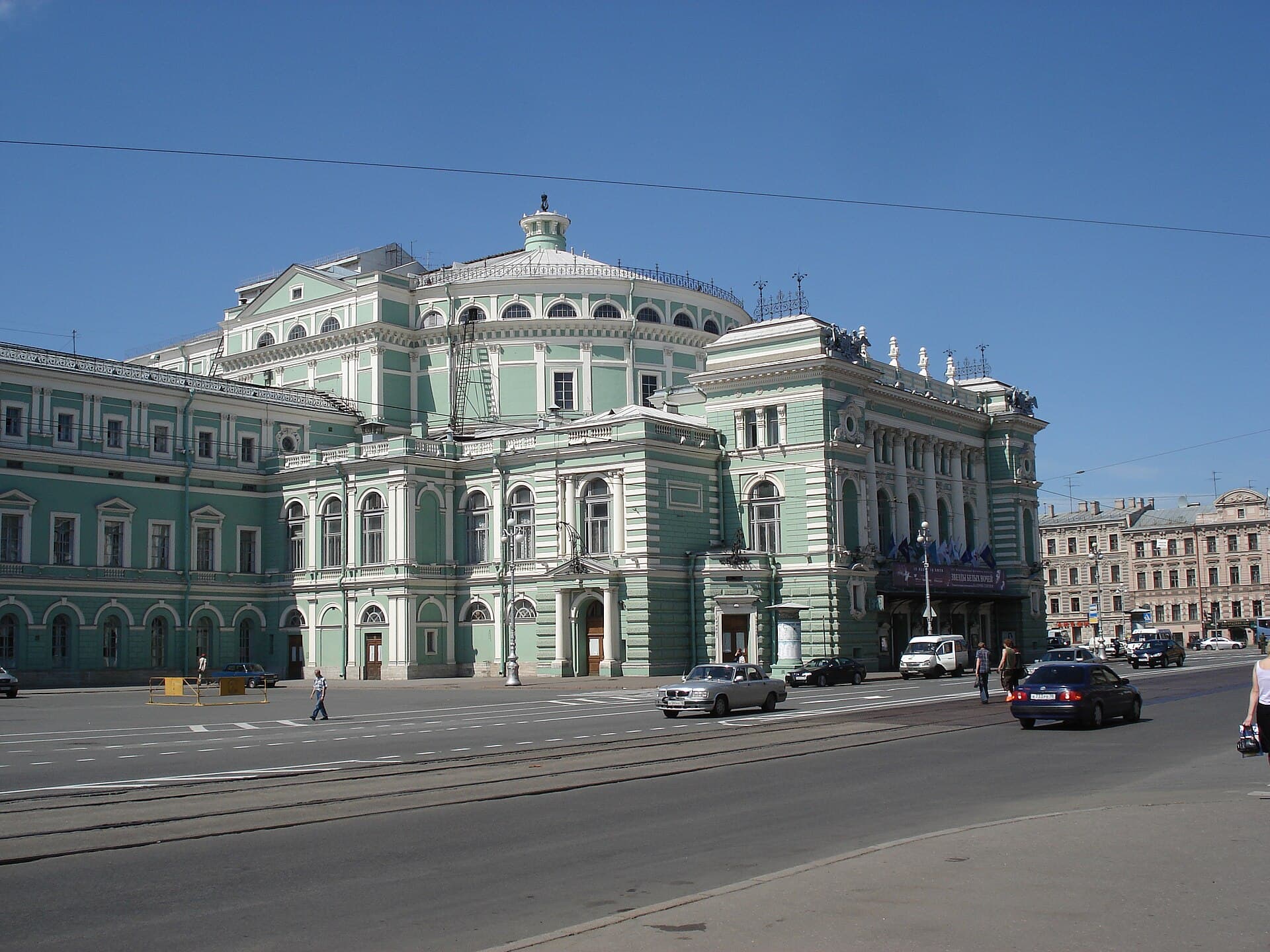
- The historic Mariinsky Theatre — the green-and-gold nineteenth-century house on Teatralnaya Square. This is the one people picture, and the one where the classic ballet repertoire feels most at home.
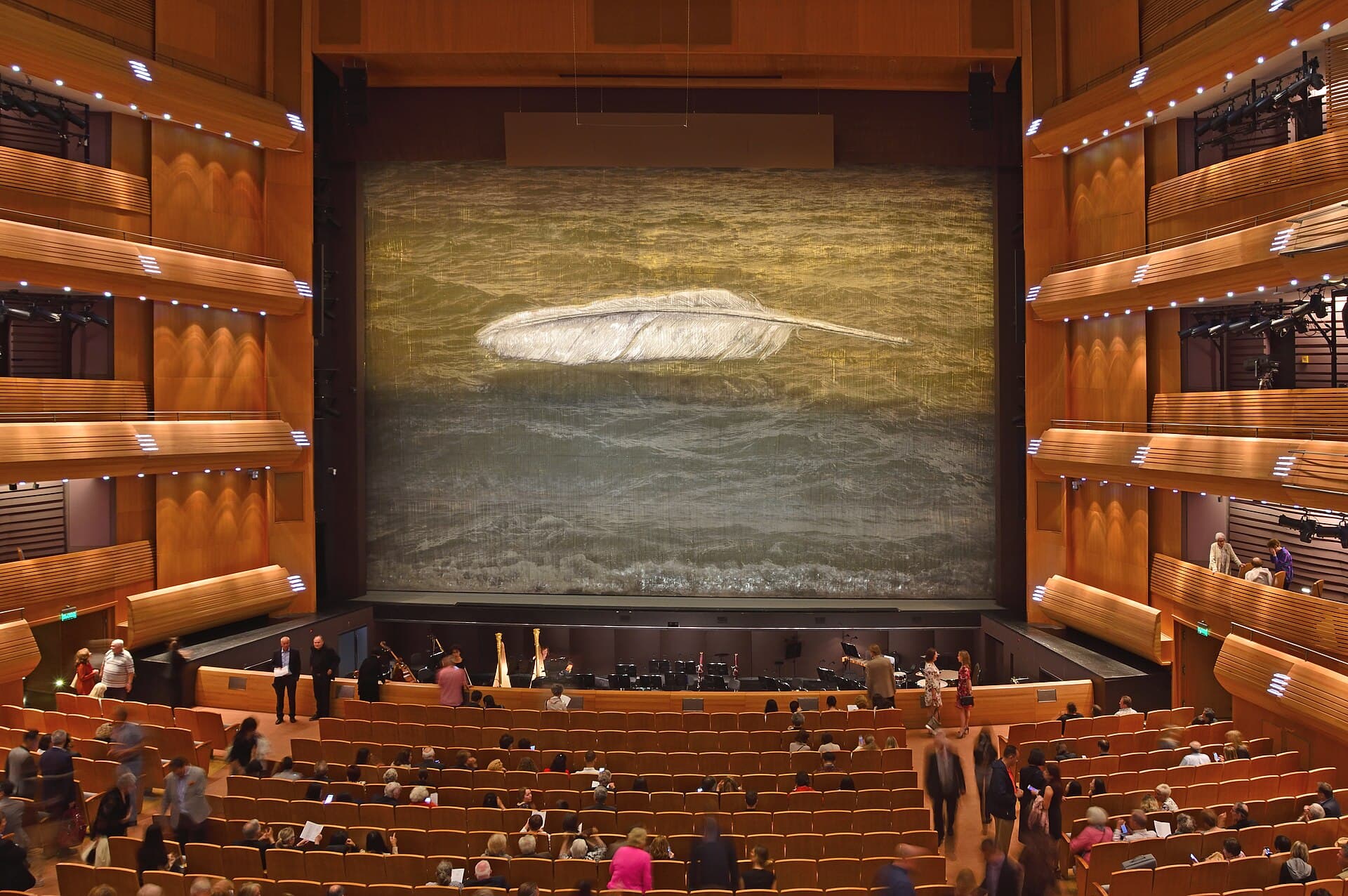
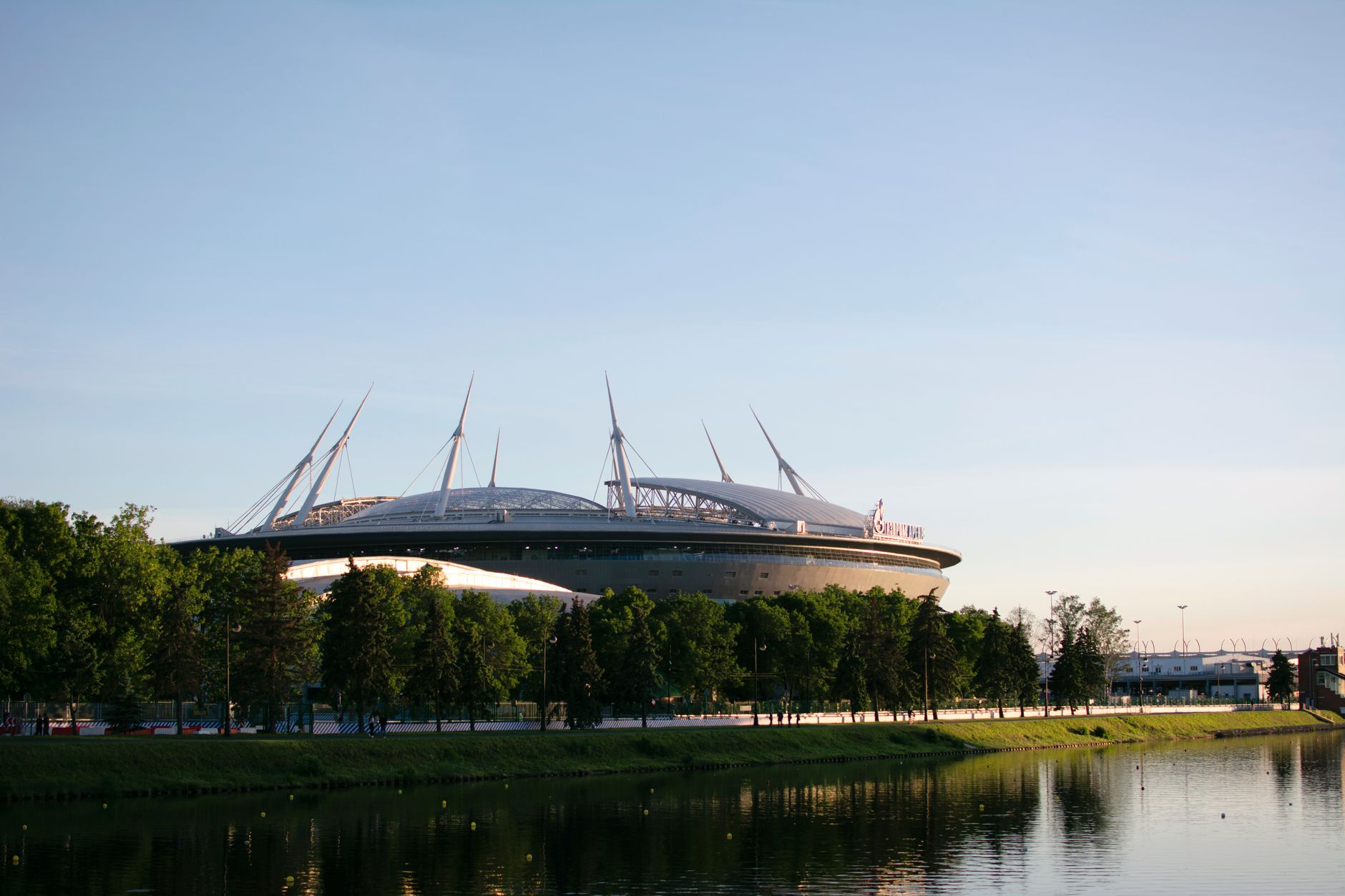
- Mariinsky II — the modern stage across the canal, opened in 2013 and connected to the old house by a footbridge. Bigger, better sightlines, far less atmosphere. Some productions only run here.
- The Concert Hall — a separate building on Pisareva Street, used mainly for orchestral programmes rather than staged opera.
- The Stravinsky Hall and the chamber halls — small venues for recitals and chamber programmes.
The practical consequence: check the venue line on your ticket before you set out. Arriving at the historic theatre for a performance at Mariinsky II is a common and avoidable mistake, even though the two are a few minutes apart.
How to buy tickets
Tickets are sold through the theatre's own system at tickets.mariinsky.ru, linked from every performance page on mariinsky.ru. The schedule is published well in advance and you can filter it by venue, by month, and by whether you want opera, ballet or a concert.
Two things are worth knowing about timing. Popular ballet nights — and anything during the summer festival — sell out early, sometimes months ahead. Ordinary weekday performances of the standing repertoire are usually available much closer to the date, including on the day.
Buy from the theatre, not from an agency. Resale sites list the same seats at a markup, and some of them are simply reselling tickets they bought at face value. If a site is not tickets.mariinsky.ru or the box office itself, you are paying extra for nothing.
The payment problem, and what to do about it
This is the part that derails foreign visitors, and it is not specific to the theatre: cards issued outside Russia generally do not work on Russian payment systems, including the ticket site.
What this means in practice is that you may not be able to complete an online purchase before you arrive. The workable options are the box office in person, paying in cash roubles, or a card on the Mir or UnionPay networks if you have one.
Plan around it rather than discovering it the evening you wanted to go. If a specific performance matters to you, treat the box office visit as an errand for your first day in the city, not something to sort out at 18:00 on the night.
Where to sit
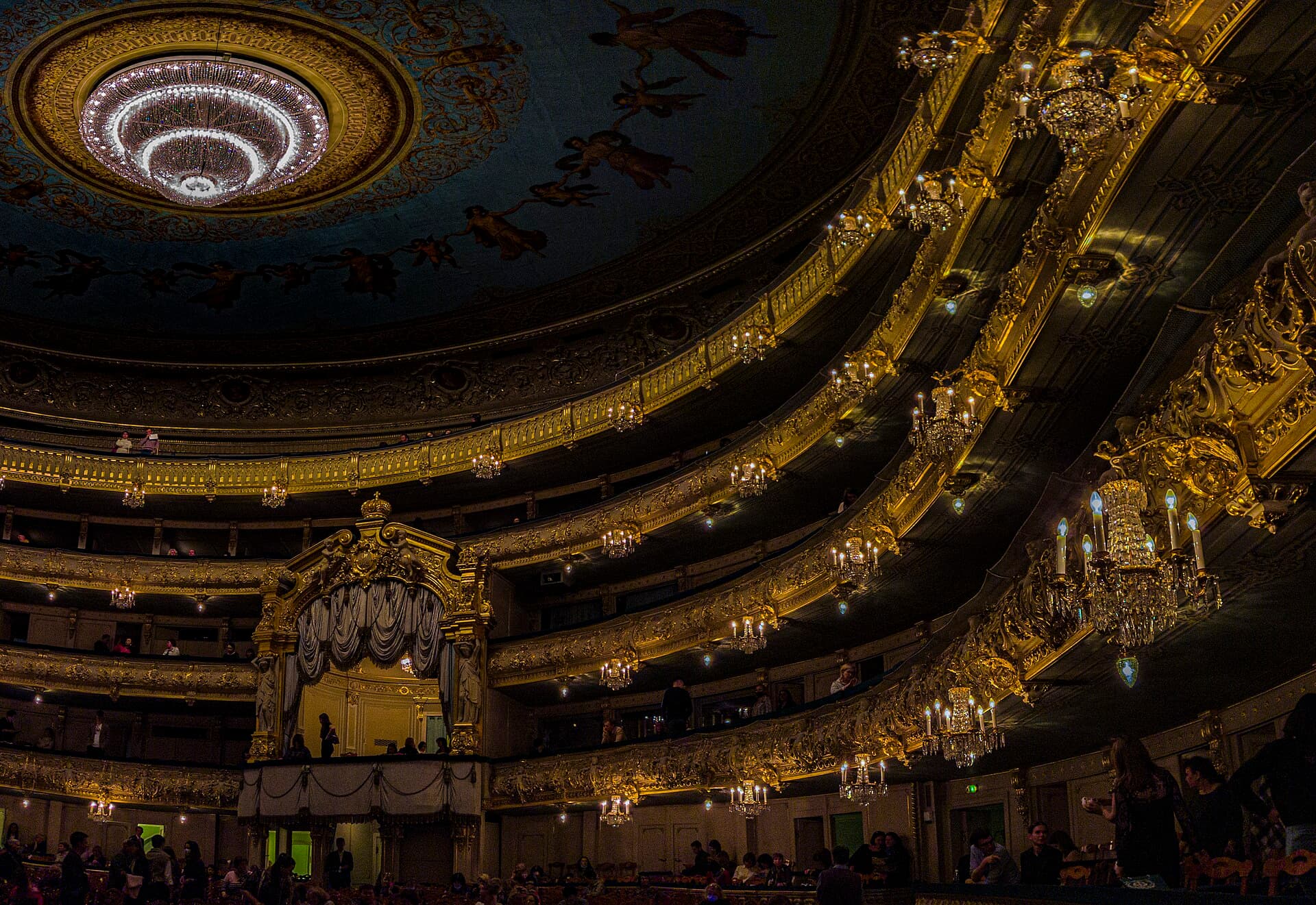
Seating in the historic theatre follows the nineteenth-century pattern, which is less obvious than a modern hall: stalls at floor level, then tiers of boxes and balconies rising steeply around a horseshoe.
The trade-off runs the same way everywhere in a house like this. Central stalls and the front of the first tier give you the best combination of sound and sightline, and cost accordingly. Side boxes are cheaper because part of the stage is cut off — sometimes a little, sometimes a lot, depending on how far around the horseshoe you are. The upper tiers are the cheapest seats in the house and the sound up there is genuinely good; what you lose is detail on faces and, at the very top, part of the stage depth.
If the production is the point, the upper tier is good value. If it is a first visit and the building itself is part of the occasion, the stalls or the first tier are worth the difference.