
although terrain varies, take on roughly 70-90 km per day, simply plan for a rest day after day four to balance effort and sightseeing; this approach brings peace to your legs and mind.
Starting at the capital's outskirts toward the northern metropolis, these days of riding run along open countryside, with trails that vary from fast asphalt to rough gravel; some stretches demand a walk with loaded bikes, distance between towns remains manageable when you pace yourself. You can combine urban cores and rural landscapes together, and learn to read wind and traffic like a local–never push beyond comfort without a plan.
For transportation, these days you can ship bikes by railcar or reserve a bike at partner hostels; transportation options open up the plan so you rest less about gear and ride more. Take a lightweight patch kit, spare tubes, a compact pump, and a waterproof bag; carry rain gear and lightweight layers. asked locals about bike-friendly routes; if a friend joins, ride together and adjust pace as needed, keeping movement steady.
Along the corridor, museums and galleries appear in towns and regional centers; Russian art and history collections offer engaging breaks from the pedal tempo. other cultural sites, markets, and craft ateliers invite exchange and friendship. If you meet a friend or a fellow cyclist, swap routes and tips; never miss a chance to learn about local history, and finally settle into a rhythm of movement and peace away from traffic.
Equipment checklist: take spare tubes, patch kit, a compact pump, and a waterproof bag; during some open walk breaks for rough segments, keep your bag light. For comfort, choose bikes or a lighter setup; plan some open stops every 60-70 km and adjust pace to wind and road condition. Track distance with simple apps; when wind is fast, ease off and recover, finally returning to a relaxed peace on smoother sections.
Route Planning and Daily Itinerary
Set daily legs at 75–85 km, plus one rest day every 4–5 days. Use asphalt where possible, switch to quiet lanes to reduce traffic. During winter, daylight shortens trips; adjust start times and carry extra layers. Before hiring any local guides or mechanics, check licenses and read recent reviews. Know weather previews, keep a printed map folded in a pocket, and write down contact numbers in case phone signals fail. Flexibility matters: have several backup lodging options along favored routes. Starting point: Moscow, with a route written and saved on device.
- Day 1 – 75–85 km: capital city to first rural town. start at dawn. Roads are mostly asphalt, with several patches of sand along river banks. photo stops near a small monument provide a quick taste of local history. Locals can help locate a cozy guesthouse; pick up bread, fruit, and water before leaving town. Pay attention to traffic on secondary roads and avoid heavy intersections. You know you’re really making progress when you roll past mile markers heading toward the next leg. During this stage, carry a repair kit and spare tube in case of a puncture. Luggage should be kept compact to avoid fatigue, and written notes about detours can save time later.
- Day 2 – 80–90 km: continue along quieter routes toward forested stretches and rivers. Several settlements offer lodging, but lack basic services after mid-afternoon, so stock up early. Sand patches by river mouths slow pace, so adjust cadence accordingly. Before meals, pick up snacks at a village shop; locals often share tips about scenic options that aren’t on official maps. Photo opportunities appear at roadside chapels and lookout points; use them to break up long climbs. Stay alert for rough pavement in old sections and switch to smoother corridors when possible.
- Day 3 – 60–75 km: lighter day to recover legs. Winter daylight is short, so begin early and plan a late-afternoon arrival in a town with warm lodging. This leg runs through cultivated fields and small towns where your idea of pushing farther might not align with local schedules–adjust as needed. Written route notes help keep direction if signals drop. Locals often invite cyclists inside for tea; accepting such offers boosts morale and helps you reset for a longer stretch ahead.
- Day 4 – Rest day: winter conditions demand a break in a comfortable inn. Use attention to hydration and nutrition, and dry gear indoors. If you’re carrying a camera, this is a good moment for a short stroll to photograph a river bend or a monument near town center. Review maps, update fuel caches, and plan the next stage with fresh eyes. Finally, confirm lodging options for upcoming nights to avoid last‑minute searches in fading light.
- Day 5 – 85–95 km: pick a steady rhythm toward a mid‑course milestone. Pick local bakeries to taste regional bread; carry water and energy snacks for long stretches between villages. Several miles of good roads compensate for occasional rough spots; during this part, you’ll approach broader landscapes and wider rivers. Stopping at a small market gives you a chance to pick supplies and chat with locals about a recommended scenic detour. Photo breaks at lookout points help you track progress and keep motivation high.
- Day 6 – 70–85 km: approach toward a major confluence where river routes meet larger channels. Roads remain mostly paved, though occasional gravel appears near old mills or farmyards. Aim to reach a historic spot near a notable monument; this is a popular point for travelers to rest and regroup. Yourself will notice that signs become clearer as you approach larger towns; use this moment to refine your pacing and nutrition. Before nightfall, finalize tomorrow’s lodging and confirm a route that skirts heavy traffic corridors.
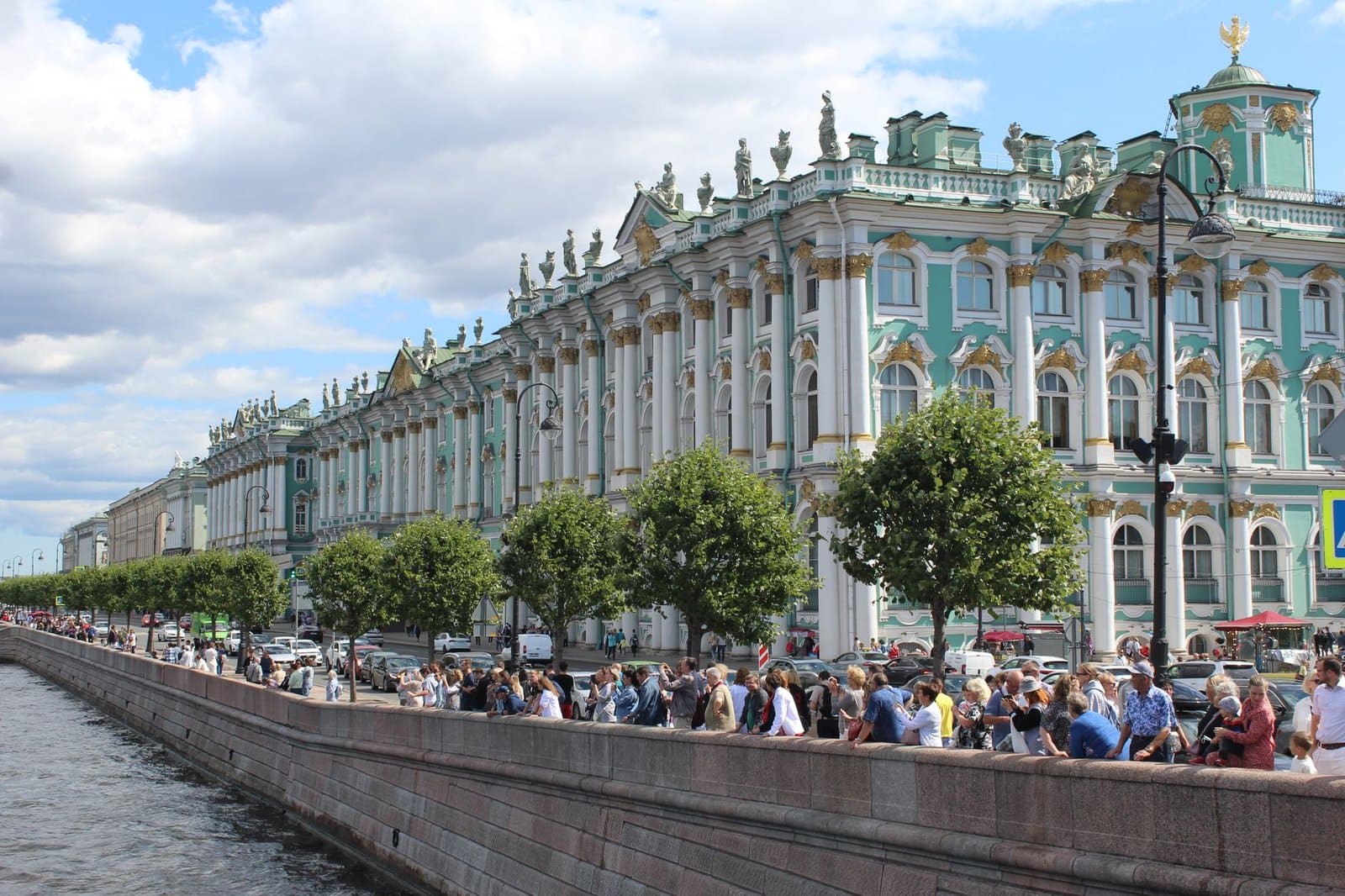
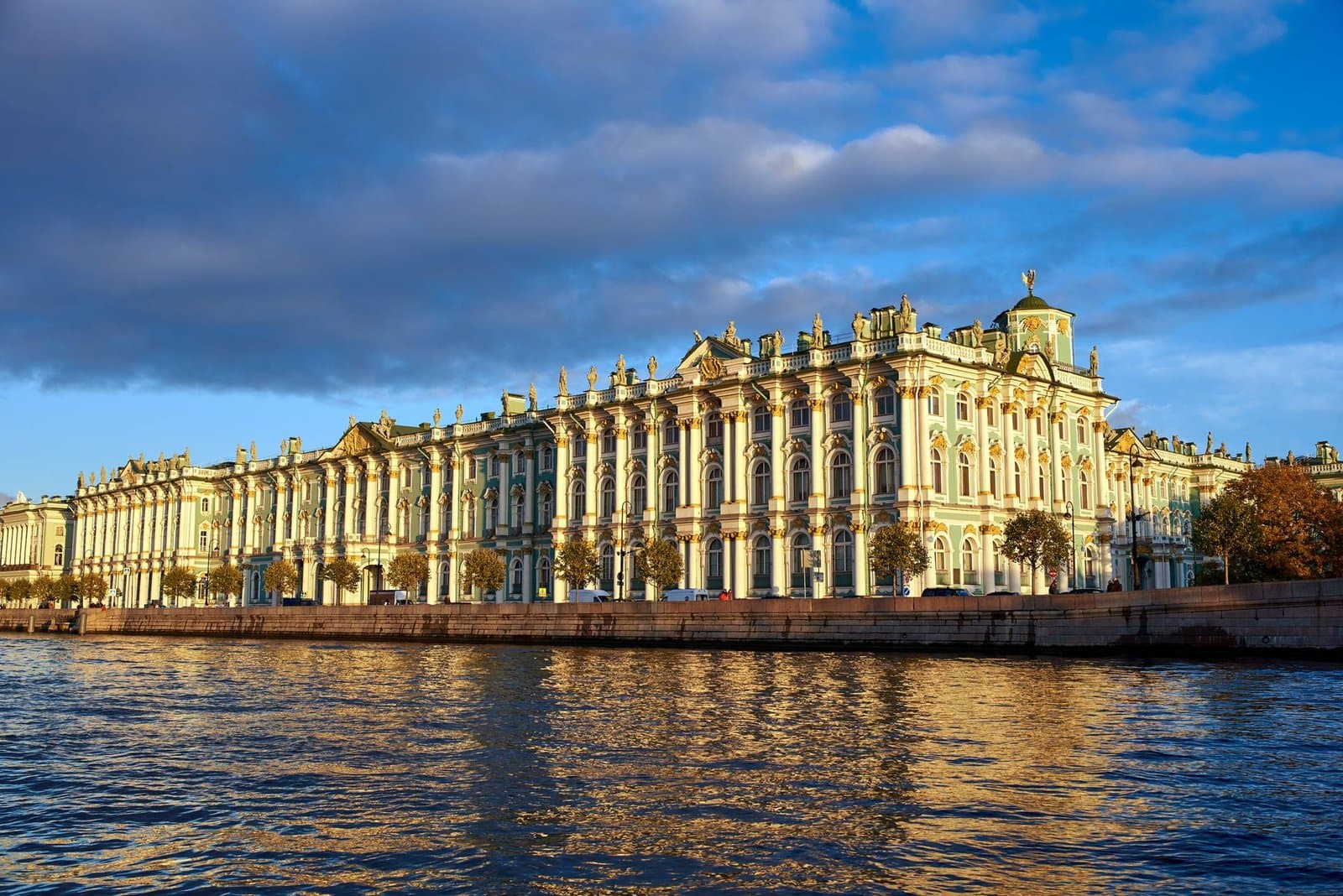
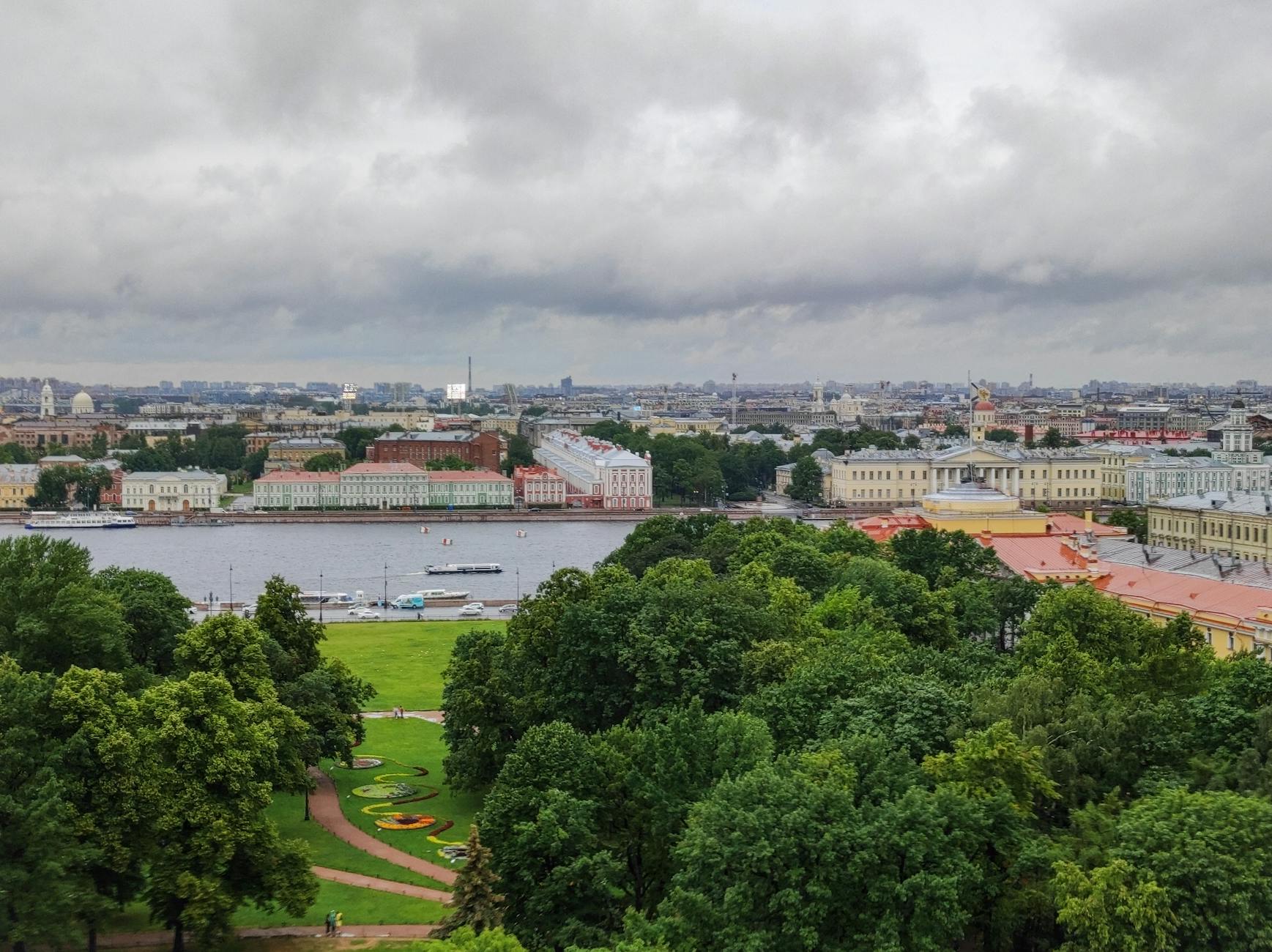
- Day 7 – final push to strelka on Neva: final approach along broad rivers and urban fringes leads toward a well‑known confluence area. Reaching strelka marks a symbolic finish, with Neva broadening into a calm estuary near the city’s edge. Locals offer warm welcomes, and many monuments line the riverbank for a celebratory photo session. After arrival, you’ll know several ways to unwind: sample a local taste at a waterfront café, and share stories with locals who’ve helped along the way. Finally, reflect on how well roads were covered, how sand or winter conditions affected pace, and how your route can inspire others to repeat this journey.
Choosing Your Route: Direct M10 vs Scenic Detours
Pick Direct M10 for a fast, predictable ride with good road surfaces and private road stretches that minimize stops. Today route delivers fewer construction delays and a steady pace, letting you finish the distance sooner and take more time at destination.
Scenic detours offer huge photo opportunities near lakes and along water margins, with chances to visit museums and a palace called alexander. Along roads you gain space between hubs, and views open up among lakes where Neva river brushes countryside. Pay attention to construction signs, select quiet segments, and there are sometimes activist art projects along way; you can book ahead today to secure good rest after long ride.
Where speed matters, pick direct line for a compact trip with fewer stops and reliable road quality. Where culture and space matter more, detours deliver museums, palaces, and shoreline vistas that enrich trip more than a plain road. Russian countryside often offers good water stops and lake overlooks that reward careful planning and a couple of rest breaks, along with diverse scenery among small towns.
Practical tips: map out a rhythm, check road works for today, and keep a flexible plan in case you want to switch among options. Decide at outset, then take flow: you may ride direct along M10, or swing along Neva coast to weave in photo stops, while considering private accommodations and book ahead stays to support a comfortable rhythm.
Daily Mileage Targets and Rest Days
Set baseline: aim for 60–70 km on most riding days and place a full rest day after every four rides. A lighter pace uses 40–50 km with rest after three rides; adjust for terrain and heat rather than clock time.
For ongoing progress, keep a steady rhythm and stay flexible. If a stretch finishes early, allocate time for photo stops and route review for future legs. It says to track distance with a GPS app.
Hydration and food planning matter: drink water regularly, carry salty snacks and fruit, and plan stops at stolovaya for affordable meals and local atmosphere. Overnight stays rely on accommodation options; renting gear or bikes is common at smaller hubs, although verify security first.
On trails, follow local signs, maintain safe speed, and slow down on gravel or wet sections. Always plan safe travel between settlements; when roads feel uncertain, switch to a shorter ride and rest at a staffed facility.
Finished rides feed a simple log: time, distance, water intake, and food consumed. A short ride to reach a picturesque spot for a photo helps keep motivation high. Consistency builds momentum; future rides benefit from each day's learnings and a peaceful atmosphere along this route.
Overnight Stops: Hostels, Campsites, and Hotels
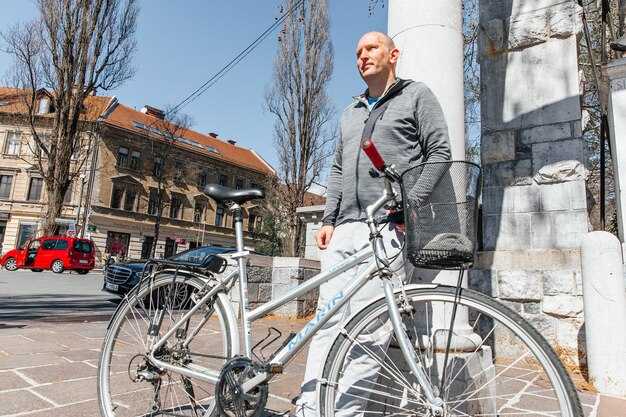
Opt for a well-situated hostel near Neva banks with lockable bike storage and a small kitchen; book ahead today to secure a bed after long road days.
Budget campsites lie outside suburbs along quiet roads, offering simple setups: tents, a sheltered area, and basic toilets; expect 400–900 RUB per person in peak season, with higher prices closer to station areas.
For a balance, private inns near station areas provide hot showers and breakfast, with late check-in options and hosts having bike-friendly setups.
Locals like kozyrev run small setups in saint Catherine outskirts, making it easy to find a private room after a day on the road; these places often opened doors to riders with flexible rates.
Along the Neva corridor, a few artisanal campsites are marked on maps and share simple facilities; for updates and tips, check velosipedizationru and today’s rider experiences from other travelers who rode together.
Drivers passing through quiet outskirts can be friendly; keep to road around towns, have a plan for rain, and learn today to avoid trouble. Also, consider great options in suburbs with easy access to station stops and bike-friendly hosts.