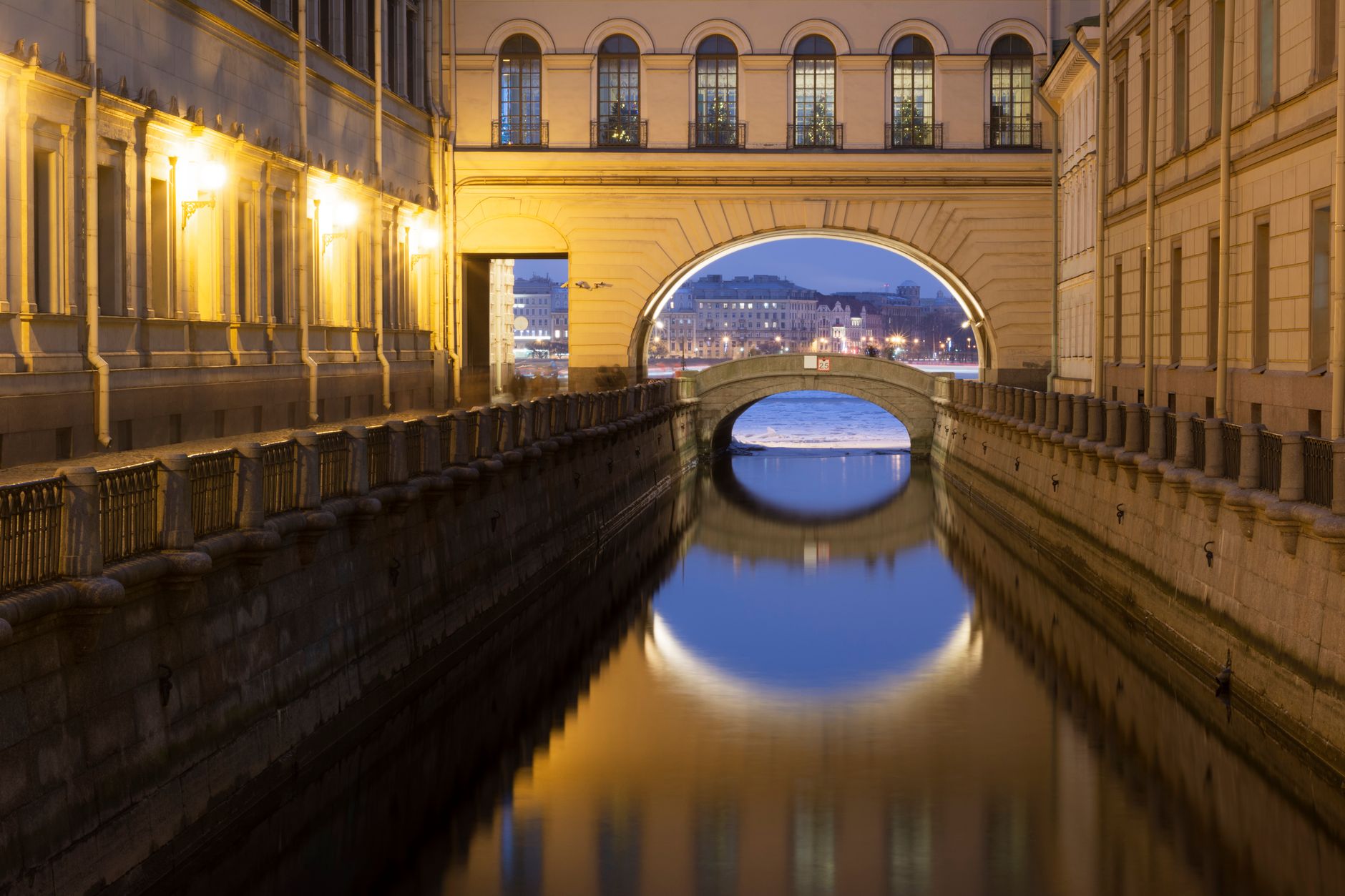
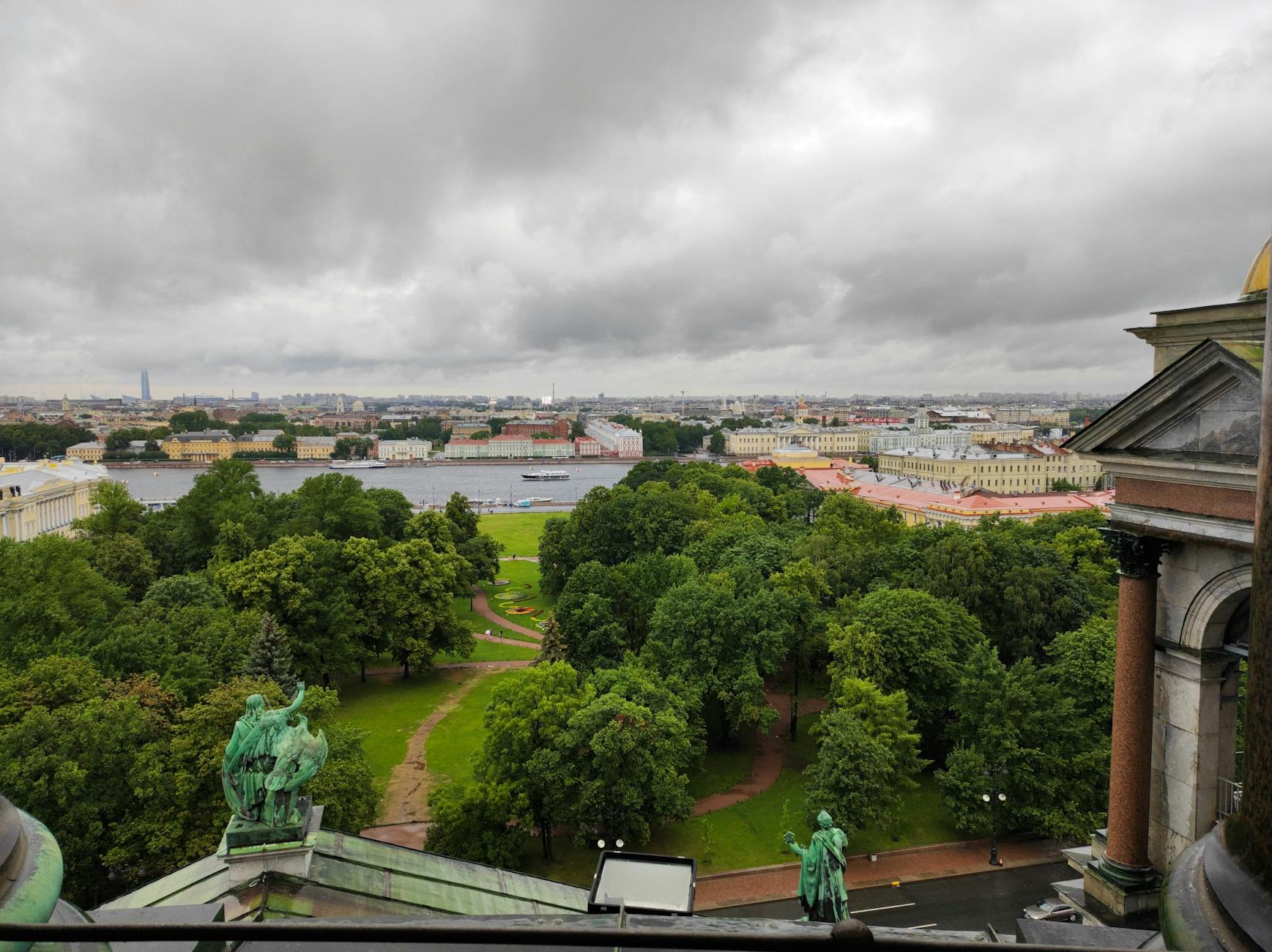
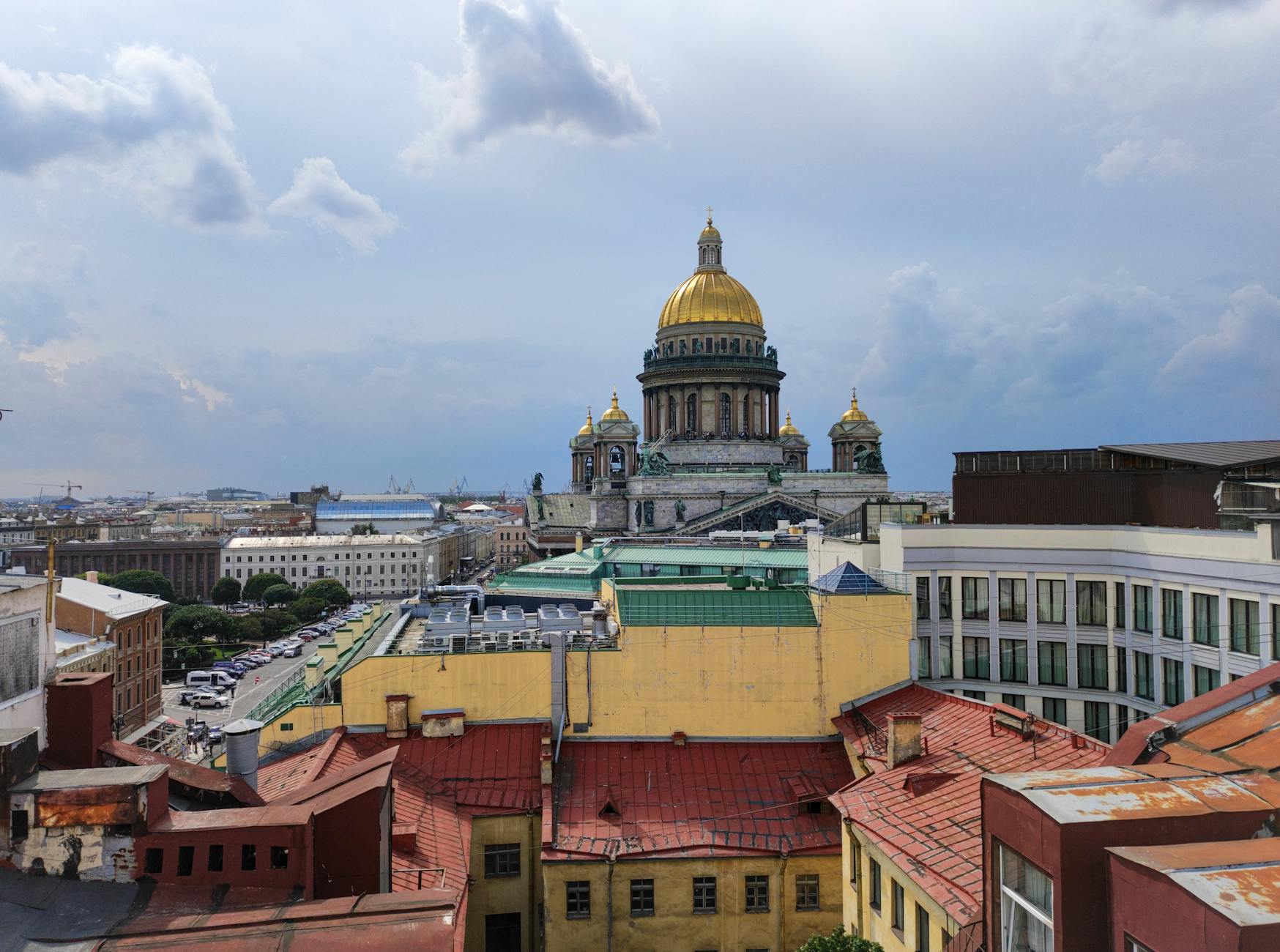
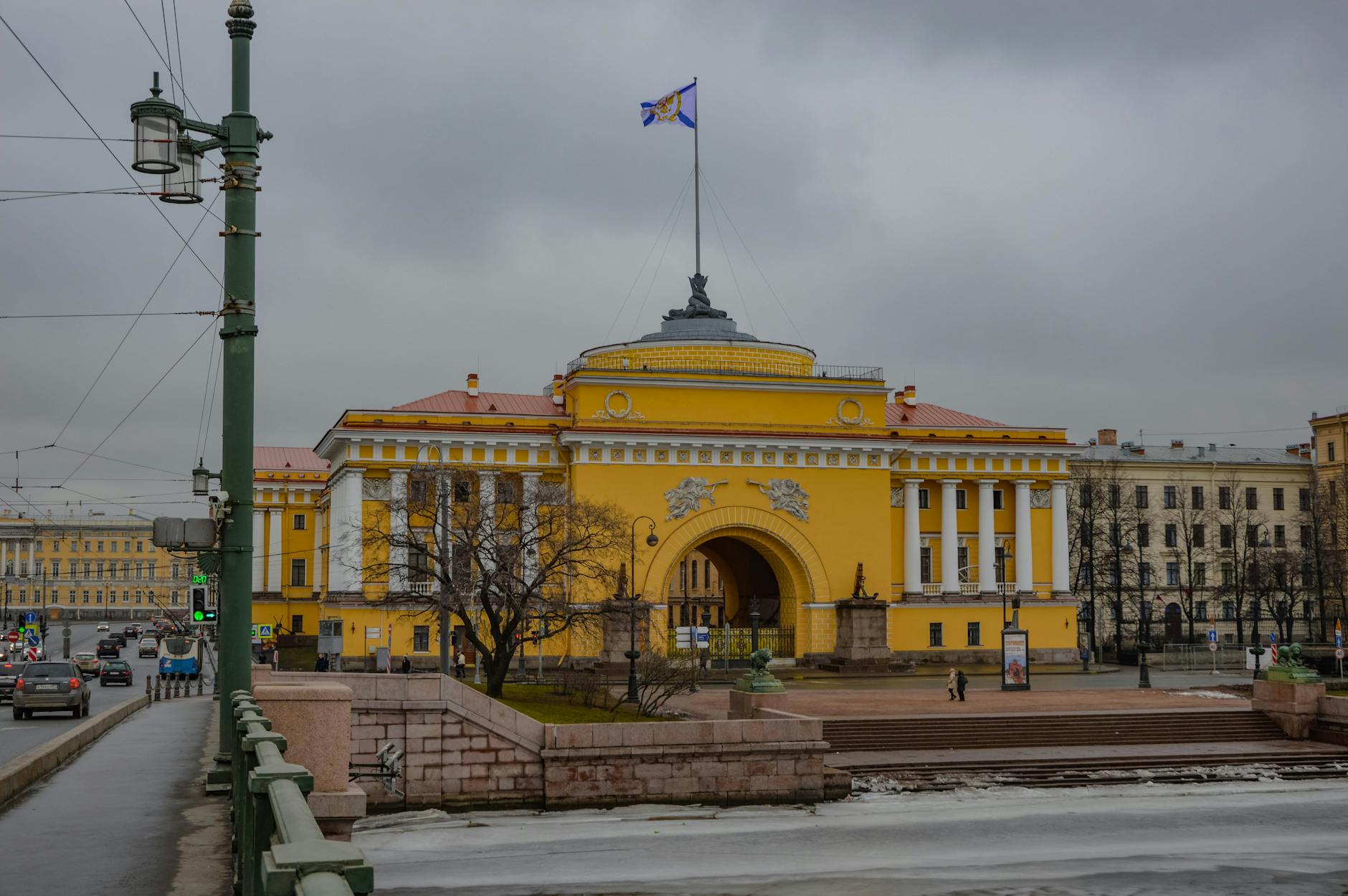
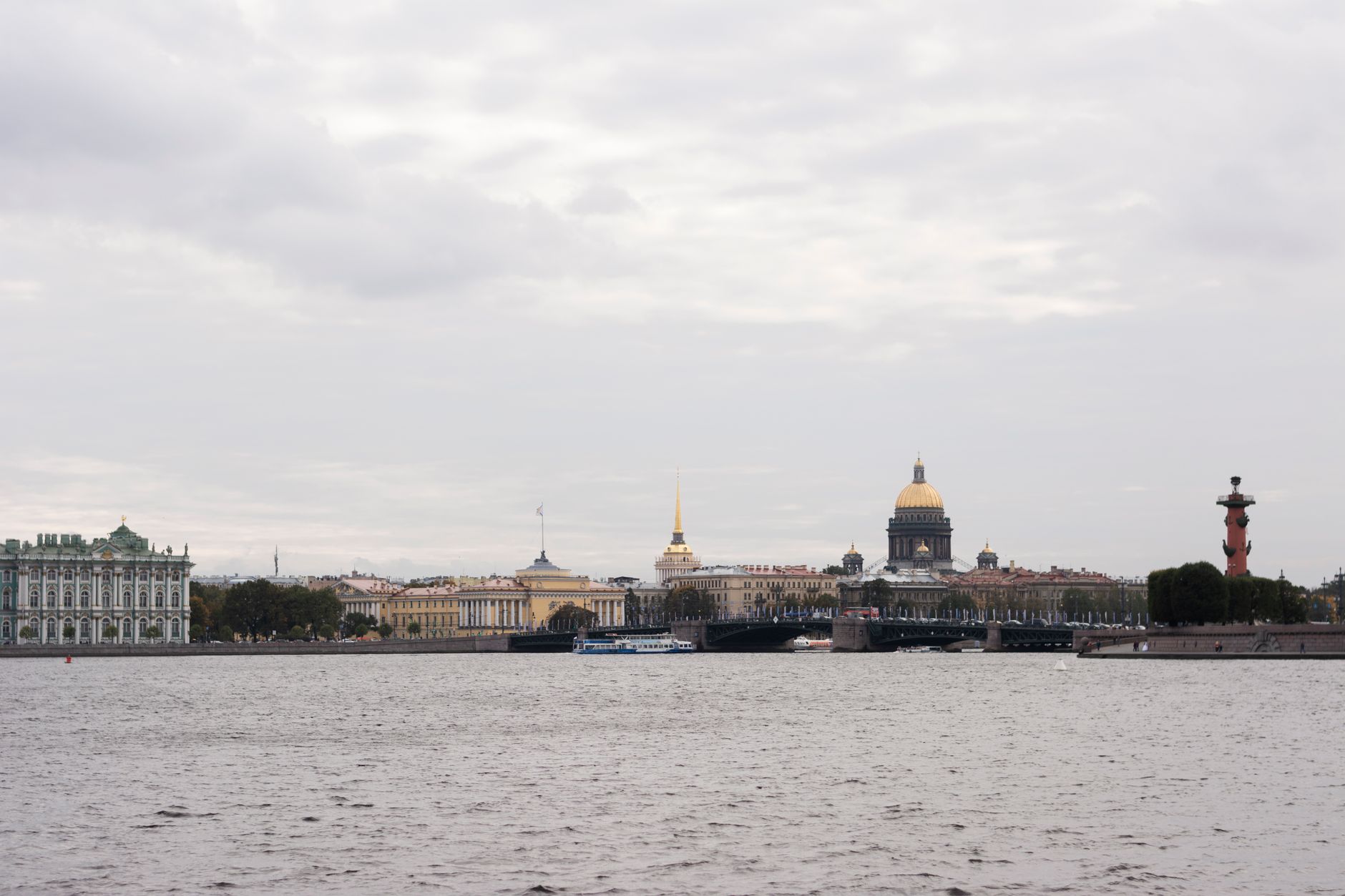
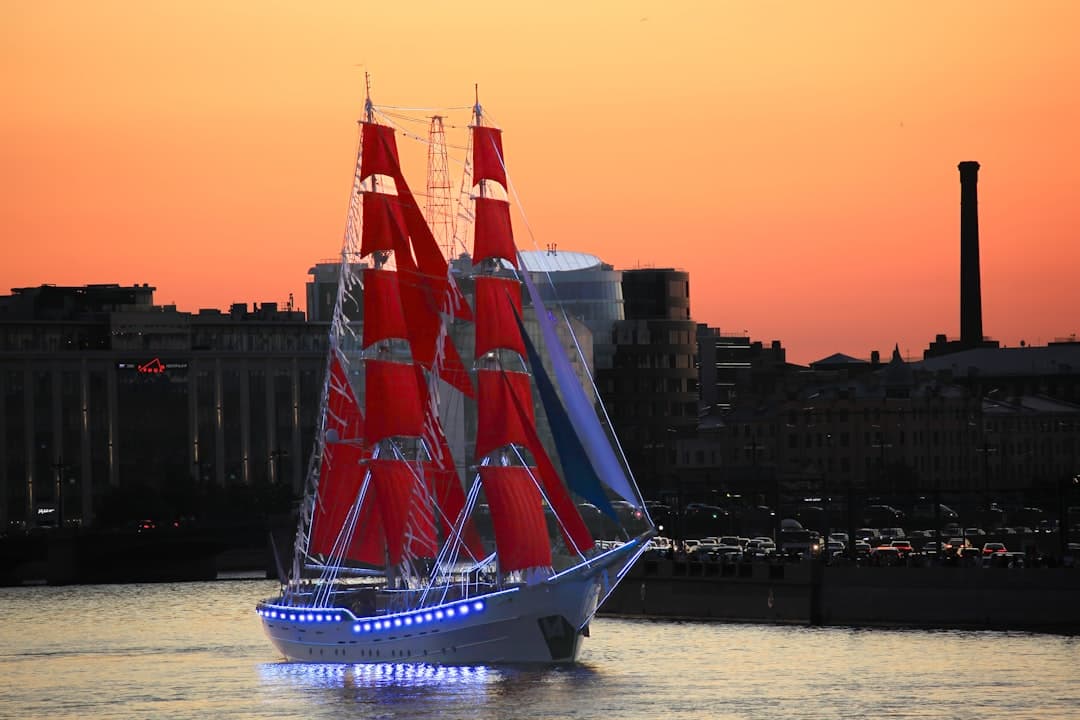
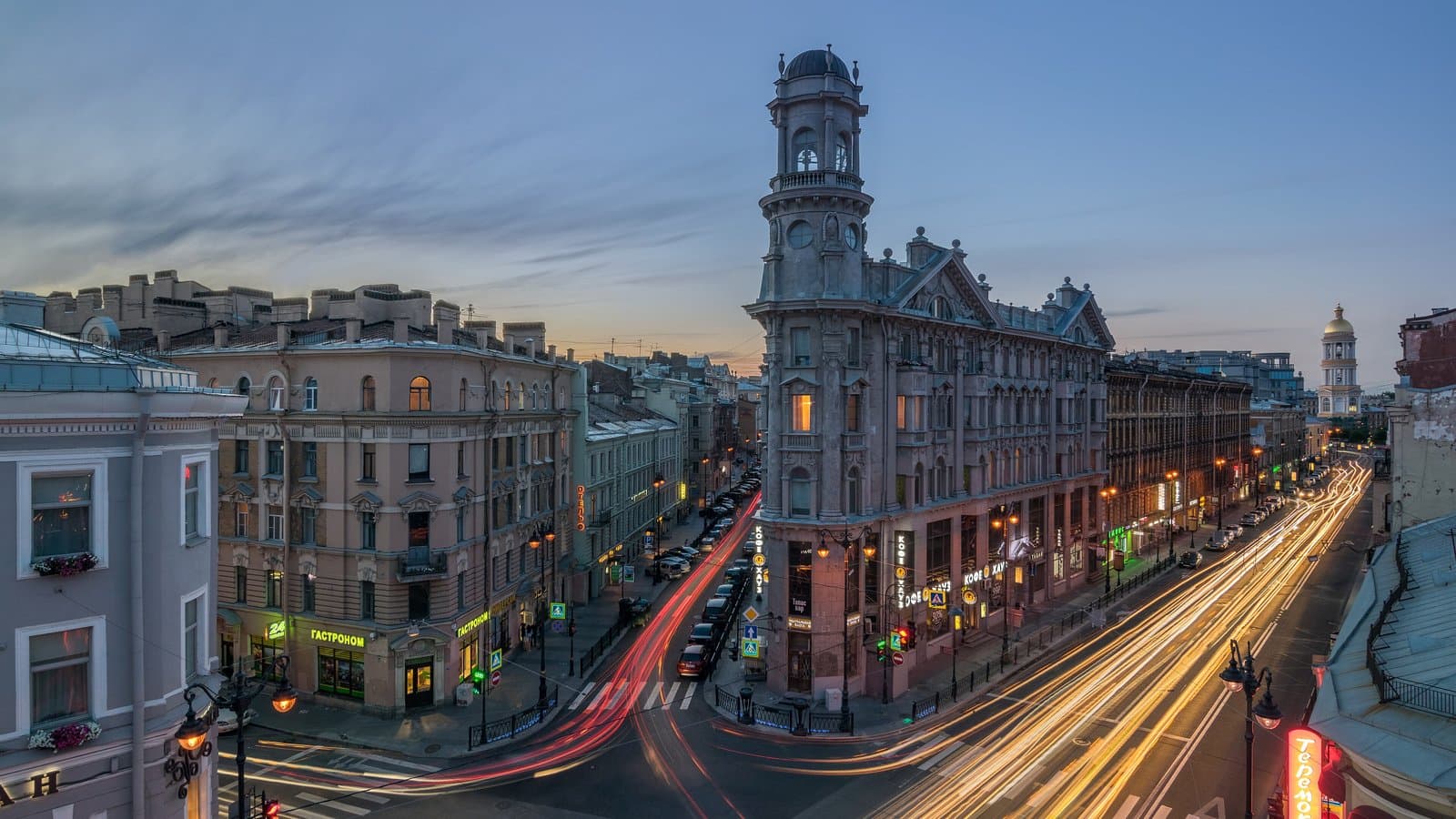
Saint Petersburg earned its nickname "Venice of the North" through its intricate system of rivers and canals. The Neva River serves as the main artery, flowing 74 kilometers from Lake Ladoga to the Gulf of Finland and splitting the city into distinct districts. The Moika, Fontanka, and Griboyedov Canal form the historic heart, winding past palaces and cathedrals built during the imperial era.
When I walked from Nevsky Prospekt to the Hermitage last spring, I counted at least six different tour boats passing under the bridges within twenty minutes. The network includes over 90 rivers and canals with more than 300 bridges, creating endless route possibilities. Saint Petersburg Tourism Committee reports that waterway tours operate from late April through early November, with peak season running June through August when the White Nights phenomenon attracts maximum visitors.
The canal system differs significantly from river cruises. Canal routes typically last 60-90 minutes and focus on architectural sights within the city center, while Neva River cruises can extend to three hours and reach suburban palaces. Water levels vary seasonally, affecting which routes operate at different times. During spring floods in late April, some low-clearance canal sections temporarily close while the Neva remains fully navigable.
Popular River Cruise Routes and What They Cover
The classic canal ring route departs from near the Church of the Savior on Spilled Blood, travels along Griboyedov Canal past the Mariinsky Theatre, continues through Kryukov Canal, and returns via the Moika River. This 90-minute journey passes approximately 15 bridges and showcases baroque and neoclassical architecture from the 18th and 19th centuries. Boats depart every 30-45 minutes during peak season, with no advance reservation required for these frequent services.
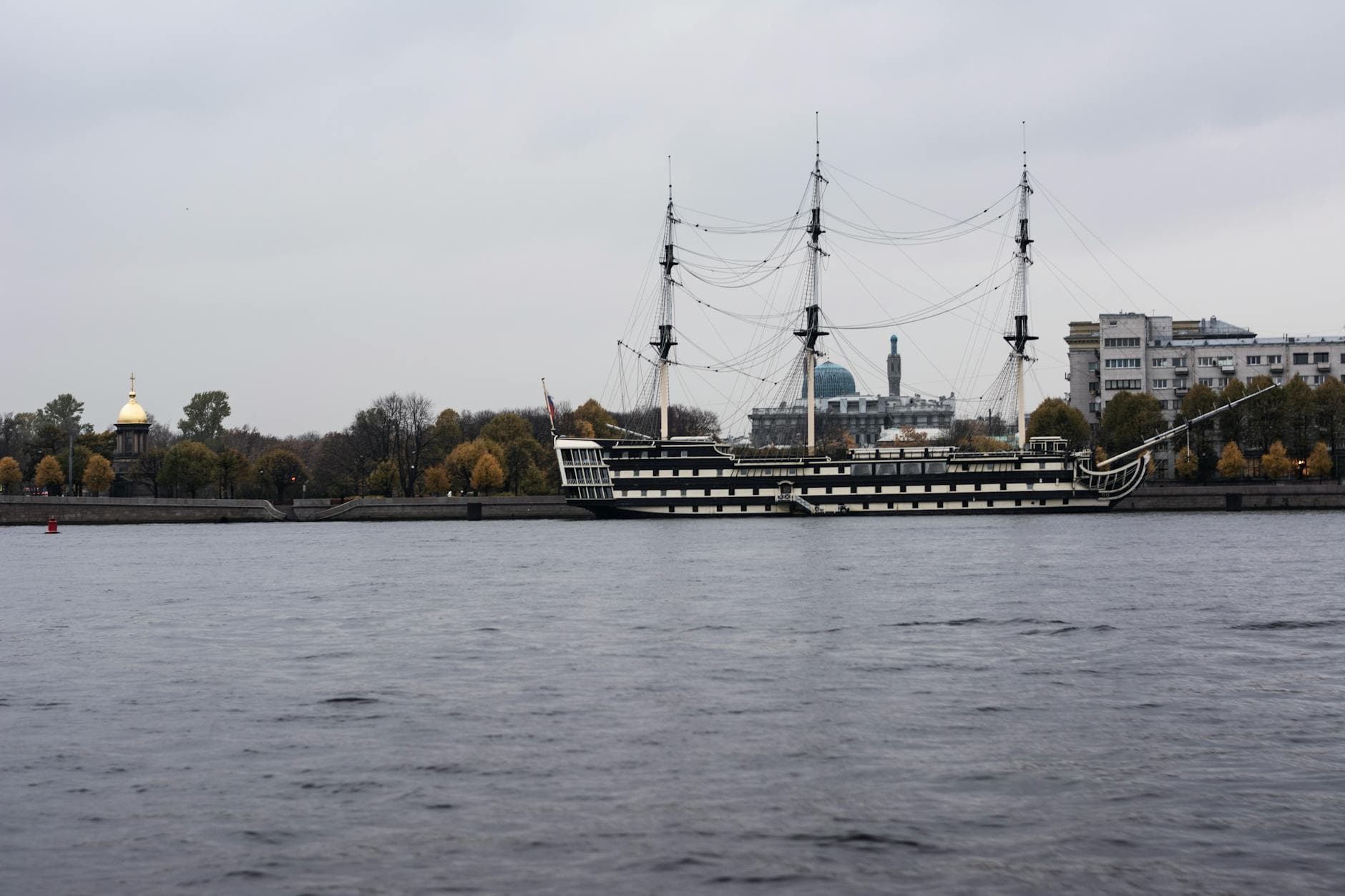
Neva River routes offer different perspectives. The standard Neva cruise runs from the Hermitage embankment past Peter and Paul Fortress, under the Palace Bridge, and toward the Gulf of Finland. Extended versions continue to the Smolny Cathedral or even Peterhof, though reaching Peterhof by river takes 90 minutes each way compared to 40 minutes by hydrofoil. On my last visit in July, I noticed the Peterhof-bound cruise boats were significantly less crowded than the express hydrofoils, offering a more relaxed journey despite the longer duration.
Evening cruises during White Nights season (late May through mid-July) provide unique bridge-opening views. The Palace Bridge raises at 1:25 AM, followed by other major bridges in sequence. These specialized cruises depart around midnight and cost 1,500-2,500 rubles (approximately 15-25 euros) compared to 800-1,200 rubles for standard daytime routes. The State Hermitage Museum coordinates with cruise operators to offer combined tickets that include museum entry and a Neva River tour for 2,800 rubles.
Standard one-hour canal cruises cost between 800-1,000 rubles (8-10 euros) when purchased at the dock. Prices increase to 1,200 rubles during White Nights peak in June and early July. Children under seven typically ride free, while ages 7-12 receive 50% discounts. Most operators accept cash rubles only at dock kiosks, though online booking platforms process credit cards with a 100-ruble service fee.
Premium options with audio guides or live commentary in English cost 1,400-1,800 rubles. Some boats offer enclosed heated cabins for an additional 300 rubles, valuable during cool spring and autumn evenings when temperatures drop to 8-12 degrees Celsius. Private boat rentals for groups of 8-12 passengers start at 12,000 rubles per hour, making them cost-effective for families or small tour groups.
Pass holders skip ticket lines at participating operators near the Hermitage and Nevsky Prospekt. We tasted this benefit during a September visit when regular ticket queues stretched 40 minutes while pass holders boarded immediately. The included cruise alone represents 1,000 rubles of value, offsetting a significant portion of the pass cost.
at the Bank of Russia rate on 24.10.2026 · powered by tutkakdoma
Optimal Booking Times and Seasonal Considerations
River cruise season officially opens in late April, but early season operations depend on ice conditions. The Neva River typically clears by April 20-25, while smaller canals may remain closed until early May if winter extends longer than average. Booking before May 10 carries slight risk of cancellations due to weather, though operators provide full refunds or alternative dates.
White Nights season from May 25 through July 15 represents peak demand. Bridge-opening cruises sell out 2-3 days in advance during this period, requiring early booking. Standard daytime cruises still accept walk-up customers, but expect 30-60 minute waits at popular departure points near the Hermitage and Anichkov Bridge. Booking online 24-48 hours ahead guarantees specific departure times and eliminates queuing.
September offers the best value-to-experience ratio. Prices drop 20-30% from peak season rates while weather remains pleasant with average temperatures around 15 degrees Celsius. The city's golden autumn foliage adds photographic appeal, and cruise boats run at 60-70% capacity instead of the packed conditions in June and July. I noticed during a late September cruise that we had ample space on the open deck and clear views for photography without crowds blocking sight lines.
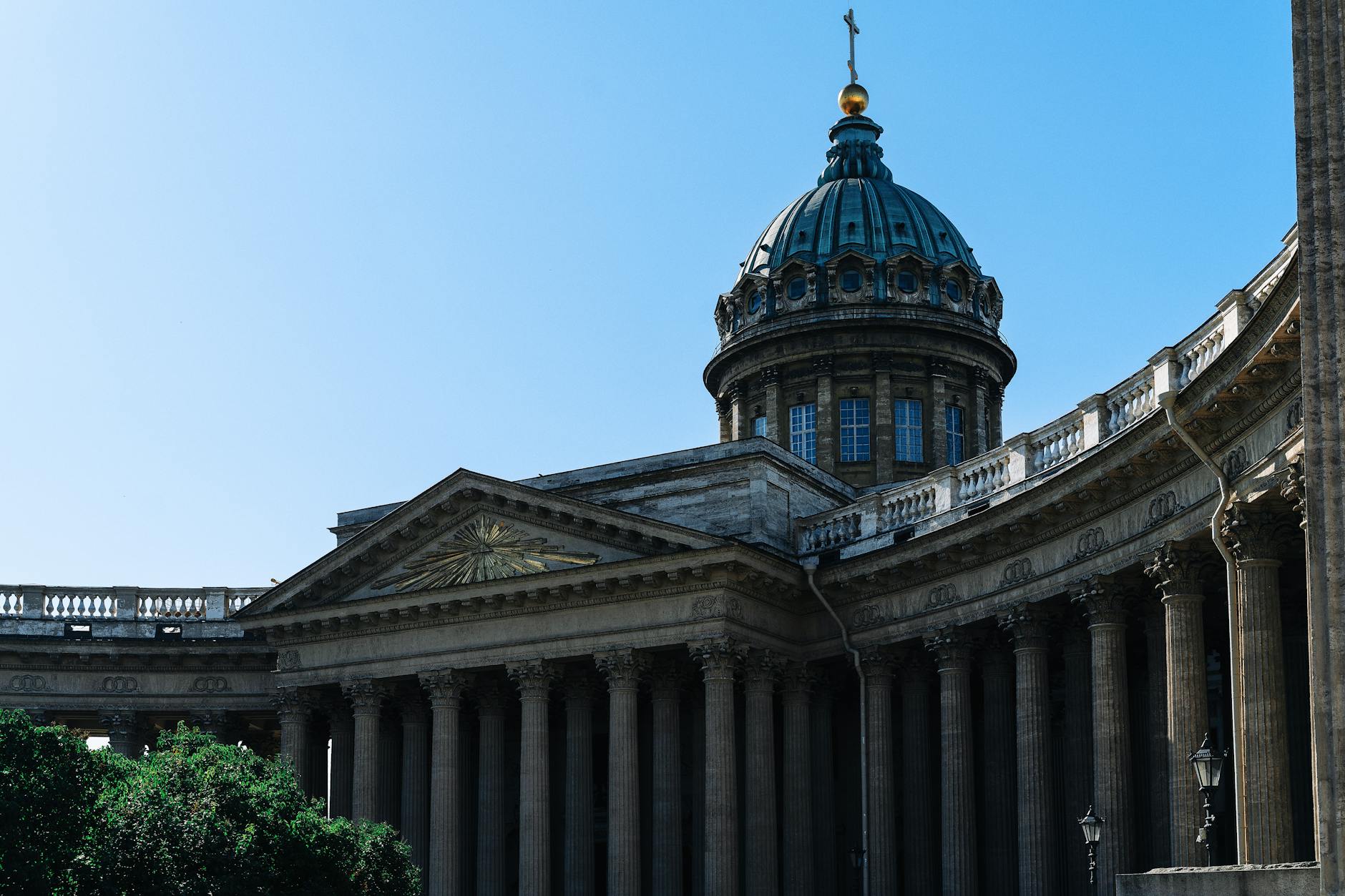
The main departure hub sits along the Moika River embankment near Nevsky Prospekt, accessible via Nevsky Prospekt or Gostiny Dvor metro stations. Exit the metro, walk toward the Kazan Cathedral, and continue 200 meters to the river. Multiple operators maintain ticket kiosks here, offering departures every 20-30 minutes during peak hours from 11 AM to 7 PM.
The Hermitage embankment serves Neva River cruises, located directly in front of the Winter Palace. Take metro to Admiralteyskaya station and walk 400 meters north toward the river. This departure point provides immediate access to longer Neva routes and Peterhof-bound vessels. Ticket offices open at 10 AM, with first departures at 10:30 AM and last departures at 6 PM during standard season.
Smaller departure points exist at the Church of the Savior on Spilled Blood (Griboyedov Canal embankment) and near the Summer Garden (Fontanka River). These locations offer fewer departures but shorter wait times. When I explored options near the Summer Garden in August, only two other tourists waited for the next boat while the Nevsky Prospekt hub had 50+ people queued. The route covered identical sights with departure just 15 minutes later.
Practical Tips for First-Time River Cruise Passengers
Weather protection matters more than most tourists anticipate. Even during summer months, wind on the Neva River creates a wind chill effect that drops perceived temperature by 5-7 degrees. Bring a light jacket or sweater even when the forecast shows 22 degrees Celsius. Open-deck boats provide the best views and photography opportunities, but enclosed cabin options exist for those prioritizing comfort over visibility.
Audio guide quality varies significantly between operators. Boats with pre-recorded multilingual commentary typically offer English, German, French, Spanish, and Chinese options. Live guides speaking English appear on premium services only. The audio content ranges from basic landmark identification to detailed historical narratives. Request a sample at the ticket office before purchasing if this matters to your experience.
Photography from moving boats requires specific techniques. The constant motion and vibration blur images shot at slow shutter speeds. Use at least 1/500 second shutter speed or enable image stabilization. Morning light (9-11 AM) provides better illumination for north-facing landmarks along the Neva, while afternoon sun (3-6 PM) favors south-facing canal architecture. Bridge passages create brief shade periods lasting 10-15 seconds that can ruin photos if you're not prepared with adjusted camera settings.
Combining River Cruises with Other Saint Petersburg Attractions
River cruises integrate effectively into broader sightseeing itineraries. Schedule morning cruises before 11 AM to avoid peak afternoon crowds, then proceed to indoor attractions like the Hermitage or Russian Museum during midday hours when heat peaks. This sequence provides comfortable pacing and maximizes limited vacation time.
Peterhof visits pair naturally with river approaches. Instead of taking the standard hydrofoil, consider the slower cruise boat for the outbound journey to appreciate gulf views and coastal landscapes, then return via express hydrofoil or bus. A city cruise paired with a one-way hydrofoil gives you two different views of the waterfront. Budget from 2,000 RUB for foreign visitors to the Lower Park, or 900 RUB for Russian/EAEU citizens, plus the cruise fare — check both operators for current prices, which change through the season.
Evening bridge-opening cruises work best as standalone experiences rather than combined with other activities. The midnight departure time and 2-3 hour duration mean you'll return to your accommodation around 3 AM. Plan this for mid-trip when you've adjusted to local time zones and can sleep late the following morning. The spectacle of 13 bridges raising in sequence across the Neva justifies dedicating an entire evening to this unique Saint Petersburg phenomenon that exists nowhere else at this scale.