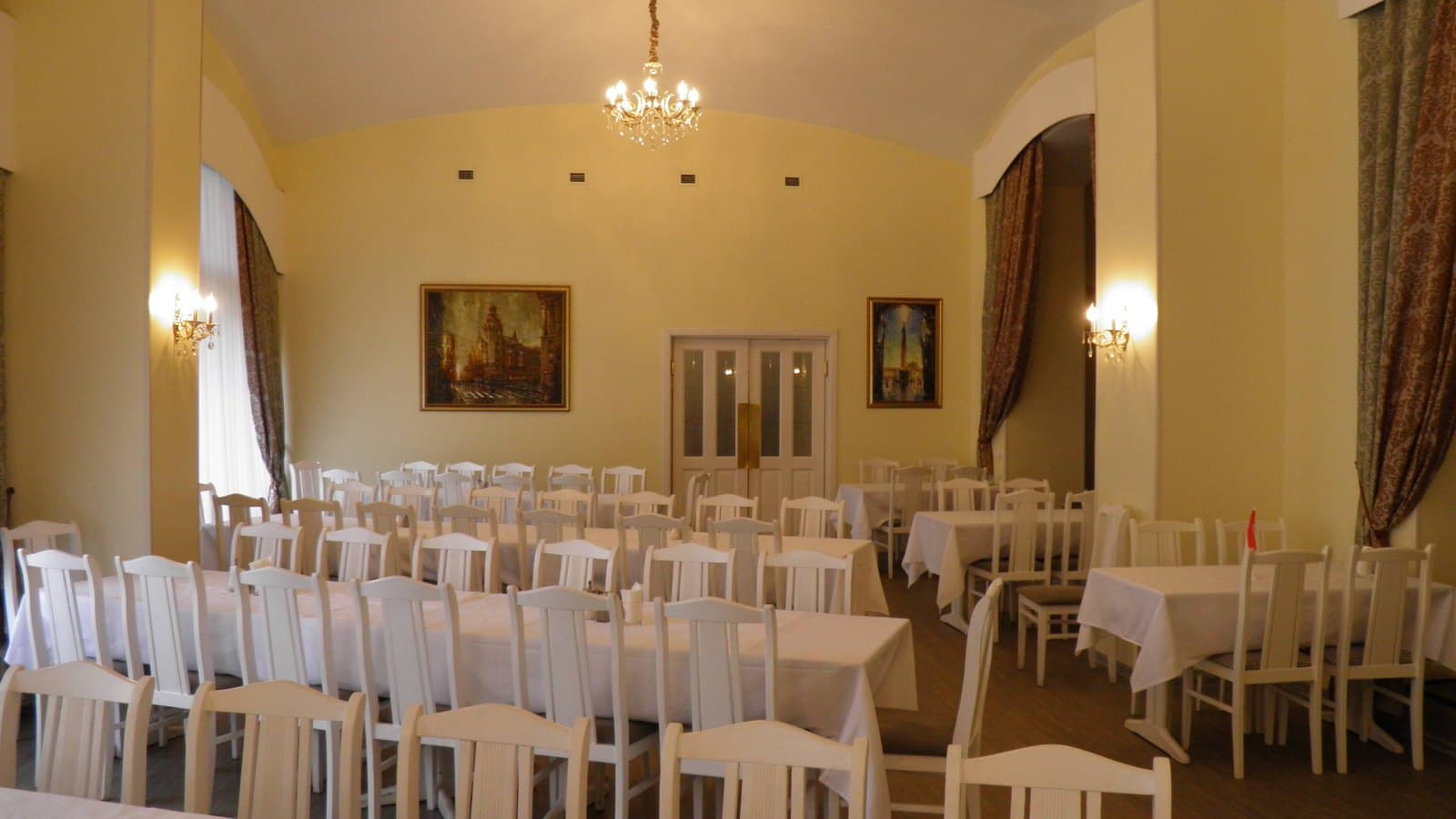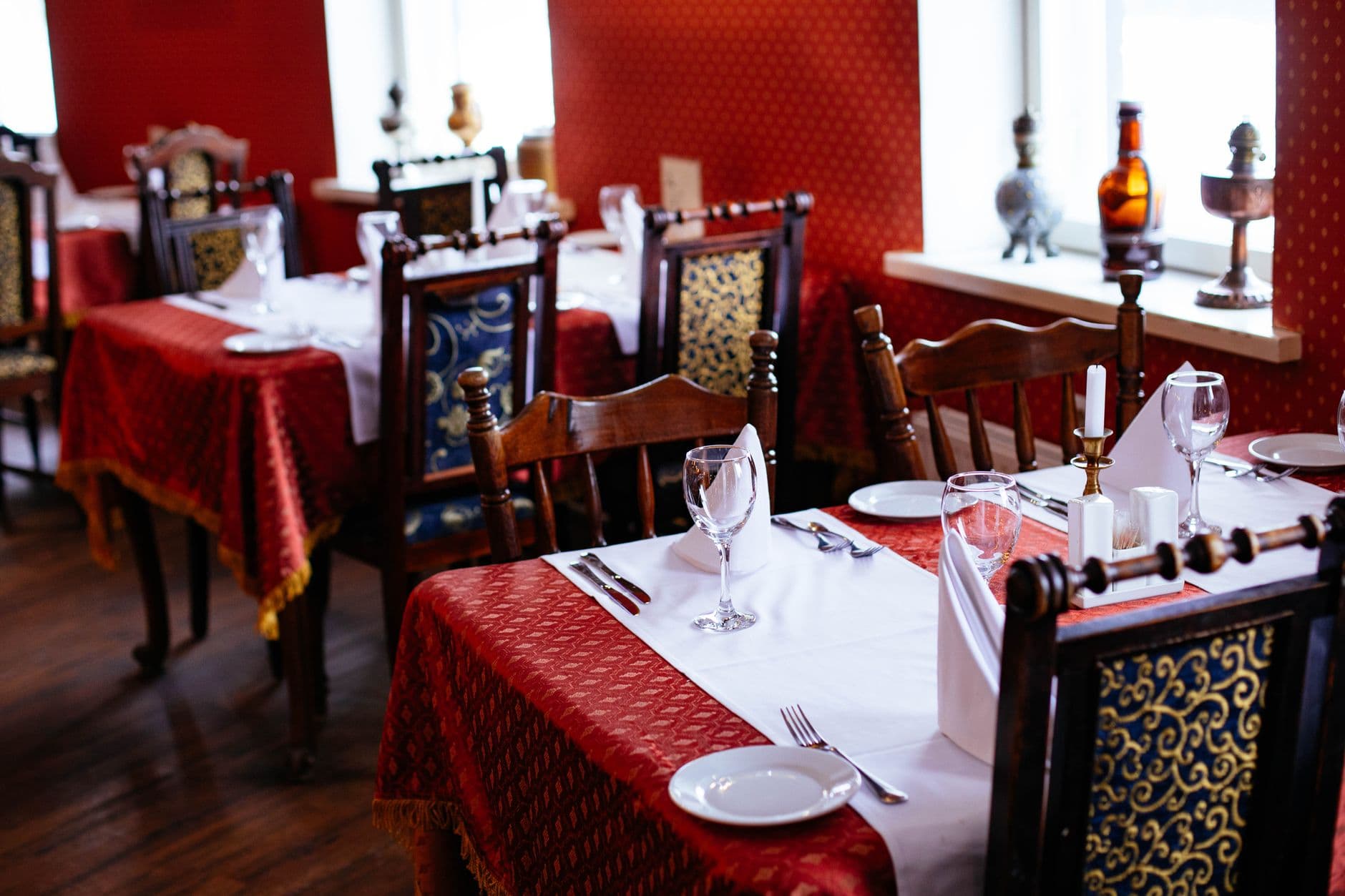

The grand boulevards of Saint Petersburg are lined with Imperial palaces and historic theaters that demand a certain level of decorum from their visitors. Unlike the casual sprawl of many Western cities, this cultural capital operates on a code of conduct that blends Imperial tradition with Soviet-era pragmatism. For the uninitiated tourist, the social cues can be subtle yet significant. A misplaced gesture or an ignored custom might not result in hostility, but it can certainly create a barrier to the warmth that Russians are known to share once a connection is established. Understanding these nuances is not about rigid rule-following; it is about showing respect for a culture that values dignity, history, and genuine human interaction.
Understanding the Nuances of Tipping Culture
Tipping in Saint Petersburg is a matter of appreciation rather than obligation. Unlike in the United States, where tips constitute a significant portion of a server’s income, Russian service staff earn a standard wage. Therefore, leaving a gratuity is a gesture of gratitude for good service, not a mandatory contribution to their livelihood. This fundamental difference changes the dynamic entirely. You are not penalized for not tipping, but you are rewarded with warmer service when you do. It is a voluntary act that acknowledges the effort put into your dining experience.
In sit-down restaurants, the general expectation is to leave around ten percent of the bill. However, this is not a hard-and-fast rule. If the service was exceptional, you might choose to leave more. If it was merely adequate, rounding up the bill is perfectly acceptable. The key is to look at the receipt first. Many establishments in the city center automatically include a service charge, often listed as "service" or a similar term. If this is present, an additional tip is not required, though rounding up to the nearest ten rubles is a polite touch. For cafes, bars, and taxis, the custom is much simpler. You typically round up the total amount to the nearest convenient figure. If a taxi ride costs 190 rubles, leaving 200 or 250 is the standard practice. It is a small, effortless gesture that is widely appreciated by drivers and bartenders alike.
| Situation | Customary tip |
|---|---|
| Sit-down restaurant | ~10% if no service charge |
| Service charge already on bill | No extra needed (round up) |
| Café or bar | Round up the total |
| Taxi | Round up to a convenient sum |
Navigating Social Interactions and Manners
First impressions in Saint Petersburg can be misleading to Western tourists. Locals often appear reserved, serious, or even stern when interacting with strangers on the street or in public transport. This is not rudeness; it is a cultural norm that values personal space and privacy. Russians do not typically engage in small talk with strangers in the way Americans or Australians might. A smile in public is often reserved for friends and acquaintances. However, this reserve melts away quickly once you are introduced or have spent time together. Once you break the ice, Russians are famously warm, hospitable, and generous.
Language plays a crucial role in bridging this initial gap. While English is spoken in hotels and major tourist sites, making an effort to speak a few words of Russian goes a long way. A simple "Spasibo" (thank you) or "Privet" (hello) can transform a transactional interaction into a human connection. Locals appreciate the effort, even if your pronunciation is imperfect. It signals respect for their culture and language. Conversely, insisting on English when a local is trying to communicate in broken English can sometimes be perceived as dismissive. Patience and a friendly demeanor are your best tools. Remember that the initial coolness is not a rejection of you personally, but a default social setting. Engage with politeness, and you will likely find the warmth that lies beneath the surface.
Essential Household Etiquette for Guests
One of the most distinct aspects of Russian culture is the importance placed on the home as a sanctuary. If you are invited into a local’s home, you will encounter specific rituals that differ significantly from Western customs. The most immediate rule is about footwear. It is mandatory to remove your shoes before entering. This is not a suggestion; it is a strict hygiene and cleanliness norm. Hosts will almost always offer you guest slippers or disposable socks. Refusing them can be seen as impolite or unhygienic. Even if the host does not immediately offer them, it is best to ask, "May I take off my shoes?" to be safe. Your outdoor shoes are considered dirty and are left in the hallway or entryway.
Gift-giving is another critical component of visiting a Russian home. It is considered rude to arrive empty-handed. You should bring a small gift for your hosts. Common and appreciated gifts include a bottle of wine, high-quality sweets or chocolates, or flowers. If you bring flowers, ensure the number is odd. Even numbers of flowers are traditionally reserved for funerals and mourning. An even number of flowers in a social setting can be a serious faux pas. Additionally, there is a superstition regarding thresholds. You should never shake hands or pass items across the doorway threshold. It is considered bad luck. Instead, step fully into the home or fully outside before exchanging handshakes or gifts. These traditions are deeply ingrained, and respecting them shows that you value your hosts’ traditions and beliefs.