
Quick answer (checked 11 September 2026)
Day to day the city functions normally: the metro runs, museums are open, and the practical risks tourists meet are ordinary ones — pickpocketing in crowds on Nevsky Prospekt, taxi and currency-exchange tricks, and getting stranded on the wrong bank of the Neva when the bridges are raised at night.
The wider context is different: several Western governments advise against travel to Russia. Check your own government's current advisory and whether your travel insurance is valid there before booking.
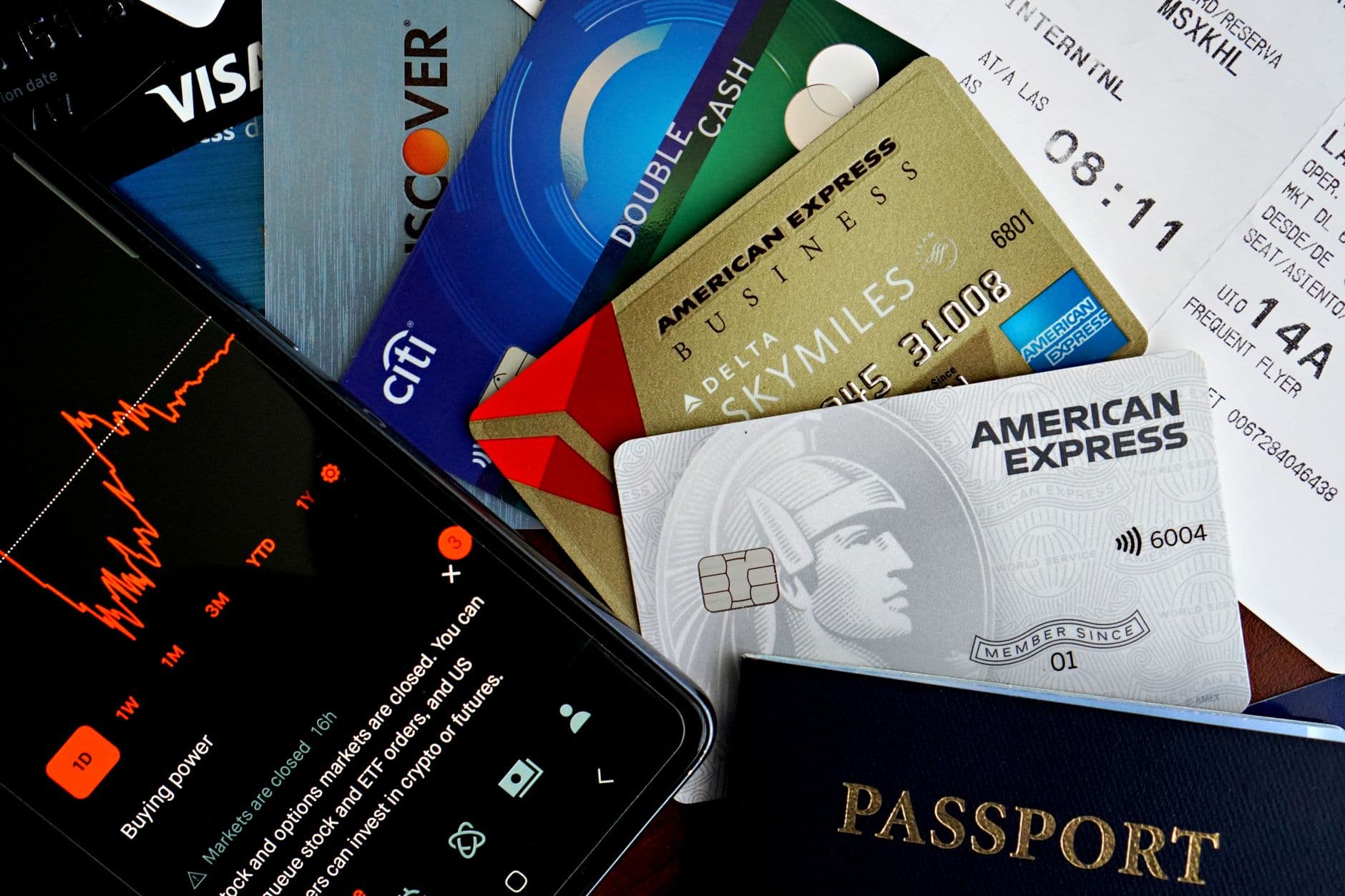
Practical essentials: foreign Visa and Mastercard do not work, so carry cash; keep your passport and migration papers with you; and plan the last metro before the bridges go up.
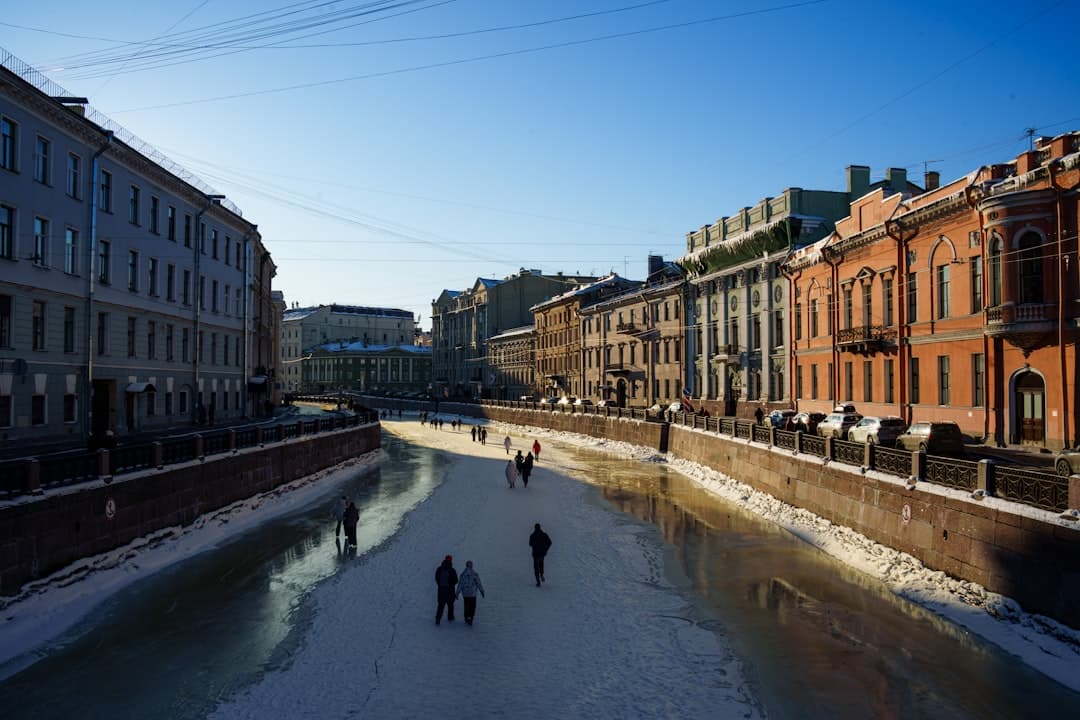
The cobblestones of the Nevsky Prospect gleam under the streetlights, and the ornate facades of the Hermitage stand silent against the winter sky. For the modern traveler, this visual beauty often masks a complex reality. In 2026, visiting Saint Petersburg requires more than just a sense of adventure; it demands a clear-eyed understanding of the geopolitical and local safety landscape. While the city itself remains a functioning metropolis with vibrant cultural life, the broader national context has shifted dramatically. Travelers must weigh the allure of world-class architecture against serious government warnings from Western nations regarding terrorism, arbitrary detention, and the ongoing war environment. This guide provides an honest assessment of what safety looks like on the ground, separating petty street crime from high-level national security risks.
Understanding the National Security Context
The most critical factor influencing travel safety in Russia today is not the local crime rate, but the overarching geopolitical situation. In 2026, several major governments, including the United States, the United Kingdom, and Australia, maintain strict advisories against all travel to Russia. These warnings are not issued lightly. They cite a heightened risk of terrorism, the potential for security incidents, and the general instability caused by the war environment. For the independent traveler, this means that the safety net provided by one’s home government is effectively non-existent. Consular assistance is severely limited, and in many cases, impossible to obtain if a citizen is detained or injured.
Furthermore, the risk of arbitrary detention has become a tangible concern for foreign nationals. The legal framework in Russia has been tightened, and the threshold for what constitutes a violation of public order or national security laws has lowered. This creates an environment where a simple misunderstanding or an accidental breach of protocol can escalate into a serious legal issue. Drone attacks and explosions, while more frequent near the Ukraine border, have occasionally impacted large cities, including Moscow and Saint Petersburg. While these events are not daily occurrences in the tourist zones, their possibility adds a layer of unpredictability to the travel experience. Travelers must check their own government's current advisory before booking any flights, as the situation can evolve rapidly.
Petty Crime and Street-Level Safety
Within the city limits, the day-to-day experience for tourists is often quite different from the national headlines. Saint Petersburg has relatively low rates of violent street crime against visitors. The main tourist areas, such as the historic center, the Palace Embankment, and the vicinity of the State Hermitage Museum, feel normal and bustling. Police presence is visible, and the general population is accustomed to foreign tourists. However, this does not mean travelers can let their guard down completely. Petty crime remains the most common threat to visitors, particularly in crowded environments.
Pickpocketing is the primary concern in these scenarios. Crowded tourist spots, busy tram lines, and packed metro stations provide ideal cover for thieves who operate in teams. Money-exchange scams are another prevalent issue. Travelers are frequently approached by individuals offering favorable exchange rates on the street. These are almost always scams designed to short-change visitors or provide counterfeit currency. The rule is simple: never use street money changers. Similarly, taxi overcharging is a common frustration. Hailing a taxi on the street can lead to inflated fares, especially if the driver does not speak English. To avoid these pitfalls, tourists should rely on established ride-hailing applications rather than street hails. Using the Yandex Go app ensures that the price is fixed and the route is tracked, providing a layer of security and transparency that street taxis cannot offer.
Scams Targeting Tourists
Beyond simple theft, Saint Petersburg has a sophisticated ecosystem of scams targeting foreigners. Dating and setup scams are particularly prevalent. These often begin with friendly interactions in parks, cafes, or bars, where a local individual expresses interest in the tourist. The conversation quickly moves to a private club, bar, or restaurant. Once inside, the tourist is presented with an exorbitant bill for drinks or services that were never ordered or were vastly overpriced. The accomplices, who may appear to be staff or other patrons, may then pressure the victim to pay, sometimes using intimidation tactics. Another variation involves informal-payment scams, where tourists are asked to pay for goods or services in cash to "save on taxes," only to be robbed or given nothing in return.
These scams rely on the tourist’s desire for connection and their unfamiliarity with local prices and customs. The key to avoiding them is skepticism and preparation. If an interaction feels too good to be true, it likely is. Tourists should always agree on prices before engaging in any service or purchase. It is also advisable to stick to well-known establishments with transparent pricing. While these scams are rarely violent, they can be distressing and financially damaging. Understanding these tactics is the first step in protecting oneself. The city’s charm can be a trap for the unwary, so maintaining a healthy dose of caution is essential for a safe trip.
Increasingly, the most active scams have moved online rather than onto the street. Fake “tour operators,” apartment-rental sites and ticket sellers advertise on social media and messaging apps, dangling deals that are too good to be true to collect an up-front “deposit” or “booking” payment for something that does not exist; “free photoshoot” offers that funnel you to a payment page are another variant. The defence is simple: book hotels, tours and tickets only through official websites or established platforms, never prepay a stranger who contacted you on social media, and do not follow payment links sent in chats. Agreeing prices in advance still matters in person, but verifying who you are paying online matters just as much in 2026.
| Risk | How to avoid it |
|---|---|
| Pickpocketing | Keep bags closed and in front in crowds and on the metro |
| Money-exchange scam | Never use street money changers; use banks or ATMs |
| Taxi overcharging | Use the Yandex Go app, not street hails |
| Bar / "dating" setup scam | Agree prices first; don't be led to an unknown venue |
| Document checks | Carry passport, visa & registration; emergency number 112 |
Short-term rentals in Saint Petersburg
Лофт у реки Мойки
8 000 ₽ per night · ≈ $94 · ★ 4.82
3 nights · 24 000 ₽ total · ≈ $281
See optionsat the Bank of Russia rate on 08.10.2026 · powered by tutkakdoma
Practical Safety Tips for Visitors
Navigating Saint Petersburg safely in 2026 requires a blend of common sense and specific local knowledge. The city is generally walkable and well-lit in the center, but certain behaviors can significantly increase risk. For instance, late-night heavy drinking should be avoided. Public intoxication can make travelers vulnerable to both crime and police scrutiny. Additionally, getting into random or unmarked cars is a dangerous practice that should never be undertaken. Even if the driver seems friendly, the lack of accountability and tracking poses a significant safety risk. Instead, rely on the aforementioned ride-hailing apps or official taxi stands at major hotels and transport hubs.
Documentation is another critical aspect of safety in Russia. Travelers must keep their passport, visa, and migration registration on their person at all times. Hotels are required to register guests, but the responsibility for carrying the documents lies with the tourist. Police checks can happen at any time, and failing to produce the correct paperwork can lead to fines or detention. It is also wise to have a digital copy of these documents stored securely in the cloud. In the event of an emergency, the universal emergency number in Russia is 112. This number connects callers to police, ambulance, and fire services, and operators often speak English. Knowing this number and having it saved in your phone is a basic but vital precaution.
- Use the Yandex Go app for all taxi rides to ensure fixed pricing and GPS tracking, avoiding street hails entirely.
- Keep your passport, visa, and migration registration card in a secure, accessible pocket at all times, as police checks are common.
- Avoid exchanging money on the street; use official bank branches or ATMs in secure locations to prevent counterfeit scams.
- Save the emergency number 112 in your phone and ensure you have offline maps downloaded in case of connectivity issues.
- Stay in well-lit, populated areas after dark and avoid excessive alcohol consumption to reduce vulnerability to crime.
Transport and Infrastructure Safety
Saint Petersburg boasts an excellent public transport system, which is generally safe and efficient. The metro is clean, modern, and a popular choice for both locals and tourists. However, as with any major transit system, it is a hotspot for pickpockets. Travelers should keep their bags closed and in front of them, especially during rush hours. The buses and trams are also reliable, but can be crowded. It is advisable to have small change or a loaded transport card ready to avoid fumbling with wallets in a crowd. The city’s tourist infrastructure is well-developed, with clear signage in major areas and English-speaking staff in most hotels and major attractions. This makes navigation easier and reduces the likelihood of getting lost in unfamiliar neighborhoods.
Despite the robust infrastructure, travelers should remain aware of their surroundings. The city can be confusing, with many similar-looking streets and bridges. Getting lost is not inherently dangerous, but it can lead to entering less tourist-friendly areas where English is less commonly spoken and scams are more likely. Using a reliable map application is essential. Additionally, while the weather can be harsh, particularly in winter, it does not pose a significant safety risk if travelers are properly dressed. The main danger lies in slipping on ice, so appropriate footwear is a practical safety measure. Overall, the transport system is a safe and convenient way to explore the city, provided that standard precautions against petty crime are observed.
Frequently Asked Questions
Is it safe to walk around Saint Petersburg at night?
Walking in the main tourist areas at night is generally safe, as these zones are well-lit and patrolled. However, travelers should remain vigilant and avoid isolated parks or poorly lit side streets. The risk of petty crime increases after dark, and public intoxication can make one a target. It is advisable to stick to populated areas and use ride-hailing apps for longer distances rather than walking alone in unfamiliar neighborhoods.
What should I do if I am approached by police?
If approached by police, remain calm and cooperative. Have your passport, visa, and migration registration readily available. Do not argue or become confrontational, as this can escalate the situation. If you do not understand the questions, politely ask for an interpreter or for the questions to be written down. It is important to remember that the legal system in Russia can be complex, and having a local lawyer on speed dial may be beneficial in serious situations.
Are there any specific areas I should avoid?
There are no specific "no-go" zones in the city center, but travelers should exercise caution in less touristy districts, especially after dark. Areas with a high concentration of bars and clubs can be hotspots for scams and petty crime. It is also advisable to avoid large political gatherings or protests, as these can turn unpredictable. Sticking to the main tourist routes and well-known attractions is the safest strategy for most visitors.
Conclusion
The honest bottom line for traveling to Saint Petersburg in 2026 is that the city itself is relatively safe from violent crime, but the national context makes it a high-risk destination. Most visitors will face only petty crime, such as pickpocketing or scams, which can be mitigated with awareness and preparation. However, the risks of arbitrary detention, limited consular support, and the broader security environment cannot be ignored. Travelers must weigh these factors carefully and check their government’s latest advisories. If you do choose to visit, the most important actionable tip is to maintain strict situational awareness: keep your documents secure, use only app-based transport, and avoid any situation that feels pressured or unofficial. Safety in Saint Petersburg is not guaranteed by the city’s beauty, but by the traveler’s vigilance.
Frequently asked questions
Is Saint Petersburg dangerous for tourists?
Street crime is of the ordinary big-city kind — pickpocketing in crowds and around transport hubs, and overcharging by unofficial taxis. The serious considerations are political rather than criminal, and they are covered in the guide below.
What should I watch out for at night?
The bridge schedule. Once the spans are up, the two banks are separated until morning, night buses across the Neva no longer run, and the metro is closed — this strands more visitors than any crime does.
Can I use my bank card?
No, if it was issued outside Russia: foreign Visa and Mastercard have not worked since March 2022. Bring cash and exchange it in the city rather than at the airport.
Do I need to carry my passport?
Yes. Keep your passport and immigration paperwork on you; hotels also require an identity document at check-in.
Checked 11 September 2026. Travel advisories change — confirm with your own foreign ministry before you book.