Families arrive at Gorkovskaya metro station, buy two adult tickets and one child ticket, walk through the gate — and forty minutes later realise they have already seen almost everything. Someone asks where the elephants are. There are none, and there will be none until a new zoo is built. Whether Leningrad Zoo is worth your afternoon depends entirely on what you expect from it.
A private menagerie from 1865
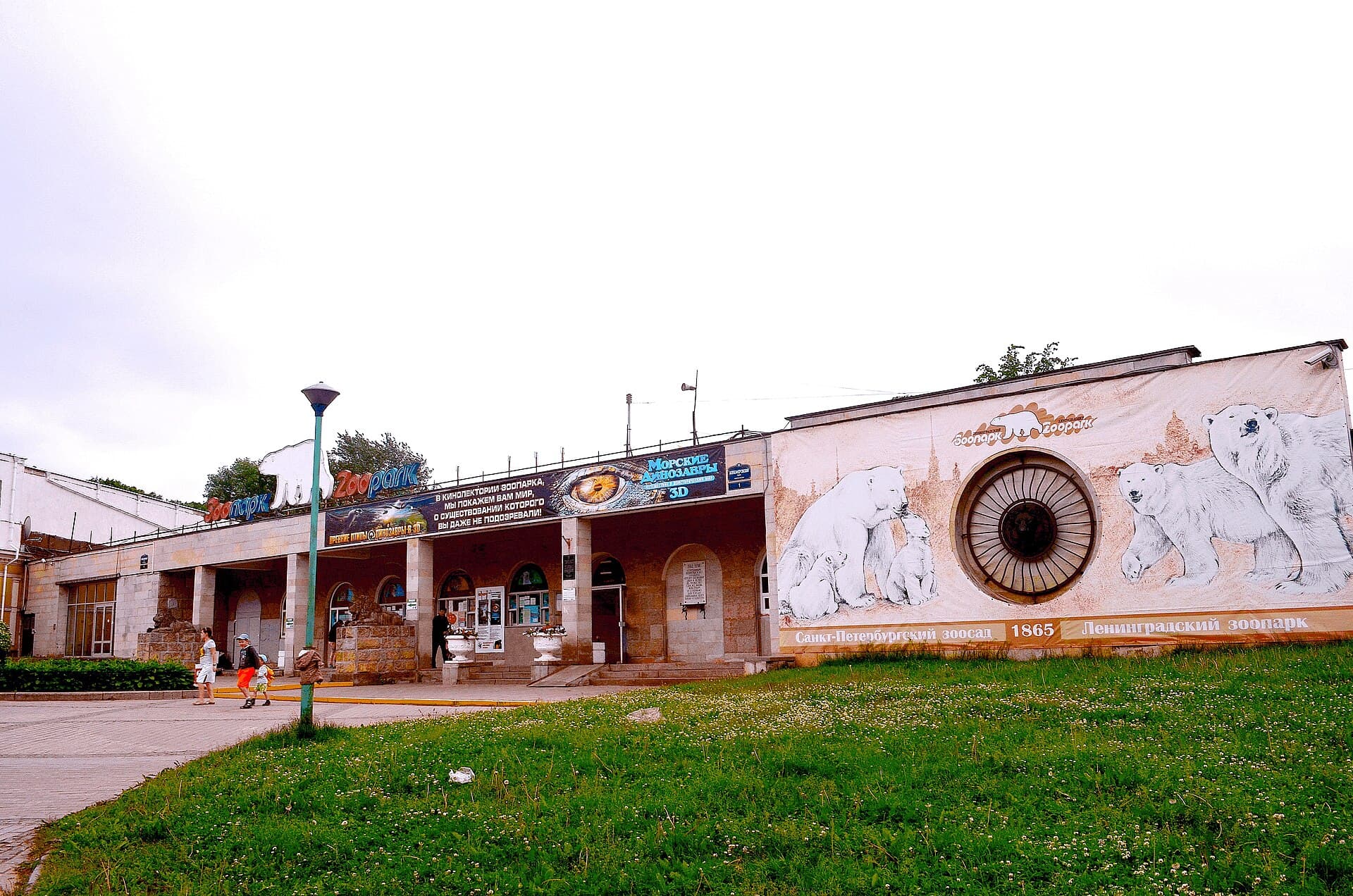
The zoo opened on 1 August 1865 as a private menagerie run by a Dutchman, Julius Gebhardt, and became state property only in 1917. It calls itself one of the oldest in Russia — Moscow's opened a year earlier — and still follows its nineteenth-century layout. That is the core problem: the site sits in Alexandrovsky Park beside the Peter and Paul Fortress, with nowhere to expand.
Prices and opening hours
An adult ticket (18 and over) costs 800 roubles; children aged 7 to 17 and students pay 400; pensioners and veterans pay 300; children under 7 enter free. Proof of a concession must be shown twice, at the ticket office and again at the entrance gate, and visitors aged 14 and over need a passport or student card.
Since 1 September 2026 the zoo has been open from 10:00 to 20:00, but the ticket offices and the entrance close an hour earlier, at 19:00. The schedule is revised several times a season, and in winter it moves earlier. Individual attractions close before the zoo does: the giraffe pavilion at 19:00, the goat petting area at 17:45, and that one does not run in bad weather at all.