In 2025, the St. Petersburg metro carried 669.3 million passengers — up 1.9% from the year before. But the load isn't spread evenly across stations: the metro operator itself named the three busiest ones. Here's where to expect crowds, and where you can count on a quiet ride.
🚇 The official top three for 2025
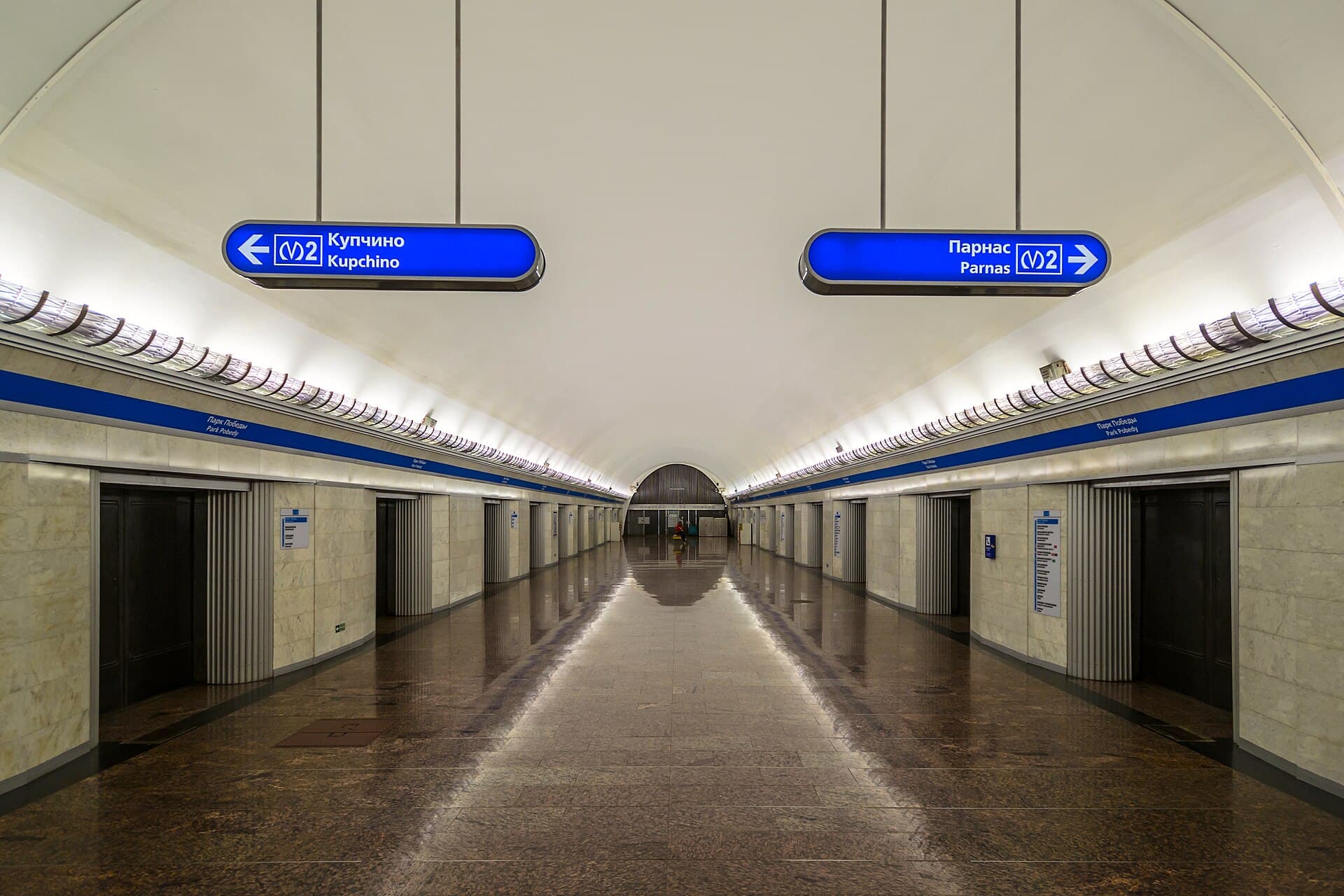
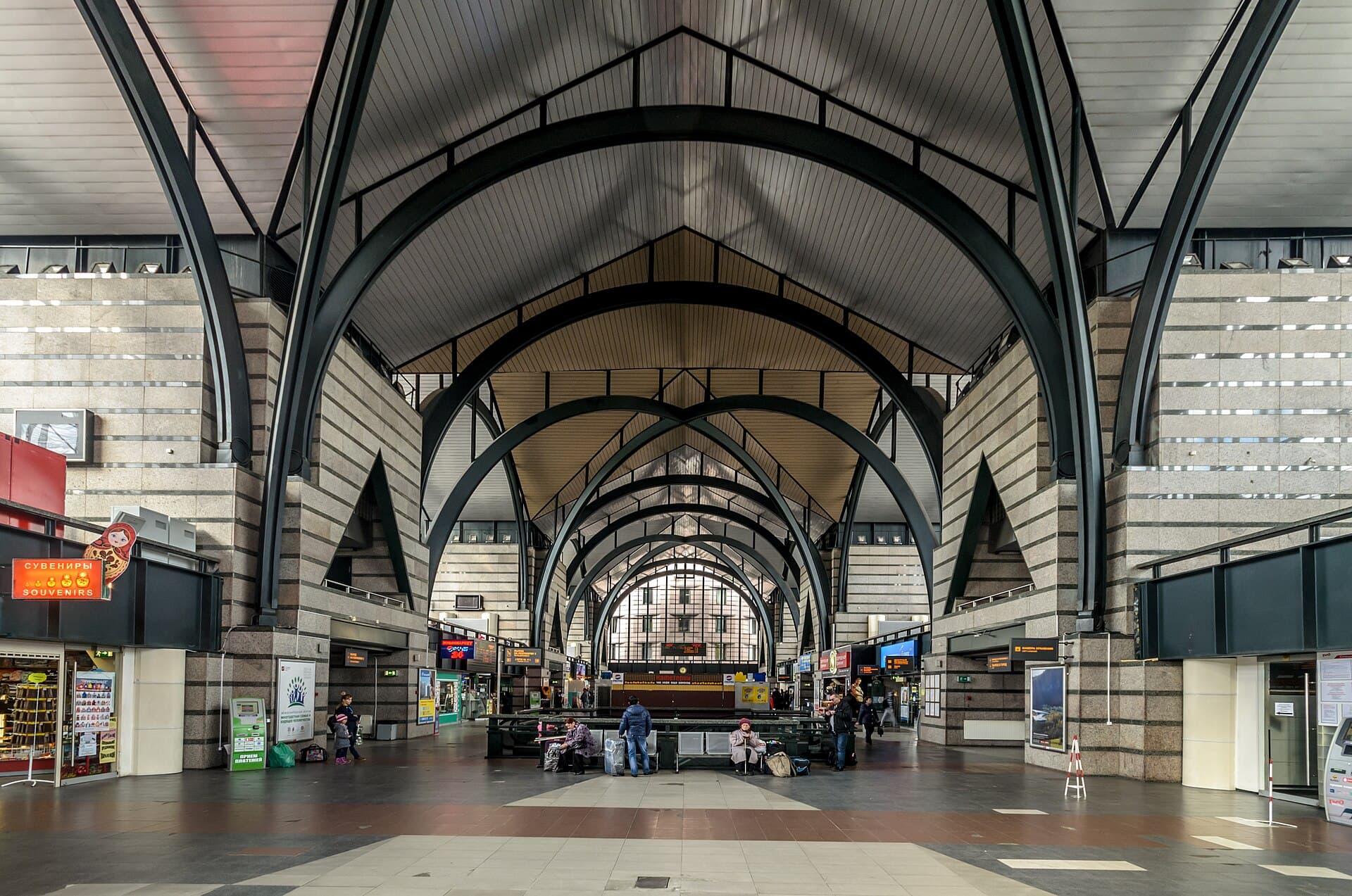
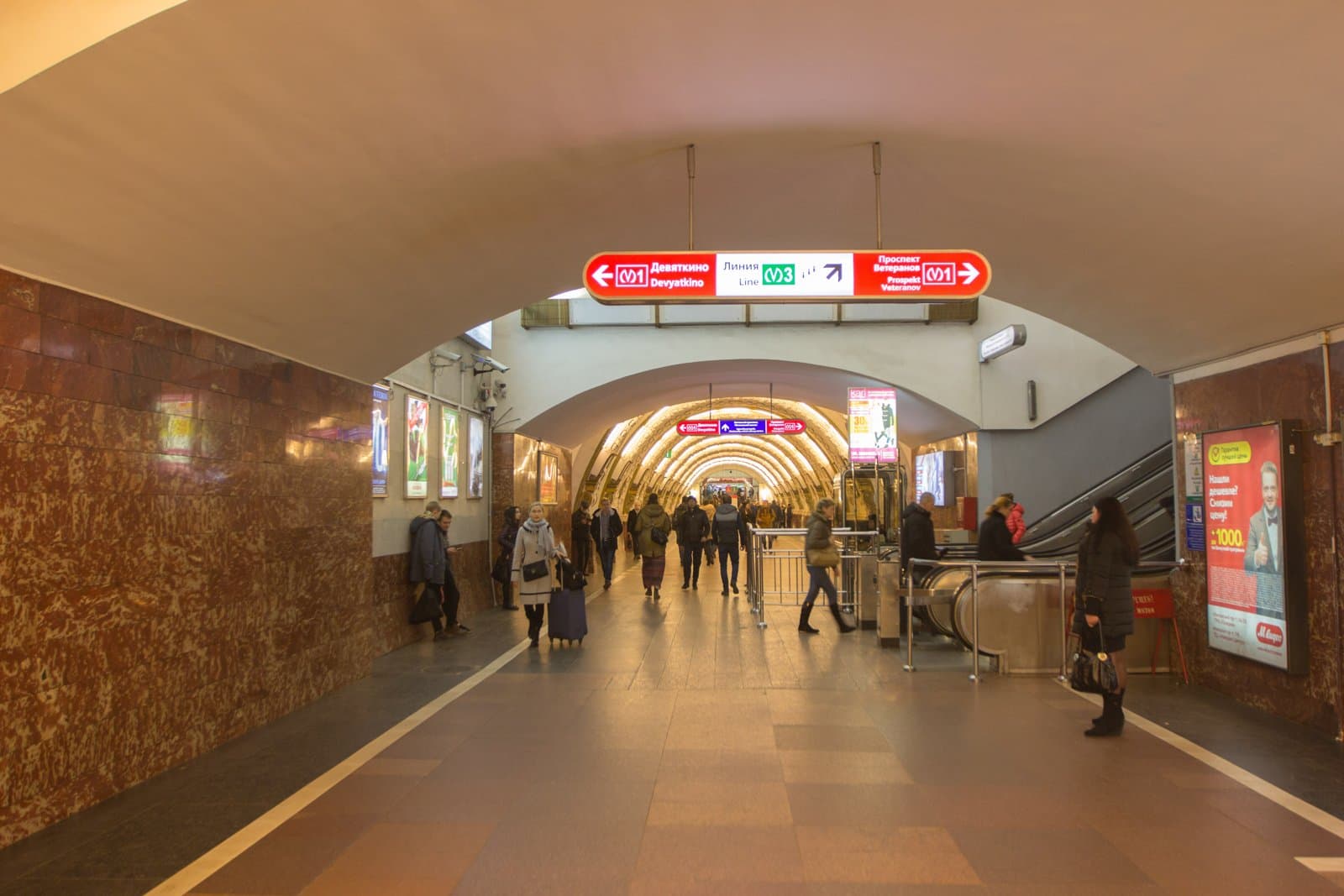
Based on 2025 results, the St. Petersburg metro named Ploshchad Vosstaniya, Devyatkino and Moskovskaya as its busiest stations. That makes sense: Ploshchad Vosstaniya is a major interchange next to Moskovsky railway station right in the city center, Devyatkino is the terminus pulling in commuters from the northern suburbs and the Leningrad region, and Moskovskaya serves one of the most densely populated districts plus Pulkovo airport.
Interestingly, the average daily passenger flow per station is higher in St. Petersburg than in Moscow: 26,200 passengers versus 22,600. St. Petersburg's metro is more compact than Moscow's — fewer stations carry a heavier load each.
📊 Who else makes the crowded list
According to the dp.ru outlet, right behind the top three come Prospekt Veteranov, Ulitsa Dybenko and Komendantsky Prospekt — also residential districts on the outskirts, where commuters head into the center every morning.
Engineer Ivan Vergazov, who compared 2016 and 2025 data, notes that the load on central stations grew the most — by nearly 50%. He links this to paid parking, which pushed part of the city's drivers onto the metro.
🕐 When to travel for a calmer ride
As with any major metro system, St. Petersburg's peak load falls on weekday mornings and evenings, when residents of outlying districts like Devyatkino and Prospekt Veteranov commute to the center and back. If your schedule is flexible, weekday midday or weekends are the calmest option, especially on the end stations of the blue and red lines.
Ploshchad Vosstaniya tends to be crowded at almost any time of day, since it channels the flow from Moskovsky railway station — if you're connecting with a train there, build in an extra 10–15 minutes.