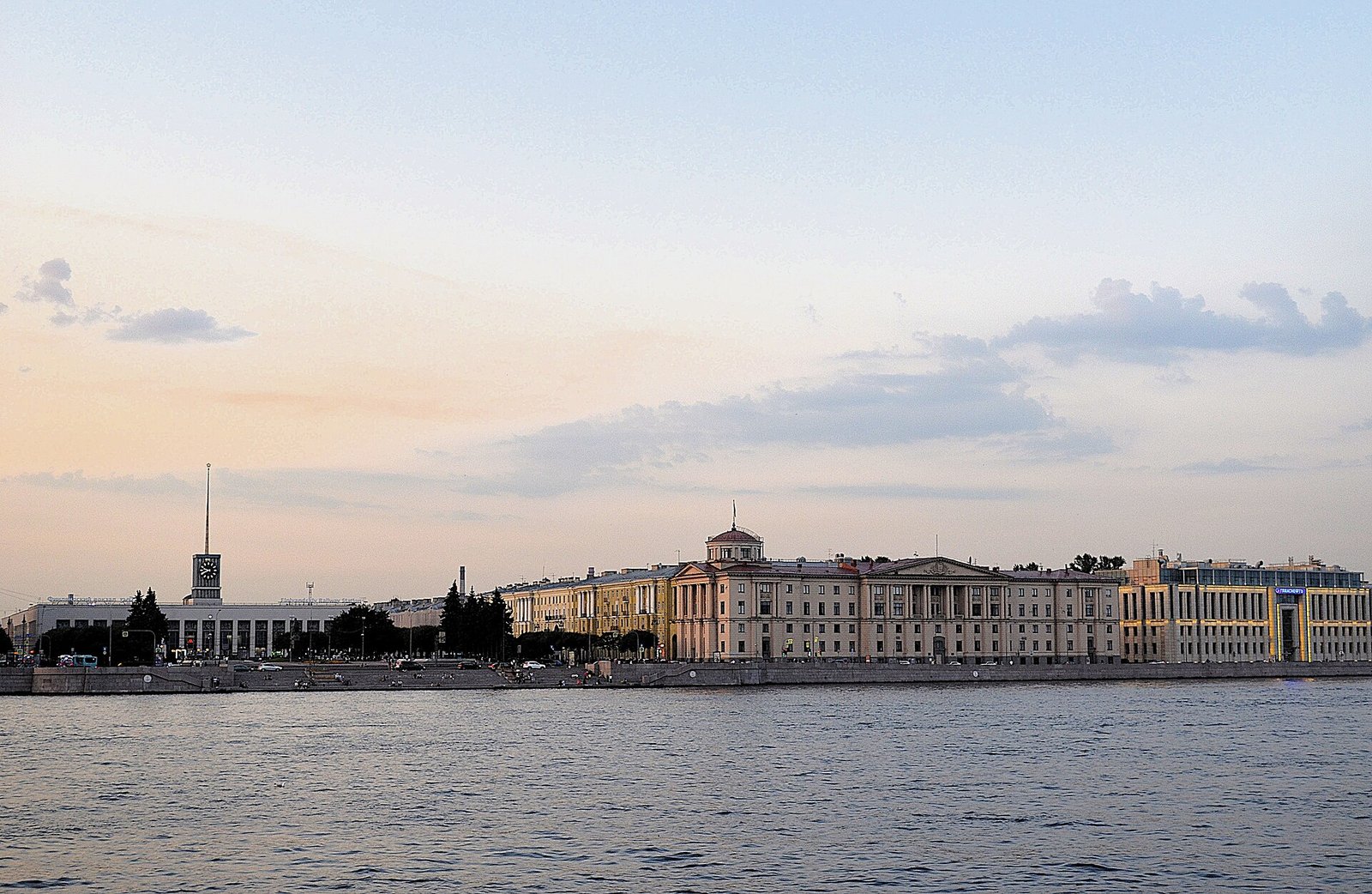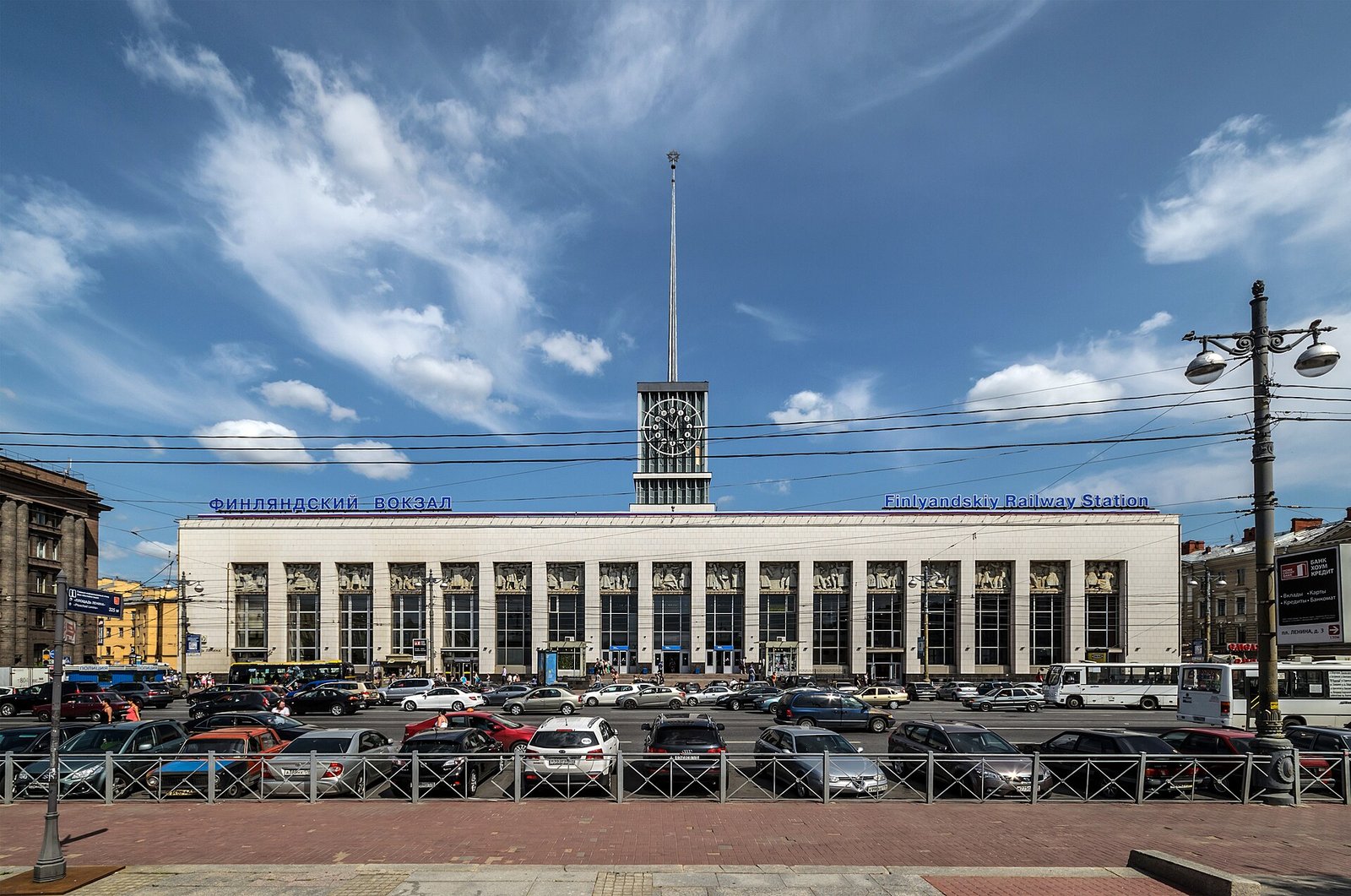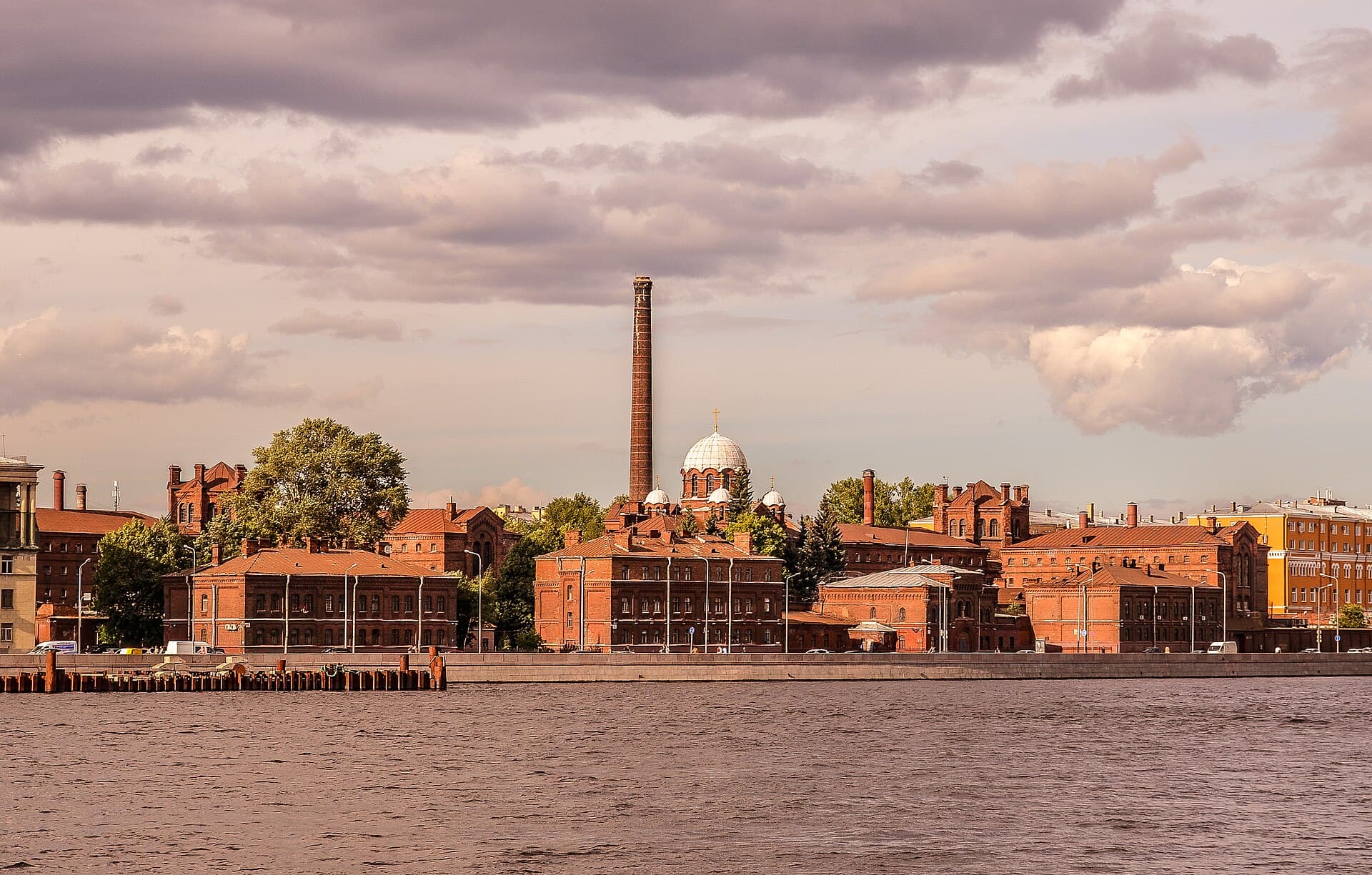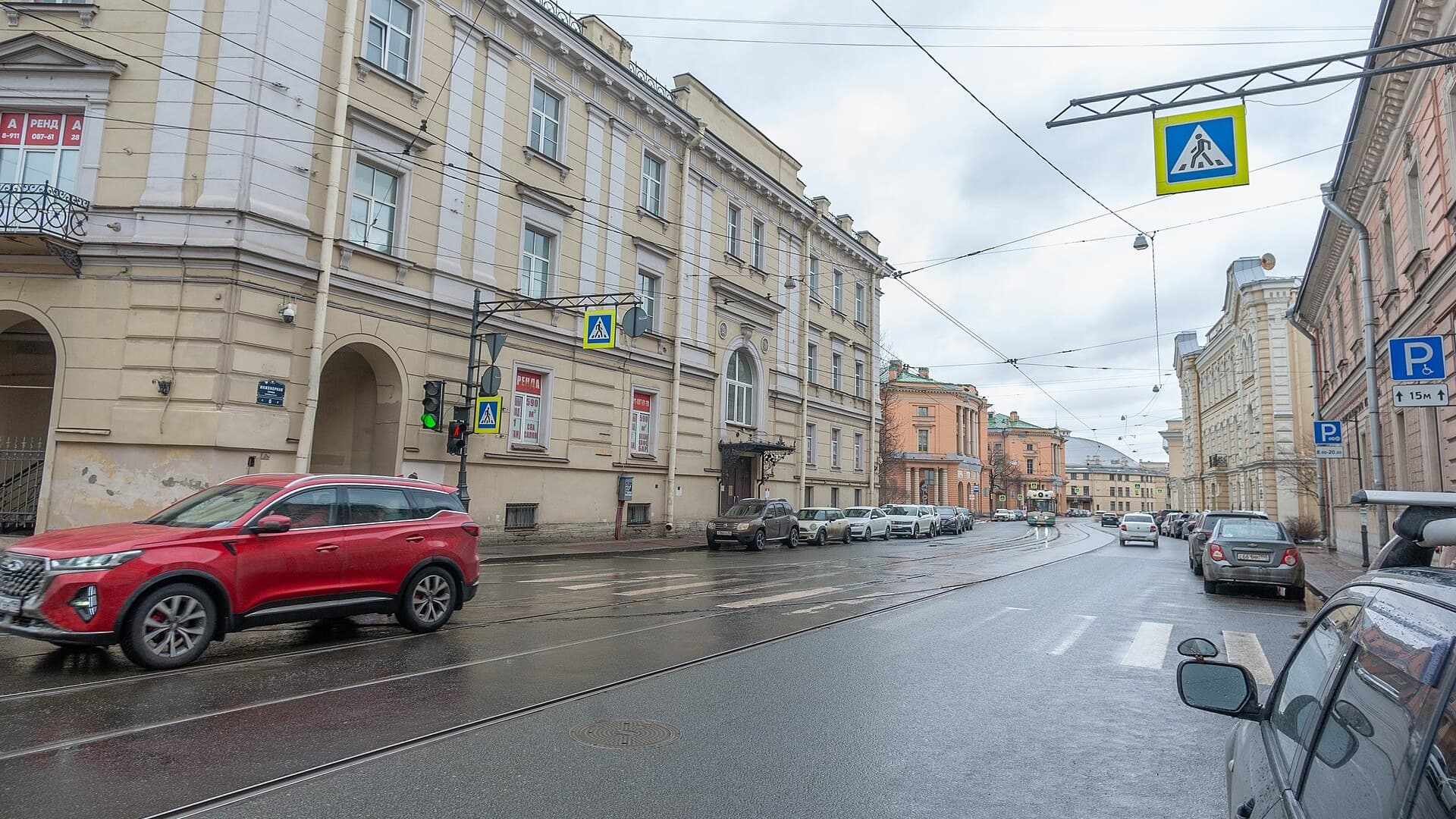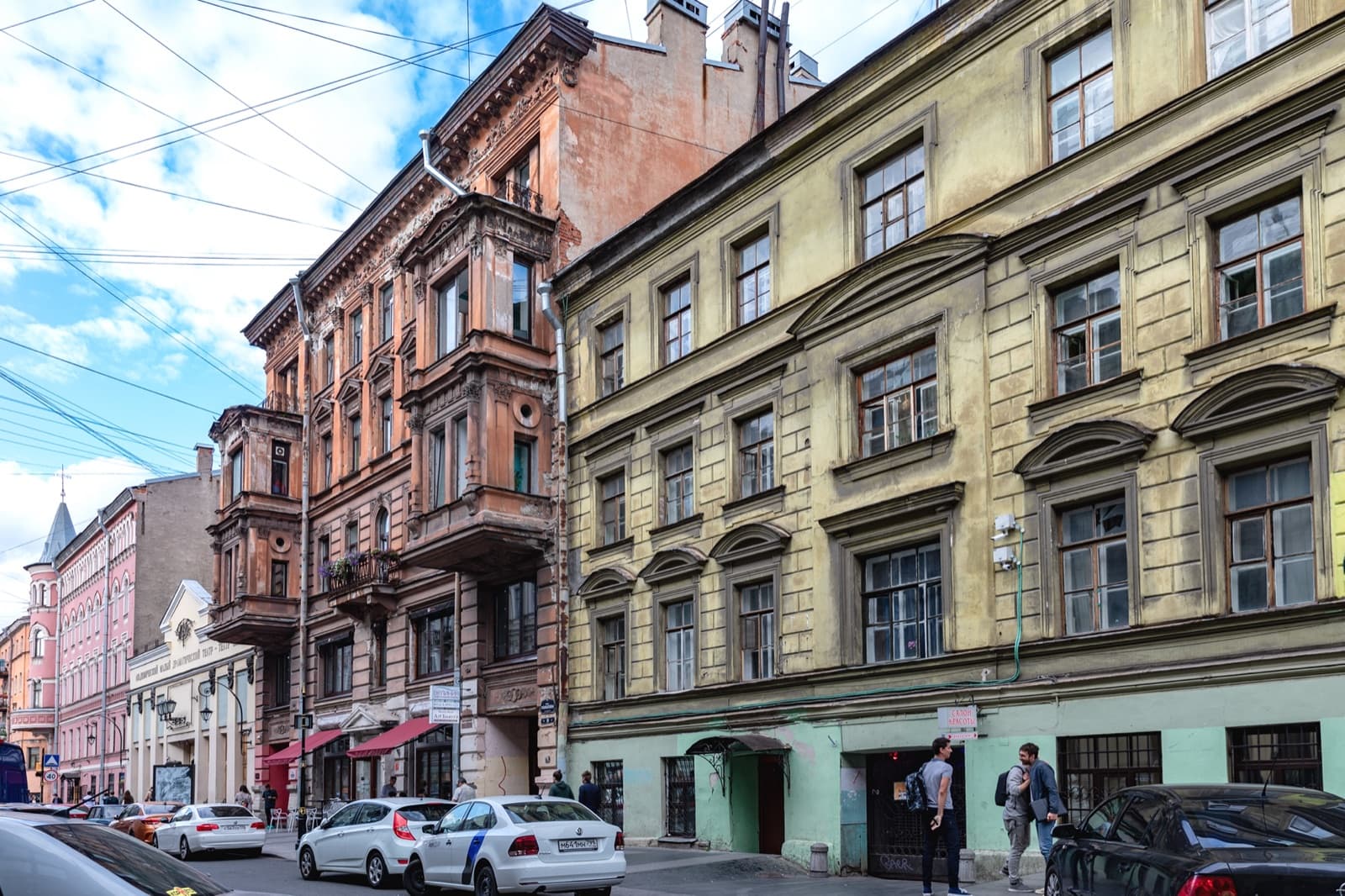
Many people still look for St Petersburg's Bread Museum on Ligovsky Prospekt: that's where it opened in 1988, in the building of the Ligovka bakery. But since 25 December 2015 the museum has been somewhere else — in a wooden merchant's house at 2 Mikhaylova Street, five minutes from Finlyandsky railway station. It's one of the city's most unusual museums: it tells the story of St Petersburg through bread, from 19th-century bakeries and pastry shops to the 125-gram ration of the siege.
Here is what we checked on the museum's official website on 19 October 2026: the address and the walk from the metro, opening hours and cleaning days, prices from 1 September 2026, which rooms are worth your time, what's on show now and how to combine the museum with a walk along the Neva. The museum's website is in Russian only.
🥖 What's inside: eleven rooms about bread
The displays run from antiquity to the present. They start with "Bread in World History", "Bread in East Slavic Culture" and "The Stove Corner in a Russian Hut" — the last explains how the Russian stove worked and why the stove corner was considered women's space. Then comes St Petersburg: bread deliveries to the city in the 18th–19th centuries, the bread trade, and the bakeries of St Petersburg, Petrograd and Leningrad.
For adult visitors, the St Petersburg rooms have the most atmosphere.
- The bread-trade room shows the kinds of bakeries the city had over two and a half centuries: foreign bakeries, "Moscow-style" bread shops, street hawkers. The museum points out that St Petersburg switched to wheat bread as an everyday staple earlier than other northern Russian cities.
- "A St Petersburg Kitchen of the Late 19th — Early 20th Century" is based on Yelena Molokhovets's famous cookbook "A Gift to Young Housewives": brass vats, jam pans, a knife for breaking sugar loaves.
- "A St Petersburg Pastry Shop" is a bright, festive room with advertising on the walls, an original café table and early-20th-century packaging. Its star exhibit is a dough-dividing machine from around 1900.
The general tour includes a film about the Russian stove, recordings of barge haulers and street sellers, and, in the modern bakery room, the story of how bread is baked for cosmonauts.
🕯 "Bread in Besieged Leningrad"
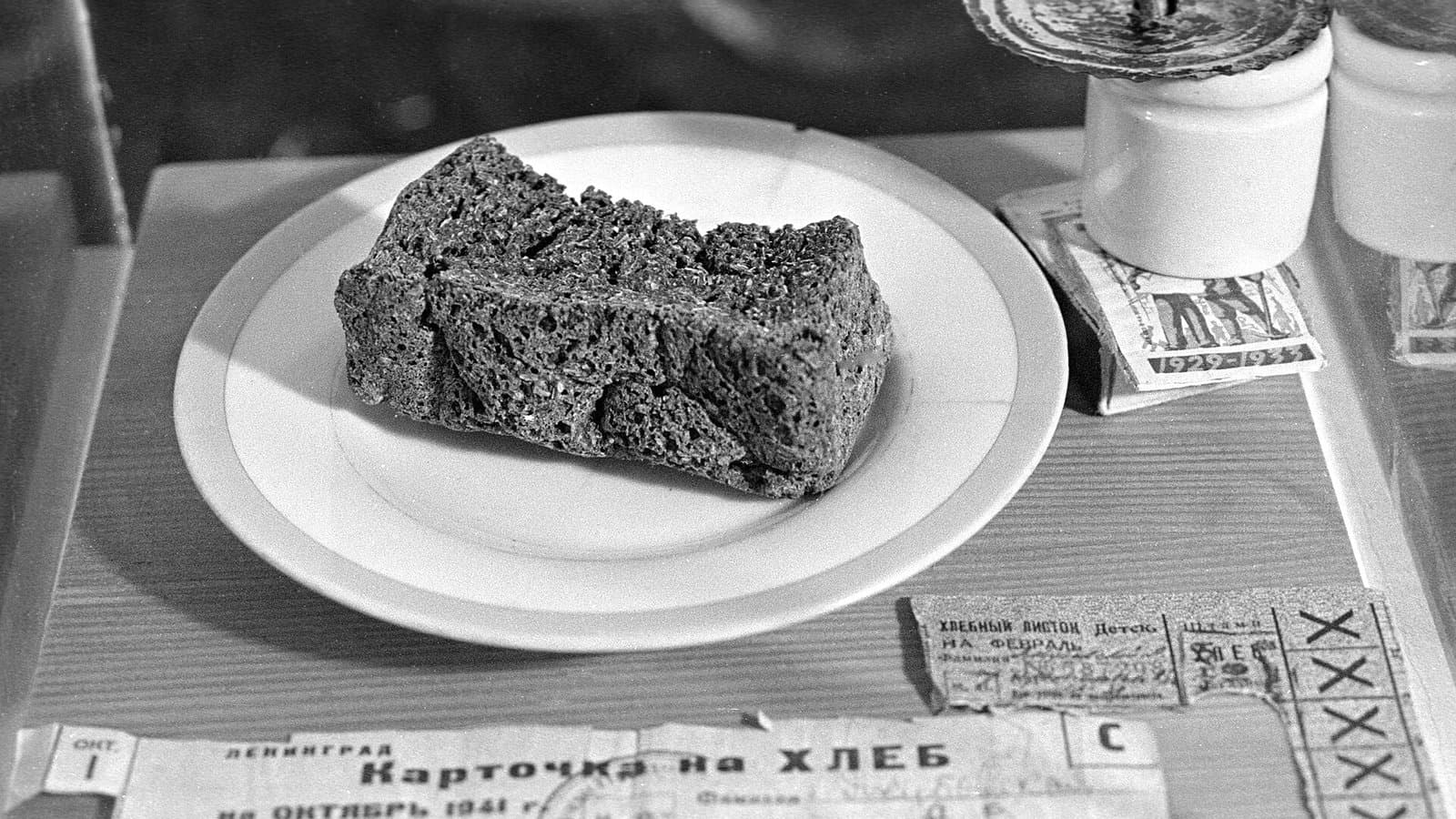
This is the museum's most important room. Rationing in Leningrad began on 18 July 1941. Between September and November the bread ration was cut five times, and from 20 November to 25 December 1941 most residents received just 125 grams a day — a period known as the "deadly" time. The official price of bread was 1 rouble 70 kopecks a kilo, while on the black market in December 1941 a kilo cost 300 to 500 roubles.
Thirteen bread factories and several bakeries kept working in the city, and production never stopped for a single day. The bakery trust's laboratory searched for substitutes for flour and oil, and the recipes for siege bread were long kept classified as "secret".
🏠 The Pastukhov merchant house on the Vyborg Side
The building is an exhibit too. It's a two-storey house with a stone ground floor and a wooden upper floor, designed by the architect Martyn Liven; the project is dated 1827. From 1870 it was home to the family of the Yaroslavl industrialist Ivan Pastukhov, and the Pastukhov garden stretched south all the way to the Neva. In Soviet times the house held district societies and later, for many years, a people's court.
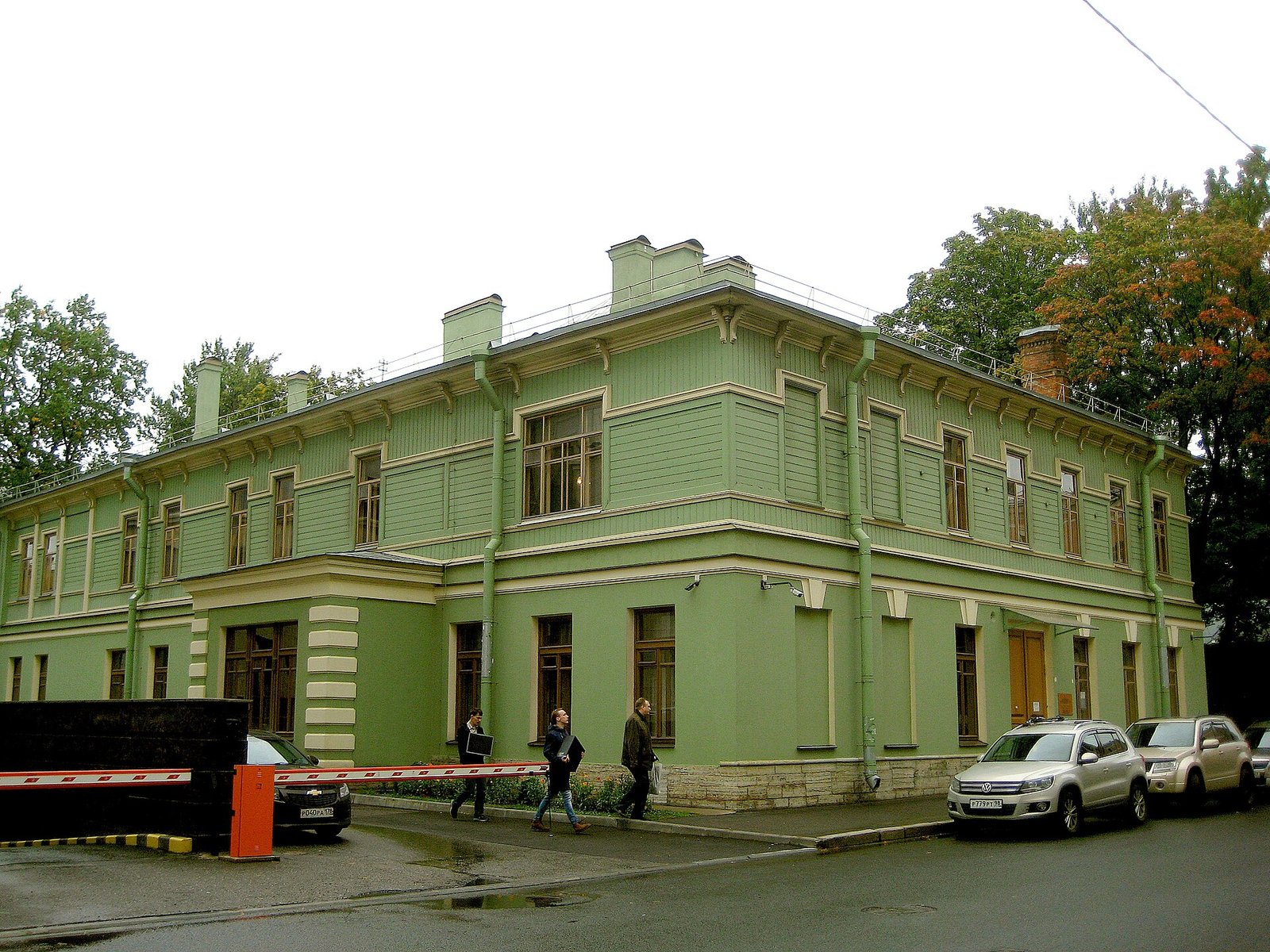
The green wooden house at 2 Mikhaylova Street, home of the Bread Museum — Photo: GAlexandrova, Wikimedia Commons, CC BY-SA 4.0
The restoration preserved five stoves (two white tiled ones and three polychrome glazed ones with gilding), four painted ceiling roundels in a second-floor room, the wooden main staircase, Mettlach floor tiles and decorative wall paintings on the ground floor. The "cast-iron canopy on columns" over the entrance, as 19th-century documents called it, has been restored as well.
🍯 Exhibitions in autumn 2026
Until 7 December you can see "From Craft to Art: Carved Gingerbread Boards", about the wooden moulds used to press patterns into Russian gingerbread (pryanik). Until 23 November there's "First Course, Main Course and Kompot". A curator's tour of an exhibition costs 500 roubles.
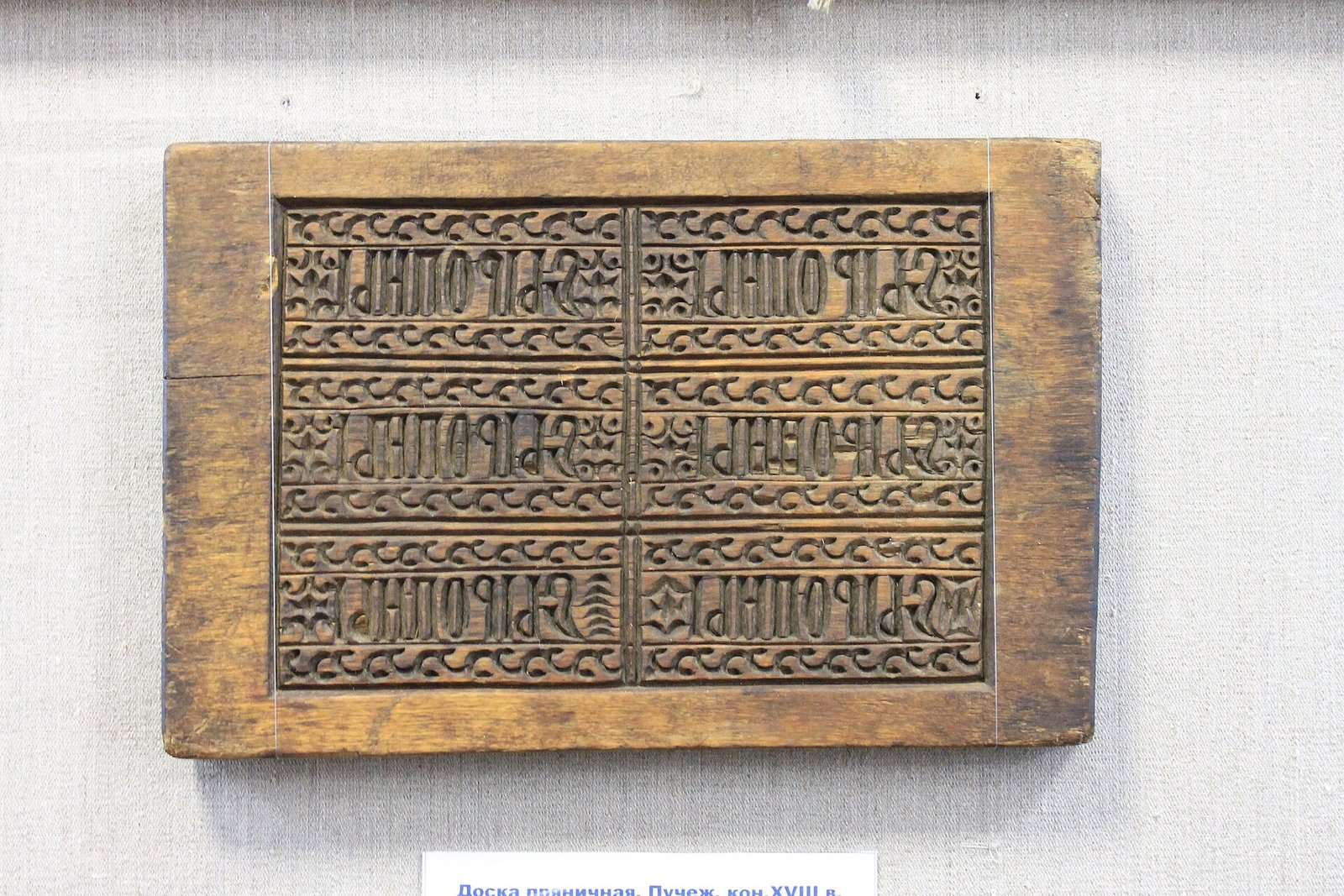
A carved gingerbread board from the late 18th century — Photo: Nikolay Omonov, Wikimedia Commons, CC BY-SA 4.0
The museum does run workshops, but they're not tastings or baking classes: participants make ritual dolls, weave bast and straw, and paint wooden blanks and tiles. Each starts with a 30-minute tour, lasts 60 minutes in total and is held for groups of 6 to 15 people. A solo traveller is better off with a regular ticket or a tour.