Start with a breakfast by the canal and buy two tickets for a tight circuit of independent spaces in the city’s cultural core.This practical move gives you a concise snapshot of life here, with a pace that fits a busy day and leaves room for spontaneous chats with curators after the first stop.
Expect a spectrum of mixed-media installations, bold photographic series, and sculptural studies across compact rooms and larger hubs. Many venues publish concise records of current shows online, so a quick check before you go can save steps; discovery often appears in the program as a themed thread that ties several spaces together.
Ksenia figures prominently in a few rotating projects along the canal, blending memory with new materials in installations that invite exploring and visits from curious audiences. The styles vary from minimal industrial to lush, tactile textures, and the overarching curatorial approach feels intriguing, reflecting the city’s life and the networks that support new work.
To plan efficiently, pick a compact route that covers 3-4 stops and includes a morning breakfast elsewhere if you want. Tickets purchased in advance save time, and many exhibitions host talks or live feature events that add a spectacular layer to your day. Whether you prefer quiet studies or dynamic installations, this mix offers a tangible sense of the city’s creative life.
The loop of visits continues growth of dynamic spaces, propelled by local support networks and collectors who acquire purchased pieces, fueling new productions. Styles shift as new voices join, turning the city into a living record of experimentation you can taste, see, and hear.
Saint Petersburg Contemporary Art Scene
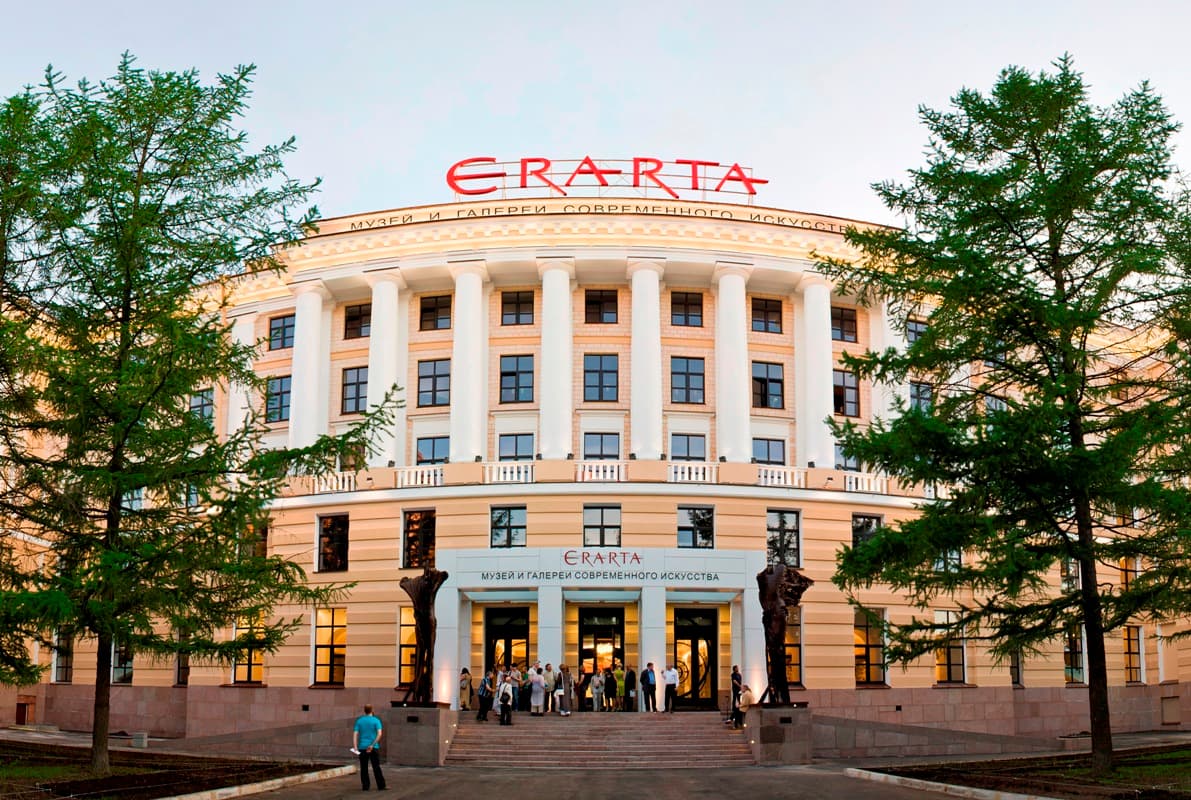
Start here at Erarta Museum, the destination of works that represent the city’s creative scene. Mostly focused on immersive installations and multimedia projects, it offers a concise snapshot without overwhelming crowds.
From there, head to two additional spaces in the center that are associated with experimental programming. The entrance opens into rooms where shadow and light mingle, pairing artifacts with new media; subtle nods to antiquity appear as a design element, using safe materials to keep the space clean and no spilled substances.
Across multiple programs, expect cross-cultural dialogues, with Italian and Russian creators collaborating; such pairings create an exciting tension between traditional crafts and modern methods. Here, Chagall references may surface as color-led sections, inviting visitors to compare historic motifs with current experiments, a highly refined layer that reveals itself in the things you notice.
Practical notes: ticket price ranges vary, with an option for multi-venue passes; buy online to skip lines and ensure entrance during late-day hours when light spills across the water.
Plan a compact route: start at imperial-era houses, then wander towards the river; the garden courtyards outside offer a calm counterpoint to the interior programs.
Must-Visit Galleries: focus areas, hours, and entry details
Fabergé Museum offers a private, compact sequence of moments where craftsmanship and history meet. The collection centers on eggs, jewelry, and related drawings, presented in a bright setting that feels designed for clarity. This space became a favorite for families and children seeking a concise, high-impact visit, with ample parking in a lot behind the property and online ticketing to speed entry. Hours typically run 10:00–19:00 and may shift by season; in February, plan for shorter daylight and check the site for any late openings. This stop is recommended first if you want a strong, unforgettable start with pieces that are easy to grasp in a single pass.
Erarta presents large-scale, multi-sensory installations and rotating shows. Focus areas include expansive media works, sculpture, and interdisciplinary projects told through curated spaces. A notable feature is the way productions cross disciplines, inviting visitors to linger and reflect. Hours usually 10:00–22:00, with occasional late openings; entry details vary, but standard tickets sit in a mid-range; discounts are offered for families, children, students, and seniors. Ample parking nearby and easy metro access help plan a smooth visit; experts on site can explain context and background, making the experience more meaningful. Budget 2–3 hours to walk, read labels, and reflect on the emotions these pieces evoke. In February, expect fewer crowds and a more intimate encounter with form and texture.
Pushkinskaya 10 serves as an intimate, independent venue for emerging creators. The focus is on experimental photography, video, and performative displays that rotate monthly. Hours commonly run 11:00–20:00; entry fees are modest, with occasional free days; private guided tours are available for those who want a deeper read of the context. Parking near is limited, so public transport is often best; this site is particularly friendly for families and children, offering ample seating and safe corridors for a relaxed pace. This space is a great stop for those who want to see how a local project breathes on a real wall and is a strong feature in a broader circuit.
Anna Nova Gallery centers on urban narratives, new-media experiments, and cross-disciplinary productions. Hours typically 12:00–19:00; the venue tends to operate with a small admission fee and occasional private tours by request; parking is available in nearby lots and along the street with a proper permit. The atmosphere is welcoming for families, and pieces are chosen to align with a broad audience, making it easy for children to connect with the visuals. Visitors often remark on the great contrast between sleek digital pieces and grounded paintings, and the staff are quick to explain the background and context, helping newcomers feel included and safe.
Loft Project ETAGI is a true project space in a former warehouse, known for bold concepts and collaborations with rising curators. Focus areas include installation, performance, and experimental media across rotating seasons. Hours commonly run 12:00–21:00; entry is typically a small fee or donation; private tours can be arranged, and parking is available nearby in some blocks. The space is frequented by experts who can unpack the ideas behind each display, making the visit more meaningful for first-timers and returning visitors alike. Expect to see works that have eye-catching surfaces and dynamic energies that provoke a strong emotional response and a sense of novelty, truly unique, this is a place where many attendees left with a new perspective on the local scene.
Kuindzhi references sometimes appear in rotating exhibitions or as part of exchanges with historic collections. While not the main focus of any one venue on your route, keep an eye for paintings attributed to kuindzhi; the difference between luminous landscapes and more restrained compositions is a highlight for visitors who wanted to see a spectrum of emotions captured in pigment and light. A compact itinerary like this helps you compare ways creators responded to landscape and light, from the brushwork seen in classical paintings to the high-energy material in newer installations. For a thorough experience, book guided tours where experts can explain the context and note when a certain piece felt particularly intimate or powerful, and where this route was particularly effective for families and first-time visitors.
Practical tips: book tickets in advance where possible, especially for private tours; arrive by car or public transit with ample time; in February conditions vary, check the latest hours; expect safe, well-lit spaces with clear signage; carry small change for paid parking; have a plan for the day to maximize time; remember to pace visits for children and families and to allow breaks between stops; this approach will help you accumulate great impressions and lasting memories, and you’ll notice how several pieces became favorites you might show guests later.
Artists to Follow: pivotal figures and recent exhibitions
Recommendation: You cant miss subscribing to artreelsvideo; currently the most compact source for pivotal figures and new shows, with concise notes on where and when to view work.
Two names to watch are andreas and alexey. andreas is recognized for large-scale installations, with a specialty in transforming spaces into a soft night ambiance, housed in former industrial blocks; alexey pursues meditative video and sculpture that blur architecture and viewer.
Emerging voices appear in late openings and through virtual studio visits; these offerings include site-specific installations, various media, soft color fields, and performative actions that invite enthusiasts to linger after hours, which is actually refreshingly accessible.
For a focused day, arrange an excursion with 2–3 stops; when arranged, map routes with tools such as transit timetables and catalog summaries; evenings often start with a warm, subdued ambiance, and late sessions may extend into after-hours talks.
Night programs emphasize atmosphere: the ambiance and careful curation create focused encounters; radiation from neon or skylight glow informs color choices, and the approach remains easily digestible for enthusiasts who want to enjoy the scene without overwhelm.
Ultimately, these voices operate across various spaces and collectives, giving enthusiasts a concrete sense of direction and inviting ongoing exploration of the city’s living, evolving scene.
at the Bank of Russia rate on 22.10.2026 · powered by tutkakdoma
Ticketing & Onsite Logistics: buying, openings, and etiquette
Book online in advance via the official site to reserve a timed slot and skip on-site queues. If you plan multiple visits, choose a combined pass to secure coordinated entries and save time. There is a vast, housed collection featuring historical pieces and developing works, a clear element of the city's creative mix.
Ticketing options include standard timed-entry, student and senior reductions, and english-language audio guides. Reserve at least three days ahead; for a compact excursion, opt for a large-based combined pass that covers the main hub and nearby venues. There is English-language assistance at the box office for enthusiasts seeking directions and schedules.
On arrival, head to the entrance desk 15–30 minutes before your time. Online verification provides a swift scan; bring the confirmation code. Bags are checked; cloakroom is available; backpacks may be restricted; photography rules apply (no flash). Follow marked routes and maintain quiet in exhibition spaces. Staff such as mikhail at the information desk can direct you to english-language tours and accessible routes.
Open hours vary by site; most venues operate roughly 10:00–18:00, with last entry around 17:00, and several close one weekday. Check the official page for current schedules and seasonal changes. Etiquette: avoid blocking doorways, keep voices low, and refrain from touching displays; use designated areas for photography if allowed. This experience appeals to enthusiasts who want a measured pace and a smooth flow between rooms.
The city lives through its parks, historic districts, and the large complex, established as a major attraction featuring a vast array of artworks. For guided options, choose english-language tours and ask at the desk about a combined plan for a single, efficient excursion. Use the indicated source to confirm hours and ticketing rules; this approach keeps visits efficient and done.
Arranging Studio Visits: how to request meetings with creatives
Start with a tight outreach: a 20–30 minute window, two date options in a near timeframe (for example in February), and a clear purpose tied to your project. Use a direct channel (studio email or the assistant) and keep the tone respectful and specific.
Identify targets and channels
Create a short list of makers whose practice aligns with your study of space, architecture, and unusual workflows. Verify accessibility via official pages or public calendars, and note the street route (walking from the square, along a lane) to minimize delays.times
Craft a compact request
Frame four elements: who you are, what you want to discuss, when you can come, and what you will bring (agenda, questions). Keep the opening brief–then deepen with a sentence about how the encounter relates to your ongoing project and its vast universes of practice.
Offer concrete slots
Suggest two time windows within a one-week span and include a fallback date. Example formats: “Feb 12, 15:00–15:30; Feb 13, 11:00–11:30; fallback Feb 14.”
Provide logistical context
Mention the venue as a working site, describe access by walking routes, and but keep plans flexible. If you are coordinating with an associate (for example, maria or a studio assistant), indicate who will accompany you and how you will arrive (from the square or a public lane).
Choose formats and channels
Use a model approach that works across formats: short email, direct message, or a formal note via an assistant. In each case, present a small agenda (1–2 questions, 1 short note about the project), and confirm whether you may record notes only with consent.
On the day of the visit
Arrive punctually, with eyes open to the architectural rhythm of the space. Bring a lightweight notebook, a few prep questions, and a plan for a quick walk-through of key works–preferably in a stated order or direction. Keep the atmosphere thoughtful and avoid heavy pitches; focus on listening and building rapport.
Follow-up
Send a brief thank-you note within 48 hours, recap next steps, and ask if you may share a short excerpt on a safe platform (e.g., a note to accompany a mutual project) or if they prefer not to be mentioned on tiktok or other formats.
Templates
Email template
Subject: Brief studio visit request – [Your Name] / [Project]
Hi maria, i’m charlie. I’m researching spatial practices and would value a short 20–30 minute visit to discuss your current methods and a potential collaboration. Could we meet on Feb 12 or Feb 13, with a fallback on Feb 14? I will walk from the square and arrive via the lane closest to your workshop. I’ll bring a compact agenda and notes; I’m happy to adjust to your direction for the discussion.
Direct message template
Hi maria, i’m charlie. Are you available for a 20-minute studio chat about a project I’m developing? Possible slots: Feb 12 or Feb 13 (15:00–15:30, or 11:00–11:30). I’ll walk there from the square and could meet near the entrance. If you’re open, I’ll share a brief outline ahead of time.
Assistant outreach note
Subject: Request for a short visit – [Your Name]
Dear team, I’m coordinating on a project that explores architectural spaces and creators’ processes. We seek a 20–30 minute window with the resident to discuss current practices and potential collaboration. Preferred dates: Feb 12 or 13; fallback: Feb 14. We will approach from the square, along the lane, and respect your schedule. Thank you for considering this.
Practical tips
Keep your arrival plan simple: indicate your route (walking from a common square along a specific lane) and offer a clear estimate of arrival time.
Respect the tempo of the space–allow for a pause to observe a moment of focus or a quiet corner (an empty, quiet moment can reveal much about practice).
Be explicit about consent if you plan to capture anything on camera or share insights; even a short note on tiktok or a public format requires permission.
When you mention your background, reference the original approach you are exploring, and connect it to the maker’s current direction.
Maintain a calm, curious tone; enthusiasts appreciate thoughtfulness and clarity over a heavy pitch.
One-Day Walkable Route: map, neighborhoods, and transit tips
Begin at Palace Square, the imperial capital's pulse by the Neva; pull up a map and set a five-hour loop that stays within the central ring, roughly 5.5 km, which takes about 6–7k steps. Mornings offer cooler air and clearer shadows on façades featuring engraving details.
From there, stroll toward the Admiralty along the riverfront, then turn onto Nevsky Prospekt toward the spaces that line the Hermitage-facing courtyards. The route features housed collections and quiet pockets where you can pause to admire a goldsculpture fragment or an engraving on a stone panel, often without crowds.
Cross to the Petrogradsky side via a bridge and continue along the canal toward the island’s historic quarters. This stretch reveals a mix of salty wind, easy walking, and small spaces where daily life hums–a perfect place for a quick break and for spotting jewels in discreet displays. A friendly vendor may offer tea along the way.
Transit tips: ride the metro on lines 1 and 2, exiting at Admiralteyskaya, Gostiny Dvor, or Nevskiy Prospekt stations to drop you near the core. A single-ride ticket covers most of the loop; a 24-hour pass suits if you plan extra stops for coffee and conversation. Use an offline map and listen to english audio guides at select exposition spaces for context, which adds an educational trove to the walk.
Along the route you’ll notice a mix of architectural shadows and musical street life. Early-light mornings and late afternoons reveal the imperial design in a way that feels almost tactile, with engravings and reliefs catching the sun and revealing rude textures in some stonework.
Educational stops: a handful of expositions around the core offer english audio tours and printed notes; they are dedicated to preserving historical craft and design, featuring pieces that include small jewelled accents and a tiny goldsculpture study. This trove rewards careful looking and thoughtful questions, especially for home enthusiasts who bought a keepsake and want a richer memory.
Final leg and finish: the walk concludes near a riverside café or a viewing platform, where you can reflect on the loop’s balance of open spaces, river views, and well-preserved interiors. The route is dedicated to those who want a compact, immersive experience that really takes in the city’s layered history and contemporary life, a true moment of tourism in Russia that will amaze you by what you’ve absorbed in a single day.
Emerging Artist Collectives and Independent Spaces
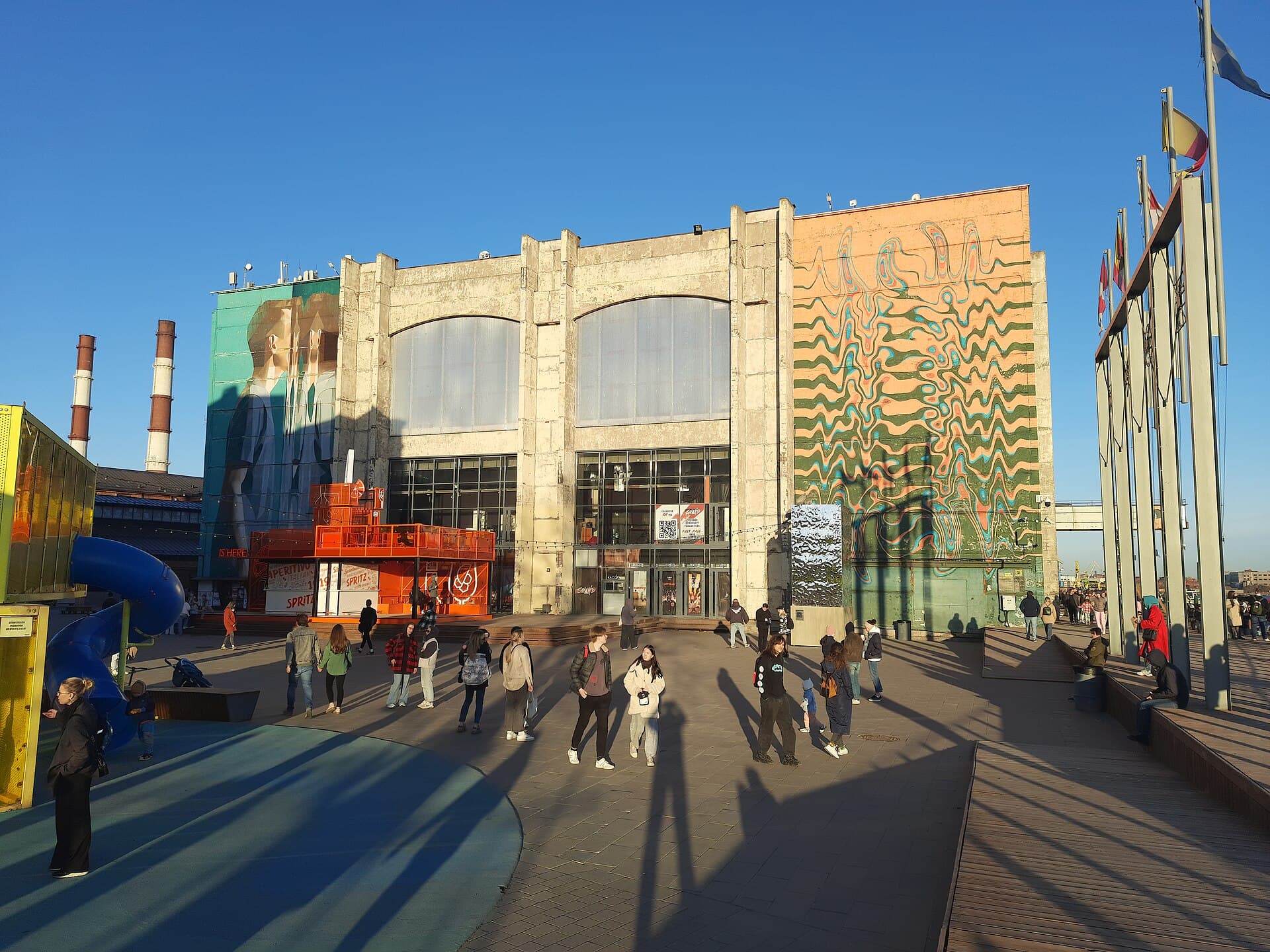
The past two years have seen a marked shift toward artist-run initiatives in Saint Petersburg, with several collectives establishing permanent exhibition spaces outside the traditional gallery circuit. These independent venues operate on flexible schedules and often host experimental formats including performance art, sound installations, and interdisciplinary projects that commercial galleries typically avoid. Many occupy former industrial buildings in districts such as Vasileostrovskaya and Petrogradskaya, where rental costs remain lower than in the historic center.
One notable development is the proliferation of studio-gallery hybrids where working artists maintain production spaces while rotating exhibitions of their peers. These venues typically charge no admission and fund operations through artwork sales and occasional grants. Visitors should check social media channels or dedicated art platforms for current opening hours, as many spaces operate by appointment or during weekend open-studio events rather than maintaining fixed schedules.
The collaborative model has proven particularly effective for recent graduates of the Repin Academy of Fine Arts and the Stieglitz Academy, who face limited opportunities in established galleries. Repin Academy of Fine Arts reports that approximately 40 percent of its recent alumni participate in collective spaces within their first three years after graduation. These initiatives frequently organize group exhibitions that showcase 10 to 15 artists simultaneously, providing broader exposure than solo shows while sharing organizational costs.
Transportation to these spaces often requires combining metro travel with short walks or bus connections, as many locations sit beyond the immediate reach of central stations. The decentralized nature of this scene means visitors interested in cutting-edge work should allocate time for multiple stops rather than expecting a concentrated gallery district. Admission remains free at most independent spaces, though some request voluntary donations of 200-500 RUB to support ongoing programming.