
Planning Your Visit to the State Hermitage Museum
The State Hermitage Museum on Palace Square remains one of the world's largest art collections, housing over three million items across six historic buildings. When I walked from Nevsky Prospekt to the museum entrance last autumn, I noticed the ticket queues stretching along the embankment by 10 AM. Advance booking has become essential for visitors who want to avoid two-hour waits during peak season from May through September.
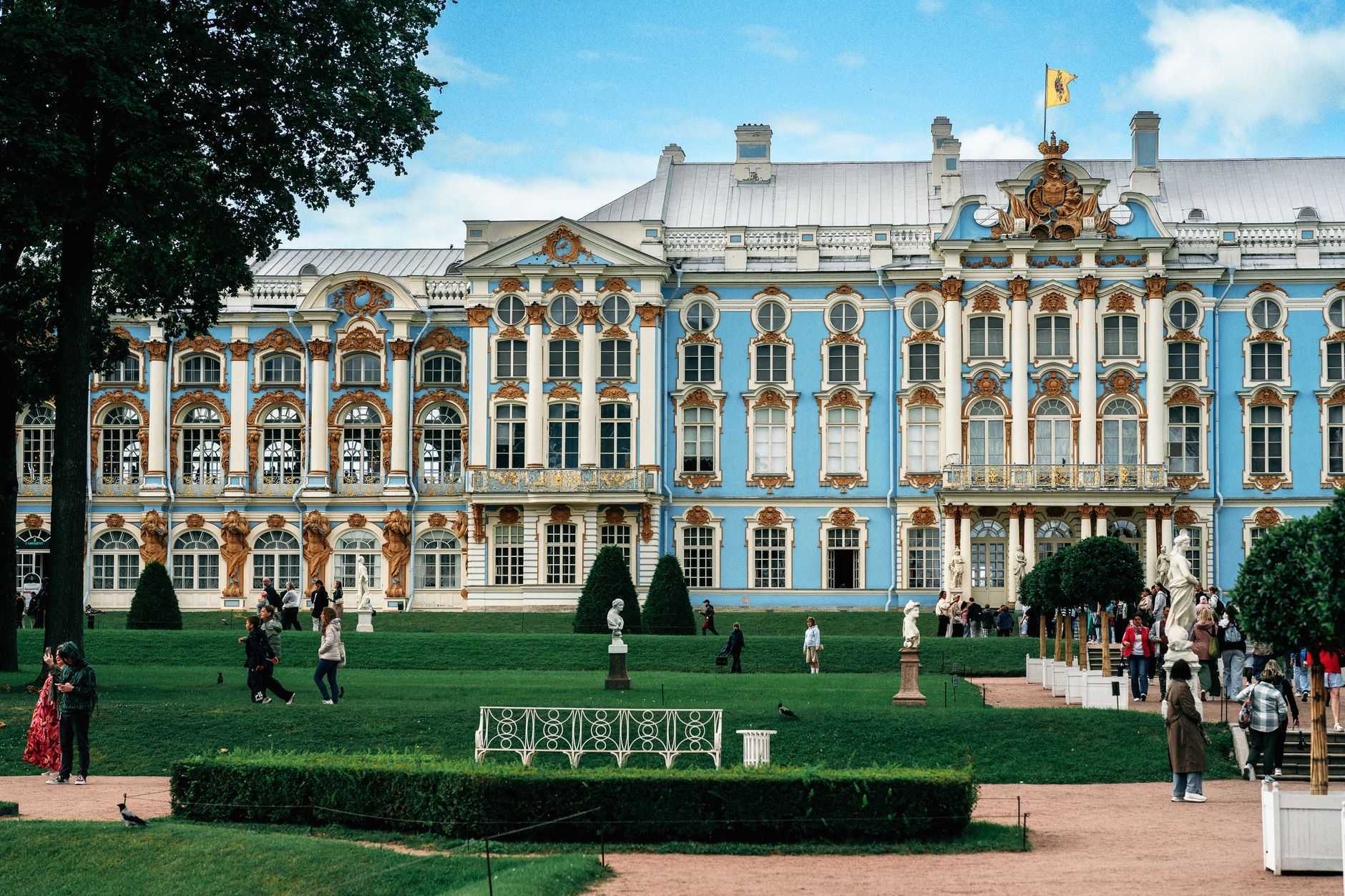
The main complex includes the Winter Palace, Small Hermitage, Old Hermitage, New Hermitage, and Hermitage Theatre. Standard admission costs 1,000 rubles for international visitors, while Russian citizens and students with valid ID pay 400 rubles. The State Hermitage Museum offers free entry on the first Thursday of each month, though expect significant crowds on these days. The museum opens Tuesday through Sunday from 10:30 AM to 6 PM, with extended hours until 9 PM on Wednesdays and Fridays.
Purchasing tickets online through the official hermitagemuseum.org website allows you to skip the main queue and enter through the dedicated pre-booked entrance on the Palace Square side. Mobile tickets work perfectly at the turnstiles. The Piter Pass includes priority entry to the Hermitage, which saved me approximately 90 minutes during my last visit in June when tour groups blocked the standard entrance.
Getting to the Hermitage Museum
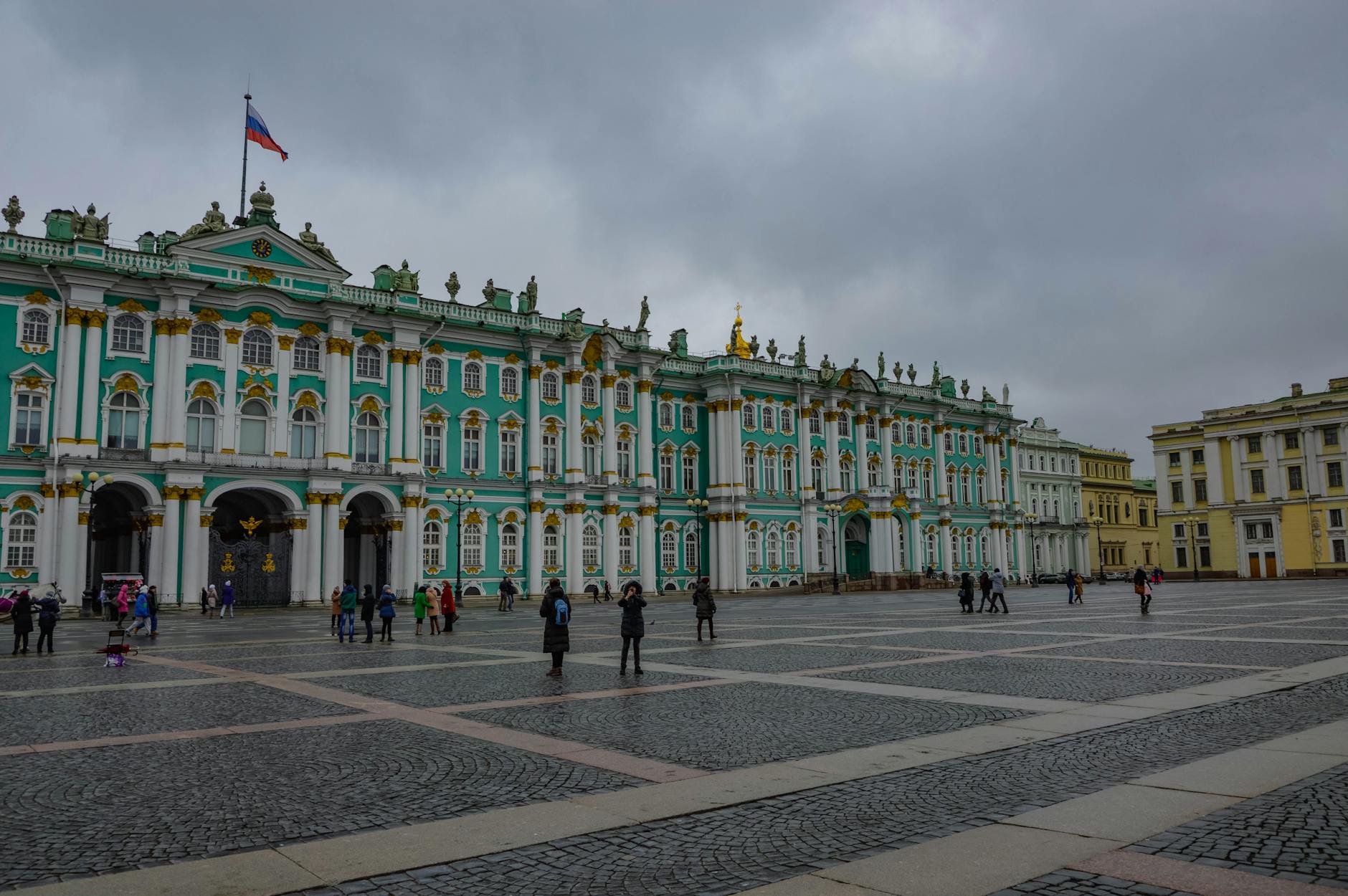
The museum sits at Dvortsovaya Ploshchad 2, directly accessible from Admiralteyskaya metro station on the violet line. Exit the station and walk 500 meters north toward the golden spire of the Admiralty building. The Winter Palace's distinctive mint-green and white facade appears immediately across Palace Square. On my last visit, this walk took eight minutes at a comfortable pace.
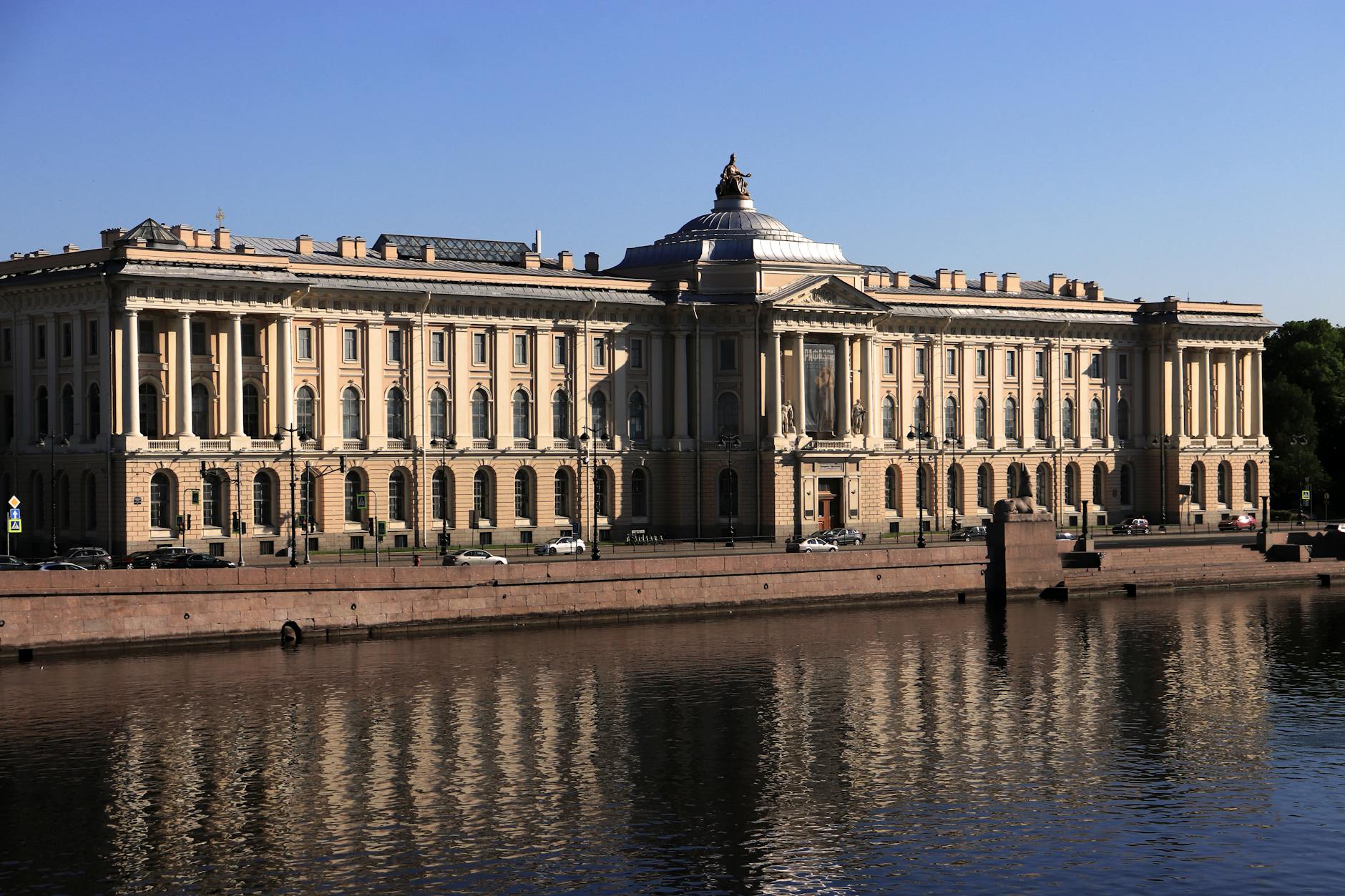
Alternatively, Nevsky Prospekt metro station places you 15 minutes away on foot along the city's main avenue. Walk west past Gostiny Dvor shopping center, continue through the arch at the General Staff Building, and emerge directly onto Palace Square facing the museum. Trolleybus routes 1, 7, 10, and 11 stop at Dvortsovaya Ploshchad, though metro remains faster during rush hours.
Taxi services from Pulkovo Airport cost approximately 1,000-1,500 rubles and take 40-60 minutes depending on traffic. City bus 39 or the express 39Э runs from the airport to Moskovskaya metro station, where a direct train takes you to Admiralteyskaya — around 150-200 rubles total, and more reliable during evening peak hours. Ride-share apps like Yandex Go consistently quote lower prices than traditional taxi stands outside the airport terminal.
Ticket Types and Pricing Structure
Standard admission covers the main museum complex including the Winter Palace state rooms and all permanent collections. Amateur photography without flash is free — the museum abolished its separate photo fee years ago; tripods and professional equipment still require advance permission. All visitors must check large bags and backpacks at the ground-floor cloakroom, which is free of charge.
One practical note for international visitors in 2026: bank cards issued outside Russia (Visa, Mastercard, American Express) do not work in the country, online or offline. Buy e-tickets before your trip where foreign cards are accepted, or budget cash in rubles; cards on the Russian Mir network and UnionPay are the main alternatives that work locally.
The two-day ticket option costs 1,500 rubles and allows re-entry within 48 hours, useful for visitors who want to split their experience across multiple sessions. The General Staff Building, which houses Impressionist and Post-Impressionist collections, requires a separate 600-ruble ticket unless you purchase the combined admission for 1,400 rubles. When I explored both buildings over two days, the combined ticket represented better value than individual purchases.
Audio guides rent for 500 rubles in English, German, French, Spanish, Italian, Chinese, and Russian. The device quality improved significantly since 2024, with clearer sound and more detailed commentary for major works. Group tours with licensed guides cost 3,500-5,000 rubles for up to 10 people and must be booked at least three days in advance through the museum website.
How much do Hermitage tickets cost in 2026?
Standard admission to the main complex is 1,000 rubles for international visitors and 400 rubles for Russian citizens and students. A two-day ticket costs 1,500 rubles; the General Staff Building is 600 rubles alone or 1,400 rubles combined with the main complex. Verify current prices on the official hermitagemuseum.org before your visit.
| Ticket | Price |
|---|---|
| Main complex — international visitors | 1,000 ₽ |
| Main complex — Russian citizens & students | 400 ₽ |
| Two-day ticket (re-entry within 48 h) | 1,500 ₽ |
| General Staff Building only | 600 ₽ |
| Combined (main + General Staff) | 1,400 ₽ |
| Audio guide | 500 ₽ |
| First Thursday of the month | Free (expect crowds) |
Do you need to book Hermitage tickets in advance?
Yes — from May through September advance online booking is essential: same-day queues regularly reach two hours by mid-morning. E-tickets from the official site let you use the dedicated pre-booked entrance on Palace Square, and mobile tickets work directly at the turnstiles.
How long does a Hermitage visit take?
Plan at least four hours for the main highlights or about six hours to cover several collections properly. The museum spans more than 350 rooms, so seeing everything in one day is physically impossible — the two-day ticket exists for exactly this reason.
Must-See Halls and Collections
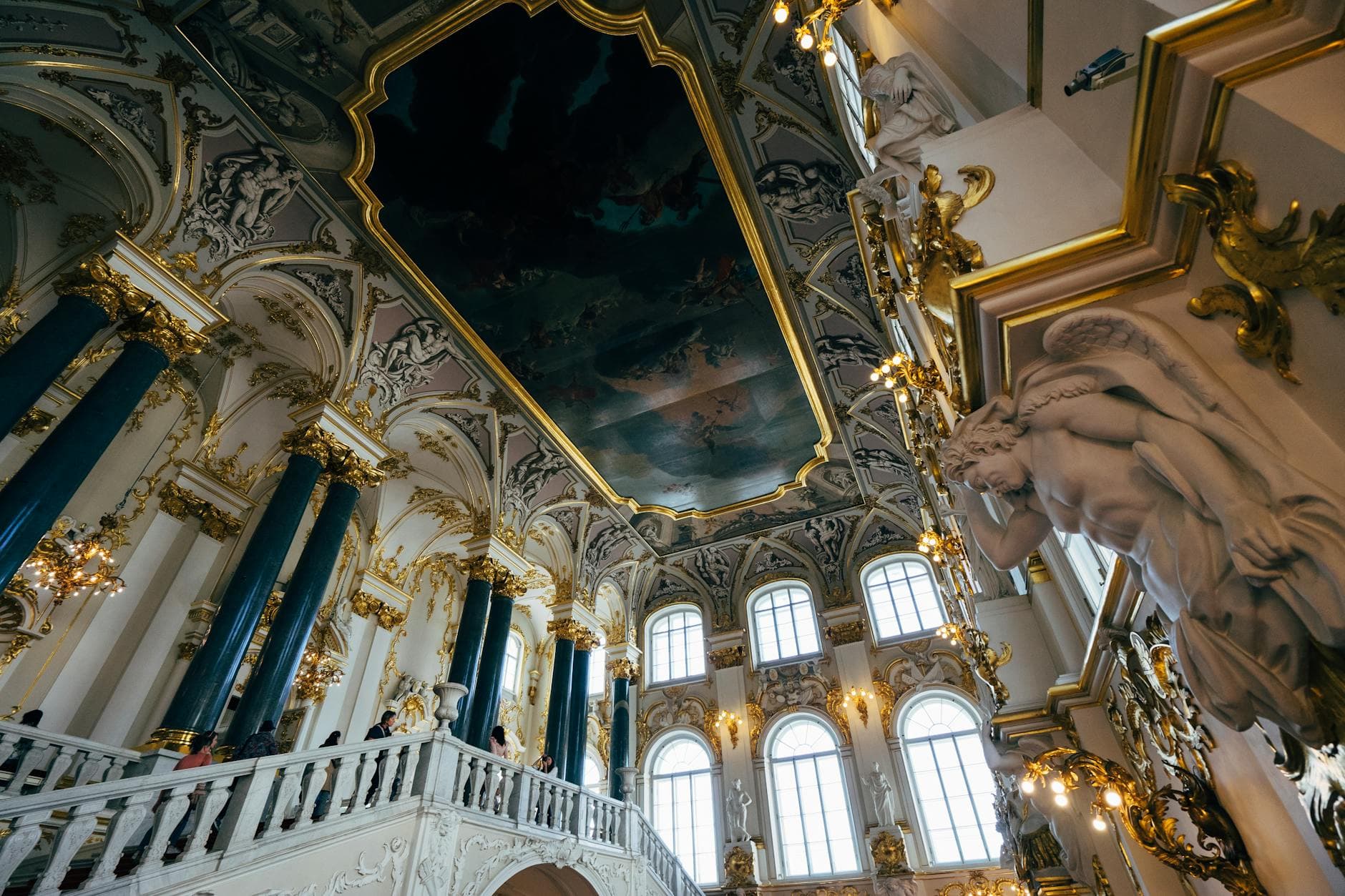
The Jordan Staircase serves as the ceremonial entrance to the Winter Palace state rooms, featuring white marble columns and gilded moldings that exemplify Russian imperial grandeur. We climbed these steps during the morning golden hour when natural light streams through the upper windows, creating dramatic shadows across the sculptures. The Malachite Room on the first floor displays over two tons of Ural malachite in columns, pilasters, and decorative vases.
The Italian Renaissance collection in rooms 207-238 includes Leonardo da Vinci's Madonna Litta and Madonna Benois, displayed in climate-controlled cases with minimal lighting to preserve the delicate pigments. Raphael's Holy Family occupies room 229, though the gallery often fills with tour groups between 11 AM and 2 PM. I found early morning visits before 11 AM or late afternoon after 4 PM offered better viewing conditions with fewer crowds.
The Pavilion Hall connects the Small Hermitage to the main palace, featuring the Peacock Clock, an 18th-century automaton that performs at specific times announced on gallery placards. Dutch and Flemish masters occupy rooms 245-258, including Rembrandt's Return of the Prodigal Son, considered one of his finest works. The Spanish collection in rooms 239-240 displays two El Greco paintings and works by Velázquez, though the Spanish holdings remain smaller than Italian or Dutch sections.
Practical Tips for Your Museum Visit
Plan at least four hours for a focused visit covering the main highlights, or six hours for a thorough exploration of multiple collections. The museum spans over 350 rooms, making comprehensive viewing in a single day physically impossible. On my last visit, I noticed most visitors showing fatigue after three hours, with diminishing attention to artwork details.
The ground-floor café near the cloakroom serves sandwiches, salads, and hot drinks at reasonable prices (coffee 200 rubles, sandwiches 350-450 rubles). The second-floor restaurant offers sit-down meals but closes 30 minutes before museum closing time. I recommend eating a substantial breakfast before arrival, as food options inside remain limited compared to nearby restaurants on Bolshaya Morskaya Street.
Wear comfortable walking shoes with good arch support, as the museum floors consist primarily of hardwood parquet and marble. The Winter Palace maintains 20-22°C temperature year-round, so bring layers even during summer visits. Restrooms appear on each floor near the main staircases, though lines form during peak afternoon hours between 1 PM and 3 PM.
Seasonal Considerations and Best Times to Visit
Winter months from November through March bring fewer international tourists but shorter daylight hours affect the quality of natural lighting in galleries with windows facing the Neva River. The museum decorates the state rooms with period furnishings during December, recreating imperial New Year celebrations. When I visited in February, the reduced crowds allowed unhurried viewing of popular works without jostling for position.
Summer White Nights from late May through mid-July create extended visiting opportunities with the museum's special evening hours until 9 PM on Wednesdays and Fridays. The surrounding Palace Square hosts cultural events during this period, though ticket prices remain constant regardless of season. July brings the year's peak attendance, and weekend days are noticeably the most crowded.
Spring months of April and May offer moderate temperatures and blooming gardens along the embankment, visible from the museum's riverside windows. Autumn brings golden foliage in the nearby Alexander Garden and stable weather patterns with less rain than October. The museum occasionally closes specific galleries for restoration work, so check the official website's "Temporary Closures" section before finalizing your itinerary.
Combining Your Hermitage Visit with Nearby Attractions
The Church of the Savior on Spilled Blood stands 800 meters northeast along the Moika River embankment, reachable in a 10-minute walk from the museum's north exit. Combined tickets for both attractions do not exist, so budget separately for the church's 350-ruble admission. The Russian Museum on Inzhenernaya Street, 1.2 kilometers east, focuses exclusively on Russian art from icons to contemporary works and costs 500 rubles for standard admission.
Palace Square itself hosts the Alexander Column and the General Staff Building's triumphal arch, both free to view and photograph. The Admiralty building's gardens provide benches and shade during summer months, useful for rest breaks between museum sessions. We spent 30 minutes in these gardens after our morning Hermitage visit, watching naval cadets from the nearby academy during their lunch break.
The Piter Pass includes admission to both the main Hermitage complex and the General Staff Building, plus public transport access on the metro and buses for traveling between attractions. This combination works well for visitors planning three or more museum visits during their stay, as individual tickets quickly exceed the pass cost of approximately 60 euros for three days of unlimited access to participating museums and attractions across Saint Petersburg.