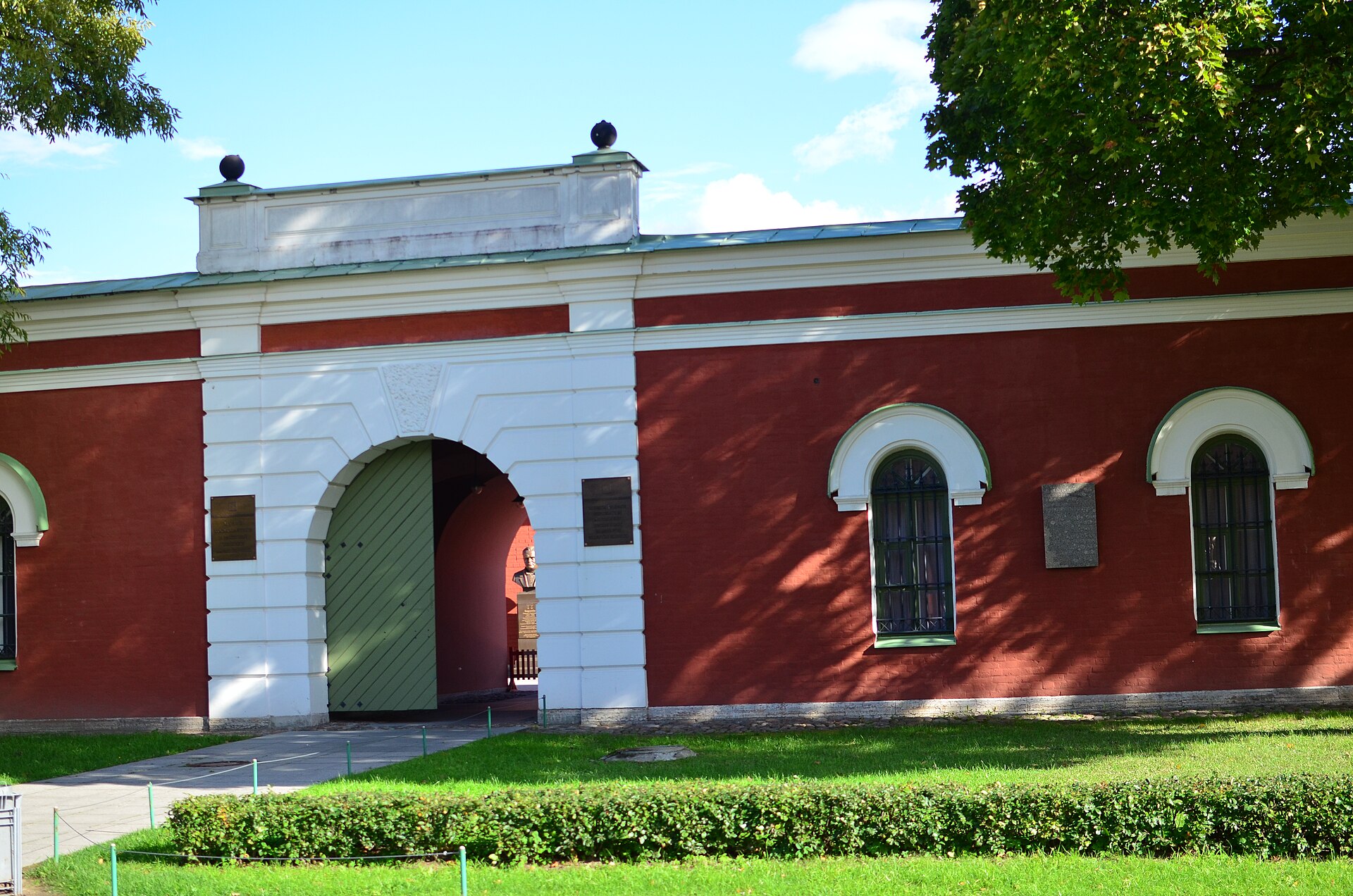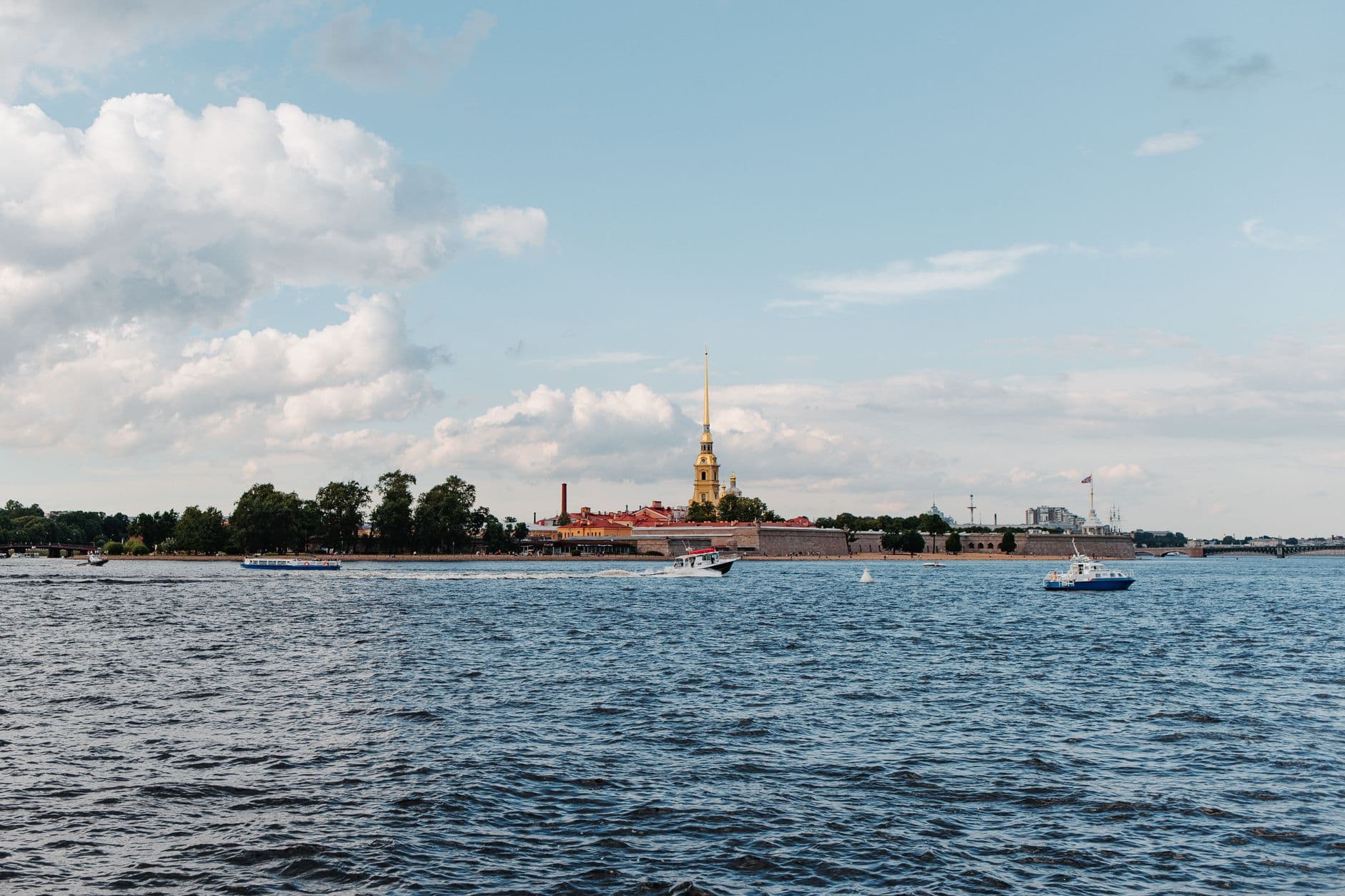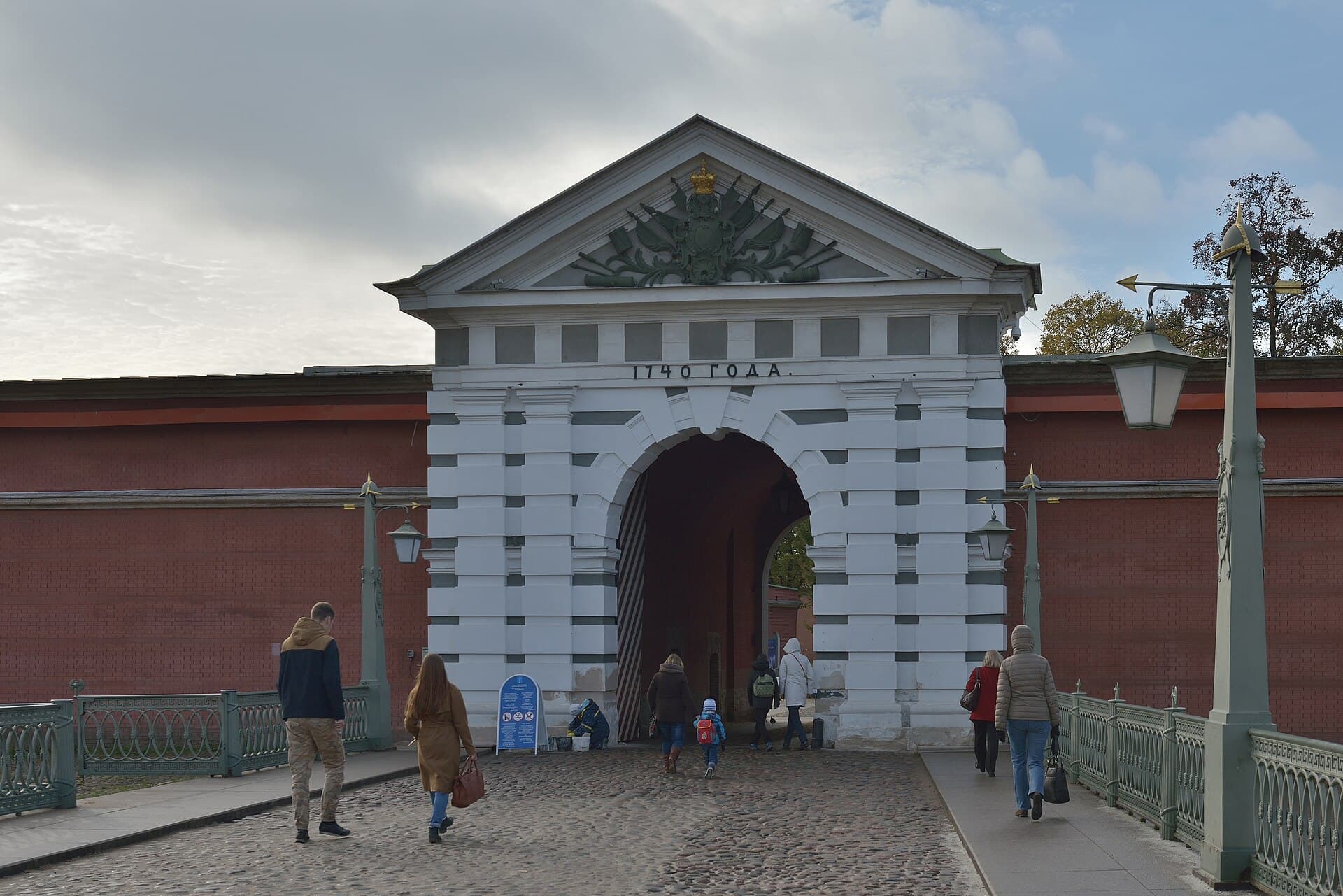
The Peter and Paul Fortress is opening a retrospective of Savely Schleifer, a nearly forgotten painter of the Russian avant-garde. The exhibition, «Discovering Names of the Avant-Garde: Savely Schleifer (1881–1942?)», opens on 15 October and is open to visitors from 16 October 2026 until 28 March 2027 in the exhibition hall of the Ioannovsky Ravelin, the first building you reach after crossing the Ioannovsky Bridge.
More than 50 works are on show. Only a little over 70 of his works are known to survive, so this is close to everything that is left of him.
Who was Savely Schleifer
Schleifer was born in Odessa in 1881 and studied in Odessa, at the Imperial Academy of Arts school in Saint Petersburg and in Paris. In 1909 he joined the Union of Youth, the first avant-garde artists' group in Saint Petersburg, founded by Mikhail Matyushin and Elena Guro. From 1911 he also worked as a stage designer.
In 1919 he set up free art studios in the small town of Vesyegonsk, where his best-known pupil was Vladimir Serov, later president of the USSR Academy of Arts. Back in Petrograd in the 1920s, he sent paintings to the 1924 Venice Biennale. In 1927 he emigrated to Paris and worked as a make-up artist while continuing to paint.
Why his name faded
In June 1941 Schleifer was arrested in France as a Soviet citizen and interned at Compiègne, where he painted his last pictures. In September 1942 he was deported via Drancy to Auschwitz, where he was killed. His works ended up scattered across collections, which is why his name was known mostly to specialists. Critics of his day compared him with Cézanne, Chagall and Dobuzhinsky.
What you will see
- 13 portraits, including «Portrait of a Young Man» (1910s) and works from his peasant cycle.
- Landscapes from early views of Bakhchisaray (1907) to «Landscape with a Factory» (1942), one of his last canvases.
- Still lifes, such as «Still Life with a Blue Teapot» (1912).
- Costume sketches for a 1911 Union of Youth stage production, with a Karl Bulla photograph showing Schleifer himself on stage.
- Three paintings that travelled to Venice in 1924.
The works come from the Museum of the History of Saint Petersburg, the Russian Museum, the Tver Regional Art Gallery and the Saint Petersburg Museum of Theatre and Music.