
Begin at the entrance on the square and walk along the wall in a clockwise direction to orient yourself quickly. This choice minimizes crowding and yields a logical sequence of facades, courtyards, and marker sites that reveal the city’s fabric in real time.
What you gain is a historical narrative traced by brick, timber, and signage. Outside the main gates, examine metals fittings and door joints that once locked workshops and stores. The barriers along the narrow lanes preserve the site’s character while letting you breathe the area’s life and hear chatter from workshops and markets, a history shaped by wars and repairs.
Head toward the Mniszech courtyard and study wall inscriptions that reference the era’s patrons. Then stroll to the Michaels site and compare the preserved façades with later renovations. Zaitseva Street nearby offers a contrast of old plaster and new paint, a reminder of ongoing care for the heritage zone.
Lighting is your guide after sunset: lampposts, warm spotlights, and shop windows create depth along the wall. The Moscow Metro line sits within reachable distance, so plan your start from a metro station or finish there for a cohesive day. This proximity makes it simple to combine a brief walk with a transit return.
Finally, plan a concise loop: square – gates – wall – Mniszech frontage – Michaels – Zaitseva – embankment. The site’s rhythm is defined by open space pockets and enclosed courtyards; use the steps between them to reflect on life in the area and to spot details missed on a hurried pass.
The experience rewards attention to texture, cues from the past, and a pace that fits a busy day. What you’ll remember is not a long itinerary but a vivid moment when the city speaks in walls, lighting, and footsteps – so enjoy, then return with fresh eyes.
Walking Tour Guide: Kolomna Historic District
Begin at Novo-Golutvin and map a compact loop that includes the palace, then move to lanes with attractions along the way.
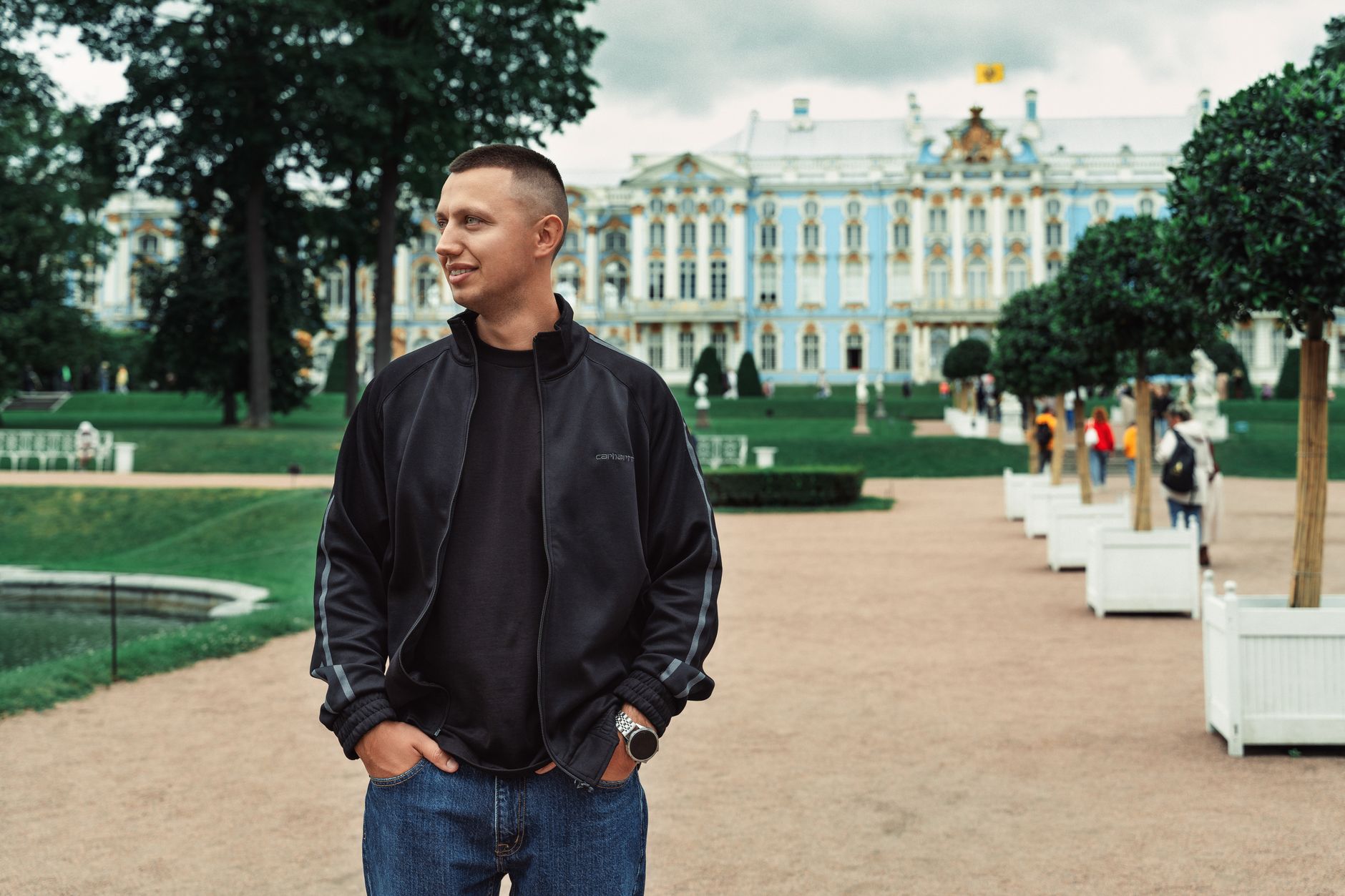
Today, reach the area by Moscow Metro, exiting at the central hub and following a river promenade toward the main squares. This choice keeps the route realistic and easy to follow.
Weather dictates pace: choose morning hours for light, cooler air, and fewer crowds. Plan two or three days for a deeper sense of the place, and dont miss the open-air stalls where pastilas and local crafts appear.
Along the route you encounter old-fashioned facades and a palace with neoclassical touches. Next, step into courtyards where Rossi-era crafts appear; look for a fountain designed in the Rossi style and signage that hints at past lives. Embrace the truthful record of adaptation visible in brick and tile.
This part of the world reveals the Slavic roots and a breeding of crafts that survive today. You can glimpse workshops where wood carving, pottery and textiles appear; the area has undergone changes yet preserves its soul. This is an interesting mix that invites you to choose your own pace and observe respectfully.
The dirt on age-worn streets adds texture; dont let it deter you–bring comfortable shoes and a portable water bottle. A short pause in a courtyard offers a glimpse of daily life and a moment to collect recommendations.
Use this plan today as a concise way to see Kolomna: visit the palace precinct, pastilas stalls and riverbank markets. If weather cooperates, this type of route can extend toward a church or river promenade. Embrace the compact scale and return to the Moscow Metro when ready.
Starting Point and Access: How to reach Kolomna’s Main Square
Begin at Kolomna railway station and take a short walk to the Main Square. The 20–25 minute route runs along clean streets lined with white-stone façades, passes a decorative arch, and ends near a statue that anchors the area’s charm. This direct option gives easy access to nearby museum spaces and prime spots for photos.
Entry to the square is straightforward. Exit the platform, follow signs toward the old town, and you’ll reach the central entry after a light crossing of the main road. If you prefer a faster option, bus stops at the station and near the entry provide regular connections through the days.
- Best start times: before 11:00 on days with lighter crowds; morning light makes the retro façades glow for photos and helps you frame the statue and arch. There are opportunities for exploring the area near the market.
- Distances and sights along the way: roughly 1.5–1.6 km; about 20–25 minutes on foot; you’ll notice clean surfaces, cube-shaped modern structures, and several ones with antique charm.
- Alternative routes: take a short bus ride and then a brief walk to the entry; there, you’ll find interesting corners that reveal Kolomna’s core, including a newspaper stand and some of the local art.
Useful notes: hours for nearby museums vary by season, so check locally. For more details, consult httpwwwkolomnapastilaru. If you’ve explored earlier parts of the city or wish to learn more about 16th-century history, you can plan a stop at Kulikovo near the Revolution monuments. The square is a magnet for families and couples married and visiting together, especially for photo opportunities beside the statue and arch.
- Nearby highlights include a 16th-century motif panel, a small arch segment, and a cube-shaped pavilion; these elements create a clean, compact mood for a short excursion. The sights also make great backdrops for photos.
- To orient yourself, look for newspaper kiosks, signage in Kolomna, and the nearby village outskirts that offer a rural counterpoint to the urban core. The ones along the path are easy to spot and help you plan looping routes.
There are days when the square feels especially lively, which is ideal for those who want to observe local life and take interesting shots. Previously explored routes show how to move between the entry, the arch, and the statue, while a quick detour to Kulikovo can enrich your understanding of the town’s past.
Must-See Landmarks in Sequence: The most iconic stops
Begin at the palace terrace, where a carved staircase curves toward an arch, and a marble lady statue in the square greets you, giving a truthful sense of the area’s glory as you study the foundation of earlier structures.
According to locals, the historically restored synagogue sits in a central location along the main streets, with tickets for a brief interior visit.
Next, the art-kommunalka block anchors the northern area, its hand-carved details and the hand of craftsmen visible in restored façades showing enhanced construction, a type of decorative tiles, and aesthetics evident at every corner.
From there, Kulikovo invites a short walk along the streets toward a row of restored structures; a heavy arch frames the passage, linking two eras of craft and commerce.
Finish at the fortress complex surrounding the palace-like towers; the foundation remains visible among preserved structures, and the final view highlights centuries of construction and the glory that shaped the town’s fate.
Time and Pace: Suggested duration for a relaxed 2–3 hour stroll
Target duration: about 2.5 hours, with 15 minutes reserved for photos and light refreshment in the centre.
- Begin at Lenin’s statue on the central square; allocate 15 minutes to orient and capture the sight of the centre's old-fashioned façades.
- Walk along the cobbled street toward the Kremlin; plan 25–30 minutes for the fortress exterior and a brief interior check if allowed. These structures have undergone restoration, with some elements replaced during the process, yet the overall silhouette remains rich and ancient.
- Turn to a lane lined with age-worn houses and storefronts; include 20–25 minutes to read plaques and compare foundation details to empire-era styling. dont miss the small Michaels corner shop for a souvenir, and note the pastilas pastries visible in windows.
- Pause at a café to sample pastilas and coffee; allocate 15 minutes and observe street life. those with limited funds can keep expenditure low while enjoying authentic flavours.
- Visit a church foundation dedicated to regional heritage; during this stop, observe the restored interior, and take photos of frescoes and the surrounding structures.
- Return toward the centre and finish with 20–25 minutes of relaxed observation and the final photos. dont rush; this route is designed to fully reveal the atmosphere.
Reviews from visitors confirm the effective pacing and sight density, with many noting the rich textures of the centre and the empire's influence on the buildings. During the walk, some travellers remarked on how the Kremlin and old-fashioned façades give a sense of ancient times without feeling rushed. For those with limited funds, the route remains fully enjoyable, because most experiences are outdoors and free or low-cost, including street scenes, murals, and alley views. The route also allows you to combine modern life with history, and photos taken along the way capture the foundation and structure of the local heritage. The city has undergone changes, yet the core spirit remains fully alive and accessible to those who want to explore it at a comfortable pace. And the narrative is married to the present, bridging past and modern life.