Start here: arrive at Vasilyevsky Island bazaar by the port around 08:00 to beat the waiting lines. The favorite morning stop reveals the magic of fresh produce and a practical path into the city’s trading culture.
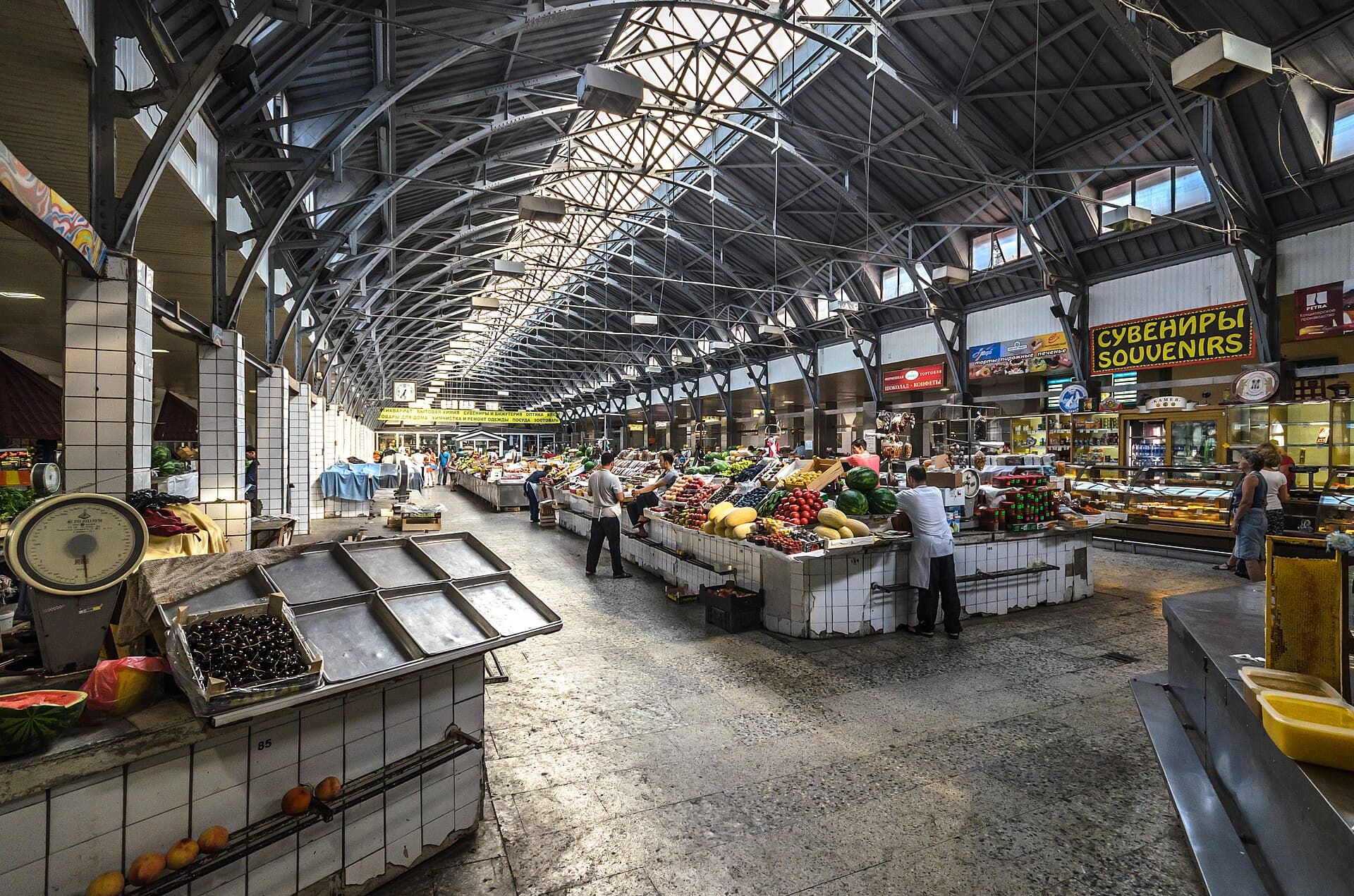
The layout centers on a main hall that spans an area of roughly 2,800 square meters and is divided into department sections for veggies, fruits, dairy, meat, and baked goods. A space with clear aisles guides visitors through a variety of stalls; signage groups goods by categories, making it easy to locate what you need. Vendors are known for quality and many were founded decades ago, with items made by local producers.
Beyond the central hub, the Petrogradsky waterfront bazaar offers a different texture: rows of stalls with fruits, herbs, and prepared snacks. It’s often busy on weekends, yet still walkable. The bazaar’s history is founded in the late 1990s and remains known for sustainable produce and made delicacies you can sample at small cafe corners.
Strolling further, the intriguing corners around the bazaar networks extend into artisan goods and household items. In between, a cafe offers tea and rye with a quick tasting session – a kind of therapy for the senses after a long stroll. Many stalls serve products that city residence relies on daily, from sourdough breads to herbal blends, allowing visitors to discover beyond the usual veggies and fruits.
Local guides like Praveen point to favorite vendor clusters: a honey producer near the port, a mushroom stall with a rotating variety, and a fish counter that adds a signature smoky aroma. The space around these stalls is compact yet intriguing, inviting visitors to compare categories of products and to sample fruits and veggies side by side.
To maximize the experience, plan routes through multiple zones: the main bazaar area, then smaller spaces around the riverfront where locals linger for a favorite bite. The exposure to variety of vendors, from producers to small departments, makes it easy to assemble a complete shopping list and a portable feast that goes beyond mere veggies and fruits.
Navigate city markets like a local: timings, layouts, and dining options
Arrive at 07:00 to catch the moment when the first rows of fresh produce appear and the square begins to hum.
Timings follow a simple pattern: opened early, mid-morning lull, then a late rush on weekends. Most bazaars operate year-round and open around 07:00–08:00, closing by 14:00–16:00; be aware that date-specific hours may vary.
The layout combines a colonnaded main arcade with a network of narrow lanes; designed to guide foot traffic in a natural loop, this setup holds shoppers along long rows of stalls and makes it easy to switch between produce, snacks, and souvenirs without backtracking.
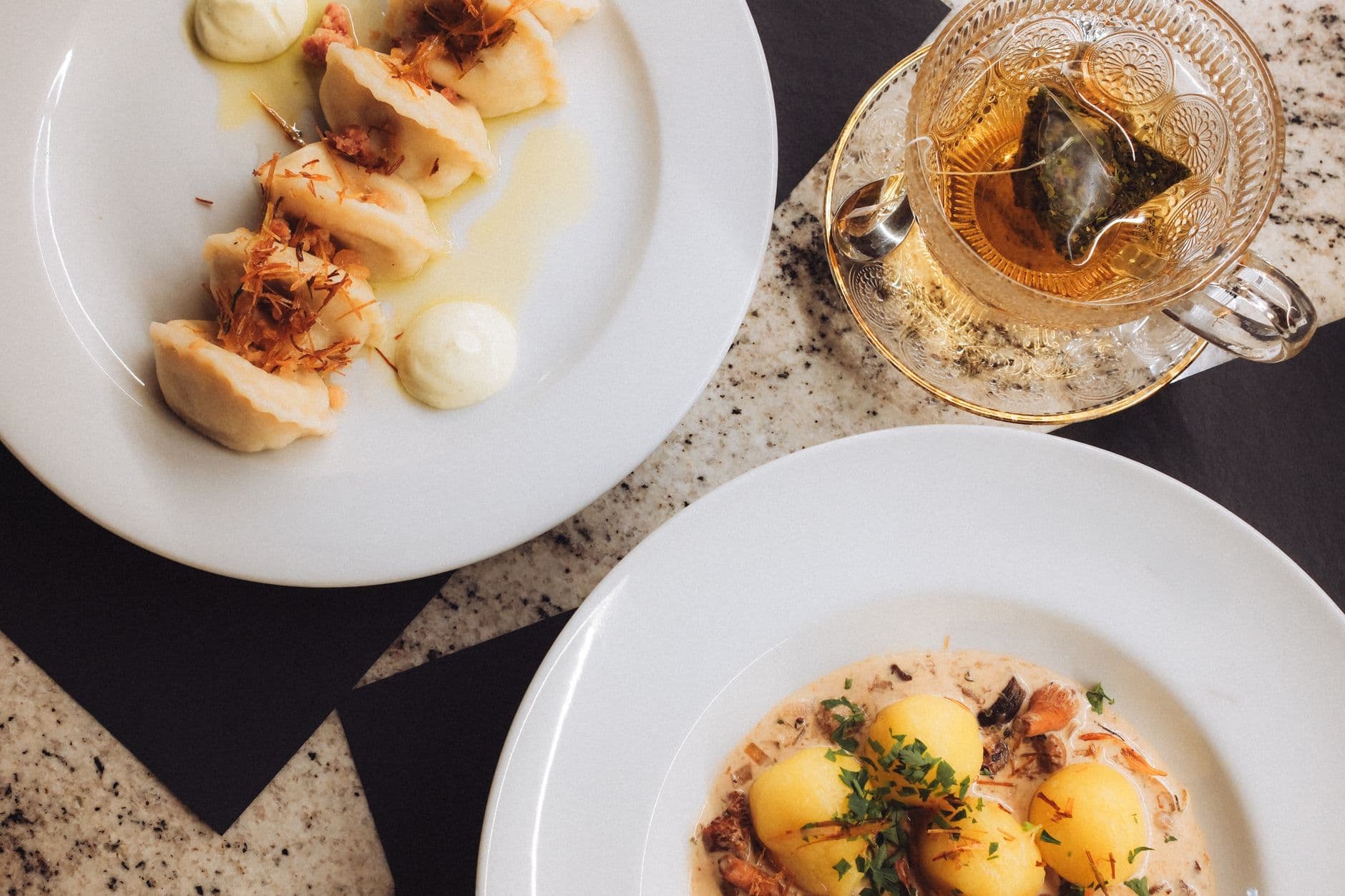
Dining options are practical and varied: snack counters offer pelmeni and blini, pickles and smoked fish, and rye bread with butter; you can sip tea or local beer, and there are child-friendly bites for younger visitors. Your culinary victory is tasting a bite of smoked fish with mustard, a simple joy that pairs with the surrounding buzz.
Prices range widely by date and produce quality; a hundred ruble bunch of greens is common in morning markets, while rarer items may push higher. Always check the price signs near each stand and compare value across vendors to gauge the best deal.
For any traveler, the historic colonnaded complex holds significant value; this is a must-see for sightseeing and a favorite stop to feel the city’s pulse. A quick review of the stalls will reveal how market life loops from tradition to daily rhythm.
Cleanliness and safety are steady: stalls are routinely cleaned, paths kept clear, and signs guide you through the main routes. The décor blends vintage wooden counters with modern tiling, giving a hundred-year tradition vibe while remaining comfortable year-round.
Would you prefer a calmer route or a brisk, all-in-sightsee approach? Either option works: begin at the central hub and proceed outward in a clockwise or counterclockwise sweep, keeping a reusable bag handy and reserving a moment to unwind at a small beer corner. If you could choose, start clockwise for a brisk first pass. This combination of history, flavor, and magic makes each visit feel unique and truly local.
Kuznechny Market: top stalls for fresh produce, fish, and dairy
Go straight to the year-round greens stall after you enter Kuznechny Market for the crispiest lettuce, dill, and parsley; the produce here is firm, fragrant, and often organic.
Across the right-hand side, salad components are curated by two usual categories: leafy greens and herbs. The stall named Green Line offers consistent harvests; google reviews praise fair prices, rapid turnover, and restocks that keep shelves full.
For sea treasures, the amber-label counter handles salmon, sea bass, and mackerel with ice as bright as a piano lid; ask for skin-on fillets and portion sizes to fit your meal plan.
Dairy and cheeses come from Petrograd-dedicated counters with a french connection: camembert, brie, cream, butter, and yogurt; a small sampler corner frequently draws evaluators.
Tips for a smooth visit: enter early to beat crowds; waiting at noon is usual, so plan a morning hour; tours by locals offer quick insights into producers and places, with a magic mood around the amber counter; reviews on google and other sites confirm the good vibes, and you’ll get juicy goodies on the way.
Since the first strolls, this venue has been a Petrograd favorite for produce, with stalls already labeled for origin and year-round availability; question vendors about organic options, and give feedback to help the next shopper, while icons on maps guide your path for another spin to salad greens or a salty snack.
at the Bank of Russia rate on 24.10.2026 · powered by tutkakdoma
Food halls and prepared foods: where to grab a quick lunch or snack
Head to the year-round hub by the port and start at the front-left counter for a quick bite: pelmeni with sour cream or a divine salmon pie come out hot in minutes.
Those stalls emphasize straightforward flavors; you’ll find prepared dishes designed for people on the go, from hot pies to fresh salads. The space mirrors culture and history, with paintings on the walls that echo the city’s life and recipes.
For children and adults, options like potato pancakes, dill-seasoned fish, and hearty soups are common and clearly labeled; you should not hesitate to mix a small bite with a larger one to keep energy up during sightseeing.
Prices sit in three ranges: 180–320 RUB for small bites, 350–650 RUB for mains, and 120–180 RUB for drinks, making a solid lunch under 700 RUB on most days.
Brands range from regional favorites to Praveen-inspired stalls; the variety is notable across year-round halls, and if youre curious, youre sure to find a nice discovery with every visit.
Soviet-style markets: layout, queues, and classic goods you’ll see
Go early on a weekday to beat the line and map a smooth route through the two floors. The complex is located in a dense cluster where durable stalls form a loop; signs often translated into English for international visitors, making navigation convenient.
The ground level hosts grocery counters and cosmetics, with a galeria-like central aisle that many say is the soul of the place. Prices are shown on visible tabs, and a vendor will often adjust the amount as you follow with a smile. The design keeps a practical, no-frills feel that began in the late Soviet era and opened to the public in stages in the 1950s; outlets were founded to supply daily staples for ordinary families, and the layout follows a line of narrow stalls rather than one long counter. The location near the transit hub makes it convenient to drop by before heading to other parts of town.
Classic goods you’ll see include rye bread, condensed milk, salted fish, preserves, pickles, dried mushrooms, tea, coffee, and cosmetics from local makers. A visitor might buy a snack at a small cafe inside, and at least one stall often offers a sample to try; designers of the time used durable packaging that still makes the goods feel iconic and rooted in culture.
Recommendations: bring small change, keep a notebook with location names and order numbers, and follow the counters for a clear flow. Paying behind a counter and asking for price tabs helps; most staff speak Russian and will translate basic questions. This set of recommendations focuses on practicality and avoids unnecessary detours. The experience is convenient for travelers who want to feel the history and culture, with a special cafe stop offering a quick coffee or tea during a break.
The story began in the early Soviet layout of trade; the architecture and floors reflect the era's pragmatic design. These venues, founded to serve citizens, opened with a mission to provide affordable everyday goods, and the experience now stands as a bridge between history and living culture. For visitors, this is where you go, going line by line through a daily ritual–placing an order, picking up items, and leaving with a bag that carries a hint of the soul of the city that began long ago.
Practical buys: bargaining tips, cash vs. card, and sample-size purchases
Start with a concrete move: carry rubles in small notes and initiate offers at roughly 40–50% of the asking price. If the first reply is firm, step back, compare nearby stalls, and return with a slightly higher, but still modest, counter. This straightforward tactic is particularly effective in the city’s restored lanes and complex rows where vendors expect quick decisions. Avoid the expensive items if the bargain doesn’t feel right.
Cash vs. card: cash remains the most convenient bargaining leverage; some booths still prefer cash, while others accept cards for higher-value purchases. Have a mix of small notes on you and be ready to pay promptly for a favorable price. For international travelers, a money plan that prioritizes cash for haggling and reserve cards for larger buys keeps options open; many stalls in the island-side areas are convenient for quick, no-fuss payments. Ensure you know the total before swiping.
Sample-size purchases: for foods, teas, jams, or small textiles, ask for a short, labeled sample before committing. Look for homemade and organic goods; you’ll be able to gauge quality without a large spend. If you are planning a short visit, pick a couple of single items in sample form and test them across stalls; this helps you compare design and making quality. Keep price in mind and avoid nearly paying the same for every item.
Etiquette and tactics: address sellers directly with a friendly tone; a remarkable approach is to start with a lower price, then rise toward your target while staying respectful. Scan the centre area to compare several options and evaluate materials, weight, and finish. Ask where the item was produced, whether it is homemade, and if any adjustments are possible; such questions build trust and significance in your purchase. This mindful approach makes everyday buys more satisfying and helps you plan forward for future trips.
Practical checks and money management: record offers, keep a short tally, and avoid splurging on overpriced items. If you choose to pay with money rather than plastic, you may save a few percent–especially on a single item or a small bundle; if you go with cards, verify the device works and count back change carefully. Bring a plan for the day: a couple of quick stops, and a longer stroll to compare prices, then decide. Some stalls display a tolly tag to indicate a small discount. For items marketed as homemade or organic, request details about origin and production, which adds transparency and makes a purchase more meaningful for your forward plans.
District highlights: best markets by area and how to plan an itinerary
Begin in konyushennaya, map a two-day loop: Day 1 central bazaar clusters and the Gostiny Dvor emporium; Day 2 Petrograd district riverfront stalls and the museum quarter around the basilica. here’s a practical calendar to follow, and press tips to catch the liveliest moments ahead of your visit.
Central cluster
From konyushennaya, kuznechny bazaar offers a compact lane of stalls with cream, berries, and dairy; the rows often open early, around 9:00–11:00, and you can carry a store bag for purchases. This bazaar holds a lively mix of neighbors and visitors, and its style ranges from rustic to refined, a true reflection of city life. Gostiny Dvor emporium sits nearby, built in the 18th century, and hosts a blend of crafts, edible counters, and small stores; plan 60–90 minutes here. For a quick break, choose a window counter and watch the characters pass by–these moments reveal the soul of this place.
Petrograd district axis
Head toward the museum quarter where basilica rises; a string of vendor stalls lines the embankment, offering salt‑roasted fish, bread, and a dollop of cream–truly a tasty pairing for a seaside breeze. The surrounding press notes these open‑air rows as worlds of flavors, and the Petrograd calendar marks when the stalls are most active. should you be pressed for time, pick the morning run to catch calmer crowds, or either direction to keep the pace comfortable.
Vasileostrovsky coast and surroundings
Across the river, a longer row of small shops and outdoor counters focuses on practical goods and handmade items. Window counters invite quick tastings, and hosts are happy to share stories about their craft. The surrounding quarter near a small museum lane holds a little cluster of stalls where you can compare styles–from rustic to contemporary–often in a quiet, reflective mood. Plan about 45–60 minutes here, then continue toward your next site.
Planning tips to optimize your route
Use a simple calendar and allocate two or three hours per district, with 15–20 minutes per store to decide. Bring a light store bag for purchases, and pack a little water to stay comfortable as you walk. Should you want a deeper connection, stop for a moment at a basilica doorway or near a museum entrance to hear the voices of locals and visitors–a little justice in bargaining makes the experience nicer. Moreover, note the moment when the press features a standout vendor; those notes can guide you to hidden corners and little sites you’ll want to revisit.heres how to plan your route: start at konyushennaya, move west along the canal, then cross to Petrograd’s riverfront, and finally loop to the museum quarter–yourself in control, yet open to the city’s evolving characters and stories.
Seasonal market events and temporary food installations in 2026
Saint Petersburg hosts several rotating market formats that complement its permanent food halls, particularly during the warmer months from May through September. The New Holland Island cultural center operates weekend artisan markets featuring local producers, craft vendors, and street food stalls, typically running Saturdays and Sundays from 11:00 to 20:00. These markets emphasize regional products from Leningrad Oblast and neighboring areas, with prices generally ranging from 200 to 800 RUB for prepared foods.
The Sevkabel Port territory along the Gulf of Finland maintains a summer market schedule with rotating themes, including farmer's markets on select weekends and evening food festivals that showcase both Russian and international cuisines. Entry to the territory remains free, though individual vendor prices vary. The site also features permanent food court options that operate year-round, providing shelter during the city's extended cold season.
Winter brings indoor market events to venues such as the Tkachi Loft Space and various cultural centers throughout the city. The December holiday season sees temporary Christmas markets appear in locations including Pioneer Square and near the Kazan Cathedral, selling traditional foods, handicrafts, and seasonal treats. These typically operate from early December through the first week of January, with hours extending into evening to accommodate the city's limited daylight.
For current schedules and confirmed dates, Visit Petersburg maintains an events calendar with market listings. Visitors should verify specific operating dates before planning trips, as many seasonal markets adjust their schedules based on weather conditions and public holidays. Payment methods at temporary markets vary, with smaller vendors often preferring cash while established installations accept cards.